
Review · SAPA
2 Days Fansipan Trekking
Mount Fansipan is not a gentle viewpoint walk. This two-day trek gains about 1,200 meters on its first day, then asks you to climb again before descending to Tram Ton Pass. The payoff is a real mountain journey, with pine forest, bamboo, streams, a base-camp night, and the chance to reach the summit before sunrise.
I like the local Black H’Mong guide and the cultural side of the trip. I also like the practical extras: transport from Sapa, meals, sleeping gear, and a hot shower at the office before and after the hike. The main caution is fitness. Rain, cold, thin air, and steep ground can turn this into a very hard two days.
Key points to know before booking
- The first day is the big climb: Expect about 10 kilometers of trekking, five to six hours on foot, and roughly 1,200 meters of uphill gain.
- You sleep at base camp: This is camping with shared accommodation, a sleeping bag, and mattress rather than a hotel night.
- Sunrise is optional: You may start again around 4:00 or 6:00 in the morning, depending on the plan and conditions.
- The second day is long: The route covers about 14 kilometers, with 300 to 400 meters uphill and as much as 1,100 to 1,200 meters downhill.
- The return is flexible: You can trek back to Tram Ton Pass or pay separately for the cable car, with transport waiting near Sapa.
- The value is strongest for prepared hikers: At $136 per person, the package covers a lot, but cable-car tickets, tips, personal costs, and possibly insurance are extra.
Why Fansipan is worth two demanding days
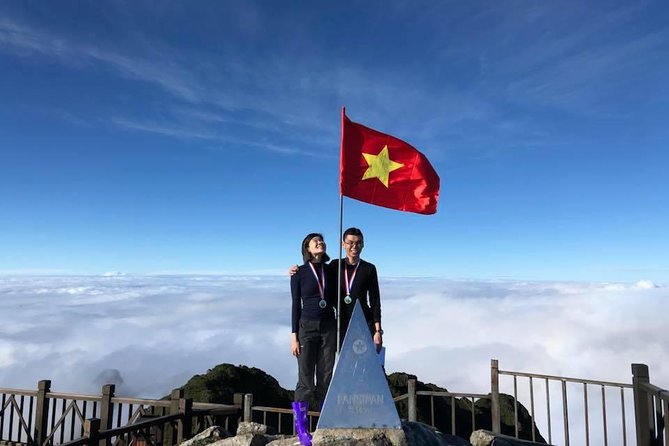
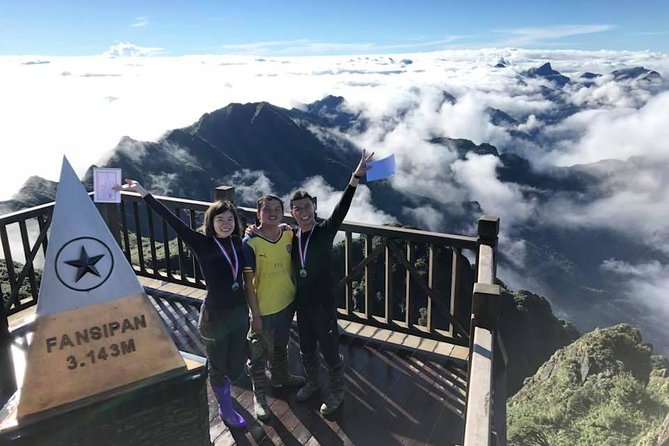
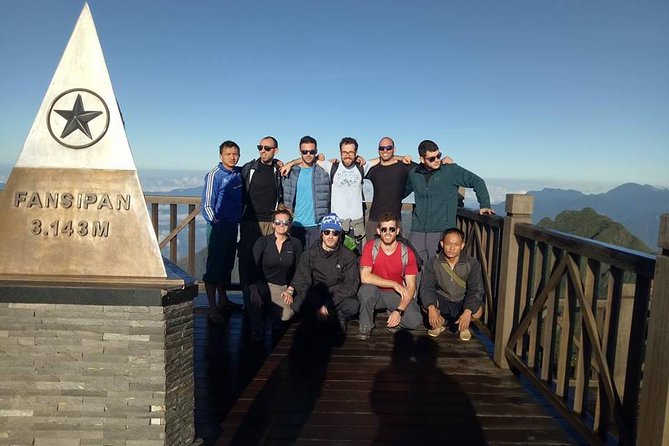
Fansipan is known as the Roof of Indochina, the highest mountain on the Indochina peninsula. That title gives the climb a clear purpose, but the trip is not only about standing at the top. The route takes you through northern Vietnam’s high country at walking speed, with time to notice the forest, streams, changing weather, and the work involved in reaching the summit.
A cable car can take you close to the top, but this trek gives you the satisfaction of arriving under your own power. You also spend time with a local Black H’Mong guide, which adds a cultural layer that a quick summit visit cannot provide. The guide leads the route, helps manage the pace, and can explain parts of local life and culture along the way.
The price is $136 per person. For a private two-day trip, that is a fair package if you value the included transport, entrance fee, food, camping equipment, guide, and post-hike shower. You also receive 1.5 liters of water per person per day, a medal, and a certificate.
Still, this is not an all-inclusive mountain holiday. You pay separately for tips, personal expenses, and the cable car. The information also lists insurance as included in one place and not included in another, so I would ask the operator to clarify that point before you pay.
A few more treks around Sapa worth a look
- EXPLORE SAPA: 2D1N TREKKING & HMONG CULTURE WITH DINH
★ 4.9 · 191 reviews - Sa Pa: 2-Day Trekking Trip with Ethnic Minority Homestay
★ 4.7 · 145 reviews - Sapa : 2-Day Trek & Heartwarming Homestay with an Ethnic Family
★ 5.0 · 143 reviews
Day one: Tram Ton Pass to base camp
The morning begins around 8:30 or 9:00 in Sapa. Transport takes you toward Tram Ton Pass, the road access point for the trek. If you are traveling alone, the transport may be by scooter, with the guide driving and you sitting behind. That arrangement is practical, but it may not suit every person or every comfort level, so confirm it when booking.
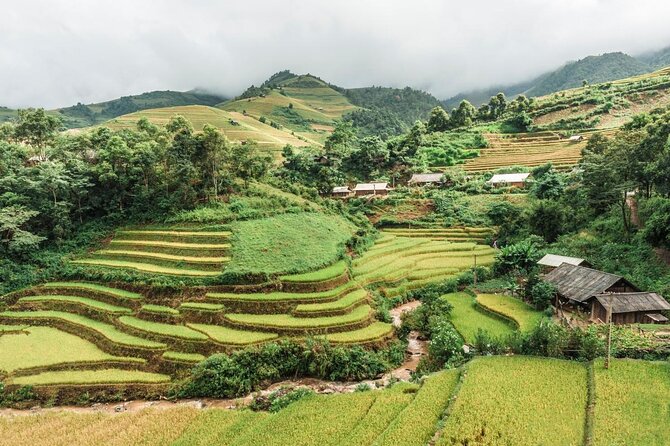
Tram Ton Pass marks the proper start of the climb. From here, you walk through pine and bamboo forest, crossing or following different streams as the trail rises. The route covers about 10 kilometers and takes five to six hours, with approximately 1,200 meters of elevation gain. Those numbers matter: this is a steady uphill effort, not a casual stroll with a few scenic pauses.
A picnic lunch is included during the day. You receive two lunches in the overall package, along with dinner and breakfast, so you do not need to arrange food independently for the trek. The meals are one of the strong practical features of this trip, especially since buying food on the mountain may not be simple.
As you climb, conditions can change quickly. One day may bring clear views, while another may bring rain and cloud. The route can feel much harder in wet weather, and good shoes become essential. Bring layers rather than relying on one heavy coat. A Swedish guest specifically stressed warm clothing, layered clothing, and sturdy footwear, along with the effect of thin air.
The final section of day one follows a ridge toward the summit area and base camp. You will not finish at a comfortable Sapa guesthouse. You spend the night in shared accommodation with a sleeping bag and mattress. That makes the experience more authentic and keeps the cost down, but it also means you should expect basic facilities and less privacy.
Dinner is included at base camp. One especially useful detail from the experience is the food prepared by the local team. Even in rough conditions, a hot meal can make a major difference after five or six hours of climbing. The mountain staff and guide handle the basic camp setup, but you should still pack light and keep your personal items dry.
The base-camp night and early summit option
The overnight stop gives you a proper break before the final push. You can choose an early start around 4:00 or 6:00 in the morning, have breakfast, and continue toward the summit. An early departure offers the possibility of reaching the top near sunrise, but the exact timing depends on your pace, weather, and the group’s condition.
Sunrise is a fine reason to choose the two-day format, but do not treat it as guaranteed. Mountain cloud can hide the view, and cold morning air can make the climb uncomfortable. You will need warm layers, a reliable headlamp if starting in darkness, and enough personal energy for another uphill section. A headlamp is not specifically listed among the inclusions, so ask whether one is supplied or bring your own.
The guide can adjust the pace. That matters on a climb where a strong hiker and a less experienced companion may feel very different effects from the altitude and steep ground. Mr. Tinh received special praise for being patient, engaging, and willing to explain the area and his culture. Sing was also named as a guide who handled a rainy trek well. Specific guides can change, but those examples show the kind of personal help you should expect from the local guiding team.
The summit itself is the emotional high point. On a clear day, you can look across northern Vietnam and toward southern China. Views are never guaranteed in mountain weather, but reaching the top still gives the trek its meaning. You have crossed the forest and slept at altitude rather than simply arriving by transport.
Day two: summit area to Tram Ton Pass
After breakfast, the second day becomes a long return journey. The stated distance is about 14 kilometers, with 300 to 400 meters of additional uphill walking and 1,100 to 1,200 meters of downhill. Downhill sounds easier than uphill, but it can be hard on knees and thighs, especially after the previous day.
The morning section includes the summit option and about three hours of walking. The rest of the day takes you down toward Tram Ton Pass, with total trekking time listed at six to seven hours. Plan on a full day outside, not a quick morning stroll followed by lunch in town.
You have two ways to finish. You can trek all the way down to Tram Ton Pass, or you can pay for the cable car yourself. The cable-car option takes you toward the station near Sapa, where the car or motorbike will be waiting to return you to town.
This choice changes the character and cost of the day. Walking gives you the complete route and avoids the additional ticket, but it adds fatigue. The cable car gives your legs a break and may be sensible if weather, soreness, or time becomes a problem. Since the cable-car ticket is not included, keep extra money available if you want that fallback.
The planned return to Sapa is around 1:00 p.m., although a mountain schedule should never be treated like a railway timetable. Your walking pace, weather, and the decision to use the cable car can all affect the finish. Avoid booking an important afternoon connection too tightly.
Same trailhead, a different route:
- Sa Pa: Muong Hoa Valley Trek and Local Ethnic Villages
★ 4.6 · 864 reviews - Sapa: Eco Adventure Terrace Fields and Local Villages Trek
★ 4.9 · 636 reviews - Number one top rated ethical cultural trekking and homestay by ETHOS
★ 5.0 · 456 reviews - From Sapa: 1-Day Guided Trek to Lao Chai & Ta Van with Lunch
★ 4.9 · 416 reviews
What is included for $136
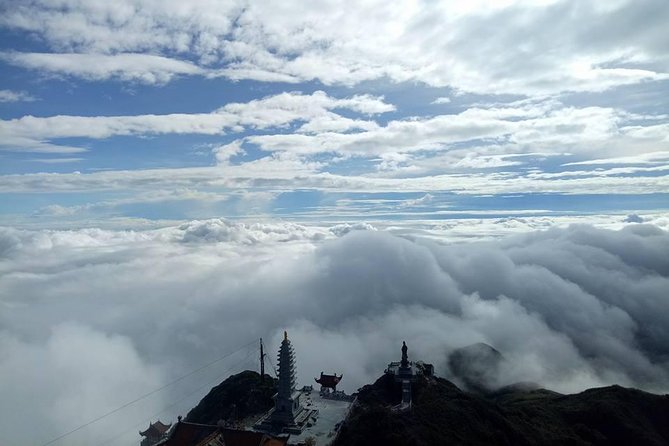
I see the price as reasonable for an organized private trek, especially if you would otherwise need to arrange several separate services. The package includes:
- English-speaking guide
- Transport from Sapa and return transport
- Entrance fee
- Two lunches, one dinner, and one breakfast
- 1.5 liters of water per person per day
- Shared camping accommodation
- Sleeping bag and mattress
- Hot shower before and after the trek at the Sapa office
- Medal and certificate
The hot shower is more useful than it may sound. You can clean up before setting off and again after returning, with a place to rest at the office. After a wet or muddy descent, that simple service can make the whole trip feel much easier.
The group is private, meaning only your own party participates. That gives you more control than a large shared tour, although the phrase private does not mean luxury. The overnight accommodation remains shared, and the mountain conditions remain basic.
Group discounts are available, and the activity uses a mobile ticket. Confirmation comes at booking. It is also near public transport, though the supplied transport is the simplest way to handle the mountain access.
Food, weather, and what to pack
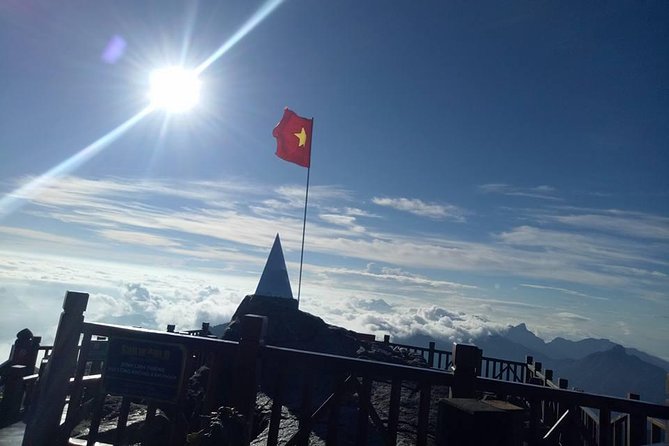
The tour provides the main food and some water, but you should still pack small personal snacks if you normally eat between meals. Keep your load modest, since every extra item becomes part of the climb.
Your clothing matters more than brand names. Pack warm layers, rain protection, strong hiking shoes, and dry socks. The cold can surprise you, especially near the summit and during an early morning start. Rain can also make the trail far more demanding, so keep electronics and spare clothing in waterproof bags.
The supplied feedback makes three points worth taking seriously: bring warm clothes, use layers, and wear good shoes. It also notes thin air and a physically demanding route. Those are not minor warnings. You should have a strong level of physical fitness before booking.
The information says insurance is included in the main inclusions, but the not-included section says insurance is extra. Ask for a clear answer before departure. You should also ask what happens if weather prevents the summit attempt, since no specific weather policy is provided.
Who should book this Fansipan trek
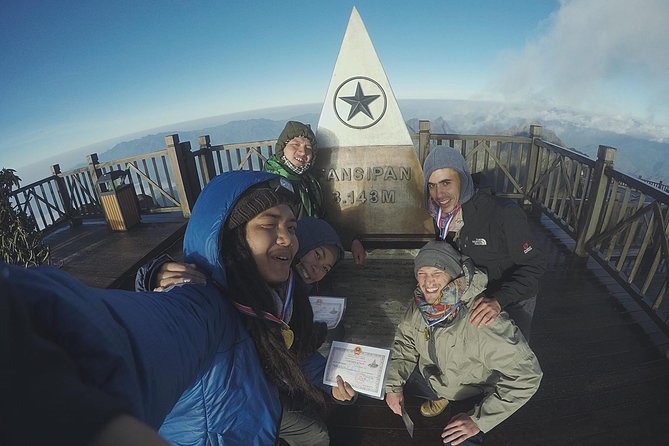
I would choose this trip if you want a proper mountain challenge, local guiding, and a simple overnight camp rather than a fast cable-car visit. It suits people who are comfortable walking for five to seven hours and managing steep climbs and descents.
It is also a good match if cultural contact matters to you. A Black H’Mong guide can offer more than route-finding, and the sustainable tourism approach directs work and spending toward the local community. The guide’s explanations about local culture can become one of the trip’s most memorable parts.
I would hesitate if you dislike shared sleeping arrangements, have weak knees, or want a relaxed holiday. The combination of long distances, weather, thin air, and a 1,200-meter first-day climb is serious. You should also think carefully before booking during a period when rain would make the trail uncomfortable.
The tour has earned a perfect overall rating from 84 reviews, with 100 percent recommendation shown in the supplied information. The most repeated strengths are clear: patient guides, good food, safe handling, organized transport, and the useful shower and rest facilities in Sapa. Those are strong signs, but your own fitness remains the deciding factor.
Cancellation and final booking advice
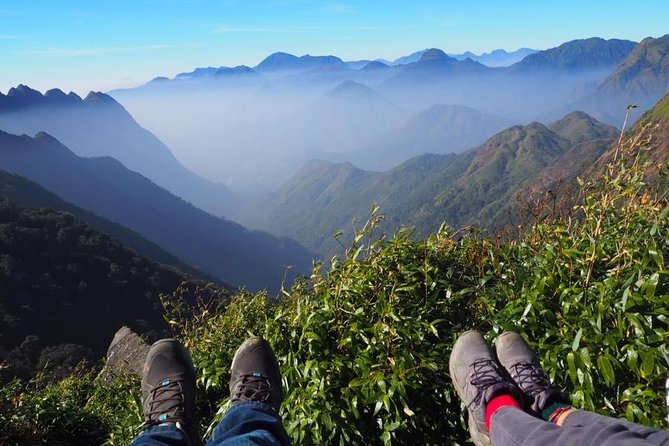
Free cancellation is available up to 24 hours before the local start time for a full refund. Changes or cancellations inside that window are not accepted for a refund.
I would book this trek if you want the achievement of climbing Fansipan on foot and you are ready for basic camping. The $136 cost makes sense when you count the guide, food, transport, entrance fee, sleeping equipment, and showers. I would choose the cable car only as a backup, since it costs extra but can save your legs on the descent.
Before paying, confirm the meeting time, the scooter arrangement if you are alone, the exact guide, the insurance question, and what clothing or lighting is supplied. Then pack for cold rain, not just for a sunny day in Sapa. If you do that, this offers a demanding but memorable way to meet Vietnam’s highest mountain.
FAQ
How long is the Fansipan trekking tour?
The tour lasts two days. Day one involves about five to six hours of trekking, and day two involves about six to seven hours, depending on the route and your pace.
How far do you trek each day?
Day one covers about 10 kilometers. Day two covers about 14 kilometers, including the return toward Tram Ton Pass.
How much uphill walking is involved?
Day one includes approximately 1,200 meters of elevation gain. Day two includes about 300 to 400 meters of uphill walking, followed by roughly 1,100 to 1,200 meters of downhill.
Where do you sleep?
You spend one night at base camp in shared accommodation. A sleeping bag and mattress are included.
Is the summit reached at sunrise?
An early summit attempt is an option. Breakfast and the next trek may begin around 4:00 or 6:00 a.m., but the exact summit timing depends on conditions and walking pace.
Is the cable car included?
No. You can choose to take the cable car on the return, but the ticket is a separate cost. Transport waits near Sapa afterward.
What meals and water are included?
The package includes two lunches, one dinner, one breakfast, and 1.5 liters of water per person per day.
Is this a private tour?
Yes. Only your own group participates, and an English-speaking guide leads the trek.
Just added around Sapa
- Sapa: Private The Most Beautiful Terraced Fields Trekking★ 4.8 · 42 reviews
- Soob Sapa Trekking Tour★ 4.3 · 3 reviews
- Sapa Trekking – Waterfalls And H’mong Villages★ 5.0 · 2 reviews
- Sapa3D2N TrekkingAdventures,Valleys,Bambooforest,Waterfall★ 4.8 · 24 reviews
- Sapa: Trekking Through Terraced Rice Fields & Valley 1 Day★ 4.8 · 4 reviews
- Sapa: Trekking Sapa One Day With Group Tour★ 4.7 · 55 reviews
- Sapa Trekking Private Tour With Ethnic Female Tour Guide★ 4.9 · 24 reviews
- Sapa: Y Linh Ho – Lao Chai, and Ta Van Trekking Day Tour★ 5.0 · 25 reviews
Sapa Trekking Tours, compared.
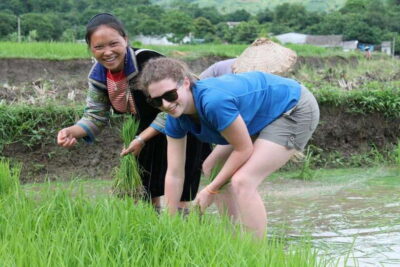
Muong Hoa Valley Trek and Local Ethnic Villages
Read our review →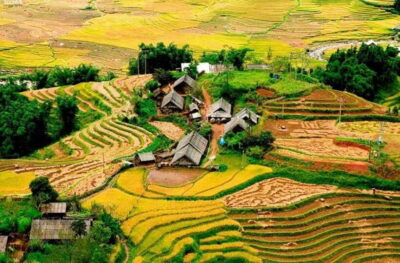
Eco Adventure Terrace Fields and Local Villages Trek
Read our review →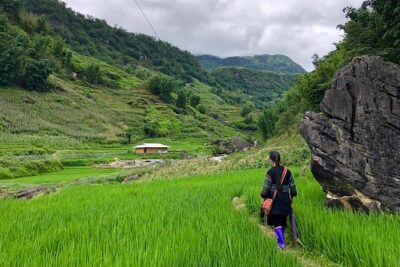
Number one top rated ethical cultural trekking and homestay by ETHOS
Read our review →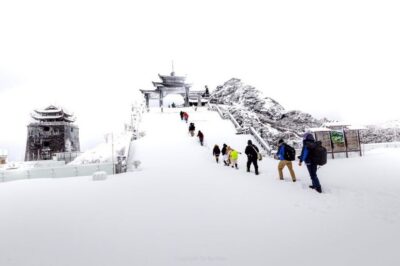
1-Day Guided Trek to Lao Chai & Ta Van with Lunch
Read our review →
Sapa 1 Day Long Trek: Trek to Hau Thao and Sa Seng Villages
Read our review →
Explore Sapa by TrekkingAdventures, Mountain,Rice fields
Read our review →
EXPLORE SAPA: 2D1N TREKKING & HMONG CULTURE WITH DINH
Read our review →Browse the lists this trek appears in