
Review · SAPA
Fansipan Trekking – 1 Day
Fansipan is not a gentle day walk. This is a 24 km mountain trek with roughly 1,400 to 1,600 meters of climbing, a 5:30 or 6:00 AM start, and up to 12 hours on foot. I like the early pickup and the chance to reach Vietnam’s highest summit by a forest route rather than simply riding a cable car. I also like that a local guide such as Mr Cho can explain the forest and carry your picnic lunch.
The tradeoff is simple: this is hard work. Steep, uneven ground, quick weather changes, cold temperatures, and a long return make it suitable only for fit hikers. If you want a relaxed Fansipan visit, take the cable car instead.
Key points to know before you book
- 24 km on foot: You trek about 12 km each way from Tram Ton Pass, with 10 to 12 hours of walking.
- Early mountain start: Pickup from central Sapa hotels is around 5:30 to 6:00 AM.
- Local English-speaking guide: Guides speak English, and Mr Cho is identified as one of the guides leading this route.
- Picnic lunch at altitude: Expect bread, fried chicken, eggs, tomato, cucumber, fruit, snacks, and 1.5 liters of water.
- Cable car option: You can pay separately to ride down from Fansipan instead of walking back.
- Private group value: At $77 per person, the price covers the guide, transport, food, water, entrance costs, insurance, medal, and certificate.
What the Fansipan trek is really like
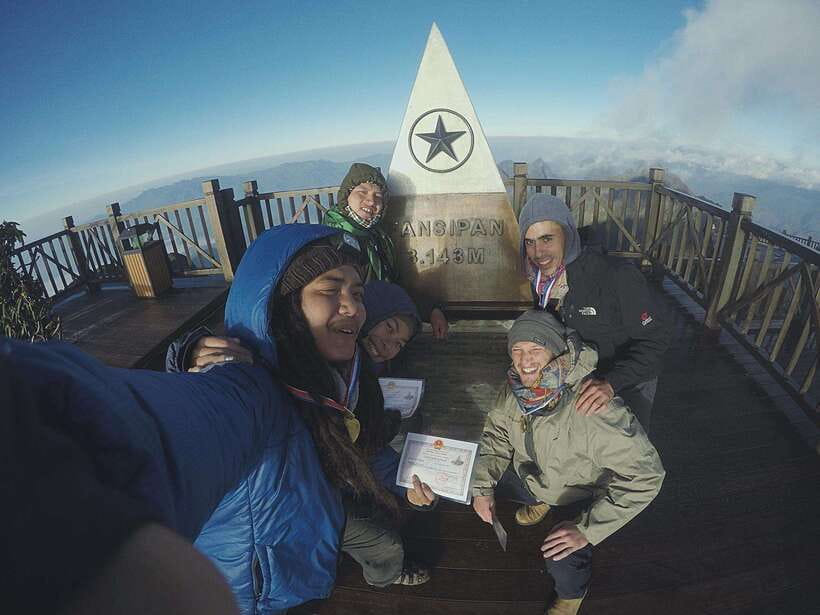
Fansipan reaches 3,143 meters and is the highest mountain in Vietnam and on the Indochina peninsula. The route begins at Tram Ton Pass, roughly 2,000 meters above sea level, so you start high but still have a serious climb ahead.
I would think of this as a full mountain day, not a sightseeing outing with a little walking attached. You may spend 10 to 12 hours moving through forest, climbing rough paths, stopping for food, and managing the descent. Your speed matters, and the guide may adjust the timing around your fitness and the weather.
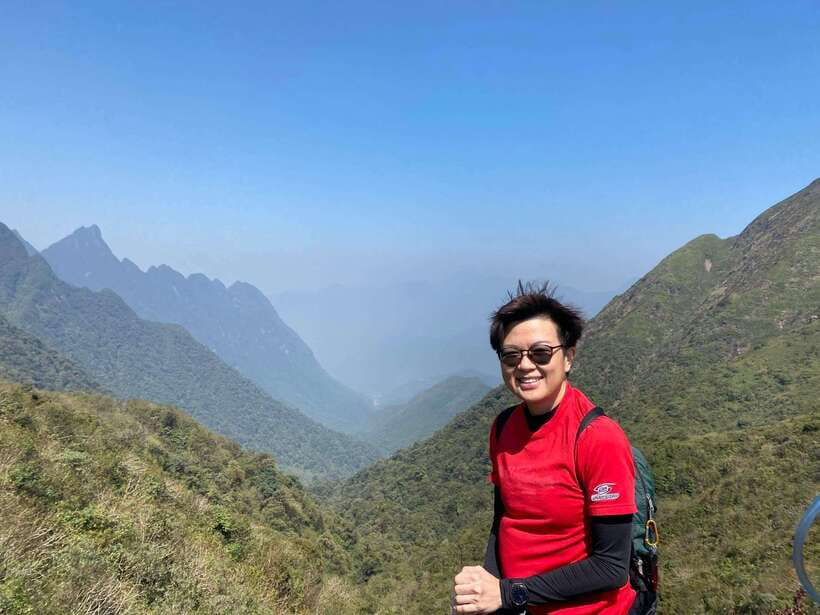
The reward is the route itself. You pass bamboo, old trees, flowers, and small streams before reaching the higher sections. The setting changes as you climb, and the mountain can feel far removed from Sapa even though the town is where your day begins and ends.
A few more treks around Sa Pa worth a look
- From Sapa: 1-Day Guided Trek to Lao Chai & Ta Van with Lunch
★ 4.9 · 416 reviews - Sapa 1 Day Long Trek: Trek to Hau Thao and Sa Seng Villages
★ 4.6 · 344 reviews - 1-day Authentik trek & Panorama valley views
★ 5.0 · 189 reviews
Leaving Sapa before sunrise
Pickup is arranged from hotels in central Sapa, but not from hotels or homestays in surrounding villages. The usual departure is between 5:30 and 6:00 AM. If you are alone, transport may be by scooter rather than car, so confirm the arrangement if that matters to you.
The early start is useful for two reasons. First, it gives you the best chance of reaching the summit and returning before dark. Second, it leaves some room for a slow pace, photo stops, and lunch. Even so, the timing can be tight for anyone who needs frequent breaks.
Your transfer takes you to Tram Ton Pass, the trailhead for the trek. The trip is included, along with the return transfer to Sapa if you walk the route both ways. Bring cash for personal needs and for the cable car if you decide not to walk down.
From Tram Ton Pass into bamboo forest
The first section takes you through bamboo and older forest, with flowers and streams along the route. This is where good footwear matters. The trail is not described as a paved or easy path, and the total distance means that small discomforts can grow into real problems by afternoon.
Your guide leads the way and carries the picnic lunch. The guides speak English, and one account names Mr Cho as a local guide who climbs Fansipan several times a week. That kind of regular mountain experience is useful on a route where pace, weather, and energy levels can change quickly.
You should not expect a lecture at every turn. The information available points to a personal introduction to the forest and the guide’s life, rather than a formal sightseeing program. I consider that a plus if you prefer local conversation and practical help over a scripted presentation.
The ground becomes more demanding as you gain height. You may use a walking stick, and a bamboo stick may be available in the forest. Do not rely on finding one, though. Trekking poles are not listed as supplied, so bring your own if you normally use them.
Picnic lunch at the 2,800-meter camping site
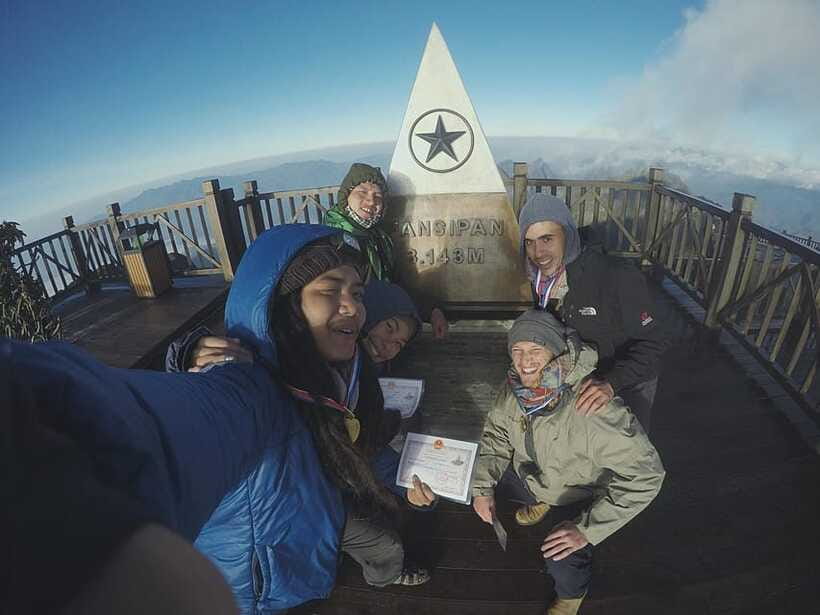
Lunch is served on the way, at a camping site around 2,800 meters. The picnic includes bread, fried chicken, eggs, tomato, cucumber, two kinds of fresh fruit, Vietnamese snacks, and 1.5 liters of water per person.
This is practical mountain food rather than a sit-down meal. It gives you a chance to stop, eat, and recover before the final push. Your guide carries the food, but you carry your own water, so a comfortable backpack matters.
Tell the company about allergies, vegetarian needs, or other food requests before the trek. The meal can be changed for special requests, but you should not wait until the morning of departure to ask.
The lunch stop also shows why this day needs careful pacing. You are not simply walking uphill for a few hours, taking a photo, and strolling back. You still have the summit section and either a long descent or a separate cable-car ride ahead.
Same trailhead, a different route:
- Sa Pa: Muong Hoa Valley Trek and Local Ethnic Villages
★ 4.6 · 864 reviews - Sapa: Eco Adventure Terrace Fields and Local Villages Trek
★ 4.9 · 636 reviews - Number one top rated ethical cultural trekking and homestay by ETHOS
★ 5.0 · 456 reviews - Sa Pa Full Day Trekking Tour
★ 5.0 · 414 reviews
Reaching Vietnam’s highest summit
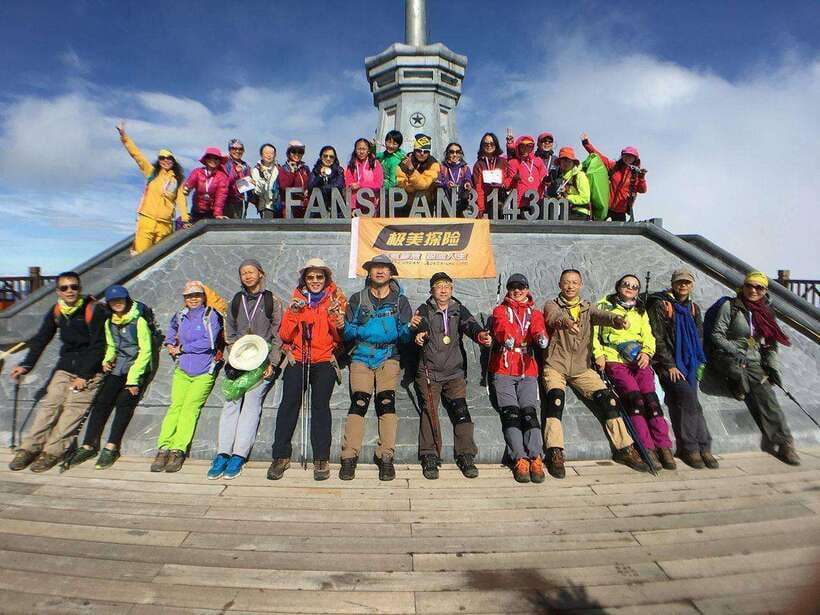
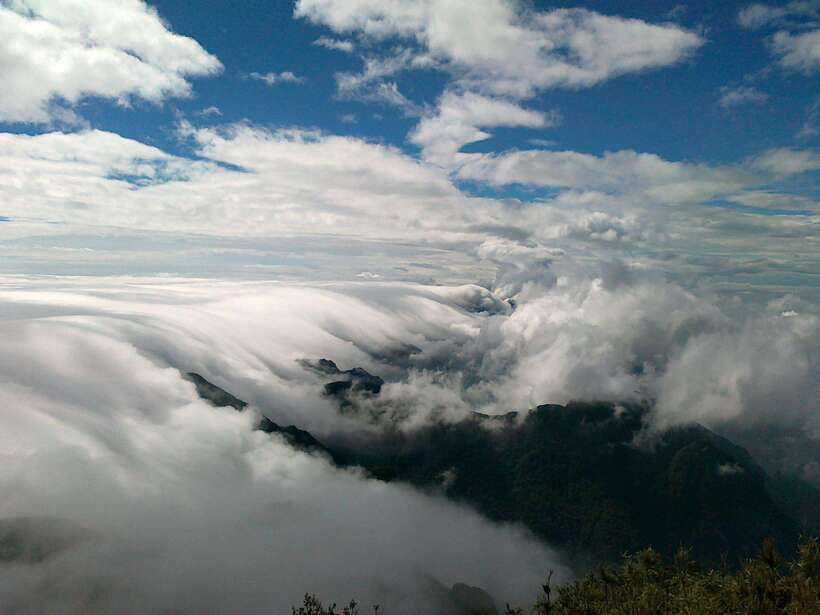
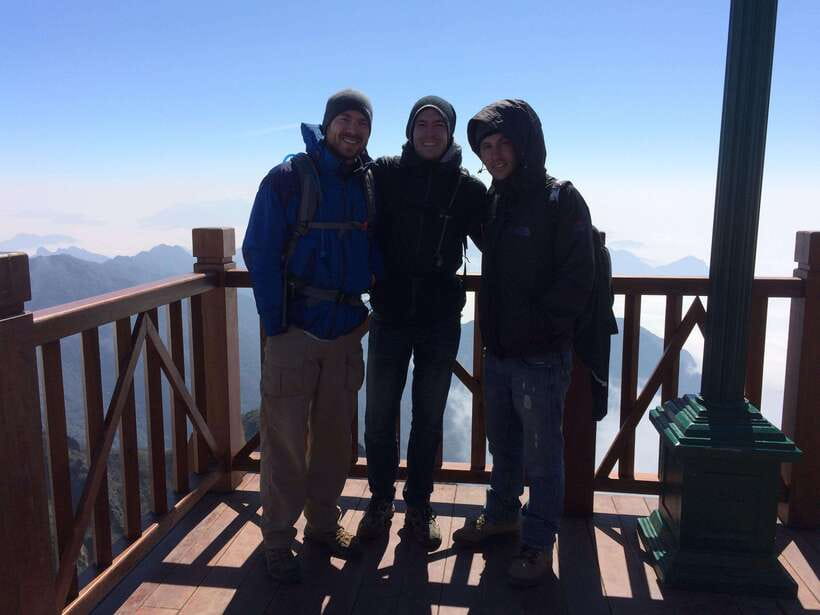
The summit usually comes around noon or 1:00 PM, depending on your speed. From the top, you can look toward Sapa and the mountains along the Vietnam and China border. The weather may give you clear views, mist, or a mix of both.
Fansipan weather changes quickly. From November through April, temperatures are listed between minus 2 and 12 degrees Celsius. From May through October, the summit can still be cold, with temperatures around 5 to 15 degrees Celsius, and rain is possible in either season.
That means the summit may not deliver a clear panorama. Mist and rain are part of the mountain day, not signs that the trek has gone wrong. You should bring warm clothing and rain gear even if Sapa feels mild when you leave.
At the top, you will have time for photographs and a short rest. Do not assume you can linger for a long time. If you plan to walk back, the descent is still several hours, and the guide will need to keep the day moving.
Walking down or taking the cable car
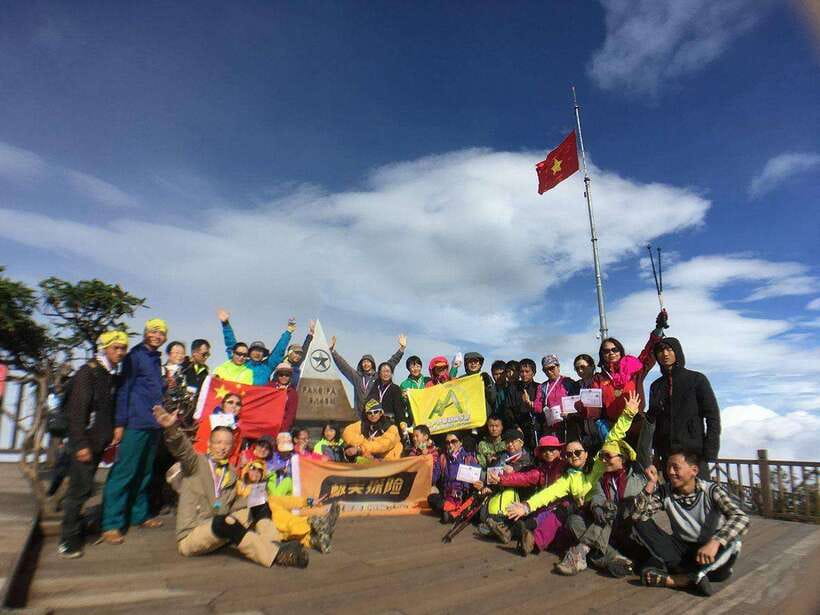
You have two ways to finish the day. The demanding option is to retrace the route to Tram Ton Pass, where your car or scooter takes you back to Sapa. Walking down can take roughly five and a half hours, though your time depends on your pace and condition.
The easier option is to take the cable car down to Sapa. The ticket is not included, and you pay for it yourself. The cable car can shorten the day considerably, with a return to town potentially around 2:00 to 3:00 PM, depending on your summit arrival and the cable-car timing.
The choice is more than a convenience. After six or seven hours of climbing, your legs may be tired before the descent begins. If the weather worsens or darkness is getting close, the cable car may be the sensible choice. On the other hand, anyone booking a one-day trek for the physical challenge may want to complete the route on foot.
The full trek is expected to finish around 5:00 to 6:00 PM. Your actual arrival depends on your speed, stops, weather, and whether you ride down. Arrange your evening in Sapa with some flexibility.
How difficult is 24 km?
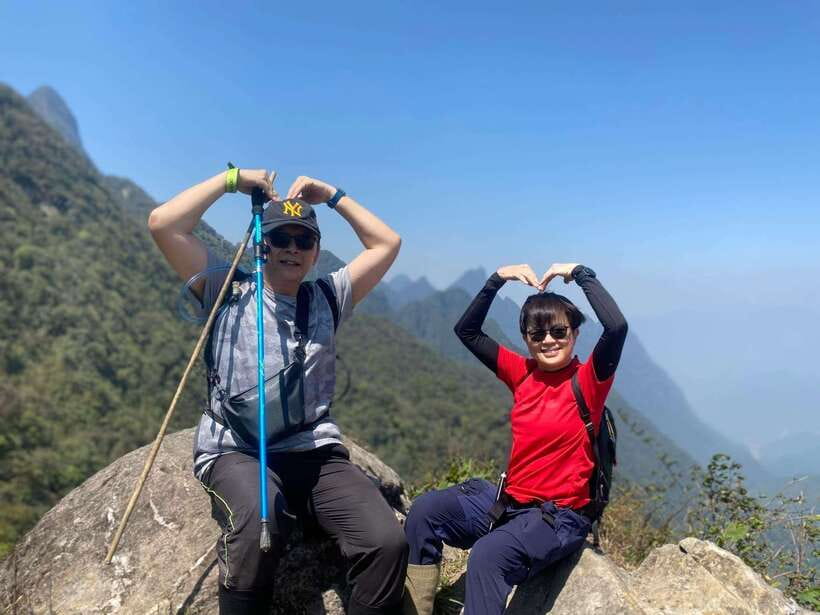
The description is clear that this trek is very hard and intended for strong people. The distance alone is significant, and the climb is about 1,400 to 1,600 meters. Uneven mountain terrain adds more strain than the same distance on a road.
You should be comfortable with long hikes before booking. The trek is not suitable for children under 14, pregnant women, or people over 70. Those limits do not tell you exactly how fit you need to be, but they underline the seriousness of the route.
A useful test is whether you can spend most of a day walking uphill and downhill without needing a long recovery. If you are uncertain, consider booking a less demanding Fansipan visit or using the cable car for the summit.
One practical point comes from the guide’s working style. A guide may walk ahead and wait for you at repeated points. That can be motivating when you need to keep moving, though some people prefer a guide who stays beside them at all times. Tell the guide your preferred pace at the start.
Weather, clothing, and what to carry
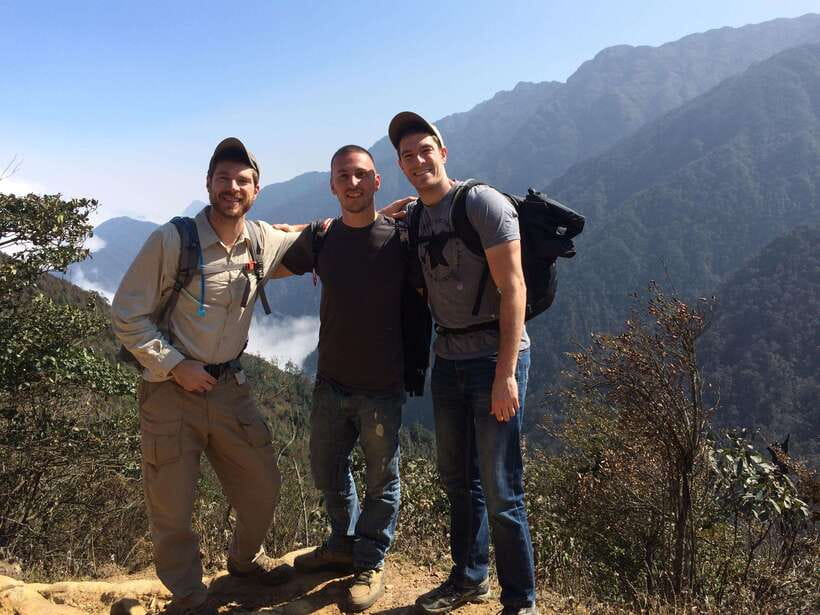
Fansipan can be cold in every season. Pack warm layers, long trousers, gloves, socks, a hat, and a raincoat. Add sunscreen because cloud does not fully protect you from sun at altitude.
Wear proper hiking shoes. The route includes forest paths, streams, steep sections, and changing weather, so ordinary trainers are a poor choice. Put your clothing and electronics in a waterproof bag, not just inside an open backpack.
The suggested packing list includes:
- Warm clothing and long trousers
- Hiking shoes
- Rain gear
- Hat and gloves
- Sunscreen
- Headlamp
- Toilet paper
- Cash
- Waterproof bag
- Personal trekking stick, if needed
The company provides 1.5 liters of water per person. You carry it yourself, so use a backpack with comfortable straps and enough room for your extra layers. A headlamp is sensible because the day starts early and the return may run late, even though the trek is planned in daylight.
You also need to provide registration information for the trek permit: full name, date of birth, gender, passport number, and nationality. Have these details ready for every person in your party.
What is included for $77?
At $77 per person, the price covers an English-speaking guide, picnic lunch, 1.5 liters of water, transport by car or scooter, entrance to Fansipan Mountain, insurance, and a medal and certificate. Pickup and drop-off are included for central Sapa accommodation.
I think the price offers solid value if you complete the trek on foot. Transport and food remove two practical costs, while the private-group format gives you a more personal day than a large shared departure. The guide is also responsible for carrying lunch and helping with the route.
The value is lower if you mainly want a summit photograph and plan to use the cable car in both directions. The cable-car ticket is extra, and the main reason to book this activity is the long forest trek rather than simple access to the top.
The medal and certificate are small extras. I would not choose the tour for those items, but they make a pleasant record of a difficult day. The important inclusions are the guide, route support, transfer, lunch, water, entrance fee, and insurance.
Cancellation is flexible, with a full refund available when you cancel at least 24 hours in advance. You can also reserve now and pay later, which helps when your Sapa plans may change.
Who should book this trek?
I would recommend it to fit hikers who want a demanding physical day and a quieter route through forest before reaching Fansipan. It suits people who enjoy local guiding, early starts, mountain weather, and the satisfaction of earning a summit rather than simply arriving by cable car.
It also works well for a private group that wants control over pace and conversation. The English-speaking guide can explain the route, help manage the day, and adjust the rhythm more easily than a large group departure.
I would not recommend it to anyone seeking an easy outing, anyone uncomfortable with steep and uneven ground, or anyone who has only a short time in Sapa and cannot risk a tiring day. The trek may leave you physically and mentally worn out, especially if you walk down.
Should you book the Fansipan one-day trek?
Book it if reaching Vietnam’s highest mountain under your own power matters more to you than comfort. The strongest reasons are the local English-speaking guide, the forest route from Tram Ton Pass, the included picnic lunch, and the option to choose the cable car when your legs have had enough.
Skip it if you want a relaxed mountain visit or a guaranteed clear view. Fansipan can be cold, wet, and misty, and the 24 km route demands real stamina. For prepared hikers, though, this is a serious and memorable mountain day at a fair price.
FAQ
How long does the Fansipan trek take?
The full trek takes about 10 to 12 hours. The route covers roughly 24 km, with 12 km from Tram Ton Pass to the summit and 12 km back.
What time does pickup from Sapa take place?
Pickup is usually scheduled around 5:30 or 6:00 AM. Pickup is available from hotels in central Sapa, but not from hotels or homestays in villages.
Can I take the cable car down from Fansipan?
Yes. You can take the cable car from Fansipan to Sapa, but the ticket is not included and must be paid for separately.
What food and water are provided?
The picnic lunch includes bread, fried chicken, eggs, tomato, cucumber, two kinds of fresh fruit, and Vietnamese snacks. You also receive 1.5 liters of water, which you carry yourself.
Is the trek suitable for children or pregnant women?
The trek is not suitable for children under 14 or pregnant women. It is also not suitable for people over 70.
What personal information is needed before the trek?
You need to provide each participant’s name, date of birth, gender, passport number, and nationality for trek registration and permit arrangements.
Just added around Sa Pa
- Sapa: Private The Most Beautiful Terraced Fields Trekking★ 4.8 · 42 reviews
- Soob Sapa Trekking Tour★ 4.3 · 3 reviews
- Sapa Trekking – Waterfalls And H’mong Villages★ 5.0 · 2 reviews
- Sapa3D2N TrekkingAdventures,Valleys,Bambooforest,Waterfall★ 4.8 · 24 reviews
- Sapa: Trekking Through Terraced Rice Fields & Valley 1 Day★ 4.8 · 4 reviews
- Sapa: Trekking Sapa One Day With Group Tour★ 4.7 · 55 reviews
- Sapa Trekking Private Tour With Ethnic Female Tour Guide★ 4.9 · 24 reviews
- Sapa: Y Linh Ho – Lao Chai, and Ta Van Trekking Day Tour★ 5.0 · 25 reviews
Sapa Trekking Tours, compared.
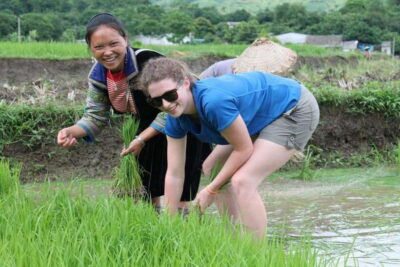
Muong Hoa Valley Trek and Local Ethnic Villages
Read our review →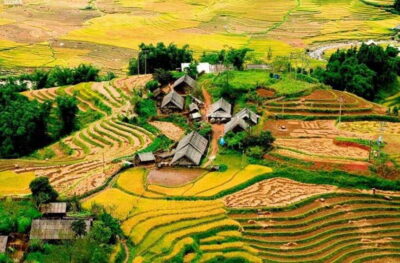
Eco Adventure Terrace Fields and Local Villages Trek
Read our review →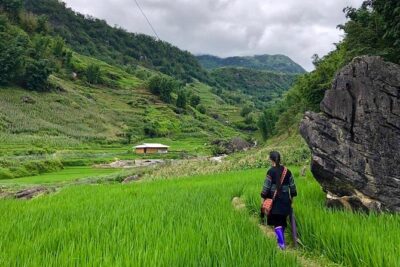
Number one top rated ethical cultural trekking and homestay by ETHOS
Read our review →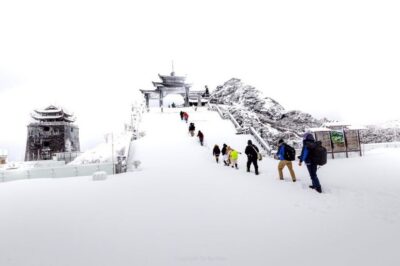
1-Day Guided Trek to Lao Chai & Ta Van with Lunch
Read our review →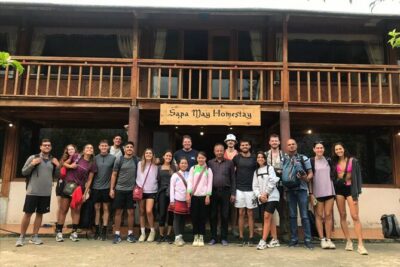
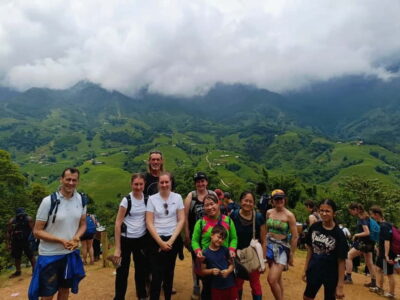
Sapa 1 Day Long Trek: Trek to Hau Thao and Sa Seng Villages
Read our review →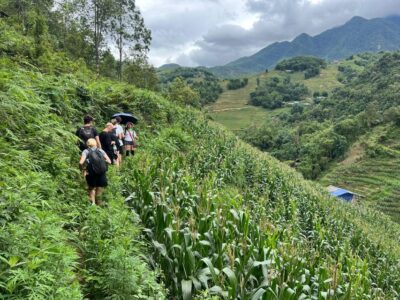
Explore Sapa by TrekkingAdventures, Mountain,Rice fields
Read our review →
EXPLORE SAPA: 2D1N TREKKING & HMONG CULTURE WITH DINH
Read our review →Browse the lists this trek appears in