
Review · SAPA
EXPLORE SAPA: 2D1N TREKKING & HMONG CULTURE WITH DINH
The best part of this Sapa trek is the direct connection with Dinh and her family. You walk from Sapa through rice terraces, bamboo forests, and Hmong villages, then spend the night at her home in Ta Van rather than in a polished hotel built for short visits. I especially like the family cooking session and Dinh’s work helping local children attend school.
I also like the strong value at $43 per person. Two days of guiding, village fees, four meals, a homestay, water, and the return ride are covered. The tradeoff is a real one: this is 18 kilometers of steep and uneven walking, and wet weather can turn the trail into a muddy workout. The homestay is cozy but simple, not a resort.
Key points at a glance
- Two distinct trekking days: Walk from Sapa to Ta Van on Day 1, then through bamboo forest and rice fields to Giang Ta Chai on Day 2.
- A genuine family stay: Sleep at Dinh’s home, with a private room or mountain-view bungalow available by request.
- Hmong culture in a personal setting: Learn about village life, clothing, farming, local customs, and differences between ethnic groups.
- Good food and a social evening: Expect generous local meals, a cooking activity, traditional dancing, and optional rice wine.
- A flexible family guide team: Dinh may be joined by relatives such as Su, Ku, Zu, or Mo, depending on the group.
- Plan for mud and timing changes: Comfortable hiking shoes matter, and larger groups may finish later than the stated 2:00 to 3:30 PM window.
Why this Sapa trek feels different
Sapa has plenty of short walks through famous rice terraces. This trip gives you more time on foot and a night in Ta Van, where the experience shifts from sightseeing to family hospitality.
Dinh is a Hmong woman living in Ta Van, and she leads the trip with help from relatives when needed. Her personal story is part of the experience. She learned English, built a homestay business, and uses income from the tours to support local children’s education. That gives your booking a clear local purpose, although you should still choose the tour because the route and accommodation suit you.
The family setting also shapes the mood. You may meet Dinh’s cousins, nieces, students, and other family members during the two days. Guides named in the experience include Su, Ku, Zu, and Mo, but the exact team can vary. Dinh is known for a lively personality and a big laugh, while her relatives help with route support and safety.
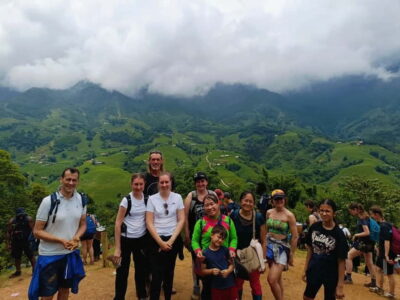
This is a group trek, so you will not have the trail entirely to yourself. A group has reached 13 people, and that size can slow down meals, baggage transfers, and the return to Sapa. In exchange, you get a social evening and the chance to meet other people walking the same route.
A few more treks around Sa Pa worth a look
- Sa Pa: 2-Day Trekking Trip with Ethnic Minority Homestay
★ 4.7 · 145 reviews - Sapa : 2-Day Trek & Heartwarming Homestay with an Ethnic Family
★ 5.0 · 143 reviews - SAPA: 2-DAY 1-NIGHT TREKKING & CULTURE WITH HMONG GUIDE LINH
★ 4.9 · 126 reviews
Day 1: Sapa to Y Linh Ho and Lao Chai
The walk starts at 9:00 AM with pickup at your hotel in Sapa Town or near the main church. After a short introduction, you leave town and head downhill toward Y Linh Ho.
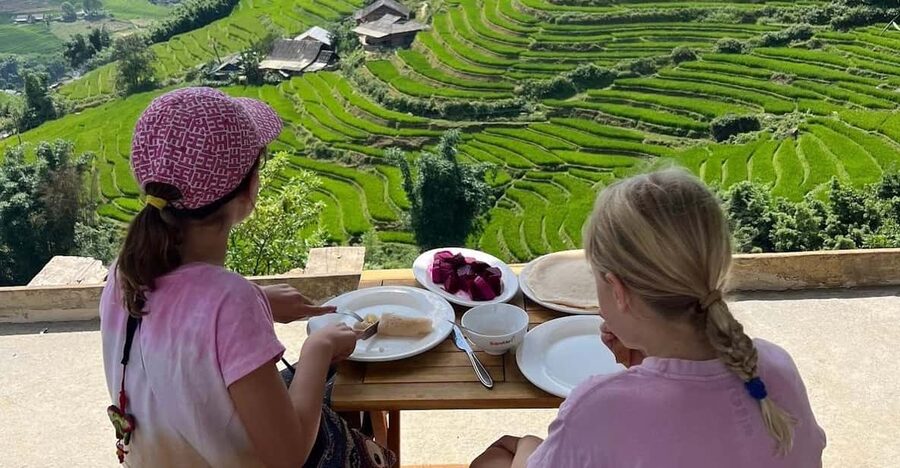
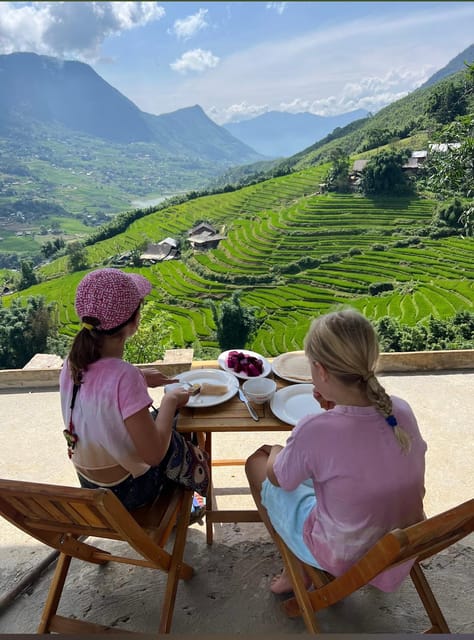
The first stretch gives you broad views of the valley, rice terraces, mountain slopes, and scattered homes. Depending on the season, you may see people planting or harvesting rice. The scenery changes with the agricultural calendar, so the same route can look very different during green growing months and harvest time.
The trail is not a paved promenade. It includes uneven ground, narrow paths, steep sections, and, after rain, mud. You need shoes with a firm grip. The tour information recommends comfortable shoes and hiking shoes, while past walkers have been especially clear that good footwear is essential in wet conditions. Expect your shoes and lower trousers to get dirty if the ground is soft.
You stop for lunch at a small restaurant run by a local Hmong family. This meal is included, as is the second lunch on Day 2. Extra drinks are not included, so carry cash if you want bottled water, beer, or other refreshments during the walk.
From Y Linh Ho, the route continues toward Lao Chai, one of the area’s larger and older Hmong villages. Dinh uses this part of the walk to explain local life, farming, traditional clothing, and the differences between the ethnic groups in the valley.
Lao Chai can feel busier than the quieter paths farther from the road. Some people selling local handicrafts may approach you along the route. Buying something is entirely optional, but bring cash if you want to support local sellers. I would keep a friendly but firm response ready if you prefer to walk without shopping.
The walk to Ta Van and a family homestay
After Lao Chai, you continue to Ta Van, home to Hmong and Giay communities. This section leads through more terraces and village paths, with farming activity often visible along the way.
Ta Van is the emotional center of the trip because this is where you stay with Dinh’s family. On arrival, you can rest, shower with hot water, and settle into your room before dinner. The accommodation is described as simple, authentic, and comfortable, with a choice between a private room and a bungalow with a mountain and rice-terrace view. Tell Dinh your preference when booking.
The homestay has basic amenities rather than hotel facilities. A heated blanket may be available, which can be welcome in Sapa’s cooler weather. You should still pack with a simple rural stay in mind: a daypack, toiletries, a change of clothes, and anything you need for the night.
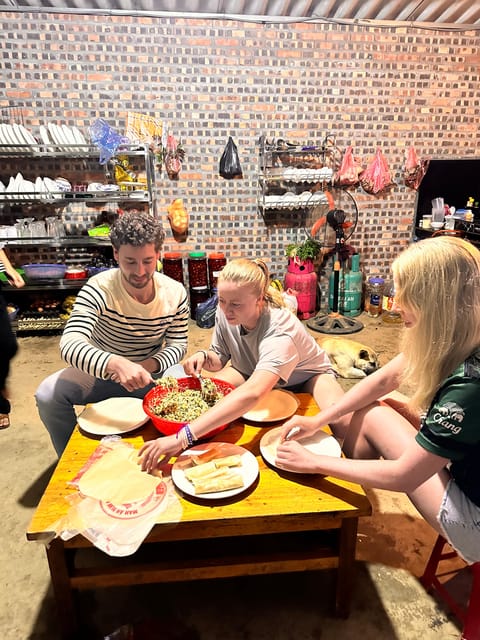
In the evening, you can help prepare a traditional meal with Dinh’s family. This is more useful than simply being served food because you get to see part of the household routine and ask questions in a relaxed setting.
Dinner is followed by an informal cultural evening. Dinh shares her story, children connected with her education project may perform a traditional dance, and you can spend time with the family. Rice wine, often called happy water, may be offered during the social part of the evening. You do not need to drink it, and moderation is wise if you have another four hours of trekking the next morning.
Meals are a major strength here. They are home-cooked, fresh, and generous, with vegetarian options available at breakfast, lunch, and dinner. If you have dietary needs beyond vegetarian food, confirm them before arrival rather than assuming the family can accommodate them.
Day 2: Bamboo forest, Giang Ta Chai, and the waterfall
Day 2 begins with coffee or tea and breakfast at the homestay. The morning is quieter, and the view from the house gives you time to enjoy Ta Van before setting out.
The route leads through bamboo forest and rice fields toward Giang Ta Chai. Compared with the first day, this section feels more enclosed in places, with forest paths, streams, terraces, and changing views of the valley.
The waterfall is the day’s main natural stop. If conditions are suitable and you want to, you can swim in the cool water. Bring a small towel and a change of clothes if you plan to get in. Swimming is optional, so you can simply enjoy the stop if the water or weather does not appeal.
You then enter an area associated with the Red Dao people before reaching the main road. This gives the second day a useful cultural contrast. Instead of seeing Sapa as one single local culture, you begin to understand that several ethnic communities live in the region, each with distinct traditions and clothing.
A final lunch follows before transport back to Sapa. The return ride is included, and the tour is scheduled to finish between 2:00 and 3:30 PM. I would avoid booking a tight onward bus or train connection. Larger groups, slow baggage collection, or a long lunch can push the end closer to 4:30 PM.
Same trailhead, a different route:
- Sa Pa: Muong Hoa Valley Trek and Local Ethnic Villages
★ 4.6 · 864 reviews - Sapa: Eco Adventure Terrace Fields and Local Villages Trek
★ 4.9 · 636 reviews - Number one top rated ethical cultural trekking and homestay by ETHOS
★ 5.0 · 456 reviews - From Sapa: 1-Day Guided Trek to Lao Chai & Ta Van with Lunch
★ 4.9 · 416 reviews
What the walking is really like
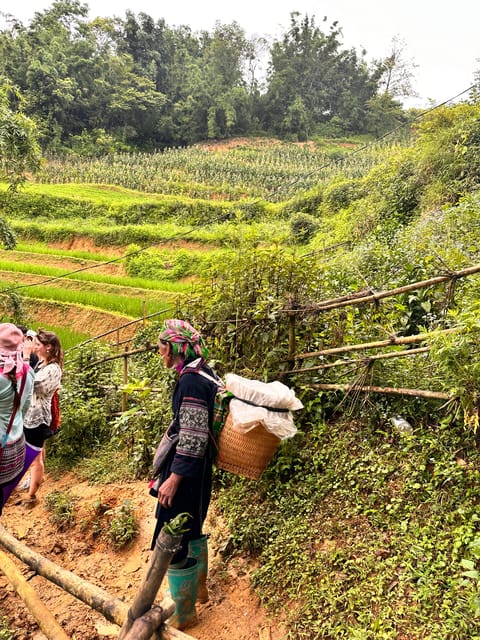
The total distance is about 18 kilometers over two days: 9 to 11 kilometers on Day 1 and 7 to 8 kilometers on Day 2. The listed fitness level is moderate, but the distance alone does not tell the whole story.
The challenge comes from the surface. You may deal with steep slopes, slippery mud, narrow terrace paths, and uneven stones. Rain the night before can make parts of the route soggy. Guides can adjust between easier and harder paths during the day, which helps, but you still need a reasonable level of fitness and sure footing.
I would bring:
- Hiking shoes with good grip
- A light daypack
- Water and sun protection
- Biodegradable sunscreen
- Mosquito spray
- A hat
- Dry clothes for the homestay
- Cash for drinks or local purchases
- A waterproof layer during the rainy season
The listing also mentions climbing gear, though no special equipment is described in detail. Ask Dinh what she means by this before packing bulky gear. You do not need to carry your main luggage on the trail.
Your bags and the simple logistics
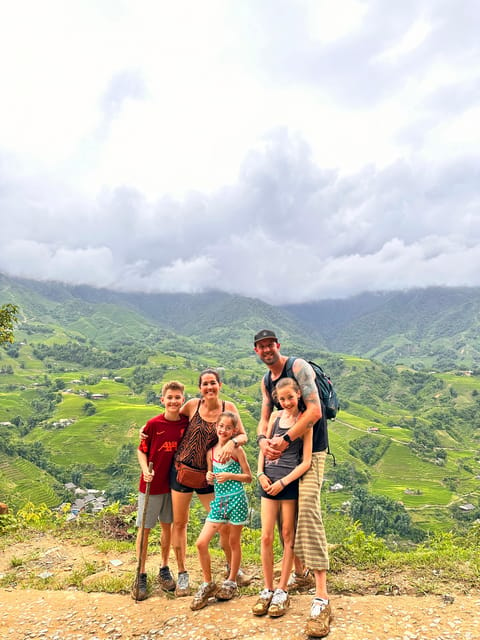
The easiest plan is to leave large bags at your Sapa hostel or hotel and carry only what you need for one night. If that is not possible, Dinh can help transport your luggage to her house, where it will be waiting when you arrive.
This matters because carrying a full backpack over muddy, steep paths would make the walk much harder. Keep your daypack light, but make sure it contains water, sunscreen, mosquito spray, a rain layer, and any medication you need.
The tour is offered in English and Vietnamese. Dinh’s English is part of how she built her work with international visitors, and her relatives may help with communication and route support. Children under three can join free, but you need to notify the provider ahead of time. The experience is not suitable for people over 95, although the more important question for most visitors is walking ability.
What you get for $43
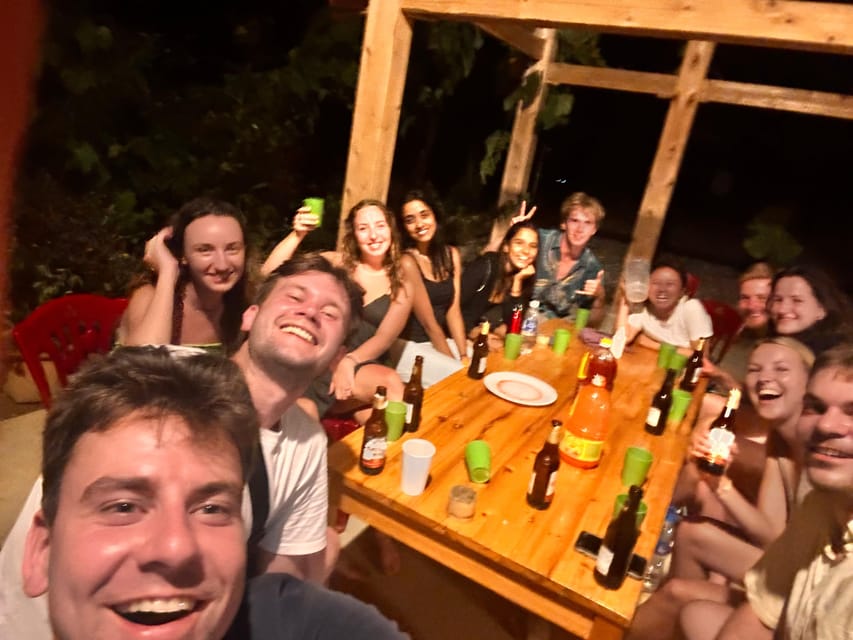
At $43 per person, the package is strong value if you want a full local experience rather than a short guided walk. It includes two days with a local guide, entry fees for four villages, two lunches, dinner, breakfast, one night at the homestay, one large bottle of water per person per day, and transport back to Sapa.
You still pay for extra drinks, personal travel insurance, and anything you buy along the way. The price does not include a private vehicle for the whole trek, and the walking is the main form of transport until the final ride back to town.
The value is not only in the number of inclusions. You are also paying for a family-run operation that supports Dinh’s wider community work. Still, keep expectations realistic. This is a low-cost village homestay, not a luxury retreat. The strongest reasons to choose it are the guiding, family contact, scenery, and cultural context.
A free T-shirt is given at the end of the Sapa journey. It is a small extra, but a useful souvenir of the trip.
Who should book this experience
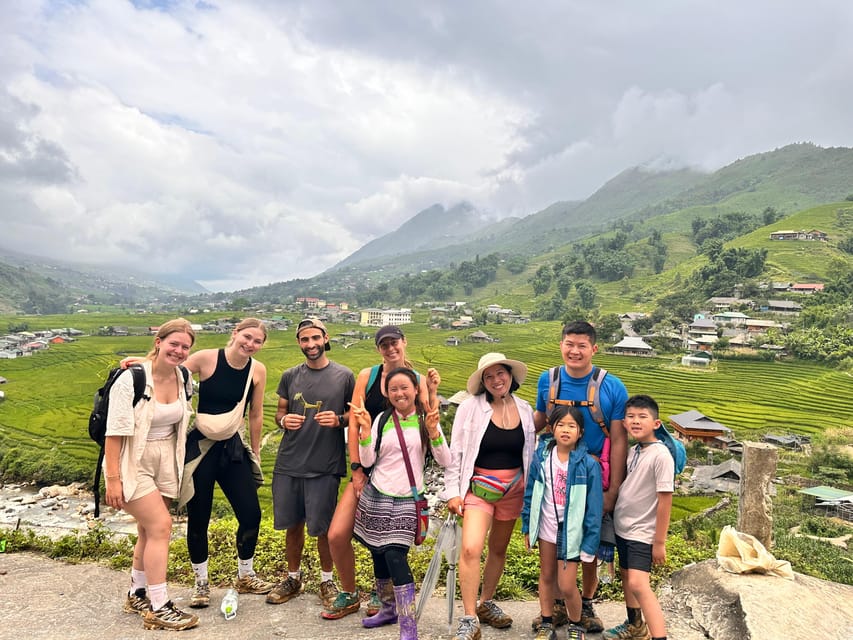
I would recommend it to you if you want:
- Long walks through rice terraces and rural villages
- A personal introduction to Hmong and Red Dao culture
- A family-run homestay instead of a standard hotel
- Fresh local meals, including vegetarian choices
- A social group experience
- A trip that supports local children’s education
- The chance to swim at a waterfall
It is less suitable if you want polished accommodation, private transport, a fixed schedule, or a gentle sightseeing tour. You should also think twice if muddy paths, steep trails, or basic facilities would spoil your trip.
Families can take part, and the guides have helped children on the route, including younger walkers. Still, parents should judge their children’s stamina carefully. The trail is not flat, and carrying a child may be needed in places.
The weather matters. Clouds can hide mountain views, but the walk still has cultural and rural interest in poor visibility. Rain makes the route harder and can delay the finish, so build flexibility into your Sapa plans.
My verdict on Dinh’s Sapa trek
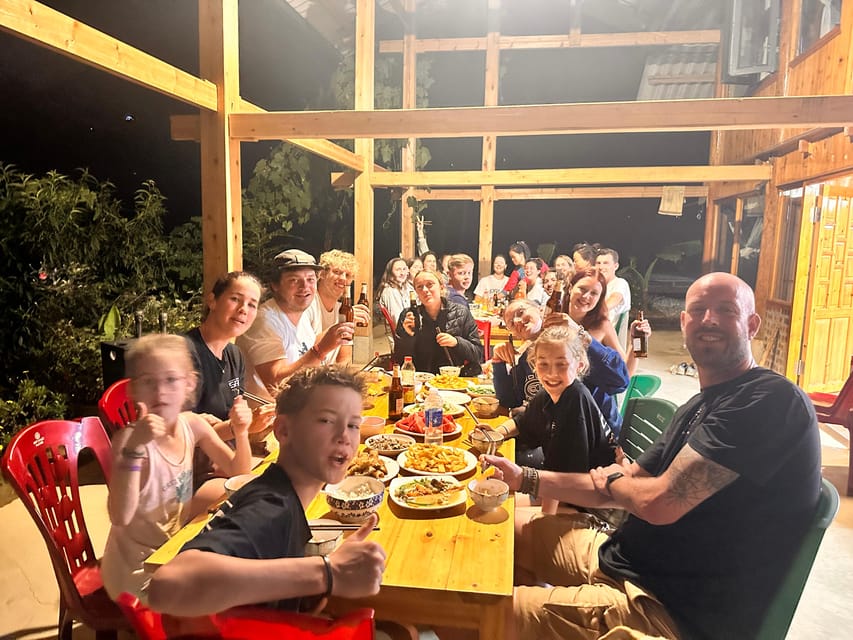
Book this trek if you want Sapa through a local family’s daily life, not just from a viewpoint. The combination of terrace walking, Ta Van homestay, home cooking, cultural stories, and Dinh’s education project gives the trip a clear sense of purpose.
I would choose it for the warm family welcome, excellent food, and personal guiding. I would not choose it if I needed a luxury room or a guaranteed return by a precise hour. Pack good shoes, keep your schedule loose, and bring curiosity. At $43, this is one of the more useful ways to spend two days in the Sapa area.
FAQ
How long is the trek?
The trek covers about 18 kilometers over two days. Day 1 is approximately 9 to 11 kilometers and takes about 5.5 hours. Day 2 is about 7 to 8 kilometers and takes around 4 hours.
Where does the trek start and finish?
The tour starts at 9:00 AM with pickup at your hotel in Sapa Town or near the local main church. Day 1 ends at the family homestay in Ta Van. After Day 2, transport takes you back to Sapa, with the tour scheduled to finish between 2:00 and 3:30 PM.
What accommodation is provided?
You stay one night at Dinh’s family homestay in Ta Van. You can request a private room or a bungalow with a mountain and rice-terrace view. The accommodation is simple, cozy, and equipped with basic amenities.
Are meals included?
Yes. The price includes two lunches, one dinner, and one breakfast. Vegetarian meals are available. Extra drinks during the trek, including bottled water and beer, cost extra.
Can I leave my large luggage behind?
You can ask your Sapa hostel or hotel to store your large bags. If that is not possible, Dinh can help transport them to her house, so you only carry a daypack during the trek.
Is the trek suitable for beginners?
The stated fitness level is moderate. The route includes steep and uneven ground and can become muddy after rain. Guides may offer easier or harder route choices, but you should be comfortable walking 18 kilometers over two days and bring proper hiking shoes.
Just added around Sa Pa
- Sapa: Private The Most Beautiful Terraced Fields Trekking★ 4.8 · 42 reviews
- Soob Sapa Trekking Tour★ 4.3 · 3 reviews
- Sapa Trekking – Waterfalls And H’mong Villages★ 5.0 · 2 reviews
- Sapa3D2N TrekkingAdventures,Valleys,Bambooforest,Waterfall★ 4.8 · 24 reviews
- Sapa: Trekking Through Terraced Rice Fields & Valley 1 Day★ 4.8 · 4 reviews
- Sapa: Trekking Sapa One Day With Group Tour★ 4.7 · 55 reviews
- Sapa Trekking Private Tour With Ethnic Female Tour Guide★ 4.9 · 24 reviews
- Sapa: Y Linh Ho – Lao Chai, and Ta Van Trekking Day Tour★ 5.0 · 25 reviews
Sapa Trekking Tours, compared.
Muong Hoa Valley Trek and Local Ethnic Villages
Read our review →
Eco Adventure Terrace Fields and Local Villages Trek
Read our review →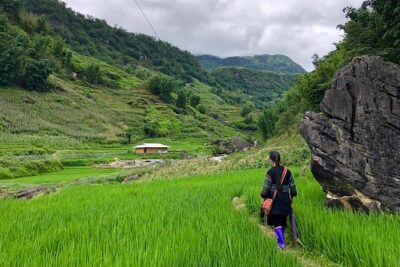
Number one top rated ethical cultural trekking and homestay by ETHOS
Read our review →
1-Day Guided Trek to Lao Chai & Ta Van with Lunch
Read our review →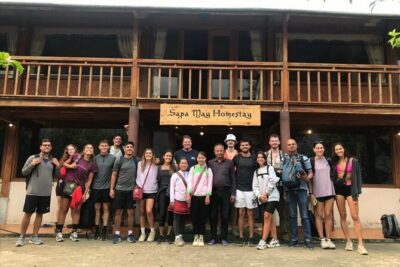
Sapa 1 Day Long Trek: Trek to Hau Thao and Sa Seng Villages
Read our review →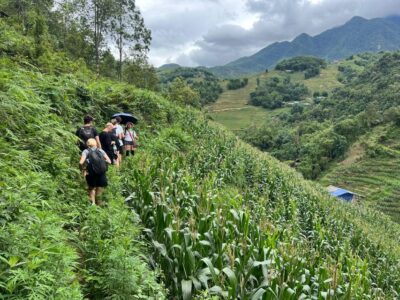
Explore Sapa by TrekkingAdventures, Mountain,Rice fields
Read our review →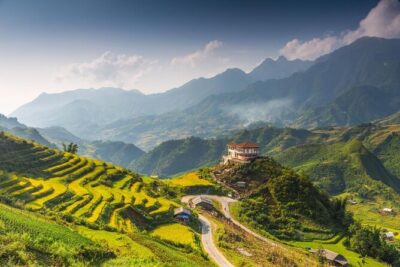
Browse the lists this trek appears in