
Review · MHAMID
3-day trek – In the shade of palm trees
The best part of this trek is its change of scenery. You leave M’Hamid through a palm grove, cross open sand toward the Bertham dunes, and return over the stony hamada. Along the way, camel drivers, guides, and cooks handle the camp while you walk, eat, and sleep under the Sahara sky.
I like the small private format, since only your group takes part. I also like the human side: you pass places tied to nomadic life, stop at wells, and spend evenings around a fire rather than simply racing to a single famous dune. The drawback is simple: three days on foot requires moderate fitness, and you must bring your own sleeping bag.
Key points
- A real three-day route: Start in M’Hamid, sleep near Marabout Sidi Naji, continue to the Bertham dunes, then return through the hamada.
- Palm grove beginning: Your first meal is served in the shade of palm trees before the trek moves into open desert.
- Nomadic connections: You pass traces of former camps, herds, wells, and plains where nomads still keep animals.
- Private group experience: Only your party participates, with the Desert Bird team providing guides, camel drivers, cooks, food, and camp equipment.
- Two nights in the desert: Camp beside Sidi Naji on the first night and near the Bertham dunes on the second.
- Good value for a supported trek: The $424.09 price includes six meals, sleeping and eating equipment, and taxes, but not private transport or a sleeping bag.
From M’Hamid’s palms to the open Sahara
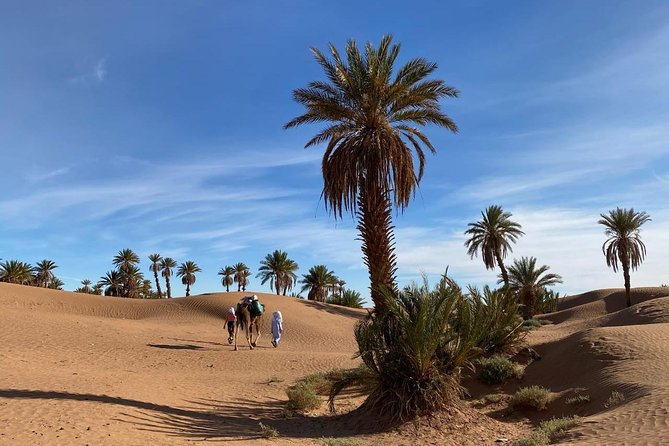
Your morning begins at 8:00 am in M’Hamid, the southern Moroccan village that serves as the starting point for the trek. The caravan first crosses the village palm grove, giving you a gentler introduction than stepping straight into bare sand.
That opening matters. The palm grove shows you how water and shade shape life here. It also gives you a chance to settle into the walking rhythm before the surroundings become more exposed. The first lunch is taken under the palms, a practical comfort in a hot region and one of the most distinctive details of the route.
From there, the group continues toward Marabout Sidi Naji. The word marabout refers to a shrine or sanctuary associated with a holy person. Here, Sidi Naji is linked to the ancestor of the Nouaji tribe, so the stop is more than a campsite. It gives the first day a clear sense of place and connects the trek to local family and tribal traditions.
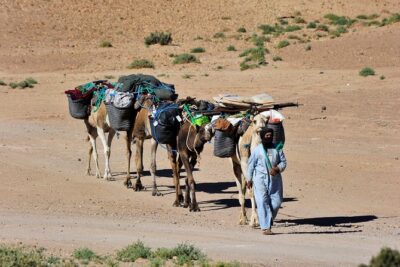
The route is supported by the Desert Bird team, including camel drivers, guides, and cooks. You will walk as part of a caravan, while camels carry the equipment. That arrangement makes the trip more manageable than carrying every meal and blanket yourself, though it does not turn the route into a casual stroll.
A few more treks around Morocco worth a look
- From Marrakech: 3-Day Mount Toubkal Climbing Trek
★ 4.7 · 597 reviews - 3 Day Trek in the Atlas Mountains and Berber Villages from Marrakech
★ 4.5 · 85 reviews - Marrakech: 3-Day High Atlas Mountains and Three Valleys Trek
★ 4.8 · 63 reviews
Night one beside Marabout Sidi Naji
The first bivouac is set up near Marabout Sidi Naji. Sleeping arrangements are included, along with the equipment used for preparing and serving food, but a sleeping bag is not supplied. Put that item high on your packing list rather than treating it as an optional extra.
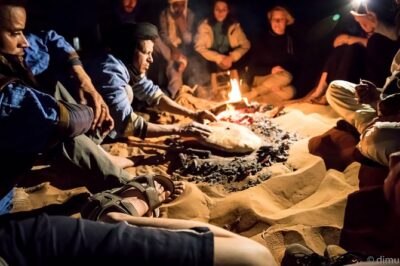
The evening is built around a fire beneath the stars. The information provided does not promise a particular style of camp, so you should ask the operator what bedding and shelter are supplied for your departure date. Still, the basic rhythm is clear: dinner, conversation, firelight, and a night away from village lights.
I like this first night because it is not presented as a quick photo stop. The camp sits beside a place with meaning to the local Nouaji community. You get a night in the desert without losing the connection to the people who know the area.
The tradeoff is that desert nights can feel very different from desert days. Temperatures and comfort depend on the season and the bedding provided. Since your own sleeping bag is required, check the forecast and pack for a cool night as well as a hot day.
Day two and the Bertham dunes
After breakfast, the route heads toward the Bertham dunes. This is the day most people probably picture when they think of a Sahara trek: soft sand, open space, camel tracks, and changing views as the dunes rise and fall.
The route also has a human story. You may see traces of nomads and the herds that once lived in this area. Near the plains of ostriches, nomads still keep flocks. The wording does not guarantee an ostrich sighting, so I would treat the plains as a place connected with desert wildlife and pastoral life, not as a wildlife viewing tour.
This day offers the clearest look at how the Sahara supports movement and survival. The wells are not just scenic points later in the trip. They are meeting places, and the herds, camps, and routes all depend on access to water. A guide can add much to this section by explaining what you are seeing, so do ask questions as you walk.
The second bivouac is set up near the plains of ostriches. That puts you farther into the desert experience than the first night. You will have another dinner and breakfast at camp, with lunch served during the day. The package includes two breakfasts, two dinners, and three lunches across the three-day route.
Walking with camels, guides, and cooks
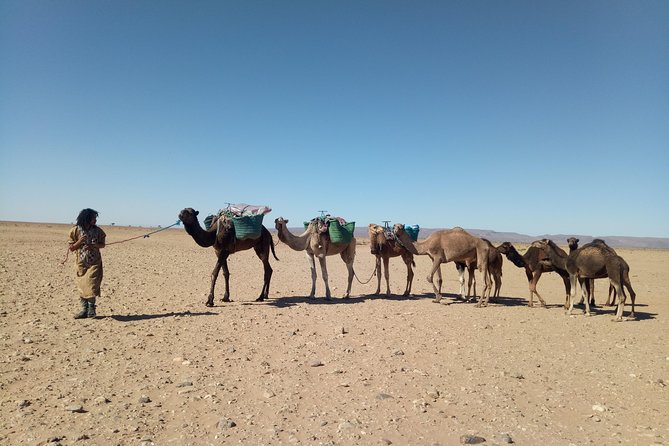
The camel caravan is central to the experience, but this is not described as a camel-riding tour. The plan says you will walk with the camel drivers and camels carrying the camp equipment. If you hope to ride, ask before booking rather than assuming it is part of the price.
The support team makes the trek practical. You are not asked to organize every meal or carry the sleeping setup from one camp to the next. At the same time, you remain part of a walking trip. The physical demand is listed as moderate, and that is the right way to think about it: you should be comfortable spending long periods on your feet and walking over both sand and stone.
Hassan and Bakkar are names associated with the guiding team, along with Ibrahim and Mohammed in accounts of the trip. The strongest personal feature of the experience is the chance to spend time with local guides who can connect the route with their region, traditions, and family life.
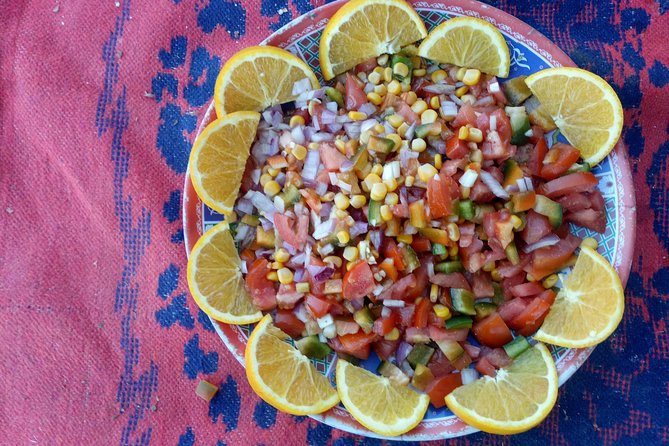
Food is another strong point. Meals are prepared during the trek rather than left to you, and the package covers lunch each day plus the breakfasts and dinners at camp. The exact menu is not specified, so I would not book this expecting a particular dish. I would expect simple Moroccan camp food prepared by the team, with the pleasure coming from eating together outdoors.
Same trailhead, a different route:
- Mt Toubkal Ascent Express Trek 2 Days 1 Nights
★ 4.7 · 962 reviews - Marrakesh: 2-Day Mt. Toubkal Trek with 1-Night Stay & Meals
★ 4.7 · 795 reviews - Marrakech: 2-Day Atlas Mountains Trek with Village Stay
★ 4.8 · 717 reviews - From Marrakesh: 2-Day Mount Toubkal Trek
★ 4.7 · 591 reviews
The return across the hamada
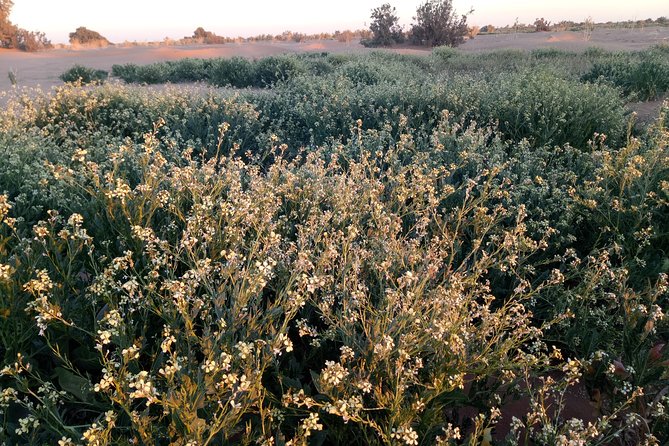
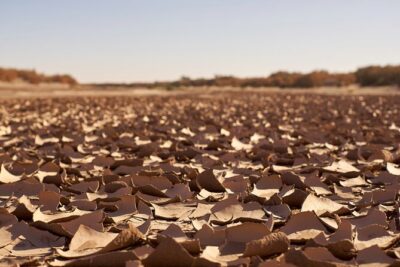
The third day changes the texture of the route. Instead of returning by the same sandy path, you cross the hamada, a stone desert. This is a useful reminder that the Sahara is not one endless field of dunes.
The hamada can feel less immediately dramatic than Bertham’s sand, but it has its own interest. Fossils and other small desert finds may turn up among the stones. The word may matters here: finding something is possible, not promised. You should also leave any natural objects where they are unless your guide confirms that collecting them is allowed.
The route stops at wells before returning to M’Hamid. These wells are described as real meeting places in the desert, which gives the final day a strong social purpose. They show why routes through this region exist and how people and herds have moved across terrain that can otherwise look empty.
The trek ends back at the original meeting point in M’Hamid. There is no separate finishing location to arrange around. That makes the trip easier to fit into a wider Morocco itinerary, especially if you are already based in M’Hamid.
What the $424.09 price covers
At $424.09 per person, this is not the cheapest way to see desert scenery. It is also more than a short camel outing or a single evening camp. The price pays for three days of support, two nights outdoors, a guide team, camel transport for equipment, and meals.
Included are:
- Eating and sleeping equipment
- All fees and taxes
- Three lunches
- Two breakfasts
- Two dinners
The value improves if you want an organized route rather than a quick visit to the dunes. You do not need to arrange separate camp meals, and you have a team managing the basic desert setup. The private format is another part of the value, since your group travels on its own instead of joining a large mixed party.
Two costs remain outside the package. You need to arrange private transportation yourself, and you must bring a sleeping bag. Pickup is offered, but the available information does not state that private transport is included in the price. Confirm the pickup details and any transport charge before you commit.
Who will enjoy this trek most
I would choose this trip if you want the desert to unfold over time. The route has a beginning in the palms, a sandy middle, and a stony return. You also get two nights around camp rather than a rushed overnight stop.
It suits people who care about local contact as much as scenery. The stops at Sidi Naji, the old nomadic traces, the herding area, and the wells give the walk a cultural purpose. The guides are not simply leading you from one photo point to another.
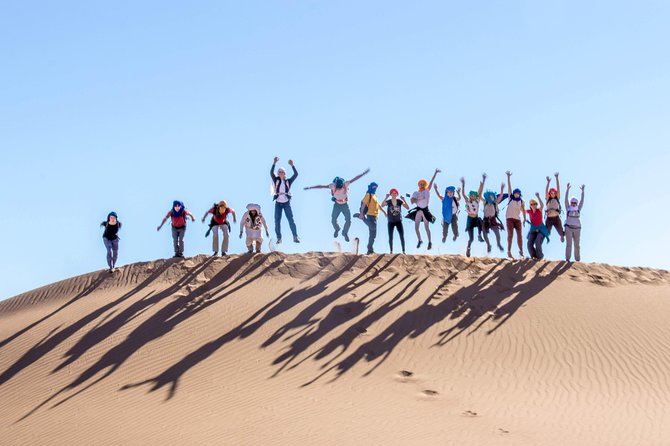
This is also a good match for couples and small private groups. The experience has been used by couples and by groups of three, and the private arrangement lets your pace and conversations remain within your own party.
I would hesitate if you want a highly comfortable camp, a tightly scheduled sightseeing tour, or guaranteed wildlife encounters. The route is outdoors, the sleeping bag is your responsibility, and the walking requires moderate fitness. The practical details are basic by design.
Timing, booking, and cancellation
The scheduled start is 8:00 am from M’Hamid. Confirmation normally arrives at booking, unless you book within two days of departure. In that case, confirmation can take up to 48 hours and depends on availability.
The activity is near public transportation, but private transportation is not included. That makes it important to sort out how you will reach M’Hamid before the start morning. Pickup may be available, but you should confirm the exact arrangement with L’oiseau du désert.
Cancellation terms are firm close to departure. Cancel at least six full days before the local start time for a full refund. Cancellation two to six full days ahead allows a 50 percent refund. Within two full days, there is no refund, and late changes are not accepted.
My practical packing advice
Your sleeping bag is the one essential item specifically excluded from the package. I would also pack sun protection, comfortable walking shoes, loose clothing, and enough personal water storage for the day, while checking with the operator about water arrangements.
A scarf or cheche can be useful protection from sun and blowing sand. One account of the experience specifically mentions buying a cheche and sandals suited to the desert, so you can ask the team in advance if you need help finding those items.
Keep your bag light. The camels carry the camp equipment, but that does not mean every personal item belongs in your luggage. Bring only what you need for three days, with special attention to night warmth and daytime sun.
Should you book the M’Hamid palm grove trek?
I would book this trek if you want a proper three-day desert journey, not just a camel ride and a sunset. Its strongest features are the changing terrain, the private group setup, the two nights by bivouac, and the chance to connect the desert with wells, herds, shrines, and nomadic routes.
I would skip it if you dislike basic outdoor sleeping or cannot manage moderate walking. Before paying, confirm the pickup, ask what sleeping equipment is supplied, check the season’s night temperatures, and clarify whether camel riding is available if that matters to you.
For the right person, the $424.09 price buys time, support, meals, and a route with real variety. The desert is not treated as a backdrop. It is the place where the walking, food, people, animals, and old routes all meet.
FAQ
Where does the trek start?
It starts in M’Hamid, Morocco, at the stated meeting point.
What time does the experience begin?
The scheduled start time is 8:00 am.
Where does the trek finish?
The activity ends back at the meeting point in M’Hamid.
How long does the trek last?
It lasts approximately three days and includes two nights in the desert.
What places are visited during the trek?
The route crosses the M’Hamid palm grove, continues to Marabout Sidi Naji, reaches the Bertham dunes, passes near the plains of ostriches, and returns through the hamada and desert wells.
Are meals included?
Yes. The price includes three lunches, two breakfasts, and two dinners.
Is sleeping equipment included?
Eating and sleeping equipment is included, but you must bring your own sleeping bag.
Is private transportation included?
No. Private transportation is not included, although pickup is offered.
Is this a private activity?
Yes. Only your group participates in the activity.
What level of fitness is needed?
A moderate level of physical fitness is recommended.
Can I cancel for a full refund?
Yes, if you cancel at least six full days before the local start time. Cancellation two to six full days before departure allows a 50 percent refund. Cancellations within two full days are not refundable.
Just added around Morocco
- Essaouira Beach Horse Rides &Treks for All Levels★ 5.0 · 13 reviews
- 4 days tour and trek from Fez to Marrakech via Sahara Desert★ 5.0 · 3 reviews
- 2 days trekking from Chefchaouen to Akchour★ 5.0 · 12 reviews
- 4 days trekking in the Rif mountains★ 5.0 · 9 reviews
- 3-Day Trekking from Chefchaouen – Rif Mountains Adventure★ 5.0 · 16 reviews
- Trekking in Morocco / Atlas Mountains and Sahara Trek (5days)★ 5.0 · 8 reviews
- 8-Day Morocco Adventure: Imperial Cities & Sahara Desert Trek★ 5.0 · 37 reviews
- Paradise Valley Trekking★ 5.0 · 5 reviews
MHamid Trekking Tours, compared.
From Zagora: 3-Desert Tour to Erg Chigaga Dunes & Caml Trek
Read our review →Browse the lists this trek appears in