
Review · MARRAKECH
Marrakech: 3-Day High Atlas Mountains and Three Valleys Trek
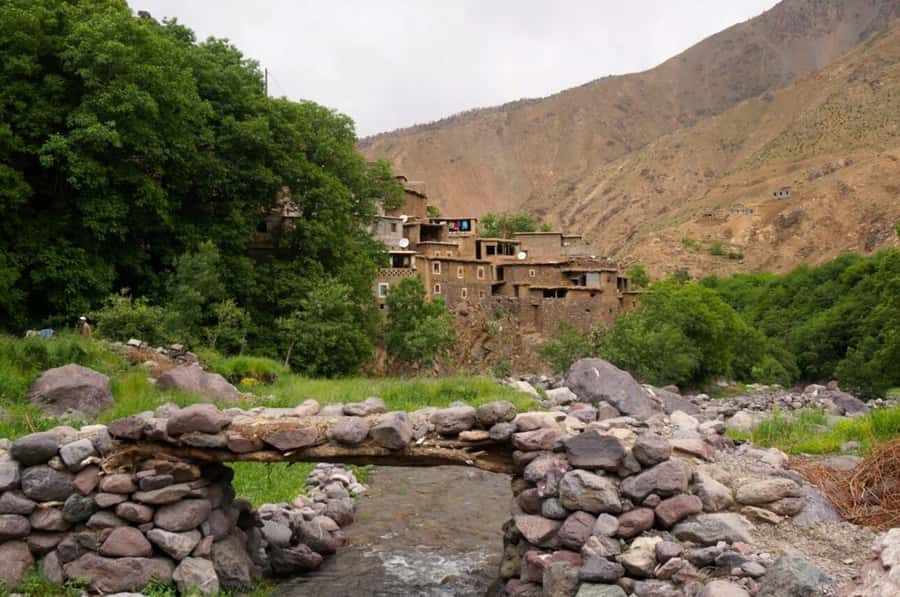
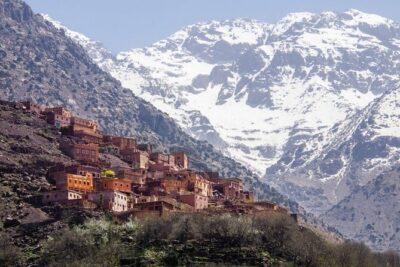
The best part of this three-day High Atlas trek is the steady change of scenery. You walk from Imlil through mountain villages, apple and cherry groves, high passes, river valleys, and Toubkal National Park, rather than simply driving to a viewpoint and snapping a few pictures. Guides such as Abdul, Abdo, and Mustafa are local men who can explain Amazigh village life as you walk.
I like the well-paced days, usually five to six hours on foot, and the fact that mules carry your luggage. I also like the food: cooks such as Ibrahim, Mohammed, and Braham prepare generous Moroccan meals, including tagines, salads, bread, tea, and breakfasts. The main caution is simple: this is a mountain trek, not a gentle country stroll. Rocky paths, steep descents, cold evenings, and plain guesthouses require proper shoes and a flexible attitude.
Key points to know before you book
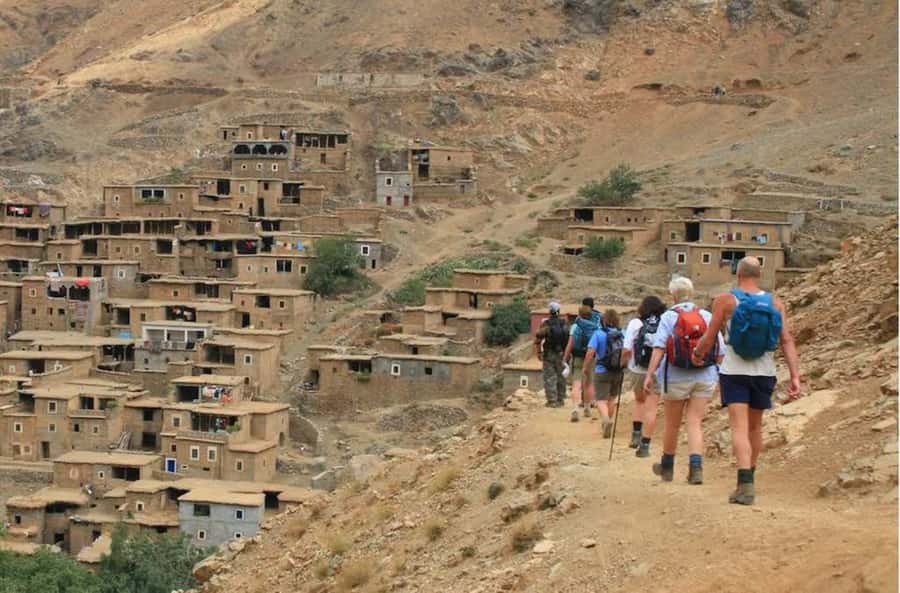
- Three valleys, three walking days: Follow routes through Imlil, Tachdirt, Matat, Ait Aissa, and the Ait Mizan Valley.
- High passes without a summit climb: Reach Tizi n’Tamterte at 2,300 meters, Oudit Pass at 2,200 meters, and Tizi Mazik at 2,500 meters.
- Local support all the way: A guide leads the walk while muleteers carry bags and cooking supplies.
- Food is a major strength: Three lunches, two dinners, and three breakfasts are included, with special diets accommodated when arranged.
- Rustic overnight stays: Expect mountain gites with blankets, simple rooms, and variable hot water. Bring a sleeping bag liner.
- Good value at $227: Transport, guiding, luggage support, accommodation, and meals are included, but drinks and mineral water cost extra.
Why three days works better than a quick Atlas outing
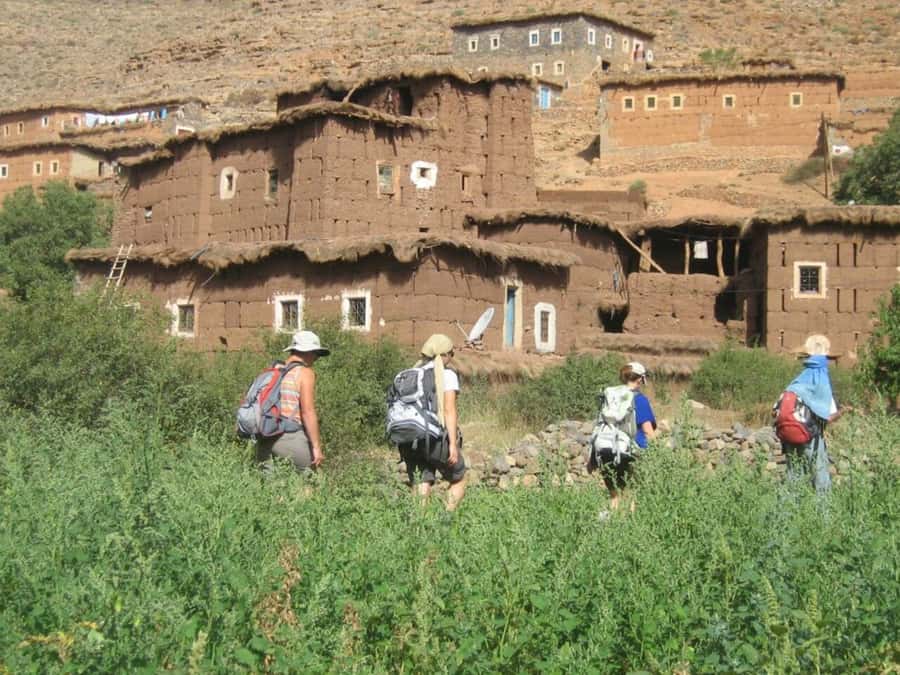
From Marrakech, the High Atlas can look close on a map but feel like another world once you reach Imlil. A short outing usually gives you a taste of the foothills. This trip gives you time to walk between villages and spend two nights in the mountains, when the quiet becomes part of the experience.
The advertised price is $227 per person. That is a fair package price because it covers pickup and drop-off in Marrakech, air-conditioned transport, a local guide, two nights of accommodation, all trek meals, and mules to carry luggage. You are paying for local staff and logistics, not just a vehicle and a guidebook explanation.
The small-group format is limited to 10 participants. That matters on narrow paths, where a large line of walkers would feel clumsy. It also gives your guide more room to adjust the pace, stop for photographs, explain village life, or help on a steep section.
The exact group size can vary with bookings, and some departures have been very small. That can be pleasant if you prefer a quieter walk, though it also means the social side depends on who books your dates.
More Atlas Mountains Treks in Marrakesh:
- Marrakesh: 2-Day Mt. Toubkal Trek with 1-Night Stay & Meals
★ 4.7 · 795 reviews - Marrakech: 2-Day Atlas Mountains Trek with Village Stay
★ 4.8 · 717 reviews - From Marrakech: 3-Day Mount Toubkal Climbing Trek
★ 4.7 · 597 reviews
Day 1: Imlil to Tizi n’Tamterte and Tachdirt
Your transfer from Marrakech takes you to Imlil, at about 1,740 meters. This is the trailhead for a day of roughly five to six hours, with a gradual climb toward Tizi n’Tamterte at 2,300 meters.
The first day sets the tone. You are walking through the High Atlas rather than racing from one photo stop to another. The paths pass through mountain settlements and open views, with the terrain becoming more exposed as you gain height. Your guide should keep the pace matched to the group, but you still need enough fitness for a sustained uphill walk.
Tizi n’Tamterte is the day’s high point and a natural place for lunch. The pass gives you broad views across the surrounding mountains and valleys. Carry your camera here, but also take a few minutes simply to look around. The best mountain photographs often come after the climb, when the path, villages, and ridges line up below you.
After lunch, the route heads toward Tachdirt or Tinghourine, where you spend the night in a mountain guesthouse. The downhill section can be harder than the climb if the trail is rocky. Good trail shoes or hiking boots give you more control, especially if you are used to flat city walking rather than uneven mountain paths.
The overnight stay is part of the trade-off. You get a simple, local base with mountain views rather than a hotel with polished facilities. Rooms may be clean and comfortable, but sheets are not guaranteed. Several practical accounts recommend bringing a sleeping bag liner and pillowcase, as well as warm clothes for the evening. Blankets are generally available, but mountain nights can still feel cold.
Day 2: Tachdirt through Aguersiwal and Matat
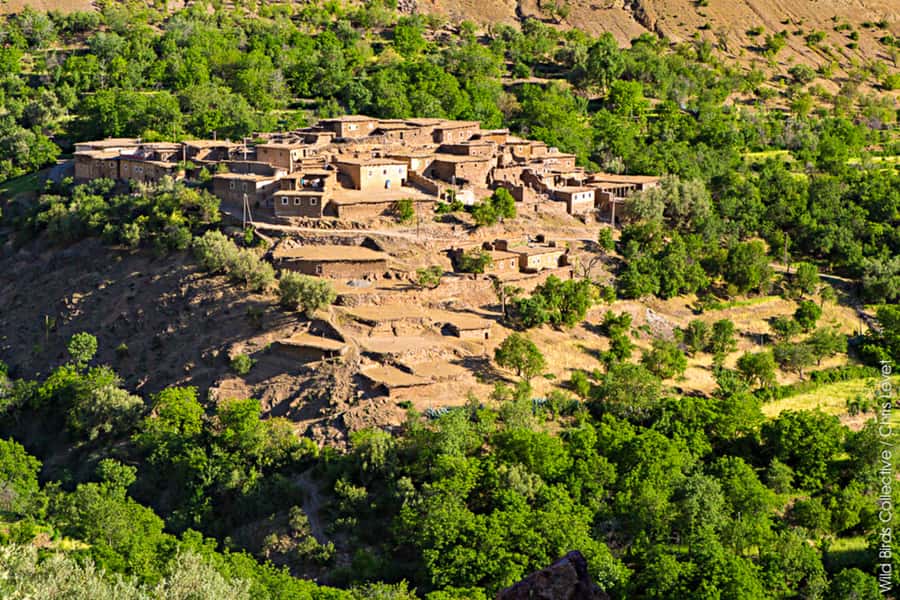
The second day links Tachdirt, Aguersiwal, Matat, and Ait Aissa. Plan on another five to six hours of walking, with a high point at Oudit Pass, around 2,200 meters.
This may be the most varied day. The route passes through Amazigh villages and changing scenery, so you are not walking beside the same type of slope for hours. In spring, fruit trees can add color to the route. The walk among cherry and apple blossoms has been especially memorable for people visiting in April and May.
Aguersiwal gives you another high mountain crossing before the trail continues toward Matat. The route is not described as extreme, but the paths can be rocky, narrow, and steep in places. Your guide may shorten pauses or adjust the pace depending on the group, but you should still arrive with sensible expectations. This is a real trek with uphill and downhill sections each day.
You finish at Ait Aissa, where another gite provides the night’s accommodation. Some stays have offered hot showers or even a steam shower, while hot water has been limited or unavailable at other stops. Treat this as a bonus, not a promise.
The evening can be one of the nicest parts of the trip. There is no need to fill every hour with activities. A book or pack of cards is useful, and several people appreciated having little or no internet access. Bring toilet paper, since it may not be supplied in every bathroom.
Day 3: Waterfalls, Tizi Mazik, and the return to Imlil
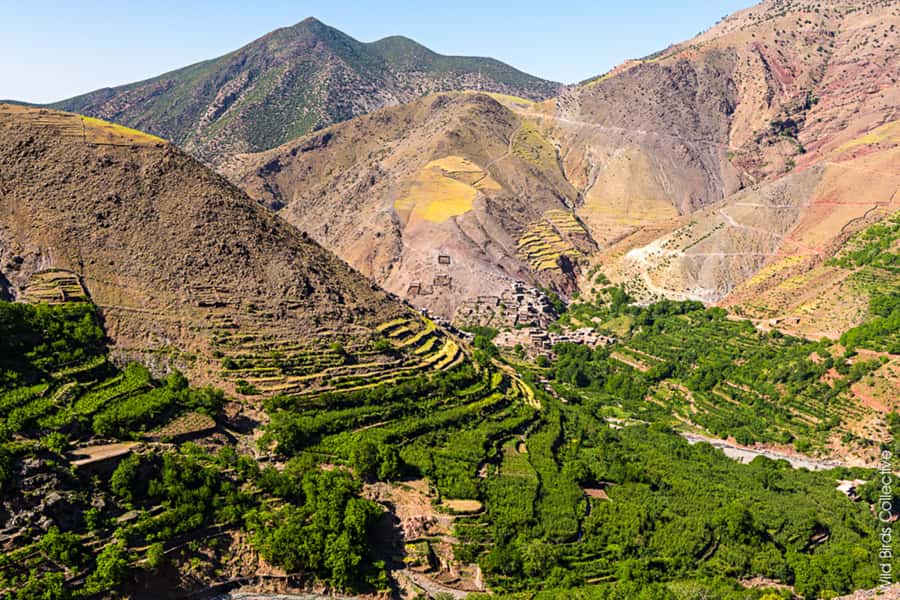
The final day takes about six hours and begins with waterfalls in Toubkal National Park. This gives the route a different mood from the open passes and village paths of the first two days. Water, rock, and mountain vegetation make a good break before the final climb.
From the waterfalls, you follow the trail toward Tizi Mazik at 2,500 meters. This is the highest pass on the stated route, and the climb can feel demanding after two days of walking. The reward is a wide view over the Ait Mizan Valley, with the trail dropping away toward Imlil.
Lunch is planned around Mzik before the descent to Imlil. Downhill walking sounds easy until you meet loose rock and steep grades. Take shorter steps, keep your weight controlled, and do not be embarrassed to slow down. One account specifically warned that trainers were not enough for the descents, despite regular hill walking experience. Trail shoes or hiking boots are the safer choice.
Once you reach Imlil, a vehicle returns you to Marrakech. The final transfer is included, and pickup and drop-off can be arranged near the Medina. That is useful because Marrakech’s narrow streets are not always convenient for large vehicles.
A few more treks around Marrakesh worth a look
- Climb Mount Toubkal: 3-Day Trek from Marrakech
★ 4.4 · 58 reviews - Marrakech: 3-Day Atlas Mountains Berber Villages Trek
★ 4.5 · 41 reviews - Sapa 3 Days 2 Nights Trekking Tour (1 Night In Ta Van Village, 1 Night In Hotel)
★ 5.0 · 699 reviews - 3-Day Trekking Adventure of Sapa from Hanoi – Stay Ta Van Village
★ 5.0 · 611 reviews
Guides, muleteers, and the human side of the trek
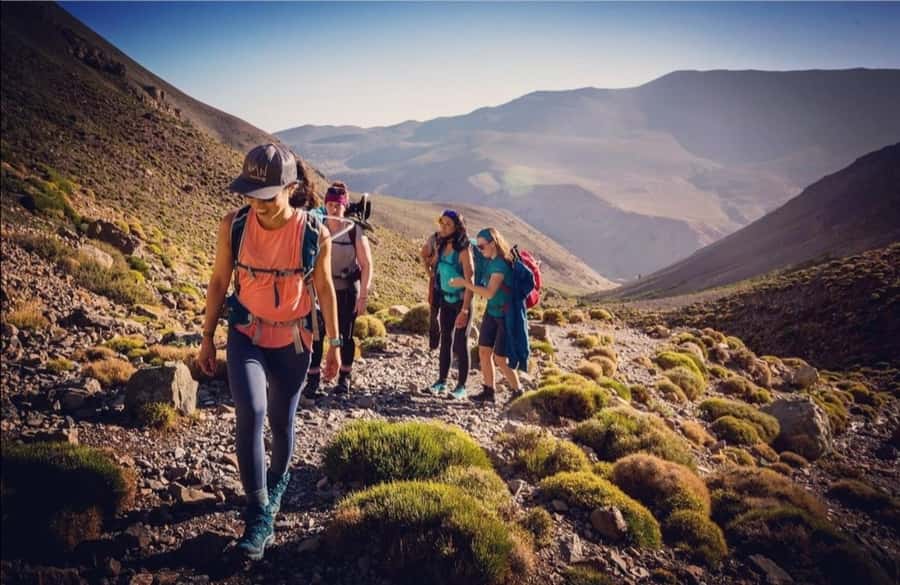
The guide can make or break a walking trip, and this outing has a strong record in that department. Names attached to different departures include Abdul, Abdo, Abdou, Mustafa, Kamel, Houssain, and Abdulaziz. You should not assume which guide you will receive, but the role is consistent: set a safe pace, explain the route, answer questions, and help you understand the villages you pass through.
Several guides have invited participants for tea or to meet their families. That is not a scheduled attraction, and it should not be expected, but it shows how the trip can move beyond a standard sightseeing circuit. A local guide may know families along the route and explain customs or daily life in a way a city-based escort cannot.
English and French are offered. The quality of English may vary by guide, but accounts describe communication as workable and supportive. If you speak French, you may find conversation easier with some guides.
The muleteers matter too. They carry luggage, food, and cooking equipment, allowing you to walk with a much lighter day pack. You still need to carry water, sun protection, and personal items. Bring cash for tips, since gratuities for guides and muleteers are not listed as included.
Moroccan meals, dietary needs, and what to pack
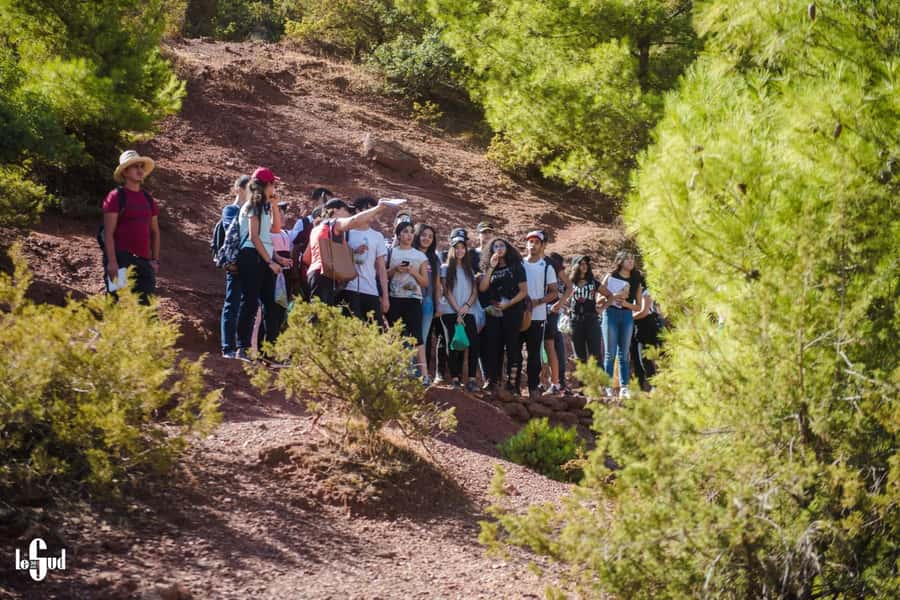
Food is one of the strongest parts of this experience. The package includes three breakfasts, three lunches, and two dinners. Cooks such as Ibrahim, Mohammed, Braham, Hassan, Samir, and Omar have prepared tagines, salads, bread, tea, and filling breakfasts on different departures.
Portions are generous, so you probably do not need to load your bag with snacks. One useful exception is the first morning, when breakfast timing may not suit everyone. A small snack is sensible if you tend to get hungry early.
Special diets can be handled when you tell the operator ahead of time. Vegan meals and food allergies have been accommodated with fresh ingredients. If you prefer a traditional Moroccan breakfast, ask for it. Some departures have served a more Western-style breakfast with sweet items and butter, while msemen, omelet, olives, and other local foods may be available by request.
Mineral water and soft drinks are not included. Water can be purchased along the route, and one account found plenty of opportunities for bottled water and tea. You should still carry water each day. A filter was not needed on one departure, but the tour information does not promise treated water sources, so do not rely on streams.
Pack light but thoughtfully:
- Sturdy hiking boots or trail shoes
- A sleeping bag liner and pillowcase
- Warm layers for cold nights
- Long, loose sleeping clothes
- Sunscreen, hat, and sunglasses
- Towel and personal toiletries
- Toilet paper or tissues
- Passport or ID card
- Cash for drinks and tips
The right clothing matters more than fashionable clothing. Covering up with loose layers helps with sun, dust, and village etiquette.
The guesthouses: comfortable enough, never luxury
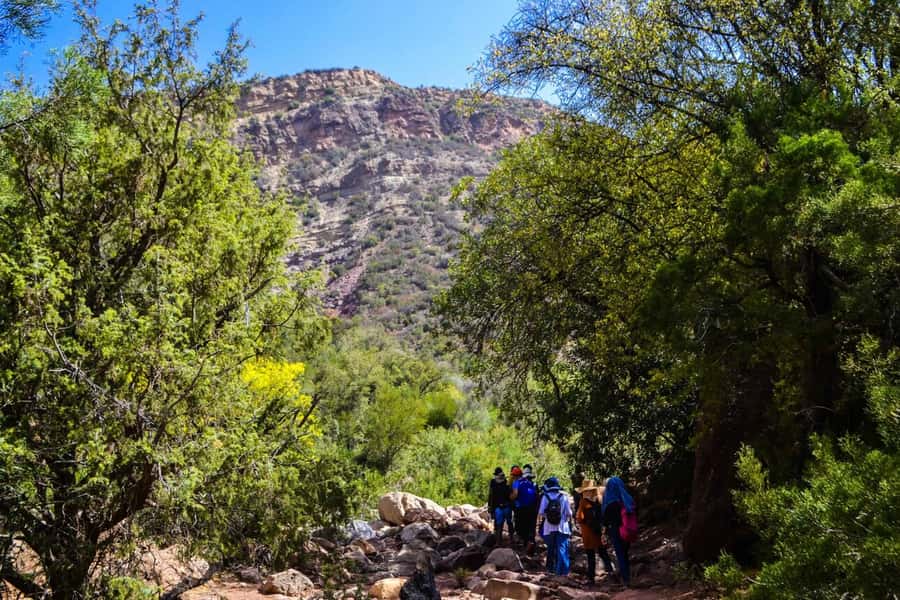
The two overnight stays are simple mountain gites. That is part of the appeal, but it also sets a clear limit on comfort. You are not booking a polished riad with guaranteed hot water, private luxury bathrooms, or hotel-style bedding.
Some people have found the rooms clean, comfortable, and better than expected, with good views. Others have encountered cold showers or beds without sheets. Blankets are generally available, but I would not leave Marrakech without a liner if you care about bedding hygiene or warmth.
Electricity, Wi-Fi, and mobile service have been available at some lodges, but you should not plan your trip around connectivity. The more reliable assumption is that internet access may be limited. Download anything you need before leaving Marrakech, then enjoy the rare chance to stop checking your phone.
Who should book this trek?
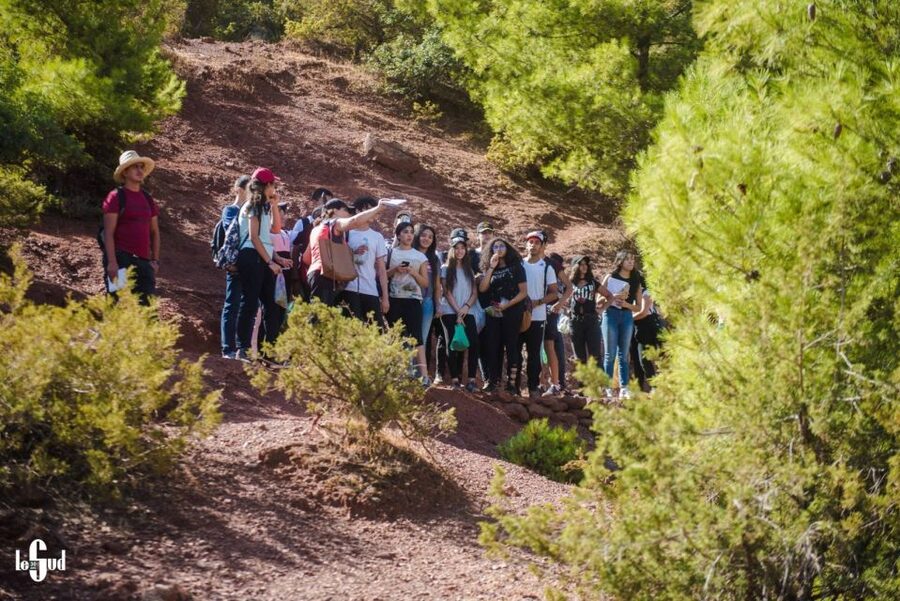
This trip suits you if you want mountain scenery, village life, and a moderate physical challenge without attempting Mount Toubkal. You need to manage five to six hours of walking per day and cope with steep or rocky sections.
It also works well for families with older children or mixed-ability groups, provided everyone understands that the route is not flat. Guides have adjusted their pace to suit different abilities, but each person must be comfortable with a full day outdoors.
You should think twice if you need guaranteed hot showers, hotel bedding, constant internet, or an easy walking surface. The tour is also not suitable for pregnant women, wheelchair users, or people with heart problems.
The cancellation policy is useful for uncertain plans: you can cancel up to 24 hours before departure for a full refund. You can also reserve now and pay later, subject to availability and booking terms.
Should you book the High Atlas three-valley trek?
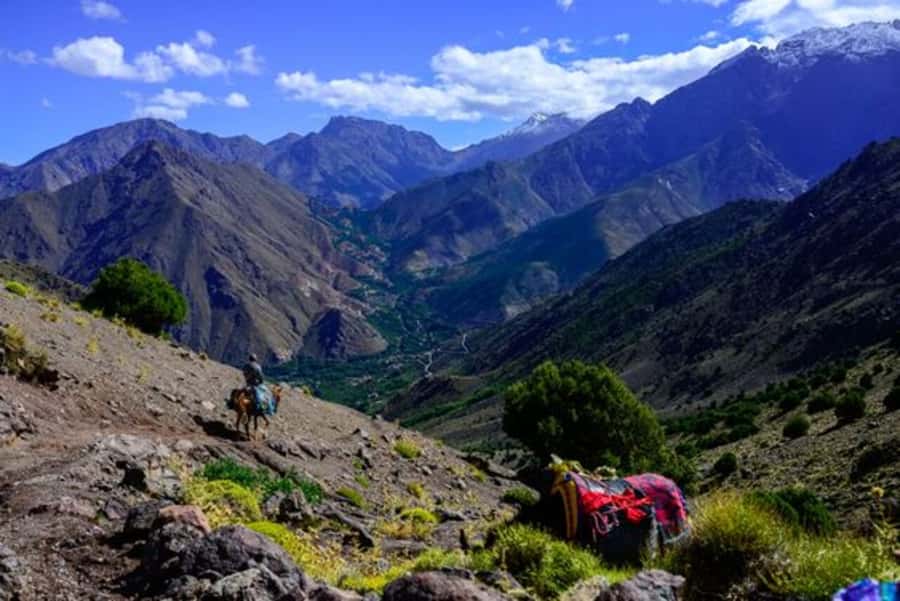
I would choose this trip if you have three days in Marrakech and want more than a quick mountain photo stop. The best features are the variety of the route, the local guides, luggage-carrying mules, generous food, and the chance to sleep in villages instead of returning to the city each evening.
Book it with proper footwear, a liner, warm layers, and an open mind about simple accommodation. At $227, the inclusion of transport, meals, two nights, guiding, and mule support makes the price good value. Skip it only if rustic lodges or sustained mountain walking sound more tiring than rewarding.
FAQ
How long is the trek each day?
The first two days take approximately five to six hours of walking. The third day takes about six hours.
What altitude does the trek reach?
The route reaches Tizi n’Tamterte at 2,300 meters, Oudit Pass at 2,200 meters, and Tizi Mazik at 2,500 meters.
Are meals included?
Yes. The package includes three breakfasts, three lunches, and two dinners during the trek.
Is drinking water included?
No. Mineral water and soft drinks are not included, so bring money to buy drinks along the route.
Is luggage carried for me?
Yes. Muleteers and mules carry luggage and supplies. You should still carry a small day pack with water, sun protection, and personal items.
What languages does the guide speak?
Guides operate in English and French.
What type of accommodation is provided?
You spend two nights in simple mountain guesthouses or gites. Blankets are available, but sheets are not guaranteed. Hot water and internet access can vary.
What should I bring?
Bring your passport or ID, comfortable hiking shoes, a towel, sunscreen, a hat, sunglasses, warm layers, and a sleeping bag liner. A pillowcase and toilet paper are also useful.
Just added around Marrakesh
- Mount Toubkal Trek 2 Days & 1 Night★ 4.5 · 26 reviews
- Marrakech: Mount Toubkal 2-Day trek from Marrakech★ 5.0 · 2 reviews
- Marrakech: High Atlas Tedali Summit Guided Day Trek★ 5.0 · 4 reviews
- Marrakech: 2 Day Toubkal Trek & 1 Nights with Hotel Pick up★ 5.0 · 2 reviews
- Marrakech: 3-Day Atlas Mountains Berber Villages Trek★ 4.5 · 41 reviews
- Marrakech: 2 Day Trek Atlas Mountains & Taoudja Summit 2724M★ 5.0 · 2 reviews
- Marrakech: Guided 2-Day Trek to Imlil and Imnan Valleys★ 4.6 · 14 reviews
- From Marrakech: Taoudja Summit Hike in the Atlas Mountain★ 5.0 · 5 reviews
Atlas Mountains Treks, compared.
Mt Toubkal Ascent Express Trek 2 Days 1 Nights
Read our review →
2-Day Mt. Toubkal Trek with 1-Night Stay & Meals
Read our review →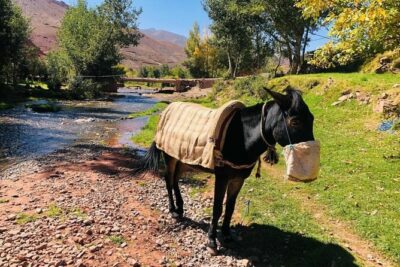
Summiting and Hiking the Atlas Mountains Day Trek from Marrakech
Read our review →
Browse the lists this trek appears in