
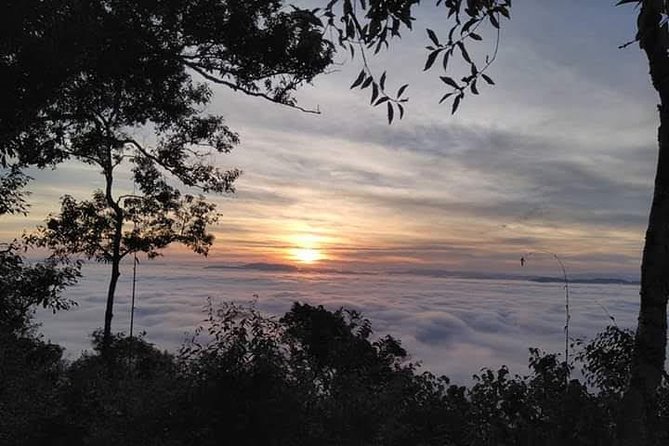
Review · LUANG NAMTHA
Hunter Trails, 3 days difficult trekking with Camping & Homestay
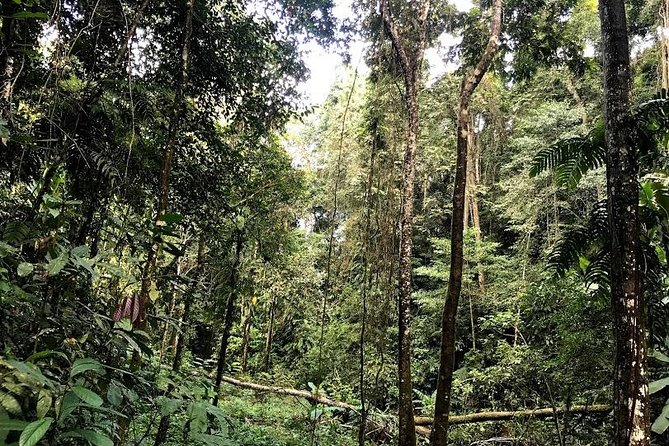
The best part of this three-day trek is how quickly you leave ordinary roads behind. From Ban Prang village, 35 kilometers south of Luang Namtha, you follow old hunter paths into primary forest, passing rice fields, steep hills, huge trees, and places where the only evening light comes from a campfire.
I like the small group size of up to eight and the strong local focus. Guides such as Noy, Mun, Thit, Xai, and Thid have been praised for explaining plants, animals, village life, and Khmu traditions as they walk. I also like the food: meals combine market supplies with ingredients gathered in the forest, then cooked over an open fire.
The catch is simple: this is a difficult trek, not a gentle nature walk. You may walk six to seven hours a day, with steep climbs and descents. You need good fitness, proper footwear, and a willingness to sleep simply.
Key points to know before booking
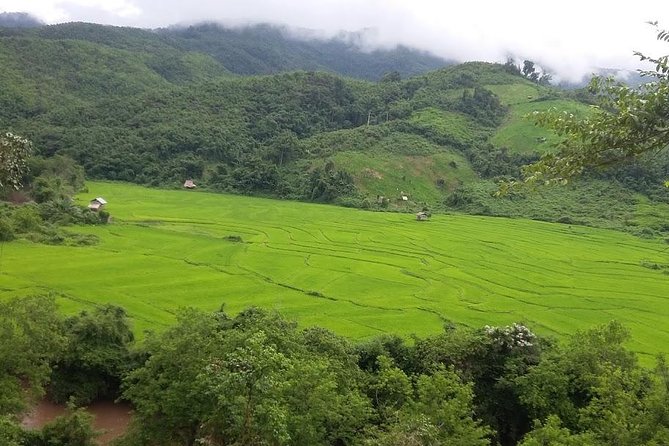
- Old hunter trails through primary forest: This is a serious route away from the usual short jungle walks around Luang Namtha.
- Six to seven hours of hiking daily: Steep hills make the trek demanding, especially in wet conditions.
- Two different kinds of overnight stay: You camp in the forest, then sleep at a peaceful village homestay.
- Food is part of the adventure: Guides prepare meals over open fires using food brought from the market and ingredients found in the jungle.
- Local guiding matters: Guides including Mun, Noy, Thit, Xai, and Thid are noted for nature and cultural explanations.
- Bring your own essentials: A rucksack, hiking boots, hat, sun cream, mosquito spray, torch, and a change of clothing are not included.
Leaving Luang Namtha for Ban Prang village
The day begins at 8:30 am at The Hiker Travel Agency on Main Street in Phonexay Village, Luang Namtha. From there, the trek heads about 35 kilometers south to Ban Prang village, where the walking begins.
That transfer is useful context. You are not simply strolling out of town into some convenient patch of trees. The route starts among working farmland and village life, then gradually moves farther from roads and settled areas.
The first section climbs steep hills beside rice fields. You may see villagers working in the fields, which gives the morning a practical, lived-in quality. This is not a staged cultural stop. Farming is part of the daily rhythm, and the trail connects that working countryside with the forest beyond it.
Expect to sweat early. The first steep climbs set the tone for the trip, particularly if you are carrying your own pack. The supplied reviews describe the route as moderate in the dry season and harder during the rainy season, so weather can change the feel of the same trail.
More Homestay Treks in Laos:
- The Wild Explorer – 3 days forest trek with homestay and camping
★ 4.5 · 22 reviews - Nalan Trail Kmu Ethnic Experience – 2days forest trek with homestay.
★ 5.0 · 21 reviews - Nam Ha NPA 3 Day Wildlife Jungle Camp and Village Homestay Trek
★ 5.0 · 11 reviews
Day one: steep hills, old trails, and the first jungle camp
As you move beyond the fields, the path becomes more wooded and less familiar. The old hunter trails are the main attraction here. They were not laid out for sightseeing, so the route can feel rough, narrow, and uneven.
Your guide makes a major difference on this section. Guides such as Mun and Thit have been praised for pointing out plants, fruit, animals, and details of forest use that you would probably miss on your own. The value is not only reaching the next camp. It is learning how people read and use the forest.
The primary forest is marked by large, old trees and a greater sense of distance from town. Wildlife spotting is part of the plan, but it should not be treated like a guaranteed animal show. You might see signs of wildlife or catch brief movement in the trees. The forest itself is the main event.
The first night is spent at the jungle camp. The facilities are basic, with simple huts described as adequate rather than luxurious. This is a useful middle ground for people who want a real forest night but do not want to construct their own shelter.
Dinner is cooked over an open fire. Food may include provisions carried from the market along with edible plants or other ingredients gathered during the trek. The cooking is one of the strongest parts of the trip, especially if you enjoy food with a clear connection to place.
After dark, the campfire becomes the social center. You can listen to the forest, talk with the guide, and enjoy the rare quiet that comes when there are no town sounds nearby. Bring a torch, since it is not included.
Day two: the longest forest day
Day two starts early. You can wash, have coffee or wild tea, and eat breakfast while the guide prepares the morning meal. The early start fits the setting, since the village and forest day both begin well before the heat builds.
After breakfast, the route continues through abundant forest. This is likely to be the day when the physical demands become most obvious. The trek is commonly described as six to seven hours of walking per day, including breaks, and there are steep climbs and descents.
You should pace yourself rather than treating the first hour as a race. The small group helps here, since a maximum of eight people is easier for a guide to manage than a large walking party. Still, you need to be comfortable with a full day on uneven ground.
The forest explanations add purpose to the hard walking. A guide may show you plants, fruits, useful trees, or signs of animals. The cultural side matters too. The guides have been praised for explaining ancestral knowledge and the traditions of local Khmu communities, giving the forest a human story without turning the walk into a performance.
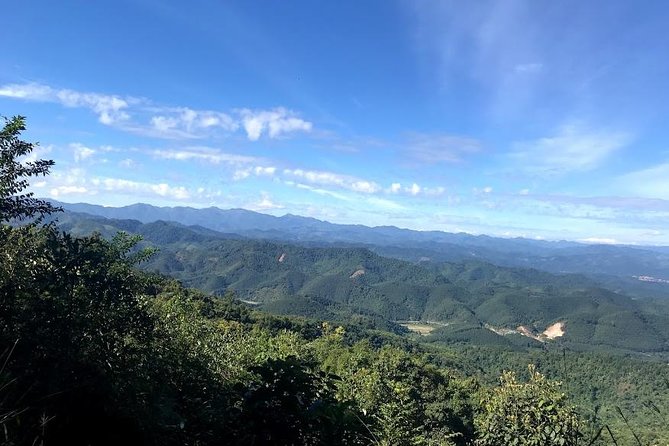
The trail’s variety is another strength. You are not looking at the same view for three straight days. Fields, village edges, dense forest, steep ridges, and hilltop outlooks appear at different points. The views from higher ground can be excellent, but you have to earn them.
Lunch and dinner are included on this day, as are all three lunches and both dinners across the full trek. The meals may be simple, but the open-fire preparation and use of forest ingredients make them more memorable than a packed sandwich.
Rain is the main wild card. Wet weather can make already difficult paths more tiring and slippery. The operator requires good weather for the activity, and poor conditions may lead to a different date or a full refund. Even in a season described as dry, pack protection and sensible clothing are worthwhile.
Night in the forest: basic comfort, real atmosphere
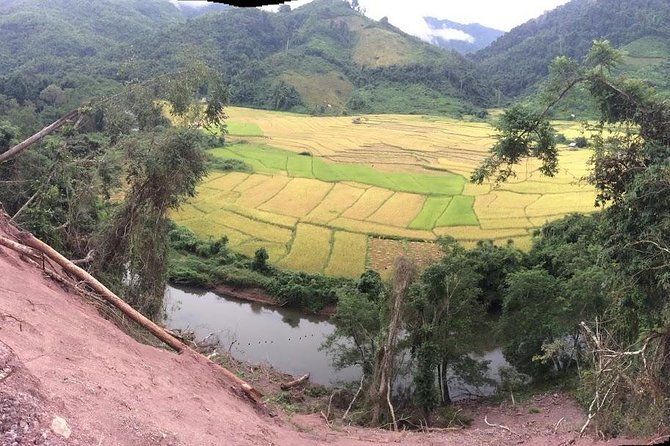
The jungle camp is not a resort, and you should not book it expecting hotel comforts. It offers basic huts and a place to sleep in the forest, which is enough for people who value location over polish.
I see this as a practical compromise. You get the feeling of spending the night in the primary forest, yet you do not have to build your own shelter. That makes the trek suitable for fit hikers who want an extra challenge without taking on a fully self-supported expedition.
Mosquito spray and a torch are specifically not included. A hat, sun cream, sturdy hiking boots, a rucksack, and a change of clothing are also on your own packing list. These are not minor extras on a trek like this. Good footwear can change your whole day on steep, uneven trails.
The food deserves special attention. Some meals use supplies carried from the market, while other ingredients are gathered along the way. Guides such as Thid and his Khmu colleague have been praised for cooking on open fires, and that detail gives the overnight camp a strong sense of place.
A few more treks around Laos worth a look
- Luang Prabang: Nong Khiaw 3-Day Trekking & camping, Homstay
★ 5.0 · 9 reviews - Luang Prabang: 3-Day Cultural Remote Trek With Homestay
★ 4.9 · 9 reviews - Sapa 3 Days 2 Nights Trekking Tour (1 Night In Ta Van Village, 1 Night In Hotel)
★ 5.0 · 699 reviews - 3-Day Trekking Adventure of Sapa from Hanoi – Stay Ta Van Village
★ 5.0 · 611 reviews
Day three: village life and the homestay
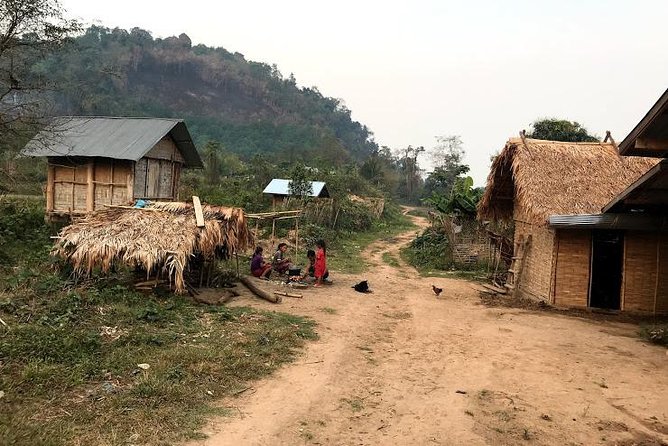
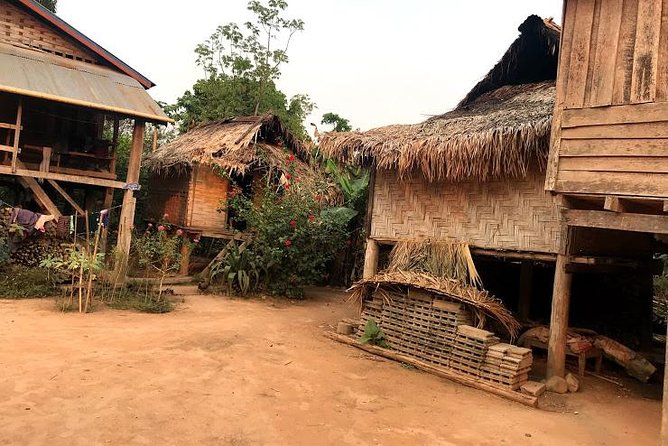
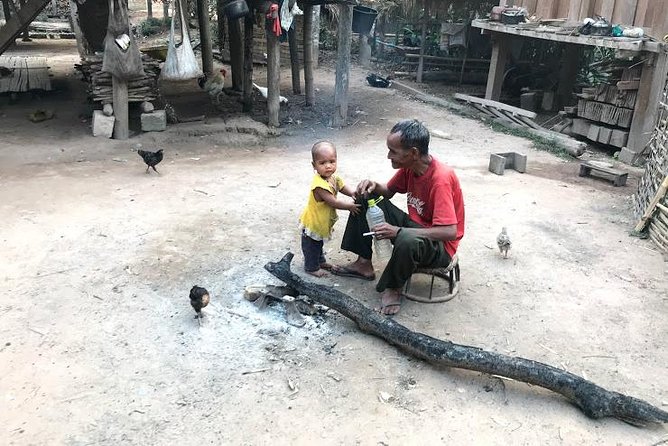
The final day also begins early. Village life starts at a practical hour, and you can walk around to see people preparing for the day, working on farms, or weaving with bamboo.
This is a quieter cultural encounter than a formal tour stop. You are seeing ordinary tasks, not a packaged show. The village walk helps connect the forest to the communities that know it best.
After breakfast, the trek continues before returning toward the meeting point. The supplied schedule is brief about exact distances and timing, so do not expect a precise hour-by-hour plan. The pace can depend on trail conditions, weather, group fitness, and how often the guide stops to explain the surroundings.
The village homestay is a key reason to choose this route over a forest-only walk. It gives you a second kind of overnight setting, one based on community and daily life rather than a remote camp. You should still expect simplicity. The appeal is the atmosphere and local connection, not private-room comfort.
By the end, you return to the meeting point at The Hiker Travel Agency. All listed fees and taxes are included, along with breakfast on two mornings, lunch on all three days, and dinner on the first two nights.
What the guides add to the walk
The quality of this trek depends heavily on the guide. Names associated with the route include Kham, Mun, Thit, Noy, Xai, Thid, Noi, and Pouan. You may not receive a particular guide, but the repeated praise for the guiding team points to the importance of local interpretation.
Good guiding here means more than finding the path. It means explaining which plants and fruits are useful, identifying signs of animals, describing the forest’s role in local life, and discussing the culture of nearby communities.
Mun has been praised for explaining nature and tribal culture. Thit has been singled out for detailed explanations of ancestral and botanical knowledge. Noy has been appreciated for adapting the walking speed to the group, which matters on a route this demanding.
That personal attention is one reason the maximum group size is important. With up to eight people, you have a better chance of hearing explanations and asking questions. If you are looking for a silent, fast-paced hike, this may not be your style. If you enjoy stopping to learn, the pauses add real value.
Is $175 a fair price?
At $175 per person, this is not the cheapest way to see the Luang Namtha area. You are paying for three days of guiding, transport to the trailhead, meals, two types of accommodation, local organization, and access to old trails that are not simply a marked town walk.
The price also supports a more involved setup than a short day trip. Food must be organized, guides must accompany the group, and the route includes a jungle camp and village stay. One price complication is group size. A very small booking can feel more expensive per person, while group discounts may improve the value.
I would compare it with the kind of trip you want, not only with the cost of a shorter hike. If you only want forest scenery and a few hours of exercise, a shorter outing may be enough. If you want three full days, local meals, a remote camp, a homestay, and cultural interpretation, $175 is easier to justify.
The 56-day average advance booking figure suggests that planning ahead is sensible. Confirmation is provided at booking, and mobile tickets are available. Free cancellation applies up to 24 hours before the start time. Last-minute changes or cancellations within 24 hours are not accepted for a refund.
Who should choose this Hunter Trails trek?
This route suits you if you:
- Enjoy steep, full-day hikes rather than easy walks.
- Want primary forest and old trails instead of a polished attraction.
- Can manage six to seven hours of walking with breaks.
- Like learning about plants, animals, farming, and Khmu culture.
- Are happy with basic jungle huts and a simple homestay.
- Want meals cooked over an open fire.
- Prefer a small group, with no more than eight people.
Think twice if you dislike heat, mud, steep climbs, basic sleeping arrangements, or changing trail conditions. The word difficult is important here. Dry-season conditions may make the walk more manageable, but it does not turn the route into a casual stroll.
You should also pack carefully. The operator does not provide a rucksack, hiking boots, hat, sun cream, mosquito spray, torch, or change of clothing. Since the detailed packing list is limited, ask The Hiker what else is recommended before setting out.
Should you book Hunter Trails?
Book this trek if you want a demanding but well-supported way to see the forest south of Luang Namtha. The strongest reasons are the old hunter trails, open-fire cooking, local forest knowledge, and the contrast between a remote camp and a village homestay.
Skip it if your idea of a holiday requires soft beds, short walks, or guaranteed wildlife sightings. For fit hikers who want a genuine three-day challenge and are willing to carry the right gear, Hunter Trails offers far more than a scenic walk. It gives you a close look at the forest, the food, and the people who know this part of Laos best.
FAQ
Where does the trek start?
You meet at The Hiker Travel Agency at 17A Main Street in Phonexay Village, Luang Namtha, Laos.
What time does the trek begin?
The scheduled start time is 8:30 am.
How far is the trailhead from Luang Namtha?
The trek begins at Ban Prang village, about 35 kilometers south of town.
How difficult is the hike?
It is described as a difficult trek. You should have a strong physical fitness level, and the walking can take six to seven hours per day, including breaks.
How many people can join the group?
The activity has a maximum of eight travelers.
What meals are included?
The price includes three lunches, two dinners, and two breakfasts.
What equipment should I bring?
You should bring a rucksack, hiking boots, a hat, sun cream, mosquito spray, a torch, and a change of clothing. These items are not included.
What happens if bad weather cancels the trek?
Because the activity requires good weather, you will be offered a different date or a full refund if poor weather causes cancellation.
Just added around Laos
- Nong Khiaw: 2-Day Trekking,Hmong village,Home Stay&Kayaking★ 4.9 · 17 reviews
- Luang Prabang: Nong Khiaw 3-Day Trekking & camping, Homstay★ 5.0 · 9 reviews
- Luang Prabang Trekking LongLao to Kuang si falls full day★ 4.7 · 7 reviews
- Luang Prabang: Mountain Trek & Local Villages Overnight Tour★ 5.0 · 7 reviews
- Nam Ha NPA 3 Day Wildlife Jungle Camp and Village Homestay Trek★ 5.0 · 11 reviews
- Nalan Trail Kmu Ethnic Experience – 2days forest trek with homestay.★ 5.0 · 21 reviews
- Luang Prabang: 3-Day Cultural Remote Trek With Homestay★ 4.9 · 9 reviews
- Luang Prabang: Full Day Trek to Kuang Si Waterfall & Village★ 4.6 · 20 reviews
Homestay & Village Treks, compared.
Number one top rated ethical cultural trekking and homestay by ETHOS
Read our review →
2-Day Sa Pa Ethnic Homestay Tour & Trek with Limousine Bus
Read our review →
Sapa 3 Day 2 Night Trekking With Hotel & Homestay
Read our review →
Sapa 2 Days 1 Night Overnight At Local Homestay
Read our review →
2-Day Trekking Trip with Ethnic Minority Homestay
Read our review →
2-Day Trek & Heartwarming Homestay with an Ethnic Family
Read our review →Browse the lists this trek appears in