
Review · LUANG PRABANG
Luang Prabang: 3-Day Cultural Remote Trek With Homestay
Remote Hmong and Khmu villages are the heart of this three-day trip. You cross the Mekong and Nam Xeuang rivers, walk trails used by villagers, sleep in simple homes, and share meals prepared by your guide and a local family. The best parts are the quiet mountain routes and the chance to see village life without a line of souvenir stalls.
I like two things in particular: the route reaches places that see very few outside visitors, and the guides add meaning to what you see. Guides such as Aroun and Chan have explained hill-tribe customs, plants, animals, and village life with care. The trade-off is clear: basic washing and toilet facilities, no regular electricity, and six to seven hours of walking on the final day.
Key points at a glance
- Local trails, not marked tourist paths: You walk routes used to reach villages, streams, and steep mountain rice fields.
- Two nights in remote villages: Homestay conditions are simple, with limited washing facilities and no regular power for charging devices.
- A real cultural exchange: You visit Hmong and Khmu homes, schools, farms, and community spaces with an English-speaking guide.
- The toughest day comes last: Day three involves six to seven hours of walking and a climb to broad views over the surrounding mountains.
- River crossings add to the adventure: Local boats carry you to the trailhead and back toward Luang Prabang.
- Best for fit walkers: The trip runs in rain or shine and becomes harder in the wet season.
What this Luang Prabang trek is really about
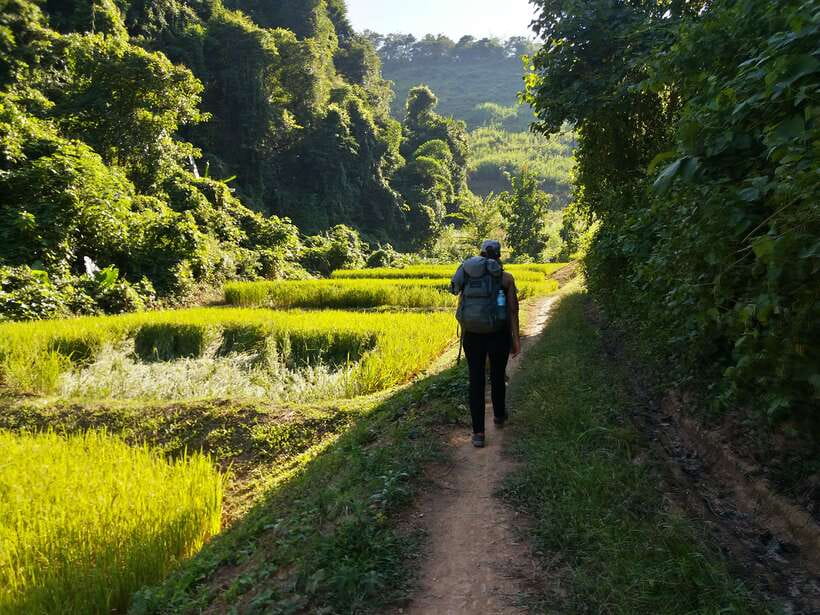
This is not a gentle countryside outing with a quick village stop. It is a three-day route into the mountains north of Luang Prabang, where the main attractions are people, terrain, and time away from town.
You spend hours walking through jungle and rice paddies rather than moving from one photo stop to another. The villages are remote, and the simple homestays let you see how much daily life depends on farming, family networks, and local knowledge.
The $360 price covers transportation, boat crossings, meals listed in the schedule, an English-speaking guide, permits, taxes, village fees, and homestay accommodation. That makes the cost easier to judge. You are paying for a small-group or private experience with several days of transport, guiding, food, and access to places that are not set up for independent tourism.
Still, do not book this for comfort. You will not have a hotel room, reliable charging, or polished facilities. Book it for contact with rural Laos, a demanding walk, and the chance to spend evenings in villages rather than returning to Luang Prabang each day.
More Homestay Treks in Laos:
- The Wild Explorer – 3 days forest trek with homestay and camping
★ 4.5 · 22 reviews - Nalan Trail Kmu Ethnic Experience – 2days forest trek with homestay.
★ 5.0 · 21 reviews - Hunter Trails, 3 days difficult trekking with Camping & Homestay
★ 5.0 · 15 reviews
Starting early beside the Mekong
The meeting point is the Tiger Trail Travel office on the same street as Villa Maly hotel. You meet at 8:20 a.m. for an 8:45 departure, with hotel pickup available if arranged.
The morning begins with practical preparation. You can leave extra luggage at the office and carry only what you need for three days. That is good advice. A heavy pack will make the climbs, stream crossings, and uneven jungle paths harder than they need to be.
The drive heads north beside the Mekong and then follows the Nam Xeuang River for about an hour and a half. After that, a local boat takes you across the river to the trailhead. The boat crossing is not a decorative add-on. It marks the point where the road ends and the walking route begins.
Your guide will set the pace and help with the route, but you should still arrive ready for a full day outside. Wear shoes with a firm sole, carry insect repellent, and bring clothing that can handle heat, mud, and rain.
Day one: jungle paths and a Hmong homestay
The first trek takes about four to five hours and is described as medium grade. You walk through rice paddies and jungle on paths local people use to travel between remote villages.
That detail matters. The route is not designed mainly for easy sightseeing. It follows the practical lines of village life, including paths to farms and neighboring communities. You may find the footing uneven, especially during wet weather, and the route takes longer when rain softens the ground.
The first day gives you a useful introduction to the pace of the trip. You will be walking for much of the afternoon, but the reward is a direct arrival in a Hmong village rather than a short visit followed by a vehicle transfer.
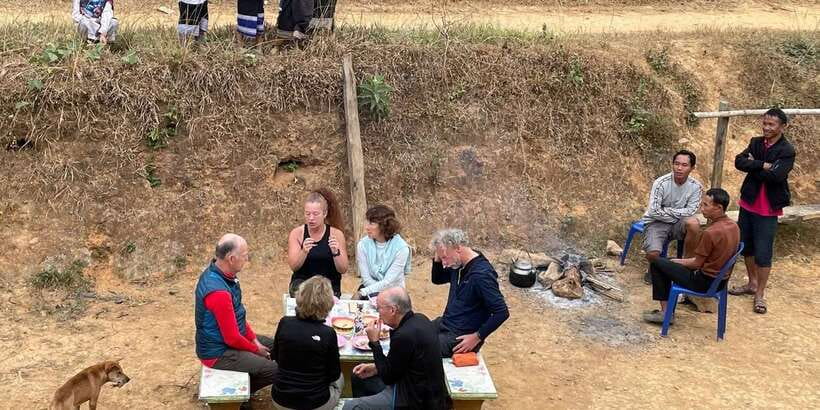
The overnight stay is welcoming but basic. Expect homestay-type accommodation rather than a private hotel room. The available information describes simple, comfortable conditions, but it also makes clear that these are remote villages with limited facilities. Washing and toilet arrangements are simple, and there is no regular electricity for charging camera batteries.
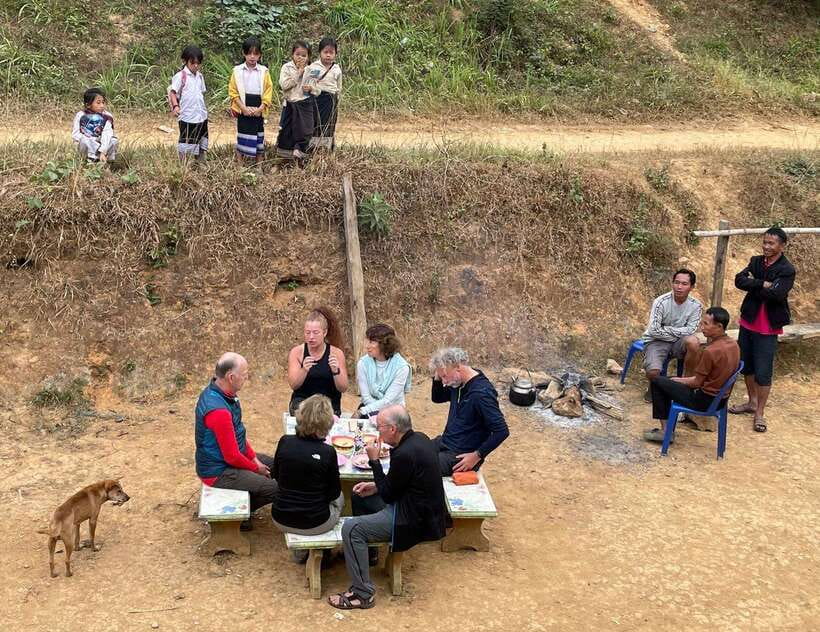
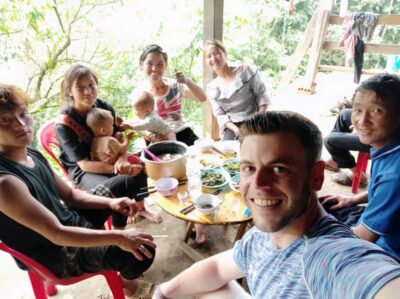
Dinner is prepared by your guide and a Hmong family. This is one of the trip’s strongest features because the evening is not separated from the village. Food, conversation, and accommodation all happen in the same setting.
Guides such as Aroun and Chan have helped make this part more meaningful by explaining local customs, plants, animals, and the traditions of different hill communities. The exact guide is not guaranteed, but the English-language guiding is included.
Day two: streams, valley villages, and daily life
After breakfast prepared by the guide, you set out for the shortest walk of the trip. Shortest does not mean easy or brief. The route takes about four hours and follows valley streams toward a large mixed Hmong and Khmu village surrounded by mountains.
The setting gives you a chance to notice how the two communities share the same remote valley while retaining their own customs and identities. Your guide helps explain the village, and you have time to visit schools, homes, and other parts of daily life.
Arriving in the middle of the afternoon is useful. You are not rushed through the village before dark, and there is time to look around after the walk. The village visit is not a staged performance. The value comes from seeing ordinary spaces and asking questions through your guide.
You may see how farming shapes the rhythm of the community. Rice paddies, mountain fields, schools, and homes are not separate attractions here. They are connected parts of one working place.
The second night gives you another chance to adjust to the homestay setting. Reviews of this route describe very simple accommodation, washing facilities, and toilet arrangements. Solar panels may provide some power, but you should not count on charging access. Bring a power bank if you need to keep a phone or camera running, but treat it as backup rather than a promise of electricity.
The trip can become unexpectedly social. A stay around New Year included shared food, Lao rice whiskey, Beerlao, music, and dancing with the local community. That kind of event cannot be scheduled or guaranteed, but it shows the sort of unplanned contact that can happen when you spend the night in a village instead of passing through for an hour.
A few more treks around Laos worth a look
- Nam Ha NPA 3 Day Wildlife Jungle Camp and Village Homestay Trek
★ 5.0 · 11 reviews - Luang Prabang: Nong Khiaw 3-Day Trekking & camping, Homstay
★ 5.0 · 9 reviews - Sapa 3 Days 2 Nights Trekking Tour (1 Night In Ta Van Village, 1 Night In Hotel)
★ 5.0 · 699 reviews - 3-Day Trekking Adventure of Sapa from Hanoi – Stay Ta Van Village
★ 5.0 · 611 reviews
Day three: the hardest walk and the biggest views
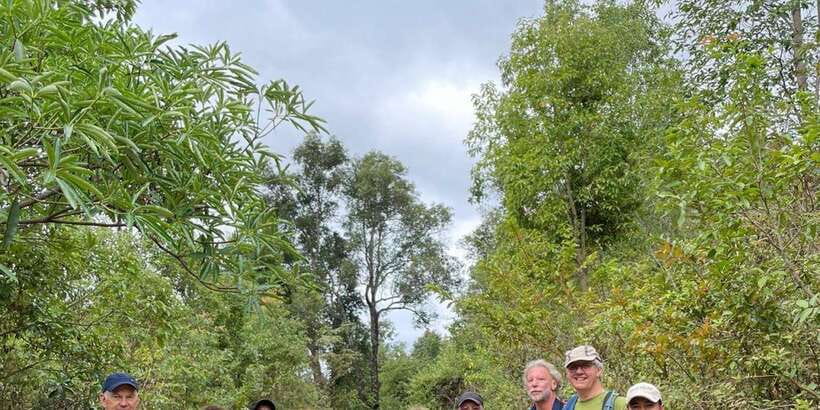
The final day is the physical test. Plan on six to seven hours of walking as you climb toward mountain tops with wide views over the villages and remote parts of northern Laos.
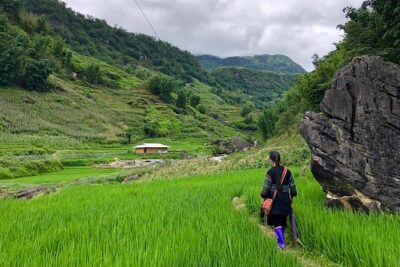
The route follows trails used by local people tending steep mountain rice fields and visiting a Hmong mountain village. This gives the hike a practical purpose. You are not simply climbing for a viewpoint. You are following routes that connect homes, farms, and high fields.
The views are the main payoff. From the higher points, you can look back over the villages and the surrounding mountains. The open views feel especially different after the enclosed jungle paths of the first day.
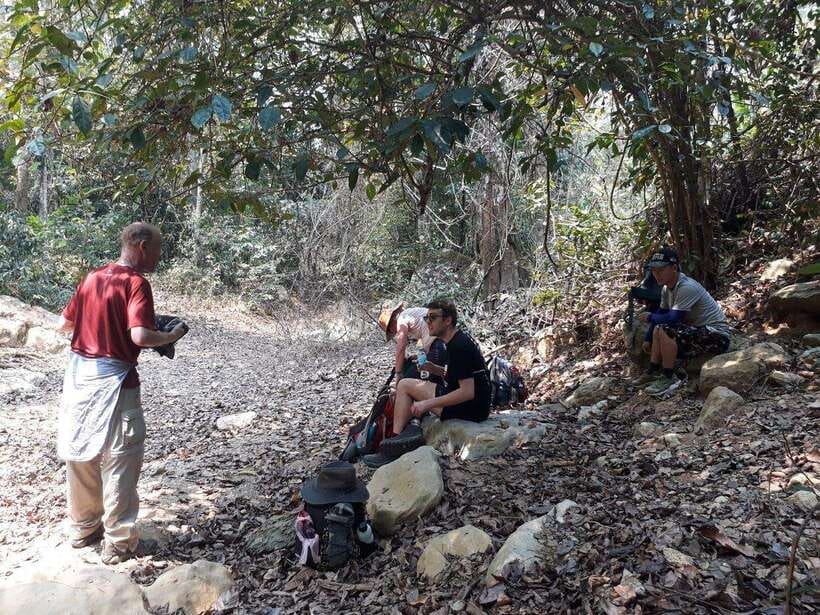
Heat can change the difficulty quickly. One account of the route found some sections demanding at 37 degrees Celsius. The rainy season adds another challenge, since wet trails can require more time. The tour operates in all weather, so you need to be comfortable walking in conditions that may be hot, muddy, or wet.
The trek ends near the Nam Xeuang River. If conditions allow and you want it, you can take a well-earned swim before the return journey. The drive back to Luang Prabang takes about an hour and a half.
That final swim is a small but useful detail. After three days of walking, heat, and basic washing facilities, the river offers a refreshing finish. Bring water shoes, as advised, and keep a dry change of clothes available.
Homestays, food, and the limits of comfort
The homestays are central to the experience, not just a place to sleep. They let you observe village life after the daytime activity ends, when families are preparing food and carrying on with ordinary routines.
You should set your expectations correctly. This is not a rural hotel with private bathrooms. Washing facilities and toilets are basic, and remote locations mean fewer supplies and less privacy than you may be used to in Luang Prabang.
Meals listed in the schedule are included, including dinners prepared with local families and breakfasts prepared by the guide. Specialty drinks are not included, so budget separately if you want beer, soft drinks, or other extras.
The simple setting is also the point. If you want a polished room, air conditioning, and a place to charge every device at night, stay in town and take a shorter outing. If you want to understand rural life through food, sleeping arrangements, and daily routines, the homestay is the part that gives the trek its meaning.
The cultural side of Hmong and Khmu village visits
The trip visits Hmong and Khmu communities, including a large mixed village in a mountain valley. You see homes, schools, rice farms, and local routes rather than only a prepared cultural display.
A good guide matters here. Aroun has been praised for explaining nature and culture, while Chan has been noted for discussing hill-tribe customs, rituals, plants, and animals. Guide assignments can change, but these examples show the level of interpretation you should hope for from the English-speaking guide included with the trip.
Approach the village visits with respect. Ask before taking photographs, follow your guide’s lead, and remember that you are entering working communities rather than an open-air museum. The best moments may be quiet ones: watching village activity, learning how rice farming fits into the terrain, or sharing a meal without trying to turn every exchange into a photo.
The strongest cultural contact happens because the tour stays overnight. A short stop can show you the layout of a village. Sleeping there gives you more time to understand its pace.
How demanding is the walking?
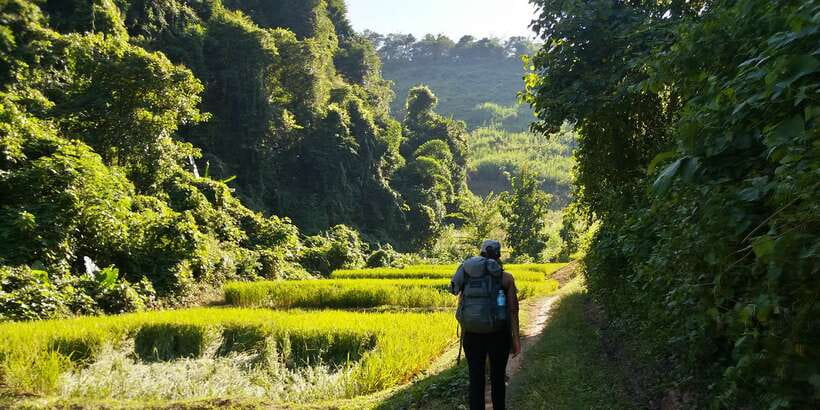
The first day takes four to five hours at a medium grade. Day two takes about four hours through valleys and along streams. Day three is the longest, at six to seven hours, with a climb to mountain tops and a descent toward the river.
That schedule suits people who regularly manage long walks on uneven ground. You do not need to be an athlete, but you should be ready for heat, slopes, jungle trails, rice paddies, streams, and changing weather.
The tour is not suitable for people with mobility impairments or for pregnant women. Those restrictions are sensible given the remote terrain and limited access to facilities.
Rain does not cancel the experience. Instead, the walks may take longer and become harder. During the wet season, shoes can get muddy and footing may be less secure. Weather-appropriate clothing, comfortable shoes, insect repellent, and water shoes belong in your pack.
Is $360 good value?
At $360 per person, the tour is not a budget day trip. But the price covers three days of guiding, road transport, boat crossings, meals, village fees, permits, taxes, and two nights of homestay accommodation.
You also avoid the difficulty of arranging transport and village access on your own. The tour connects several remote sections into one route, including the initial river crossing and the return from the Nam Xeuang River.
The value depends on what you want from Luang Prabang. If you mainly want temples, cafes, and a comfortable base, this will feel like a large commitment. If you want remote villages and a serious walking route, the cost is reasonable for what is included.
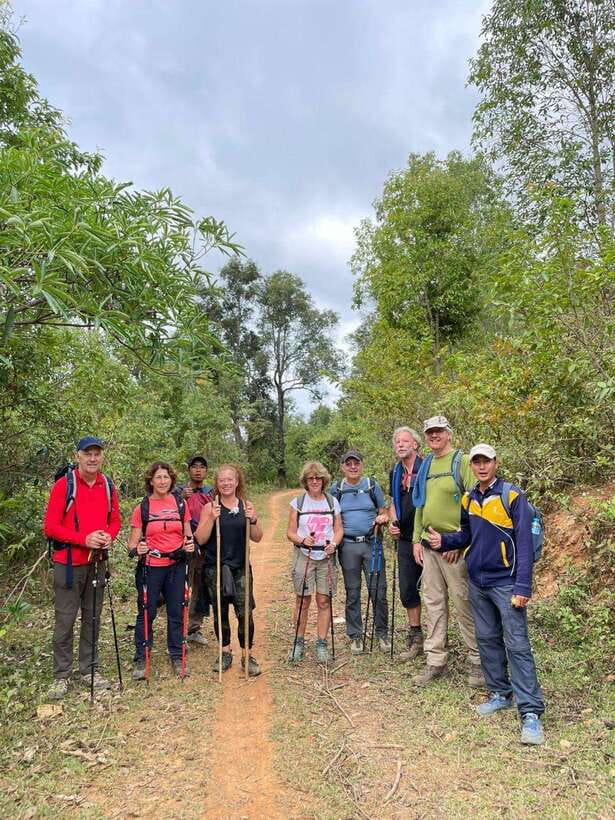
Private and small-group options are available. A smaller group can make the walking pace easier to manage and may allow more time for questions, but confirm the format when booking.
Who should book this experience?
I would recommend it to fit walkers who want rural culture, simple accommodation, and quiet mountain routes. It suits people who would rather share a village meal than return to a hotel each night.
It also works well for anyone curious about how Hmong and Khmu communities live, farm, organize schools, and move between villages. The guide’s explanations are important, especially if you want more than scenery.
I would not recommend it to anyone seeking comfort, a predictable schedule, or easy access to power. The final day is long, the weather can make every route harder, and the homestays are deliberately plain.
The high rating of 4.9 from nine bookings matches the trip’s clear strength: it offers a rare, personal look at rural Laos. But that strength depends on accepting the inconvenience. The less comfort you need, the more you will get from the experience.
Practical details before you reserve
Meet at the Tiger Trail Travel office at 8:20 a.m. for an 8:45 departure. Pickup and return to your hotel are available as an option.
Leave large luggage at the office and pack light. Bring comfortable walking shoes, a change of clothes, insect repellent, water shoes, and clothing suited to the forecast. A power bank is sensible because camera batteries cannot be charged normally during the trip.
The tour has free cancellation up to 24 hours before departure, and you can reserve now and pay later. Check the available start times because the activity lasts three days.
Should you book it?
Book this trek if your ideal Luang Prabang experience includes remote villages, long walks, and simple homestays. The river crossings, mountain views, and time with Hmong and Khmu communities create a far more grounded experience than a quick village visit.
Skip it if you need private facilities, reliable electricity, or an easy walking schedule. For the right person, $360 buys three demanding but memorable days in rural Laos. For the wrong person, the same features will feel like discomfort. Know which kind of trip you want before you reserve.
FAQ
How long does the tour last?
The experience lasts three days and includes two nights in homestay-type accommodation.
Where does the tour meet?
You meet at the Tiger Trail Travel office on the same street as Villa Maly hotel. The meeting time is 8:20 a.m. for an 8:45 a.m. departure.
Is hotel pickup available?
Yes. Optional pickup from your hotel and return to your hotel on day three are available.
What languages are offered?
The tour includes an English-speaking live guide.
Are meals included?
Yes. Meals described in the schedule are included. Specialty drinks are not included.
Is electricity available in the villages?
There is no regular electricity for charging camera batteries during the tour. Some village power may come from solar panels, but you should not depend on charging access.
What should I bring?
Bring comfortable shoes, a change of clothes, insect repellent, water shoes, and weather-appropriate clothing.
Is the trek suitable for everyone?
No. It is not suitable for pregnant women or people with mobility impairments. The route takes place in remote areas, runs in rain or shine, and includes up to six or seven hours of walking on the final day.
Just added around Laos
- Nong Khiaw: 2-Day Trekking,Hmong village,Home Stay&Kayaking★ 4.9 · 17 reviews
- Luang Prabang: Nong Khiaw 3-Day Trekking & camping, Homstay★ 5.0 · 9 reviews
- Luang Prabang Trekking LongLao to Kuang si falls full day★ 4.7 · 7 reviews
- Luang Prabang: Mountain Trek & Local Villages Overnight Tour★ 5.0 · 7 reviews
- Hunter Trails, 3 days difficult trekking with Camping & Homestay★ 5.0 · 15 reviews
- Nalan Trail Kmu Ethnic Experience – 2days forest trek with homestay.★ 5.0 · 21 reviews
- Luang Prabang: Full Day Trek to Kuang Si Waterfall & Village★ 4.6 · 20 reviews
- Luang Prabang Thin Pha Trail & Tad Sae Falls Trek★ 4.6 · 17 reviews
Homestay & Village Treks, compared.
Number one top rated ethical cultural trekking and homestay by ETHOS
Read our review →
2-Day Sa Pa Ethnic Homestay Tour & Trek with Limousine Bus
Read our review →
Sapa 3 Day 2 Night Trekking With Hotel & Homestay
Read our review →
Sapa 2 Days 1 Night Overnight At Local Homestay
Read our review →
2-Day Trekking Trip with Ethnic Minority Homestay
Read our review →
2-Day Trek & Heartwarming Homestay with an Ethnic Family
Read our review →Browse the lists this trek appears in