
Review · LUANG NAMTHA
The Wild Explorer – 3 days forest trek with homestay and camping
Nam Ha’s seven-hour jungle days are the heart of this trip. You walk hard, sleep simply, and learn to make campfires, cook with forest plants, and find your way through protected mountain country with a local guide. The payoff is a sunrise from a high camp and a close look at village life in northern Laos.
I like the small group limit of eight and the way the price covers guides, food, camping gear, village fees, and conservation funds. I also like that the food is part of the adventure, with wild vegetables and local-style cooking in bamboo tubes. The catch is simple: this is a difficult trek, not a gentle nature walk. Seven hours of jungle walking per day can be tough, and wildlife sightings are never guaranteed.
Key points before you book
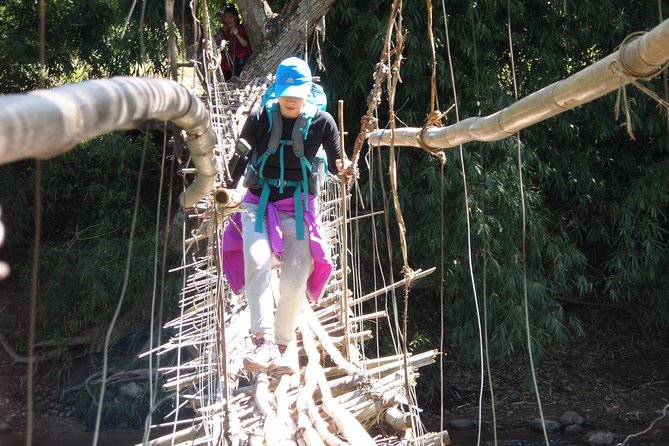
- Seven hours of hiking each day: Expect steep, rough, and possibly slippery jungle trails.
- Two nights in the forest: Tents, sleeping bags, mattresses, and mosquito nets are included.
- Food gathered and cooked locally: You may pick wild vegetables and help prepare meals in bamboo.
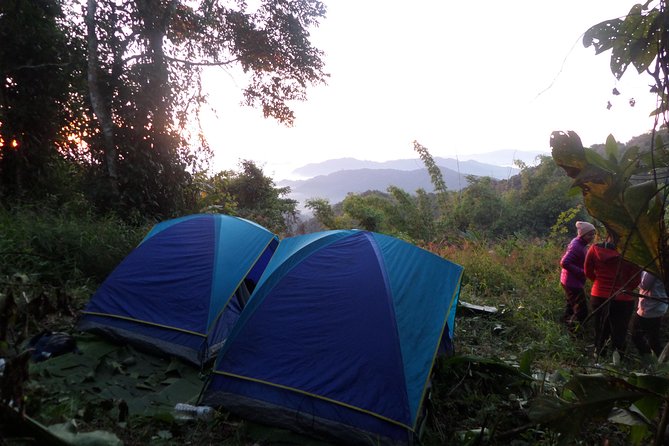
- Mountain-top camp: A small stream and sunrise views add something special to the basic camp.
- Guides shape the experience: Xai, Peng, Pheng, Jaiy, Pent, and Noy are among the guides praised for their friendliness, English, cooking, and local knowledge.
- Bring your own essentials: Boots, a backpack, torch, rain gear, mosquito spray, sunscreen, and warm clothing are not included.
Three days inside Nam Ha National Protected Area
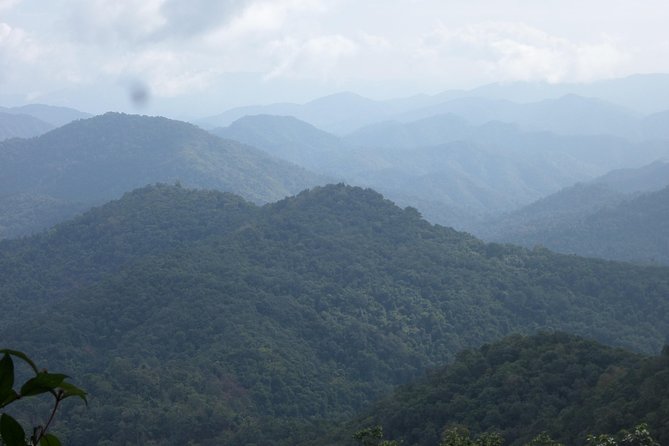
This is a forest trek for people who want more than a marked viewpoint and a quick photo stop. Nam Ha National Protected Area gives you three days among jungle paths, mountain ridges, streams, and rural communities around Luang Namtha.
The pace matters. You are not simply walking from one attraction to the next. Much of the day is spent moving through the forest, with the guide setting the route and helping you handle the terrain. The experience is physical, hands-on, and basic by design.
The published plan calls for around seven hours of hiking per day. That can mean a full day on uneven ground, with heat, mud, rain, roots, and steep sections depending on the season. You need strong fitness and a willingness to walk for long stretches without comfort stops or polished facilities.
The group is capped at eight people. That is a useful size for a narrow trail and makes it easier to keep the group together. It also gives you a better chance to talk with the guide and take part in camp tasks rather than simply following a large crowd.
More Homestay Treks in Laos:
- Nalan Trail Kmu Ethnic Experience – 2days forest trek with homestay.
★ 5.0 · 21 reviews - Hunter Trails, 3 days difficult trekking with Camping & Homestay
★ 5.0 · 15 reviews - Nam Ha NPA 3 Day Wildlife Jungle Camp and Village Homestay Trek
★ 5.0 · 11 reviews
Day one: leave Luang Namtha and enter the forest
You meet at The Hiker Travel Agency on Main Street in Phonexay Village at 8:30 am. From there, the trek enters Nam Ha National Protected Area and begins the first long day on foot.
The route is not given as a fixed list of named sights, so you should think of day one as a forest crossing rather than a sightseeing circuit. You will spend most of the day hiking through jungle terrain, learning how the guide reads the area and finding out how much effort the next two days will require.
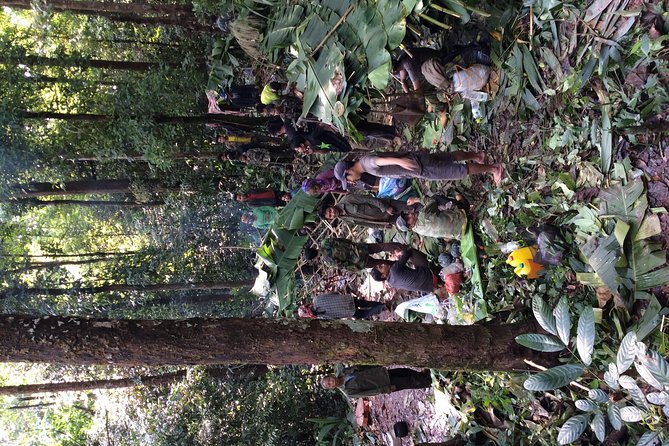
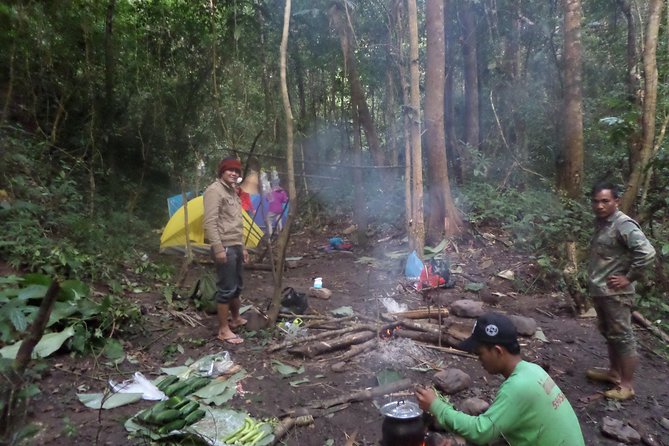
One of the most useful parts of the experience is the survival training. You learn how to make a campfire and may help gather natural ingredients for the evening meal. This gives the trek a purpose beyond reaching camp. You are learning how people can work with the forest rather than simply pass through it.
Lunch is included on day one, as is dinner. The cooking is local and practical. Forest vegetables may be picked along the route, then prepared with other ingredients and cooked in bamboo tubes. The food is one of the strongest parts of the trip, but keep your expectations in the right place. This is camp cooking, not a restaurant meal, and the appeal comes from the setting and the method as much as the taste.
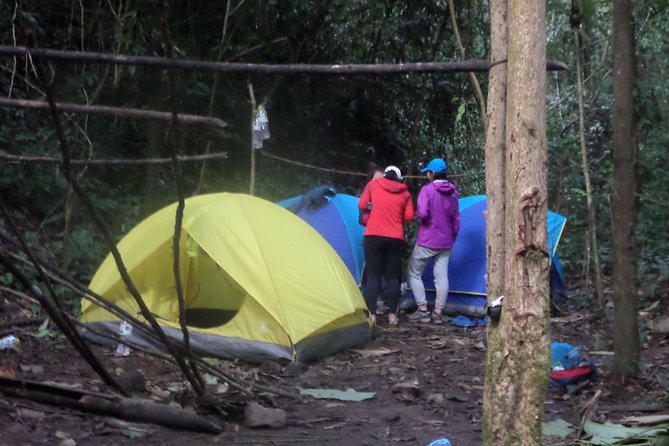
The first night is spent camping in the forest. Some versions of the route use simple wooden huts, while other arrangements use tents or a shelter you help build. Because the supplied details describe both camping and homestay options, ask The Hiker to confirm your exact overnight plan before departure.
Day two: harder walking and a high camp
Day two includes breakfast, lunch, dinner, and another long stretch of trekking. By now, you will have settled into the basic rhythm: walk, stop, gather or prepare food, walk again, and reach camp before dark.
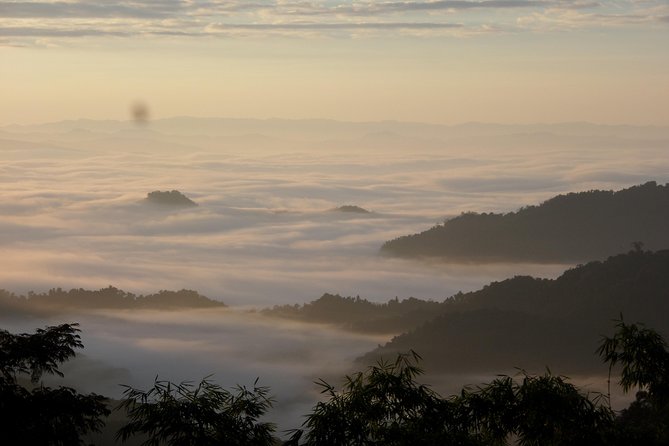
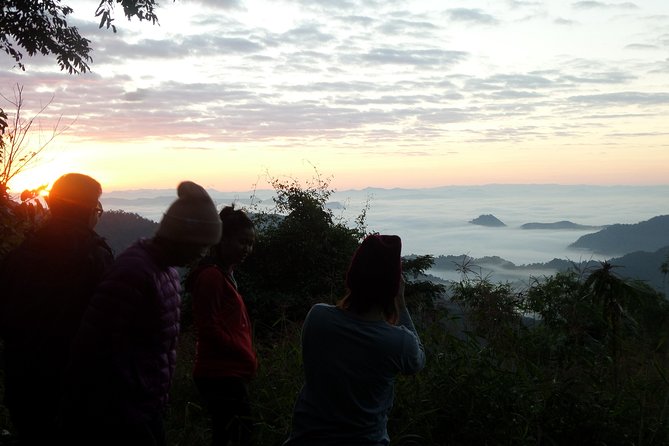
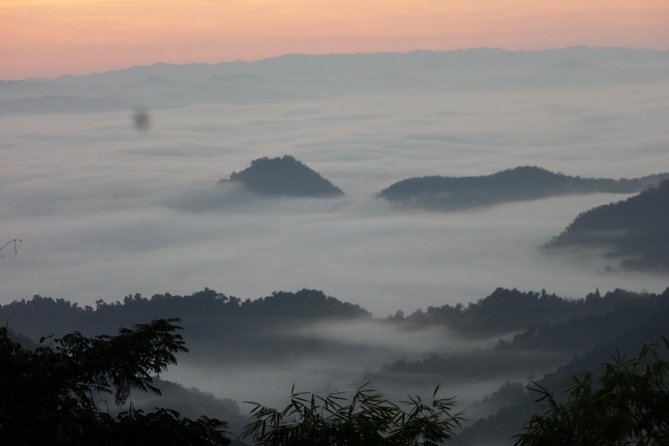
The campsite is described as being near a small stream and on a mountain peak. That combination is a major attraction. The stream gives you a natural setting beside camp, while the high position provides open views and a chance to watch the sunrise the next morning.
It also means you should prepare for a rough night. Camping on a mountain does not offer the level floor, quiet room, or reliable temperature of a guesthouse. You receive a sleeping bag, mattress, mosquito net, and tent, but you still need warm clothes and a good attitude toward simple sleeping conditions.
The guide may teach you more than fire-making. The route itself becomes a lesson in moving through the wild area safely. Guides such as Xai have been praised for explaining village life and nature in good English, while Peng has been praised for his understanding of the jungle, agriculture, history, and local economy. Other named guides include Pheng, Jaiy, Pent, and Noy.
Guide quality matters greatly here. On a long trek, a friendly guide who can explain what you are seeing makes the hours more rewarding. A guide also helps with navigation, camp work, and food preparation. English ability can vary by guide, so if clear interpretation is important to you, ask who will lead your departure.
Day three: sunrise, forest food, and the walk back
The final day begins with the chance to see sunrise from the mountain camp. This is not a guaranteed clear-sky show, but the location gives you a better viewpoint than a low forest campsite.
Breakfast and lunch are included on day three. You then continue through the protected area before returning to the meeting point in Luang Namtha. The end point is the same agency where you started.
The last day may feel easy if you are fit and the weather is kind. It may feel long if your legs are already tired or the trail is wet. The trip does not include dinner on day three, so plan to arrange your evening meal after returning.
Some departures have included an altered plan with two homestays, one camping night, kayaking, or a village visit. Those are not part of the standard details given for this experience, so do not assume they are included. If a homestay or kayaking appeals to you, ask about a custom route before booking.
A few more treks around Laos worth a look
- Luang Prabang: Nong Khiaw 3-Day Trekking & camping, Homstay
★ 5.0 · 9 reviews - Luang Prabang: 3-Day Cultural Remote Trek With Homestay
★ 4.9 · 9 reviews - Sapa 3 Days 2 Nights Trekking Tour (1 Night In Ta Van Village, 1 Night In Hotel)
★ 5.0 · 699 reviews - 3-Day Trekking Adventure of Sapa from Hanoi – Stay Ta Van Village
★ 5.0 · 611 reviews
Forest cooking is more than a meal stop
Food is a central part of this trek. You receive lunch on all three days, breakfast on days two and three, and dinner on the first two nights. The meals use forest ingredients, including wild vegetables that you may help collect.
Cooking in bamboo tubes is a particularly memorable detail. It connects the meal to the forest and gives you a practical activity at camp. You are not just handed a packed lunch and sent on your way. You see some of the process and may take part in gathering and cooking.
The guides have also earned strong praise for their cooking. Xai is described as a talented cook, and the food prepared during difficult weather was a highlight for one group. That is useful to know because meals matter more after several hours on muddy trails.
Still, food preferences need planning. The information does not specify vegetarian, vegan, allergy, or other dietary arrangements. Tell the operator about your needs before departure and confirm what can be provided.
Camping gear is included, but your packing list matters
The operator provides a sleeping bag, mattress, mosquito net, and tent. Camping fees and the related local funds are also covered.
You must bring the items that make a difficult trek manageable:
- Rucksack
- Hiking boots
- Hat
- Sunscreen
- Mosquito spray
- Torch
- Raincoat during the wet season
- Clothes and shoes that can get wet
- Spare clothes
- Warm clothing
- Pocket money
Do not treat the torch as optional. A forest camp can be dark, and you will want both hands free when moving around. Wet-weather gear also deserves attention. The route can become slippery in bad weather, and the operator may cancel if conditions are poor.
Wear footwear with a firm grip. The supplied information calls for strong physical fitness but does not describe the exact elevation gain or trail surface. That uncertainty is another reason to pack for mud, rain, and rough ground rather than assuming a dry path.
What wildlife means on this trek
The name Wild Explorer may suggest frequent animal sightings. Keep your expectations realistic. This is a forest trek in a protected area, not a wildlife viewing tour with guaranteed sightings.
One poor experience came from expecting wildlife and seeing only a frog. That is not unusual in a living forest. Animals avoid people, and a small group can walk quietly without seeing much at all. You may notice insects, birds, frogs, or other signs of life, but no specific animal sightings are promised.
The stronger reason to choose this trip is the chance to learn how people use the forest, walk through remote scenery, visit villages, and camp outdoors. If your main goal is to photograph large animals, this may not be the right choice.
The guide can make or break the three days
This trek depends heavily on the local guide. You spend long hours together, rely on the guide for navigation, and learn local skills through demonstration.
Several guides connected with the trip have received specific praise. Xai is described as kind, good with children, a strong English speaker, and a clear source of information about villages and nature. Peng is praised for explaining jungle life, farming, culture, and the local economy. Pheng and Jaiy are described as friendly and informative, while Pent received praise for leading a trek with tasty food. Noy is associated with a group that also included kayaking.
Guide assignments can change, so treat these names as examples rather than a guarantee. If you want a guide with strong English or have children in your group, ask what can be arranged.
The experience is also community-based. Your price helps cover local guide wages, village pass fees, a community tourism fund, and forest conservation. Those charges are included rather than added later. That gives the trip a clearer connection to the communities and protected area you are visiting.
Price and value at $154
At $154 per person, the trip offers solid value if you want a fully supported three-day forest experience. The price includes food for the listed meals, camping equipment, guides, entry-related fees, taxes, community contributions, and conservation funding.
You are also paying for local route knowledge and the practical work of organizing a remote trek. A guide must manage the route, food, camp, and group pace. The small maximum group of eight helps justify the cost, especially if you prefer a more personal experience.
The value drops if you are looking for comfort, guaranteed wildlife, or easy walking. You are paying for access and support in a demanding setting, not a luxury camping holiday.
The trip is usually booked about 17 days ahead, which gives you a useful planning guide. Book earlier during busy periods, then confirm the exact overnight arrangement and guide before setting out.
Who should book the Wild Explorer?
You should consider this trek if you enjoy physical challenges, simple camps, local food, and long days outdoors. It suits people who want to learn basic survival skills and see northern Laos through forest paths and village connections rather than from a vehicle.
It is also a good match for a small group of friends. A three-day trek is easier when everyone accepts the same level of effort and basic comfort. Families may enjoy the guide interaction, but the strong fitness requirement means you should judge children by their ability to handle seven hours of hiking, not just their enthusiasm.
You should think twice if you dislike wet clothes, insects, basic sleeping arrangements, or uncertain weather. You should also avoid booking it solely for wildlife. The forest setting is the attraction, but animals may remain hidden.
Free cancellation is available up to 24 hours before the 8:30 am start. Changes made inside that window are not accepted, and a poor-weather cancellation may lead to another date or a full refund. The operator may also cancel if the minimum group size is not reached.
Should you book it?
Book this trek if you want a demanding, hands-on forest experience with local guides, bamboo cooking, mountain camping, and a real connection to village tourism. The food, guide interaction, sunrise camp, and small group are the strongest reasons to go.
Before paying, confirm whether your departure includes two nights of tent camping, a homestay, a hut, or a custom combination. Then pack for rain, cold, mud, and darkness. If you can accept those conditions, $154 buys three unusually active days in Nam Ha National Protected Area. If you want guaranteed wildlife or a soft bed each night, choose another outing.
FAQ
Where does the trek start?
The trek starts at The Hiker Travel Agency, 17A Main Street, Phonexay Village, Luang Namtha 03000, Laos.
What time does the trek begin?
The stated start time is 8:30 am.
How long do I hike each day?
The trek involves approximately seven hours of jungle hiking each day.
How many people can join the group?
The maximum group size is eight people.
Are meals included?
Yes. Breakfast is included on days two and three, lunch is included on all three days, and dinner is included on days one and two.
What camping equipment is provided?
The operator provides a sleeping bag, mattress, mosquito net, and tent.
Do I need strong fitness?
Yes. The activity is described as a difficult hike, and participants should have a strong physical fitness level.
What happens if bad weather cancels the trek?
You will be offered a different date or a full refund if the experience is canceled because of poor weather.
Just added around Laos
- Nong Khiaw: 2-Day Trekking,Hmong village,Home Stay&Kayaking★ 4.9 · 17 reviews
- Luang Prabang: Nong Khiaw 3-Day Trekking & camping, Homstay★ 5.0 · 9 reviews
- Luang Prabang Trekking LongLao to Kuang si falls full day★ 4.7 · 7 reviews
- Luang Prabang: Mountain Trek & Local Villages Overnight Tour★ 5.0 · 7 reviews
- Luang Prabang: 3-Day Cultural Remote Trek With Homestay★ 4.9 · 9 reviews
- Luang Prabang: Full Day Trek to Kuang Si Waterfall & Village★ 4.6 · 20 reviews
- Luang Prabang Thin Pha Trail & Tad Sae Falls Trek★ 4.6 · 17 reviews
- Nam Ha NPA 3 Day Wildlife Jungle Camp and Village Homestay Trek★ 5.0 · 11 reviews
Homestay & Village Treks, compared.
Number one top rated ethical cultural trekking and homestay by ETHOS
Read our review →
2-Day Sa Pa Ethnic Homestay Tour & Trek with Limousine Bus
Read our review →
Sapa 3 Day 2 Night Trekking With Hotel & Homestay
Read our review →
Sapa 2 Days 1 Night Overnight At Local Homestay
Read our review →
2-Day Trekking Trip with Ethnic Minority Homestay
Read our review →
2-Day Trek & Heartwarming Homestay with an Ethnic Family
Read our review →Browse the lists this trek appears in