
Review · COLOMBIA
Coffee, Cocoa and Trekking Tour in Minca: Nature, Crops and Production
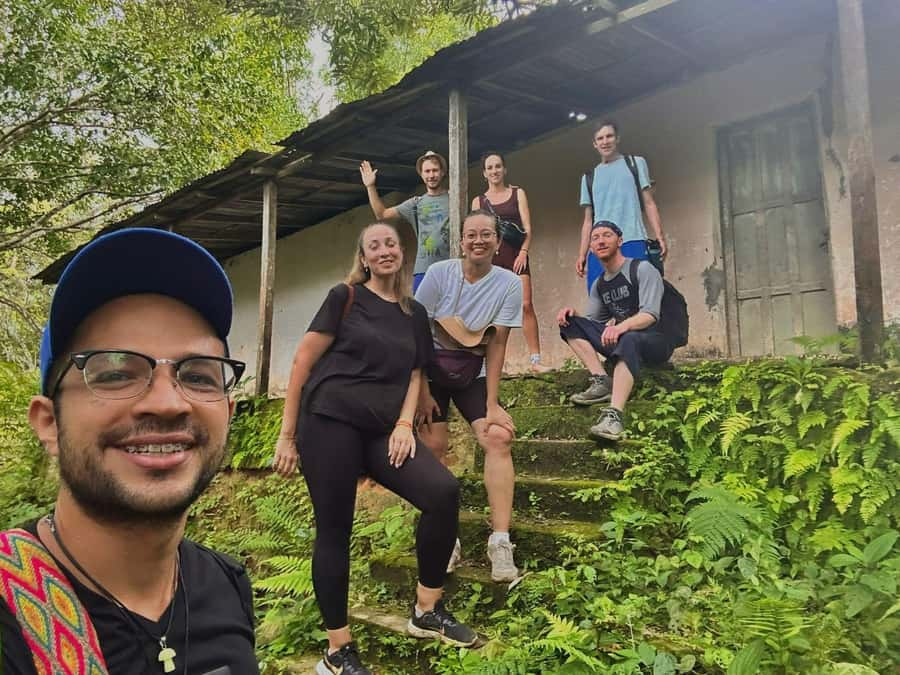
Minca’s best stories grow in the soil. This half-day outing takes you from the village park along forest trails to a family farm, where coffee and cocoa are grown, processed, and served close to their source. You get a hands-on look at farming, not just a tasting at the end.
I like two things here: the mix of short trek and working farm, and the chance to support local families while learning about agroecological methods. The views stretch from misty mountain slopes to the Caribbean, and the walk may finish with a swim near a small waterfall. The catch is the uphill hiking. This is not a flat stroll, and food, drinks, and transport are not included.
Key points to know before you go
- Family-run coffee and cocoa farm: See how cacao is handled by hand and learn how coffee moves from crop to cup.
- A real half-day walk: The outing lasts about 4.5 hours and includes uphill sections on natural trails.
- Waterfall and swimming option: A small natural pool or water source may provide a refreshing stop near the end.
- Guides with local character: Albert, John, and Jorge are named guides associated with this experience, with Spanish and English available.
- Good value at $41: The price covers the guide, farm visit, tastings, hike, insurance, and local support, but not meals or transportation.
- Plan for tropical conditions: Wear shoes that can handle mud, carry water, and bring biodegradable sunscreen and insect repellent.
Coffee and cocoa where they belong
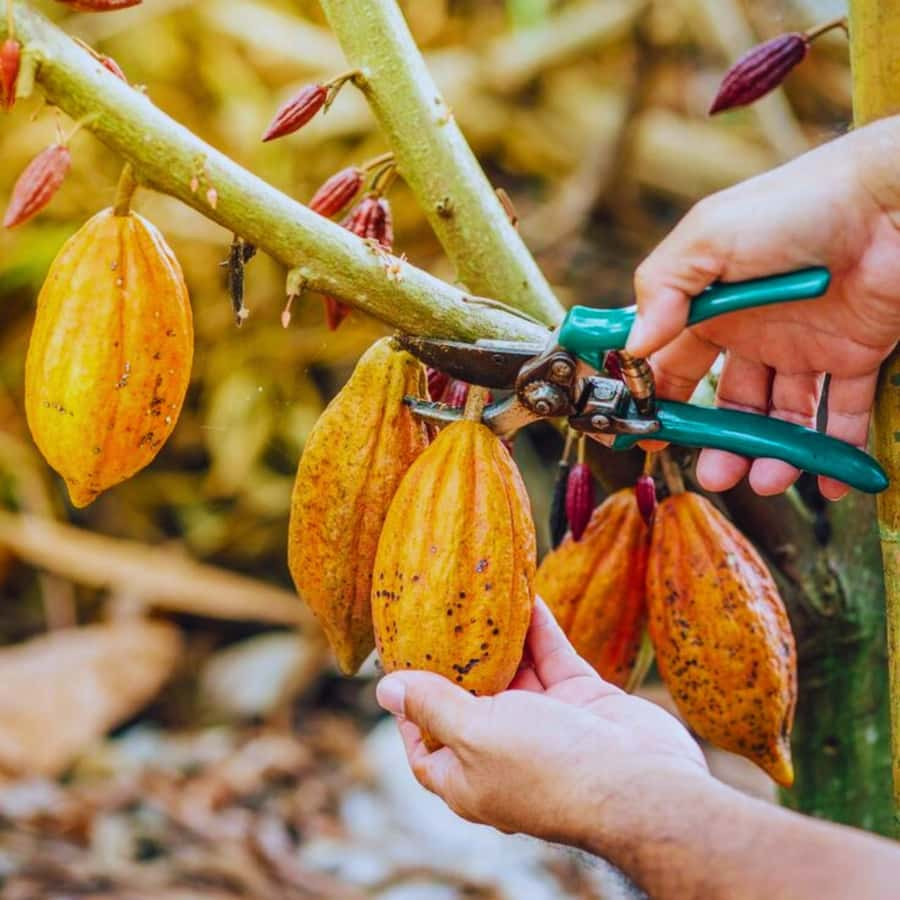
The main pleasure of this outing is simple: you see coffee and cocoa as crops before they become products. In Minca, the Sierra Nevada’s changing elevations create several growing zones, with warm forest lower down and cooler mountain conditions higher up. That range helps local families grow different crops and adapt their farms to the terrain.
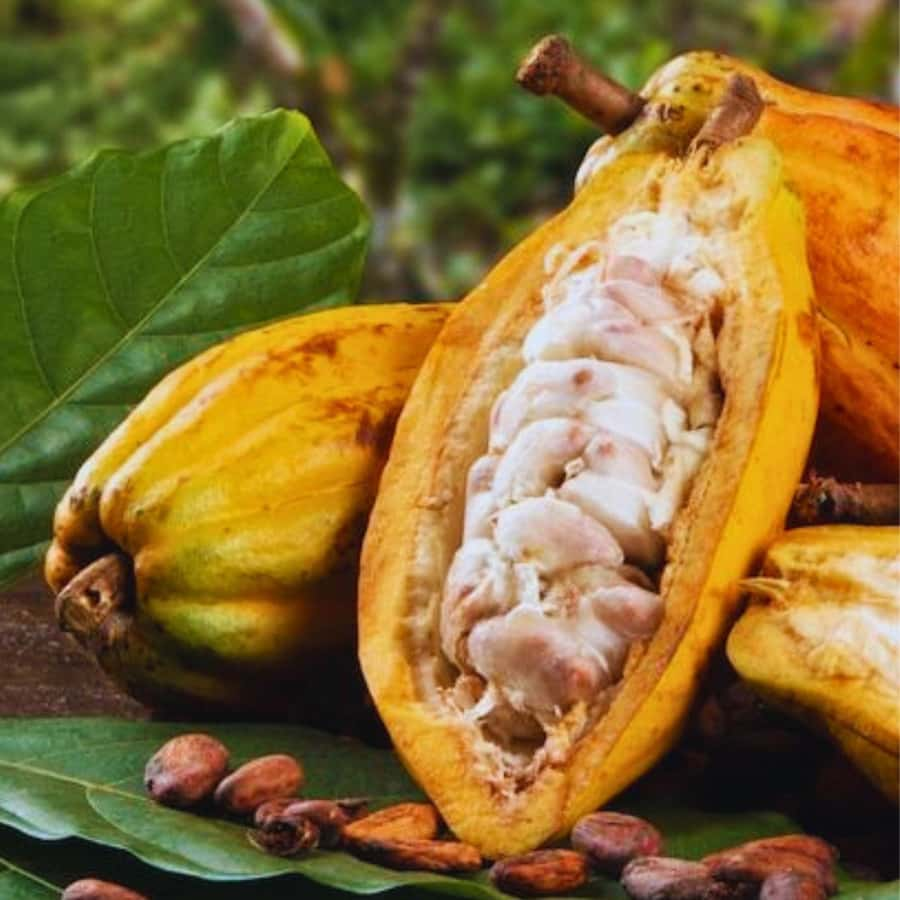
At the farm, you learn about planting, care, harvest, and processing. Cocoa receives special attention, with the manual steps shown close up. This matters because a chocolate bar hides a lot of work. The tour connects the finished taste in your hand with the people, soil, water, and time behind it.
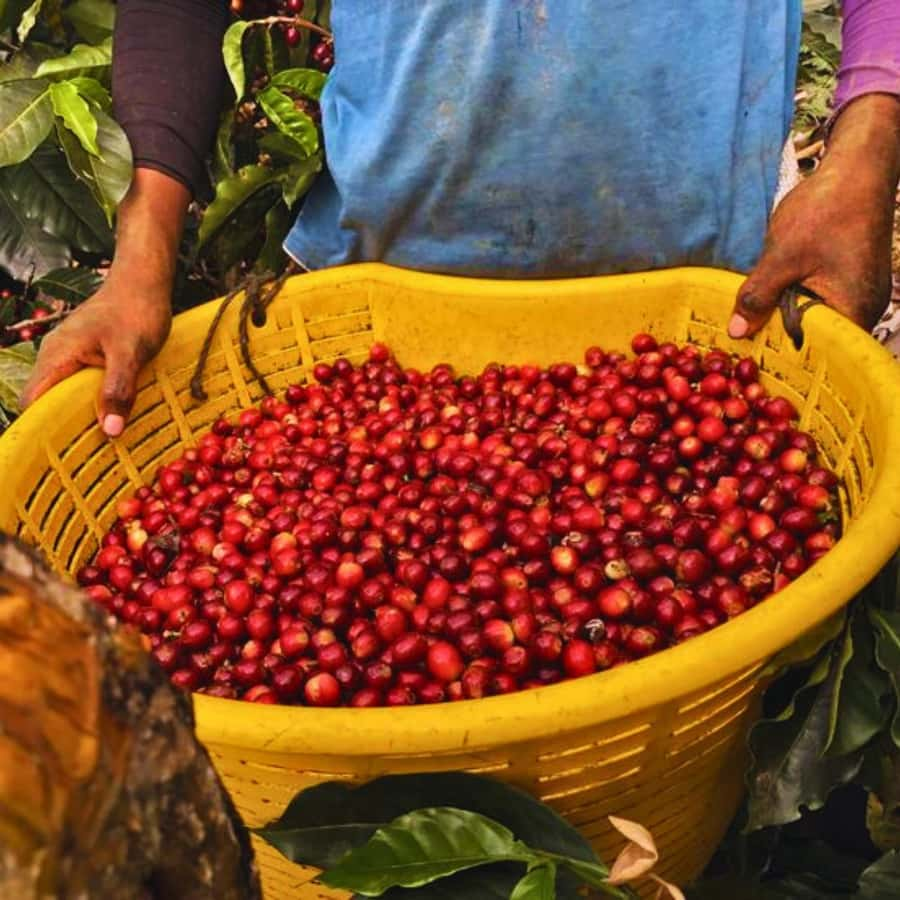
Coffee gets the same treatment. You are not simply handed a cup and told that it is local. The guide explains how coffee is cultivated and transformed, then you taste organic coffee near where it is grown. Handmade cocoa is part of the tasting too.
I find this useful for two reasons. First, it gives you a better sense of why small farms matter in Minca. Second, it makes the tasting more than a quick snack. You can ask questions, compare the coffee and cocoa, and understand the production choices made by the family.
The experience is built around community-based tourism. Your money helps pay for a local guide, supports the farm, and contributes directly to local community work and environmental conservation. At $41, that is a fair price for a guide-led half day with a farm visit, tastings, a nature walk, and activity insurance.
A few more treks around the world worth a look
- Off the Map Chiang Mai Jungle Coffee Trek Roast and Brew
★ 5.0 · 107 reviews - Trekking History and Indigenous Heritage in Minca + Cacao & Coffee + Waterfall
★ 4.9 · 63 reviews - Chiang Mai Coffee Full Day Tour: Trek, Brew & Roast Journey.
★ 5.0 · 38 reviews
Starting in Minca Park
You meet at the Central Park of Minca, beside the village church or small chapel. This is a handy meeting place because it is easy to identify, and the tour ends there too. You do not need to arrange a separate pickup for the activity, but transportation to Minca is not included.
The opening section helps you get oriented. Your guide introduces the plan, then leads you toward the Puente de Minca area. The walk is part of the experience, not just a way to fill time. You begin seeing the change from village streets to forest trails, with plants, trees, and water shaping the route.
The schedule assigns about an hour to the Puente de Minca stop. Expect a guided look at the area and an explanation of how Minca’s roads, bridges, waterways, and farms fit together. You may also hear local stories and background about the town. One guide, John, is specifically praised for making the tour engaging, while Jorge is noted for explaining both the farming and the area well.
Do not expect a formal museum-style introduction. This is an outdoor start, and the details depend on the guide and the pace of the group. That is part of the appeal, but it also means you should arrive ready to walk rather than expecting a polished show.
Forest trails, mountain views, and native plants
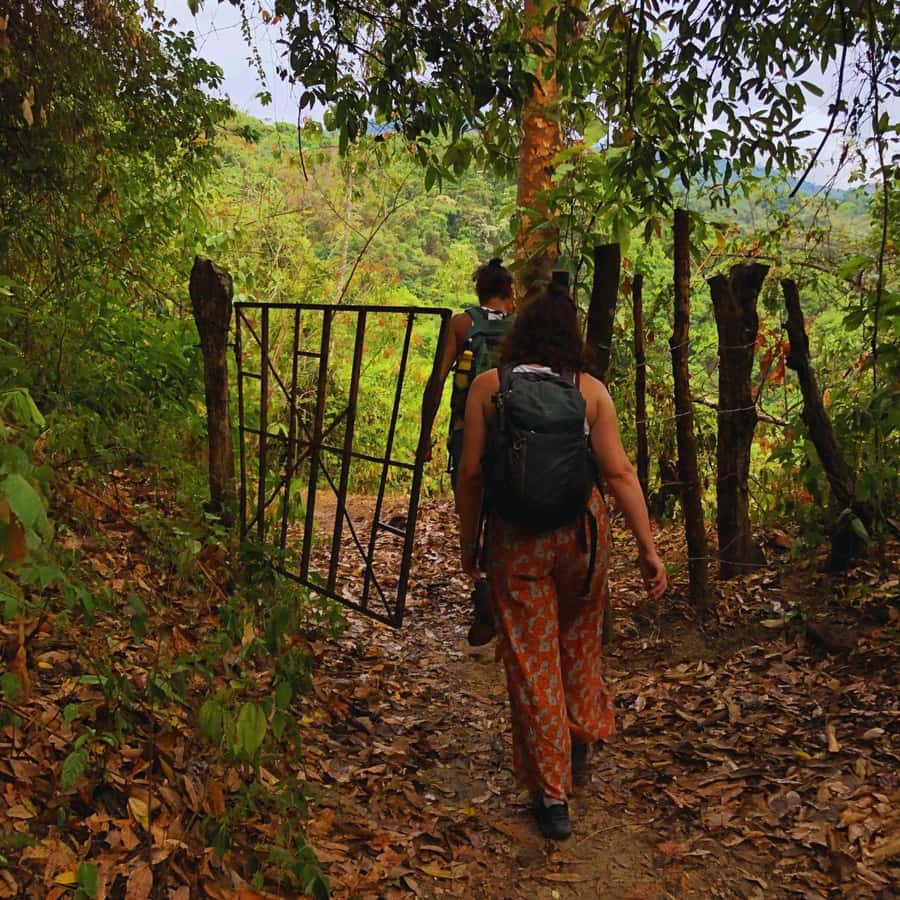
After the bridge area, the route continues through natural trails around Minca. This is where the outing becomes a proper trek. You pass tropical forest, native plants, older trees, and water sources that help sustain the surrounding farms.
The scenery changes as you gain height. You may see misty mountains, thick green forest, and, from suitable viewpoints, the Caribbean Sea in the distance. The tour description also points to the region’s varied plant and animal life. The guide’s job is to help you notice what is around you instead of rushing from one stop to the next.
The walk is described as short, but it includes a hearty uphill section. That phrase matters. Four and a half hours is not a full-day mountain expedition, yet the slopes can still make the route feel demanding in tropical heat. I would choose sturdy hiking shoes over casual sneakers, and I would keep water within easy reach.
The natural setting is one of the strongest parts of the outing, but it is also the least predictable. Weather can affect trail conditions. The supplied guidance asks you to bring waterproof clothing, clothes that can get dirty, insect repellent, and trekking gear. Take that seriously. A clear morning does not guarantee dry ground later.
The tour includes access to natural water sources for refreshment. One account describes a small swim near a waterfall and a natural lake. That sounds like a welcome cool-down after the uphill walk, but bring practical clothing and do not assume every stop is a long swimming session. The activity is centered on hiking and farming, with water stops as an added pleasure.
Finca San Rafael and the farm lesson
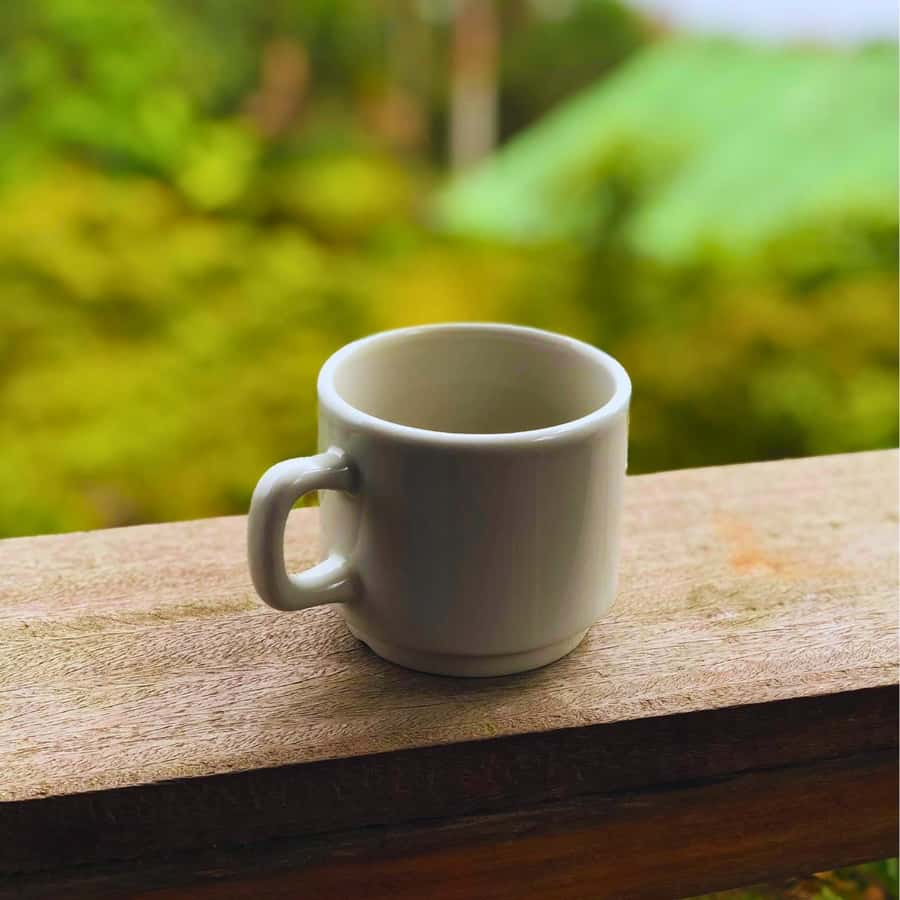
The farm visit at Finca San Rafael is the heart of the outing. The schedule allows roughly half an hour for this part, although the full experience also includes the approach, the explanations, and the tasting. The farm is family-run, and that makes the visit feel personal rather than industrial.
You learn how coffee and cocoa are cultivated, harvested, and prepared. The cocoa process is shown manually, which gives you a direct sense of the labor involved. The farm family explains its methods, while your guide adds context about biodiversity, local agriculture, and the way cultivation has changed over time.
This is where the idea of sustainable farming becomes concrete. You hear about traditional methods alongside newer agroecological practices. The aim is not to turn you into a farmer in 30 minutes. It is to show how local producers can work with the soil and surrounding ecosystem rather than treating the forest as an obstacle.
The farm also adds cultural context. Coffee and cocoa are tied to Minca’s economy and identity, not just its food scene. Local families rely on these crops, and the work shapes daily life in the Sierra Nevada. I appreciate that the tour gives the products a human face.
The welcome at the farm is another strong point. Albert is described as kind and willing to answer questions, while Jorge is praised for working well with the family and explaining the process clearly. You should feel free to ask about cultivation, production, and the reasons behind the farm’s methods. This is the kind of stop where a curious question can make the visit much better.
Same trailhead, a different route:
- Mount Etna: Trek to 3000m with cable car and 4×4
★ 4.6 · 3,823 reviews - Bali: Mount Batur Sunrise Trek With Guide and Breakfast
★ 4.8 · 3,461 reviews - From Chania: Full-Day Samaria Gorge Trek Excursion & Guide
★ 4.6 · 3,191 reviews - Mount Etna: Summit Crater Trek with Cable Car
★ 4.8 · 1,875 reviews
Tasting coffee and handmade cocoa
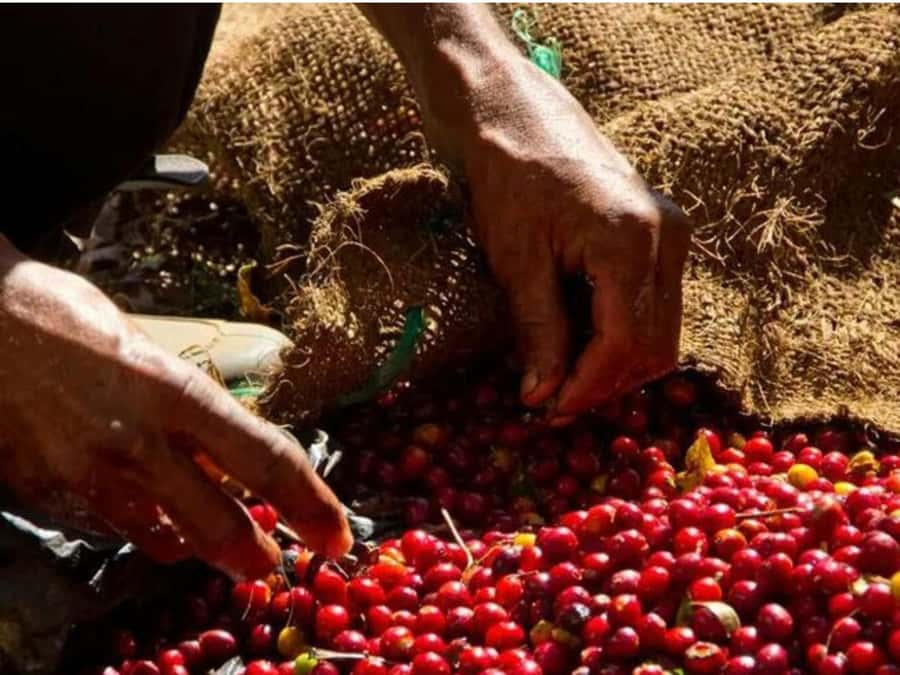
The tasting is modest but meaningful. You sample organic coffee and handmade cocoa close to the place where they are produced. That setting changes how you taste them. You can connect the aroma and flavor to the plants, the farm work, and the steps you have just seen.
Do not expect a large meal. Food and drinks beyond the included coffee and cocoa are not part of the price, so eat before the tour or plan for a meal afterward. Bring your own reusable bottle as well. The guidance recommends hydration, and the heat and uphill walking make water more important than an extra camera battery.
The tasting also gives you a natural pause. The tour has a lot of movement, and sitting down with the farm family helps slow the pace. You can ask questions, take in the surroundings, and decide which product you prefer.
I would not book this only for a gourmet tasting. The portions and exact selection are not specified, and the main value comes from the full chain of experiences: walk, farm, explanation, and sample. If you want a large coffee workshop or a long chocolate class, this may feel brief. If you want local products explained at their source, it works well.
What $41 covers, and what it does not
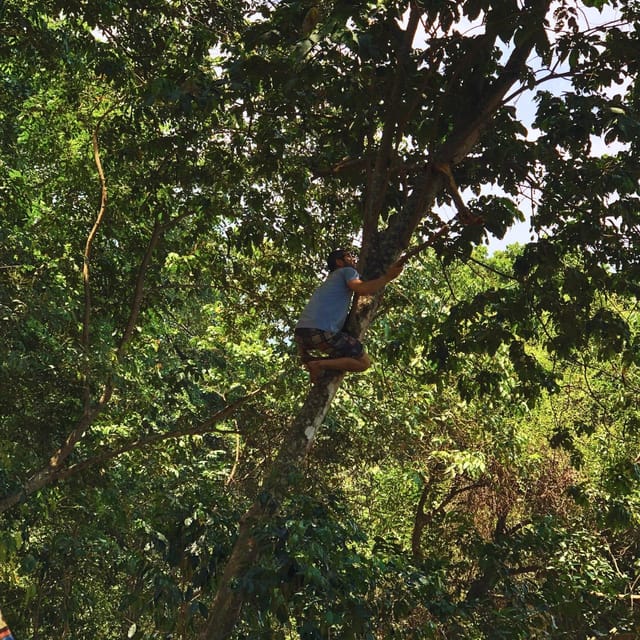
At $41 per person, the cost is reasonable for a guided 4.5-hour outing. You receive a local guide focused on coffee, cocoa, and biodiversity, a sustainable farm visit, tastings, a guided hike, nature observation, panoramic rest areas, water-source access, activity insurance, and a direct contribution to community and conservation work.
The guide is the key value. Without a guide, you could walk through Minca’s countryside, but you would miss much of the explanation about cultivation, local history, and the relationship between farms and forest. The guide also helps connect separate pieces of the day, from the bridge to the trails to the farm.
The omissions are easy to manage. Meals, extra beverages, and transportation are not included. Meet in Minca Park and return there, so you need to arrange your own way to and from the village.
The experience is offered in Spanish and English. The description says the tour can be customized with professional guides, but no fixed group size is given. If group size matters to you, ask before booking rather than assuming a private outing.
Free cancellation is available up to 24 hours before the activity, and you can reserve now and pay later. Those terms are useful if your Minca plans are still shifting.
Who should book this Minca outing?
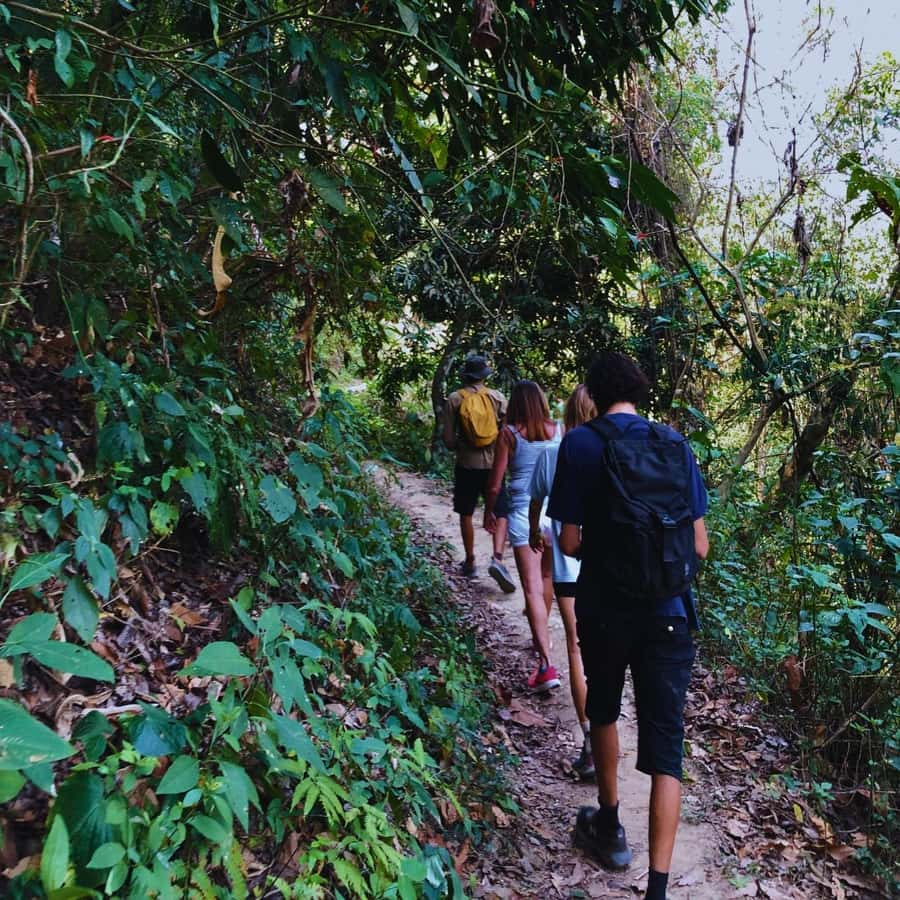
I would recommend it to active visitors who want more than a viewpoint and a quick village walk. It suits you if coffee and cocoa interest you, if you like meeting local producers, and if you are happy spending several hours outdoors in warm, possibly wet conditions.
It is also a good choice for anyone who wants an experience with a clear local benefit. Your visit supports the guide, the farm family, and conservation work. That does not make the hike easier, but it gives the price a purpose beyond admission to an attraction.
You should think twice if you need a flat route, have serious respiratory problems, are pregnant, use a wheelchair, or are traveling with children under eight. The activity is not designed for those needs. The supplied information also lists age restrictions involving people over 70, 80, and 95, so confirm the applicable limit when booking if age is a concern.
This is not the right pick if you dislike dirt, steep paths, insects, or changing weather. The required clothing list tells you what kind of day this is: sportswear, hiking pants, sturdy shoes, waterproof clothing, and items that can get dirty.
Practical preparation for a better day
Wear hiking shoes with good grip. The route includes natural trails and uphill walking, and ordinary city shoes could make the walk less comfortable.
Carry a reusable water bottle, biodegradable sunscreen, biodegradable insect repellent, and a hat. Add a light waterproof layer. You should also bring clothes suitable for a possible swim or waterfall stop, while remembering that the activity does not promise a long swimming session.
Leave weapons, sharp objects, alcohol, and drugs at home. Baby strollers are not suitable for the route, and nudity is not allowed.
Start with enough time to find the church or chapel in Minca Park. Since the return is to the same meeting point, you can leave larger items nearby if you have a secure place for them, but do not assume storage is provided.
The rating is 4.7 from 21 ratings, with especially strong praise for the farm family, the guides, the coffee and cocoa, the views, and the waterfall stop. The repeated message is clear: the human side of the tour matters as much as the scenery. Albert, John, and Jorge are each singled out for being helpful, clear, or welcoming.
Should you book the Coffee, Cocoa and Trekking Tour?
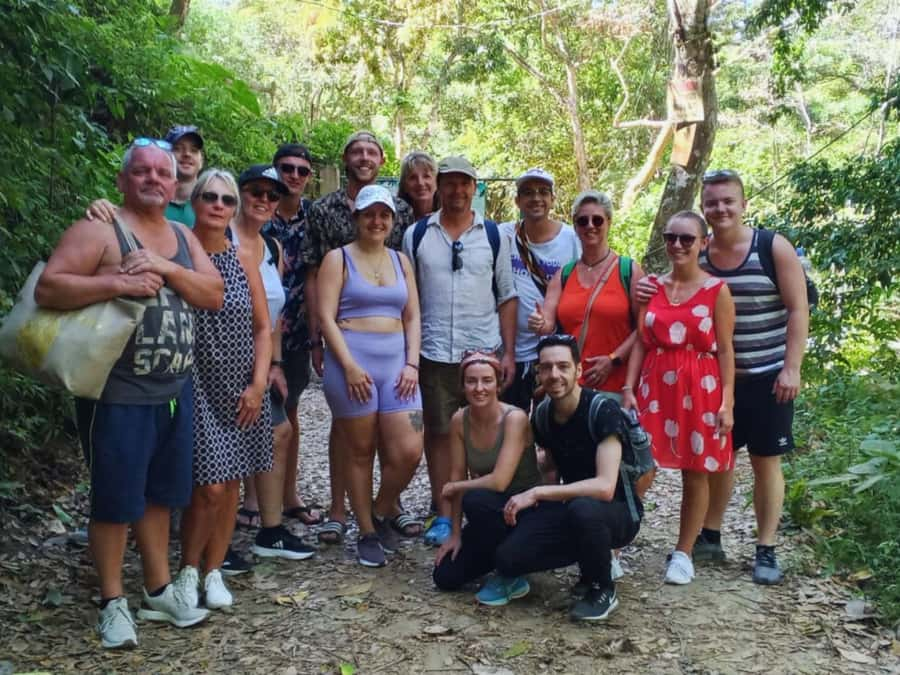
Book it if you want a compact, active introduction to Minca that joins farming, food, nature, and local culture. The farm visit and handmade cocoa demonstration are the most distinctive parts, while the uphill walk and possible waterfall swim give the day a physical edge.
Skip it if you want a relaxed food tasting, guaranteed swimming, private transport, or an easy path. For everyone else, $41 buys a useful half day with local guides, real farm contact, and a better understanding of what makes Minca more than a pretty mountain stop.
FAQ
Where does the tour start?
It starts at the Central Park of Minca, beside the village church or small chapel.
Where does the tour end?
The activity ends back at the Central Park meeting point.
How long does the tour last?
The tour lasts about 4.5 hours.
What languages are available?
The tour is available with a live guide in Spanish or English.
Is transportation included?
No. Transportation is not included, so you must arrange your own way to and from Minca.
Is food included?
No. Food is not included. Organic coffee and handmade cocoa tastings are included.
What should I wear?
Wear comfortable hiking or sports shoes, comfortable clothing, hiking pants, and clothes that can get dirty. Waterproof clothing is also recommended.
Can children join the tour?
The activity is not suitable for children under eight years old.
Can I cancel for a refund?
Yes. You can cancel up to 24 hours in advance for a full refund.
Just added around the world
- Everest Base Camp Trek★ 5.0 · 3 reviews
- Everest Base Camp Trek★ 5.0 · 7 reviews
- 15 Days Private Everest Base Camp Trek★ 5.0 · 30 reviews
- Everest Base Camp Trek★ 5.0 · 57 reviews
- 14 Days of Adventure Trekking to Everest Base Camp★ 5.0 · 2 reviews
- 14-Day Everest Base Camp Trek★ 5.0 · 20 reviews
- From Kathmandu: Private 14-Day Everest Base Camp Trek★ 5.0 · 20 reviews
- 14 Days Everest Base Camp Trek★ 5.0 · 4 reviews
Coffee Experiences, compared.
Off the Map Chiang Mai Jungle Coffee Trek Roast and Brew
Read our review →
Trekking History and Indigenous Heritage in Minca + Cacao & Coffee + Waterfall
Read our review →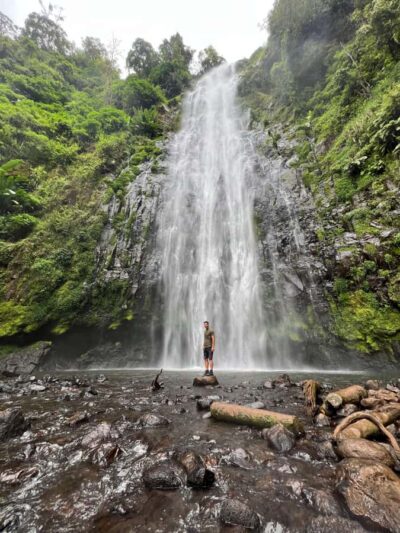
Kilimanjaro: Village Walk, Coffee Tour, Waterfall, and Lunch
Read our review →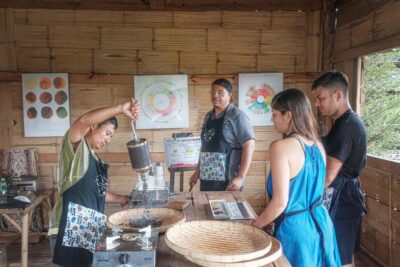
Chiang Mai Coffee Full Day Tour: Trek, Brew & Roast Journey.
Read our review →
Kilimanjaro: Maasai Village Visit, Waterfalls, & Coffee Tour
Read our review →
Da Lat Trekking to Langbiang Mountain with Coffee View
Read our review →Browse the lists this trek appears in