
Review · INDIA
7-Day Kuari Pass Trek
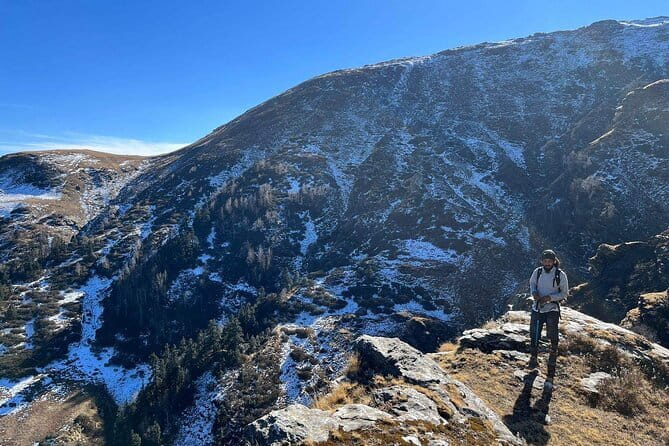
Kuari Pass gives you a rare mix of high Himalayan drama and everyday mountain life. Over seven days, you walk past rhododendron forests, sheep pasture, remote villages, suspension bridges, and broad meadows, with views toward Nanda Devi, Chaukhamba, Dronagiri, and Nanda Ghunti. The pass itself reaches 4,265 meters, so this is a serious mountain trip, not a casual hill walk.
I like the route’s variety. You are not simply marching uphill for a summit photo. You sleep near villages such as Jhinjhi and Pana, cross the Birahi Ganga, pass a small Ganesha temple at Vinayak Pass, and finish through Gorson Meadow and Auli. I also like that transport, camping equipment, meals, ponies, and porters are included, which removes much of the usual planning burden.
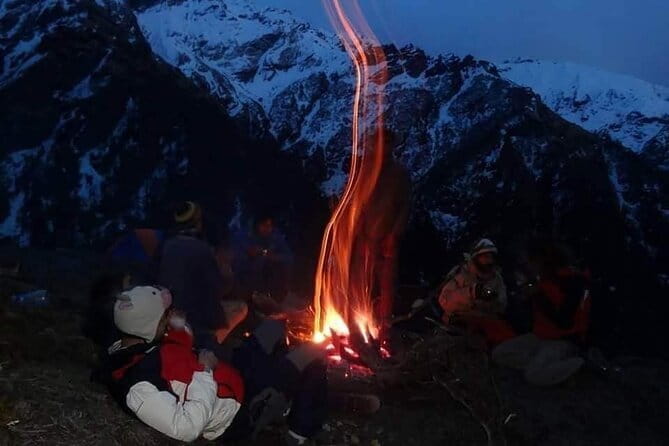
The main caution is the altitude and uneven trail. The climb to Kuari Pass includes steep switchbacks, loose moraine, narrow sections, and an early start. You need moderate fitness, patience with long mountain drives, and a willingness to camp in changing weather. The price is also significant at $1,188.21 per person, though the private setup and included services make it easier to understand.
Key points of the Kuari Pass Trek
- Kuari Pass reaches 4,265 meters, with views of Nanda Devi, Dronagiri, Chaukhamba, and Nanda Ghunti.
- The route links villages, forests, meadows, and river valleys, rather than focusing only on the pass.
- Vinayak Pass has a Ganesha temple and prayer flags, a memorable cultural detail on the trail.
- Day 5 requires an early start for the clearest and most dramatic pass views.
- Private transport and a private group give you more control than a large shared departure.
- Camping gear, meals, ponies, and porters are included, while insurance is not.
What the seven days are really like
This trek traces the outer wall of the Nanda Devi Sanctuary in the Garhwal Himalaya. That setting gives the route its special character: big peaks are always part of the story, but so are working villages, forest paths, livestock pasture, and river crossings.
The experience is best understood as a point-to-point mountain journey. You begin with roads and village life, then move onto footpaths through forests and meadows, reach the high pass, and finish with a walk toward Auli followed by a drive to Joshimath. The return to Rishikesh comes on the final day.
Because this is a private activity, only your group participates. That matters on a trek. You can ask about the pace, take time for photographs, and handle difficult sections without matching a large group’s schedule. The supplied details do not name individual guides, but the operator is Mapping The Himalayas.
A few more treks around India worth a look
- 7 Days Dharamsala – Dalai Lama home Trek
★ 4.5 · 8 reviews - Kilimanjaro climb by Lemosho Route (7-day)
★ 5.0 · 651 reviews - Kilimanjaro climb, Machame Route (7-day)
★ 5.0 · 262 reviews
Day 1: The road to Ghat through Garhwal
Your first day begins after a quick breakfast with a drive toward Ghat. The route passes through Devprayag, Rudraprayag, Karnprayag, and Nandprayag, places known for major river confluences in the Garhwal Himalaya.
This is more than a transfer day. The rivers are central to the geography of the region, and you get an early look at the valleys that shape life in the mountains. The Ganges, Alaknanda, Bhagirathi, and Mandakini are all part of the wider river system connected with this route.
Ghat is described as a sizable village with schools, government offices, and a marketplace serving nearby communities. That gives you a useful change of pace before the trek begins. You see a functioning mountain town rather than a resort built only for visitors.
The drawback is simple: this is a road-heavy day. If you want seven full days of walking, this itinerary is not that. Still, the drive places you in the correct part of the Garhwal region and adds context that you would miss by flying or rushing straight to a trailhead.
Day 2: Vinayak Pass, rhododendrons, and Jhinjhi
The walking begins from Selu Bagar, a small village area with a few shop shacks. From there, you board a typical village jeep to meet the ponies and porters who support the trek.
The trail climbs toward a ridge with broad views of Ramni and Ghunni villages. Beyond the ridge, an open meadow gives you views of Nanda Ghunti and Chaukhamba. This early section shows why Kuari Pass is appealing: the route offers strong mountain scenery before you reach the main pass.
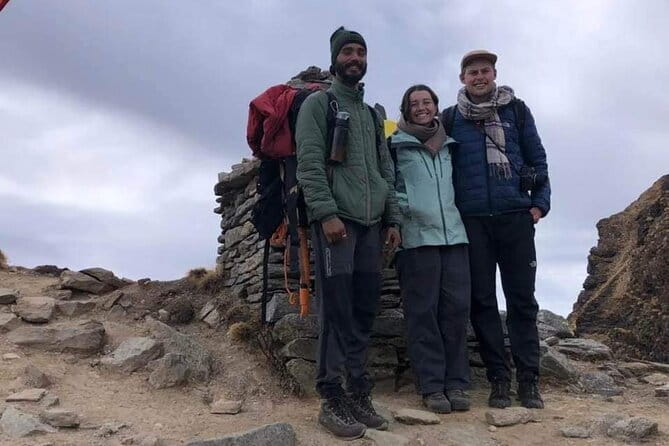
You then continue through rhododendron forest and pasture grasslands, passing nomadic huts before climbing gradually to Vinayak Pass. A Ganesha temple marked with prayer flags sits at the pass. It is a small detail, but it gives the route a sense of place. This is not just a line on a map. It is a lived mountain route with religious markers and seasonal use.
From Vinayak Pass, you descend through Sem Kharak to Jhinjhi. The description promises contact with colorful Himalayan settlements and local life, but you should keep expectations sensible. This is a remote mountain village, not a staged cultural show or a town with a long list of attractions.
The day combines climbing, descent, forest, meadow, and village scenes. That variety is a strength, though the repeated uphill sections can feel demanding if you are not used to walking on mountain trails.
Day 3: A suspension bridge and the climb to Pana
Day 3 begins with a look at life in Jhinjhi before the trail drops through the village toward the valley floor. You then cross a high suspension bridge over the Birahi Ganga.
A bridge crossing like this is one of the route’s memorable changes in scale. You leave the village paths and enter a steep river valley, then climb on the other side. The trail rises sharply at first through zigzags, followed by false summits before reaching a ridge.
False summits can be tiring because the trail appears to finish, only to turn upward again. Take this section steadily. The reward is a set of views toward nearby settlements and Himalayan peaks, followed by a more gradual walk through rhododendron forest.
The path passes Kaliagad and continues to Pana. A final climb of less than a kilometer brings you to the campsite above the village. The location gives you a clear sense of the route’s pattern: village, river, steep climb, ridge, forest, then camp above another settlement.
This is a good day for trekking poles. The supplied equipment includes trekking poles, and you will appreciate them on steep or uneven ground. They are especially useful later on the route, where loose moraine appears.
Same trailhead, a different route:
- Half day trekking (munnar valley Trekking & Tours )
★ 5.0 · 310 reviews - Nag Tibba 2 Days Trek (Pantwari to Pantwari)
★ 5.0 · 274 reviews - Bhrigu Lake and Alpine Meadow Trek
★ 5.0 · 121 reviews - Har Ki dun Trek by Himalaya Shelter
★ 5.0 · 102 reviews
Day 4: Sartoli Meadow and the approach to Dhakwani
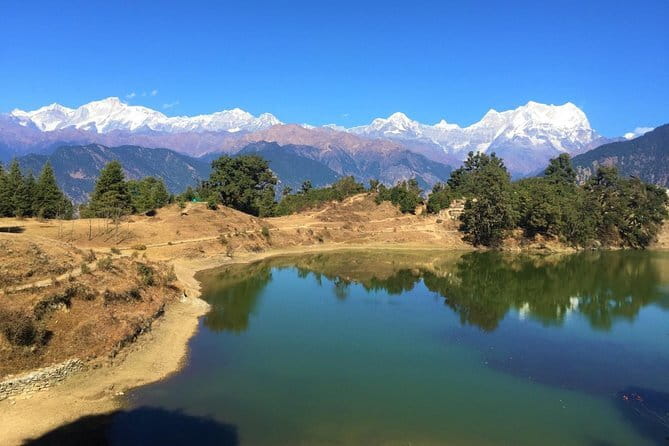
Above camp, the trail passes through rhododendron forest, with a couple of false summits before reaching a ridge. It then moves gradually through the trees toward the open meadow of Sartoli.
Sartoli serves as both a campsite and pasture for sheep and cattle. It is also an excellent place to see Kuari Pass dominating the horizon. I like this part of the route because the pass begins to feel like a real destination, not an abstract point several days away.
The trail from Sartoli descends gradually for a couple of kilometers. The later descent to a side stream is much steeper, with loose moraine. Use your trekking poles here, as specifically advised in the trip details. Loose rock can turn a simple descent into the most awkward part of the day.
After crossing the stream, you climb steeply through a series of switchbacks toward the ridge. The day’s appeal comes from the contrast between wide meadow views and close, careful trail work. The drawback is that descending first and then climbing again can feel frustrating, especially when you know the pass is still ahead.
The route continues toward Dhakwani, the staging point for the pass crossing. You should expect this to be one of the more physically demanding days, even though the most famous views are still to come.
Day 5: The high point at Kuari Pass
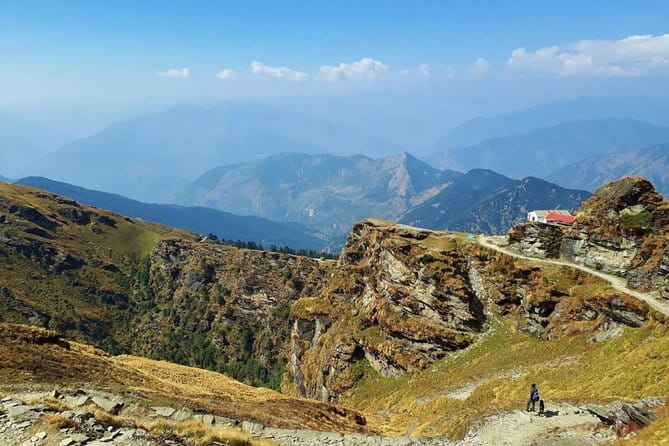
An early start is important on Day 5. The trail from Dhakwani climbs through forest until you cross the tree line. From there, it traverses along the side of the valley beneath the pass before turning into a series of switchbacks.
The final climb leads to Kuari Pass. At 4,265 meters, this is the high point of the trek and the day when the effort pays off. The route description highlights views across the greater Himalaya, including the large peaks that make this crossing famous.
Take time at the pass for photographs and rest. The best part of a high pass is often not the instant you arrive, but the quiet minutes afterward, when you can look back over the route and forward toward the next valley.
From the pass, the trail climbs slightly to a hump. This extra rise provides an excellent view of Dronagiri Peak. The path then descends to a junction for Tapovan and Tali. You continue toward Tali, which leads to a ridge with a temple and onward trail features.
The exact later details of this day are not fully provided, so you should confirm the evening camp arrangement with the operator before departure. The important practical point is clear: this is the day that demands the most attention to altitude, pacing, weather, and footing.
Day 6: Gorson Meadow and Auli
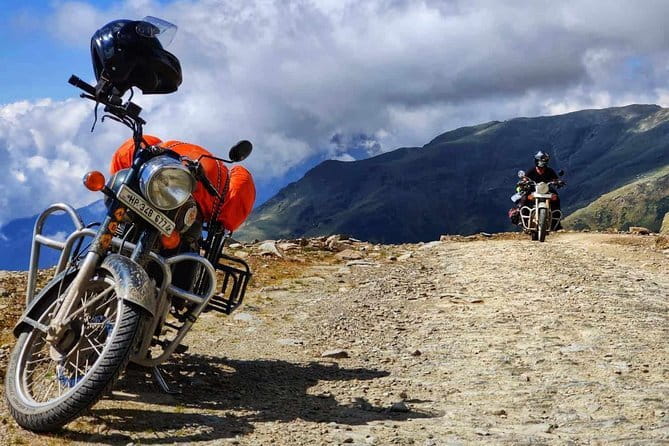
Day 6 is described as a more relaxed morning. From Tali, you climb gradually along a mountain ridge. The trail is narrow in places, so you need to walk carefully rather than hurry.
The route then reaches Gorson Meadow. This is one of the trek’s broadest and most enjoyable walking sections. After several days of forests, ridges, and steep switchbacks, crossing an open meadow gives you room to look around. The views include Nanda Devi, described as the dominant peak among the surrounding mountains.
Eventually, you see the concrete structures of Auli from a distance. This is the point where the wilderness portion begins to give way to roads and settlement. You say goodbye to the ponies and porters, then board a jeep for the 13-kilometer drive to Joshimath.
Joshimath is a working marketplace and supply center for nearby villages. It is not presented as a quiet retreat, and that is part of its value. After several nights outdoors, you get a glimpse of the practical town that supports the surrounding mountain communities.
The shift from trail to town can feel abrupt. If you prefer an uninterrupted wilderness finish, this may seem anticlimactic. If you appreciate seeing how remote routes connect to ordinary life, it is a useful ending to the walking portion.
Day 7: Returning to Rishikesh by road
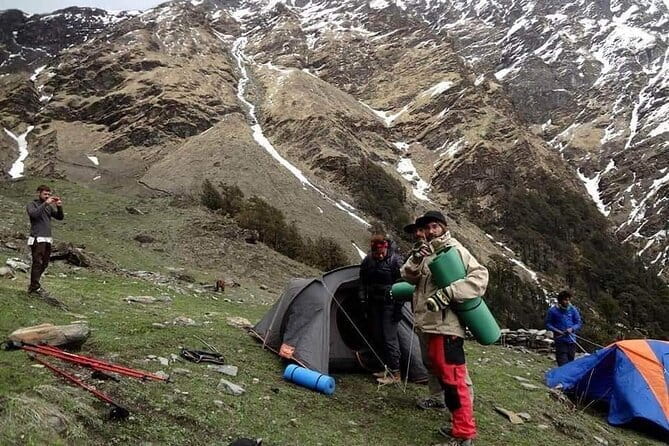
The final day begins with an early drive to Rishikesh. The route includes a stop at Rudraprayag, where the Mandakini and Alaknanda meet, followed by lunch en route and arrival in Rishikesh by evening.
This is another long road day rather than a hiking day. The stop at Rudraprayag gives you one last look at the river geography that shaped the first part of the trip. It also makes the route feel connected from beginning to end, from the confluences near the start to this final meeting of rivers.
You should avoid planning a tight onward connection from Rishikesh that night. The information gives an evening arrival, not a precise time, and mountain roads are not the place for an ambitious same-day schedule.
What is included, and what the price buys you
The cost is $1,188.21 per person. That is not a budget trek, but the package includes a substantial amount:
- Private transportation
- All fees and taxes
- Trekking tents
- Sleeping bags
- Trekking poles
- Head torches
- Breakfast for seven days
- Lunch for seven days
- Dinner for six days
Ponies and porters are also part of the trekking arrangement described in the route. This is important because support staff and pack animals can make a long Himalayan route far more manageable.
I see the strongest value in the private transport and full camping setup. You do not need to arrange separate road transfers, source a sleeping bag, or carry every item without support. Meals are included throughout the active itinerary, though you should confirm any dietary arrangements directly before booking.
Insurance is not included. That is a real gap for a high-altitude trip, so arrange suitable insurance yourself. Make sure it covers trekking at the planned elevation and any relevant evacuation needs. The supplied information only states that insurance is excluded, so you should check the policy details carefully rather than assume standard travel cover is enough.
The experience has a five-star rating from three posted reviews, with praise focused on hospitality, food, safety, kindness, and the human connection with the team. I would give those points proper weight. On a seven-day camping trek, warm treatment and dependable meals matter almost as much as the scenery.
Who should book this trek
This route suits you if you want a private Himalayan experience with both mountain views and village contact. You should be comfortable with steep climbs, high altitude, narrow trails, suspension bridges, uneven ground, and camping.
It is a good match for someone who likes variety. You get river valleys, rhododendron forests, pasture, nomadic huts, temples, villages, open meadow, and a major mountain pass. It is less suitable if you want luxury accommodation, short walks, or a tightly timed schedule.
The route asks for a moderate level of physical fitness, according to the supplied information. That phrase should not be treated lightly. Moderate fitness here means you can manage repeated uphill and downhill sections over several days. Altitude can make familiar effort feel harder.
The trek is also a sensible choice if you value a small private group. You can enjoy the route with your own party rather than joining a large departure. The provider allows service animals and places the activity near public transportation, though the trek itself remains a remote mountain experience.
Practical booking details
Confirmation is received at the time of booking. Pickup is offered, and the experience uses a mobile ticket.
The listed operating period runs from March 26, 2023, through June 18, 2026, with opening hours Monday through Friday from 9:00 AM to 10:00 PM. Because the route depends on good weather, poor conditions can lead to a new date or a full refund.
You can cancel for a full refund up to three full days before the start time. Cancellations or changes made inside that window are not accepted for a refund. Cutoff times use local time, so check the exact start date carefully.
Should you book the Kuari Pass Trek?
I would book this if you want a demanding but varied Himalayan route and value having transport, camping gear, meals, porters, and ponies arranged together. The combination of Kuari Pass views and ordinary village life gives the trek more substance than a simple summit attempt.
I would pause if you dislike camping, struggle with long climbs, or need precise travel times. The route includes steep sections, loose moraine, narrow ridges, high altitude, and two road-heavy days. Ask about current weather, the exact camp plan after Day 5, and insurance requirements before paying.
For fit walkers who want the Himalaya with practical support and a private group, this is a strong choice. The best reasons to go are the high pass, Gorson Meadow, the views toward Nanda Devi and Dronagiri, and the chance to move through real mountain settlements along the way.
FAQ
How long is the Kuari Pass Trek?
The experience lasts approximately seven days, including the road journey to Ghat, the trek to Kuari Pass, the walk to Auli, and the return drive to Rishikesh.
What is the highest point of the trek?
Kuari Pass reaches an altitude of 4,265 meters.
What mountain peaks can I see?
The route offers views of Nanda Devi, Hathi Ghodi, Dronagiri, Nanda Ghunti, and Chaukhamba. Nanda Devi is especially prominent from Gorson Meadow.
Is transportation included?
Yes. Private transportation is included. The itinerary also includes a village jeep, a jeep from Auli to Joshimath, and the road journey to Rishikesh.
Are meals included?
Yes. Breakfast is included for seven days, lunch for seven days, and dinner for six days.
Is camping equipment provided?
Yes. Tents, sleeping bags, trekking poles, and head torches are included.
Is travel insurance included?
No. Insurance is not included in the price.
What fitness level do I need?
The experience requires a moderate physical fitness level. You should be prepared for steep climbs, descents, switchbacks, narrow trail sections, loose moraine, and high-altitude walking.
Just added around India
- Gokarna Beach Trek★ 5.0 · 9 reviews
- Jaipur Trekking and Hiking Tour with Guide★ 5.0 · 21 reviews
- Nagtibba Trek (Pantwari to Pantwari)★ 5.0 · 39 reviews
- Tirath Expedition: Trek to the Tirath Hans Kund & Saketi Top(4280m)★ 5.0 · 9 reviews
- Dayara Bugyal and Surya Top Trek★ 5.0 · 10 reviews
- Snowline Trek★ 4.5 · 11 reviews
- Triund Trek & Snow Line Trek★ 4.5 · 9 reviews
- Kareri Lake Trek & Indrahar Pass Trek★ 5.0 · 9 reviews
7-Day Experiences, compared.
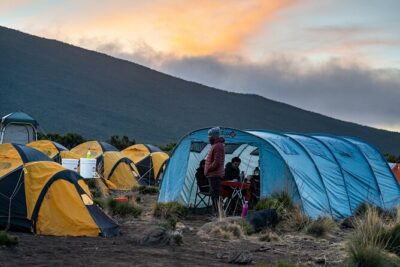
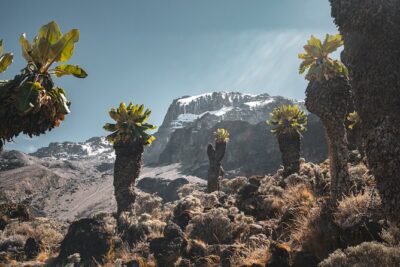
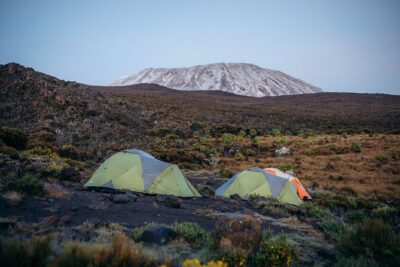
Climbing Kilimanjaro through 7 days Machame Route
Read our review →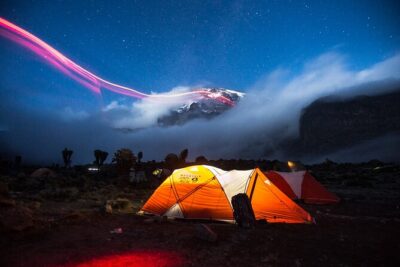
7-Day Machame Kilimanjaro Summit Tour from Arusha
Read our review →
7 Days Kilimanjaro via Machame route affordable price
Read our review →
7-Day: Inca Trail Trek to Machu Picchu Group Tour
Read our review →
Browse the lists this trek appears in