
Review · CUSCO
Salkantay Trek Challenge – 3 Days / 2 Nights
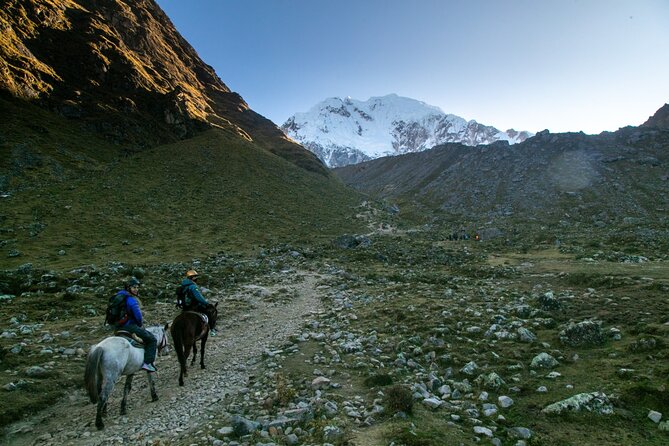
The big draw here is speed: you cross the Salkantay Pass, descend from icy peaks into warm jungle, and reach Machu Picchu in just three days. I like the dramatic change in climate and the fact that horses carry up to 5 kilograms of your gear, so you can focus on the trail. I also like the care built into the trip, with cooks, first aid, oxygen, radios, and a satellite phone.
The catch is simple: this is a very hard trek packed into a short time. The first day begins around 2:30 or 3 a.m. and includes the pass at 4,630 meters, while the second day still involves several hours of walking. You should arrive in Cusco at least two days early to adjust to the altitude.
Key points to know before booking
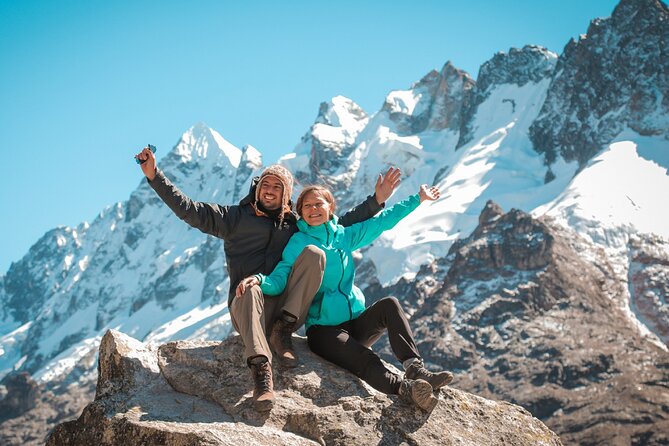
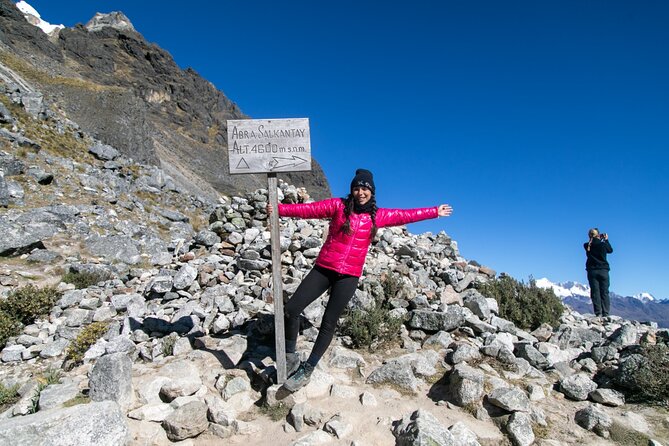
- The 4,630-meter Salkantay Pass is the physical crux: You climb the 7 Serpents Trail before descending into warmer country.
- The route changes dramatically in two days: Snowy mountain views give way to waterfalls, orchids, coffee plantations, and tropical forest.
- You sleep in two different settings: One night is at Mountain Sky View camp in an Andean hut, and the other is in a hotel in Aguas Calientes.
- Your heavy gear travels by horse: The included duffel allowance is up to 5 kilograms or 11 pounds.
- Guides make a real difference: Marco, Guido, and Cesar Quispe are praised for steady support, organization, and cultural explanation.
- The price covers most major costs: At $680 per person, transport, meals, camping, gear, Machu Picchu admission, and the return train are included.
Why choose the three-day Salkantay route
The classic Salkantay Trek takes longer and gives you more time to settle into the mountains. This version is the fast, demanding alternative. You spend less time on the trail, but you do not get a gentle introduction.
That compressed schedule works well if you have limited time in Peru and want more than a standard train ride to Machu Picchu. In three days, you pass through several distinct parts of the Andes: high mountain country, the upper Amazon region, the Santa Teresa Valley, and the Urubamba River corridor.
I like that this is not simply a long walk followed by a quick look at Machu Picchu. The route itself is the main event. You get snow and glaciers near the pass, then waterfalls, orchids, coffee, and forest as you lose altitude.
The tradeoff is sleep. Day one begins before dawn, day two is full, and day three starts early again. One person who completed the route described the first two days as roughly 32 miles of hiking, which gives you a useful sense of the workload. The exact pace depends on the group, the guide, and conditions, but this is not a relaxed walking holiday.
More Inca Trail Treks in Cusco
- Cusco: 4-Day Inca Trail to Machu Picchu with Accommodation
★ 4.8 · 432 reviews - Cusco: Machu Picchu 2-Day Inca Trail with Panoramic Train
★ 4.9 · 260 reviews - From Cusco: 2-Day Inca Trail to Machu Picchu
★ 4.2 · 244 reviews
Day one: Cusco to the Salkantay Pass
Pickup in Cusco is scheduled for about 2:30 a.m., with the formal start listed as 3 a.m. You then travel toward Soraypampa, at 3,900 meters. That early departure is not glamorous, but it gets you to the high trail before the day becomes too long.
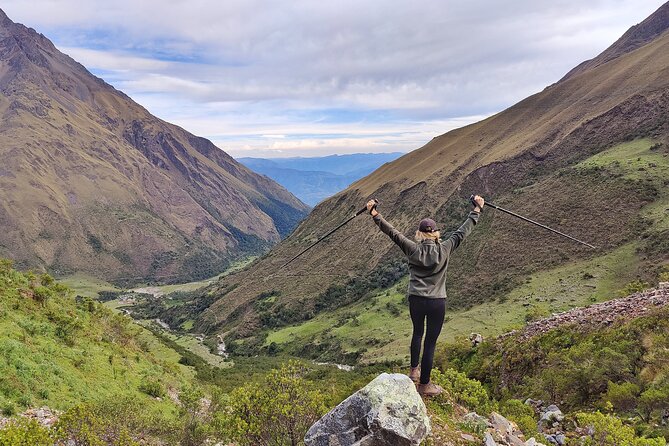
After breakfast, you begin the climb along the 7 Serpents Trail toward Abra Salkantay. The pass reaches 4,630 meters, or 15,190 feet. At this height, even a modest slope can feel serious, especially if you have not adjusted to Cusco’s altitude.
The mountain views are the reward. You are surrounded by large Andean peaks and glaciers, with the trail moving through a stark, high-altitude setting. Take the uphill section slowly. The goal is not to prove anything to the group. It is to arrive at the pass with enough energy for the long descent.
A guide such as Marco, Guido, or Cesar Quispe can be especially valuable here. The strongest feedback about these guides centers on patience, encouragement, organization, and helping people safely through the pass. That matters more than a stream of facts when your breathing is hard and your legs are tired.
Lunch comes at Wayracmachay, followed by a long descent toward the high Amazon forest. This is one of the route’s best features. Within the same day, the cold, exposed mountain setting begins to give way to warmer air and thicker vegetation.
The full first day is listed at about 10 hours. That is a serious effort even for someone in good shape. You should carry water and snacks, despite the included trail refreshments. One person specifically advised bringing plenty of both for the pass.
Mountain Sky View: a useful first-night rest
The first night is at Mountain Sky View in Collpapampa, at about 2,950 meters. The camp includes a private dining area, kitchen, tables, and chairs, along with bedding and camping equipment.
You sleep in an Andean hut rather than a conventional hotel room. That gives the first night a stronger connection to the setting, but it also means you should not expect the same comforts you will have in Aguas Calientes.
Dinner is served at camp, and tea time and snacks are provided along the trail. The support team includes cooks, horsemen, and porters. This setup is a major reason the route can work for people who are new to multi-day trekking, though it does not remove the physical demands.
I like the practical design here. You do not have to carry a full camping load, arrange meals, or manage the kitchen. Your personal duffel, up to 5 kilograms, goes by horse. Keep valuables, medication, documents, water, and anything you need during the day in your own daypack.
Day two: coffee, waterfalls, and the Urubamba River
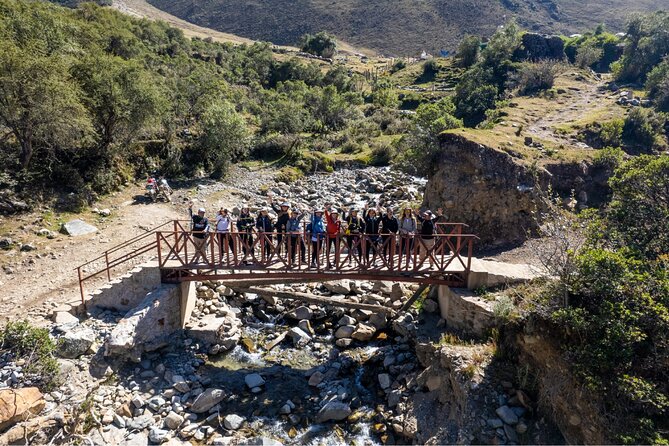
Day two starts with breakfast at Mountain Sky View and a more leisurely walk through the Santa Teresa Valley. After the intensity of the pass, this lower section gives you a chance to notice your surroundings instead of staring at the next uphill step.
The route passes waterfalls, orchids, and coffee plantations before reaching La Playa. The scenery is warmer and more humid than on day one, and the changing plant life helps explain why the Salkantay route feels like several trips joined together.
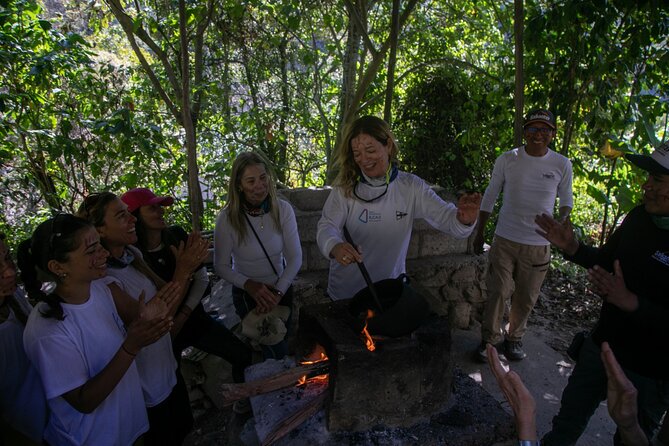
At La Playa, lunch uses local products, followed by an artisanal coffee demonstration at Lucmabamba. This is a welcome cultural and food stop, not just a rest break. Coffee gives the day a local focus, and the demonstration adds a human element to what could otherwise be a long transfer between mountain sections.
The walk through this area is listed at about five hours, including the coffee experience and the approach to lunch. You should still expect a full day. One useful criticism of the trip is that the historical and cultural explanation can feel less developed than the trekking support. If cultural context is your main reason for choosing a route, ask your guide questions as you go.
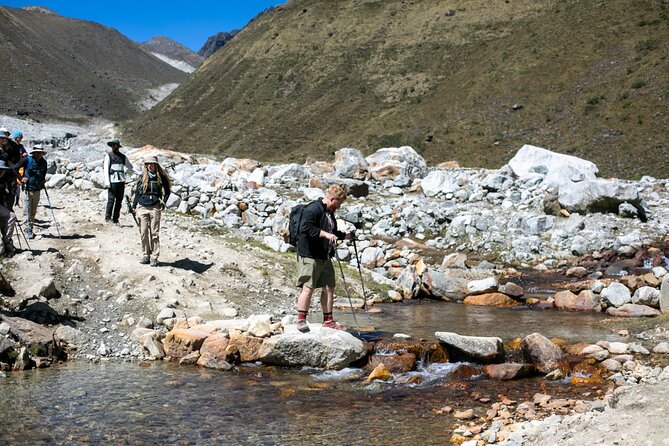
From there, you travel to Hidroeléctrica and continue on foot beside the Urubamba River. The walk takes about three hours and runs through tropical forest. The river corridor feels very different from the pass, but your legs will already have done a great deal of work.
An optional train from Hidroeléctrica to Aguas Calientes is available at your own expense. If you walk, you finish the day by reaching Aguas Calientes on foot. The train option may appeal if fatigue, weather, or a minor injury makes the final walk unwise, but the cost is paid directly to the train operator.
Same trailhead, a different route:
- From Cusco: 7 Lakes Ausangate Trek with Breakfast and Lunch
★ 4.8 · 360 reviews - Machu Picchu: Inca Trail 2-Day Overnight Guided Tour
★ 4.9 · 203 reviews - Cusco: Full-Day Rainbow Mountain & Red Valley Trekking Tour
★ 4.5 · 121 reviews - Short Inca trail to MachuPicchu || 2days – 1nigth ||
★ 5.0 · 103 reviews
Aguas Calientes: a proper bed before Machu Picchu
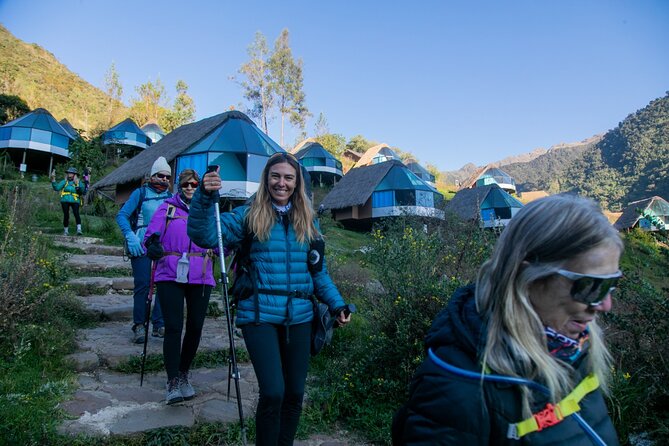
The second night is in a hotel in Aguas Calientes. After the mountain hut and the long walk beside the river, this change is welcome. You have dinner with the group and prepare for the early visit to Machu Picchu.
Do not expect a late or leisurely evening. The schedule is designed around reaching the citadel early, and the route has already used up much of your energy. Eat, organize your daypack, check your passport, and get to bed.
The hotel night is one of the better value features of the trip. A longer trek might include more nights outdoors, while this itinerary gives you one night at camp and one night with a standard hotel base before the main sightseeing day.
Day three: Machu Picchu by bus and on foot
You begin with a light breakfast, then take the included bus from Aguas Calientes to Machu Picchu. The ride climbs through cloud forest and saves you a steep uphill walk before the guided visit.
At the Historic Sanctuary of Machu Picchu, the guided tour lasts about two hours. You visit the temples, terraces, and sacred areas of the Inca citadel with your mountain guide. After two hard trekking days, the scale and precision of the site make a strong finish.
The standard admission is Circuit 2 for bookings made three months ahead, if space is available. If Circuit 2 has sold out, the booking moves to Circuit 3, and then Circuit 1 if necessary. That detail matters. The circuits do not offer exactly the same route, so booking early gives you a better chance of getting the preferred option.
After the visit, you return to Aguas Calientes for lunch. Lunch on this final day is not included, so budget for it. The return journey continues in the afternoon by tourist-class train to Ollantaytambo, using either the Voyager or Expedition service. Private transport then takes you back to Cusco.
The train and private transfer are important inclusions. You are not left to piece together the final journey after a tiring trek. The downside is that the day still has several stages, so you should not treat it as a slow sightseeing day.
What the $680 price really covers
At $680 per person, this is not a budget walk. But the price includes many costs that can add up quickly on your own:
- Private transport and transfers
- Hotel pickup and drop-off
- An experienced mountain guide
- Two lunches, two dinners, and three breakfasts
- One night at Mountain Sky View and one hotel night
- Camping equipment and private camp facilities
- Cooks, horsemen, and porters
- Horse transport for up to 5 kilograms of personal gear
- Water, tea time, and trail snacks
- Sleeping bag, trekking poles, rain poncho, and backpack cover
- First aid kit, oxygen, walkie-talkies, and emergency satellite phones
- Machu Picchu admission
- Bus from Aguas Calientes to Machu Picchu
- Tourist-class train from Aguas Calientes to Ollantaytambo
That is a strong package for anyone who values logistical support. You are paying for a guided route through difficult terrain, not just a permit and a bed.
You still need to pay for lunch and dinner on the last day, personal hiking clothing, travel insurance, and optional tips. The return bus from Machu Picchu to Aguas Calientes is also extra if you choose it, although the outbound bus is included.
Fitness, altitude, and what to pack
The operator requires a strong level of physical fitness, and that is fair. The pass is high, the first day is long, and the whole trip compresses a great deal of walking into three days.
Arrive in Cusco at least two days before pickup. This gives you time to adjust to the altitude instead of starting the trek immediately after landing. No acclimatization plan guarantees an easy climb, but arriving early is one of the most sensible choices you can make.
Pack for changing conditions. You will need warm clothing for the high pass and lighter layers for the warmer valley and forest. Bring personal hiking clothing, water, snacks, sun protection, and any medication you require. The tour supplies a sleeping bag, trekking poles, rain poncho, and backpack cover, but you remain responsible for your own hiking gear.
Vegetarian and vegan meals are available if you request them at booking. Your passport name, number, expiry date, and country are required for every person, so make sure the document is current before you pay.
The group limit is 12 people. That is small enough for the guide to keep an eye on the group, but large enough that pace differences can matter. People who rarely exercise or live a very sedentary life should choose a gentler route.
Guides, safety, and the human side of the trek
The strongest part of the support system is the guide. Marco is described as organized, energetic, and caring. Guido is praised for patience, kindness, and helping people make it safely over the pass. Cesar Quispe is noted for keeping spirits high while also adding historical, cultural, and spiritual context.
Those details tell you what to look for in practice: a guide who watches the group, sets a workable pace, and gives clear help when altitude or fatigue becomes a problem. The best guide will not make the pass easy, but can make it feel manageable.
Safety equipment includes a first aid kit, oxygen supply, walkie-talkies, and emergency satellite phones. That is reassuring in a remote mountain setting. It is not a substitute for travel insurance or good judgment, so insurance remains recommended.
The group atmosphere can become close because the schedule is intense and everyone faces the same hard climb. That can be a pleasure, but it is also worth remembering that you will spend a lot of time with the same small group.
Booking timing and the firm cancellation rule
Machu Picchu spaces sell out quickly, particularly if you want Circuit 2. Booking at least three months ahead is advised, and confirmation is sent within 48 hours, subject to availability.
The experience is non-refundable and cannot be changed after booking. If poor weather causes cancellation, you are offered another date or a full refund. If the minimum number of people is not reached, you receive the choice of another date or experience, or a full refund.
That policy makes travel insurance especially sensible. Check your dates, passport, fitness, and arrival plans before committing.
Should you book this Salkantay challenge?
Book it if you want a demanding mountain route, have only three days, and care about reaching Machu Picchu by a scenic overland path rather than taking the easy train from Cusco. You get remarkable changes in altitude and climate, strong logistical support, a coffee stop, two distinct types of accommodation, and a guided visit to the citadel.
Think twice if you dislike early starts, long walking days, basic camping, or high-altitude exertion. The route is doable for some first-time trekkers with preparation, but the pass is not a beginner’s stroll.
For fit hikers who arrive early in Cusco, carry only a light daypack, and accept the intense schedule, this is a well-supported way to experience Salkantay in a short window. The best reason to book is not the speed alone. It is the rare chance to move from glaciers to coffee country to Machu Picchu in one compact, demanding journey.
FAQ
How long is the Salkantay Trek Challenge?
The experience lasts three days and two nights.
What time does the tour begin?
Pickup begins in Cusco at about 2:30 a.m., with the listed start time at 3 a.m.
How high is the Salkantay Pass?
The pass reaches 4,630 meters, or about 15,190 feet.
How early should I arrive in Cusco?
You should arrive at least two days before the trek to adjust to the altitude.
Where do I sleep during the trek?
You spend one night at Mountain Sky View camp in an Andean hut and one night in a hotel in Aguas Calientes.
How much personal gear can the horse carry?
The included duffel allowance is up to 5 kilograms, or 11 pounds, per person.
Is transportation to Machu Picchu included?
Yes. One bus from Aguas Calientes to Machu Picchu is included. The return bus is optional and paid directly on site.
Is the return train included?
Yes. The tourist-class train from Aguas Calientes to Ollantaytambo is included. The service may be the Voyager or Expedition train.
Which Machu Picchu circuit will I receive?
Circuit 2 is provided for bookings made three months ahead if it is available. If not, Circuit 3 is used, followed by Circuit 1.
Are vegetarian or vegan meals available?
Yes. Vegetarian and vegan options are available if you request them when booking.
More 3-Day Experiences in Cusco
- Cusco : Sacred Valley & Inca Trail to Machu Picchu 3 days
★ 5.0 · 57 reviews - Ausangate and Rainbow Mountain Trek – 3 Days / 2 Nights
★ 5.0 · 35 reviews - Sapa 3 Days 2 Nights Trekking Tour (1 Night In Ta Van Village, 1 Night In Hotel)
★ 5.0 · 699 reviews - 3-Day Trekking Adventure of Sapa from Hanoi – Stay Ta Van Village
★ 5.0 · 611 reviews
Just added around Cusco
- Classic Choquequirao Trek – 5 Days / 4 Nights★ 5.0 · 52 reviews
- Short Inca Trail 2 Day Hike to Machu Picchu with Permits & Train★ 5.0 · 51 reviews
- 2 Day Tour Throughout the Short Inca Trail to Machu Picchu★ 5.0 · 36 reviews
- Small Group: 4-Day Inca Trail Trek to Machu Picchu★ 5.0 · 33 reviews
- 5-Day: Salkantay Trek to Machupicchu and Humantay Lake★ 5.0 · 42 reviews
- 2 Day – Short Inca Trail to Machu Picchu – Group Service★ 5.0 · 30 reviews
- 5 Day – Salkantay trek to Machu Picchu – Group Service★ 4.5 · 27 reviews
- Salkantay Trek Standard 5D/4N★ 5.0 · 48 reviews
Machu Picchu & Inca Trail Treks, compared.
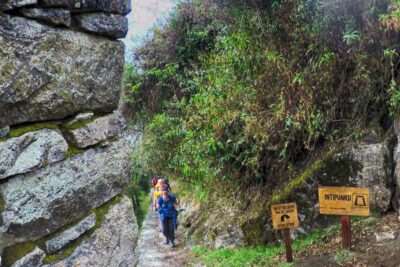
4-Day Inca Trail to Machu Picchu with Accommodation
Read our review →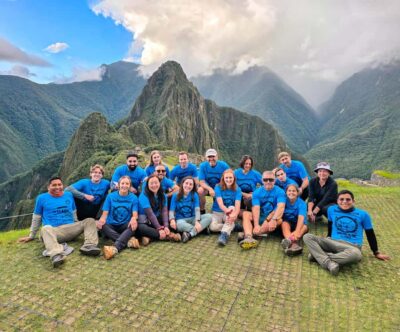
Machu Picchu 2-Day Inca Trail with Panoramic Train
Read our review →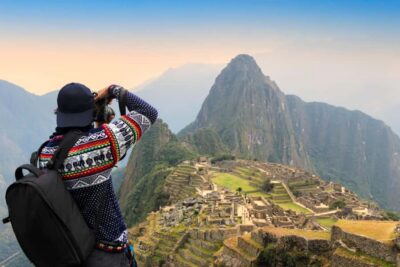
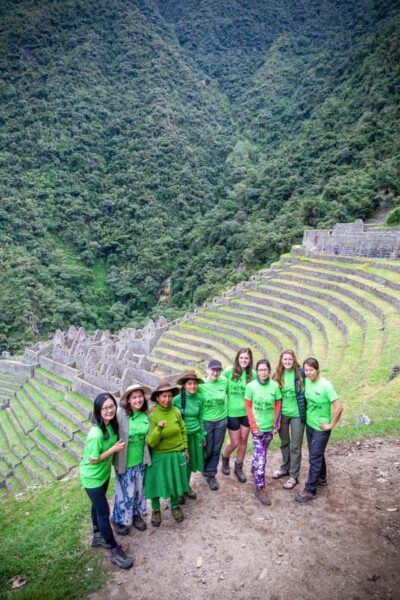
Machu Picchu: Inca Trail 2-Day Overnight Guided Tour
Read our review →
Short Inca trail to MachuPicchu || 2days – 1nigth ||
Read our review →
Machu Picchu: 5-Day Salkantay Trek with Panoramic Train
Read our review →
Browse the lists this trek appears in