
Review · CUSCO
Ausangate and Rainbow Mountain Trek – 3 Days / 2 Nights
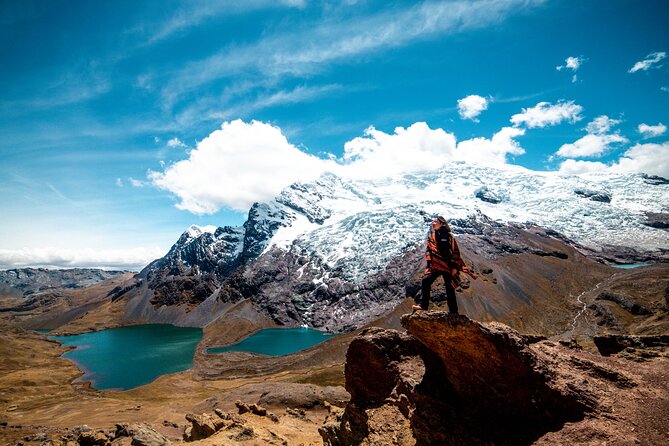
Ausangate and Rainbow Mountain give you Peru at its most dramatic: high passes above 4,800 meters, cold blue lakes, rough mountain tracks, and a sunrise start at Vinicunca before the busiest crowds arrive. The trek is not a gentle stroll, but it packs a lot into three days and two nights.
I like the small maximum group of 12, which gives the guide room to adjust the pace and, when conditions allow, add a viewpoint or short detour. I also like the practical care built into the trip: private transport, luggage help, hot drinks, sleeping gear, oxygen, and proper meals in remote camps.
The catch is altitude. You need strong fitness and at least two days in Cusco to adjust before starting. The price is $535 per person, and the booking is non-refundable, so this is a trip to plan carefully rather than add at the last minute.
Key points before you book
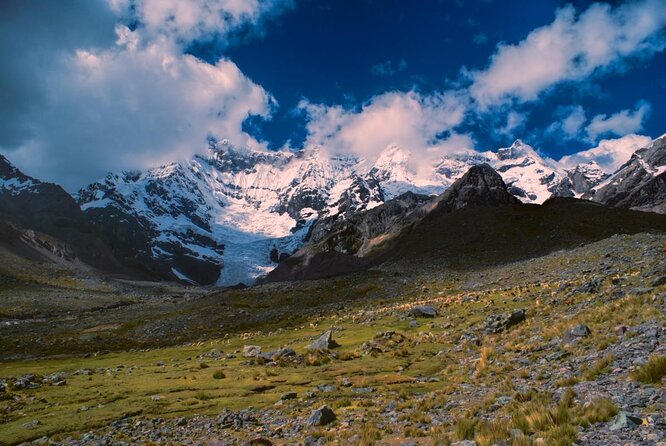
- Three high-altitude days: You hike for about nine hours on day one, seven hours on day two, and three hours on day three.
- Two major passes: Puca Pass and Warmisaya Pass provide the best wide views, but both require serious uphill effort.
- Ausangate comes first: The route begins among the mountain’s glacial lakes, before reaching Rainbow Mountain.
- Early access to Vinicunca: You leave camp early on the final morning to reach the famous striped mountain ahead of much of the day’s traffic.
- Camping with useful support: Tents, sleeping bags, air mattresses, meals, water, snacks, poles, and rain ponchos are included.
- Remote trail, organized service: A guide, cook, horseman, private transport, and 7 kg luggage allowance help make a demanding route manageable.
What the $535 price really covers
At $535, this is not simply a guided walk to Rainbow Mountain. The fee covers three days of transport and guiding, two nights of camping, entry fees for Ausangate and Rainbow Mountain, three breakfasts, three lunches, two dinners, water, snacks, and equipment.
The support team is a major part of the value. Your guide leads the route and carries the safety responsibility, while the camp team sets up sleeping arrangements and prepares food. A horseman or muleteer can also carry equipment, though horse assistance on the trail costs extra.
You carry your daypack, but up to 7 kilograms of your luggage can be transported during the hike. That small detail matters. High-altitude walking is hard enough without carrying several days of clothes and camping gear on your back.
The included gear is basic camping equipment rather than a lodge experience. You receive a sleeping tent, air mattress, sleeping bag, dining room, tables, and chairs. Past groups have also been kept warm with extra liners, blankets, and hot water bags when available, but you should still pack seriously for cold nights.
A few more treks around Cusco worth a look
- Salkantay Trek Challenge – 3 Days / 2 Nights
★ 5.0 · 101 reviews - Cusco : Sacred Valley & Inca Trail to Machu Picchu 3 days
★ 5.0 · 57 reviews - Sapa 3 Days 2 Nights Trekking Tour (1 Night In Ta Van Village, 1 Night In Hotel)
★ 5.0 · 699 reviews
Day one: Upis, Ausangate views, and Hatun Pucacocha
Your pickup begins at about 5:00 am, followed by the drive from Cusco to Upis, the small town where the trek begins. The early departure makes sense because the first day is the longest, with roughly nine hours of walking.
The opening section takes about three hours to reach lunch. This is your first sustained look at Nevado Ausangate, the huge snow-covered mountain that gives the route its character. The setting changes quickly from the road-accessible starting point to open Andean terrain, with the mountain forming a constant reference point.
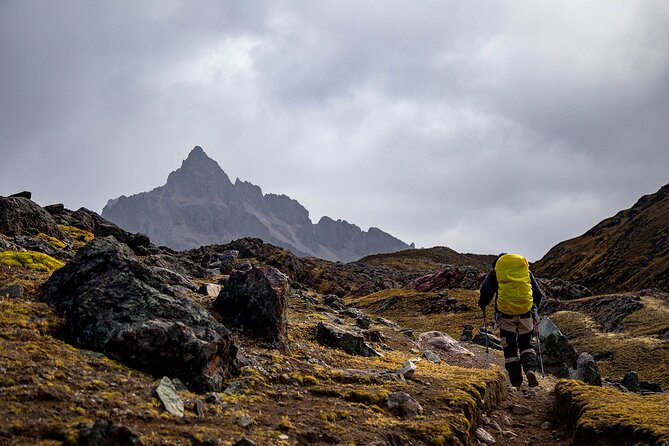
After lunch, you get a short break before the trail rises toward Arapa Pass. This is where the day begins to feel serious. You are not only walking at altitude, you are gaining height after several hours on your feet. Take the uphill section slowly, drink regularly, and let the guide set a pace you can maintain.
The reward comes with the descent to Hatun Pucacocha, where camp is set near the foot of Ausangate. Hot drinks and dinner are welcome after a long day, and the camp location gives you a memorable mountain setting without requiring another hard push after dark.
Day one is also the clearest test of preparation. If you have not adjusted to Cusco’s altitude, the combination of early transport, a long hike, and a high pass can feel rough. The company provides oxygen and a first aid kit, but those are safety measures, not substitutes for acclimatization.
Day two: Puca Pass, glacial lakes, and Warmisaya Pass
Day two starts with hot coca tea and breakfast before you head toward Puca Pass. Coca tea is a familiar high-altitude ritual in the Andes, and the hot drink is especially welcome in a cold camp. It may help you feel more comfortable, but it does not remove the need to pace yourself.
Puca Pass brings striking views and a chance to see a condor. Wildlife sightings are never guaranteed, but this is the kind of open mountain country where the possibility adds to the day. The glacial lagoons are the main visual reward, with clear water set beneath steep, snow-marked peaks.
You continue to Anantapata for lunch. By this point, your legs have already worked through a high pass, so the meal break is more than a pleasant pause. It gives you a chance to eat properly before the second major climb of the day.
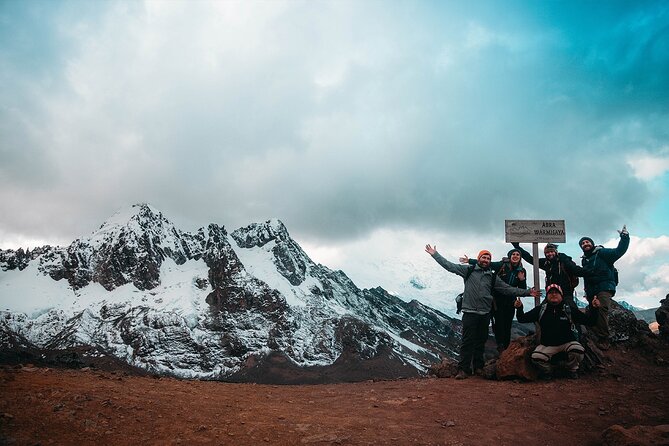
The trail then rises to Warmisaya Pass. From the top, you get a 360-degree view that includes the first sight of Rainbow Mountain and a broad sweep of surrounding peaks. This is one of the strongest moments of the whole route because it gives you context. Vinicunca is not an isolated attraction. It is part of a much larger high Andean setting.
The descent to Surinecocha camp follows. You will have walked for about seven hours, with two important climbs in the same day. If the weather turns wet or visibility drops, the route can feel much more demanding. The area is exposed, so pack a waterproof layer even if the morning begins clear.
A small group can improve this day. Guides such as Nestor, Marco, Fredy Apaza, Pabel, Darwin, Elisban, and Franklin have been praised for adjusting pace, explaining the mountains and local culture, and watching carefully for altitude problems. Your specific guide depends on availability, but the guide’s care is important here. A good leader notices when you need a slower rhythm or a longer break.
Day three: Vinicunca before the main rush
The final morning begins early so you can reach Rainbow Mountain before the largest flow of day visitors. You first walk through the opening section of the route, where the initial views of Vinicunca appear, then continue to the mountain itself.
Rainbow Mountain is famous for its layered red, gold, and green tones. The colors are natural mineral bands, and the effect changes with light and weather. On a clear morning, the striped ridge looks sharp and graphic. In cloud or rain, the colors can appear muted, so keep your expectations tied to mountain conditions rather than to photographs taken on perfect days.
You have time at Vinicunca to take photographs and hear about the site’s importance. The first view from Warmisaya Pass the previous day makes this stop more satisfying because you have already seen the mountain from a distance and walked through the country around it.
The hike from the mountain to private transport takes about three hours in the itinerary. Afterward, you stop for lunch and ride back to Cusco, where you are dropped at your accommodation.
This final day is shorter on foot, but it is not effortless. You are visiting a high point after two demanding days, and altitude can still affect your breathing and balance. Start slowly, keep your layers handy, and do not race simply because the route is shorter.
Same trailhead, a different route:
- Cusco: 4-Day Inca Trail to Machu Picchu with Accommodation
★ 4.8 · 432 reviews - From Cusco: 7 Lakes Ausangate Trek with Breakfast and Lunch
★ 4.8 · 360 reviews - Cusco: Machu Picchu 2-Day Inca Trail with Panoramic Train
★ 4.9 · 260 reviews - From Cusco: 2-Day Inca Trail to Machu Picchu
★ 4.2 · 244 reviews
Why Ausangate may be better than a Rainbow Mountain day trip
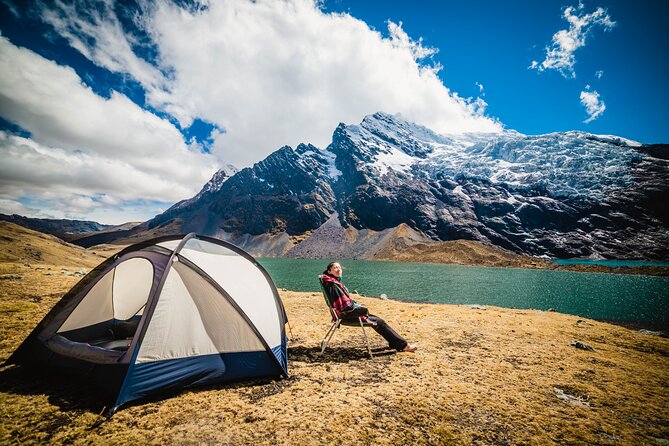
A standard Rainbow Mountain outing focuses on one famous viewpoint. This trek gives you the larger story. You spend two days walking around Ausangate, passing lagoons and mountain passes, then arrive at Vinicunca with a sense of the surrounding terrain.
The difference is solitude and effort. The Ausangate route is described as peaceful and far less crowded than the main Rainbow Mountain approach. You trade easy access for long hiking days, cold camps, and a much greater physical demand.
I would choose this trip if you want the journey to matter as much as the final photograph. I would choose a shorter visit if Rainbow Mountain is your only priority or if you have limited time and little high-altitude hiking experience.
Food, tents, and the human side of the trek
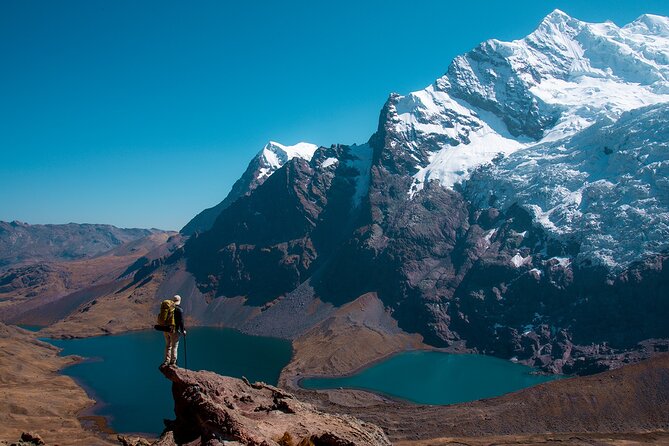
Remote camp food can make or break a trek. This trip includes a cook, and meals are prepared at camp rather than left to packets and snacks. Previous groups have enjoyed filling, home-style food and praised cooks such as Heber and Juan Carlos for producing substantial meals in difficult conditions.
Vegetarian and vegan meals are available, but you need to request them when booking. Breakfast, lunch, and dinner are included according to the itinerary, with three breakfasts and three lunches listed, plus two dinners for the camping nights.
Night temperatures drop sharply in the mountains. The supplied sleeping bag and camping equipment are designed for the setting, and extra blankets or warm water bags may be available. Still, bring thermal layers, dry socks, gloves, and a warm hat. Do not rely on one sleeping bag to solve poor packing.
The guide, cook, and horseman are not background staff. They handle navigation, camp work, food, luggage support, and safety while also moving through the same difficult terrain. That level of service is a key reason the price feels fair.
Fitness, altitude, and what to pack
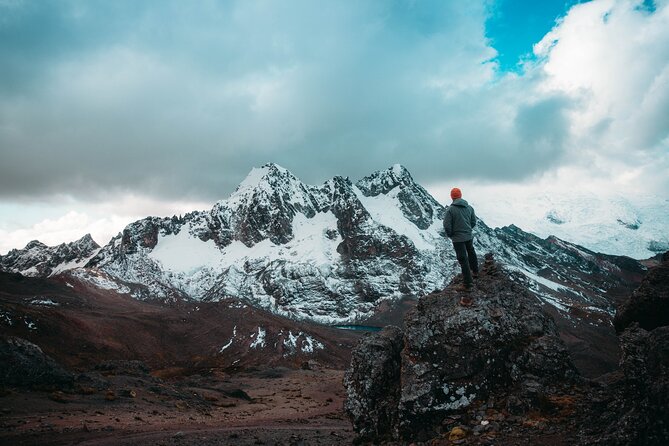
The company describes this as a challenging trek for people with strong physical fitness. That wording should be taken seriously. You will climb two passes, walk for up to nine hours on the first day, and sleep at high altitude.
Arrive in Cusco at least two days before the trek. Use those days to rest, drink water, eat normally, and pay attention to how your body responds. If you already know you struggle with altitude, discuss the route with a medical professional before booking.
Pack for quick changes in mountain weather:
- Warm base layers and a fleece or insulated jacket
- Waterproof jacket and trousers
- Sun protection, including a hat and sunscreen
- Gloves, warm socks, and a hat for camp
- Sturdy hiking shoes
- Personal medication and basic toiletries
- A small daypack, with heavier luggage limited to the 7 kg transport allowance
Hiking poles and a rain poncho are included, which is useful on steep or slippery sections. Travel insurance is not included but is recommended.
Children aged 12 and over may join if accompanied by a responsible adult. The route still requires careful judgment, since age alone says little about readiness for several high-altitude hours.
Group size, timing, and flexibility
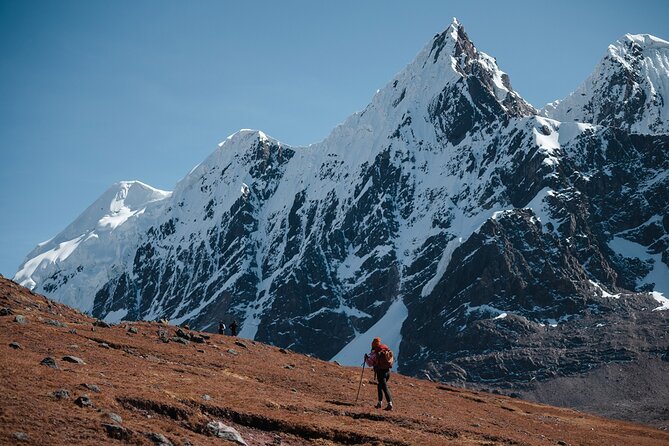
The maximum group size is 12. That is small enough for the guide to keep an eye on the group and communicate clearly, but you should still expect a shared trek rather than a private departure.
Small groups may allow some flexibility. If everyone is moving well and weather permits, the guide might add a viewpoint or alter the pace. Do not count on major itinerary changes, though. The passes, camps, meals, and transport must fit a fixed three-day plan.
Hotel pickup and drop-off remove much of the usual transport hassle. You do not need to arrange a separate ride to Upis or find your way back to Cusco after the hike. Private transfers also make the early start more straightforward.
Your passport name, number, expiry date, and country are required at booking. Check that your passport is current before you commit. Confirmation arrives within 48 hours, subject to availability.
The cancellation risk
The booking is non-refundable and cannot be changed for any reason. That is the biggest financial drawback.
The exceptions are on the operator’s side. If poor weather forces cancellation, you are offered another date or a full refund. If the minimum number of participants is not reached, you are offered a different date or experience, or a full refund.
Because of this policy, I would book only after confirming your Cusco dates, checking your passport, and allowing time for acclimatization. Do not place this trek immediately after a long international arrival if you can avoid it.
Should you book the Ausangate and Rainbow Mountain trek?
Book it if you want a serious mountain experience, not just a quick visit to a famous viewpoint. The strongest reasons are the glacial lakes, the two high passes, the quieter route, and the early access to Vinicunca. The included support also gives you more comfort than an independent camping trip.
Skip it if you dislike cold nights, long uphill walks, or fixed non-refundable bookings. You should also reconsider if you cannot spend at least two days adjusting in Cusco.
For a fit hiker who wants Ausangate to be more than a backdrop, this is a strong three-day choice. The views are the headline, but the real value is the complete route: mountain passes, remote camps, helpful staff, and Rainbow Mountain as the final reward.
FAQ
How long is the Ausangate and Rainbow Mountain trek?
The experience lasts approximately three days and includes two nights of camping.
What time does pickup begin?
Pickup begins at approximately 5:00 am.
How many hours do you hike each day?
Day one takes about nine hours, day two about seven hours, and day three about three hours.
Which mountain passes are included?
The route crosses Puca Pass and Warmisaya Pass. Day one also includes an uphill climb to Arapa Pass before descending to camp.
Is Rainbow Mountain included in the entry fees?
Yes. Entry fees for both Ausangate and Rainbow Mountain are included.
What camping equipment is provided?
The package includes a sleeping tent, air mattress, sleeping bag, dining room, tables, and chairs.
Is luggage transported during the hike?
Yes. Luggage transport is included for up to 7 kilograms.
Are meals included?
Yes. The package includes three breakfasts, three lunches, and two dinners. Water and snacks are also provided.
Can I request vegetarian or vegan food?
Yes. Vegetarian and vegan options are available, but you need to request them when booking.
Do I need previous high-altitude experience?
Previous experience is not specifically required, but you need strong physical fitness. The company recommends arriving in Cusco at least two days early to adjust to the altitude.
Just added around Cusco
- Classic Choquequirao Trek – 5 Days / 4 Nights★ 5.0 · 52 reviews
- Short Inca Trail 2 Day Hike to Machu Picchu with Permits & Train★ 5.0 · 51 reviews
- 2 Day Tour Throughout the Short Inca Trail to Machu Picchu★ 5.0 · 36 reviews
- Small Group: 4-Day Inca Trail Trek to Machu Picchu★ 5.0 · 33 reviews
- 5-Day: Salkantay Trek to Machupicchu and Humantay Lake★ 5.0 · 42 reviews
- 2 Day – Short Inca Trail to Machu Picchu – Group Service★ 5.0 · 30 reviews
- 5 Day – Salkantay trek to Machu Picchu – Group Service★ 4.5 · 27 reviews
- Salkantay Trek Standard 5D/4N★ 5.0 · 48 reviews
Cusco Trekking Tours, compared.
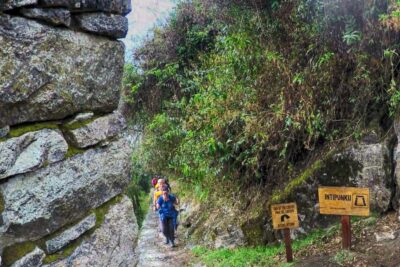
4-Day Inca Trail to Machu Picchu with Accommodation
Read our review →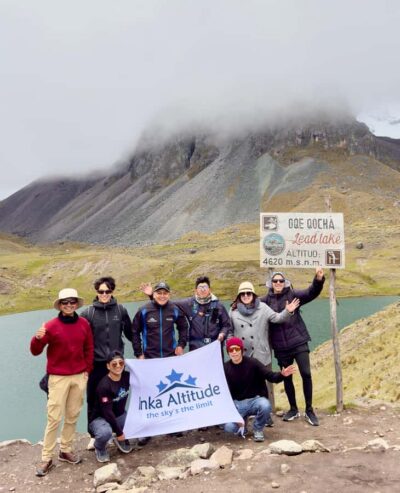
7 Lakes Ausangate Trek with Breakfast and Lunch
Read our review →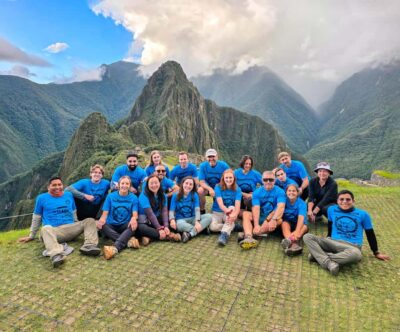
Machu Picchu 2-Day Inca Trail with Panoramic Train
Read our review →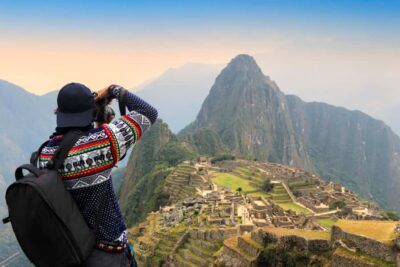
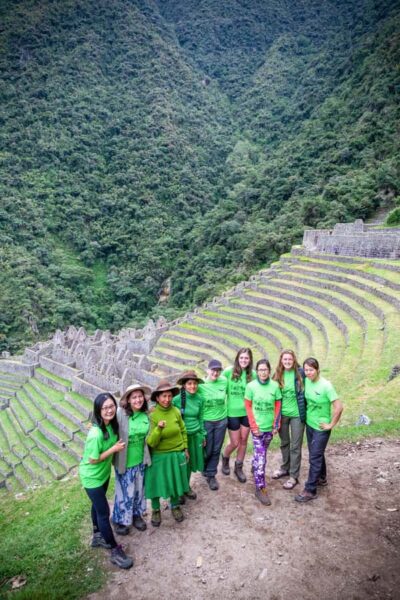
Machu Picchu: Inca Trail 2-Day Overnight Guided Tour
Read our review →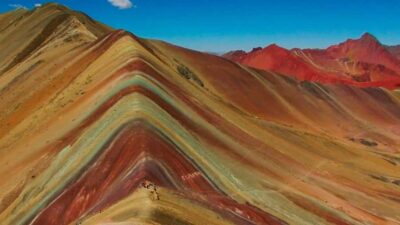
Full-Day Rainbow Mountain & Red Valley Trekking Tour
Read our review →
Short Inca trail to MachuPicchu || 2days – 1nigth ||
Read our review →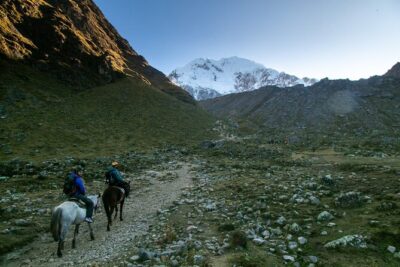
Browse the lists this trek appears in