
Review · CUSCO
Classic Choquequirao Trek – 5 Days / 4 Nights
Choquequirao is the prize at the end of a serious Andes hike. You descend into the Apurímac Canyon, cross the river, then climb hard toward an Inca citadel at 3,050 meters. The site is remote, quiet, and said to be larger than Machu Picchu, with only about 40 percent currently visible.
I like two things right away: the excellent support system, with cooks, muleteers, tents, snacks, emergency gear, and porters, and the extra stops, especially Saywite and the Cconoc hot springs on the way back. You get more than a ruin visit.
The catch is simple: this is a demanding trek, not a gentle sightseeing trip. The steep descent and return climb can be punishing, and several days involve many hours on foot. You should arrive in Cusco at least two days early to adjust to the altitude.
Key points to know before booking
- Choquequirao takes real effort: The trail drops into the Apurímac Canyon before climbing steeply to the citadel.
- The ruin is the main reward: You have a full day to explore plazas, temples, terraces, and the famous carved white llamas.
- Your heavy gear is carried: Porters and muleteers handle camping equipment and up to 5 kilograms of your personal items.
- Meals are a major part of the service: Breakfast, lunch, dinner, trail snacks, tea time, and water are included.
- The return has worthwhile extras: Saywite and the Cconoc hot springs break up the long ride back to Cusco.
- The guides shape the experience: Guido, George, Carlos, Caesar, Franz, Anthony, Roman, and Elvis are among the guides associated with this route and are praised for encouragement, briefings, cultural context, and careful support.
Why Choquequirao feels different from Machu Picchu
Machu Picchu is easier to reach and far more famous. Choquequirao asks you to earn the visit. The route leads through dry canyon country, fruit-growing villages, high mountain views, and long stretches where the Apurímac River is far below.
That effort changes how you see the ruins. After walking for days, the terraces and stone plazas feel less like a quick photo stop and more like the final chapter of a long mountain journey. The citadel sits near one of the deepest canyons in South America, surrounded by the sort of broad views that make you stop and catch your breath for reasons beyond the climb.
The site is also large. You will spend most of Day 3 exploring with your guide, yet much remains underground, overgrown, or not fully visible. The famous white llama figures carved into the terraces are a highlight, and your guide can explain the architecture, Inca traditions, and role of the site.
Do not expect polished city-style facilities. The remote setting is the point, but it also means simple camping and a physically serious route.
More Inca Trail Treks in Cusco
- Cusco: 4-Day Inca Trail to Machu Picchu with Accommodation
★ 4.8 · 432 reviews - Cusco: Machu Picchu 2-Day Inca Trail with Panoramic Train
★ 4.9 · 260 reviews - From Cusco: 2-Day Inca Trail to Machu Picchu
★ 4.2 · 244 reviews
Day 1: From Cusco to Capuliyoc and down to Chiquisca
The day begins very early, with pickup around 4:00 or 4:30 a.m. in Cusco. You ride by private transport toward Cachora, a long start that makes breakfast and a proper night of sleep beforehand especially important.
The drive offers views toward the Salkantay and Humantay glaciers. At Capuliyoc, you meet the cooks and mule team. This is where the practical side of the trip becomes clear. The staff carries camping equipment and approved personal belongings, leaving you to walk with a daypack rather than a full load.
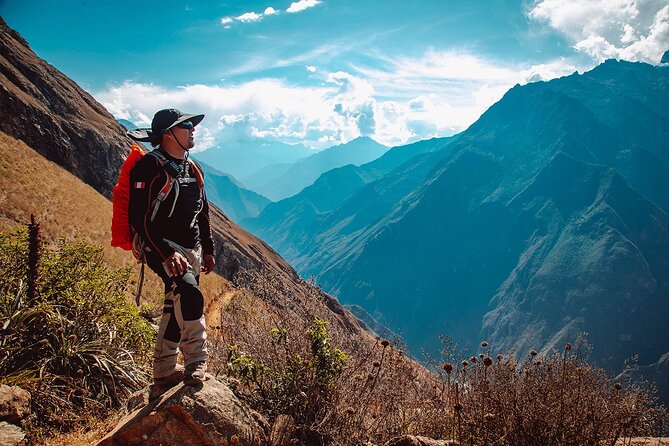
After breakfast, the trail drops for about three hours toward Chiquisca. This is not a warm-up stroll. A long descent can be hard on knees, and the dry heat grows stronger as you lose altitude.
The views are the reward. You look across the Apurímac Valley toward Padreyoc and Qoriwayrachina. Condors may appear over the canyon, though wildlife is never guaranteed. The small village of Chiquisca is surrounded by fruit crops, a pleasant change from the bare slopes and sharp rock farther along the route.
You camp in the warm canyon environment, surrounded by dry mountains. Dinner is prepared by the camp cook, and the tents provide a private place to rest. The first day combines a long transfer with a demanding descent, so do not judge your fitness by how comfortable you feel during the early drive.
Day 2: Crossing the Apurímac and climbing to Marampata
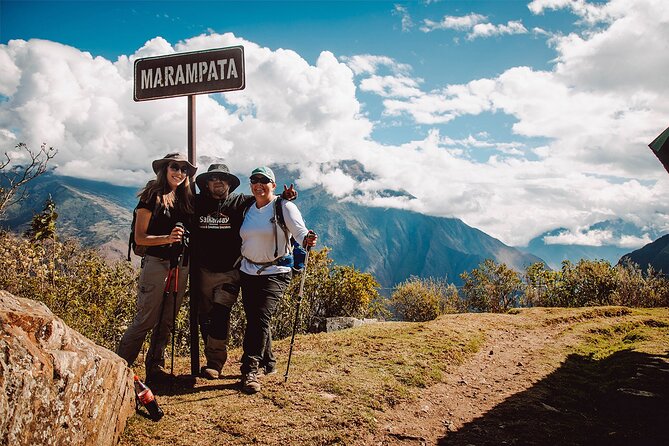
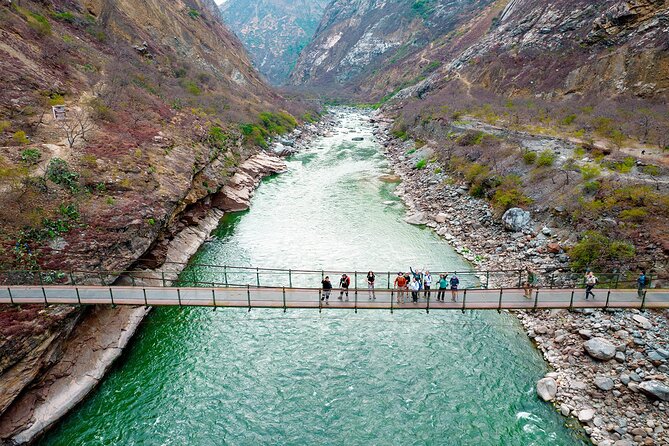
Day 2 is the physical heart of the trek. You first descend for about an hour to Playa Rosalinas, the lowest point in the valley. After crossing the footbridge, the trail turns sharply upward.
This is the section to respect. The route climbs toward Santa Rosa, then continues in long zigzags to Marampata. The climb takes several hours, and the heat can make the effort feel longer. Starting early, drinking regularly, and keeping a steady pace matter more than trying to race ahead.
Lunch in Santa Rosa gives you a useful break before the uphill push. The route passes through changing vegetation, and the views open toward huge canyon walls. At Marampata, you reach camp with Choquequirao nearby, but the citadel is still reserved for the next day.
The camp’s setting is one of the trip’s pleasures. As the sun drops, the Apurímac Valley and surrounding mountains take on orange and gold tones. At night, the remote location brings a clear starry sky. This is also when the quality of the guide becomes important. Guides such as Guido, George, Carlos, and Franz are noted for frequent briefings, humor, encouragement, and attention to dietary needs.
The published schedule gives long day totals because of the early starts, hiking, meals, and camp routine. Expect a full day rather than a relaxed walk between scenic stops.
Day 3: A full day at the Choquequirao citadel
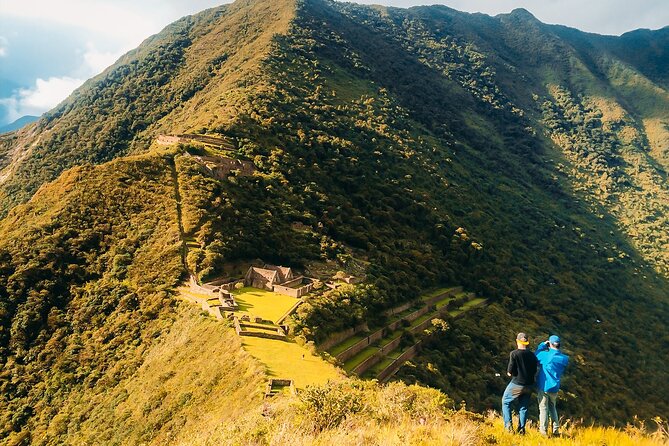
From Marampata, it takes about an hour to reach Choquequirao. You spend most of the day at the archaeological site, touring with a licensed bilingual guide and stopping for a picnic lunch.
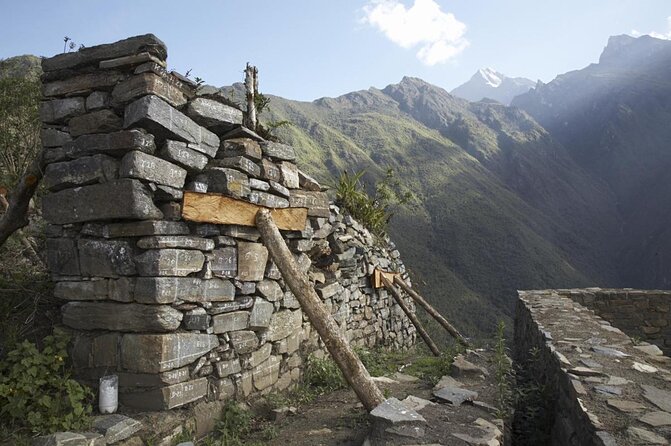
The citadel includes plazas, temples, terraces, and agricultural works. Its placement near the canyon helps explain why the site feels so dramatic. The white llama figures carved into the terraces are easy to miss if you hurry, so give yourself time to look closely.
A guide adds real value here. The stones alone tell only part of the story. Your guide can connect the site’s architecture with Inca farming, religion, engineering, and the nearby mountains. Roman, Caesar, and other guides associated with this route are praised for explaining local traditions and keeping the group informed about the day ahead.
You return to Marampata for dinner and another night in camp. It is tempting to treat this day as easy because there is less distance than on the canyon sections. In practice, the altitude, uneven ground, sun, and long hours walking around the site still make it tiring.
The citadel is the reason to choose this trek, so do not rush the visit. Bring sun protection, water, and enough room on your camera or phone. You may take more photos here than expected, especially if condors or changing light appear over the canyon.
Same trailhead, a different route:
- From Cusco: 7 Lakes Ausangate Trek with Breakfast and Lunch
★ 4.8 · 360 reviews - Machu Picchu: Inca Trail 2-Day Overnight Guided Tour
★ 4.9 · 203 reviews - Cusco: Full-Day Rainbow Mountain & Red Valley Trekking Tour
★ 4.5 · 121 reviews - Short Inca trail to MachuPicchu || 2days – 1nigth ||
★ 5.0 · 103 reviews
Day 4: Retracing the canyon route to Chiquisca
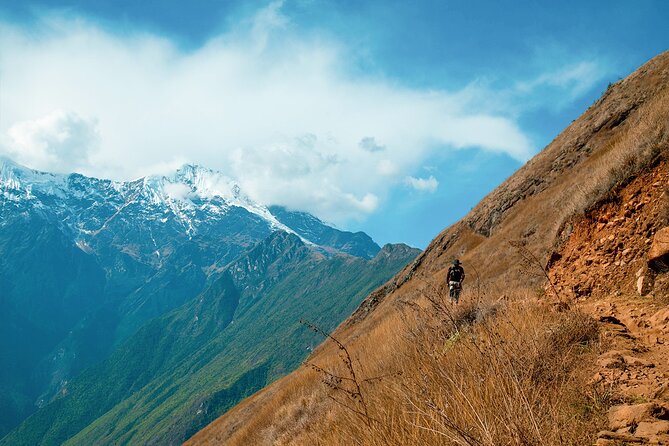
The return begins with a final view of Choquequirao and the canyon from Marampata. Then you descend toward Santa Rosa through greener vegetation.
The route is easier in one sense because you know what lies ahead, but the steep sections still demand care. You stop for lunch in Santa Rosa, then continue toward Playa Rosalinas. The cold water of the Apurímac River offers a chance to cool your feet or take a brief rest, depending on conditions and your guide’s instructions.
From Rosalinas, you climb again to Chiquisca. This reverse sequence is the central challenge of the trek: down to the river, up to the ruins, then down and up again on the return. Anyone with knee trouble or limited hiking experience should consider this carefully.
In Chiquisca, a local family welcomes the group into their home. This is one of the more personal parts of the journey. You get a look at Andean customs, daily life, and the connection to Pachamama, or Mother Earth, rather than seeing only ruins and mountain views.
Dinner and camping follow. The stop also reminds you that this is not simply an archaeological tour. The villages, mule teams, cooks, and local families are part of the experience.
Day 5: Climbing back to Capuliyoc, then Saywite and Cconoc
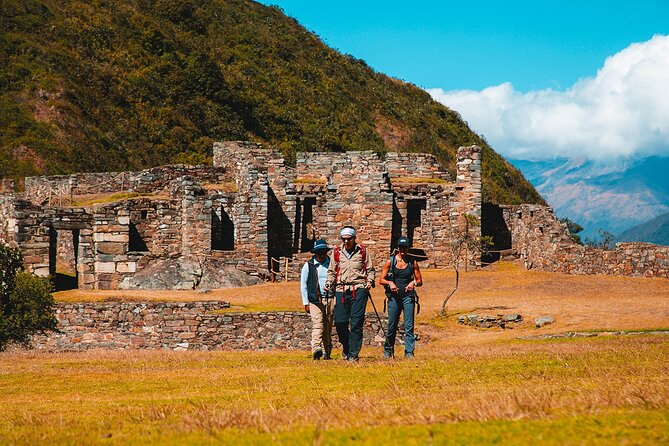
The final hiking day starts early to avoid the strongest sun. You walk beside the Apurímac River for about two hours before beginning the roughly four-hour climb to Capuliyoc.
This final ascent may feel harder than its distance suggests. Your legs have already handled several steep sections, and the early start means fatigue has built up. The good news is that the hiking team carries the heavy equipment, and the guide can help you manage the pace.
At Capuliyoc, you say goodbye to the cooks, muleteers, and porters. Their work is easy to underestimate. They handle tents, kitchen gear, food, personal duffels, and the camp routine that makes a remote trek possible.
Private transport then takes you to Saywite. The Saywite Monolith has more than 200 carved figures and was valued by the Incas as a sacred site. It is a useful final archaeological stop because it is very different from Choquequirao. Instead of a vast mountain citadel, you examine a concentrated carved stone filled with figures and symbols.
The last stop is the Cconoc hot springs. After five days of steep trails, a hot bath is exactly the right kind of luxury. The visit breaks up the drive back to Cusco and gives tired muscles a chance to relax before lunch and the final road stretch.
Arrival in Cusco is expected around 6:00 p.m. Day 5 dinner is not included, so plan for your evening meal after hotel drop-off.
Camping, food, and what the $735 price covers
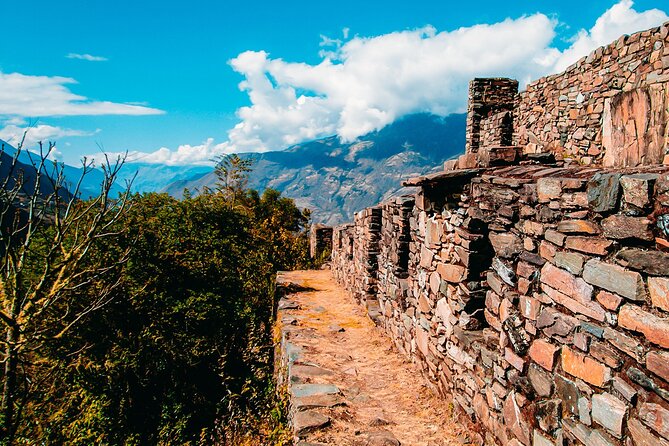
At $735 per person, this is not a bare-bones hiking package. The price includes three nights in high-quality two-person tents, private camping equipment, a dining tent, chairs, a cook, porters, mule support, and transportation for the route.
You also receive a duffel bag for up to 5 kilograms of personal items, an inflatable mattress, rain poncho, bag cover, small towel, soap, and a portable travel toilet. Water, tea time, daily snacks, five breakfasts, five lunches, and four dinners are included.
Food appears to be one of the strongest parts of the operation. The cook team prepares full meals rather than relying only on packaged trail food. Fresh cakes and varied meals are specifically noted in the supplied trip experiences. Vegetarian and vegan options are available if requested when booking, and gluten-free needs have been handled carefully on past departures.
You must bring or rent a sleeping bag and trekking poles. Personal hiking clothes and equipment are also your responsibility. Travel insurance is recommended, particularly for a route with steep terrain and a non-refundable booking policy.
The group is described as small, with up to 10 people in the included details and up to 12 in the additional information. Confirm the exact group limit before paying. Either way, this is far more personal than a large coach excursion.
Guides, safety, and physical preparation
The guide can make or break a difficult trek. The strongest guide qualities associated with this route are clear briefings, cultural explanation, patience, humor, and close attention when the trail becomes hard.
Guido is praised for motivating people with enthusiasm and compassion. George is associated with morning and evening briefings. Carlos is known for keeping spirits high, while Caesar is praised for support during steep sections. Franz has handled special food needs carefully, and Anthony is noted for regular encouragement and rest breaks.
The operation includes walkie-talkies, emergency satellite phones, a first aid kit, oxygen, and 24/7 customer service. These items do not remove the risks of altitude or steep hiking, but they provide useful backup in a remote area.
You should be in strong physical shape. The tour specifically recommends arriving in Cusco at least two days before departure. Children aged 12 and older may participate with a responsible adult, but the steep route makes this a family decision based on actual fitness, not just age.
Who should book this trek?
Book this if you want a demanding mountain route, remote Inca archaeology, canyon views, and a well-supported camping setup. It suits hikers who can manage long days, steep descents, steep climbs, and basic camp life.
It is also a good match if you value local contact. The family visit in Chiquisca, the mule team, the cooks, and the extra stops at Saywite and Cconoc give the trip more texture than a direct ruin transfer.
Think twice if your main goal is an easy visit to an Inca site. Machu Picchu is much simpler to reach. This route asks for stamina, patience, and a willingness to be uncomfortable before the rewards arrive.
The experience is non-refundable if you cancel or request a change. Poor weather or failure to meet the minimum group size can lead to a different date, another experience, or a full refund, according to the stated terms.
Should you book the Classic Choquequirao Trek?
Yes, if the challenge is part of the appeal. The route gives you a full day at one of Peru’s most impressive remote Inca sites, strong camp support, generous meals, and a satisfying finish with Saywite and Cconoc.
I would book it only after checking your fitness, altitude plan, sleeping bag, trekking poles, and dietary needs. If you prepare properly, the steep canyon crossings become part of the story rather than an unpleasant surprise. If you want comfort and quick access, choose another ruin. If you want to earn your view, this five-day route is a strong choice.
FAQ
How long is the Classic Choquequirao Trek?
The trek lasts five days and four nights, with departure from Cusco around 4:00 or 4:30 a.m. on Day 1 and arrival back in Cusco around 6:00 p.m. on Day 5.
What altitude does Choquequirao reach?
The Choquequirao citadel is located at approximately 3,050 meters, or 10,007 feet.
What is included in the $735 price?
The price includes the Choquequirao entrance, bilingual guide, transportation, camping, tents, cook, dining tent, porters, mule support, a duffel bag for up to 5 kilograms, meals, trail snacks, water, tea time, safety equipment, and hotel pickup and drop-off.
Is a sleeping bag included?
No. Sleeping bags and trekking poles are not included, so you need to bring or arrange them separately.
How difficult is the hike?
It is a challenging trek requiring strong physical fitness. The route includes a long descent into the Apurímac Canyon, a river crossing, a steep ascent to Marampata, and a demanding return over the same general terrain.
Can dietary needs be accommodated?
Vegetarian and vegan meals are available if requested at booking. Gluten-free needs have also been handled on this route, but you should provide all dietary details in advance.
Can children join the trek?
Children aged 12 and older may participate, but they must be accompanied by a responsible adult at all times. The route is physically demanding, so fitness should be considered carefully.
More 5-Day Experiences in Cusco
- Machu Picchu: 5-Day Salkantay Trek with Panoramic Train
★ 5.0 · 79 reviews - Ausangate Trek 5 Days
★ 5.0 · 74 reviews - Ultimate Lares Trek & Inca Trail 5 days
★ 5.0 · 47 reviews - Salkantay Trek To Machu Picchu 5 Days And 4 Nights
★ 5.0 · 44 reviews
Just added around Cusco
- Short Inca Trail 2 Day Hike to Machu Picchu with Permits & Train★ 5.0 · 51 reviews
- 2 Day Tour Throughout the Short Inca Trail to Machu Picchu★ 5.0 · 36 reviews
- Small Group: 4-Day Inca Trail Trek to Machu Picchu★ 5.0 · 33 reviews
- 5-Day: Salkantay Trek to Machupicchu and Humantay Lake★ 5.0 · 42 reviews
- 2 Day – Short Inca Trail to Machu Picchu – Group Service★ 5.0 · 30 reviews
- 5 Day – Salkantay trek to Machu Picchu – Group Service★ 4.5 · 27 reviews
- Salkantay Trek Standard 5D/4N★ 5.0 · 48 reviews
- Short Inca Trail To Machu Picchu★ 5.0 · 35 reviews
Machu Picchu & Inca Trail Treks, compared.
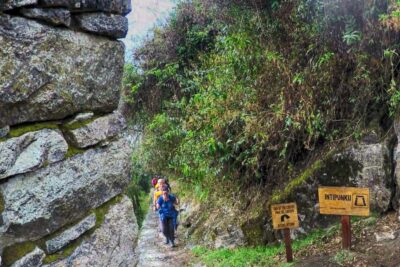
4-Day Inca Trail to Machu Picchu with Accommodation
Read our review →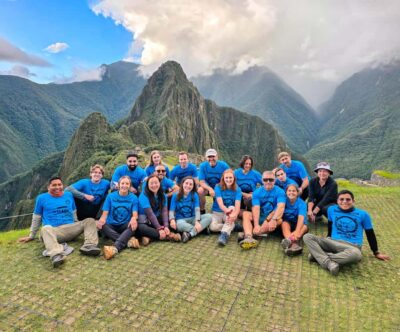
Machu Picchu 2-Day Inca Trail with Panoramic Train
Read our review →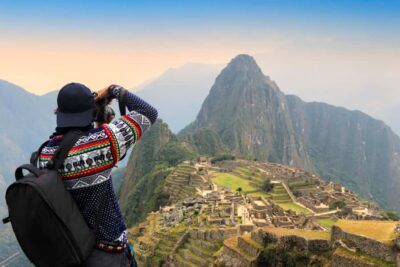
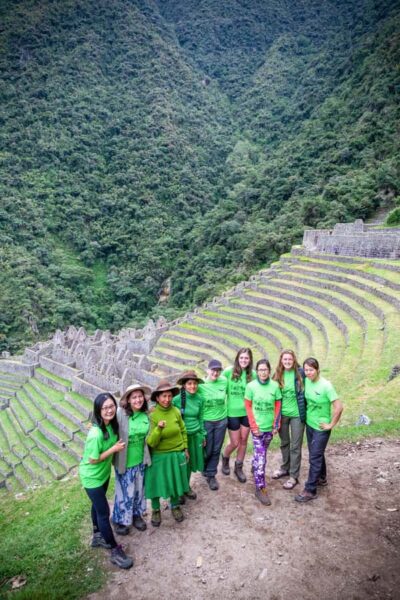
Machu Picchu: Inca Trail 2-Day Overnight Guided Tour
Read our review →
Short Inca trail to MachuPicchu || 2days – 1nigth ||
Read our review →
Machu Picchu: 5-Day Salkantay Trek with Panoramic Train
Read our review →Browse the lists this trek appears in