
Review · CUSCO
Machu Picchu: 5-Day Salkantay Trek with Panoramic Train
The best part of this five-day Salkantay Trek is the changing scenery. You begin among icy peaks and turquoise water, cross the high Salkantay Pass, then walk through cloud forest, coffee country, and Inca ruins before reaching Machu Picchu. It feels like a full journey, not just a long walk to the famous citadel.
I like the thoughtful camping setup, especially the glamping night beneath Salkantay mountain, and I like the strong food program. Chefs prepare fresh meals, snacks, coffee, and a Pachamanca feast, while guides such as Cesar, Roger, José, and Gilbert keep the group moving and cared for. The main concern is altitude: the first two days are demanding, and altitude sickness can affect even fit hikers.
Key points to know before booking
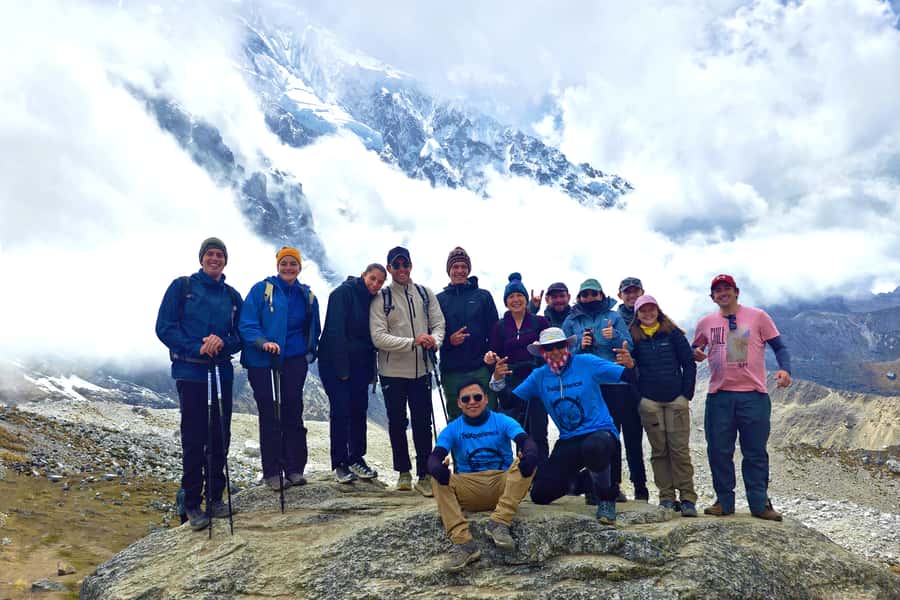
- 4,630-meter Salkantay Pass: The highest point comes on Day 2, after a steep morning climb and before a long descent.
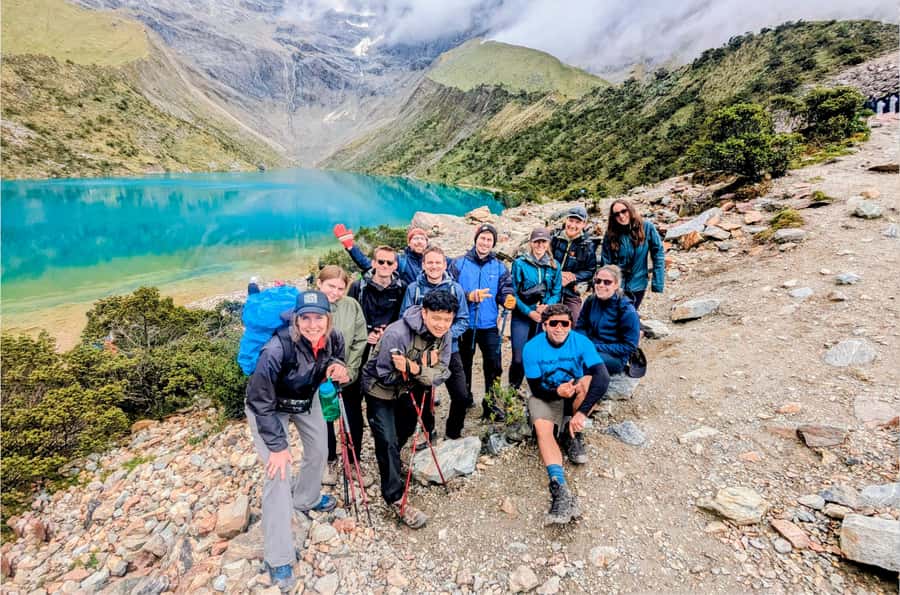
- Humantay Lake at 4,200 meters: The turquoise lake is beautiful, but the uphill walk to reach it is a serious opening test.
- Glamping under the peaks: You sleep in a comfortable tent at about 4,150 meters, with dinner and a clear night sky if conditions cooperate.
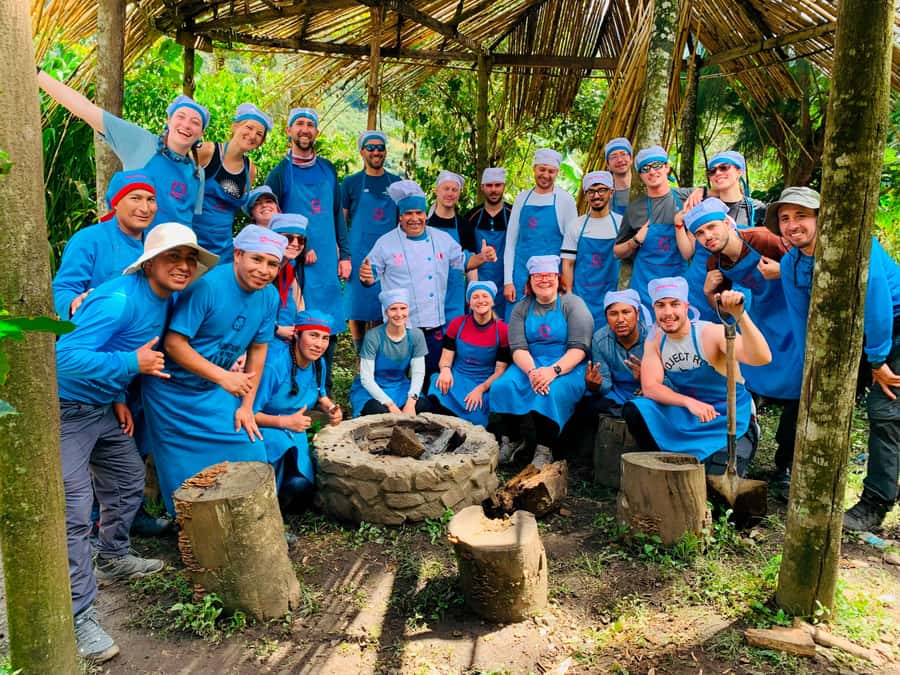
- Pachamanca and local coffee: Day 3 adds food and farming traditions to the physical challenge, with a barbecue cooked in an earth oven and coffee from Lucmabamba.
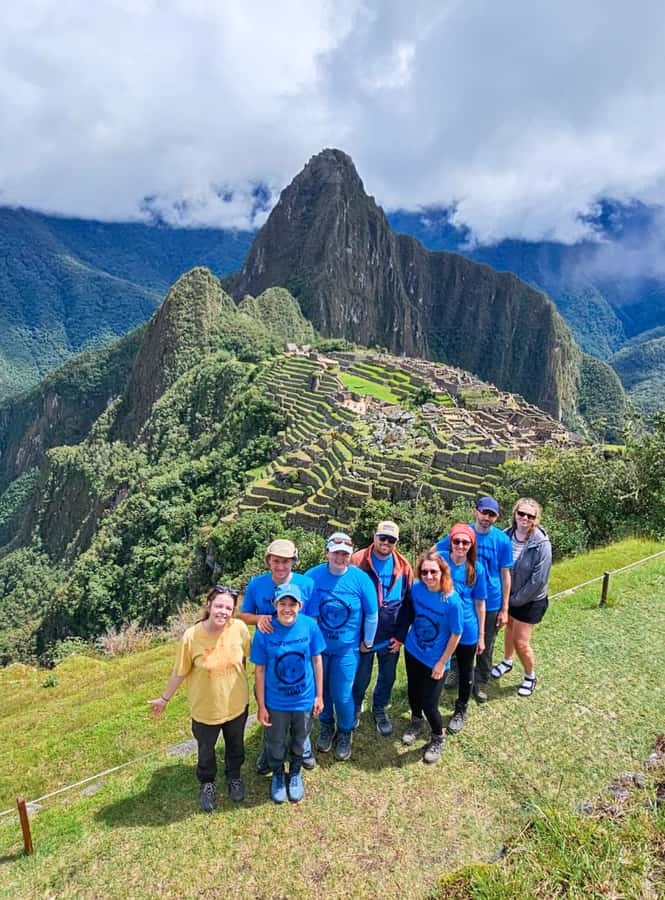
- Llactapata’s first view of Machu Picchu: Camping near the Inca site gives you a quieter first look at the citadel before the main visit.
- A scenic train home: The Vistadome or 360° service takes you from Aguas Calientes toward Ollantaytambo, followed by a private van to Cusco.
Why this route feels like a real journey
The Salkantay route is a good choice if you want more than the standard final approach to Machu Picchu. It links several parts of the Cusco Region that feel remarkably different, from cold high-altitude valleys to warm forest trails lined with coffee and orchids.
You leave Cusco at about 4:30 a.m., so this is not a gentle holiday start. The early pickup allows you to reach Mollepata for breakfast and begin walking before the day gets too hot. A group of up to 16 people keeps the experience small enough for personal help, but your walking pace may still vary from one person to another.
TreXperience includes guides, cooks, horsemen, camping equipment, transport, permits, meals, and the Machu Picchu visit. That matters on a route with several moving parts. Bags, food, tents, and transport must all meet you at the right place, and the guide team handles much of that work while you concentrate on walking.
The price is $655 per person. I consider that good value for five days because it covers the trek entrance, Machu Picchu entrance, round-trip bus to the citadel, one hotel night, three outdoor nights, most meals, snacks, a duffle bag carried by muleteers, and the panoramic train. You still need to budget for equipment rentals, drinks or personal purchases, and optional Huayna Picchu or Machu Picchu Mountain permits.
More Inca Trail Treks in Cusco
- Cusco: 4-Day Inca Trail to Machu Picchu with Accommodation
★ 4.8 · 432 reviews - Cusco: Machu Picchu 2-Day Inca Trail with Panoramic Train
★ 4.9 · 260 reviews - From Cusco: 2-Day Inca Trail to Machu Picchu
★ 4.2 · 244 reviews
Day 1: Humantay Lake and the high Salkantay camp
After breakfast in Mollepata, you meet the trekking team and start toward Humantay Lake. The walk to the lake takes about three hours and climbs to 4,200 meters. Even if you hike often at home, the altitude changes the effort. Take short steps, drink water, and do not treat the first morning like a race.
Humantay Lake is the first big reward. Its turquoise water sits below snow-covered mountain slopes, creating one of the most memorable views on the route. The area can feel busy around the viewpoint, but the scenery is still worth the uphill work.
You then descend to Soraypampa for lunch before making a gentler two-hour climb to the Salkantay glamp campsite at about 4,150 meters. This is one of the trip’s clever touches. Instead of a basic tent after a hard opening day, you get a more comfortable camp, a warm meal, and a place to sleep near the mountain.
Night temperatures can be cold at this height. A sleeping bag is not included, though you can rent one. An inflatable mattress and trekking poles are also available to rent. The tour supplies a sleeping pad, pillow, rain poncho, and hand towels, which reduces the amount of bulky gear you need to bring.
If the sky is clear, the first night can be special. You may see a wide field of stars with Salkantay mountain rising above camp. It is also the night when altitude may make itself known. Headache, nausea, and unusual tiredness should be reported to your guide early. The staff carries a first-aid kit, oxygen tank, and satellite phone, but those are safeguards, not substitutes for taking symptoms seriously.
Day 2: Salkantay Pass and the turn toward cloud forest
Day 2 is the toughest section for many people. You begin with coffee or coca tea, then climb toward the Salkantay Pass at 4,630 meters. This is the highest point of the trek, and the air can feel thin well before you reach the top.
The effort pays off with broad views of the surrounding peaks and a nearby glacial lake. Your guide can help you manage the pace, and the support team provides snacks and water for refilling. Bring your own bottle or hydration system, and use the breaks to add layers, sunscreen, or insect repellent as conditions change.
After the pass, the route turns downhill. Lunch at Wayracmachay breaks up the long descent, then the surroundings shift as the cold highlands give way to cloud forest. This change is one of the route’s great strengths. Over the course of a single day, you move from bare mountain country into warmer, greener territory.
The evening ends at Collpapampa, around 2,770 meters, where you stay in Andean huts. This is a welcome change after the high camp. The lower altitude usually feels easier, though Day 2 remains a long and tiring walking day.
You need to be honest about your fitness here. The route suits active people who are comfortable with long walks, and one participant described being ready for days approaching 25 kilometers. The guides can adjust the pace and offer encouragement, but they cannot remove the climbs, descents, or altitude.
Day 3: Pachamanca, coffee, and the first Machu Picchu view
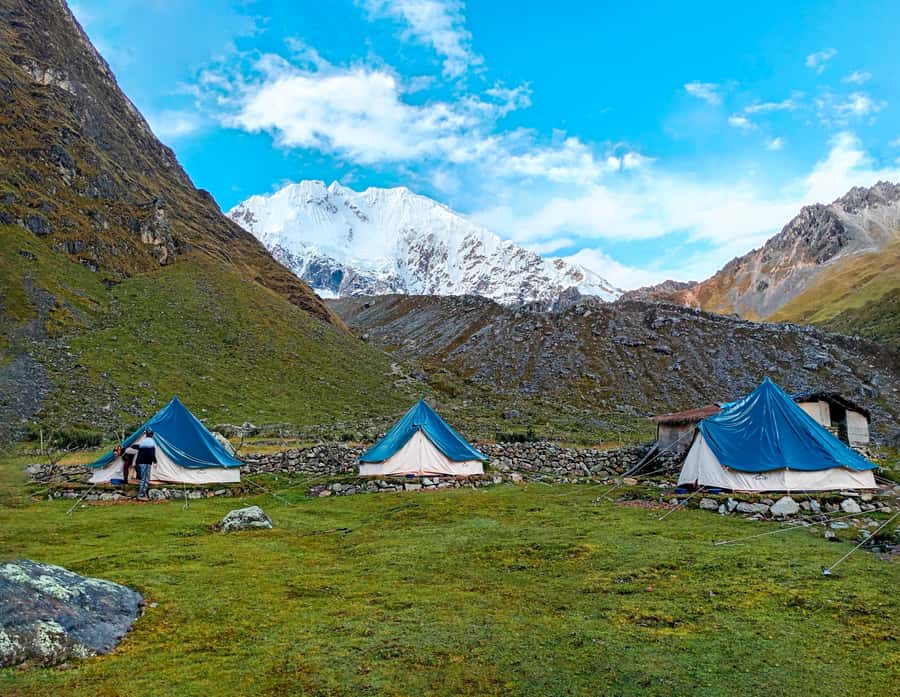
Day 3 brings a welcome shift from mountain exertion to local food and agriculture. The trail passes wooden bridges, waterfalls, plantations, and forest paths before reaching Lucmabamba at around 2,000 meters.
The Pachamanca meal is more than lunch. Food is cooked in an earth oven using heated stones, a traditional Andean method that turns the meal into a shared event. A cooking demonstration or class helps you understand the process rather than simply arriving at a prepared table.
The coffee experience adds another local connection. Lucmabamba is known for coffee growing, and you can visit farms and taste freshly brewed coffee. This is a useful counterpoint to the famous ruins: you see how people make a living in the valleys around the trail.
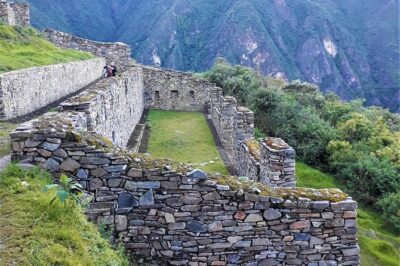
After lunch and the coffee stop, you follow a section of the Inca Trail for about three hours to Llactapata at 2,750 meters. The climb can feel harder after a generous meal, so the timing of the day may not suit everyone. A different order, with more walking before Pachamanca, might make the flow easier.
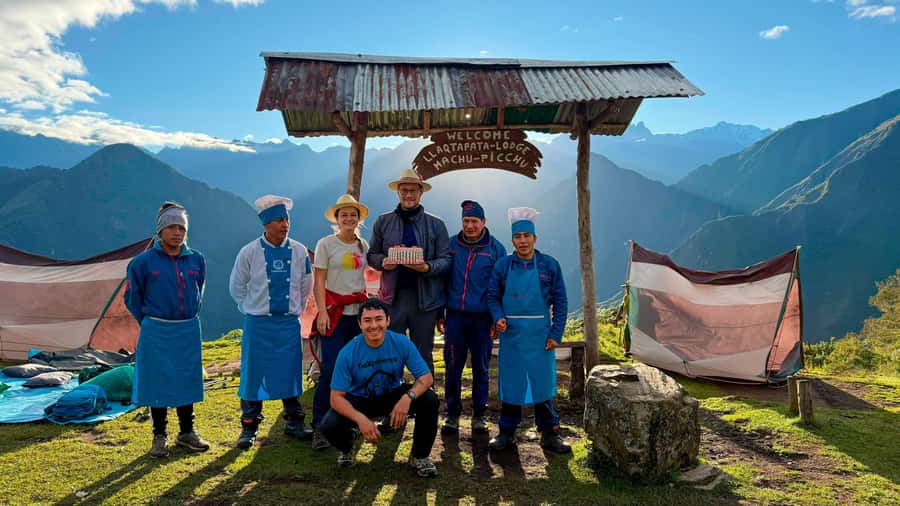
Llactapata is one of the most rewarding overnight stops. From camp, you get your first clear view of Machu Picchu in the distance. The citadel is not yet close, which is part of the pleasure. You see the destination before reaching it, then spend the night with that view in front of you.
The camp has also received particular praise for its setting. Bring a head torch, warm layers, and a small camera setup you can reach easily. Your main backpack should be no larger than 25 liters because larger bags cannot enter Machu Picchu.
Same trailhead, a different route:
- From Cusco: 7 Lakes Ausangate Trek with Breakfast and Lunch
★ 4.8 · 360 reviews - Machu Picchu: Inca Trail 2-Day Overnight Guided Tour
★ 4.9 · 203 reviews - Cusco: Full-Day Rainbow Mountain & Red Valley Trekking Tour
★ 4.5 · 121 reviews - Short Inca trail to MachuPicchu || 2days – 1nigth ||
★ 5.0 · 103 reviews
Day 4: Along the Urubamba River to Aguas Calientes
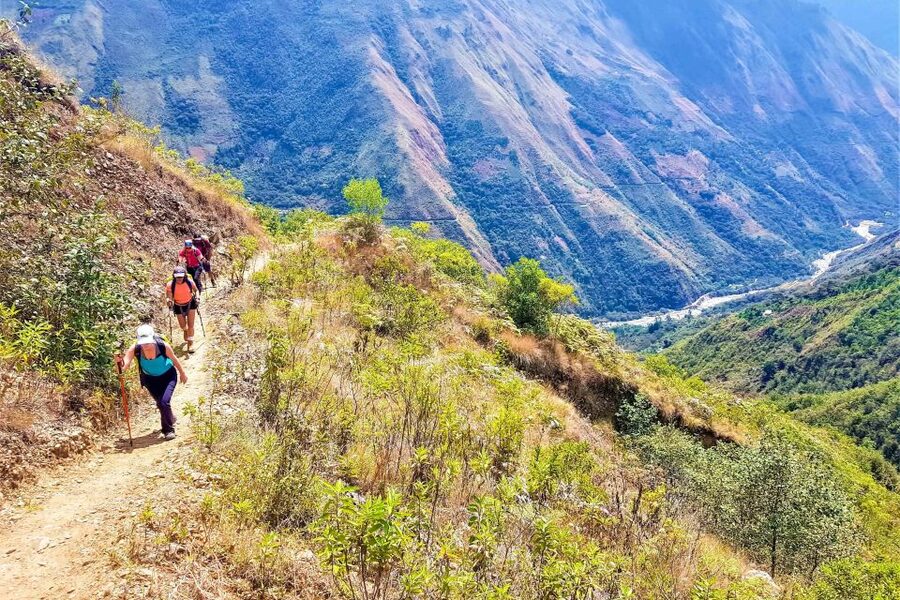
The morning begins with Machu Picchu visible from camp and freshly brewed coffee. You then descend for about two hours to the hydroelectric station. A final brunch with the trekking team comes before the last major walk.
From the station, you follow the railway and Urubamba River for about three hours to Aguas Calientes. This section is less about reaching a mountain viewpoint and more about watching the river valley change around you. The route can feel long after three demanding days, but it gives you time to settle into the idea that Machu Picchu is now close.
The stop at Mandor Botanical Gardens adds a useful pause. The area is known for birdlife and orchids, so keep your eyes open rather than walking with your attention fixed only on the next rest point.
In Aguas Calientes, you check into a three-star hotel. A hot-springs visit is optional in the evening, and you can also explore town or simply rest before the early Machu Picchu start. Dinner at a local restaurant is included in the plan for the evening.
This is the first night in a proper hotel, but do not expect a late start the next morning. The trip is designed to get you onto one of the first buses to Machu Picchu, when the light is softer and the site is often less hectic than later in the day.
Day 5: Machu Picchu, then the panoramic train
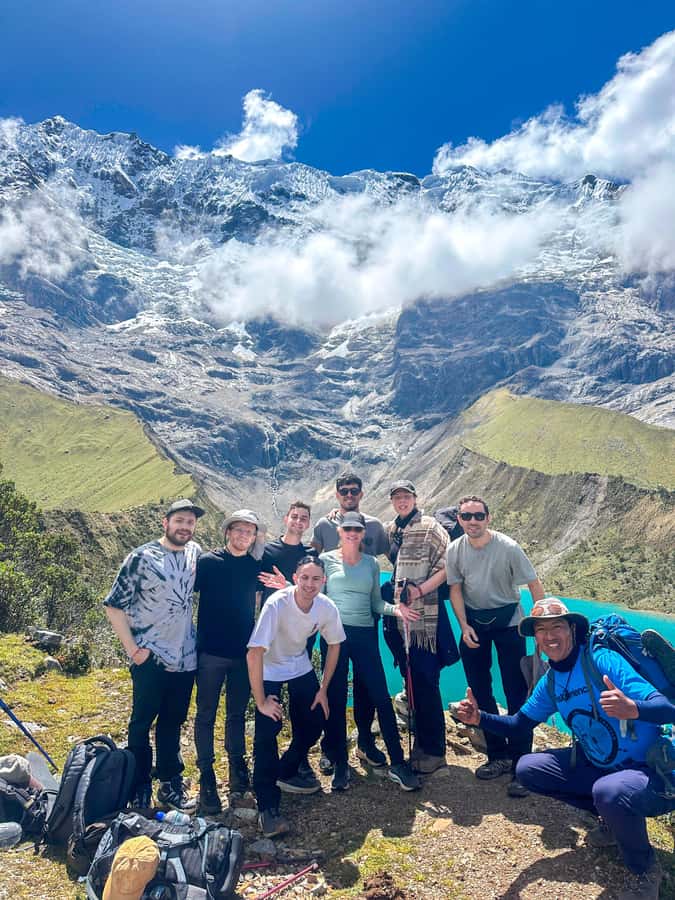
The final morning is the reason for all the walking. After an early breakfast, you take a bus up to Machu Picchu for a guided visit lasting about two to three hours.
The guide adds value here because the site is much more than a collection of impressive stones. A good guide can explain how the citadel fits into the wider Inca world and help you understand what you are seeing before you explore on your own.
The standard Machu Picchu visit does not automatically include Huayna Picchu or Machu Picchu Mountain. Those passes must be booked in advance and are separate from the main entry. If you want one of these extra climbs, plan it before departure rather than expecting to add it at the gate.
After the citadel, you return to Aguas Calientes for lunch and board the Vistadome or 360° train to Ollantaytambo. Large windows and a more open carriage design make the train ride a pleasant way to end the route. A private van then returns you to Cusco, with arrival expected around 7:30 p.m.
That final transfer makes this a long day. If you have an early flight the next morning, leave enough margin for rest and any possible transport delays. Guides have helped groups handle changes, including train disruption, but schedules can still be tiring.
Food, guides, and the practical comfort level
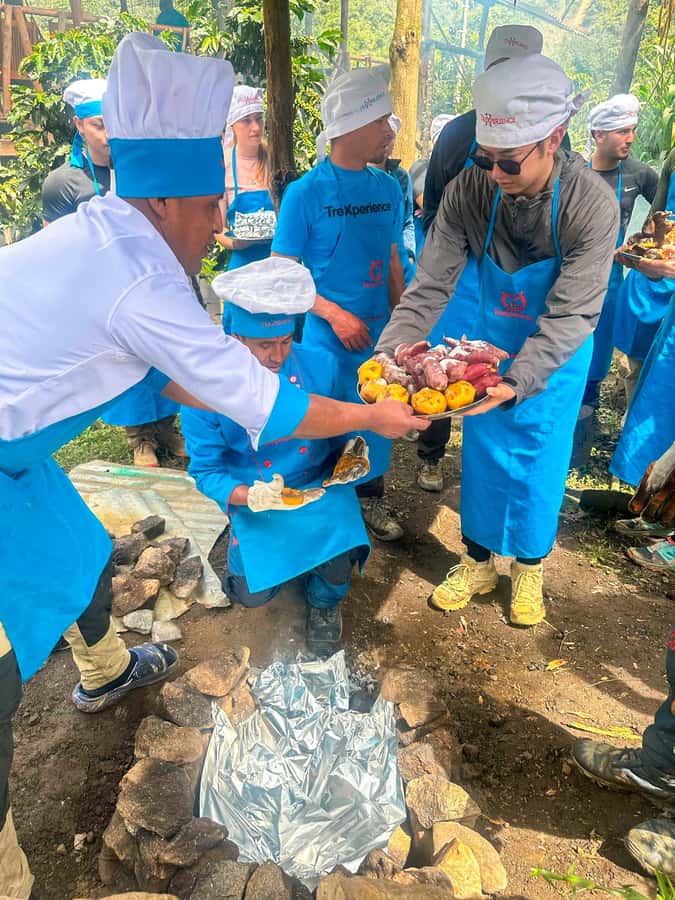
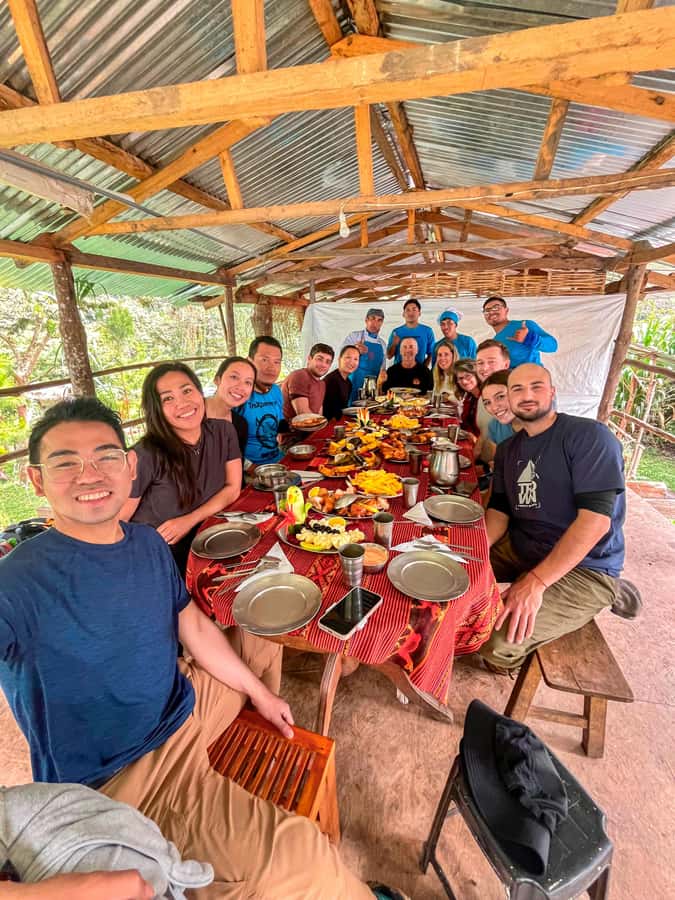
The food is one of the strongest parts of this trip. Experienced chefs prepare four breakfasts, three lunches, three dinners, snacks, and water. Meals can include several dishes, and vegetarian options are available if you advise the company when booking.
The cooking team matters more than many people expect. After hours of walking, a hot, generous dinner changes the mood of a camp. The support team also brings drinks and snacks along the route, keeps water available for refilling, and reminds you to protect yourself from sun and insects.
Guide quality can vary on any departure, but the named guides praised most strongly include Cesar, Roger, José, Gilbert, Miguel, Elias, Edi, and Klever. Their reported strengths include history and Inca explanations, first aid awareness, pacing, humor, and the ability to support hikers dealing with altitude sickness.
The guides also allow some flexibility. If you are slower, they can offer encouragement and breaks. If you are faster, you may sometimes walk ahead rather than feeling forced to match the slowest pace. That freedom is useful, but stay within the group’s safety plan and follow instructions at road, rail, and mountain sections.
Pack for several climates. You need warm layers for the pass, rain gear, sun protection, comfortable hiking shoes, insect repellent for the warmer valleys, toiletries, personal medication, cash, hand sanitizer or tissues, and extra batteries. Peru uses cash for many small purchases, so do not rely only on cards.
Who should book this trek
I would choose this route if you want Machu Picchu to feel like the final chapter of a physical and cultural journey. It suits active hikers who enjoy long days, changing weather, basic camps, and a clear sense of progress.
It is less suitable if you want a relaxed holiday, have serious back or heart problems, limited mobility, or are pregnant. Wheelchair users cannot take part, and children must be accompanied by an adult. Most importantly, you should be ready for altitude and should discuss medication such as acetazolamide with a medical professional before the trip if appropriate.
The tour is non-refundable, so check your fitness, dates, passport details, and equipment needs before paying. You must provide your passport name, number, expiration date, and country at booking. Carry your passport during the experience.
Should you book the Salkantay Trek?
Book it if you want mountain effort balanced by excellent meals, cultural stops, varied camps, and a scenic train finish. The combination of Humantay Lake, the 4,630-meter pass, Lucmabamba coffee, Pachamanca, Llactapata, and Machu Picchu gives you more texture than a quick visit to the ruins.
Think twice if altitude is a major concern or if you dislike early starts and long walking days. For everyone else, $655 buys a well-supported route with a small group, experienced staff, camping gear, transport, permits, meals, and a memorable approach to Machu Picchu. Bring cash, train your legs, and treat the first two days with respect.
FAQ
How long is the Salkantay Trek?
The experience lasts five days, beginning with an early pickup in Cusco and ending with a return to Cusco at about 7:30 p.m. on Day 5.
What is the highest point of the trek?
The highest point is Salkantay Pass at 4,630 meters. Humantay Lake is reached at about 4,200 meters, and the first campsite is around 4,150 meters.
What accommodation is included?
The package includes two camping nights, one night of glamping at Salkantay, and one night in a three-star hotel in Aguas Calientes. The second night is in comfortable Andean huts at Collpapampa.
Are meals included?
Yes. The package includes four breakfasts, three lunches, three dinners, daily snacks, and water. Vegetarian and other dietary options are available if you advise the company when booking.
Is the train back to Cusco included?
Yes. The return includes a Vistadome or 360° panoramic train from Aguas Calientes to Ollantaytambo, followed by a private van to Cusco.
Can I hike Huayna Picchu or Machu Picchu Mountain?
You can, but the pass for either mountain is not included. You must book the selected mountain in advance.
What should I bring for the trek?
Bring your passport, hiking shoes, warm layers, rain gear, sun protection, insect repellent, toiletries, personal medication, cash, a head torch, extra batteries, and a backpack no larger than 25 liters. A sleeping bag, inflatable mattress, and trekking poles can be rented.
More 5-Day Experiences in Cusco
- Ausangate Trek 5 Days
★ 5.0 · 74 reviews - Classic Choquequirao Trek – 5 Days / 4 Nights
★ 5.0 · 52 reviews - Ultimate Lares Trek & Inca Trail 5 days
★ 5.0 · 47 reviews - Salkantay Trek To Machu Picchu 5 Days And 4 Nights
★ 5.0 · 44 reviews
More Train Experiences in Cusco
- 4 Day Classic Inca Trail to Machu Picchu by 360° Train
★ 5.0 · 62 reviews - Short Inca Trail 2 Day Hike to Machu Picchu with Permits & Train
★ 5.0 · 51 reviews - Inca Trail 4 Day Adventure to Machu Picchu with Panoramic Train
★ 5.0 · 34 reviews - Cusco: 4-Day Lares Trek to Machu Picchu with Panoramic Train
★ 4.9 · 20 reviews
Just added around Cusco
- Classic Choquequirao Trek – 5 Days / 4 Nights★ 5.0 · 52 reviews
- Short Inca Trail 2 Day Hike to Machu Picchu with Permits & Train★ 5.0 · 51 reviews
- 2 Day Tour Throughout the Short Inca Trail to Machu Picchu★ 5.0 · 36 reviews
- Small Group: 4-Day Inca Trail Trek to Machu Picchu★ 5.0 · 33 reviews
- 5-Day: Salkantay Trek to Machupicchu and Humantay Lake★ 5.0 · 42 reviews
- 2 Day – Short Inca Trail to Machu Picchu – Group Service★ 5.0 · 30 reviews
- 5 Day – Salkantay trek to Machu Picchu – Group Service★ 4.5 · 27 reviews
- Salkantay Trek Standard 5D/4N★ 5.0 · 48 reviews
Machu Picchu & Inca Trail Treks, compared.
4-Day Inca Trail to Machu Picchu with Accommodation
Read our review →
Machu Picchu 2-Day Inca Trail with Panoramic Train
Read our review →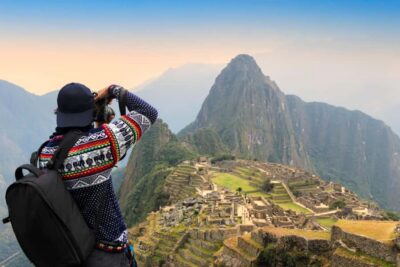
Machu Picchu: Inca Trail 2-Day Overnight Guided Tour
Read our review →
Short Inca trail to MachuPicchu || 2days – 1nigth ||
Read our review →
Browse the lists this trek appears in