
Review · ARUSHA
4 Days best Mount meru trekking
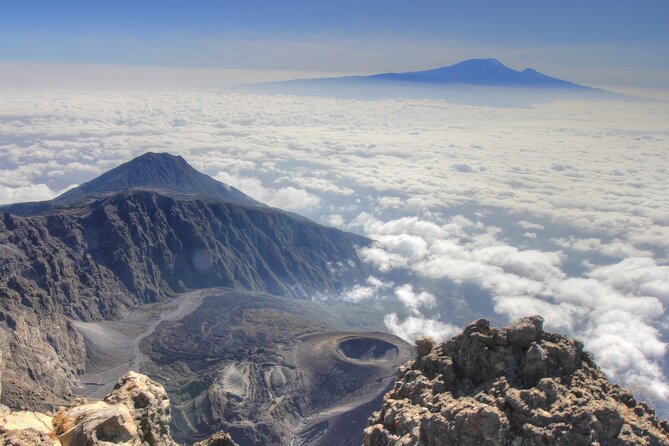
Mount Meru gives you a rare combination: a serious 4,566-meter mountain climb and a wildlife walk through Arusha National Park. Your first hours may include giraffes, zebras, antelopes, buffaloes, and black and white colobus monkeys, while an armed ranger escorts the group through the park.
I like the four-day schedule because it gives your body more time to adjust than the shorter three-day option. I also like the summit ridge, where you walk between the crater and inner cliffs as dawn comes up and Kilimanjaro may appear in the distance. The main drawback is the summit day: 10 to 12 hours of hiking after a 1:30 a.m. start is a serious test.
I also appreciate the practical setup, with transfers from your Arusha hotel, a cook, porters, park fees, meals, drinking water, rescue fees, and emergency oxygen included. The price is $1,189 per group for up to 15 people, which can be good value for a full group, but you still need to budget for tips and personal mountain equipment.
Key points to know before you book
- Wildlife comes before the hard climb: The first day can feel like a walking safari, with possible sightings of giraffes, zebras, antelopes, buffaloes, and colobus monkeys.
- An armed ranger is required: You are escorted through Arusha National Park rather than hiking independently.
- Four days helps with acclimatization: The extra night at Saddle Hut gives you more time before the summit attempt.
- Little Meru is an optional bonus: At 3,820 meters, this short climb offers more views and added acclimatization on day two.
- Summit morning is demanding: You wake at 12:30 a.m., start around 1:30 a.m., and may hike for 10 to 12 hours.
- The group price changes the value: At the full 15-person limit, the listed price works out to about $79 per person, but smaller groups pay more per person.
Why Mount Meru makes a strong four-day climb
Mount Meru is about 20 kilometers east of Arusha, inside Arusha National Park. At 4,566 meters, it is Tanzania’s second-highest mountain. It is often used as preparation for Kilimanjaro because the climb gives you a real high-altitude test without requiring the same length of expedition.
The mountain has one main route to the summit. You can attempt it in three days, but the four-day version is the wiser choice for most people. The extra time does not make the mountain easy, but it gives you a better chance to adjust before the hardest section.
You will move through several vegetation zones. The lower part feels like a park walk, then the route enters forest, alpine desert, and finally the exposed summit ridge. That change is one of the trek’s best features. You are not simply walking uphill for four days. The views, vegetation, and sense of exposure change as you gain height.
The experience is also more organized than a self-guided mountain outing. A professional guide leads the climb, porters carry group supplies, and a cook prepares meals. Park and rescue fees are included, along with an emergency oxygen cylinder. Oxygen is not a substitute for proper acclimatization or medical care, but having it with the mountain team is a useful safety measure.
A few more treks around Arusha worth a look
- 4 Days Mount Meru Trekking
★ 5.0 · 55 reviews - 4 days Best experience Kilimanjaro Hike, Serengeti &Ngorongoro
★ 5.0 · 54 reviews - 4 Days Mount Meru Climbing | Hiking | Trekking Tour
★ 5.0 · 13 reviews
Day one: Momella Gate and a wildlife walk
After breakfast at your Arusha hotel or lodge, you drive to the first Arusha National Park gate for registration. You then continue to Momella Gate, the trailhead. Park formalities take place here, while the porters and cook organize, pack, and weigh the supplies for the climb.
You may eat a packed lunch at the gate before walking. The first day lasts about five to seven hours, depending on the exact route and pace. This is not just a warm-up on a dull road. The opening section is more like a walking safari, with possible sightings of giraffes, zebras, antelopes, buffaloes, and black and white colobus monkeys.
The presence of wildlife explains why an armed ranger is required. You are walking through a national park, not just on a mountain trail. The ranger escort adds a practical safety layer, but it also changes the feel of the day. You need to follow instructions, keep the group together, and respect the animals’ space.
The first day may be the most accessible part of the trek physically, but do not treat it as a free stroll. You are carrying your day pack, gaining altitude, and beginning a climb that becomes much steeper later. Walk steadily and save energy. The aim is not to race to the first hut.
The included transfer back to Arusha after the trek is useful because it removes the need to arrange separate transport at the end. Pickup is offered, and the tour includes transfers to the mountain and back to your Arusha hotel.
Day two: Forest, crater views, and Saddle Hut
Day two covers about three to five hours of hiking, with the trail moving through the forest zone. The path becomes steeper, and you may still see wildlife along the way. The route also opens toward views of the Mount Meru Crater and the Ash Tray, giving you a stronger sense of the volcano’s shape.
You arrive at Saddle Hut, at roughly 3,500 meters, around lunchtime. After lunch and a rest, you can climb Little Meru with your guide if you feel well enough. Little Meru reaches 3,820 meters and gives you wider views around the mountain. It also provides extra time at altitude, which can help your body adjust before the summit attempt.
The word optional matters here. You should not force Little Meru if you have a headache, unusual fatigue, nausea, or other signs that your body is struggling. The summit is the main goal, and rest may serve you better than collecting another peak.
Saddle Hut is in the alpine desert zone, so conditions will feel more exposed and spare than in the forest. The schedule calls for an early dinner and sleep around 7:00 p.m. This is a short night. You should organize your summit clothing, water, headlamp, and personal items before lying down.
The tour provides breakfast, lunch, and dinner during the trek, with three breakfasts, four lunches, and three dinners listed among the inclusions. Drinking water is also included. You still need to bring or rent your own sleeping bag, boots, warm clothes, and other personal trekking gear.
Day three: Rhino Point, Cobra Point, and the summit ridge
Summit day begins at 12:30 a.m. with tea and biscuits. The climb starts around 1:30 a.m. and takes about 10 to 12 hours in total. That long day includes the summit push and the descent, so it is the point where fitness, pacing, sleep, and clothing all matter.
The trail climbs steeply toward Rhino Point at about 3,800 meters, then continues to Cobra Point at about 4,350 meters. From there, you follow a rocky ridge between the crater and Mount Meru’s inner cliffs. The terrain and darkness make this section more demanding than the forest trail below.
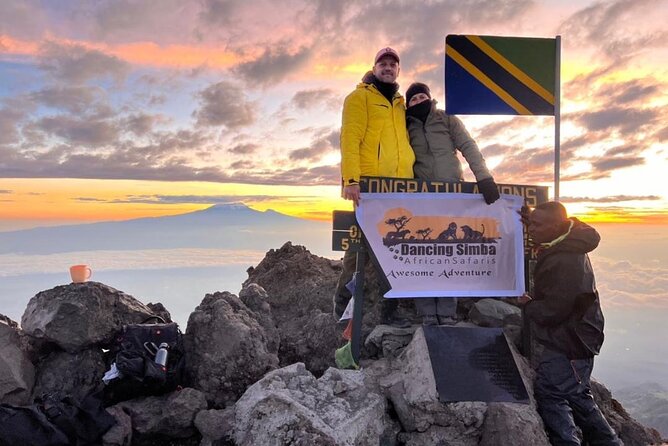
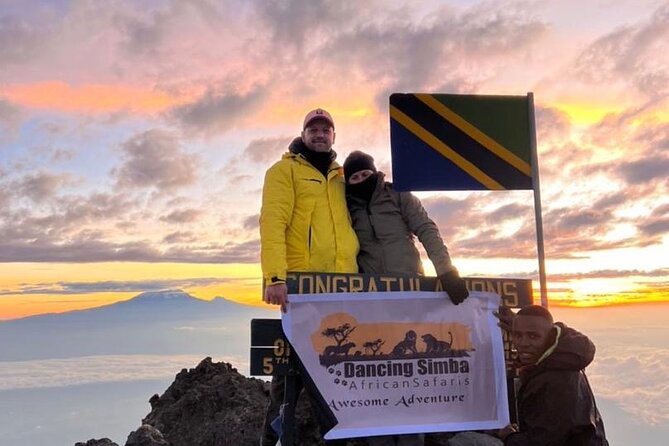
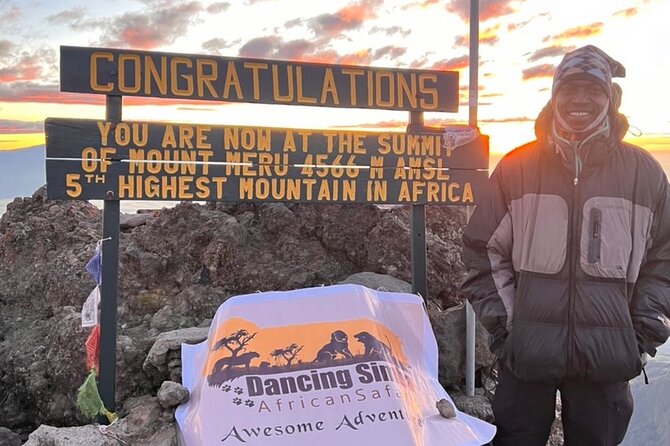
You aim to reach the summit at 4,566 meters in the early morning. If conditions cooperate, you can watch the sun rise from the east. Kilimanjaro is usually visible from this high point, and the crater cliffs drop sharply for roughly 1,000 feet or more. The setting is dramatic, but the ridge is also exposed, so listen closely to your guide and ranger.
The coldest conditions are likely to come before sunrise, when you are tired and moving slowly. Your personal gear matters greatly here. The operator does not provide sleeping bags, hiking boots, or clothing, so you need to arrive prepared for a cold, dark, high-altitude start.
After time at the summit, you descend to Saddle Hut for rest and food before continuing as scheduled. The supplied timing describes this as a nine-hour day in one section and 10 to 12 hours in the itinerary details. In practical terms, you should plan for a very long day rather than rely on the shorter figure.
This is also where the four-day version earns its keep. You have already spent a night at altitude, and the optional Little Meru climb can help you get used to the height. Nothing removes the risk of altitude sickness, but a measured schedule gives you a better chance than rushing the mountain in three days.
Same trailhead, a different route:
- 8-Day Small-group Lemosho Kilimanjaro Summit Trekking
★ 5.0 · 186 reviews - 7-Day Machame Kilimanjaro Summit Tour from Arusha
★ 5.0 · 125 reviews - Mountain Kilimanjaro Day Hike
★ 5.0 · 102 reviews - From Arusha/Moshi: Kilimanjaro Hike Marangu Route Day Trip
★ 4.5 · 54 reviews
Day four: Forest descent and the return to Arusha
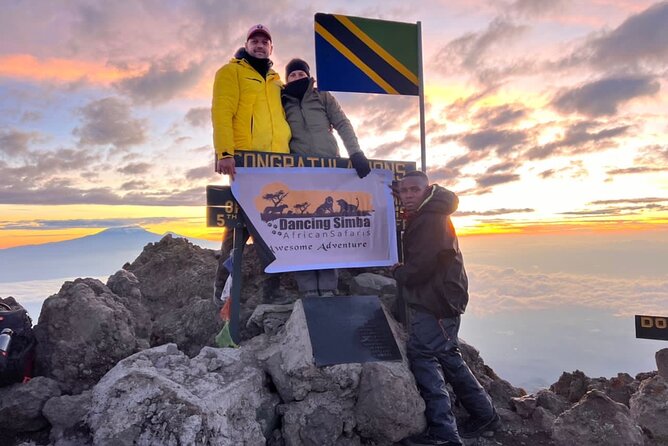
After rest and a relaxed breakfast, you descend toward Momella Gate. The final hiking section takes about two to three hours and passes through forest, where you may see more animals.
If you took the longer route on day one, the descent may pass by Tululunsi Waterfalls. This gives the last day a little more variety, although the supplied timing suggests that the walk remains shorter than the summit day.
At Momella Gate, you meet your driver for the return to Arusha. Before leaving, you say goodbye to the guide, porters, and cook and handle tipping. Tips are not included, so bring a separate budget for gratuities.
The descent can feel deceptively easy after reaching the summit. Your legs may be tired, and downhill walking can be hard on knees and ankles. Use trekking poles if you normally rely on them, take care on uneven ground, and keep some water and food accessible until you reach the gate.
What the $1,189 group price really covers
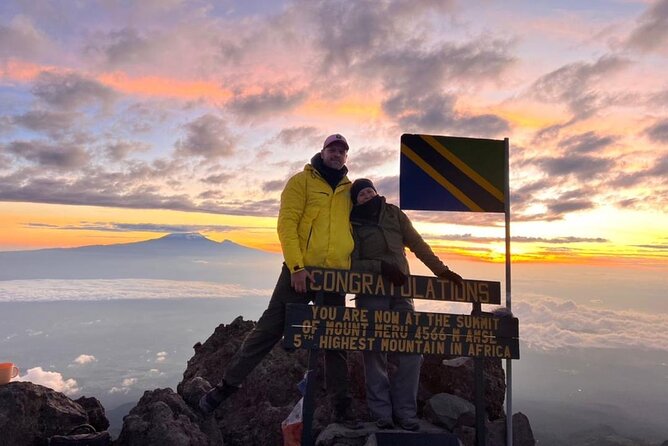
The listed cost is $1,189 per group of up to 15 people. At the maximum group size, that works out to about $79 per person. A group of 10 would pay about $119 per person, while a smaller private group would pay more.
The price includes more than a guide and a trail permit. You receive:
- Transfers to the mountain and back to your Arusha hotel
- Professional mountain guides
- Porters and a cook
- Guide, porter, and cook salaries
- Arusha National Park fees
- Rescue fees as part of the park fees
- An emergency oxygen cylinder
- Drinking water
- Binoculars
- Three breakfasts, four lunches, and three dinners
- Government VAT at 18 percent
That is a substantial bundle for a four-day mountain trip. The cost is especially attractive if you have a full group and want transport, staff, meals, and park arrangements handled together.
Still, the group price needs careful reading. It is not $1,189 per person, but it is not an all-inclusive personal travel budget either. International and domestic flights are excluded. So are souvenirs, tips, gratuities, sleeping bags, hiking boots, and trekking clothes.
The group limit is 15 people. That is large enough to affect pace and personal attention, although the actual number in your departure may be smaller. Ask how the group will be managed if you are concerned about hiking speed or want a more private experience.
Who will enjoy this trek most
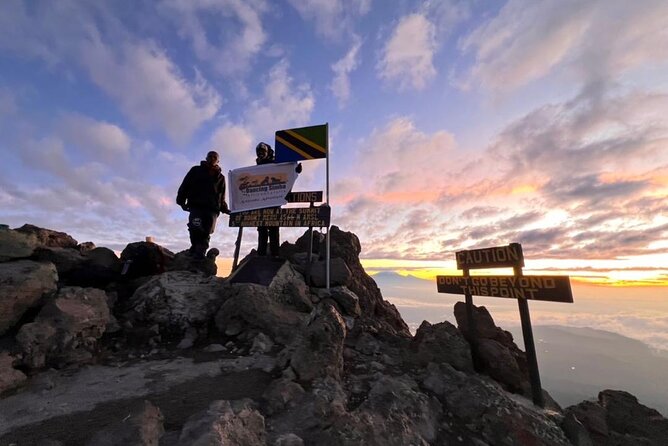
This trip suits you if you want a demanding mountain experience with wildlife and a clear four-day structure. It is also a logical option if you are preparing for Kilimanjaro and want to learn how your body responds to altitude.
You should be comfortable hiking for several hours on consecutive days. The summit morning is the real measure of difficulty. A 1:30 a.m. start, steep sections, a rocky ridge, high altitude, and up to 12 hours on foot require more than casual holiday fitness.
The experience may be less suitable if you dislike early starts, shared group arrangements, basic mountain accommodation, or uncertain wildlife sightings. Animals are possible, not guaranteed. Kilimanjaro may be visible from the summit, but mountain weather controls the view.
You also need to be ready for the fact that the route has only one main way to the top. That gives the trek a straightforward shape, but it means there is less variety than on a mountain with several routes.
Practical details that affect your decision
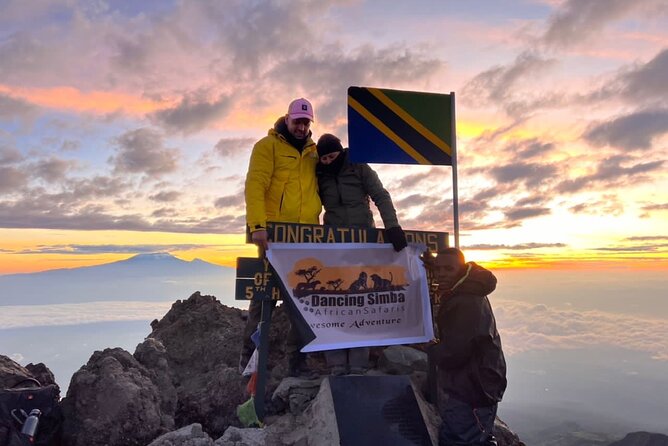
Confirmation is provided at booking, and pickup is offered. Most people can participate, but the information does not give a detailed medical screening standard. If you have a medical condition or past altitude problems, get professional medical advice before booking.
Bring the personal equipment not supplied by the operator. The essential categories are a suitable sleeping bag, broken-in hiking boots, and warm trekking clothes. You will also want to keep summit-day layers, water, and snacks easy to reach.
The provider includes binoculars, which fit the wildlife focus of the lower trail. They are most useful early in the trek, when you pass through the park and may see giraffes, zebras, antelopes, buffaloes, or monkeys.
Free cancellation is available if you cancel at least 24 hours before the experience starts. Cancellations inside that period are not refunded, and changes made inside 24 hours are not accepted. Cut-off times follow local time in Tanzania, so check the start time carefully before making changes.
Should you book the Mount Meru trek?
Book this trek if you want a compact Tanzanian mountain trip that combines a national park walk, possible wildlife sightings, a ranger escort, crater scenery, and a serious summit attempt. The four-day schedule is the sensible choice, especially if you are using Mount Meru to prepare for Kilimanjaro.
I would be more cautious if your main goal is comfort or a guaranteed wildlife safari. This is a mountain climb, and the summit day is long. You must supply key personal gear, pay tips separately, and accept that the group size can reach 15.
For a full group, the included transport, staff, meals, park fees, rescue fees, VAT, and emergency oxygen make the price appealing. For a small group, compare the per-person cost with other guided Mount Meru options. If you are ready for a demanding climb and want more than a standard safari, this is a strong four-day choice.
FAQ
Where does the Mount Meru trek begin?
The trek begins at Momella Gate in Arusha National Park, after registration at the first park gate and a transfer from your Arusha hotel or lodge.
How high is Mount Meru?
The summit reaches 4,566 meters above sea level. Saddle Hut is at about 3,500 meters.
Is an armed ranger included?
Yes. You are escorted by an armed ranger or rangers while passing through Arusha National Park.
What is the hardest day?
Day three is the hardest. You wake at 12:30 a.m., begin hiking around 1:30 a.m., climb through Rhino Point and Cobra Point, reach the summit, and complete a long descent. The day takes about 10 to 12 hours.
Is Little Meru included?
Little Meru is an optional climb on day two with your guide. It reaches about 3,820 meters and provides extra views and acclimatization.
What does the price not include?
The price does not include international or domestic flights, souvenirs, tips and gratuities, sleeping bags, hiking boots, or personal trekking clothes.
Just added around Arusha
- Mt. Kilimanjaro: Shira plateau to Cathedral point 3872m Day hike★ 5.0 · 7 reviews
- 5 days safari, hiking & culture (Serengeti & kilimanjaro)★ 5.0 · 27 reviews
- One Day Hike from Kilimanjaro to Mandara★ 5.0 · 2 reviews
- 3 Days Mount Meru trekking★ 4.5 · 7 reviews
- climb the KILIMANJARO via Lemosho route★ 5.0 · 4 reviews
- 6 Day: Hiking Kilimanjaro via Machame Route★ 5.0 · 2 reviews
- Private 8 day Northern Circuit Kilimanjaro Climb★ 5.0 · 8 reviews
- Kilimanjaro Waterfalls Hike & Moshi Hot Springs Day Trip Tour★ 5.0 · 4 reviews
4-Day Experiences, compared.
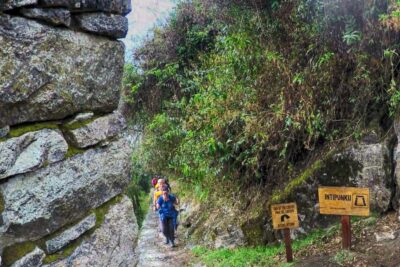
4-Day Inca Trail to Machu Picchu with Accommodation
Read our review →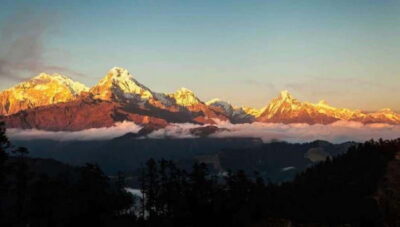
4-Day Ghorepani, Poonhill & Ghandruk Mountain Trek
Read our review →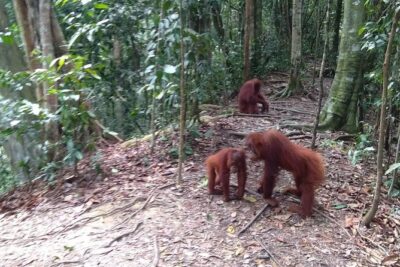
TOUR PACKAGE (jungle trekking, taxi, Room) 4 DAYS 3 NIGHTS in BUKIT LAWANG
Read our review →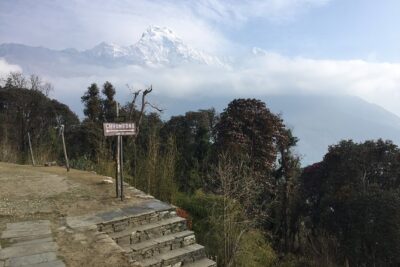
Ancascocha Trek To Machu Picchu 4 Days And 3 Nights
Read our review →
4 Day Inca Trail Trek to Machu Picchu Multi day tour
Read our review →Browse the lists this trek appears in