
Review · SAPA
AUTHENIC 2D1N Trek & Bungalow Retreat with Dinh Hmong Family
The best part of this Sapa trek is that the overnight stay is not simply a bed in a village. You spend the evening with Dinh’s Hmong family, help prepare dinner, learn about marriage customs and daily life, and may watch local children perform a traditional dance. I like the personal touch, and I like that the trek includes both famous rice terraces and quieter village paths.
I also like the clear value: $48 includes two lunches, dinner, breakfast, a guide for two days, village fees, a family homestay, drinking water, and the ride back to Sapa. The tradeoff is the walking. Eighteen kilometers over two days means steep, uneven ground, and this is not a gentle sightseeing stroll.
Key points to know
- Sleep with Dinh’s Hmong family in Ta Van, in a simple bungalow-style homestay with valley views and basic comforts.
- Walk through Muong Hoa Valley, Y Linh Ho, Lao Chai, Ta Van, bamboo forest, and Giang Ta Chai.
- Learn through daily life, including a cooking session, local marriage traditions, farming, and village customs.
- Expect a moderate trek, with about 9 to 12 kilometers on day one and 7 to 8 kilometers on day two.
- Enjoy a strong value at $48, with four meals, water, village entry fees, and return transport included.
- Plan for a small-group setting, since you walk with other people rather than having the whole route to yourself.
Why this Sapa trek feels personal
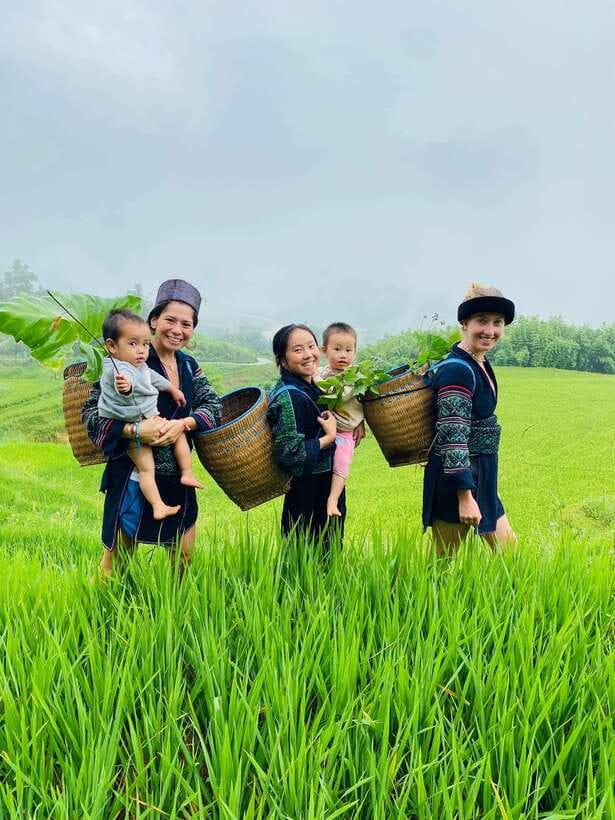
Many Sapa walks give you a good view, a village visit, and a ride back to town. This one adds a family connection. Dinh is a local Hmong guide, and her sister helps welcome you at the start. That matters because the cultural part is not limited to a few facts delivered on the trail.
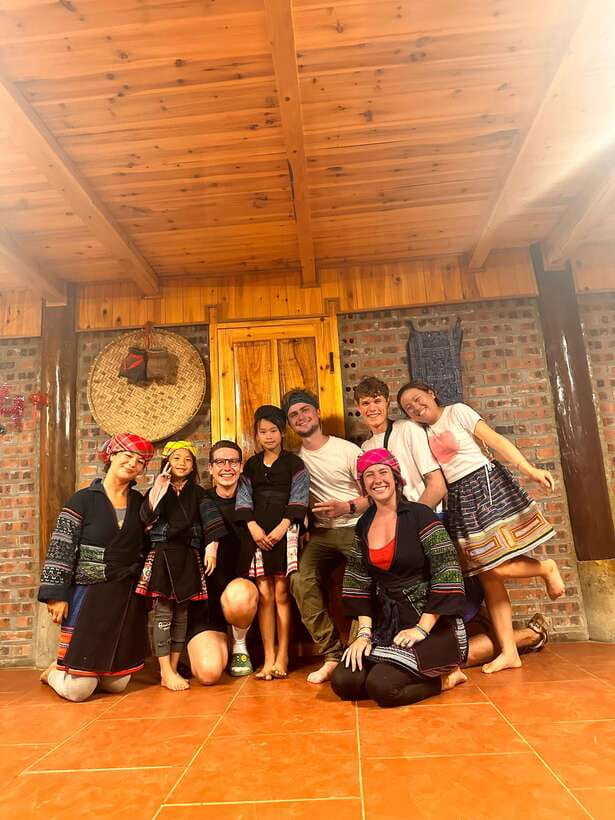
Dinh shares her own experience, explains differences between Hmong and Giay communities, and talks about traditional marriage customs. At the homestay, she also tells you about supporting the education of 10 local children. The evening can include local children, a traditional dance, games, and happy water, the local rice wine.
I would choose this experience if you want to understand more than the names of the villages. You get the chance to see how family, farming, food, and education connect in mountain communities. The contact is informal rather than polished, which is part of its appeal.
The setting is also a strong point. You walk through rice terraces, open mountain views, bamboo forest, and village lanes. Depending on the season, you may see people planting or harvesting rice. The scenery changes as you leave Sapa behind, so the walk does not feel like one long viewpoint stop.
A few more treks around Sa Pa worth a look
- EXPLORE SAPA: 2D1N TREKKING & HMONG CULTURE WITH DINH
★ 4.9 · 191 reviews - Sa Pa: 2-Day Trekking Trip with Ethnic Minority Homestay
★ 4.7 · 145 reviews - Sapa : 2-Day Trek & Heartwarming Homestay with an Ethnic Family
★ 5.0 · 143 reviews
Day one: from Sapa to Muong Hoa Valley
The tour begins at 9:00 AM, with pickup at your Sapa hotel or a meeting point near the local main church. Starting in the morning gives you a full day on foot, so do not book this as a late-arrival activity. To enjoy the full route, you need to book before 1:00 PM on day one, though the listed start time remains 9:00 AM.
The first section leads down from Sapa toward Y Linh Ho village. This is a useful way to begin because the town quickly gives way to terraces, mountain air, and rural paths. The route covers roughly 9 to 12 kilometers and takes about five and a half hours, though stops and ground conditions affect the pace.
You should expect uneven surfaces and some steep sections. Comfortable shoes are essential. Sandals or smooth-soled trainers would make the downhill and muddy parts harder, especially if conditions are wet.
Y Linh Ho and the Muong Hoa rice terraces
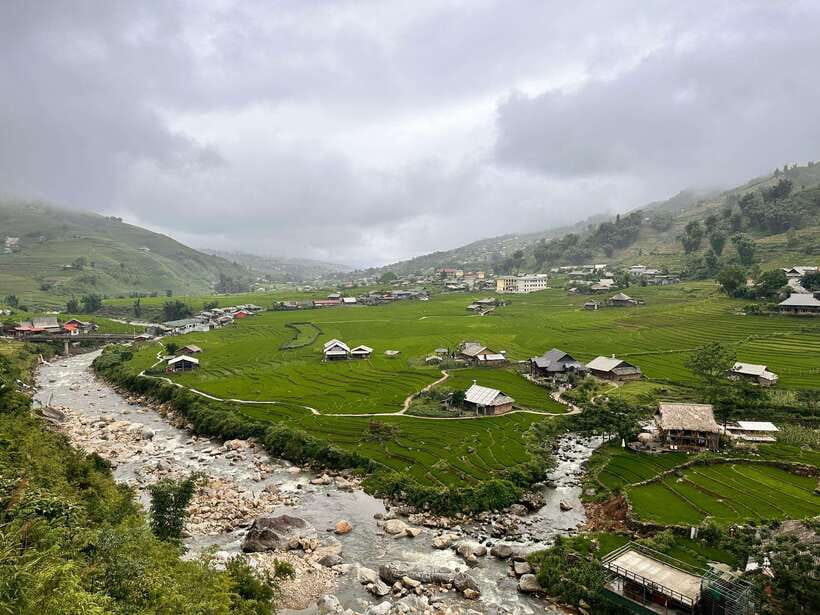
Y Linh Ho is one of the first major village areas on the route, and the walk here gives you the classic Muong Hoa Valley view. Rice terraces fold across the hillsides, with the appearance changing by season. Green fields, standing water, planting, and harvest activity can all give the same valley a different look.
This is a good place to slow down for photographs, but do not treat the route as a string of photo stops. The value is in walking through the farming area and seeing how the terraces shape local life. The same slopes that look beautiful from a distance are working fields maintained by hand and seasonal labor.
Lunch takes place at a small restaurant run by a local Hmong family. The meal is included, along with the second lunch on day two, dinner, and breakfast. Food is prepared with local ingredients, and the setting is more modest than a town restaurant. That simplicity fits the experience, but you should not expect a broad menu or hotel-style service.
Bring snacks if you like to eat between meals. Snacks are not included, and the walking day is long enough that you may want extra energy.
Lao Chai, one of the larger Hmong villages
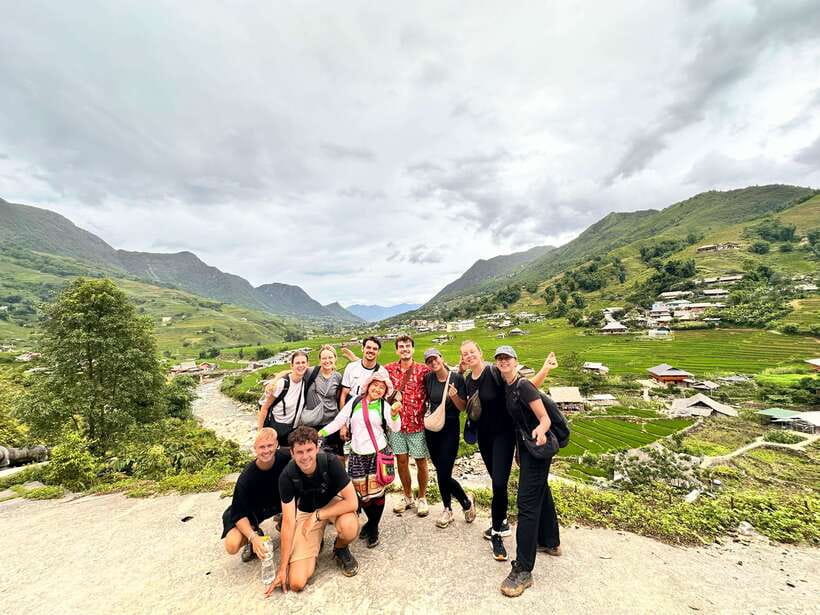
After lunch, the route continues to Lao Chai, described as one of the oldest and largest Hmong villages in the area. Here the walk shifts from broad valley views to a closer look at village life. Dinh explains local customs and the differences between the ethnic groups living in the region.
This is where having a local Hmong guide adds real value. You can ask questions about marriage traditions, farming, clothing, family life, and the way communities relate to one another. The tour information specifically highlights Hmong marriage customs, so ask Dinh to explain the parts that interest you rather than waiting for a formal talk.
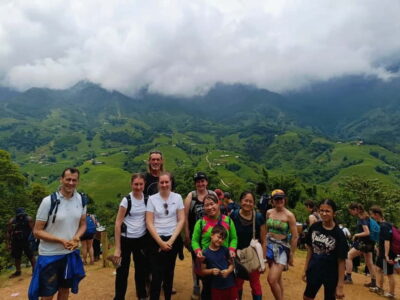
Sapa’s most popular routes can feel busy at certain times. This trek is a group tour, so you will not have the trail entirely to yourself, but the route includes village paths and quieter sections. One person described taking less crowded paths, though the exact amount of foot traffic depends on the day and season.
Same trailhead, a different route:
- Sa Pa: Muong Hoa Valley Trek and Local Ethnic Villages
★ 4.6 · 864 reviews - Sapa: Eco Adventure Terrace Fields and Local Villages Trek
★ 4.9 · 636 reviews - Number one top rated ethical cultural trekking and homestay by ETHOS
★ 5.0 · 456 reviews - From Sapa: 1-Day Guided Trek to Lao Chai & Ta Van with Lunch
★ 4.9 · 416 reviews
Ta Van and the family homestay
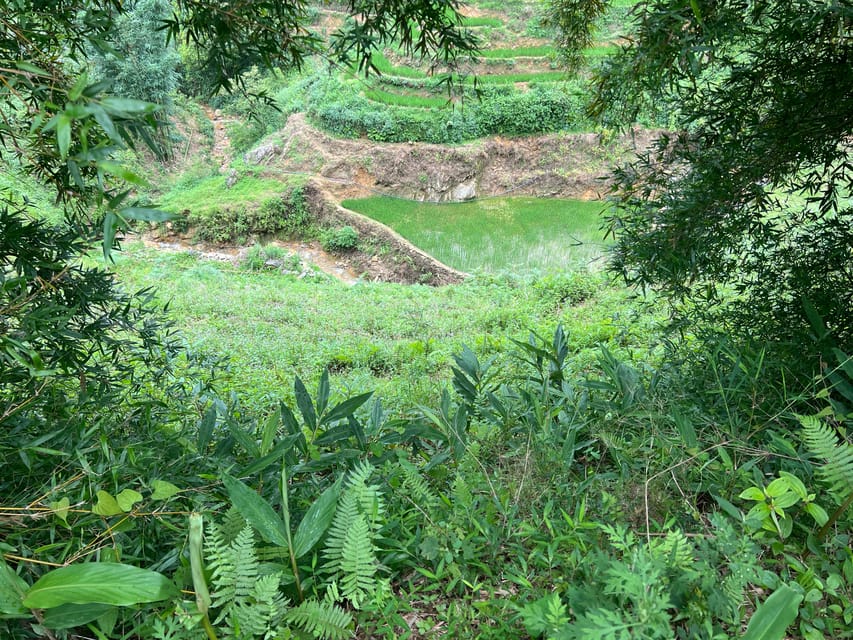
The final part of day one leads to Ta Van, where Giay and Hmong communities live. The valley setting is a major reason to spend the night here instead of returning to Sapa. You are not rushing through the village for a quick visit. You have time to shower, rest, and watch the surroundings change toward evening.
The accommodation is simple, clean, and cozy according to the experience details and guest impressions. Expect basic amenities rather than a full hotel room. The homestay may suit you well if you value a comfortable bed, a peaceful setting, and a family meal more than private luxury.
Some descriptions call it a bungalow retreat, with bamboo details and views over rice fields. You should still keep expectations grounded. This is a family homestay with basic facilities, not a resort. Let Dinh know your accommodation preference when you book.
Cooking, dinner, and an evening with the family
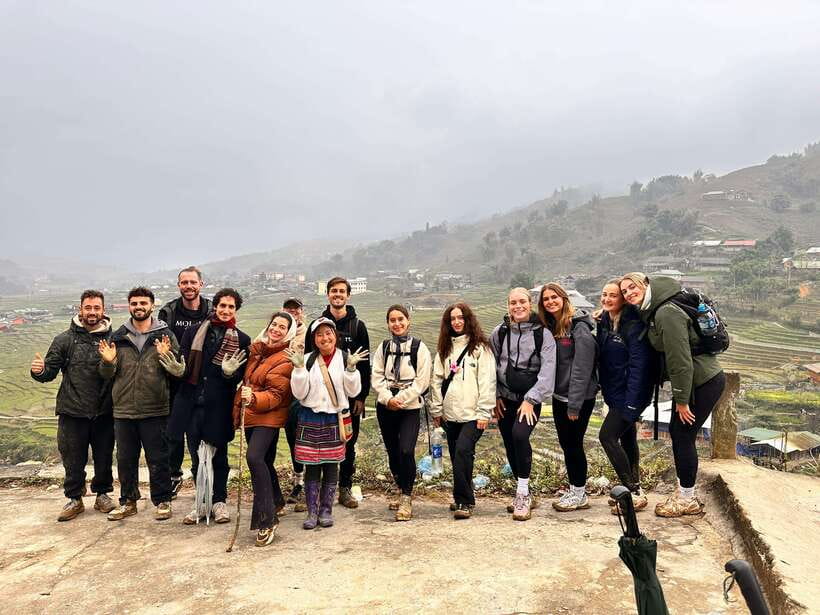
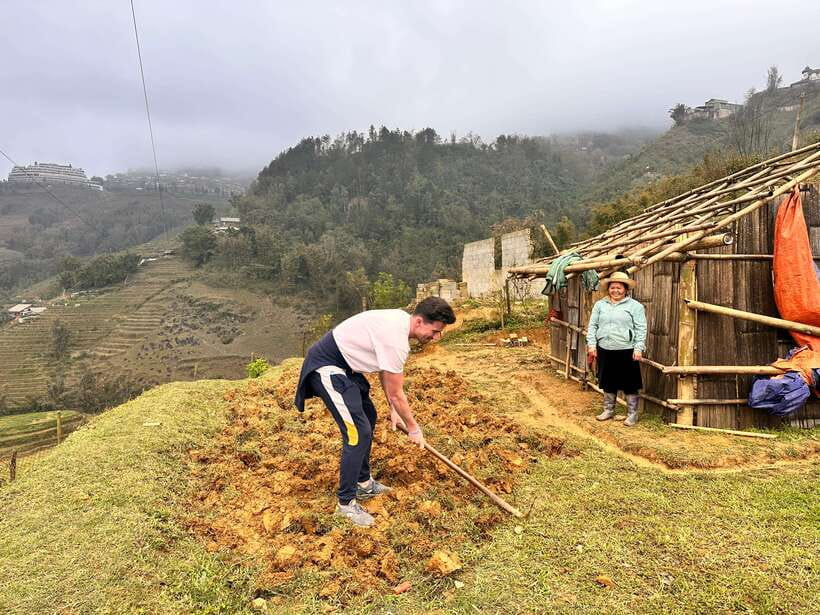
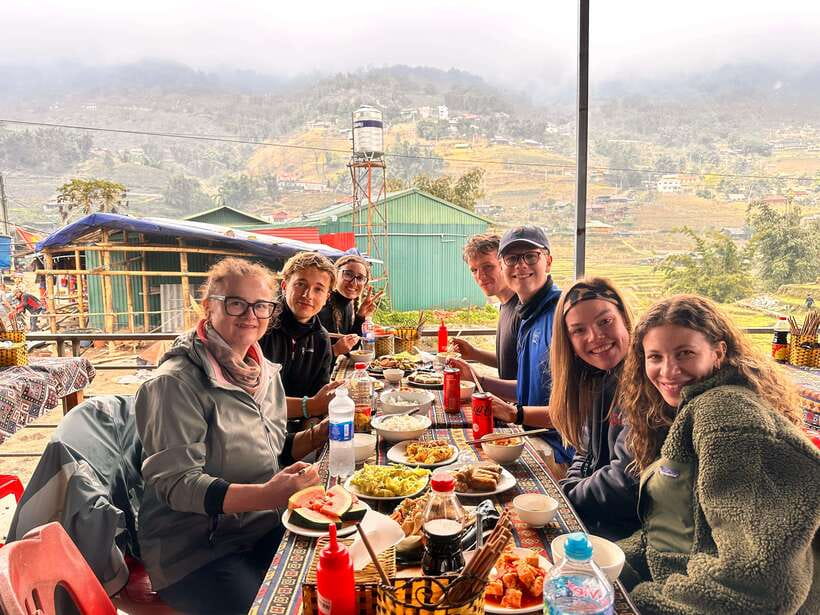
The evening is one of the strongest reasons to choose this tour. You can join Dinh’s family for an informal cooking session and help prepare a traditional dinner. That gives you a better sense of local food than simply eating a plate brought to the table.
Dinner is also the main cultural exchange of the trip. Dinh may share her story of helping 10 local children with their education, and the children may perform a traditional dance. You can play with them, take part in drinking games, and try happy water if you wish.
The evening sounds lively, but you do not have to drink rice wine to take part. If you prefer a quiet night, say so. The homestay is also a place to rest after several hours on foot, and the next morning begins with another walk.
This part of the tour has a welcome human quality, but it may feel less structured than a professional cultural show. That is a fair trade. You are meeting a family in its own home, not attending a staged performance with fixed timings.
Day two: bamboo forest and Giang Ta Chai waterfall
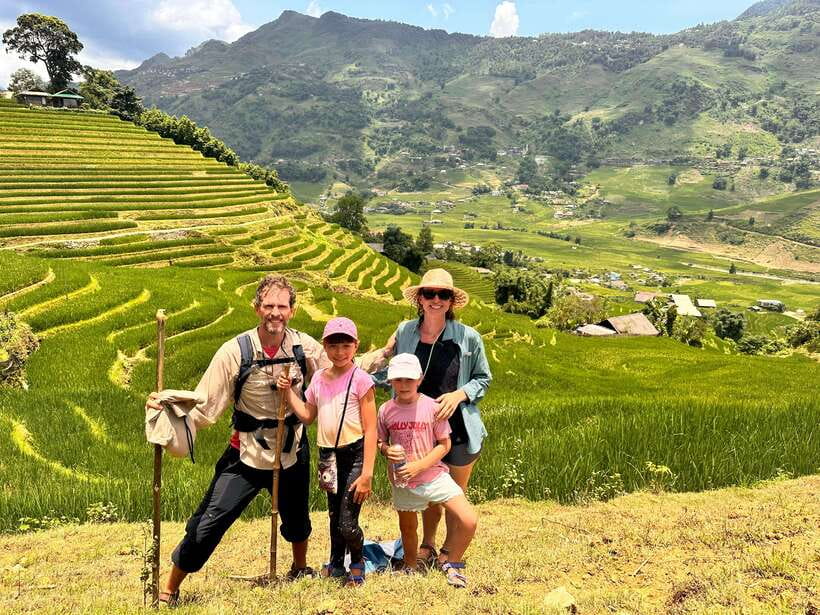
Day two starts at the homestay with coffee or tea and breakfast. The morning is likely to be the calmest part of the trip. You can enjoy the valley before setting out, and the early light may bring mist around the mountains.
The route covers about 7 to 8 kilometers and takes four to five hours. You walk through bamboo forest and rice terraces toward Giang Ta Chai waterfall. This section provides a different kind of scenery from the open terraces of day one. The forest gives the walk shade and a more enclosed feel, while the waterfall offers a natural break.
Swimming is optional if conditions allow and you want to take the plunge. Bring a small towel and suitable clothing if that interests you, though the provided information does not promise changing facilities. If you prefer to stay dry, you can simply enjoy the waterfall and continue with the group.
The trail remains uneven, so the shorter distance does not make day two effortless. Wet ground near a waterfall can be slippery. Watch your footing and keep your camera protected if the weather turns damp.
Meeting the Red Dao community
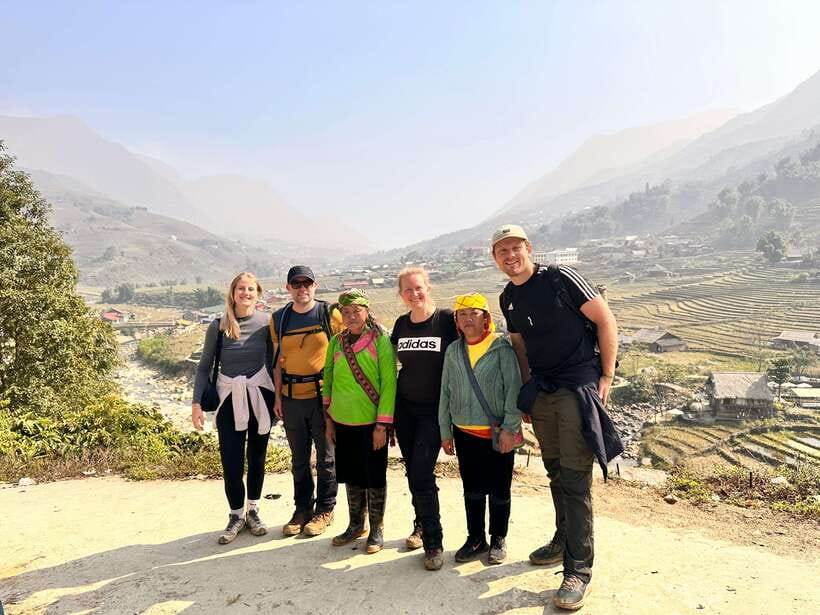
After the waterfall, the walk enters a Red Dao ethnic area. This adds another cultural layer to the trip. You are not only seeing Hmong villages, but also moving through an area connected with another local community.
Dinh uses the route to explain cultural differences, which helps you see that northern Vietnam is not one single mountain culture. The Hmong, Giay, and Red Dao communities have their own traditions and identities. The value here comes from listening and asking respectful questions, rather than treating the villages as photo backdrops.
The walk ends near the main road, where you have lunch with a local family. After lunch, a taxi takes you back to Sapa. The tour ends between 2:00 and 3:30 PM, giving you part of the afternoon for onward plans, though I would avoid booking a tight train or bus connection without allowing extra time.
What $48 covers and what it does not
At $48 per person, this is a strong-value overnight experience. The price includes:
- A local English-speaking guide for both days
- Entry fees for four villages
- Two lunches
- One dinner
- One breakfast
- One night with Dinh’s family
- One large bottle of drinking water per person per day
- Transport back to Sapa
- A free T-shirt at the end of your Sapa journey
You still pay for personal snacks, extra drinks, and souvenirs. The water allowance is useful, but you should bring a refillable bottle if you normally drink a lot during exercise.
The price is especially good because it combines guiding, meals, accommodation, cultural activities, and return transport. Comparable day walks may cover less for a similar portion of the cost, but the low price also tells you what not to expect: this is a local family operation with simple facilities and a group format.
Who should book this experience
I would recommend it to people who want a moderate outdoor challenge with genuine family contact. It suits you if you enjoy walking, do not need polished accommodation, and want time to ask questions about Hmong life.
It is also a good fit for anyone who prefers an overnight stay to a quick Sapa excursion. The morning coffee, family dinner, cooking session, and valley setting make the second day feel connected to the first.
You should think twice if you dislike steep paths, uneven ground, or basic homestays. The experience is not suitable for pregnant women, people with back problems, mobility impairments, vertigo, or a strong fear of heights. It is also not recommended for people over 70, and children under three can join free if you inform the provider in advance.
Pack comfortable shoes, a hat, sunscreen, a camera, snacks, and water. A light rain layer would be sensible, but the supplied information does not specify seasonal weather conditions, so check the forecast before leaving.
Should you book Dinh’s two-day trek?
Book it if you want Sapa scenery with a real family evening attached. The standout features are Dinh’s personal Hmong guidance, the homestay in Ta Van, the cooking session, and the mix of rice terraces, bamboo forest, villages, and waterfall.
Skip it if your idea of a retreat requires private hotel facilities, a gentle walking route, or a fixed, highly polished schedule. For active visitors who accept simple accommodation and uneven trails, $48 buys a full and unusually personal two-day experience.
FAQ
How long is the trek?
The route covers about 18 kilometers over two days. Day one is roughly 9 to 12 kilometers and takes about five and a half hours. Day two is about 7 to 8 kilometers and takes four to five hours.
Where does the tour begin?
The tour starts at 9:00 AM. Dinh meets you at your hotel in Sapa Town or near the local main church.
Where do you stay overnight?
You stay one night at Dinh’s family homestay in Ta Van. The accommodation is simple, cozy, and equipped with basic amenities.
Is this a private tour?
No. It is a group tour, so you trek with other people.
What meals are included?
The price includes two lunches, one dinner, and one breakfast. Personal snacks and drinks besides the provided water are not included.
Is drinking water included?
Yes. You receive one large bottle per person per day.
Can you swim at the waterfall?
Swimming at Giang Ta Chai waterfall is available if you would like to do it. It is optional.
What languages does Dinh speak?
The experience is offered in English and Vietnamese.
Is the trek suitable for all fitness levels?
No. It requires moderate fitness and includes steep, uneven terrain. It is not suitable for pregnant women, people with back problems, mobility impairments, vertigo, or a fear of heights.
What happens after the second day?
After lunch with a local family near the main road, a taxi takes you back to Sapa. The experience ends between 2:00 and 3:30 PM.
Just added around Sa Pa
- Sapa: Private The Most Beautiful Terraced Fields Trekking★ 4.8 · 42 reviews
- Soob Sapa Trekking Tour★ 4.3 · 3 reviews
- Sapa Trekking – Waterfalls And H’mong Villages★ 5.0 · 2 reviews
- Sapa3D2N TrekkingAdventures,Valleys,Bambooforest,Waterfall★ 4.8 · 24 reviews
- Sapa: Trekking Through Terraced Rice Fields & Valley 1 Day★ 4.8 · 4 reviews
- Sapa: Trekking Sapa One Day With Group Tour★ 4.7 · 55 reviews
- Sapa Trekking Private Tour With Ethnic Female Tour Guide★ 4.9 · 24 reviews
- Sapa: Y Linh Ho – Lao Chai, and Ta Van Trekking Day Tour★ 5.0 · 25 reviews
Sapa Trekking Tours, compared.
Muong Hoa Valley Trek and Local Ethnic Villages
Read our review →
Eco Adventure Terrace Fields and Local Villages Trek
Read our review →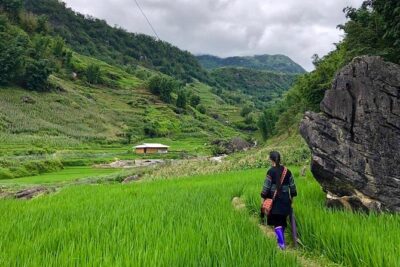
Number one top rated ethical cultural trekking and homestay by ETHOS
Read our review →
1-Day Guided Trek to Lao Chai & Ta Van with Lunch
Read our review →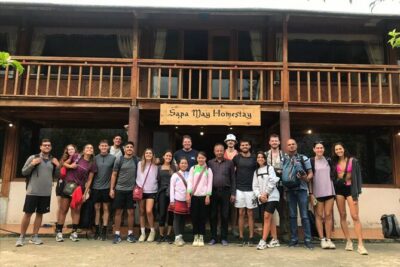
Sapa 1 Day Long Trek: Trek to Hau Thao and Sa Seng Villages
Read our review →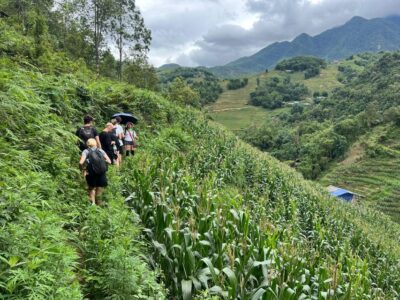
Explore Sapa by TrekkingAdventures, Mountain,Rice fields
Read our review →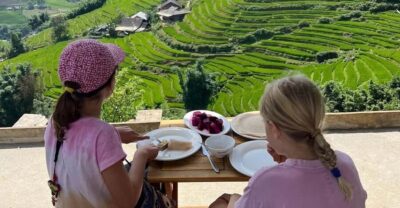
EXPLORE SAPA: 2D1N TREKKING & HMONG CULTURE WITH DINH
Read our review →Browse the lists this trek appears in