
Review · SAPA
1 DAY Trek the Most Beautiful Villages of Sapa & Local Guide
The best part of this Sapa trek is the switch from town streets to rice terraces and mountain trails, where farming and village life become the main sights. I like the direct support for local Hmong women, and I like that guides such as Do and Zu explain plants, rice, indigo, and local customs in clear English. The main drawback is stamina: this is about 12 kilometers over five to six hours, with uneven paths and weather that can change fast.
You get a filling village lunch, a small bottle of water, and transport back to Sapa by car or motorbike. The tour is a group walk, so the pace and company are not fully in your hands. If you need a private outing, it costs about $28 per person, compared with the usual price of $18.
Key points to know before you book
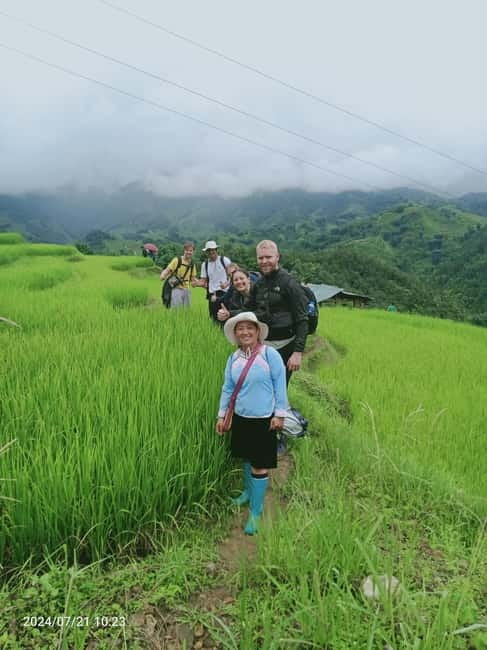
- The route covers three mountain villages: Y Linh Ho, Lao Chai, and Ta Van.
- Local Hmong women lead the walk: Guides named Do and Zu are praised for humor, energy, and clear explanations.
- September brings harvest color: Rice fields can shift from green to yellow as the crop is gathered.
- Lunch is served in a Hmong village: You also visit a traditional Hmong house in Lao Chai.
- The walk lasts five to six hours: Plan for roughly 12 kilometers on village paths and trails.
- A ride returns you to Sapa: The tour ends in Ta Van, with car or motorbike transport back.
Why this Sapa walk feels different from a town tour
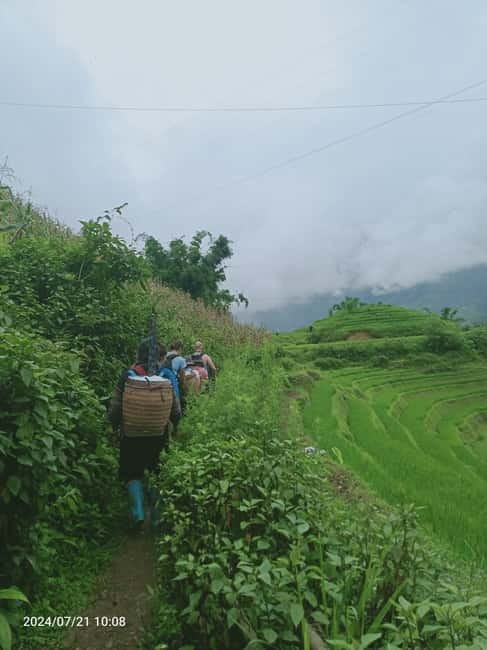
Sapa is easy to experience from a hotel balcony or a busy viewpoint, but this route takes you into the working countryside. You walk away from the church and down toward Y Linh Ho, passing terraces, homes, and mountain paths rather than simply stopping for photographs.
That difference matters. The rice fields are not just scenery here. Your guide can explain how rice is grown, along with local plants and indigo cultivation. The walk gives you a better sense of how Hmong and Giay communities use the land and organize daily life.
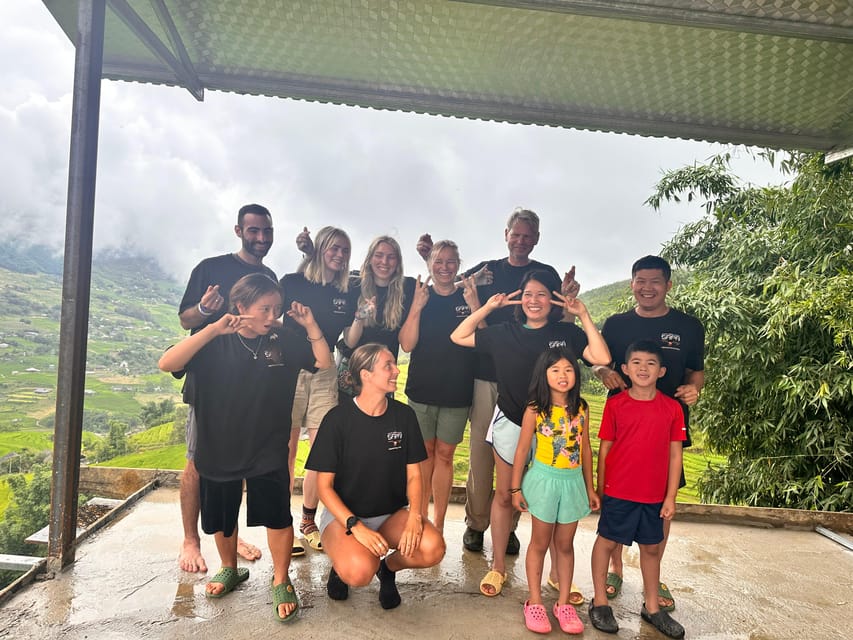
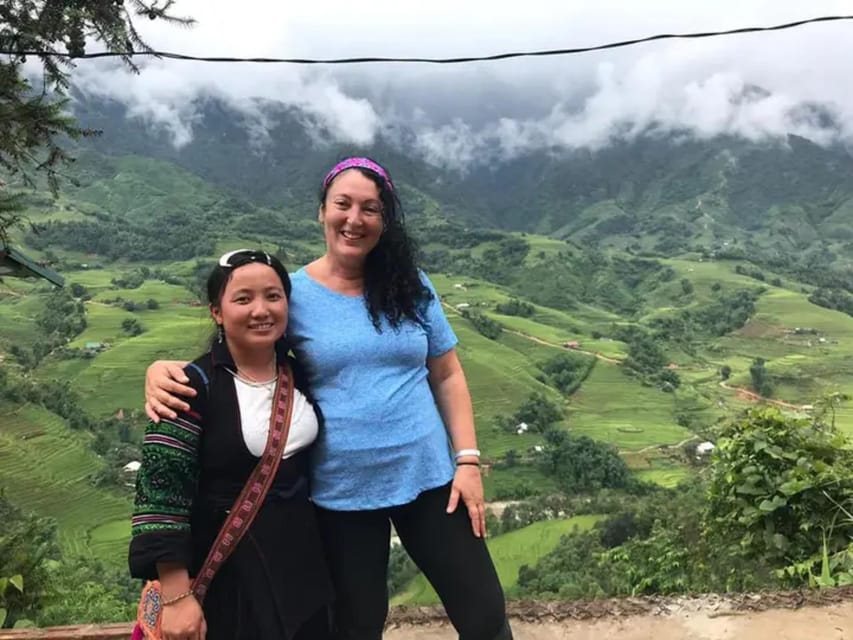
The guides are a major part of the experience. The tour is led by local Hmong women, with Do and Zu named in recent booking feedback. Do is described as lively, funny, and full of useful information about village culture. Zu is also noted for explaining plants, the area, and local customs in detail. You should expect conversation throughout the walk, not a silent hike with an occasional photo stop.
There is also a personal reason to choose this small local operation. The guides explain that many women in their mountain village have limited work choices, and that booking directly supports Hmong women working together as sisters and cousins. That does not change the route, but it gives your money a clearer local purpose than a large outside operator.
A few more treks around Sa Pa worth a look
- From Sapa: 1-Day Guided Trek to Lao Chai & Ta Van with Lunch
★ 4.9 · 416 reviews - Sapa 1 Day Long Trek: Trek to Hau Thao and Sa Seng Villages
★ 4.6 · 344 reviews - 1-day Authentik trek & Panorama valley views
★ 5.0 · 189 reviews
Meeting at Sapa Church and starting downhill
The usual meeting point is Sapa Church. Pickup can depend on the option you choose, but the instructions say to meet at the church and begin the trek there. If you have an early bus, tell the guide when you meet, since the finishing time can fall around 2 pm, 3 pm, or 4 pm.
The first part leads out of Sapa toward Y Linh Ho. The route can begin with some street walking before turning onto quieter trails. That opening is not the prettiest section, but it helps you leave the town behind and reach the terraces gradually.
You will want proper hiking shoes here. The route is not described as a paved walk, and the advice to bring comfortable shoes, wide-leg trousers, and a light raincoat is practical. Sapa weather can make paths wet or slippery, so ordinary city trainers may feel less secure.
Y Linh Ho and the first rice terraces
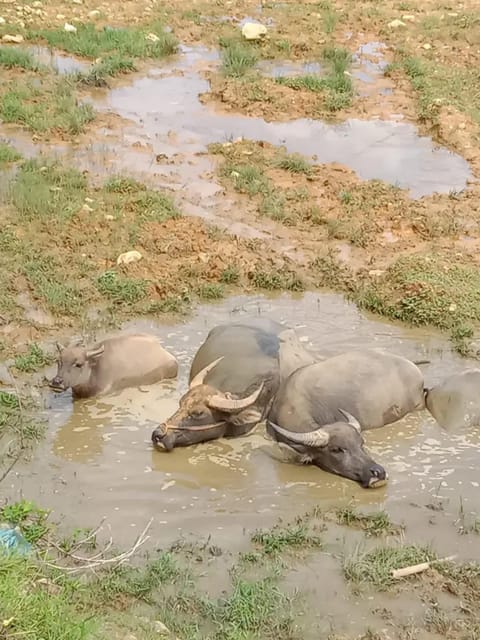
Y Linh Ho is the first major rural section, reached after roughly an hour of walking in the route outline, with about two hours of trekking before a rest in the fuller description. The timing is not exact, and the group pace can change it.
This is where the walk begins to deliver its best views. You pass rice terraces cut into the mountain slopes, with broad views opening as you move away from Sapa. The scenery changes with the season. In September, the fields may show a mix of green and yellow as harvest approaches, making that month especially appealing if you want strong color in your photographs.
The trail also includes a bamboo forest. It is one of the route’s more unusual sections, giving the walk a change of texture after the open terraces. You are not simply repeating the same view for five hours. Rice fields, village paths, forest, homes, and valley scenery create a useful variety.
After the first long stretch, you stop for about 20 minutes in the fuller schedule, though the listed itinerary also allows a longer break. This is a good point to drink water and check your feet. One small bottle is included, but I would bring extra water for a half-day walk, especially in warm weather.
Lao Chai, a Hmong community with lunch
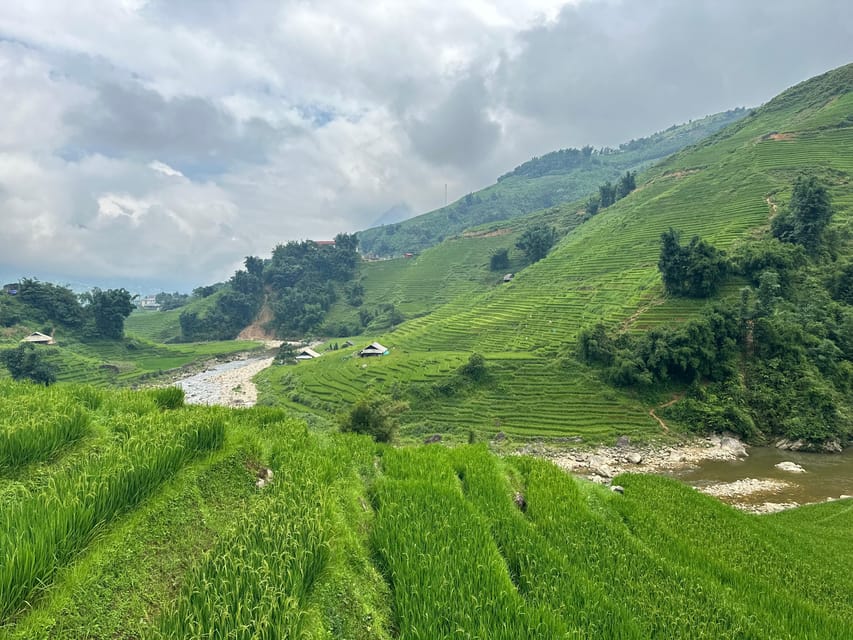
From Y Linh Ho, the route continues to Lao Chai. This is one of the oldest and largest Hmong communities in the area, and it is more than a quick roadside photo stop.
Lunch is served in the village and is included in the price. The food has received particularly strong praise, with one account describing the meal as larger and better than expected. You should still remember that drinks such as beer and soft drinks cost extra, so bring cash if you want something beyond the included food and water.
The meal is useful because it breaks up the walking and gives you time to talk with the guide. You can ask about farming, family life, village customs, and the differences between local ethnic groups. The food is part of the cultural experience, not just fuel between viewpoints.
After lunch, you visit a traditional Hmong house. This adds context to the fields and paths you have already seen. Instead of looking at village life from a distance, you get an explanation of how a local home relates to the community and the family.
Keep your expectations grounded. This is a working village and a community visit, not a staged museum display. The guide’s explanation is what makes the stop worthwhile. If you prefer a fast hike with few pauses, the house visit and lunch may make the tour feel slow. If you want to understand the area, they are among the most useful parts.
Same trailhead, a different route:
- Sa Pa: Muong Hoa Valley Trek and Local Ethnic Villages
★ 4.6 · 864 reviews - Sapa: Eco Adventure Terrace Fields and Local Villages Trek
★ 4.9 · 636 reviews - Number one top rated ethical cultural trekking and homestay by ETHOS
★ 5.0 · 456 reviews - Sa Pa Full Day Trekking Tour
★ 5.0 · 414 reviews
The final walk to Ta Van
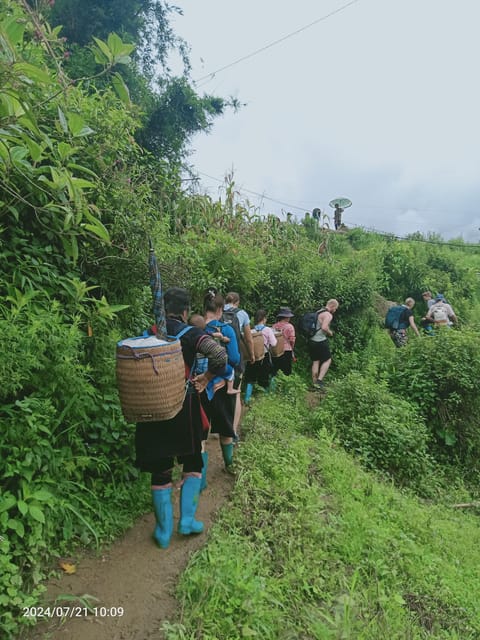
The last walking section leads from Lao Chai to Ta Van, taking about an hour in the route outline. Ta Van is mainly home to Giay and Hmong people, so the route adds another cultural setting rather than ending after a single village.
The walk includes scenic views along the way, but the exact feel depends on weather, trail conditions, and the pace of the group. You may find the final section easier after lunch, or you may feel the distance in your legs by then. The tour description gives a total of about 12 kilometers, which is a serious half-day walk for anyone who does not hike often.
Ta Van is where the guided walking ends. A car or motorbike takes you back to Sapa, or to your hotel after the tour, depending on the arrangement. This return ride is important: you do not have to walk the whole route back or find your own transport from the valley.
What the $18 price really covers
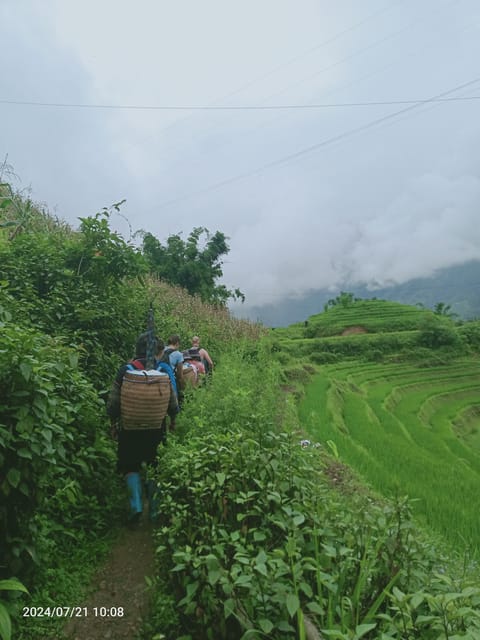
At about $18 per person, this is a strong-value outing if you want a full morning and afternoon of walking with a local guide. The price includes the English-speaking Hmong guide, village lunch, one small bottle of water, and return transport.
The value comes from the combination. A simple viewpoint visit might show you the terraces, but this trek connects the views with local homes, farming, food, and village routes. You also avoid arranging your own transport back from Ta Van.
There are a few limits. Drinks beyond the included water are not covered, and tips are not included. Carry Vietnamese cash for extras and for a tip if you feel the guide did a good job.
The regular tour is shared with other people. That keeps the price low, but your group may walk at a different speed from you. A private option is available for about 700,000 Vietnamese dong, or roughly $28 per person. Ask in advance if you want that arrangement.
How hard is the 12 kilometer route?
The tour is not an extreme mountain climb, but it is not a casual stroll either. You walk for five to six hours, with changing surfaces and some uphill or downhill sections implied by the mountain route. Anyone with limited walking ability should think carefully before booking.
The provider lists the activity as unsuitable for people over 95, but age alone is not the real test. Your footwear, balance, comfort with long walks, and ability to handle uneven trails matter more.
Wear shoes with a good grip, comfortable clothes, and trousers that allow long steps. Wide-leg pants are specifically suggested. Bring sunscreen, a hat, sunglasses, insect repellent, and a light raincoat or other outer layer.
Do not skip sunscreen because the sky looks gray. One guide specifically warns that cloud cover can be misleading. Sapa’s mountain weather can also turn wet, so a small rain layer is a wise addition.
The guides and the human side of the walk
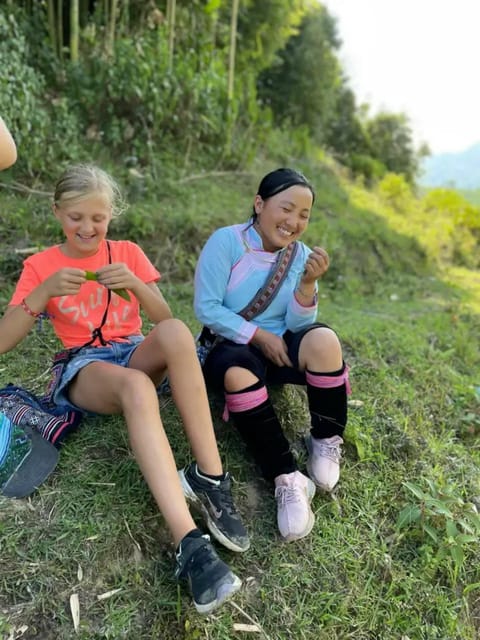
The local guides are not an optional extra here. They are the link between the scenery and the people who live among it. Do is described as especially funny, warm, energetic, and open, while Zu is noted for careful explanations of plants, culture, and the area.
The guides also share personal stories. The family describes growing up in a mountain village without electricity and without access to school, and explains the limited choices many young women faced, including early arranged marriage. Those stories may make the cultural side of the trek more personal, though you should listen respectfully and avoid treating someone’s life experience as a performance.
This is also why the tour suits people who want direct contact with local residents. You are not only ticking off Y Linh Ho, Lao Chai, and Ta Van. You are walking with a woman from the area who can talk about work, family, farming, and ethnic identity in a way a general city guide may not.
Group walking, timing, and practical planning
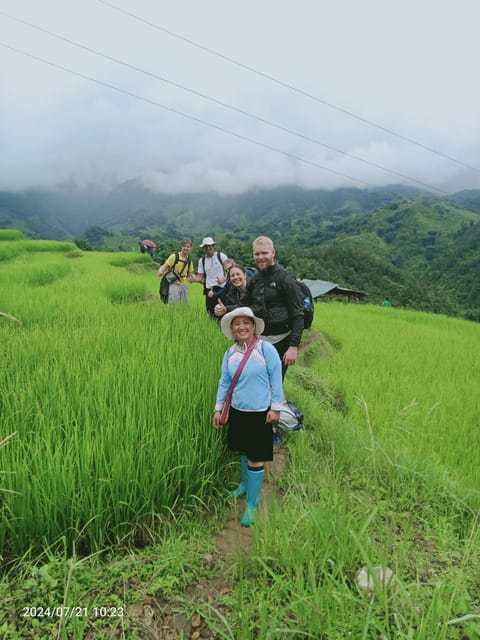
The tour begins at Sapa Church and normally ends in Ta Van before transport returns you to Sapa. The total duration is advertised as five hours, but the practical range is five to six hours. One guide has allowed the walk to run beyond six hours when the group was enjoying itself, so do not schedule a tight connection immediately afterward.
Tell the guide about an early bus at the beginning. The stated finish can be around 2 pm, 3 pm, or 4 pm, depending on the day and the group. A little flexibility will make the experience easier.
The tour is conducted in English. Since it is a group walk, you will hike alongside other people. If you want more control over stops, pace, and conversation, arrange the private option in advance rather than hoping to change it at the meeting point.
Alcohol and drugs are not allowed. Bring cash for drinks and tips. A small daypack is useful for water, sunscreen, a rain layer, and personal items.
Who should choose this Sapa trek?
I would choose this tour if you want the main Sapa sights on foot and care about meeting a local guide. It is especially suitable for people who want rice terraces, village life, an included lunch, and practical cultural explanations in one half-day outing.
It is a good fit for photographers in September, when harvest can add yellow tones to the fields. It also suits anyone who likes a guide with a sense of humor and plenty to say. The route has enough stops to keep the walk from becoming a long march.
I would think twice if you dislike uneven paths, need a fixed return time, or want a quiet private walk. The group format, variable finish time, and 12 kilometer distance are the main tradeoffs. You may also find the initial street section less scenic than the valley trails that follow.
Cancellation is flexible up to 24 hours before the start for a full refund, and you can reserve now and pay later. Those terms help if your Sapa plans depend on weather or transport.
Should you book this Hmong-led village trek?
Book it if you want good value with a strong local connection. For about $18, you get a long guided walk, three village areas, rice terraces, a Hmong house, lunch, and transport back to Sapa. The best parts are the guides, the changing scenery, and the chance to support local Hmong women directly.
Skip it if you want a short, polished sightseeing trip with no physical effort. This is a real walking day, not a quick photo circuit. Wear serious shoes, bring sun and rain protection, leave room in your schedule, and you will be set up to enjoy one of the more personal ways to see the Sapa area.
FAQ
Where does the Sapa trek begin?
The usual meeting point is Sapa Church, where you meet the guide and start walking. Pickup depends on the selected option.
Which villages does the route visit?
The route goes through or near Y Linh Ho, Lao Chai, and Ta Van. Lao Chai includes lunch and a visit to a traditional Hmong house.
How long is the trek?
The trek lasts about five to six hours and covers roughly 12 kilometers. The finish may be around 2 pm, 3 pm, or 4 pm.
Is lunch included?
Yes. Lunch in a village is included, along with one small bottle of water per person. Beer, soft drinks, and other drinks are not included.
Is transport back to Sapa included?
Yes. A car or motorbike takes you from Ta Van back to Sapa or to your hotel after the walk.
Is the tour private?
No. The standard experience is a group tour. A private option can be arranged in advance for about 700,000 Vietnamese dong per person, or roughly $28.
What should I bring?
Bring hiking shoes, comfortable clothes, wide-leg pants, sunscreen, a hat, sunglasses, insect repellent, a light raincoat or outer layer, and cash.
Can I cancel the booking?
You can cancel up to 24 hours in advance for a full refund. You can also reserve now and pay later.
Just added around Sa Pa
- Sapa: Private The Most Beautiful Terraced Fields Trekking★ 4.8 · 42 reviews
- Soob Sapa Trekking Tour★ 4.3 · 3 reviews
- Sapa Trekking – Waterfalls And H’mong Villages★ 5.0 · 2 reviews
- Sapa3D2N TrekkingAdventures,Valleys,Bambooforest,Waterfall★ 4.8 · 24 reviews
- Sapa: Trekking Through Terraced Rice Fields & Valley 1 Day★ 4.8 · 4 reviews
- Sapa: Trekking Sapa One Day With Group Tour★ 4.7 · 55 reviews
- Sapa Trekking Private Tour With Ethnic Female Tour Guide★ 4.9 · 24 reviews
- Sapa: Y Linh Ho – Lao Chai, and Ta Van Trekking Day Tour★ 5.0 · 25 reviews
Sapa Trekking Tours, compared.
Muong Hoa Valley Trek and Local Ethnic Villages
Read our review →
Eco Adventure Terrace Fields and Local Villages Trek
Read our review →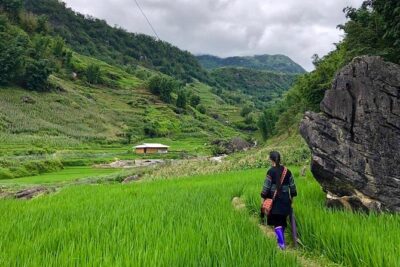
Number one top rated ethical cultural trekking and homestay by ETHOS
Read our review →
1-Day Guided Trek to Lao Chai & Ta Van with Lunch
Read our review →
Sapa 1 Day Long Trek: Trek to Hau Thao and Sa Seng Villages
Read our review →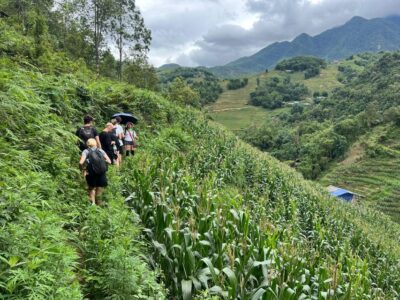
Explore Sapa by TrekkingAdventures, Mountain,Rice fields
Read our review →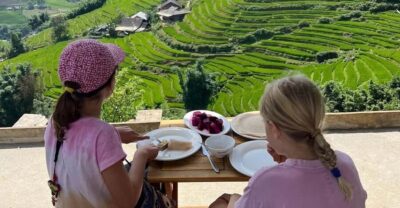
EXPLORE SAPA: 2D1N TREKKING & HMONG CULTURE WITH DINH
Read our review →Browse the lists this trek appears in