
Review · SAPA
Sapa: Muong Hoa Valley View & Villages Trek with Local Guide
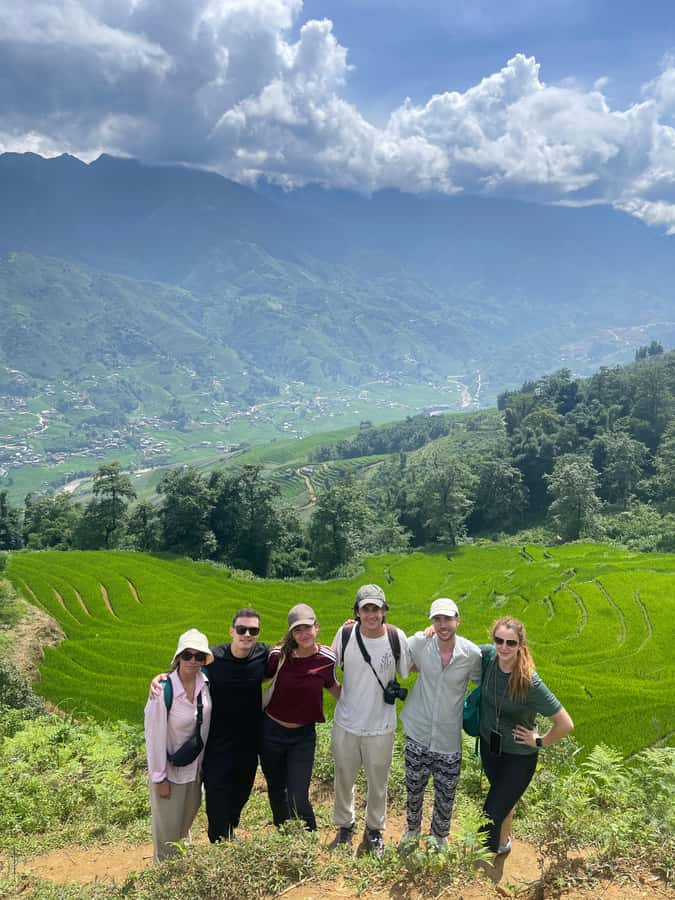
The best part of this Sapa trek is the shift from town streets to Black Hmong villages and rice terraces. You climb toward Sa Seng Mountain, look across Muong Hoa Valley, then follow mountain paths through Hang Da, Hau Thao, and Muong Hoa. Guide Su adds local stories and adjusts the pace when weather or group energy calls for it.
I like the strong cultural focus and the family-run lunch, which give the walk more purpose than a simple viewpoint outing. I also like that the route includes broad views of Fansipan and Sapa town, plus close-up scenes of buffalo, cows, pigs, planting, and harvesting.
The catch is the distance. Plan for 14 to 16 kilometers, not an easy stroll, and expect slippery ground after rain. If you dislike steep paths, heights, or long walks, this may be the wrong Sapa day trip.
Key points to know before booking
- Sa Seng Mountain views: Climb about 2.5 kilometers first for views of Sapa, Fansipan, and Muong Hoa Valley.
- Black Hmong villages: Walk through Hang Da, Hau Thao, and Muong Hoa while seeing daily village life.
- Guide Su: Su is the named guide highlighted for clear English, local knowledge, patience, and careful support on difficult sections.
- Family-run lunch: Stop for a meal at a small local restaurant or family-run home during the trek.
- Demanding route: Allow for 14 to 16 kilometers, with muddy and slippery paths in wet weather.
- Good value: At $19 per person, the price includes the guide, lunch, village entrance fees, a 500 ml bottle of water, and transport back to Sapa.
Starting at Sapa’s main church
You meet your guide in front of Sapa’s main church. The guide sends a message before the tour, so leave your WhatsApp number when booking and watch for the confirmation.
After a short introduction, the walk begins uphill. The first climb covers about 2.5 kilometers on a small trail toward the mountain viewpoints. This opening section sets the tone: you gain height early, and the reward is a wide look across Sapa town, Fansipan, and Muong Hoa Valley.
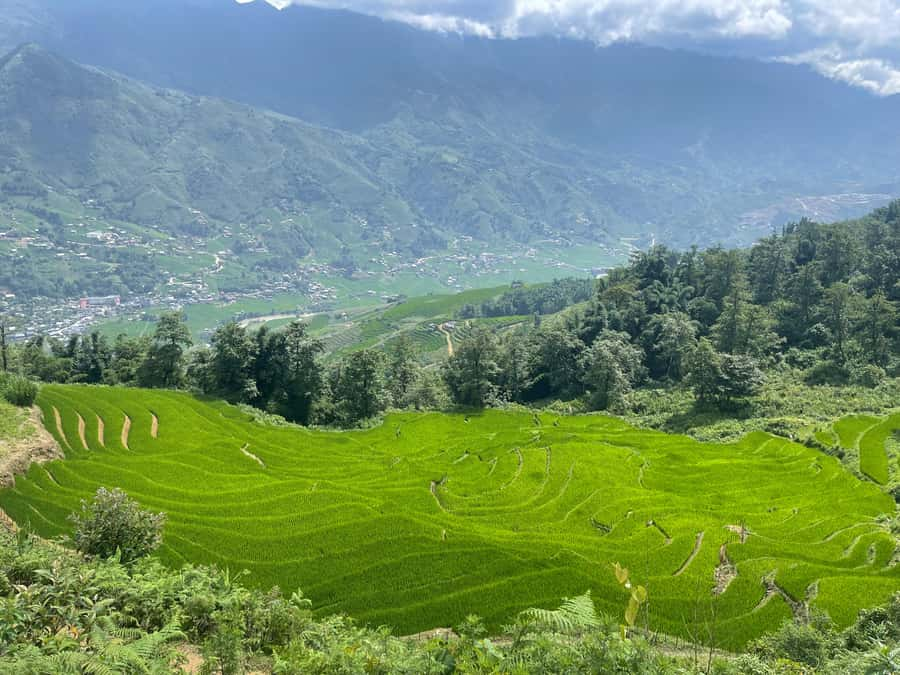
Fansipan is Vietnam’s highest mountain and the highest peak in Indochina. You may not get a clear view in every kind of weather, but the route is designed around the high viewpoints. The valley below is also a major reason to choose this trek. Muong Hoa is known for its large rice terraces, which appear in bands along the slopes.
I would not treat the first climb as a warm-up that you can ignore. It is a real uphill start, and your legs will feel it later if you set too fast a pace. Su has been praised for keeping groups together and adapting the trek to the weather and the pace of the people walking, but you still need a reasonable level of fitness.
More Rice Terrace Treks in Sapa
- Sa Pa: Muong Hoa Valley Trek and Local Ethnic Villages
★ 4.6 · 864 reviews - Explore Sapa by TrekkingAdventures, Mountain,Rice fields
★ 4.9 · 229 reviews - Sa Pa: 6-Hours Muong Hoa Valley Trek with Local Ethnic guide
★ 4.5 · 178 reviews
Looking across Muong Hoa Valley
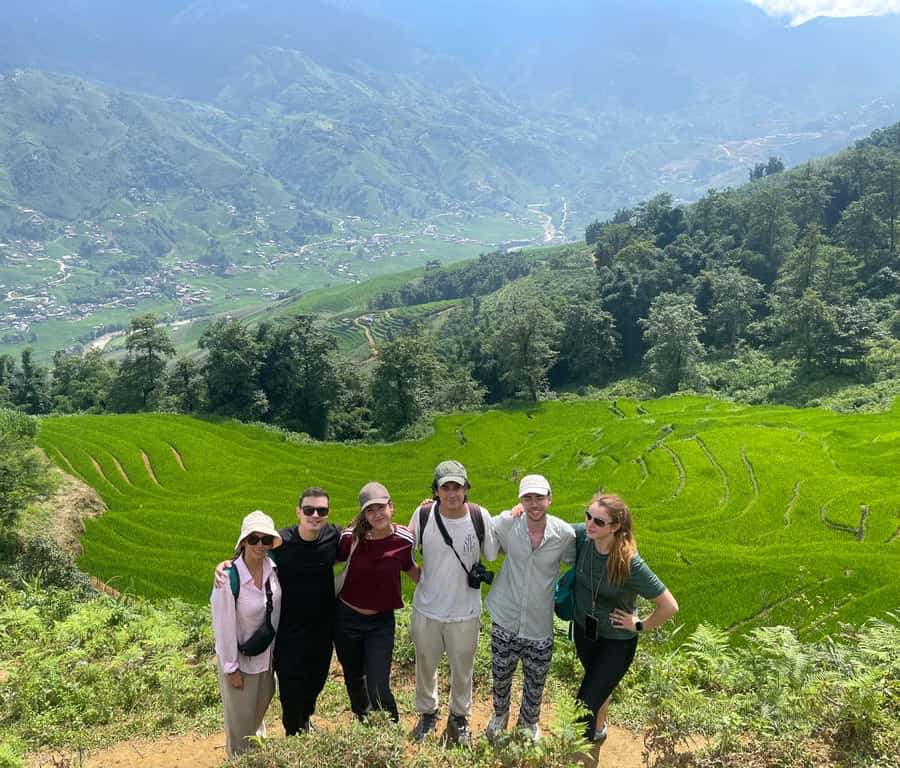
The views from the upper trail are the visual high point of the day. You look over Sapa town from above, then across the valley toward the rice terraces and surrounding mountain slopes.
The terraces change with the farming season. At the right time, you may see local people planting or harvesting rice. At other times, the fields may look quieter, but the stepped shapes still explain how farming fits into the steep terrain.
This is one of the useful differences between a village trek and a quick photo stop. You are not only looking at the terraces from a distant platform. You are walking along the slopes and seeing how paths, homes, animals, and fields connect.
Bring your camera, but do not let it slow you down. The route includes uneven ground, and you will want both hands free on steep or slick sections. A hat and sunscreen are useful in clear weather, while rain protection and shoes with firm grip matter more when the forecast turns wet.
Down to Hang Da by mountain paths
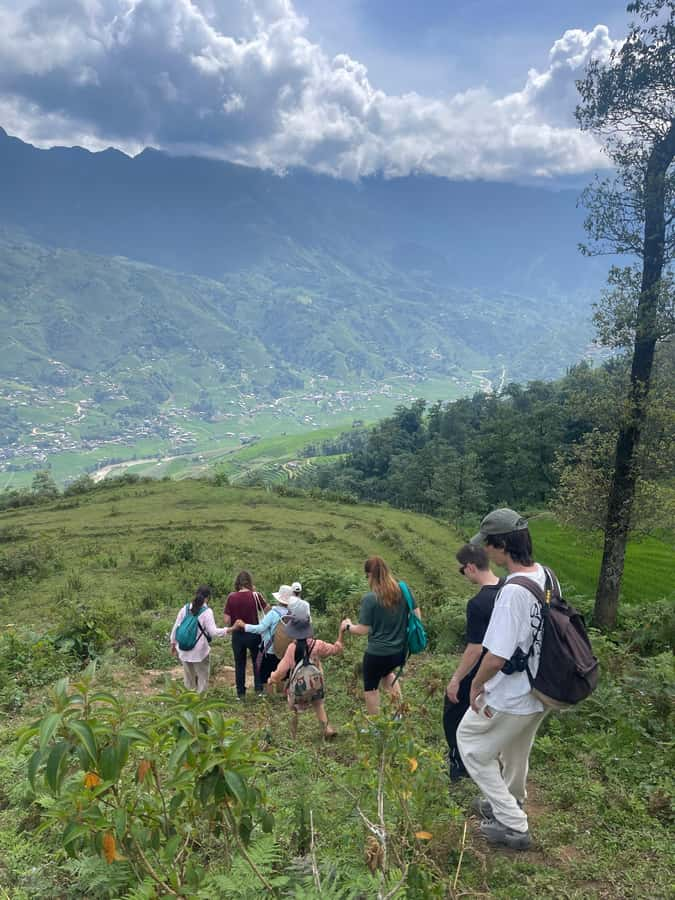
From the viewpoints, the route continues down the mountainside toward Hang Da, a Black Hmong village. The downhill portions can be harder than the climb, especially after rain.
The ground may become muddy and slippery. One practical lesson is to wear shoes you are willing to cover in dirt, with soles that grip rather than smooth casual sneakers. The route description calls for comfortable walking shoes, but in wet conditions you need something closer to proper trekking footwear.
Hang Da gives you a closer look at village life. You might see buffalo, cows, and pigs along the route. These are ordinary details, but they help explain how the villages function. The walk is not staged around a single attraction. Instead, the interest comes from seeing homes, animals, fields, and paths as part of everyday life.
Su’s role matters here. He explains Black Hmong customs and local traditions while helping the group through difficult parts of the route. His English is described as strong enough for easy conversation, and his style is attentive rather than rushed.
You should still keep your expectations realistic. A local guide can explain what you are seeing, but the walk does not turn village life into a performance. It is best approached with quiet attention and respect.
Lunch with a local family
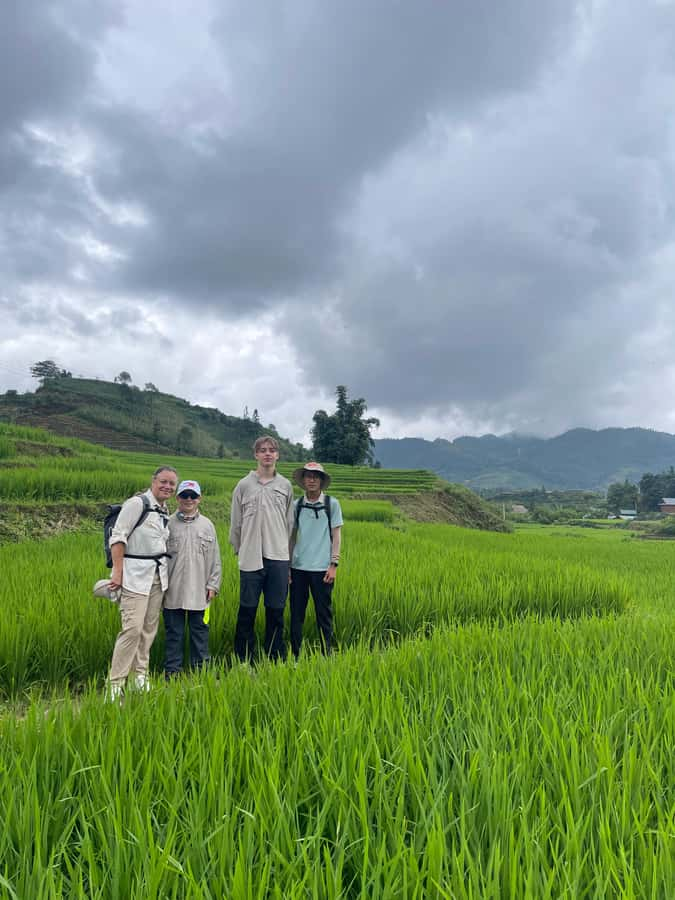
Lunch comes at a small restaurant run by a local family, also described as a meal at a local family’s house. It is included in the $19 price, along with village entrance fees.
This is a valuable pause in the middle of a long walk. You can rest your legs, eat a proper meal, and spend time in a setting tied to the local community rather than stopping at a large tourist venue.
The exact menu is not specified, so do not book this expecting a particular dish. If you have dietary needs, use the WhatsApp contact before the tour to make a special request and confirm what can be arranged.
The timing also matters. By lunch, you will already have completed the uphill start and the descent toward Hang Da. The meal is not just a cultural stop, it is needed fuel for the second half.
More Rice Terrace Treks in Vietnam
- Sapa Muong Hoa Valley & Ta Van Eco Village Scenic Tour (No Trek)
★ 5.0 · 144 reviews - Daily Tour: Sapa Trekking in Muong Hoa valley, Bamboo forest
★ 5.0 · 121 reviews - 1-Day Sapa Long Trek – Rice Field Terrace, Ethnic Culture
★ 4.9 · 62 reviews - Sapa: Muong Hoa Mountain Views and Villages Trek with Lunch
★ 4.3 · 28 reviews
Through Hau Thao and Muong Hoa villages
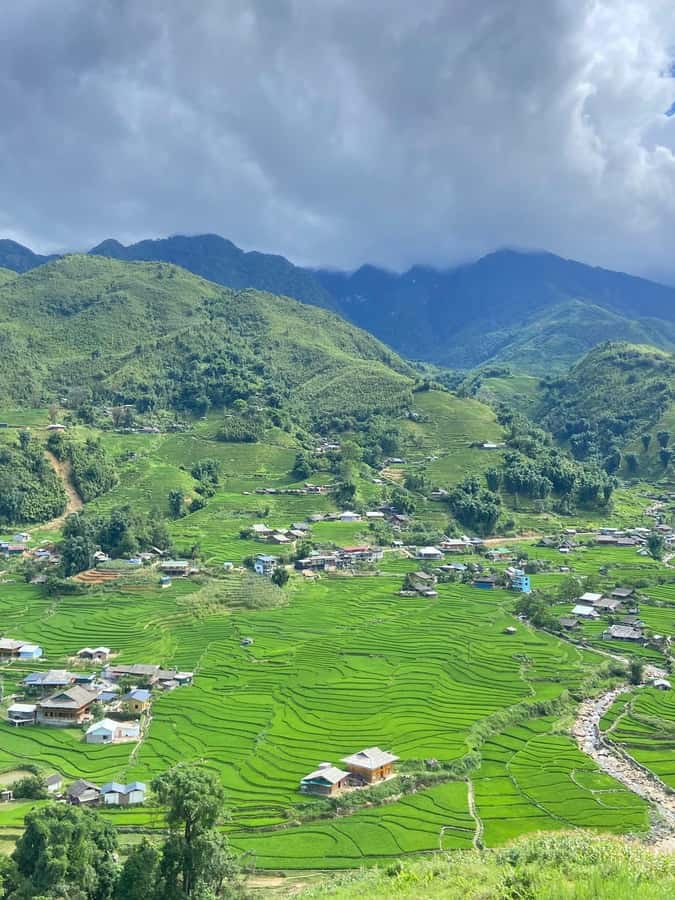
After lunch, the route follows a small road downhill toward Hau Thao, another Black Hmong village. It then continues to Muong Hoa village.
This section is more about daily life than big viewpoints. You may see people working in the fields, particularly during planting or harvest. Su explains local traditions and the way people live in the area, giving context to the farms and homes you pass.
Hau Thao and Muong Hoa also help break up the physical effort. The route is still long, but the change from narrow mountain paths to small roads can make the walking feel more manageable.
There is a social side to this part of the route that you should handle thoughtfully. Some local people may try to sell handmade items, and children may approach visitors for money. A responsible approach is not to encourage children to beg or work around tourists. Be polite, avoid giving money to children, and respect the villages as communities rather than treating them as a shopping stop.
The route finishes after you walk through the minority villages. Transport is provided back to Sapa after the village portion, and the activity ends at about 3:30 PM.
How difficult is the 14 to 16 kilometer trek?
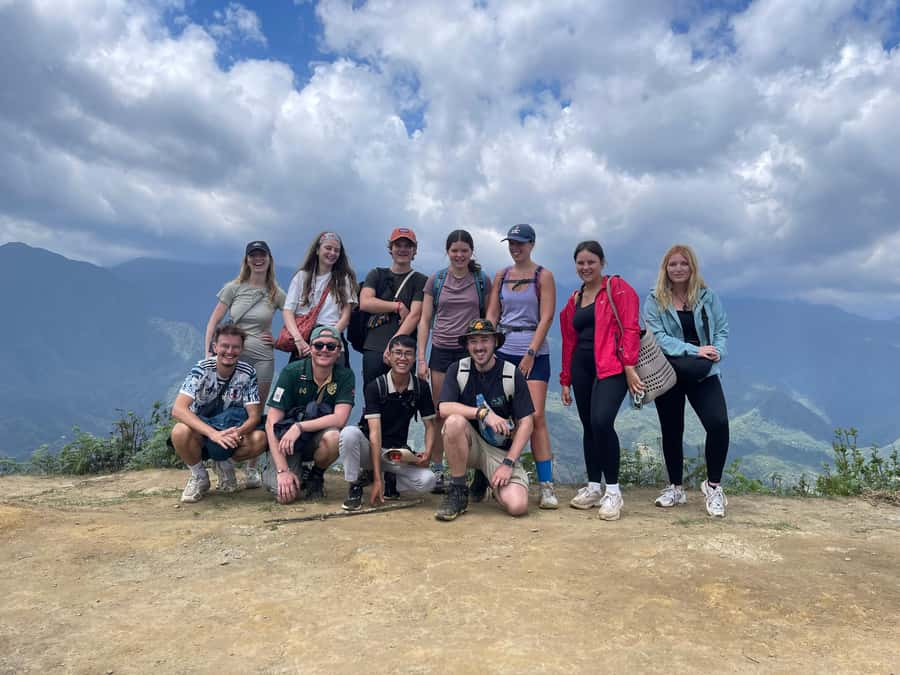
The distance is the main issue to weigh before booking. The shorter summary describes a 12 to 14 kilometer walk, while the additional tour information gives 14 to 16 kilometers. I would plan for the longer figure.
The difficulty is best described as medium to hard. You start with an uphill section, then tackle downhill trails and uneven village paths. Rain can make the route much tougher, particularly on descents.
You should be comfortable walking for several hours and managing changing surfaces. This is not suitable for people with mobility impairments, back problems, or altitude sickness. It is also not recommended for pregnant women, people afraid of heights, or people with a cold.
You do not need to be an athlete, but you should be honest about your stamina. If you regularly enjoy long walks and can handle hills, the route should feel demanding but possible. If your Sapa plans focus on short walks and cafes, choose something gentler.
The guide makes a real difference
Su is the guide named most often in the supplied tour information, and his strengths are practical. He explains local culture, answers questions, speaks good English, and looks after the group on difficult sections.
A good guide is especially useful on this route because the value lies in the details. Without explanation, a rice terrace is simply a striking view. With context, you can understand why farming takes this form, how the Black Hmong communities use the land, and what you are seeing in the villages.
The walking pace also matters. Su has adjusted the route or pace for group ability and weather conditions. That does not remove the physical demands, but it can make the day feel more controlled.
If you have concerns about pace, food, weather, or a special request, contact the operator before departure. The tour is offered in English and Vietnamese.
Is $19 good value?
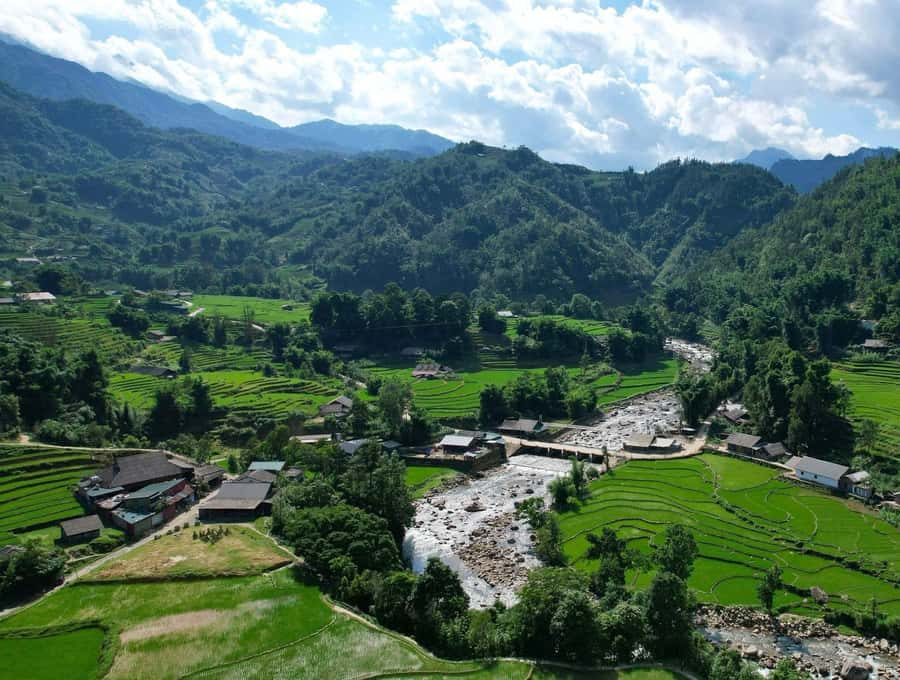
At $19 per person, this is a strong value for a full-day guided outing. The price includes an English-speaking guide, lunch, village entrance fees, transport back to Sapa, and one 500 ml bottle of water.
The inclusion list is useful because the route would be harder to arrange independently. You would otherwise need to find a local guide, work out village access, arrange lunch, and organize your return from the route’s end.
The price does not include anything not specifically listed. Bring extra water and snacks, since one small bottle is unlikely to cover a long walk in warm conditions. You should also budget for any personal purchases, though buying from local sellers is entirely optional.
The low price should not lead you to expect a private luxury tour. The central value is the guide, the route, the lunch, and the chance to walk through several villages. For that combination, it is good value, provided you are prepared for the physical work.
What to pack for Sapa’s changing weather
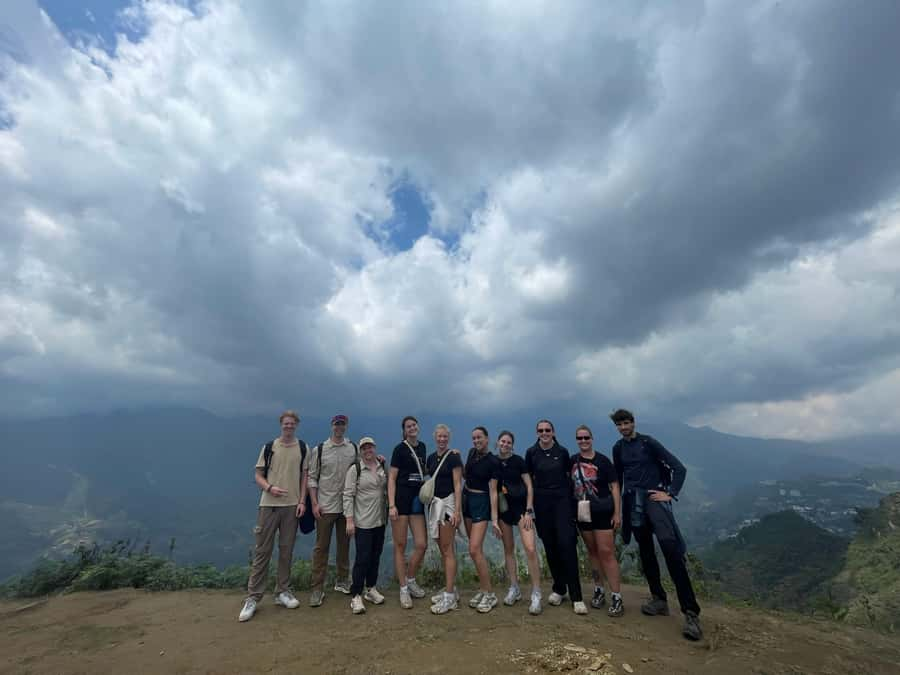
Wear comfortable shoes with good grip. If rain is possible, choose footwear that handles mud and wet stone, and accept that it may get dirty.
Pack:
- Hat and sunscreen
- Snacks
- Extra water
- Camera
- Comfortable walking clothes
- Shoes with non-slip soles
Smoking, plastic bottles, and littering are not allowed. Carry your rubbish and treat the fields, animals, homes, and village paths with care.
Weather can change the feel of the day. Clear conditions bring better mountain views, while rain can turn the trail into a slippery challenge. The guide can respond to conditions, but no guide can make wet ground safe for someone who is not comfortable walking on it.
Who should book this trek?
I would choose this trip if you want a physically active day with local culture, rather than a short viewpoint visit. It suits people who want to see rice terraces from the paths that connect the villages and who enjoy asking questions along the way.
It is also a good choice if you want a guide-led experience at a modest price. The combination of lunch, entrance fees, return transport, and Su’s local explanations keeps the day simple.
I would not choose it if you have mobility limits, back trouble, altitude sickness, a cold, or a strong fear of heights. I would also think twice if you are visiting during wet weather and do not have proper footwear.
FAQ
Where does the trek start?
The guide meets you in front of Sapa’s main church. The guide will message you before the tour to confirm the meeting details.
How long is the trek?
The tour information gives a distance of 14 to 16 kilometers. A shorter overview describes it as 12 to 14 kilometers, so plan for the longer distance.
What villages does the route visit?
The trek passes through Hang Da, Hau Thao, and Muong Hoa, all associated with the Black Hmong community.
Will I see rice terraces?
Yes. The route includes views of the rice terraces in Muong Hoa Valley. If the timing is right, you may also see local people planting or harvesting rice.
Is lunch included?
Yes. Lunch is included at a small local restaurant or family-run home.
What does the $19 price include?
The price includes an English-speaking guide, lunch, village entrance fees, transport back to Sapa after the village section, and one 500 ml bottle of water.
What time does the activity end?
The tour ends at approximately 3:30 PM. Transport is provided back to Sapa after the trek finishes in the village.
Is the trek difficult?
It can be challenging. The route includes an uphill section, mountain paths, and downhill sections that may become very slippery in wet weather.
Who should not take this tour?
The tour is not suitable for pregnant women, people with back problems, mobility impairments, fear of heights, a cold, or altitude sickness.
Should you book it?
Book this trek if you want a long, active walk through real village settings, with a local guide who can explain Black Hmong life and help you manage the route. At $19, the included lunch, entrance fees, guide, water, and return transport make the cost easy to justify.
Skip it if you want a relaxed day, dislike mud, or are unsure about walking 14 to 16 kilometers. For the right walker, this is one of the better low-cost ways to connect Sapa’s mountain views with its villages, farms, and people.
More Rice Terrace Treks in Sa Pa
- From Sapa: Muong Hoa Valley View & Village Trek 1-Day
★ 5.0 · 21 reviews - SAPA: 1-DAY TREKKING TOUR WITH LOCALS, LUNCH & RICE FIELDS
★ 4.7 · 18 reviews - From Sapa : 1 Day Amazing Sapa Trek To Terrace rice field
★ 4.6 · 17 reviews - Trekking Sapa 1 Day With Local Guide, Terraced Rice Fields
★ 4.5 · 5 reviews
Just added around Sa Pa
- Sapa: Private The Most Beautiful Terraced Fields Trekking★ 4.8 · 42 reviews
- Soob Sapa Trekking Tour★ 4.3 · 3 reviews
- Sapa Trekking – Waterfalls And H’mong Villages★ 5.0 · 2 reviews
- Sapa3D2N TrekkingAdventures,Valleys,Bambooforest,Waterfall★ 4.8 · 24 reviews
- Sapa: Trekking Through Terraced Rice Fields & Valley 1 Day★ 4.8 · 4 reviews
- Sapa: Trekking Sapa One Day With Group Tour★ 4.7 · 55 reviews
- Sapa Trekking Private Tour With Ethnic Female Tour Guide★ 4.9 · 24 reviews
- Sapa: Y Linh Ho – Lao Chai, and Ta Van Trekking Day Tour★ 5.0 · 25 reviews
Rice Terrace Treks, compared.
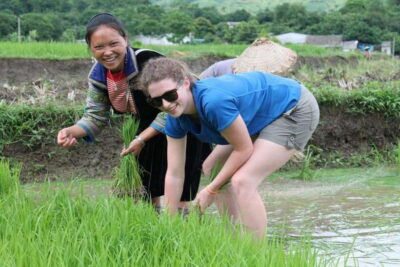
Muong Hoa Valley Trek and Local Ethnic Villages
Read our review →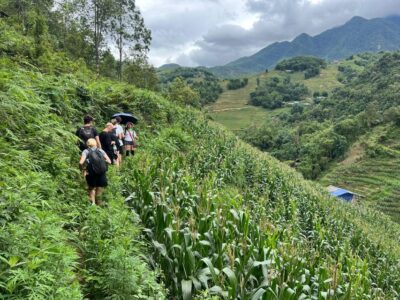
Explore Sapa by TrekkingAdventures, Mountain,Rice fields
Read our review →
Selogriyo Temple and Trekking Java Rice Terraces, hidden waterfall -Nature Java
Read our review →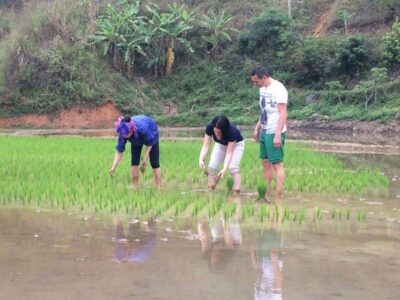
6-Hours Muong Hoa Valley Trek with Local Ethnic guide
Read our review →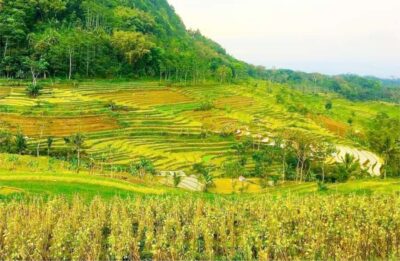
Yogyakarta: Selogriyo Temple Tour & Java Rice Terrace Trek
Read our review →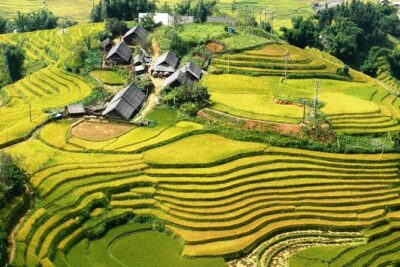
Sapa Muong Hoa Valley & Ta Van Eco Village Scenic Tour (No Trek)
Read our review →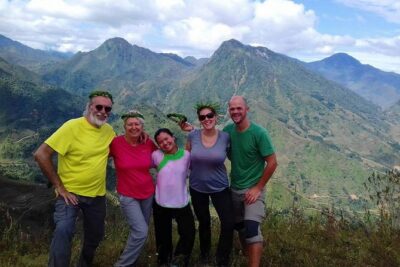
Daily Tour: Sapa Trekking in Muong Hoa valley, Bamboo forest
Read our review →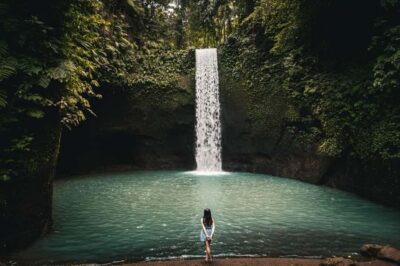
Rice Terrace, Holy Water Temple & Waterfalls Trek Tour
Read our review →Browse the lists this trek appears in