
Review · COLOMBIA
Santa Marta: Trekking in Minca Complete Waterfall Circuit
Minca’s best moments often come between the famous stops: a rough forest path, a sudden waterfall, or a guide pointing out a plant with a story behind it. This 8-kilometer trek links local culture, jungle trails, natural pools, and the popular Marinka Waterfalls in one active half-day.
I like the mix of waterfalls and cultural interpretation, especially the stories about coffee, cacao, indigenous plants, and sustainable farming. I also like that the guide can switch to a Plan B when rain changes the river or trail. The main drawback is value: at $49 per person, some of the walking is on public paths, so the price makes the guide’s knowledge and the included route planning important.
Key points to know before you book
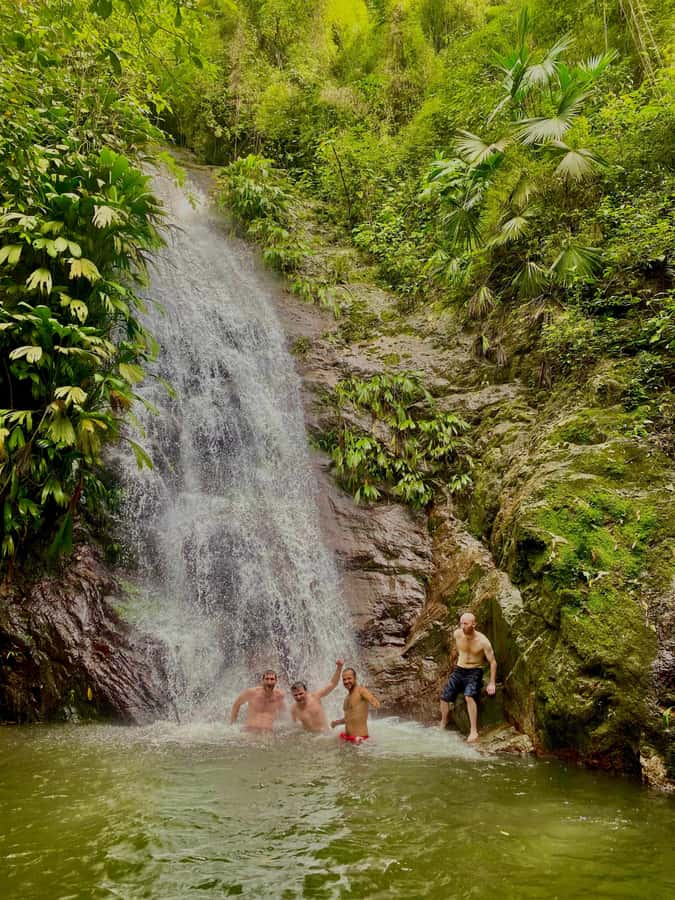
- Several waterfall stops: Oído del Mundo and Marinka are the named highlights, with an additional secluded waterfall for a swim or refreshment.
- A real hiking day: Expect about 8 kilometers, uneven jungle paths, hills, mud, heat, and a medium to medium-high level of effort.
- Local stories add purpose: Your guide explains Minca’s past, indigenous traditions, coffee and cacao farming, and conservation work.
- Guide quality matters: Guides including Mario, John, Laura, and Dan have led this experience, with strong praise for nature and farm knowledge.
- The route can change: High water or damaged trails may send you along another waterfall route.
- Pack for getting wet and dirty: Bring swimwear, a change of clothes, hiking shoes, water, insect repellent, and a light rain jacket.
What this Minca trek is really about
This is not simply a ride to a waterfall followed by a short walk. You meet in Minca and spend much of the day on foot, moving through forest, village paths, farming areas, and trails linked to the mountains around the Sierra Nevada.
The cultural side begins early. Your guide sets Minca in context as an ancestral settlement that grew into a mountain community shaped by local families, indigenous traditions, farming, and outside influences. That background helps you see the town as more than a convenient base for day trips from Santa Marta.
The natural setting changes as you walk. You may pass tall trees, hear birds, cross damp paths, and reach viewpoints that open onto the surrounding hills. The guide’s job is not just to lead the way. It is to explain the plants, farming methods, and local choices that shape what you see.
The experience is available in Spanish or English. That matters here because much of the value comes through explanation. If you simply want a waterfall and a swim, you can find shorter and likely cheaper ways to do that. If you want the story behind the water, farms, and forest, the guide becomes central.
More Waterfall Treks in the world:
- Reykjavik: Glacier Hike, Waterfalls and Black Sand Beach
★ 4.8 · 1,285 reviews - From Reykjavik: Glacier Hike, South Coast and Waterfalls Day Trip
★ 5.0 · 915 reviews - Glacier Hike, South Coast Waterfalls & Black Sand Beach
★ 5.0 · 705 reviews
Meeting in Minca and getting ready for the trail
The standard meeting point is the main park in Minca. A private pickup can also be arranged from a location you provide, which is useful if you are coming from Santa Marta or staying outside the village. Transport is not included in the standard price, so confirm the pickup cost and timing before you rely on that option.
Once everyone is together, expect an introduction to the route and the day’s conditions. The published length is about 5 to 7 hours, while the practical estimate is also given as roughly 4 to 5 hours. That difference likely reflects weather, walking speed, swimming time, and the route used, so I would keep most of the day free.
The elevation is modest by mountain standards, around 600 to 800 meters above sea level, but that does not make the hike easy. Minca is warm, the paths can be steep or slippery, and an 8-kilometer route feels longer when you are walking through humid forest.
Wear shoes with a firm sole. Comfortable trainers may work in dry weather, but hiking shoes are the safer choice if rain has passed through. Bring water, sunscreen, a hat, insect repellent, clothing that can get dirty, swimwear, and a dry change of clothes.
Village stories before the forest trails
The first substantial stop is a traditional village area, with about an hour set aside for sightseeing. This is where the human side of Minca comes into focus.
Your guide explains how coffee and cacao reached these mountains and how those crops changed the local economy. The experience may also connect farming with current sustainability efforts, education, and conservation projects. One guide, Dan, has been praised for making a cacao farm especially interesting, so ask questions if the route includes a farm visit or cacao discussion.
The guide also introduces plants used by indigenous communities and explains their cultural or spiritual role. The exact depth of this section will depend on your guide and the route, but it gives the walk more meaning than a standard nature outing.
Keep your expectations practical. This is not described as a full plantation tour or formal agricultural workshop. You should expect interpretation along the route and contact with local initiatives, not a long specialist visit at every farm.
Walking the ancestral and ecological paths
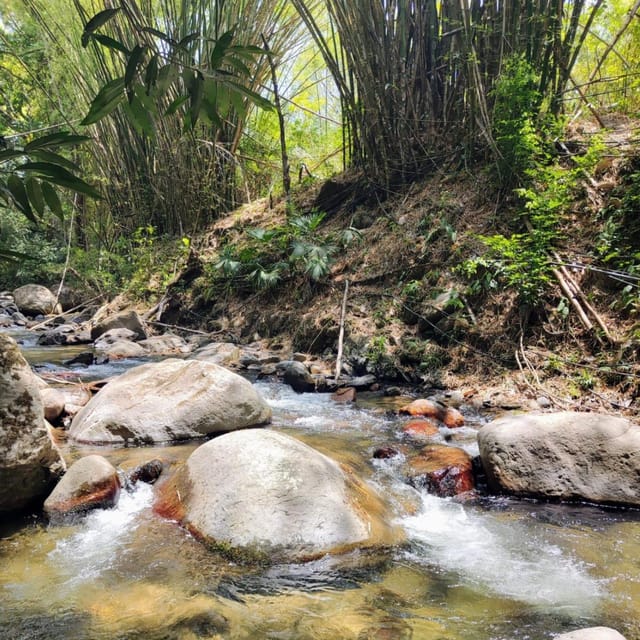
After the village section, the walk continues along local and ecological trails. Some are described as ancestral paths, which points to routes shaped by long use rather than a polished park walkway.
This is the part of the day where your fitness matters most. The difficulty is listed as medium in one place and medium-high in another. I would plan for the harder version. The trail can include uneven ground, climbs, wet sections, and places where you need to watch your footing.
The reward is access to quieter parts of Minca. Instead of moving directly between road-accessible attractions, you get time in the forest and a closer look at the plants, trees, and small ecosystems around the village. Your guide may point out indigenous plants, farming practices, and signs of local wildlife, although no fixed animal sightings are promised.
The route is not completely removed from public access. One assessment called the walk too expensive for what was largely a public path. That is a fair concern. The price makes more sense if you value the interpretation, route choices, local context, insurance, and access to several stops rather than measuring the experience only by trail exclusivity.
A few more treks around the world worth a look
- Mount Etna: Trek to 3000m with cable car and 4×4
★ 4.6 · 3,823 reviews - Bali: Mount Batur Sunrise Trek With Guide and Breakfast
★ 4.8 · 3,461 reviews - From Chania: Full-Day Samaria Gorge Trek Excursion & Guide
★ 4.6 · 3,191 reviews - Mount Etna: Summit Crater Trek with Cable Car
★ 4.8 · 1,875 reviews
Oído del Mundo Waterfall and the first water stop
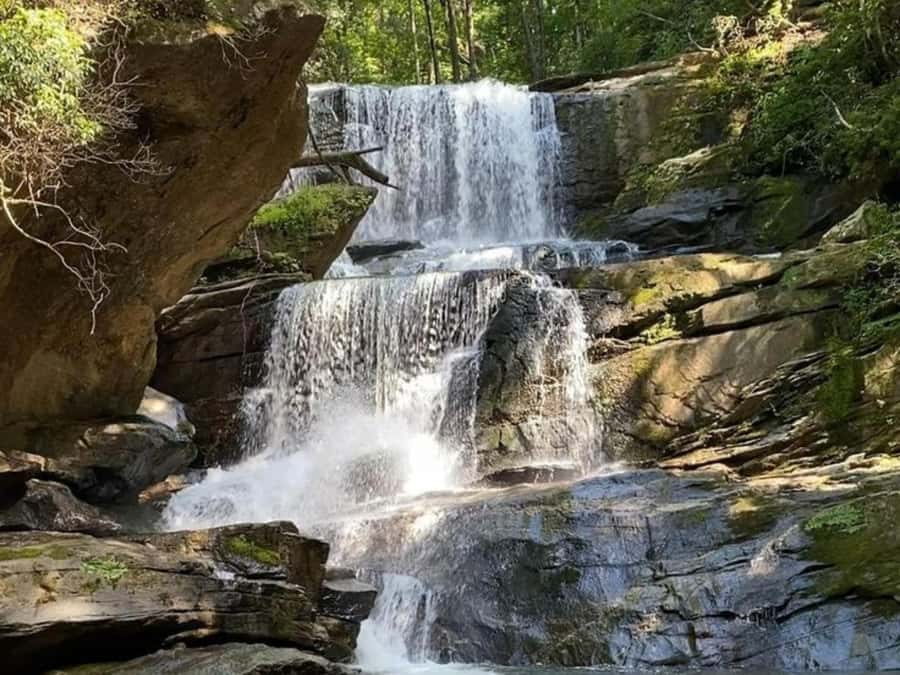
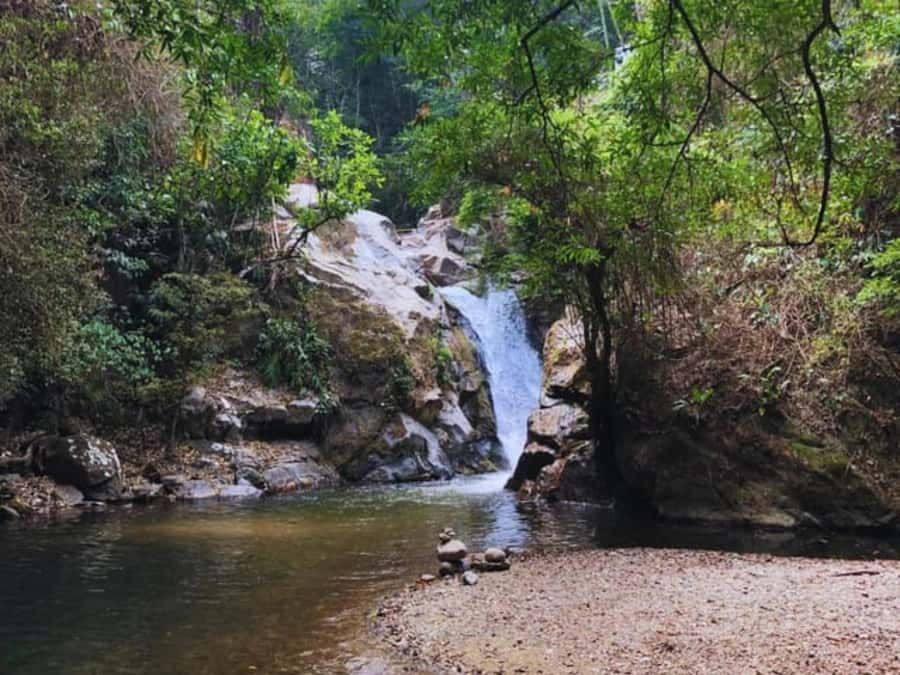
Oído del Mundo Waterfall is planned as a 45-minute photo stop. It provides an early chance to see flowing water, take pictures, and adjust to the pace of the walk.
Do not expect a long stay here. Forty-five minutes is enough for photographs and a short rest, but it may not be the main swimming stop of the day. The trail and water conditions can also affect how close you get or how long the group remains.
This stop works well as a midway reward. By this point, you have already had the village and forest sections, so the waterfall feels like part of a larger route rather than the whole purpose of the outing.
Marinka Waterfalls, the main two-hour stop
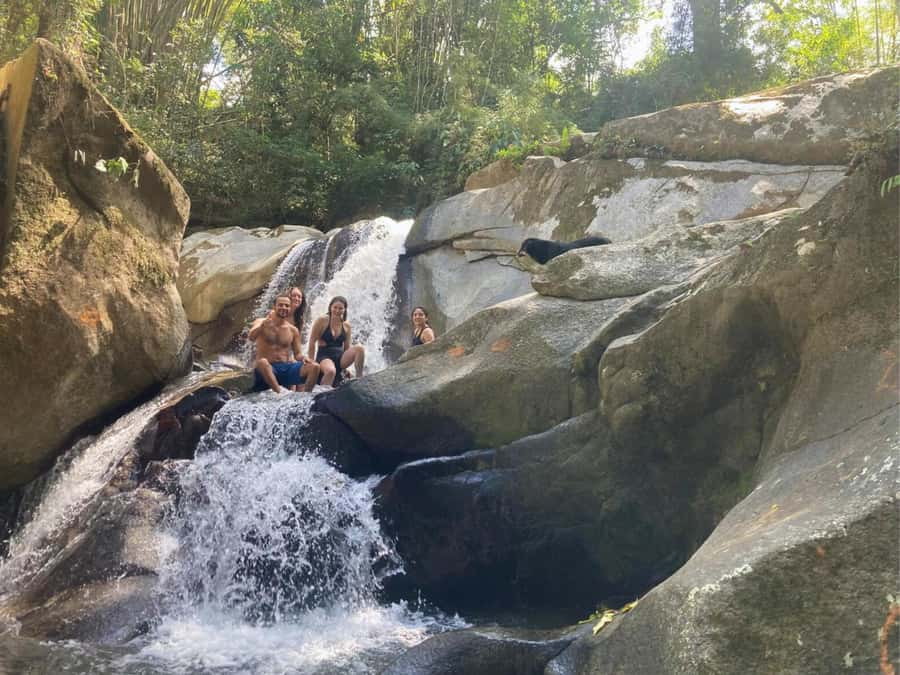
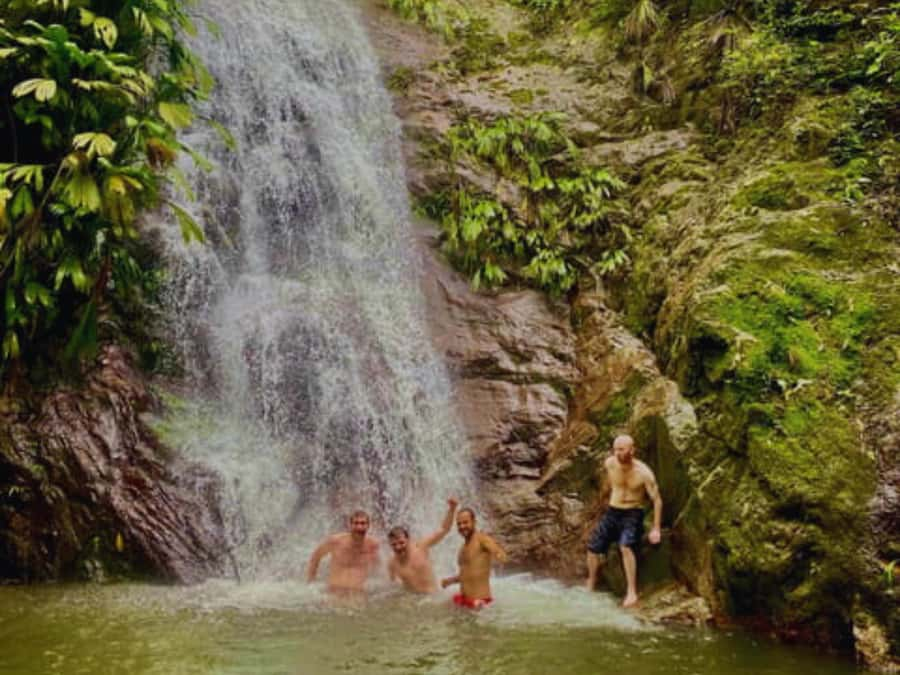
Marinka Waterfalls gets the longest scheduled visit, about two hours. This is the clearest place to slow down, take photographs, rest, and enjoy the water.
The experience includes a refreshment at a secret crystal-clear waterfall, but the exact location can change with conditions. Bring swimwear and a change of clothes, even if you are not certain you will swim. A wet bathing suit under hiking clothes is uncomfortable, and the route may include splashy crossings or rain.
Marinka is also the point most likely to appeal to visitors who want a recognizable Minca attraction. The tradeoff is that well-known waterfalls can feel less private than the smaller stops. The tour balances that by including less obvious trails and a secluded water stop.
Your guide remains useful here because the visit is not only about taking pictures. The guide can explain the river system, local plant life, and the way weather affects the route. Still, two hours can feel long if you do not want to swim or linger, so pack a snack and be ready for a relaxed break rather than constant sightseeing.
Viewpoints, farms, and the value of a local guide
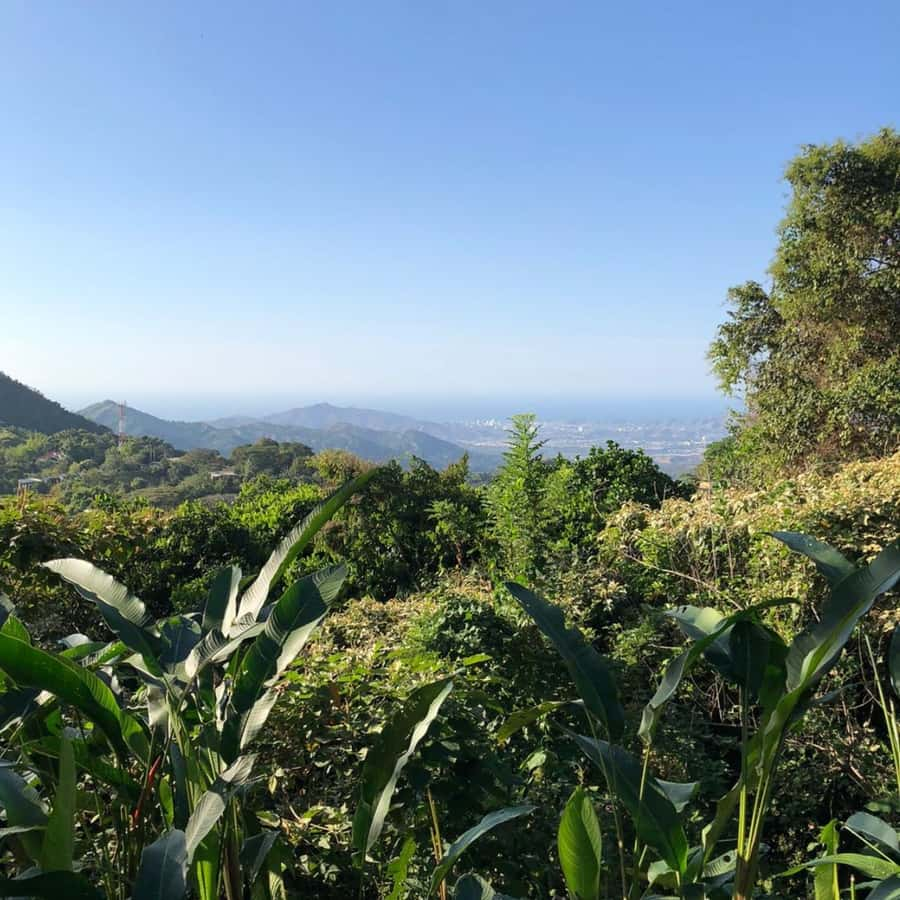
Stops at local viewpoints are part of the route, although no single viewpoint is named. You will get changing angles over the hills and forest rather than one guaranteed postcard location.
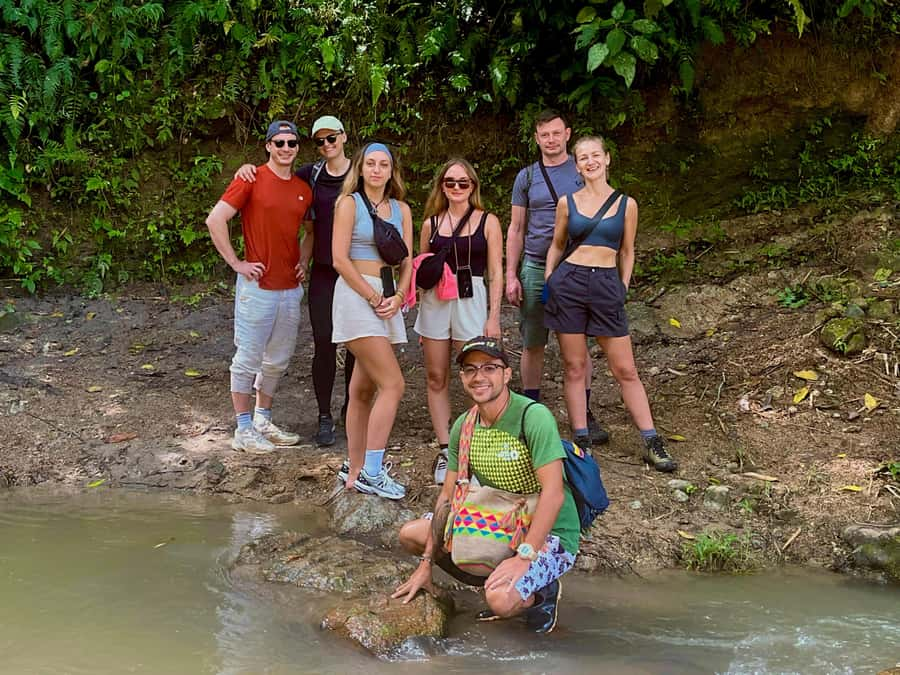
This is where guide quality makes the greatest difference. Mario has led walks with a strong focus on indigenous education and the plants and animals of Colombia. John has been praised for his passion for nature, while Laura has been noted for explaining the stops clearly and warmly. These names indicate the kind of guide you may receive, but you should not assume a particular person will lead your date.
The best version of this tour is conversational. Ask how coffee and cacao farming affect the area, which plants have traditional uses, and how local projects support conservation. You will get more from the day if you treat the guide as an interpreter rather than a person who simply points out the next path.
A portion of the price supports local community projects and environmental conservation efforts. That gives the $49 fee a wider purpose, though the tour does not specify exactly which projects receive funds. I would regard this as a useful benefit, not the sole reason to book.
Weather, route changes, and the Plan B promise
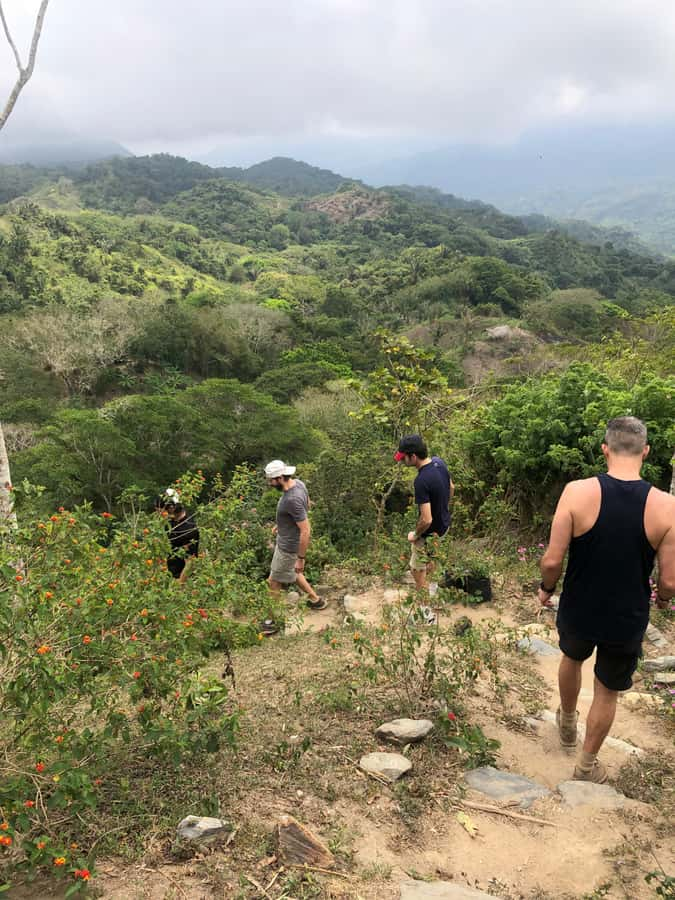
Minca’s rivers and trails can change quickly. Heavy rain may raise water levels, wash out a path, or make a planned crossing unsafe. The route therefore includes a Plan B with more waterfalls, trails, and secluded spots.
That flexibility is important, but it also means the exact order and character of the day are not fixed. You may not visit every named stop if conditions make it unsafe. In exchange, you should still get the central experience: forest walking, waterfall time, local stories, and contact with Minca’s natural setting.
Bring a light rain jacket even if the morning starts clear. Weather-appropriate clothing is not a minor detail here. Rain can turn a simple path into a slick one, and clothes that cannot get dirty will make the day less pleasant.
Guides are trained in first aid and prioritize safety. That is reassuring, but it does not remove the need for sensible preparation. Stay with the group, follow instructions near water, and tell the guide early if the pace or terrain is becoming too much.
Is $49 a fair price?
At $49 per person, this sits above a basic waterfall outing. You are paying for a guided 8-kilometer route, several water stops, local interpretation, insurance, and the chance to use an alternative route if conditions change.
The price is easiest to justify if you want the cultural and ecological side of Minca. A guide who explains indigenous plants, farming, cacao, coffee, and conservation gives the walking a purpose. The strongest guide experiences appear to be those led by people with clear interest in nature and local culture.
The price is harder to justify if you only want a swim at Marinka or a short walk to a waterfall. One direct assessment considered the tour overpriced because much of the route used public paths. That criticism should not be ignored. Public access does not mean the experience has no value, but it does mean you should decide if interpretation and planning are worth the extra cost.
Food and drinks are not included. Carry water and bring a snack, especially because the walk may last most of a day. Transport is also separate unless you choose a pickup option and confirm its price.
Who should book this experience?
I would choose this for an active visitor who wants more than a quick photo stop. It suits you if you enjoy walking, swimming, plants, local stories, and a changing route.
It is a poor fit if you dislike mud, humidity, uneven trails, or uncertain timing. The activity is not suitable for pregnant women, wheelchair users, or people with respiratory issues. It also requires a reasonable level of fitness and is not designed for limited mobility.
Book at least 24 hours ahead. You can cancel for a full refund up to 24 hours before the start, and the reserve-now, pay-later option keeps your plans flexible.
Final verdict: choose the guide-led route if the stories matter
Book this trek if you want Minca’s waterfalls connected to its people, crops, plants, and mountain environment. The strongest parts are the several water stops, the flexible route, and guides such as Mario, John, Laura, or Dan who can add substance to the walk.
Skip it if your main goal is the cheapest possible waterfall visit. At $49, the tour asks you to pay for guidance and context, not just access to public trails. Bring proper shoes, water, swimwear, and patience for weather changes, and you will be prepared for the version of Minca this experience does best: active, local, and shaped by the forest.
FAQ
Where does the tour begin?
The standard meeting point is Minca Main Park, where the guide will be waiting.
Can I arrange pickup from Santa Marta?
Yes. Pickup is optional, and a private driver can collect you from a location you provide. Transport is not included in the standard tour price.
How long does the trek last?
The activity is advertised as lasting 5 to 7 hours. Additional information also gives an estimate of about 4 to 5 hours, depending on the route and conditions.
How far do you walk?
The distance is approximately 8 kilometers.
What is the difficulty level?
The trek is described as medium to medium-high difficulty. You should be in good physical condition and comfortable with moderate to challenging hiking.
Which waterfalls are included?
The route names Oído del Mundo Waterfall and Marinka Waterfalls. It also includes a refreshment stop at a secluded crystal-clear waterfall, although the exact route may change.
Is swimming part of the experience?
You may refresh yourself in natural pools or at a secluded waterfall. Bring swimwear and a change of clothes.
What languages are available?
The tour is offered in Spanish and English.
What should I bring?
Bring hiking shoes, water, sunscreen, insect repellent, comfortable clothing, a hat, swimwear, a change of clothes, and a light rain jacket. Wear clothes that can get dirty.
Can the route change because of weather?
Yes. Rivers may rise and trails may become impassable, so the guide may use a Plan B route with other waterfalls, trails, and natural sights.
Just added around the world
- Everest Base Camp Trek★ 5.0 · 3 reviews
- Everest Base Camp Trek★ 5.0 · 7 reviews
- 15 Days Private Everest Base Camp Trek★ 5.0 · 30 reviews
- Everest Base Camp Trek★ 5.0 · 57 reviews
- 14 Days of Adventure Trekking to Everest Base Camp★ 5.0 · 2 reviews
- 14-Day Everest Base Camp Trek★ 5.0 · 20 reviews
- From Kathmandu: Private 14-Day Everest Base Camp Trek★ 5.0 · 20 reviews
- 14 Days Everest Base Camp Trek★ 5.0 · 4 reviews
Waterfall Treks, compared.
Glacier Hike, Waterfalls and Black Sand Beach
Read our review →
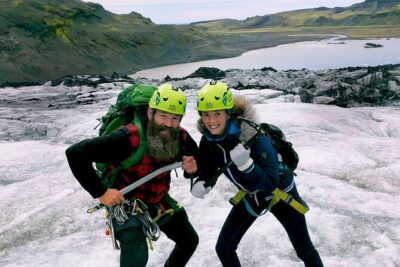
Glacier Hike, South Coast Waterfalls & Black Sand Beach
Read our review →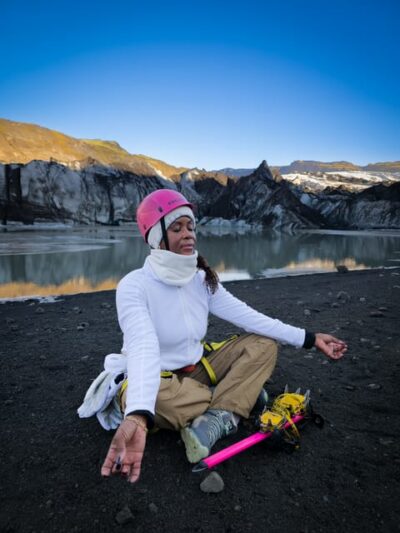
Reykjavík: Iconic Glacier Hike, South Coast & Waterfalls
Read our review →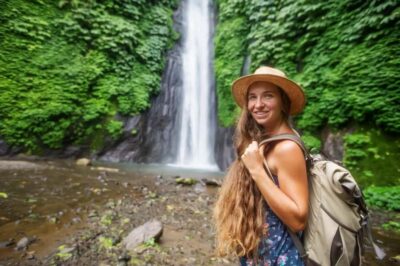
Munduk Waterfalls Trek, Twin Lakes and Temple Tour
Read our review →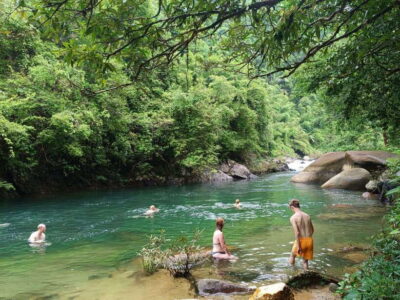
Khao Sok: Private Waterfalls and Wildlife Half-Day Trek
Read our review →
South Coast, Waterfalls & Glacier Hike Small-Group
Read our review →
Selogriyo Temple and Trekking Java Rice Terraces, hidden waterfall -Nature Java
Read our review →Browse the lists this trek appears in