
Review · SAPA
Sa Pa: Muong Hoa Valley Trek and Local Ethnic Villages
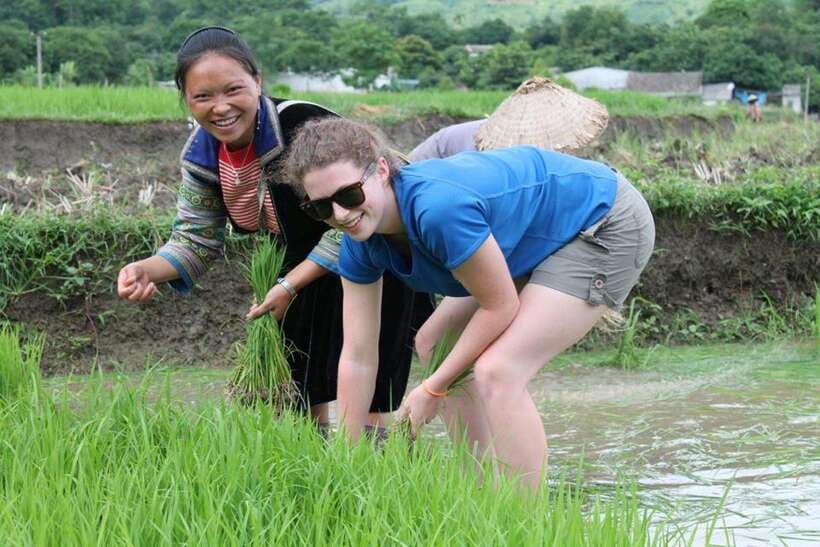
The best part of this Sa Pa outing is that the scenery keeps changing. You begin above the Muong Hoa Valley, cross the river, walk between rice terraces, pass through Black Hmong and Red Dao villages, and finish in a bamboo forest near a waterfall. I like the local focus, especially the chance to eat lunch at a village home rather than at a standard restaurant. I also like the small groups, limited to 11 people, which give guides such as Su, Khu, Chai, and Sunny room to help with rough sections and explain local life.
The catch is the trail. Mud, steep slopes, wet rocks, and slippery bamboo paths can turn this into a serious hike, especially after rain. I would not book it for a casual stroll, and I would leave the white sneakers at the hotel. The reward is a closer look at valley life, but you need proper hiking shoes, steady footing, and enough stamina for six hours outdoors.
Key points at a glance
- A 10-kilometer valley route: Walk from Sa Pa through Lao Chai, Ta Van Giay, and Giang Ta Chai, with rice terraces and river views throughout.
- Three distinct ethnic communities: See daily life in Black Hmong and Red Dao villages, with cultural background from an English-speaking local guide.
- Ancient rock carvings: Look for images of people, stilt houses, and decorative patterns near the Muong Hoa River.
- Lunch in a local home: Stop for a generous village meal, with vegetarian food available when arranged with the guide.
- Real trail conditions: Expect slippery mud, uneven paths, bamboo forest sections, suspension bridges, and uphill walking.
- Good value at $23: The price includes a guide, entry tickets, lunch, water, hotel pickup in central Sa Pa, and return transport.
Starting above the Muong Hoa Valley
Pickup is available from your hotel in Sa Pa town or from the Vietnam Nomadtrails office. The outing lasts about six hours and usually ends around 3:30 PM, making it a practical full morning and early afternoon plan.
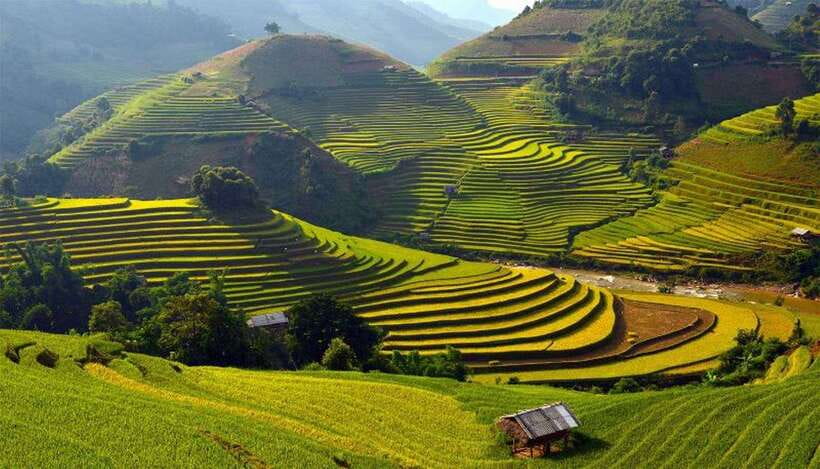
The walk begins with views across Muong Hoa Valley. Morning mist can sit over the rice terraces, hiding and revealing the hills as you follow a narrow path toward the Muong Hoa River. Sa Pa weather changes quickly, so the same route can feel cool and gray one day, bright and open the next.
I like this opening because it gives you a sense of scale before the walking gets more demanding. You are not simply heading from one village to another. You are moving through farmland shaped by steep hillsides, water, and years of careful cultivation.
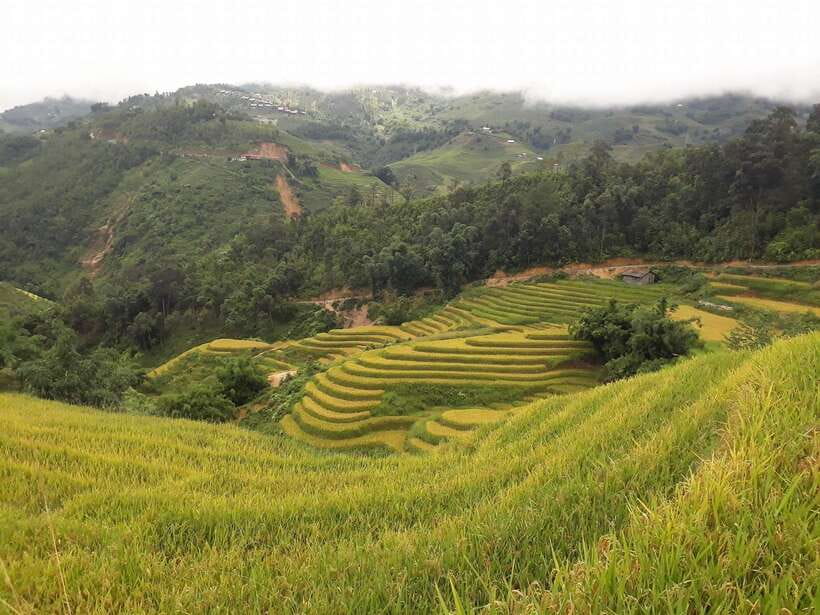
The terraces are a major reason to choose this outing, but your view depends heavily on the season and weather. Fog can soften the scenery and reduce visibility. Rain can make the trail much harder. The scenery remains appealing in poor weather, but you should not book this trek expecting clear mountain views every time.
More Rice Terrace Treks in Sapa
- Explore Sapa by TrekkingAdventures, Mountain,Rice fields
★ 4.9 · 229 reviews - Sa Pa: 6-Hours Muong Hoa Valley Trek with Local Ethnic guide
★ 4.5 · 178 reviews - Sapa Muong Hoa Valley & Ta Van Eco Village Scenic Tour (No Trek)
★ 5.0 · 144 reviews
Crossing the river and reaching Lao Chai
The route follows a small trail across the Muong Hoa River and continues beside well-tended rice fields. This is where the tour starts to feel more rural. You see narrow paths, working farmland, and homes rather than only the main tourist roads.
The first major village is Lao Chai, home to Black Hmong communities. Your guide explains elements of local culture and daily life as you walk. Several guides, including Su, Sunny, Chai, and Khu, are praised for answering questions clearly and sharing personal insight into their communities.
That local connection adds real value to the low price. Without a guide, you could walk through the same valley and still miss the meaning of the clothing, homes, farming methods, and village layout. You will not get a university lecture, but you should come away with a clearer idea of how the communities here live and work.
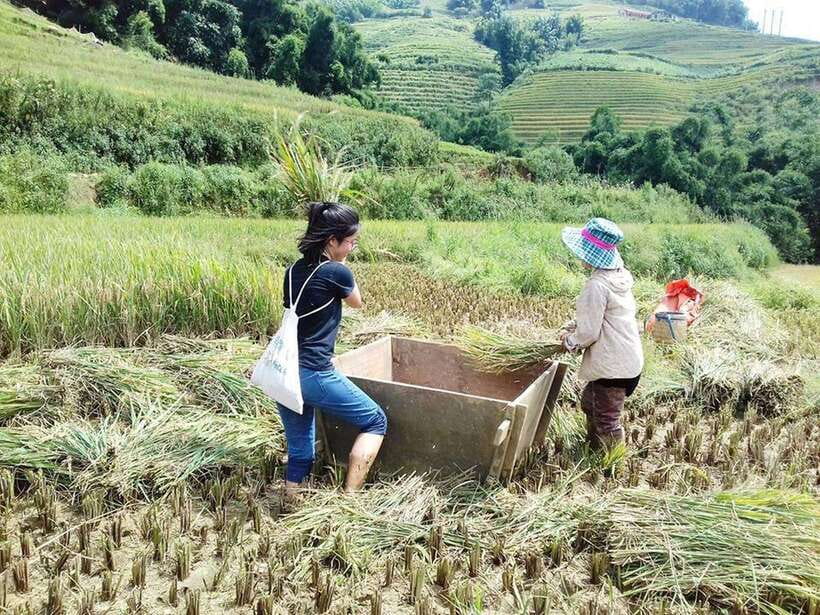
A practical point: local women may join parts of the route to help you over muddy or steep ground. Their assistance can be extremely useful, especially after rain. You should also expect a sales approach afterward, with handmade goods offered for purchase. Bring some Vietnamese dong if you want to buy a small item as a thank-you. Do not assume the assistance is entirely separate from selling, and decide your spending limit before the walk begins.
Ta Van Giay and the Muong Hoa rock carvings
From Lao Chai, the route continues toward Ta Van Giay. You walk along the Muong Hoa River and cross a small suspension bridge roughly two kilometers from the settlement.
The bridge is one of those simple features that makes the route feel more like a trek than a sightseeing transfer. Conditions can be uneven, and the trail varies from rough ground to more maintained paths. You need to watch your footing rather than walk while looking only at the views.
The ancient rock carvings are another worthwhile stop. The designs include images of men, stilt houses, and decorative patterns. They are not presented as a large museum display, so keep your eyes open and listen to your guide’s explanation. Their value comes from seeing them in the valley where they were made, not from expecting a polished visitor center.
The route may be advertised as 10 kilometers, but some phones have recorded closer to 12.5 kilometers or more than 21,000 steps. That difference can come from route variations, walking around villages, or GPS readings, but it is a useful warning. Plan for a long half-day on your feet.
Lunch at a village home
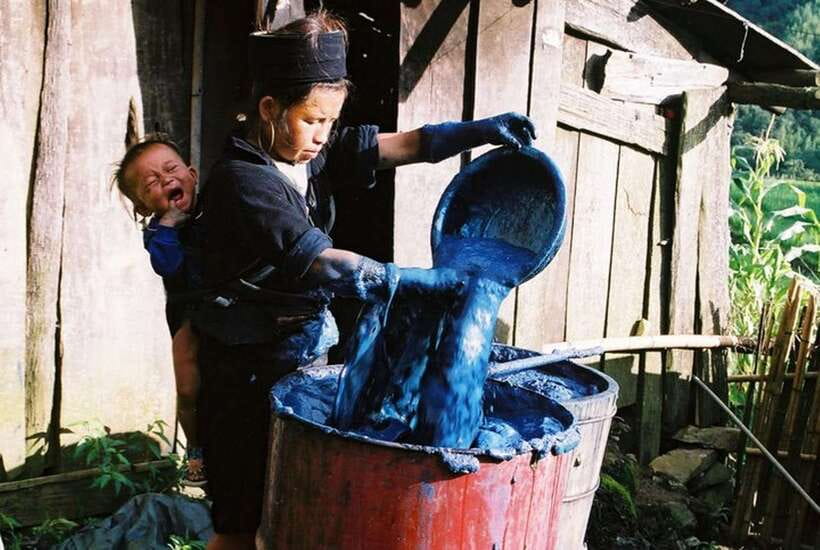
Lunch takes place at a local house in one of the villages. This is one of the strongest parts of the experience because it breaks up the demanding walk and gives you a more direct connection with village life.
The meal can include rice, vegetables, tofu, eggs, and spring rolls. Vegan and vegetarian needs have been accommodated, but you should tell the operator when booking and remind the guide at the start. Beverages are not included, so carry enough water or cash for extra drinks.
A home meal is not the same as a restaurant stop. You may find the setting simple, and the timing depends on the group and trail conditions. That is part of the appeal. You are eating during a working village route, not visiting an attraction designed only for lunch.
The 500-milliliter bottle of mineral water included per person is useful, but I would carry more water if possible. Six hours of walking in humid weather, particularly on steep sections, can leave you thirsty. Soft drinks and other beverages cost extra.
More Rice Terrace Treks in Vietnam
- Daily Tour: Sapa Trekking in Muong Hoa valley, Bamboo forest
★ 5.0 · 121 reviews - 1-Day Sapa Long Trek – Rice Field Terrace, Ethnic Culture
★ 4.9 · 62 reviews - Sapa: Muong Hoa Mountain Views and Villages Trek with Lunch
★ 4.3 · 28 reviews - Sapa: Muong Hoa Valley View & Villages Trek with Local Guide
★ 5.0 · 25 reviews
Bamboo forest, waterfall, and the climb back
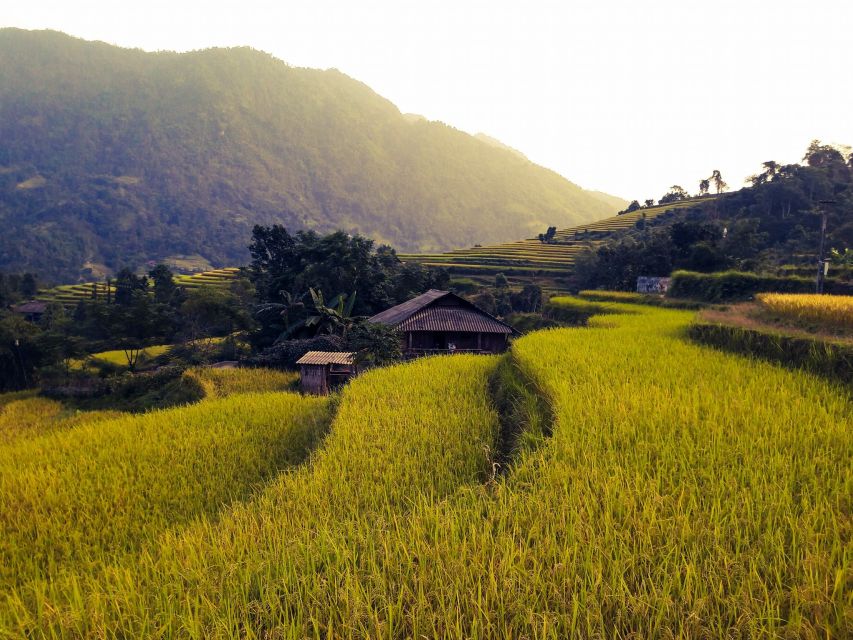
After lunch, the trail heads through bamboo forest toward Giang Ta Chai, a Red Dao ethnic minority village. The bamboo section is often the trickiest part when the ground is wet. Roots, mud, slick stones, and steep edges can make ordinary trainers unreliable.
Local helpers may take your hand or guide you toward firmer ground. That can make a big difference, but you should not treat their help as a substitute for proper shoes. Several people have slipped in wet conditions, and some have ended the walk soaked and covered in mud.
A short rest near a waterfall offers a welcome pause before the final climb. The waterfall is not a long swimming stop or a major attraction. Think of it as a quiet place to catch your breath, cool down, and enjoy the sound of running water.
From there, you climb uphill to the main road, where your driver waits for the return journey to Sa Pa. The final ascent can feel tough after several hours on uneven ground. If your legs are already tired, take it slowly and let the guide know.
What the $23 price really includes
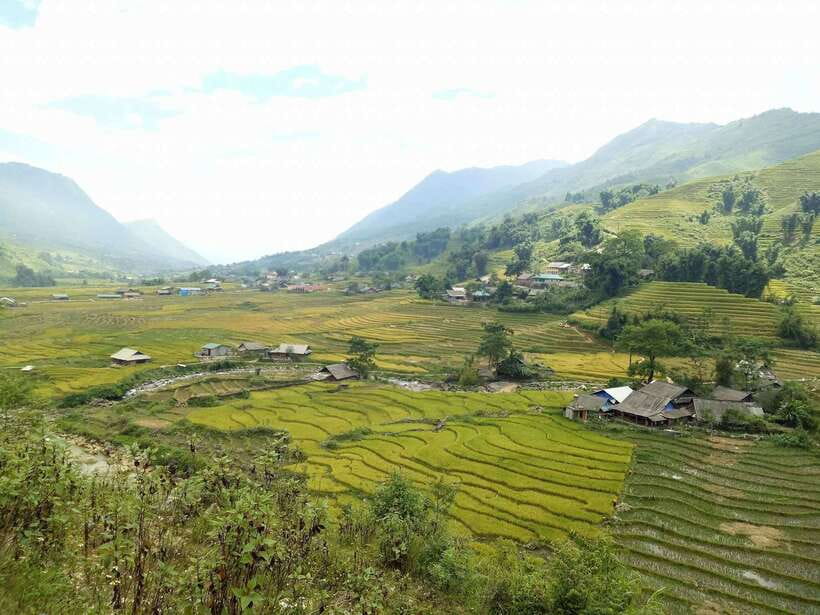
At $23 per person, this is strong value for a guided six-hour outing. The fee includes central Sa Pa pickup, an English-speaking guide, entry tickets, lunch, 500 milliliters of water, and transport back to Sa Pa.
You are paying for more than the walk itself. The guide helps you understand the villages, keeps the group together, points out cultural details, and helps manage difficult ground. The return transport also saves you the trouble of arranging a vehicle from the main road.
The price does not include drinks, personal purchases, or soft drinks. A French-speaking guide costs an additional $19 per person. There is also a $30 per person Lunar New Year surcharge from February 14 to February 21, 2026, payable at departure.
The main value question is not simply cost. It is whether you want a structured route with transport and lunch, or prefer arranging a local trek independently. One alternative is to hire a local village woman directly in Sa Pa, which may offer a more personal route and can cost less. The organized option gives you easier booking, a set plan, entry tickets, and transport, but it can feel more tourist-oriented than a fully private local arrangement.
How hard is the 10-kilometer trek?
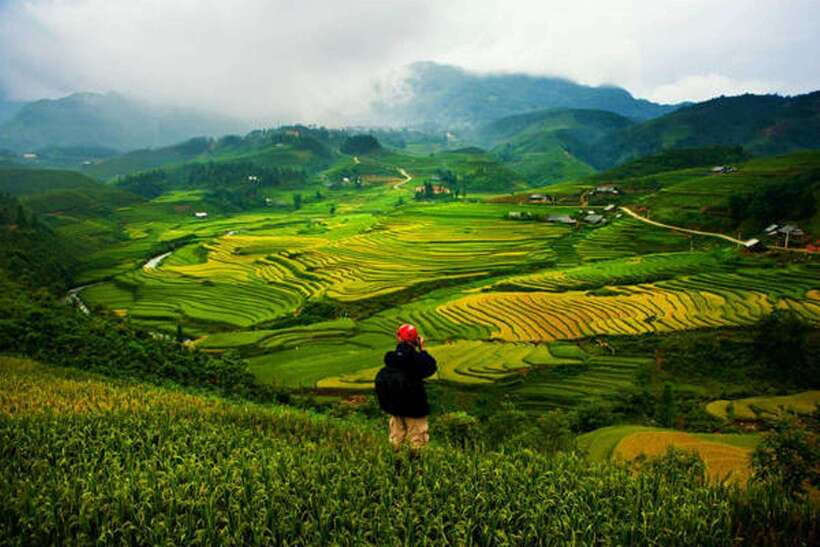
Fitness matters more than speed. You do not need to be an athlete, but you should be comfortable walking for several hours over uneven ground and climbing hills.
The trail can include:
- Muddy descents and steep slopes
- Wet rocks and uneven paths
- Rice terrace edges
- River and creek crossings
- A small suspension bridge
- Bamboo forest trails
- An uphill finish to the main road
Dry weather makes a major difference. In wet conditions, the trek can become very slippery, and the distance may feel longer than expected. Hiking shoes with strong grip are the best choice. Waterproof boots or wellies may be useful in the wettest periods, while ordinary trainers can leave you slipping and soaked.
Bring sunglasses, sunscreen, insect repellent, and extra clothing suited to the season. Warm clothes are recommended from October through March. Do not bring oversized luggage. A small daypack is the sensible choice.
This outing is not suitable for people with mobility impairments or children under six. If you have a recent injury, poor balance, or little experience on muddy trails, choose a shorter and easier walk.
Guides make the difference
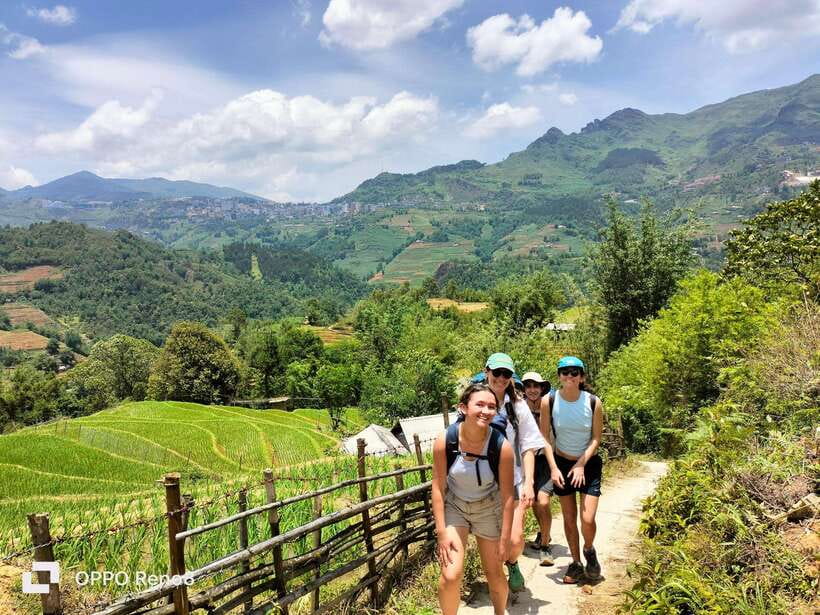
The guide is central to this experience. The strongest guides are not just there to point out the route. They explain local customs, answer questions, adjust the pace, and help you through the rough ground.
Guides named in feedback include Su, Khu, Sunny, Chai, Nhu, Minh, Coo, Linda, Thao Nu, and Kau. English is the tour language, and several guides are praised for clear communication and a warm manner. Su is noted for careful handling of unstable rocks, while Sunny is praised for local stories and practical help. Khu receives particular praise for combining humor, cultural explanation, and care on the trail.
Guide quality can vary from one departure to another, as with any group outing. Still, the repeated strength of the guiding is an important reason to choose this rather than walking the valley alone.
Groups are limited to 11 people. That is small enough for the guide to notice when someone is struggling, and it avoids the feel of a large procession. Some departures may be much smaller, which can make the walk quieter and easier to manage.
Weather, scenery, and the honest tradeoff
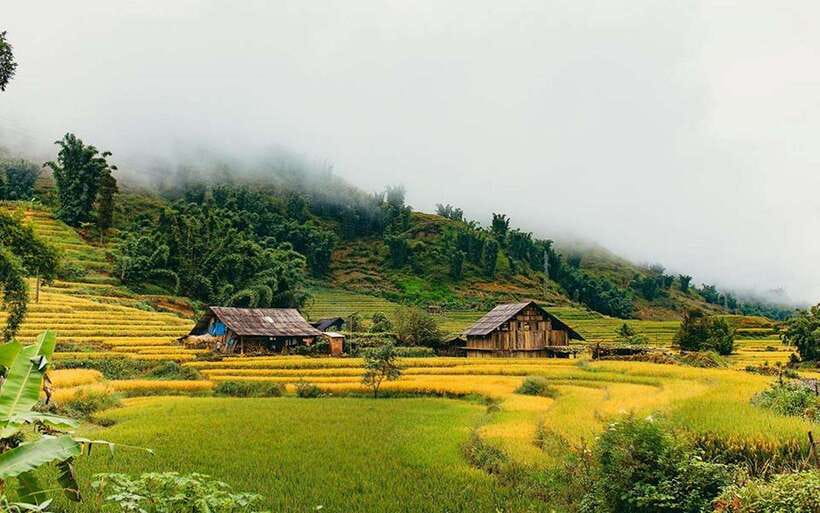
Sa Pa weather is part of the experience, but it is also the biggest uncertainty. Fog can hide the valley. Rain can turn paths into mud. Clear conditions give you the best views across the terraces, but a cloudy day can still provide a memorable walk through villages and forest.
If you can choose your date, aim for a dry forecast. The best advice is not to cancel at the first sign of cloud, since mist can create a beautiful mood. Rain is the bigger concern because it affects safety, comfort, and the condition of your shoes.
There is also a less attractive side to the route. One person noticed rubbish in places along the river and paths. That does not define the outing, but it is worth knowing that this is a lived-in rural area, not a perfectly maintained nature park.
You will see working communities, tourism, selling, farming, and ordinary household life side by side. That can feel more genuine than a polished cultural show, but it also means the experience is not carefully controlled for visitors.
Should you book this Sa Pa trek?
Book it if you want active village travel, strong valley views, a local lunch, and an affordable way to see several communities in one day. It suits anyone with a reasonable fitness level who is willing to get muddy and accept changing weather.
Choose another activity if you want a gentle walk, guaranteed clear views, private transport throughout, or a quiet route without local sellers. You should also skip it if you only have smooth city shoes or dislike steep, wet ground.
For most able walkers, this is a good use of six hours in Sa Pa. Bring serious footwear, cash for optional purchases, and a flexible attitude. The scenery is beautiful, but the real strength is the combination of farmland, homes, guides, and difficult little paths that show you more of the valley than a roadside viewpoint can.
FAQ
How long is the Sa Pa Muong Hoa Valley trek?
The trek is advertised as approximately 10 kilometers and lasts about six hours. Some GPS readings have shown around 12.5 kilometers or more than 21,000 steps, so you should prepare for a long half-day walk.
What villages does the route visit?
The route includes Lao Chai, where Black Hmong communities live, Ta Van Giay, and Giang Ta Chai, a Red Dao ethnic minority village.
Is lunch included?
Yes. Lunch at a local house is included. Meals can include rice, vegetables, tofu, eggs, and spring rolls. Vegan and vegetarian meals have been accommodated, but you should state your dietary needs when booking.
What should I wear and bring?
Bring hiking shoes with good grip, sunglasses, sunscreen, insect repellent, and suitable clothing. Warm clothes are recommended from October to March. Waterproof footwear can be helpful in wet conditions.
Is the trek difficult?
The route can be challenging, especially after rain. Expect muddy slopes, wet rocks, uneven paths, bamboo forest sections, and an uphill finish. A reasonable level of fitness is needed.
Is hotel pickup included?
Pickup is included if your hotel is in central Sa Pa. You can also meet at the Vietnam Nomadtrails office. Pickup from outside the Sa Pa area is not available.
Can I cancel the activity?
You can cancel up to 24 hours in advance for a full refund. The activity also allows you to reserve now and pay later.
More Rice Terrace Treks in Sa Pa
- From Sapa: Muong Hoa Valley View & Village Trek 1-Day
★ 5.0 · 21 reviews - SAPA: 1-DAY TREKKING TOUR WITH LOCALS, LUNCH & RICE FIELDS
★ 4.7 · 18 reviews - From Sapa : 1 Day Amazing Sapa Trek To Terrace rice field
★ 4.6 · 17 reviews - Trekking Sapa 1 Day With Local Guide, Terraced Rice Fields
★ 4.5 · 5 reviews
Just added around Sa Pa
- Sapa: Private The Most Beautiful Terraced Fields Trekking★ 4.8 · 42 reviews
- Soob Sapa Trekking Tour★ 4.3 · 3 reviews
- Sapa Trekking – Waterfalls And H’mong Villages★ 5.0 · 2 reviews
- Sapa3D2N TrekkingAdventures,Valleys,Bambooforest,Waterfall★ 4.8 · 24 reviews
- Sapa: Trekking Through Terraced Rice Fields & Valley 1 Day★ 4.8 · 4 reviews
- Sapa: Trekking Sapa One Day With Group Tour★ 4.7 · 55 reviews
- Sapa Trekking Private Tour With Ethnic Female Tour Guide★ 4.9 · 24 reviews
- Sapa: Y Linh Ho – Lao Chai, and Ta Van Trekking Day Tour★ 5.0 · 25 reviews
Rice Terrace Treks, compared.
Explore Sapa by TrekkingAdventures, Mountain,Rice fields
Read our review →
Selogriyo Temple and Trekking Java Rice Terraces, hidden waterfall -Nature Java
Read our review →
6-Hours Muong Hoa Valley Trek with Local Ethnic guide
Read our review →
Yogyakarta: Selogriyo Temple Tour & Java Rice Terrace Trek
Read our review →
Sapa Muong Hoa Valley & Ta Van Eco Village Scenic Tour (No Trek)
Read our review →
Daily Tour: Sapa Trekking in Muong Hoa valley, Bamboo forest
Read our review →
Rice Terrace, Holy Water Temple & Waterfalls Trek Tour
Read our review →
Mount Batur Sunrise Trekking and Rice Terrace Adventure
Read our review →Browse the lists this trek appears in