
Review · SAPA
Sa Pa: 6-Hours Muong Hoa Valley Trek with Local Ethnic guide
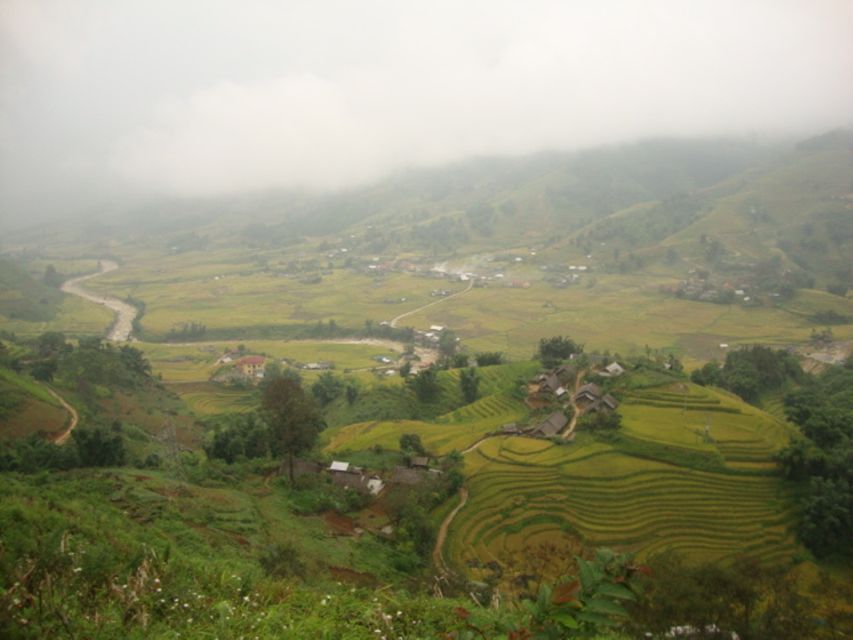
Muong Hoa Valley is one of the best places near Sa Pa to see mountain scenery and village life in the same outing. This 10-kilometer trek runs downhill through rice terraces, bamboo forest, and small ethnic villages, with a local guide explaining what you are seeing along the way.
I like the direct contact with Black Hmong and Dzay communities, and I like that the tour includes more than pretty views: you learn about hemp weaving, batik, indigo dyeing, and rice farming. The main drawback is the trail itself. It can be steep, muddy, slippery, and tiring, especially in wet weather or summer heat.
Key points to know before booking
- A one-way 10-kilometer route: You walk from Sa Pa toward Ta Van, then return by bus, so this is not a loop.
- Three important villages: Y Linh Ho is associated with the Black Hmong, Lao Chai offers broad views of the rice terraces, and Ta Van introduces you to the Dzay people.
- A genuine rural trek: Expect uneven paths, bamboo forest, dirt tracks, concrete sections, bridges, and downhill walking.
- Local help on difficult ground: Hmong women sometimes accompany the group and help with slippery sections, though they may later offer handmade goods for sale.
- Lunch costs extra: You stop at a local restaurant, but food and soft drinks are not included in the $18 price.
- Best for active visitors: A moderate level of fitness is needed, and trekking shoes are much more useful than ordinary trainers.
Why this Sa Pa trek is worth your time
At $18 per person, this is a strong-value way to spend half a day in the Muong Hoa Valley. The price covers the English-speaking guide, transport by bus, entrance tickets, and a 500-milliliter bottle of water. You still pay for lunch and drinks, but the core experience is inexpensive for a six-hour outing.
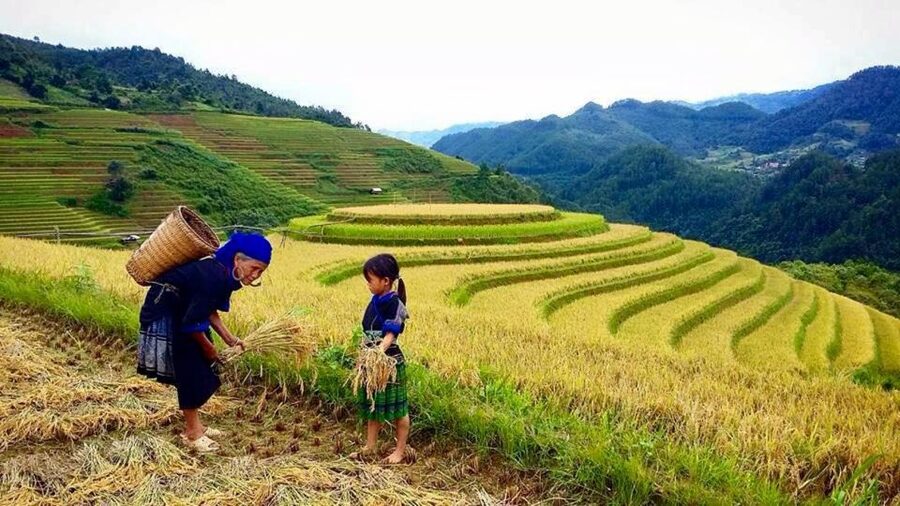
The greatest value comes from the route. You are not simply driven to a viewpoint, given a few minutes for photos, and returned to town. You walk between villages and see how the valley changes from mountain paths to rice fields to homes and small roads.
The group is limited to 11 people. That is small enough for a guide to help with difficult footing and answer questions, while still large enough to make the outing social. The guide quality matters here. Guides named Sang, Sai, Su, and Bao have been praised for clear English, humor, patience, and useful explanations about local life.
You should keep your expectations realistic. This is a guided village trek, not a private cultural visit. The tour passes through communities where local women may walk with you and later sell woven goods. Some people enjoy this connection and buy a handmade item as thanks. Others find the sales approach uncomfortable, especially at lunch. Carrying a polite but firm no, thank you is sensible.
More Rice Terrace Treks in Sapa
- Sa Pa: Muong Hoa Valley Trek and Local Ethnic Villages
★ 4.6 · 864 reviews - Explore Sapa by TrekkingAdventures, Mountain,Rice fields
★ 4.9 · 229 reviews - Sapa Muong Hoa Valley & Ta Van Eco Village Scenic Tour (No Trek)
★ 5.0 · 144 reviews
The first walk toward Y Linh Ho
The day begins in or near Sa Pa, depending on your hotel. Pickup is available from hotels in Sa Pa town, but some properties require you to walk to a meeting point or the local office. Confirm this before the morning of the tour.
The first section is described as a scenic 20-minute walk toward Y Linh Ho village. The route quickly takes you away from the town setting and toward the hills. This opening gives you time to settle into the pace and meet your guide before the more demanding parts begin.
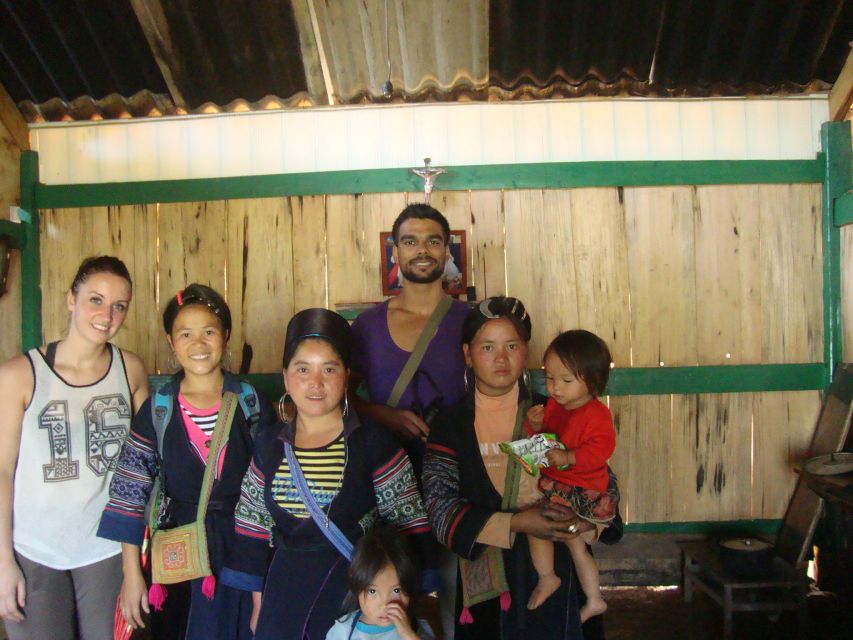
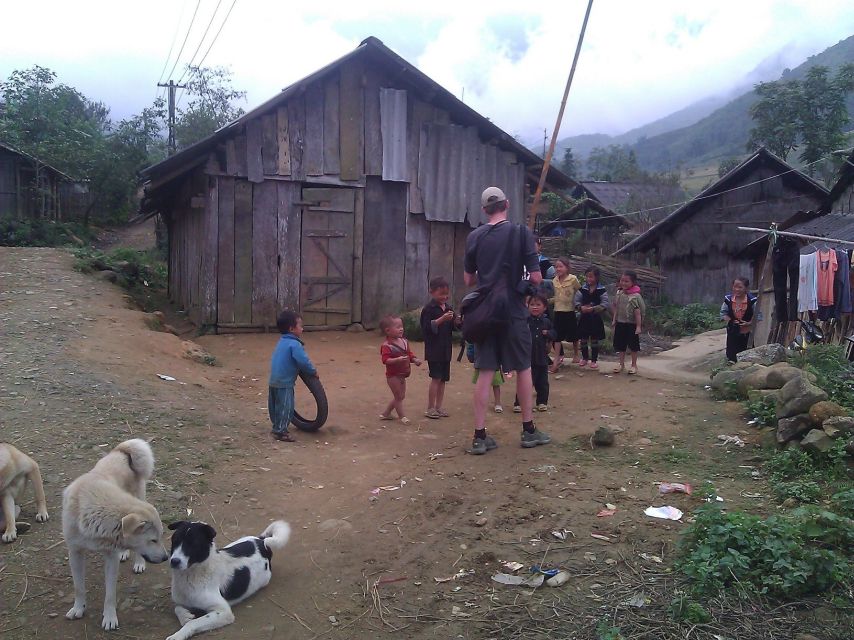
Y Linh Ho is home to the Black Hmong. Your guide introduces aspects of village life and helps explain the customs of the people who live in the valley. The value here is the conversation and context. Without a local guide, you might notice clothing, farm work, or house styles but miss the meaning behind them.
Respect matters. Ask before photographing children, and do not touch a child’s head. Dress modestly and remember that the village is a home community, not a staged attraction.
Lao Chai and the wide rice-terrace views
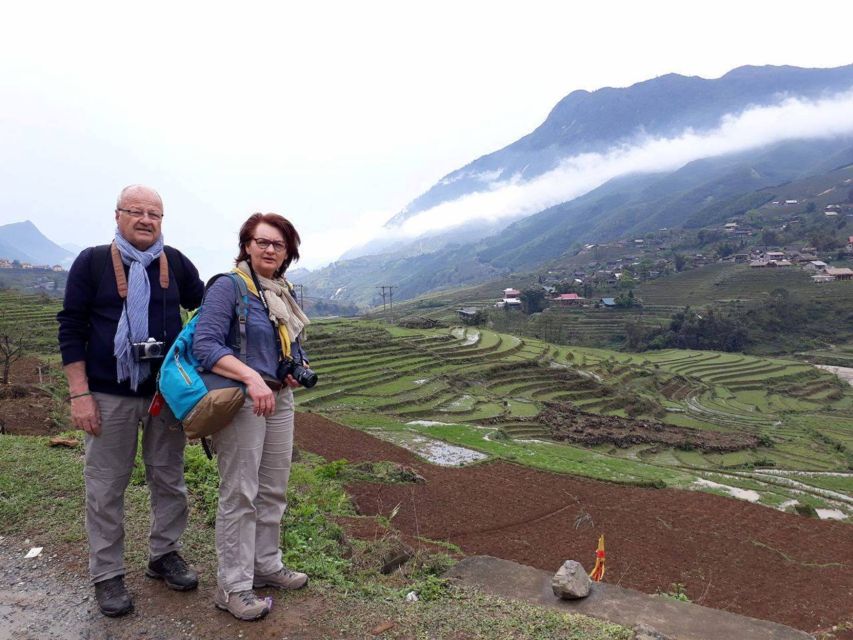
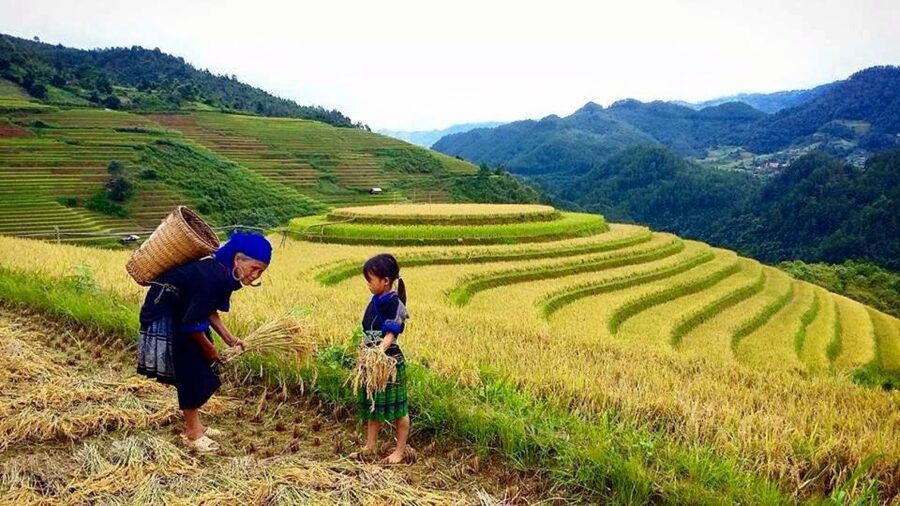
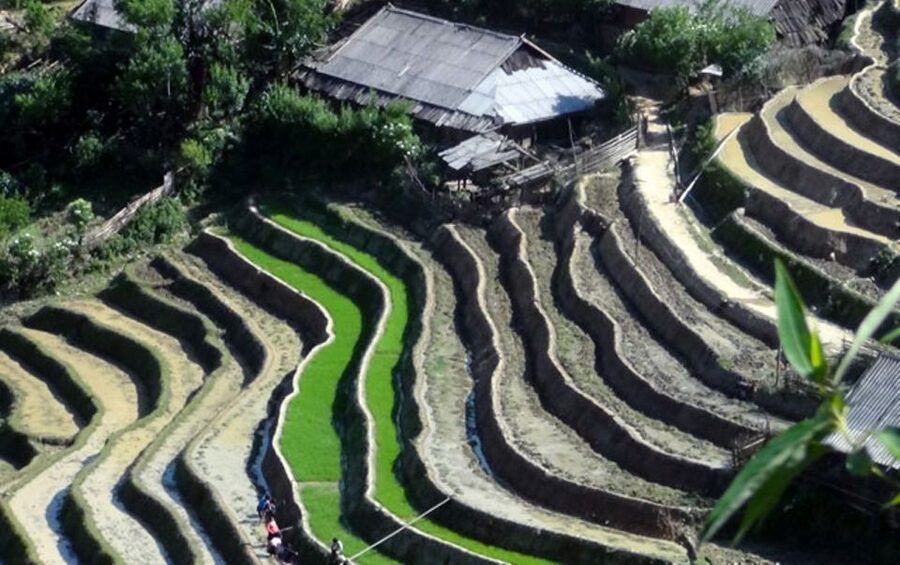
From Y Linh Ho, the route continues to Lao Chai. This is the visual high point for many people, with broad views over the stepped rice fields and mountain slopes.
The appearance of the terraces changes with the season. In some months, fields may be green and full of growing rice. At other times, you may see harvested plots, muddy sections, or water reflecting the sky. Winter can bring fog, so October through March calls for warm layers. Fog may soften the views rather than erase the experience, but you should not expect clear mountain panoramas every day.
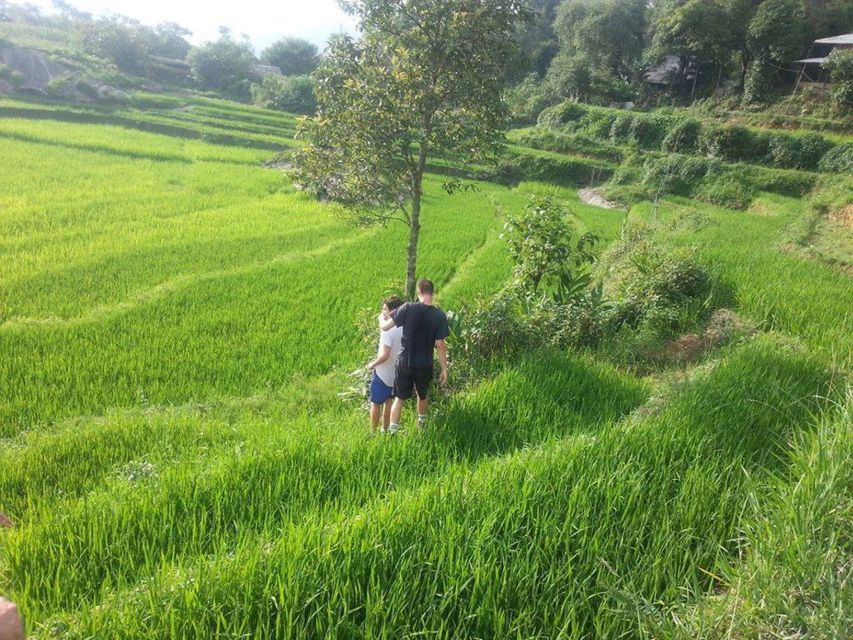
The path can be harder than the simple phrase valley trek suggests. You may walk on dirt, stone, concrete, uneven roads, and narrow tracks beside fields. Rain turns sections into mud. Several people have needed a steadying hand on steep descents, and local women familiar with the route sometimes help the group across slippery ground.
That help can be welcome, but it also creates a cultural and practical issue. The women may later offer scarves, bags, bracelets, or other handmade items. You are not required to buy anything. If you do wish to show appreciation, inspect the item, agree on the price, and buy because you want it, not because you feel cornered.
Hmong crafts, farming, and daily work
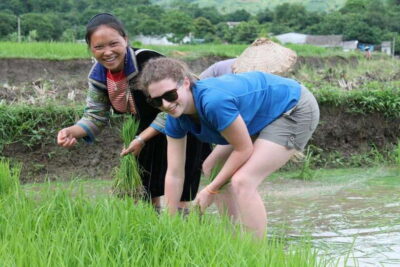
One of the most useful parts of the outing is the chance to learn about Hmong crafts. The experience may include explanations or demonstrations connected with indigo dyeing, batik, and hemp weaving.
These activities help make sense of the clothing you see in the villages. Rather than treating traditional dress as a photo prop, you get some idea of the labor behind it and how plant fibers, dyes, and patterns fit into everyday life.
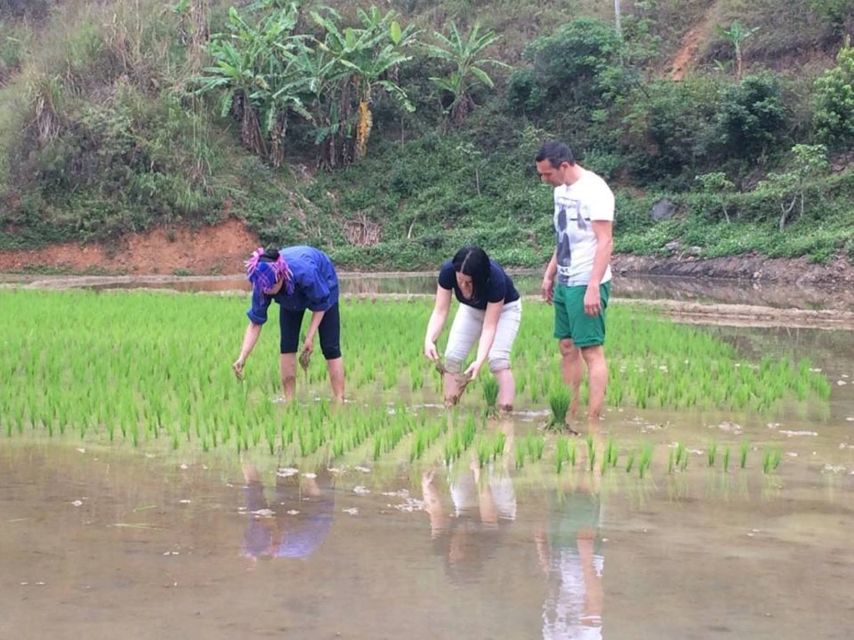
Rice cultivation is another key theme. The terraces are beautiful, but they are also working farmland. The valley’s slopes require careful farming, and the route gives you a closer view of how homes, footpaths, water, and fields fit together.
The tour description also promises an introduction to tropical vegetation and local fauna. The amount you see will depend on the season, weather, and pace of the group. The bamboo forest is a memorable section, especially when the trail is damp, but this is not a dedicated wildlife tour.
More Rice Terrace Treks in Vietnam
- Daily Tour: Sapa Trekking in Muong Hoa valley, Bamboo forest
★ 5.0 · 121 reviews - 1-Day Sapa Long Trek – Rice Field Terrace, Ethnic Culture
★ 4.9 · 62 reviews - Sapa: Muong Hoa Mountain Views and Villages Trek with Lunch
★ 4.3 · 28 reviews - Sapa: Muong Hoa Valley View & Villages Trek with Local Guide
★ 5.0 · 25 reviews
Lunch at a local restaurant
Lunch takes place after the Lao Chai section, at a local restaurant. Food is not included in the $18 price, so keep cash available for the meal and drinks.
The meal has received mixed but generally favorable comments. Several people found it tasty, plentiful, and varied, with local produce and familiar Vietnamese dishes. One person found it bland, so you should treat the meal as a convenient local stop rather than a carefully designed food experience.
The bigger consideration is the sales activity. Local women and children may approach during lunch to offer handmade products. Some people see buying as a fair way to support the community, particularly after receiving help on muddy paths. Others prefer to eat without being approached. If you want a quiet meal, tell your guide politely and clearly.
Bring a little extra water too. One 500-milliliter bottle is included, but six hours of walking in heat can make that feel limited.
Ta Van and the Dzay village
After lunch, the path continues toward Ta Van village. The village is associated with the Dzay people and gives you a useful contrast with the Black Hmong communities seen earlier.
The guide explains differences in customs, clothing, homes, and rural routines. You may visit traditional houses and hear about weaving and rice cultivation. These contrasts are one reason the route works better than a short viewpoint stop. By the end, you have seen more than one ethnic community and can compare how people live in the same valley.
Ta Van also marks the later part of the walk, when tired legs become a factor. The final sections may be easier in places, but the full route still covers about 10 kilometers. Allow yourself time. This is not a sightseeing walk where you can move at a leisurely pace without effort.
The route is not circular. Once you reach the end, a bus brings you back to Sa Pa and drops you at the local office in the town center. That return transport is especially useful after muddy or wet conditions.
How difficult is the 10-kilometer route?
The tour operator describes the trek as unsuitable for people with mobility impairments, wheelchair users, pregnant women, and children under six. Senior citizens are advised not to take it because the distance and wet-weather conditions can make the route dangerous.
For everyone else, the key question is your comfort with uneven ground. You do not need to be an expert hiker, but you should be able to walk for several hours, descend slopes, cross rough paths, and keep your balance in mud.
The route has been manageable for people in their 50s and for families with teenagers. It has also been too demanding for some older participants who expected a gentle walk. Heat makes the slopes harder, while rain can turn a beautiful trail into a careful foot-by-foot descent.
Wear proper trekking shoes with grip. Bring sunglasses, sun cream, insect repellent, and warm clothes from October through March. A spare pair of shoes is a smart idea in the wet season, since thick mud can cover your footwear.
Guide quality and group size
The local guide is central to the experience. Past guides such as Sang, Sai, Su, and Bao have been praised for good English, humor, attention to the group, and explanations of village life. English may not always be grammatically polished, but the practical communication is generally clear.
A local ethnic guide can also explain details that a city-based guide may not know firsthand. You can ask about clothing, farming, family life, and village customs as you walk. The best approach is to ask questions rather than wait for a nonstop lecture.
The group limit of 11 helps. On a narrow or muddy path, a large group can become slow and crowded. A small group also makes it easier for the guide to notice if someone is struggling.
A French-speaking guide costs an additional $20 per person. The information supplied for this experience lists English as the standard language.
Transport, timing, and the $18 price
The tour lasts six hours and includes bus transport back to Sa Pa. Hotel pickup is available only for hotels in Sa Pa town, and you should provide your hotel name and address in advance so the operator can confirm pickup or give you a meeting point.
One transport problem has been reported: a delayed pickup led to a late start and a rushed first section. That appears to be an exception, but it is worth being ready at the agreed time and keeping the local office contact details handy.
At $18, the tour offers good value if you want scenery, cultural explanation, and transport without arranging several separate services. The price does not include lunch, drinks, insurance, VAT, personal spending, or optional purchases from village sellers.
There are also holiday surcharges. The supplied information gives different Lunar New Year dates and amounts, including a $20 surcharge for February 14 to 21, 2025, and another note referring to a $30 charge for February 9 to 14, 2024. Confirm the applicable surcharge when booking, particularly if your visit falls during Tet. A French-speaking guide costs $20 extra.
Free cancellation is available up to 24 hours before departure, and you can reserve now and pay later. Those terms are useful if your Sa Pa plans depend on weather.
Is this the right Sa Pa activity for you?
I would choose this trek if I had one free day in Sa Pa and wanted a strong mix of scenery and local culture. It gives you far more contact with the valley than a short photo stop and costs little compared with a private full-day excursion.
You should book it if you enjoy active sightseeing, can manage 10 kilometers on uneven ground, and are comfortable with a local lunch and village shopping approaches. It is also a good fit for couples, families with older children, and visitors with limited time.
I would skip it if you need smooth paths, dislike downhill walking, or are visiting during heavy rain without suitable shoes. If your main goal is perfect terrace photographs, fog and weather may disappoint. If your goal is to understand daily life in Y Linh Ho, Lao Chai, and Ta Van while walking through remarkable mountain scenery, this is a practical and affordable choice.
FAQ
How long does the Muong Hoa Valley trek last?
The activity lasts six hours, including the trek, village visits, lunch stop, and bus transfer back to Sa Pa.
How far do you walk?
The route covers about 10 kilometers. It is a one-way trek rather than a loop, with a bus returning you to Sa Pa.
Which villages does the trek visit?
The route includes Y Linh Ho, Lao Chai, and Ta Van. Y Linh Ho is associated with the Black Hmong, while Ta Van is associated with the Dzay people.
Is lunch included?
No. Lunch and soft drinks are not included in the $18 price. You stop at a local restaurant and pay for your food yourself.
What is included in the price?
The price includes bus transport, an English-speaking guide, entrance tickets to the indicated sites, and one 500-milliliter bottle of water per person.
Is hotel pickup available?
Pickup is available from hotels in Sa Pa town only. You must provide your hotel name and address so the operator can confirm pickup or tell you to use a meeting point.
Is the trek suitable for children?
It is not suitable for children under six. The route may suit older children who can manage a 10-kilometer walk, but the paths can be steep, muddy, and slippery.
Is the trek suitable for seniors?
Senior citizens are advised not to take the trek because the distance can be challenging and wet weather can make the route dangerous.
What should I bring?
Bring trekking shoes, sunglasses, sun cream, insect repellent, and warm clothes between October and March. A spare pair of shoes can help after muddy conditions.
Can I cancel the booking?
You can cancel up to 24 hours in advance for a full refund. The tour also offers a reserve-now, pay-later option.
More Rice Terrace Treks in Sa Pa
- From Sapa: Muong Hoa Valley View & Village Trek 1-Day
★ 5.0 · 21 reviews - SAPA: 1-DAY TREKKING TOUR WITH LOCALS, LUNCH & RICE FIELDS
★ 4.7 · 18 reviews - From Sapa : 1 Day Amazing Sapa Trek To Terrace rice field
★ 4.6 · 17 reviews - Trekking Sapa 1 Day With Local Guide, Terraced Rice Fields
★ 4.5 · 5 reviews
Just added around Sa Pa
- Sapa: Private The Most Beautiful Terraced Fields Trekking★ 4.8 · 42 reviews
- Soob Sapa Trekking Tour★ 4.3 · 3 reviews
- Sapa Trekking – Waterfalls And H’mong Villages★ 5.0 · 2 reviews
- Sapa3D2N TrekkingAdventures,Valleys,Bambooforest,Waterfall★ 4.8 · 24 reviews
- Sapa: Trekking Through Terraced Rice Fields & Valley 1 Day★ 4.8 · 4 reviews
- Sapa: Trekking Sapa One Day With Group Tour★ 4.7 · 55 reviews
- Sapa Trekking Private Tour With Ethnic Female Tour Guide★ 4.9 · 24 reviews
- Sapa: Y Linh Ho – Lao Chai, and Ta Van Trekking Day Tour★ 5.0 · 25 reviews
Rice Terrace Treks, compared.
Muong Hoa Valley Trek and Local Ethnic Villages
Read our review →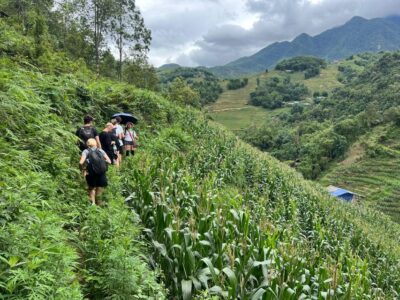
Explore Sapa by TrekkingAdventures, Mountain,Rice fields
Read our review →
Selogriyo Temple and Trekking Java Rice Terraces, hidden waterfall -Nature Java
Read our review →
Yogyakarta: Selogriyo Temple Tour & Java Rice Terrace Trek
Read our review →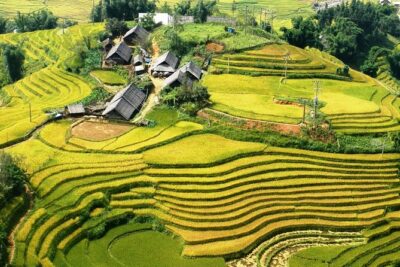
Sapa Muong Hoa Valley & Ta Van Eco Village Scenic Tour (No Trek)
Read our review →
Daily Tour: Sapa Trekking in Muong Hoa valley, Bamboo forest
Read our review →
Rice Terrace, Holy Water Temple & Waterfalls Trek Tour
Read our review →
Mount Batur Sunrise Trekking and Rice Terrace Adventure
Read our review →Browse the lists this trek appears in