
Review · POKHARA
Pokhara: 9-Day Annapurna Base Camp Trek with Poon Hill
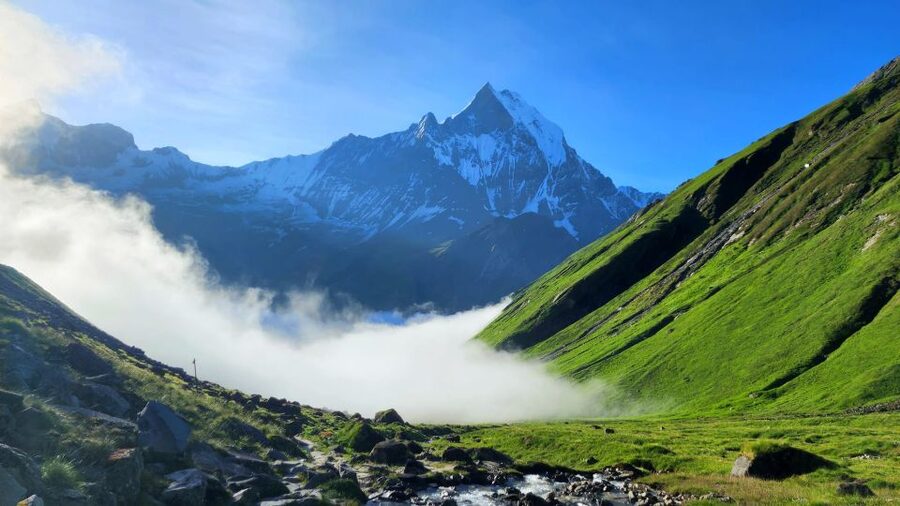
The best part of this trek is the changing scenery: you begin beside the Modi Khola River, climb through rhododendron forests, watch sunrise from Poon Hill, then reach the snowy amphitheater of Annapurna Base Camp. It packs several of Nepal’s classic mountain moments into nine days.
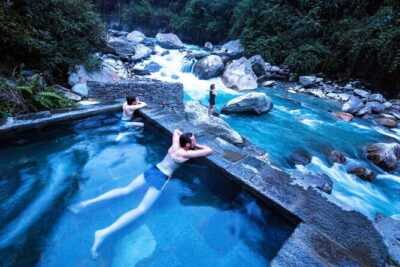
I like the personal feel of a private group, and I like that permits, transport, accommodation, and staff costs are arranged for you. Guides including Lalit and Pratiksha have helped make the route feel safe and pleasant, with time for local villages, tea houses, and a soak at Jhinu Dada.
The main catch is the physical effort. Ulleri’s 3,000-plus steps are only the first test, and Annapurna Base Camp reaches 4,130 meters, so altitude and tired legs deserve serious planning.
Key points to know before you book
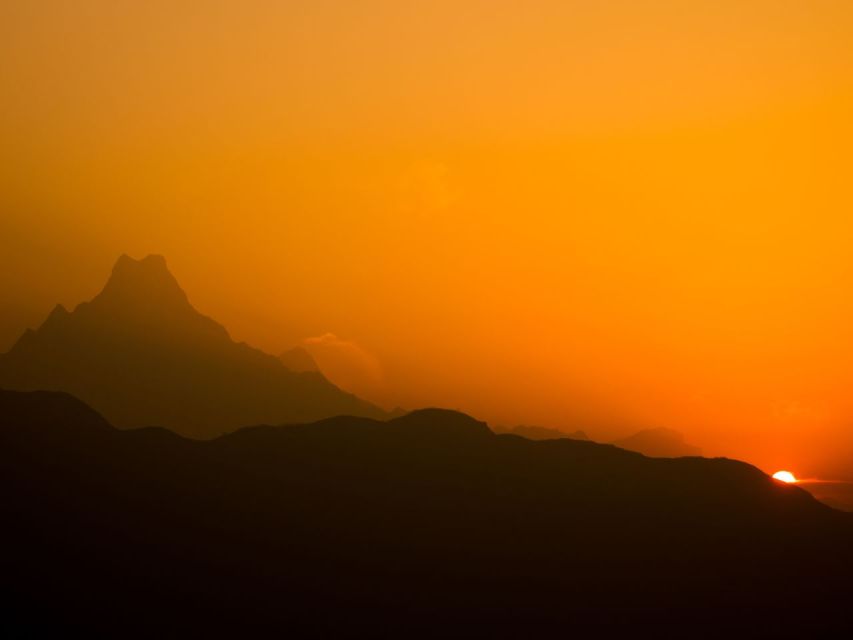
- Sunrise at 3,210 meters: Poon Hill offers early views toward Annapurna South, Hiunchuli, and Machhapuchhre.
- A real mountain trek: Expect six-hour walking days, steep stairs, uneven trails, and a high point at Annapurna Base Camp.
- Private guiding: English and Hindi-speaking guides lead the group, with pickup from your Pokhara hotel.
- Simple tea-house nights: Accommodation is included, while meals are included only with the Full Package.
- A useful finish: The natural hot spring at Jhinu Dada gives your legs a welcome break before returning to Pokhara.
- Good value at $487: The price covers permits, government taxes, accommodation, transport during the trek, and staff expenses, but not insurance, drinks, hot showers, water, equipment, or personal costs.
Why this route works so well
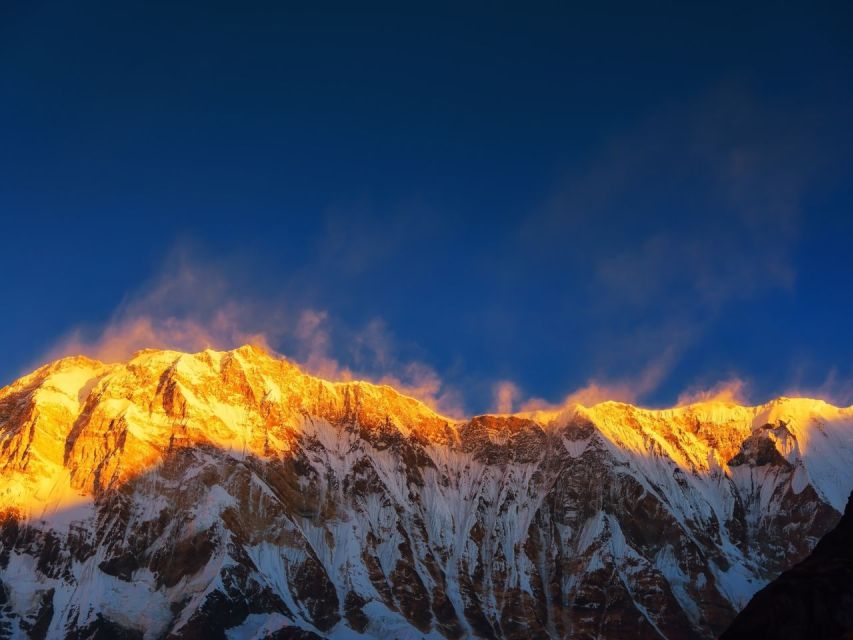
The Annapurna Base Camp route with Poon Hill gives you two very different mountain experiences. Poon Hill is about the broad morning view, with ridges and snowy peaks catching the first orange light. Annapurna Base Camp feels more enclosed and dramatic, with high peaks and glaciers surrounding the trail’s destination.
You also get a useful mix of walking and village life. The route passes through Tikhedhunga, Ulleri, Ghorepani, Tadapani, Chuile, Sinuwa, Deurali, Bamboo, and Jhinu Dada. These are not just names on a map. They break the trek into manageable sections and give you chances to stay in tea houses, eat local meals, and see how mountain communities support life along the trail.
The private format matters. You do not have to match the pace of a large group, and your guide can help with the day’s timing, lodge arrangements, and route decisions. Guides Lalit and Pratiksha received particular praise for being kind, funny, patient, and attentive to comfort. That matters most on the harder days, when a calm guide can make a long climb feel more manageable.
Still, this is not a gentle sightseeing tour. Six-hour walking days are common, and the route includes steep stairways and a major altitude gain. Carrying your own bag is possible, but you should be honest about your fitness. Porters are not clearly included in the published package, so ask about this before booking if you do not want to carry your luggage.
More Annapurna Treks in Pokhara
- Trekking in Annapurna/Langtang/Everest/Upper Mustang regions
★ 5.0 · 161 reviews - Pokhara: Annapurna Foothills Day Hike with Transfers
★ 5.0 · 100 reviews - Kathmandu/Pokhara: 5-Day Annapurna Base Camp (ABC) Trek
★ 4.9 · 72 reviews
Day 1: Pokhara to Tikhedhunga by road and trail
Your day begins with pickup in Pokhara. The driver is scheduled to meet you in the hotel lobby, holding a sign with your last name. The road journey to Nayapul takes about two hours, followed by roughly three hours of walking to Tikhedhunga at 1,570 meters.
This opening section eases you into the trek. You follow the Modi Khola River and pass villages, small settlements, and rhododendron forest. The walking is not yet at high altitude, but the trail introduces you to Nepal’s familiar combination of stone paths, stairs, and changing river views.
Tikhedhunga is your first overnight stop, with a tea-house stay included. Expect a simple mountain lodging experience rather than hotel comfort. If you want a hot shower, extra drinks, phone use, laundry, or battery charging, budget separately.
Day 2: The 3,000-plus steps to Ghorepani
The second day is one of the most demanding early sections. From Tikhedhunga, you climb toward Ulleri, with more than 3,000 steps on the route. The stairway can feel relentless, especially if you are still adjusting to carrying a pack.
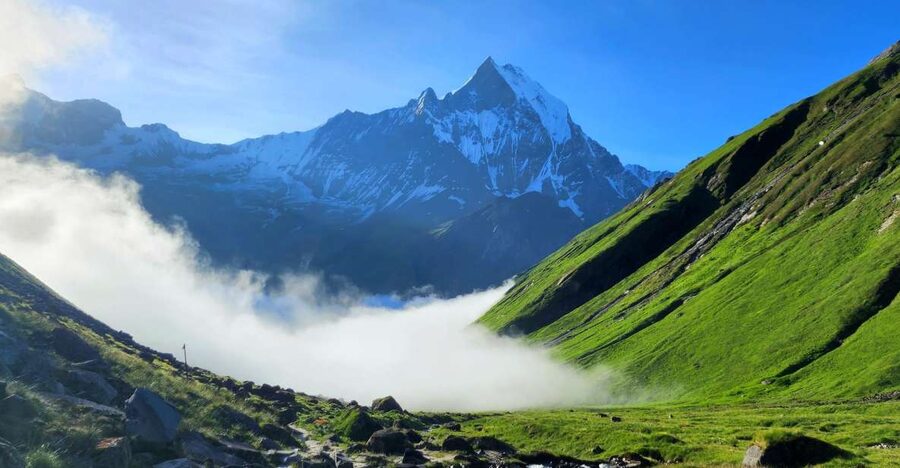
The reward is a steady change in scenery. Rhododendron forests surround the trail, and in bloom they add strong color to the walk. You continue upward to Ghorepani at 2,840 meters, a popular mountain village with tea houses and a cooler high-altitude feel.
Plan your energy carefully here. Short rests are more useful than racing uphill and stopping for long periods. Drink regularly, keep your pace steady, and use trekking poles if you have them. Trekking poles are not included, so bring your own or arrange them before setting out.
Day 3: Poon Hill sunrise, Tadapani, and Chuile
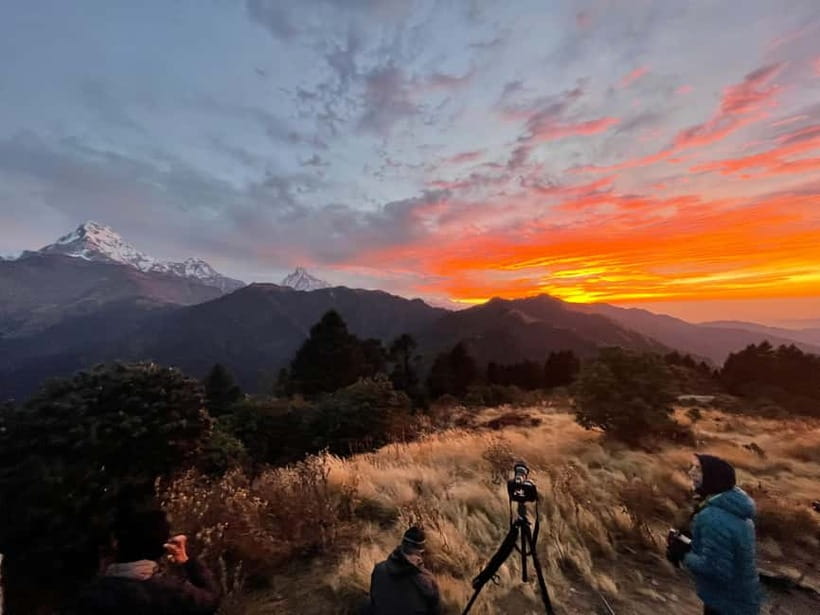
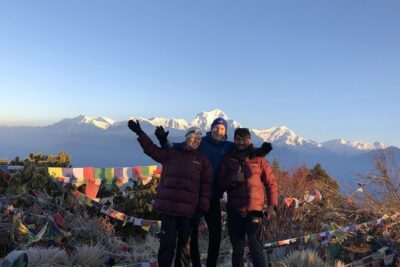
The early start is worth it. You walk to Poon Hill at 3,210 meters for sunrise, one of the defining moments of the trip. From the viewpoint, you can see major peaks of the Annapurna Range, including Annapurna South, Hiunchuli, and Machhapuchhre, also called Fishtail.
The light changes quickly, so warm clothing matters. You may begin in darkness and stand still in cold air while waiting for the sun. Sunscreen and sunglasses are also important once the light reaches the trail.
After Poon Hill, you continue through forest toward Tadapani or Chuile, with the day taking about six hours of walking. The trail feels different from the previous day. Instead of concentrating only on steep stairs, you get longer forest sections and a quieter rhythm.
Your overnight stay is in a local hotel or tea house. Food choices can be broader than you might expect, with one booking reporting plenty of menu options. Meals, however, are included only under the Full Package, so confirm your selected package before you assume breakfast, lunch, and dinner are covered.
More Poon Hill Treks in Pokhara
- Poon hill Trek 3 days
★ 5.0 · 176 reviews - Pokhara: 4-Day Ghorepani, Poonhill & Ghandruk Mountain Trek
★ 5.0 · 132 reviews - Ghorepani – Poon Hill Trek 3N-4D
★ 5.0 · 125 reviews - From Pokhara: 3-Day Ghorepani Poon Hill Trek with Guide
★ 4.9 · 68 reviews
Day 4: Chuile to Sinuwa through river country
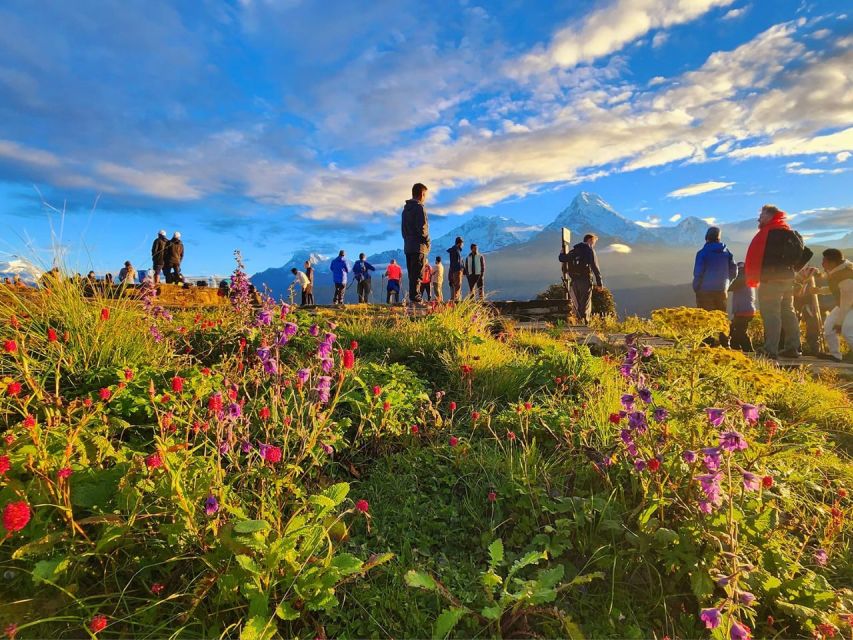
From Chuile, the route continues toward Sinuwa at 2,170 meters, with about five hours of walking. You cross near the meeting of the Kumrung and Modi Rivers, where the sound and movement of water add a welcome change after the forest trails.
This is a useful transition day. You are moving deeper toward Annapurna Base Camp, but the elevation drops from the previous high point at Ghorepani. That does not make the day effortless. Descents can be hard on knees, and the trail still includes uneven ground and stairs.
Sinuwa gives you another tea-house night and a chance to rest before the route turns higher again. Keep a warm layer and rain protection close at hand. Mountain weather can change quickly, especially during the June to August monsoon season.
Day 5: Sinuwa to Deurali at 3,200 meters
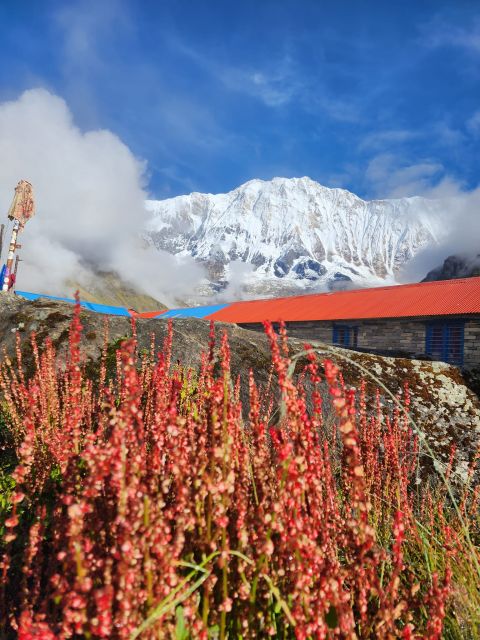
The walk from Sinuwa to Deurali takes about six hours and brings you into taller mountain country. The trail runs through lush forest, with views toward Annapurna and Machhapuchhre appearing between the trees.
Deurali sits at 3,200 meters, so this is the point where altitude becomes a more serious concern. Headache, nausea, unusual tiredness, or dizziness should not be brushed aside. Tell your guide promptly if you feel unwell, and follow the guide’s advice.
The night at Deurali is a practical pause before the final push. Keep dinner simple if your appetite is low, organize your layers and headlamp, and protect your sleeping bag and clothing from damp conditions. Sleeping bags are not included, so check what you need before departure.
Day 6: Deurali to Annapurna Base Camp
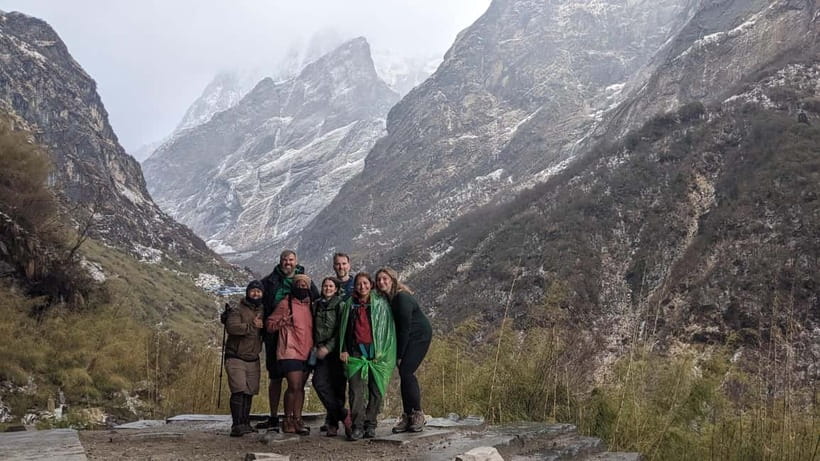
This is the main goal of the trek. From Deurali, you walk for about six hours to Annapurna Base Camp at 4,130 meters. The higher you go, the more the surrounding peaks dominate the view.
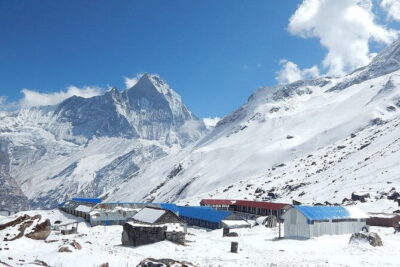
At the base camp, snow-covered mountains and glaciers surround you. Annapurna South, Hiunchuli, and Machhapuchhre are among the peaks that give this section its powerful sense of place. The reward is not just reaching a sign or endpoint. It is being inside a high mountain bowl after several days of gradual walking.
The altitude can make this day feel harder than the distance suggests. Move slowly, follow your guide’s pace, and do not treat the final ascent as a race. Weather can also affect visibility, so keep expectations flexible. Even if clouds hide some peaks, the route still offers a strong change from the lower forests and villages.
Your overnight stay at base camp is likely to be basic. That is part of the tradeoff for spending the night at 4,130 meters. The package includes accommodation, but personal comforts such as hot showers, drinks, battery charging, and bottled or boiled water cost extra.
Day 7: Descending from base camp to Bamboo
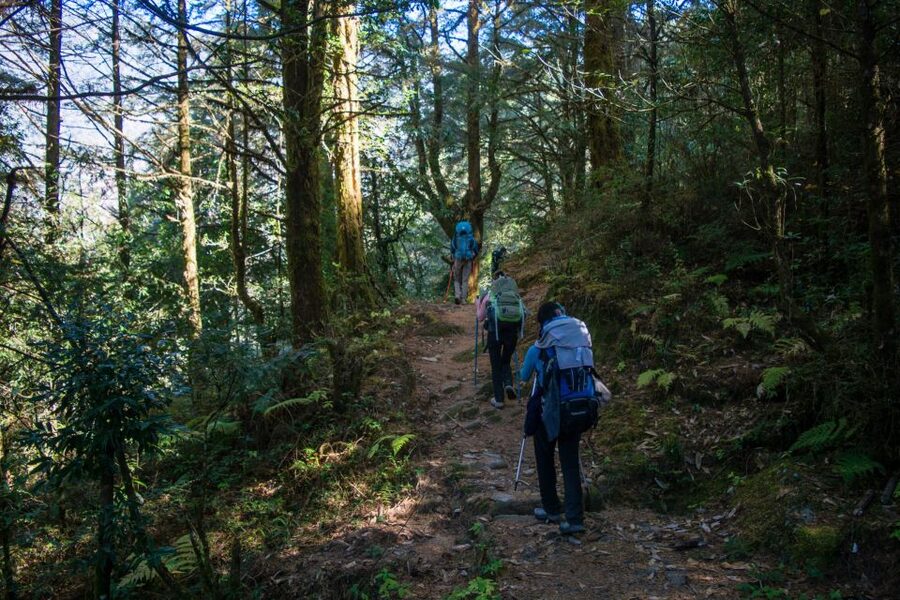
The descent to Bamboo at 2,300 meters takes around six hours. After the effort of reaching base camp, this day may feel easier in terms of breathing, but downhill walking can be demanding on your knees and thighs.
You retrace parts of the route through mountain scenery, gradually returning to forest. The descent gives you a different view of places you passed in the opposite direction, and the lower altitude usually brings a sense of relief.
Bamboo is a practical overnight stop. Keep your walking shoes dry and take care of hot spots on your feet before they become blisters. A small first-aid kit, sunscreen, sunglasses, and weather-appropriate clothing belong in your daypack.
Day 8: Bamboo to Jhinu Dada and the hot spring
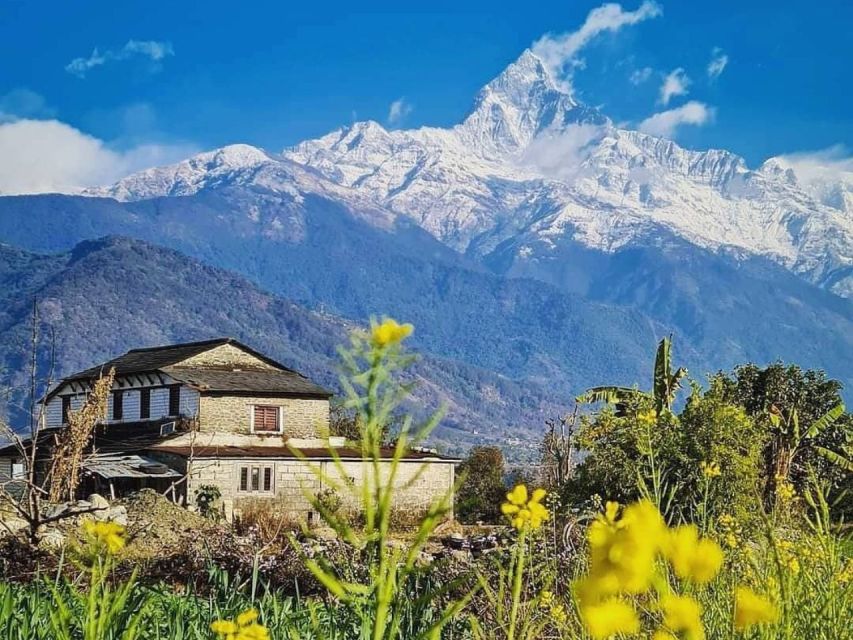
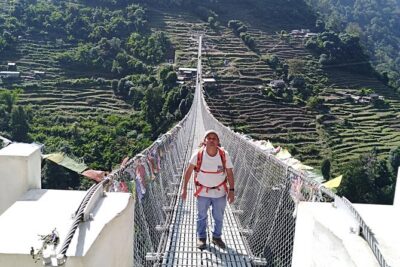
The five-hour walk to Jhinu Dada at 1,600 meters is one of the most satisfying days because it ends with a chance to soak in a natural hot spring. After several days of stairs, altitude, and long walks, warm water can feel like a real luxury.
The route continues downhill, so do not assume it is effortless. Descending on uneven steps can tire your legs, even as the lower altitude helps your breathing. The setting at Jhinu Dada gives the trip a gentler closing mood before the return to Pokhara.
Bring a swimsuit or suitable change of clothing if you plan to use the hot spring. The activity information does not state that towels or access costs are included, so ask your guide about local arrangements and bring a small towel if practical.
Day 9: Jhinu Dada back to Lakeside Pokhara
The final day combines about two hours of walking with a comfortable vehicle ride back to Lakeside Pokhara. Transportation during the trek is included, and the return journey gives you time to look back on the route from river valleys to high snowfields.
The exact road conditions and timing can affect the feel of this day, so keep your schedule flexible. Do not book an important flight immediately afterward unless you have allowed enough extra time.
Returning to Pokhara after nine days creates a satisfying contrast. You finish among lakeside cafés and city comforts, with a much better sense of the mountains rising beyond the valley.
What $487 really covers
At $487 per person, the price is attractive for a private, guided nine-day trek if you use the included services. Permits and paperwork, government taxes, accommodation, transport during the trek, and staff expenses are covered. Those basics remove several tasks that can be difficult to arrange from abroad.
The value depends heavily on your meal package. Meals are included only with the Full Package, so compare the booking options carefully. Food, drinks, and extra services can add up across nine days.
You should also budget for items not included:
- Travel and rescue insurance
- Soft drinks and alcoholic drinks
- Bottled or boiled water
- Hot showers and battery charging
- Phone calls and laundry
- Trekking poles, sleeping bags, and crampons
- Personal expenses and possible porter costs
Insurance is not an optional luxury on a trek reaching 4,130 meters. Make sure your policy covers trekking at the relevant altitude and emergency rescue before you go.
Who will enjoy this trek most
This route suits you if you want a classic Nepal trek with a guide, organized permits, tea-house accommodation, and a private group. It is especially good for someone who wants both Poon Hill’s sunrise and Annapurna Base Camp, rather than choosing only one.
You should be comfortable walking for around five to six hours on several days. The route is not described as suitable for pregnant women, people with altitude sickness, or people over 70. Those restrictions are worth taking seriously.
The best preparation is simple: build walking stamina, practice with the shoes you will use, and get used to carrying your daypack. Comfortable shoes, sunscreen, sunglasses, and clothing suited to changing weather are essential.
Monsoon trekking from June through August brings heavy rain and unpredictable weather. Leeches can also appear on lower trails during this season. Long pants tucked into gaiters and insect repellent can help. For a more comfortable experience, discuss seasonal conditions with MTA Trekking before fixing your dates.
Should you book it?
Book this trek if you want strong mountain scenery, local village stays, and a guide who handles the main logistics while you concentrate on walking. The combination of Poon Hill, Annapurna Base Camp, and Jhinu’s hot spring gives the nine days a satisfying range.
Think twice if you want a soft adventure, private bathrooms, or a fixed level of hotel comfort. The stairs are real, the altitude is serious, and several costs sit outside the headline price.
For an organized first Himalayan trek, $487 offers good value, provided you confirm the Full Package, porter arrangements, equipment needs, and insurance before paying. The private format and praised guides such as Lalit and Pratiksha are useful advantages when the trail gets steep or the weather turns rough.
FAQ
How long is the Annapurna Base Camp and Poon Hill trek?
The trek lasts nine days, beginning and ending in Pokhara.
What altitude does Annapurna Base Camp reach?
Annapurna Base Camp reaches 4,130 meters.
What is the highest point at Poon Hill?
Poon Hill reaches 3,210 meters and is visited for sunrise.
Is transportation from Pokhara included?
Yes. Pickup from Pokhara is included, transport is provided during the trek, and the final return to Lakeside Pokhara includes a vehicle ride.
Are meals included in the price?
Meals are included only with the Full Package. Check the package details before booking.
What languages does the guide speak?
Live guiding is available in English and Hindi.
Can I cancel and receive a refund?
You can cancel up to 24 hours before the activity for a full refund. You can also reserve now and pay later.
Just added around Pokhara
- Pokhara: Sarangkot Sunrise & Panoramic Annapurna View Tour★ 4.8 · 10 reviews
- Pokhara: Majestic Mardi Base Camp Guided Trek with HotSpring★ 5.0 · 6 reviews
- Pokhara: Bungee Jumping Experience Near Annapurna★ 5.0 · 9 reviews
- Pokhara: Annapurna Day Hike with Panoramic Views★ 4.3 · 7 reviews
- Pokhara: 7-Day Annapurna Base Camp Trek & Hot Spring★ 4.0 · 3 reviews
- Pokhara: 5-Day Ghorepani and Poon Hill Private Trek★ 5.0 · 4 reviews
- Pokhara: 5-Day Trek to Annapurna Base Camp and Hot Springs★ 5.0 · 4 reviews
- Pokhara:4-Day Ghorepani Poon Hill Guided Trek via Ghandruk★ 5.0 · 3 reviews
Annapurna Base Camp Treks, compared.
Trekking in Annapurna/Langtang/Everest/Upper Mustang regions
Read our review →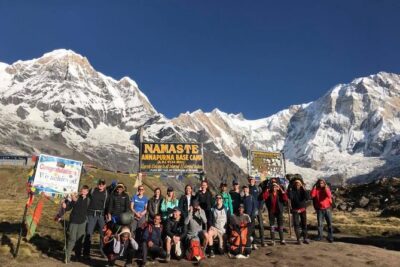
Kathmandu to Annapurna Base Camp (ABC) 5-Day Trek
Read our review →Browse the lists this trek appears in