Review · SAPA
Sapa: Private Muong Hoa Valley and Homestay Trekking 2-Day
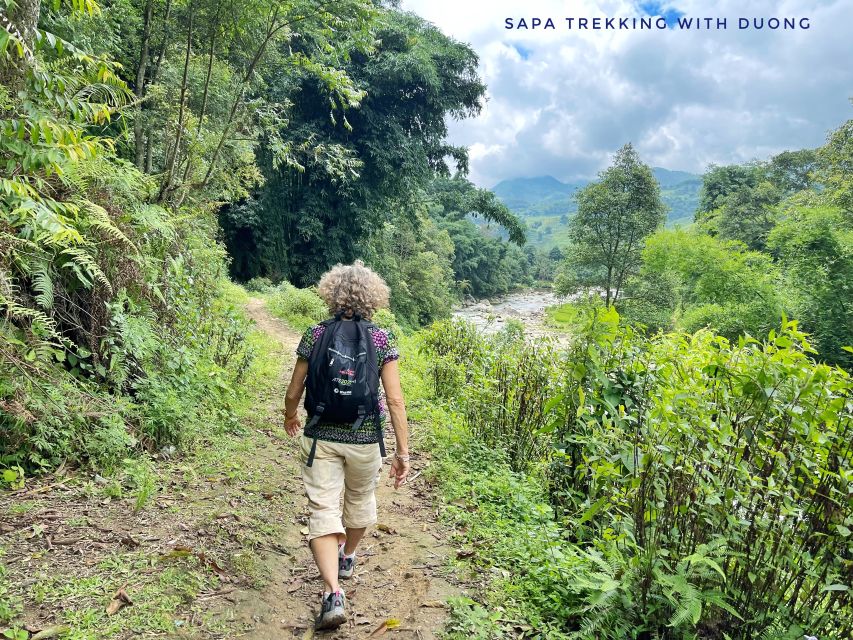
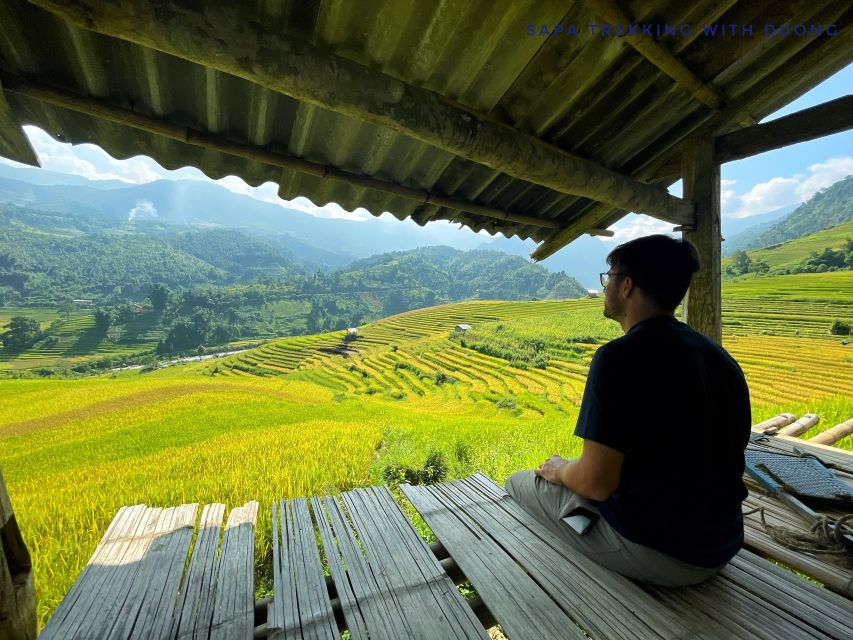
Muong Hoa Valley is at its best on foot, where rice terraces guide you from one mountain village to the next. This private two-day trek takes you through six ethnic villages, with time for traditional houses, local meals, bamboo forest, a waterfall, and a night in a Giay family homestay. The scenery is the main event, but the village visits give the walk real purpose.
I especially like the private format, since your guide can explain the Black Hmong, Giay, and Red Dao cultures at a pace that suits your group. I also like the overnight stop, which turns a long day hike into a chance to see how a local family lives, eats, and welcomes visitors.
The main consideration is the physical nature of the trip. You will hike for much of both days on routes through rice terraces, forest, and village paths. Weather can also change the feel of the walk, so good shoes and a willingness to get muddy are sensible.
Key points to know before booking
- Six villages over two days: The route includes Y Linh Ho, Lao Chai San, Lao Chai, Ta Van, Giang Ta Chai, and Hau Thao.
- Three ethnic communities: You will learn about Black Hmong, Giay, and Red Dao traditions, with the most detailed visits focused on Black Hmong and Giay life.
- A real homestay night: Sleep at a Giay family homestay in Ta Van and share dinner there.
- Strong local contact: Expect traditional houses, indigo clothing, rice farming, wedding customs, and local food rather than only viewpoints.
- Private guiding: The English-speaking guide leads your group alone, with guides such as Du, also written as Zu, and Pang Chou associated with this experience.
- Good practical coverage: Village fees, meals, water, raincoat, trekking stick, and the taxi back to Sapa are included.
Why Muong Hoa Valley works so well on foot
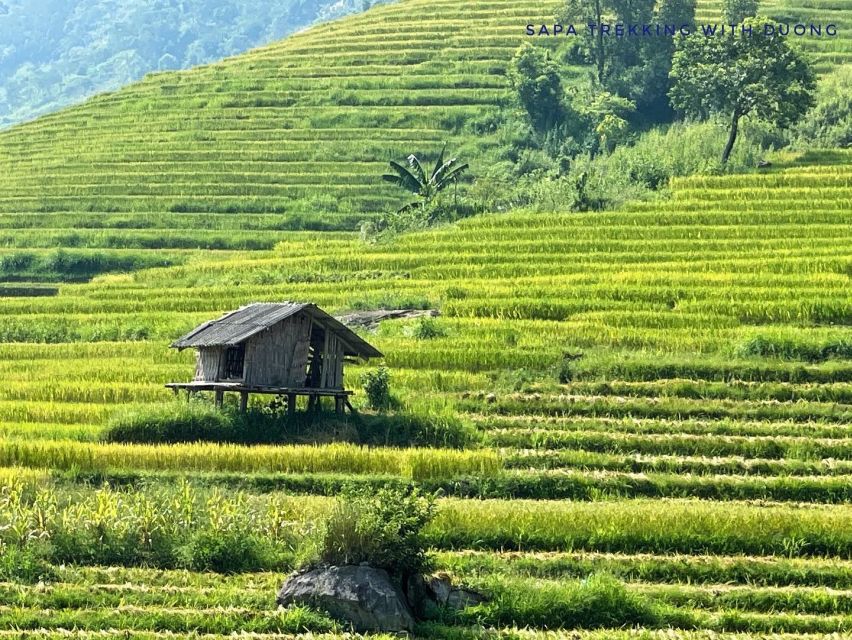
Muong Hoa Valley is known for its stepped rice fields, but a road transfer gives you only brief views. This trek lets you follow the terraces from village to village, seeing how the fields fit into daily life rather than treating them as a scenic backdrop.
You begin at 9:30 in the morning with hotel pickup in central Sapa. From there, the route reaches Y Linh Ho, where Black Hmong farmers work among the terraces. The timing gives you a full day outside without requiring an early dawn start, though you should still eat enough before leaving.
The private setup matters here. Your guide can stop to explain the planting work, point out village details, and adjust the walking pace more easily than a large group can. Guides who have led this trip include Du, also spelled Zu, and Pang Chou. Pang Chou is described as offering direct insight into ethnic minority culture and the surrounding scenery, while Du is noted for explaining the area with energy and warmth.
The tour provides an English-speaking live guide and lists an English audio guide as included. In practical terms, the live guide is likely to be the main source of information during the walk, especially when you are visiting homes or talking about customs.
More Homestay Treks in Sapa
- Number one top rated ethical cultural trekking and homestay by ETHOS
★ 5.0 · 456 reviews - Sa Pa: 2-Day Trekking Trip with Ethnic Minority Homestay
★ 4.7 · 145 reviews - Sapa : 2-Day Trek & Heartwarming Homestay with an Ethnic Family
★ 5.0 · 143 reviews
Day one: Y Linh Ho to Lao Chai and Ta Van
Y Linh Ho and the first Black Hmong homes
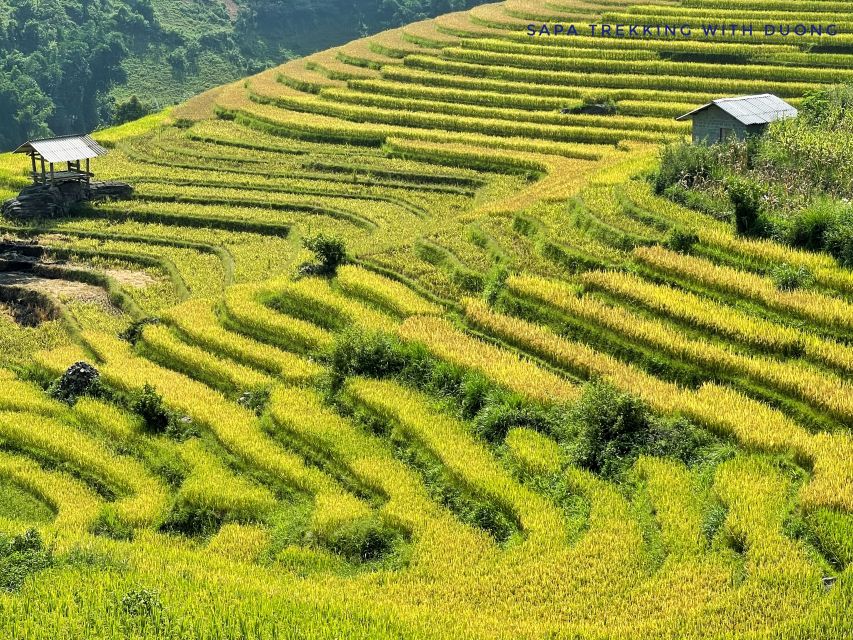
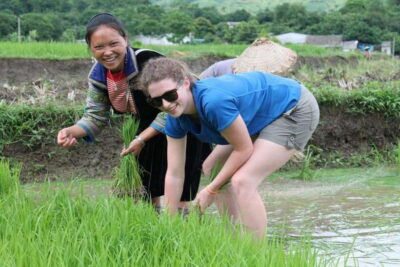
Your first stop is Y Linh Ho village, where the route opens into wide views of rice terraces and mountain slopes. The guide introduces you to Black Hmong life, including rice planting and the way traditional homes are used.
The visit to a Black Hmong traditional house is one of the more useful parts of the morning. It gives you something concrete to look at while learning about the culture. The house, clothing, farming, and family traditions all make more sense when explained in the village where they belong.
At about 11:30, you have lunch at a local home. The included meal is not a restaurant stop with a rushed table turnover. It is a chance to eat local food and speak with people in the village. The exact dishes are not specified, so keep an open mind rather than expecting a fixed Western-style menu.
This is also a good point to remember that cultural contact works best with patience. Your guide can help with conversation and explain what you are seeing, but the experience is not designed as a staged show. It is a visit connected to the homes and work of local families.
Lao Chai San and the best terrace views
After lunch, you continue toward Lao Chai San at around 1 p.m. This section reaches one of the villages near the forest and includes some of the strongest rice terrace views on the route.
You will want comfortable footwear here. The tour supplies a trekking stick, which is useful on uneven village paths and wet ground, but the stick does not replace proper shoes. A raincoat is included for each person, and that matters in Sapa, where weather can quickly change the conditions underfoot.
At about 2 p.m., you reach Lao Chai village. The guide focuses again on Black Hmong culture, this time with attention to traditional wooden homes and clothing. The indigo-colored clothing is especially interesting because the next day you learn how Hmong people use indigo plants to make their distinctive fabric and garments.
The route is not simply a series of photo stops. You are walking through places where rice farming, clothing production, homes, and family customs connect. That makes the slower pace worthwhile, though anyone hoping to spend most of the day at one famous viewpoint may find this tour more village-focused than expected.
More Rice Terrace Treks in Sapa
- Sa Pa: Muong Hoa Valley Trek and Local Ethnic Villages
★ 4.6 · 864 reviews - Explore Sapa by TrekkingAdventures, Mountain,Rice fields
★ 4.9 · 229 reviews - Sa Pa: 6-Hours Muong Hoa Valley Trek with Local Ethnic guide
★ 4.5 · 178 reviews - Sapa Muong Hoa Valley & Ta Van Eco Village Scenic Tour (No Trek)
★ 5.0 · 144 reviews
Evening at a Giay homestay in Ta Van
At about 4:30 p.m., you arrive at a Giay family homestay in Ta Van. This is the point where the trip changes from a day hike into a cultural overnight stay.
Your evening includes dinner and time to learn about Giay food, traditions, and home life. The homestay offers a useful comparison with the Black Hmong homes visited earlier in the day. You can see differences in household style, customs, and food without trying to compress three ethnic groups into a single short village stop.
The experience is basic in the way many village homestays are basic, although the supplied information does not specify sleeping arrangements or bathroom facilities. If those details matter to you, ask the provider before booking. The key value is not hotel comfort. It is the chance to stay overnight in the village rather than leaving after a quick look.
One dinner, one breakfast, and the overnight stay are included. Extra drinks are not included, so carry some cash if you want to buy anything beyond the supplied meals and water.
Day two: Giang Ta Chai waterfall and Hau Thau
A quiet morning in Ta Van
The second day starts at 7 a.m. with time to wash, eat breakfast, and have morning coffee or tea. That start is early enough to make good use of the day, but not punishingly early after a full day on foot.
At 9:30 a.m., you set out again. The route passes through rice terraces and bamboo forest, with the guide taking you toward the day’s main natural features. The second day continues the same balance of scenery and village life, but it also adds more forest and water.
Giang Ta Chai waterfall and lake
The walk to Giang Ta Chai includes a waterfall and lake, where you stop to rest and hear stories about Black Hmong people. This pause is welcome after the first day’s hiking and gives the route a different feel from the open terraces.
You should think of the waterfall stop as a scenic rest point, not a swimming excursion. Swimming is not listed as part of the activity, and no special water activities are included. The value is in the change of setting, the quiet break, and the stories your guide shares.
Around 11:30, you eat lunch at a Black Hmong home. The food is prepared by local people and is described as traditional Black Hmong cooking. Since the menu is not specified, this is another moment to expect local food rather than choose from a broad restaurant menu.
Having two lunches in local homes is a strong part of the trip. It also means the food side of the experience may feel less predictable than a standard guided tour. If you have dietary restrictions, tell the provider before departure rather than assuming the meals can be changed.
Hau Thau and the final village walk
At 1 p.m., the trek continues to Hau Thau, the final village of the route. Along the way, your guide explains Black Hmong daily life, including how people make clothing with indigo plants and how wedding customs work.
The clothing demonstration and discussion add depth to what you saw on day one. Instead of simply noticing dark blue fabric, you learn that indigo production is tied to local skill and tradition. You also hear about marriage customs and village life, subjects that can reveal more about a community than a quick architectural visit.
One unusual detail is the chance to hear an older Black Hmong man play a trumpet. It is a small moment, but it gives the final section of the trek a human touch. This is the sort of encounter that cannot be guaranteed to run like a scheduled performance, so treat it as part of the local setting rather than a formal concert.
At about 3 p.m., a private taxi takes you back to Sapa. That final transfer is included and saves you from walking back along the same route or arranging your own transport from a remote village.
What the $78 price covers
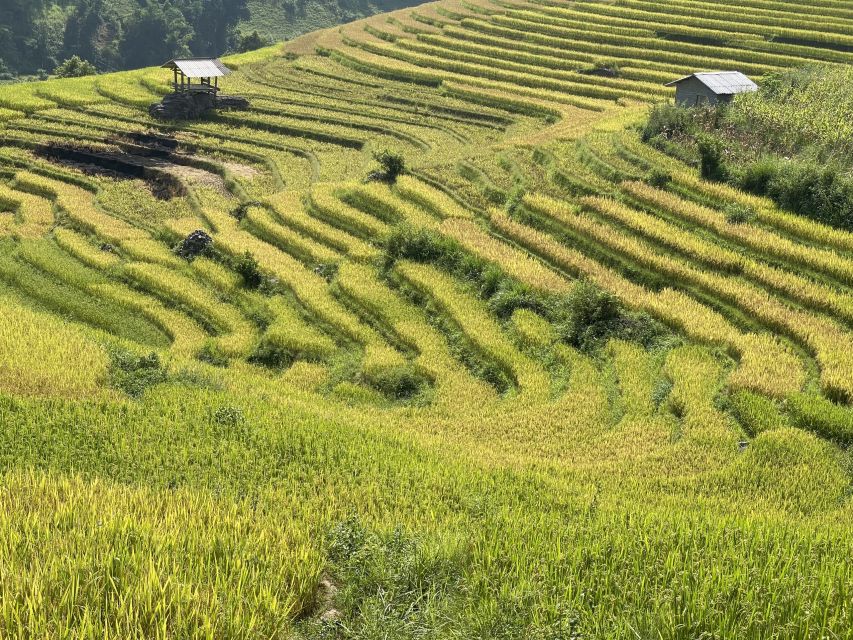
At $78 per person, the price is strong if you plan to make full use of the two days. The package includes hotel pickup and drop-off in central Sapa, village entry fees, a private English-speaking guide, one homestay night, one breakfast, two lunches, one dinner, 1.5 liters of water per person per day, a raincoat, a trekking stick, and the private taxi back to Sapa.
The private guide is the biggest value point. You are not just paying for transport between scenic stops. You receive explanations about three ethnic communities, help with village visits, and guidance over a route that includes terraces, forest, a waterfall, and several settlements.
The meals also keep your out-of-pocket spending down. You should still budget for extra drinks and tips for the guide and driver. Travel insurance is not included.
The price works best for people who want an active cultural experience, not a polished resort-style excursion. If you would rather have private rooms, predictable menus, and a short walking schedule, the value will feel less convincing. If you want two full days, local meals, and a homestay at a modest price, it is a practical deal.
Who will enjoy this trek most
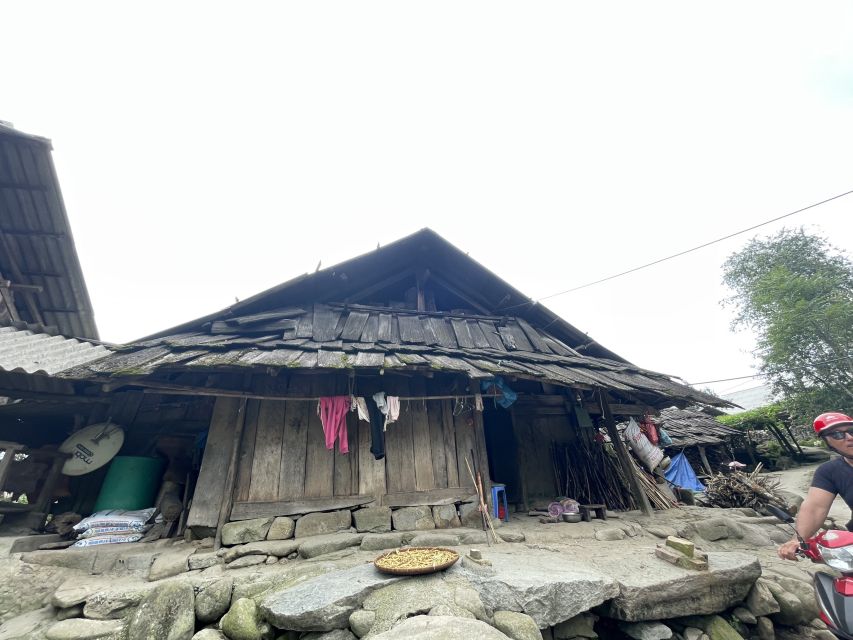
You should consider this trip if you want to see more than Sapa town and enjoy walking through working villages. It suits couples, families with older children, and small private groups that prefer their own guide and pace.
It is also a good match if you are curious about the differences between Black Hmong, Giay, and Red Dao communities. The route gives the most attention to Black Hmong and Giay life, while Red Dao culture is included among the three ethnic groups explored overall. The information provided does not assign a separate Red Dao village stop, so ask the provider if meeting Red Dao people is especially important to you.
The trek may be less suitable if you dislike long walks, uneven ground, changing weather, or simple overnight accommodation. The schedule includes two days of hiking, not a gentle sightseeing tour with frequent vehicle transfers.
You also need to be comfortable with a flexible cultural experience. The route has planned times, but conversations, local visits, weather, and village activity may not follow a tight clock. That is part of the appeal, but it is worth knowing before you go.
Practical details that matter
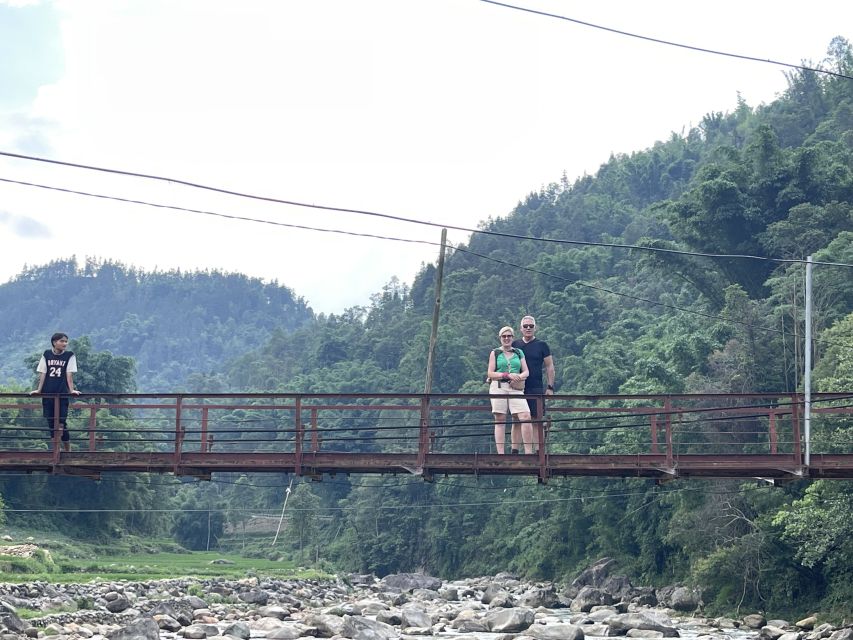
Pickup is available from hotels in Sapa center or from Sapa Church. The listed starting time is 9:30 a.m., though you should check availability for the exact date.
The activity is private, and the guide speaks English. Water, a raincoat, and a trekking stick are supplied each day, but you should still bring sturdy walking shoes, clothes that can handle rain or mud, and a small bag for personal items.
Free cancellation is available up to 24 hours before the activity for a full refund. You can also reserve now and pay later, which helps if your Sapa plans depend on weather or transport.
Should you book this Sapa homestay trek?
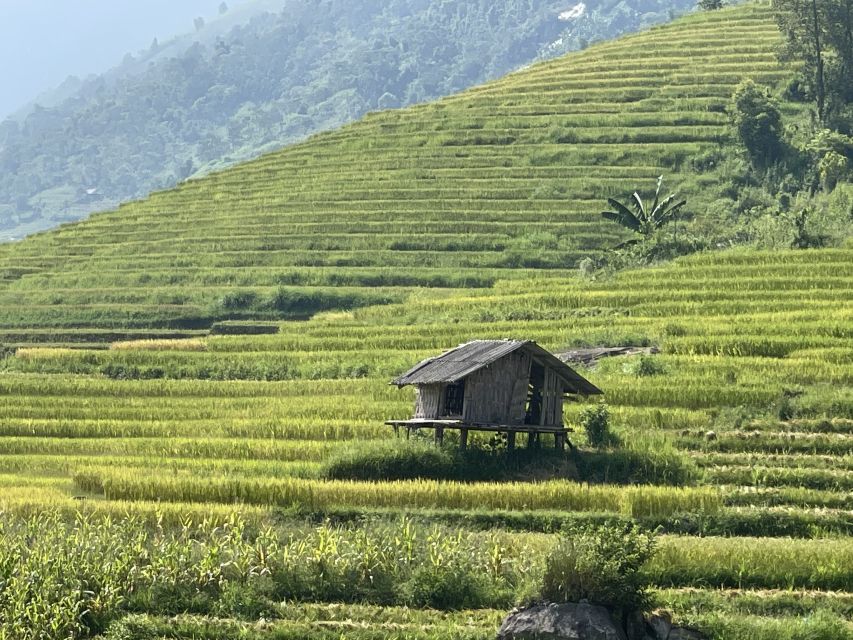
Book it if you want terraced fields plus real village contact, and if two days on foot sounds better than a quick viewpoint tour. The six-village route, local lunches, Giay homestay, and private guide give you more cultural context than a short half-day outing.
The strongest reasons to choose it are the private format, the homestay comparison between Black Hmong and Giay life, and the practical inclusion of meals, equipment, entry fees, and the return taxi. Guides such as Du, also written as Zu, and Pang Chou have been associated with warm, informative hosting, though you should confirm your assigned guide when booking.
Skip it if you need hotel-level comfort, a fixed menu, or a low-effort schedule. For active visitors who want to understand Sapa through its villages, farming, food, clothing, and family traditions, $78 is a fair price for a very full two days.
FAQ
How long does the Sapa Muong Hoa Valley trek last?
The experience lasts two days and includes one night at a local ethnic minority homestay.
Which villages are included?
The route includes Y Linh Ho, Lao Chai San, Lao Chai, Ta Van, Giang Ta Chai, and Hau Thao.
Which ethnic groups will I learn about?
The tour covers Black Hmong, Giay, and Red Dao communities. The detailed village visits described focus especially on Black Hmong and Giay culture.
Where does pickup take place?
Pickup is available from your hotel in central Sapa or from Sapa Church.
What meals are included?
The package includes one breakfast, two lunches, and one dinner. The lunches are served at local homes, and dinner is provided at the homestay.
Is transportation back to Sapa included?
Yes. A private taxi takes you back to Sapa from Hau Thau at the end of the second day.
What is included for the trek itself?
Each person receives 1.5 liters of water per day, a raincoat, and a trekking stick. Village entry fees and the English-speaking guide are also included.
More Rice Terrace Treks in Sa Pa
- From Sapa: Muong Hoa Valley View & Village Trek 1-Day
★ 5.0 · 21 reviews - SAPA: 1-DAY TREKKING TOUR WITH LOCALS, LUNCH & RICE FIELDS
★ 4.7 · 18 reviews - From Sapa : 1 Day Amazing Sapa Trek To Terrace rice field
★ 4.6 · 17 reviews - Trekking Sapa 1 Day With Local Guide, Terraced Rice Fields
★ 4.5 · 5 reviews
More Rice Terrace Treks in Vietnam
- Daily Tour: Sapa Trekking in Muong Hoa valley, Bamboo forest
★ 5.0 · 121 reviews - 1-Day Sapa Long Trek – Rice Field Terrace, Ethnic Culture
★ 4.9 · 62 reviews - Sapa: Muong Hoa Mountain Views and Villages Trek with Lunch
★ 4.3 · 28 reviews - Sapa: Muong Hoa Valley View & Villages Trek with Local Guide
★ 5.0 · 25 reviews
Just added around Sa Pa
- Sapa: Private The Most Beautiful Terraced Fields Trekking★ 4.8 · 42 reviews
- Soob Sapa Trekking Tour★ 4.3 · 3 reviews
- Sapa Trekking – Waterfalls And H’mong Villages★ 5.0 · 2 reviews
- Sapa3D2N TrekkingAdventures,Valleys,Bambooforest,Waterfall★ 4.8 · 24 reviews
- Sapa: Trekking Through Terraced Rice Fields & Valley 1 Day★ 4.8 · 4 reviews
- Sapa: Trekking Sapa One Day With Group Tour★ 4.7 · 55 reviews
- Sapa: Y Linh Ho – Lao Chai, and Ta Van Trekking Day Tour★ 5.0 · 25 reviews
- Sapa Trekking Private Tour With Ethnic Female Tour Guide★ 4.9 · 24 reviews
Rice Terrace Treks, compared.
Muong Hoa Valley Trek and Local Ethnic Villages
Read our review →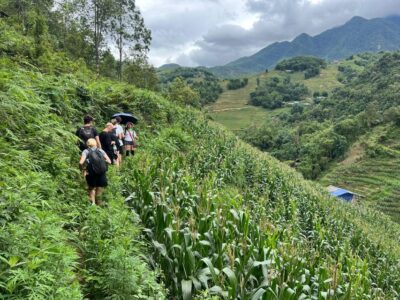
Explore Sapa by TrekkingAdventures, Mountain,Rice fields
Read our review →
Selogriyo Temple and Trekking Java Rice Terraces, hidden waterfall -Nature Java
Read our review →
6-Hours Muong Hoa Valley Trek with Local Ethnic guide
Read our review →
Yogyakarta: Selogriyo Temple Tour & Java Rice Terrace Trek
Read our review →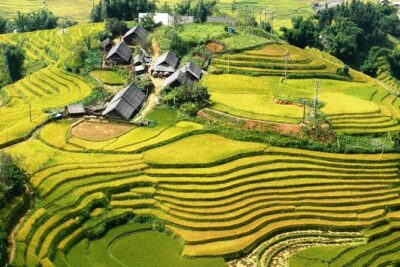
Sapa Muong Hoa Valley & Ta Van Eco Village Scenic Tour (No Trek)
Read our review →
Daily Tour: Sapa Trekking in Muong Hoa valley, Bamboo forest
Read our review →