
Review · HANOI
Sapa 2-Day Trekking Tour – Explore Villages & Scenic Trails
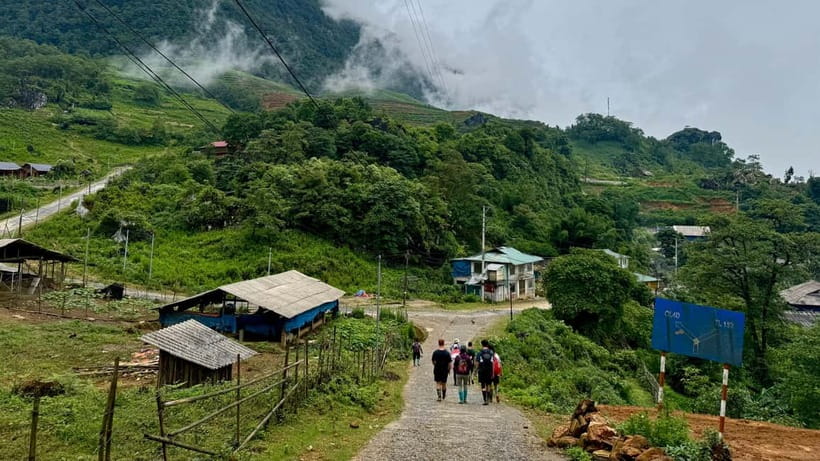
Sapa’s best moments often come on foot, and this two-day trek gives you time to move beyond the town’s main viewpoints. You’ll cross rice terraces, walk through Hmong and Dao villages, and spend the night with a local family rather than rushing back to a city hotel.
I like the choice between Ta Van and Hau Thao. Ta Van is the gentler route, with strong cultural interest and shorter walking sections. Hau Thao takes you farther from the busy trails, with longer paths, cliffside views, and a quieter stay with a Black Hmong family. I also like the small groups and the guides, including Mao, Thao, Sung, Su, and others who explain local customs in clear English and adjust the pace when needed.
The main catch is the terrain. You’ll cover 10 to 14 kilometers per day, and rain can turn paths into slippery mud from May through September. Also, the supplied booking information contains unrelated Cat Ba and Ha Long Bay inclusions, so confirm that your reservation covers the Sapa trek, not a different package.
Key points to know before booking
- Choose your style: Ta Van offers a gentler cultural route, while Hau Thao provides a longer, quieter mountain walk.
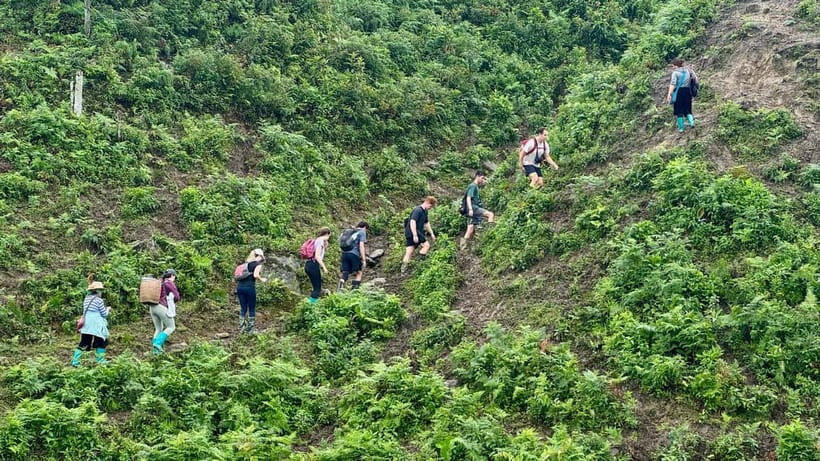
- Expect real walking: Plan on 10 to 14 kilometers each day over uneven, sometimes muddy trails.
- Stay in a village homestay: The overnight stop includes a private room, traditional meals, and a chance to see rural life after the day’s hike.
- Small groups help: Guides can slow the pace, answer questions, and make route changes when someone needs an easier section.
- Pack for fast weather changes: Bring hiking shoes, a rain jacket, water, long trousers, insect repellent, and a change of clothes.
- Check the booking details: The Sapa program includes meals and a return car, but the separate Cat Ba information appears to belong to another tour.
Why this Sapa trek works better than a rushed day trip
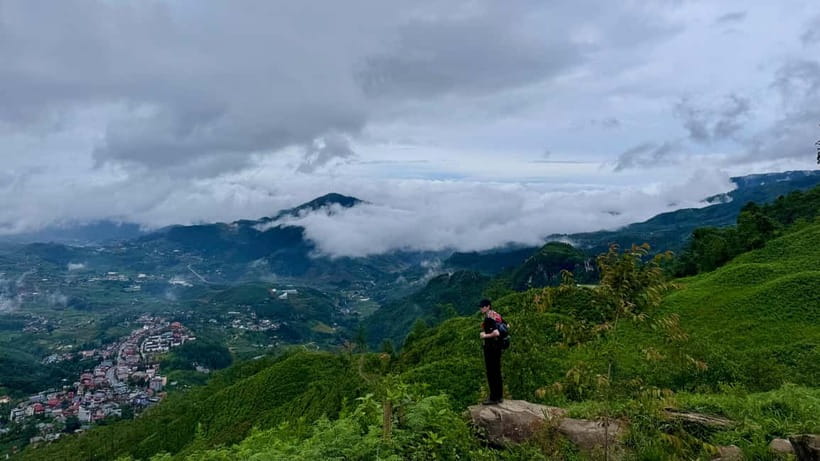
Sapa is easy to admire from a lookout, but the town itself can feel busy and commercial. The real appeal of this trip is the time spent walking between villages, where terraces shape the hillsides and daily life carries on along narrow paths.
A two-day format also gives you a better rhythm. Day one takes you out of Sapa and into the Muong Hoa Valley, while day two leads through bamboo forest, mountain trails, and village country before a car returns you to town. You are not trying to see every viewpoint in a few hours.
The tour has a 4.9 out of 5 rating from 46 ratings, with the strongest praise focused on the guides, scenery, food, and small-group feel. I would put the guide at the center of the experience. Mao is described as warm and funny, Thao as cheerful and skilled at avoiding busy paths, and Sung as especially careful with food allergies and cultural explanation.
That personal guidance matters in Sapa. A village walk can otherwise become a simple procession from one photo stop to the next. A good guide can explain who lives in each area, point out plants and customs, and help you understand the difference between Hmong, Dzay, and Red Dao communities.
A few more treks around Hanoi worth a look
- Hanoi – Sapa 2 Days 1 Night Overnight At Homestay
★ 5.0 · 899 reviews - From Hanoi: 2-Day Sapa Trekking Trip with Homestay & Meals
★ 4.8 · 704 reviews - 2-Day Sa Pa Ethnic Homestay Tour & Trek with Limousine Bus
★ 4.8 · 440 reviews
Day one: Sapa to Y Linh Ho, Lao Chai, and your homestay
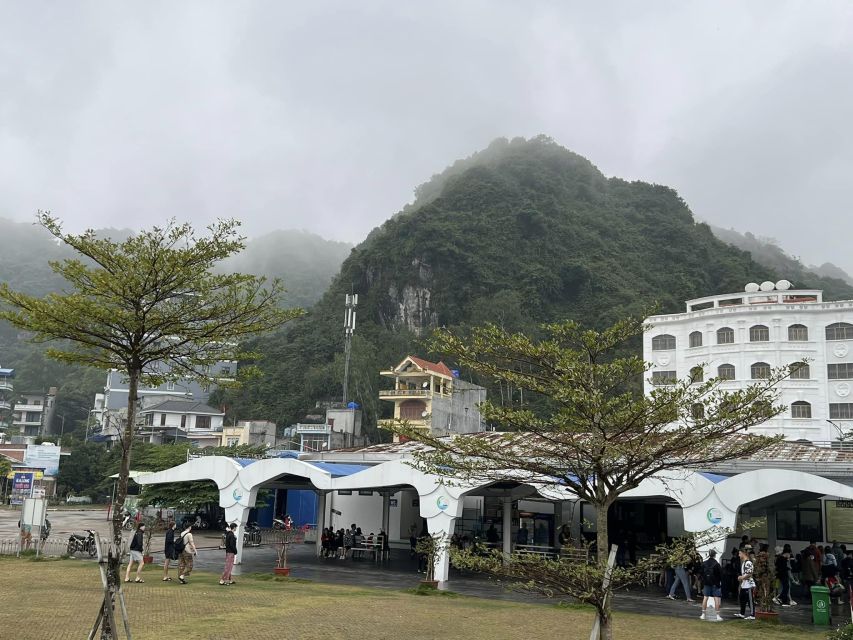
The trek begins at 9:00 AM from Sapa Town. Arrive 15 to 30 minutes early at Sapa TT Homestay, about one kilometer from the central area. This is where you check in, leave a large bag, and attend the pre-trek briefing.
Bring only a small daypack. The office can store bigger luggage, which makes a major difference when you are walking all day. You’ll want space for water, a rain layer, spare clothes, sunscreen, and perhaps a swimsuit if you hope to cool off near the waterfall on day two.
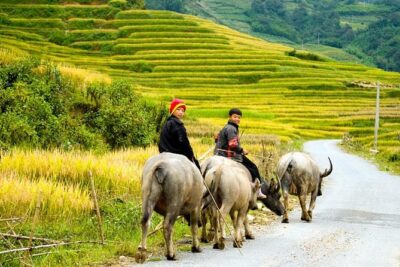
The first route section leads toward Y Linh Ho and Lao Chai. These villages sit among the terraces of Muong Hoa Valley, and the views are the main reward for the early effort. You’ll see steep hills cut into layered fields, with paths that pass through working countryside rather than only scenic platforms.
Lao Chai is also a useful place to learn about local craft traditions and the Black Hmong community. Guides such as Mao and Sung have been praised for explaining Hmong life through personal stories, not just a list of facts. That makes the walk more meaningful, especially if you take time to ask about clothing, farming, family life, or village customs.
The trail is not a paved park path. You may cross wet earth, uneven steps, narrow sections, and muddy ground after rain. Proper hiking shoes are important. Some people have managed with rented boots or gumboots, but ordinary trainers can become uncomfortable and slippery.
Local women may walk alongside you for part of the route. This can feel like a sales approach, and some visitors find the attention persistent on day one. Others find the women helpful on tricky ground and enjoy buying a handmade item as a friendly gesture. Go in prepared, stay polite, and do not feel pressured to purchase anything.
Lunch comes during the route, with views over the terraces. The supplied program includes two lunches, one dinner, and one breakfast, though the exact stop and menu can vary. Food is Vietnamese and uses local ingredients. Vegetarian and vegan meals are available if you request them in advance.
From Lao Chai, the route separates according to your choice. Ta Van continues through the valley toward a Dzay homestay. Hau Thao climbs farther toward a more remote Black Hmong setting.
Ta Van: the easier route with more village contact
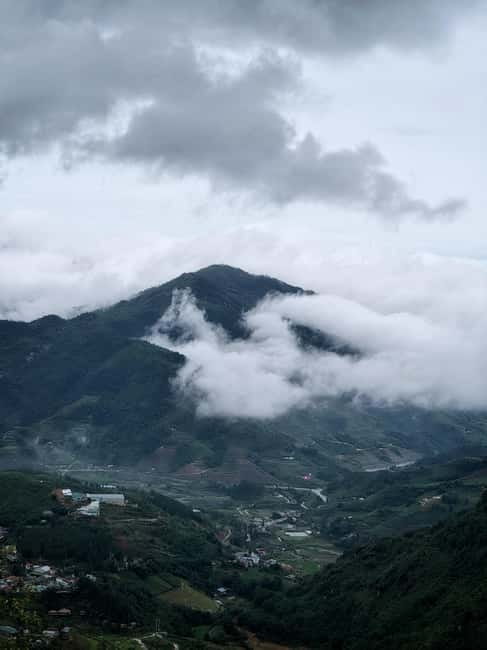
Ta Van is the better choice if you want a balanced trip rather than a hard mountain challenge. The walking is described as gentler, with shorter distances and more relaxed stops, though you still need basic fitness and secure footwear.
The village is home to the Dzay people, and the homestay gives you a closer look at everyday life after the walking ends. The setup is described as a private room, with a traditional dinner and time to sit with the hosts. You should expect simple rural accommodation, not a full-service hotel, although the available ratings describe the homestay as clean, cozy, and welcoming.
The value here is not luxury. It is the chance to wake up where you walked, rather than returning to Sapa and losing the connection between the scenery and the people who live there. The meal is part of that experience. Several people praised the fresh local dishes, and one guide took extra care to confirm safe meals for a person with a food allergy.
Hau Thao: the quieter option for stronger walkers
Hau Thao suits you if you would rather trade ease for solitude. The route initially follows the same path through Y Linh Ho and Lao Chai, then continues toward the mountains on longer, less crowded trails.
The reward is a more remote feel and broader mountain views. The Black Hmong homestay offers a closer link to local life, but the route demands more from your legs. Narrow mountain paths and dramatic cliffside sections make this the better pick for confident walkers who are comfortable with uneven ground.
The Hau Thao option is not extreme mountaineering, but it is not a casual stroll. You should be comfortable walking several hours and managing changes in surface, slope, and weather. If you have knee, back, heart, or mobility problems, this is not a suitable choice. The program also advises against booking if you are pregnant.
If you are unsure, Ta Van is the safer choice. If you care most about quiet trails and a stronger sense of being away from the main visitor route, Hau Thao is worth the extra effort.
Same trailhead, a different route:
- Sapa 3 Days 2 Nights Trekking Tour (1 Night In Ta Van Village, 1 Night In Hotel)
★ 5.0 · 699 reviews - 3-Day Trekking Adventure of Sapa from Hanoi – Stay Ta Van Village
★ 5.0 · 611 reviews - Hanoi – Sapa 3 Day 2 Night Trekking With Hotel & Homestay
★ 5.0 · 389 reviews - From Hanoi: 2-Day Sapa Trek Tour – Luxury Limousine Transfer
★ 4.1 · 249 reviews
Night at the homestay: simple comfort and local food

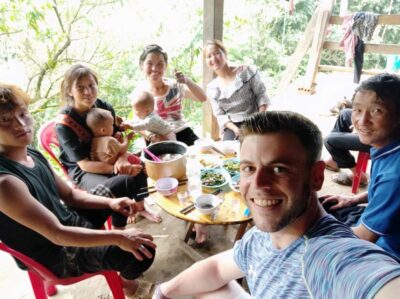
The overnight stay is one of the strongest parts of the program, but set your expectations correctly. This is a village homestay, not a resort. You’ll have a private room, traditional food, and a warm place to rest, while the surrounding setting provides the character.
The available details describe meals as Vietnamese dishes made with local ingredients. Food was repeatedly praised, including the dinner at the homestay. Meat appears often, but vegetarian choices are available, and dietary needs should be sent ahead of time.
Do not assume the homestay guarantees long evening conversations with the hosts. The setting is welcoming, but the amount of interaction can vary. You may get personal stories and a more direct family connection, or you may have a quieter stay. The guide can help bridge that gap by explaining local customs and introducing you properly.
The room can also feel chilly in Sapa, especially in December or during wet weather. Pack warm layers even if the forecast looks mild. The mountain weather changes quickly, and a dry shirt for the evening is worth carrying.
Day two: bamboo forest, Giang Ta Chai, and the return to Sapa
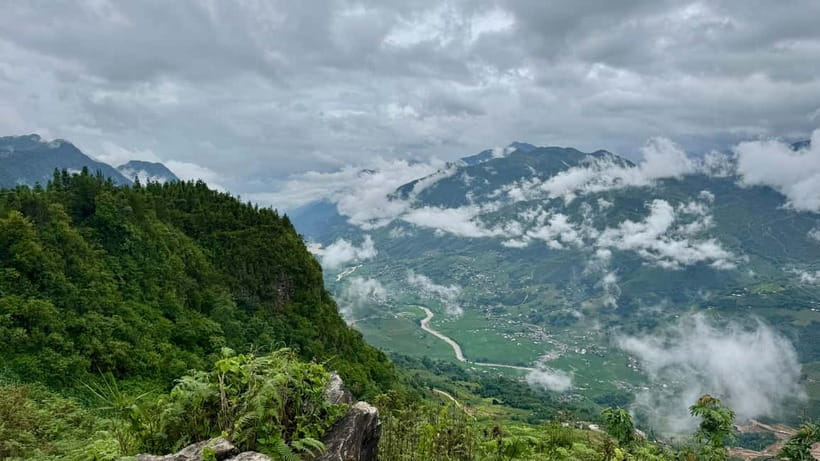
After breakfast, both routes head toward Giang Ta Chai. The Ta Van route crosses a suspension bridge and continues through bamboo forest. This is one of the more memorable sections, with a cooler, greener feel after the open terraces.
Giang Ta Chai is associated with the Red Dao people and sits near a waterfall. The waterfall gives the day a natural pause, and some people have enjoyed cooling off there. Pack a swimsuit if you want that option, but remember that swimming is not presented as a formal part of every departure.
The Hau Thao route reaches Giang Ta Chai through longer mountain trails and narrower cliffside sections. It can feel more adventurous than the Ta Van return. The route then continues toward lunch before transport takes you back to Sapa.
Walking times vary by group and route. One account describes about three and a half hours on the first day and two to two and a half hours on the second, while the stated distance is 10 to 14 kilometers per day. That difference likely reflects stops, route choices, and how distance is measured, so ask your guide for the day’s exact plan.
A few people found the pace a little rushed, especially when they wanted more time for photos. The guides generally adjust when someone needs an easier section, but this remains a walking tour, not a slow sightseeing outing. Tell your guide early if you need longer breaks.
Guides, group size, and the human side of the walk
The small-group setup is a real advantage. A group of five, for example, can move at a shared pace, stop for questions, and avoid the impersonal feel of a large walking party.
The guides are the tour’s strongest asset. Mao has been praised for clear English, cultural stories, and careful pacing. Thao is noted for finding quieter routes and less crowded village areas. Sung has taken dietary allergies seriously and has even welcomed people into a family home. Su, Su Su, Ai, Tung, Gom, and Chai are also described as warm, attentive, and good at explaining local life.
That does not mean every guide will offer the same personality or exact route. It does mean the operation has a deep bench of local guides, and your experience can improve greatly if you ask questions rather than simply follow the path.
English and Vietnamese are listed as the available languages. Communication is especially useful on muddy or narrow sections, when the guide can point out safer footing and keep the group together.
Is $58 good value for this two-day experience?
At $58 per person, this is good value if the quoted price truly covers the Sapa program. The package includes the guide, overnight homestay, two lunches, dinner, breakfast, sightseeing tickets, luggage storage, and a car back to Sapa on day two.
You are also paying for local route knowledge. A guide who knows how to avoid crowded paths and adjust the walk can make a major difference in Sapa, where the most scenic trails are not always obvious from town.
Drinks at lunch and dinner are not included, and anything not listed remains your responsibility. Bring enough cash for drinks, personal purchases, and optional crafts.
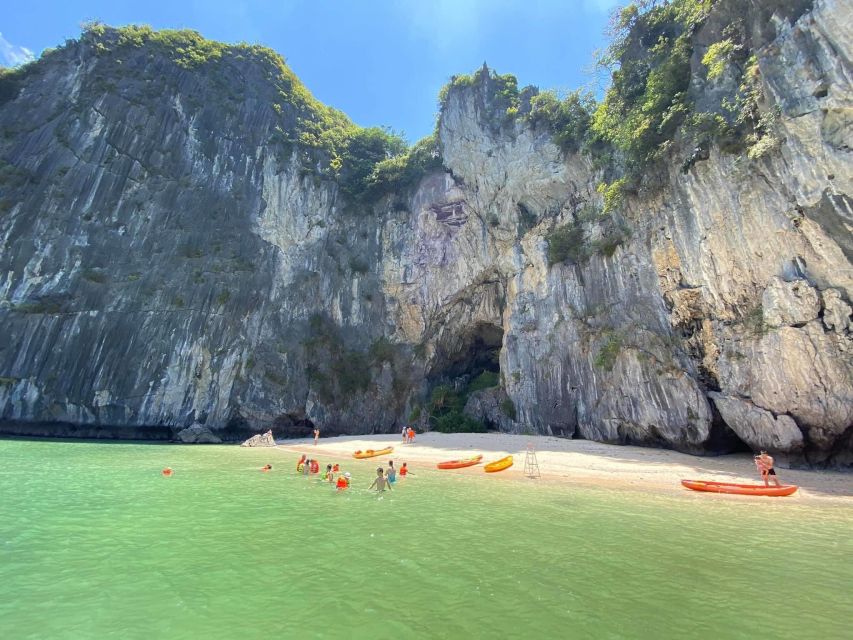
There is one important paperwork issue. The inclusion section also lists Hanoi to Cat Ba public bus transfers, a Cat Ba homestay, Lan Ha Bay and Ha Long Bay cruising, kayaking, and a cruise guide. Those items do not fit this Sapa itinerary. Treat them as a likely mix-up and confirm the final voucher before paying, especially if you are comparing this with a Cat Ba package.
What to pack and how hard is it?

Pack light and prepare for changing conditions:
- Hiking shoes with solid grip
- Water bottle
- Rain jacket
- Long trousers
- Comfortable clothing
- Sun hat and sunglasses
- Insect repellent
- Spare clothes
- Small daypack
- Swimsuit if you want to use the waterfall
The trek is rated moderate. You do not need technical climbing skills, but basic fitness is required. Expect 10 to 14 kilometers per day, uneven ground, and muddy trails during the May to September rainy period.
This is not suitable for wheelchair users, people with mobility impairments, people with serious back or heart problems, or pregnant women. It is also not suitable for people with severe insect allergies. Pets may join only if they are leashed and registered in advance.
Who should book this Sapa trek?
I would choose this trip if you want scenery and village contact in equal measure. It is a good fit for people who prefer a local guide, a small group, and a homestay over a quick viewpoint visit.
Choose Ta Van if you want the more manageable option, especially for a first trek or a mixed-ability group. Choose Hau Thao if quiet trails, Hmong culture, and a harder walk matter more than comfort.
I would not book it if you want polished hotel service, fixed walking times, or guaranteed dry trails. Rain can alter the experience, and the paths can be demanding. If your knees are weak, if you dislike mud, or if you need step-free access, pick a different Sapa activity.
Should you book it?
Yes, provided you confirm the route and inclusions before booking. The best reasons are the strong local guides, small groups, excellent terrace scenery, and the chance to sleep in the countryside instead of returning to town.
For most people, I would select Ta Van. It gives you the cultural heart of the trip without making every section a test of endurance. Pick Hau Thao when your priority is a quieter, more rugged walk and you are ready for longer days.
At $58, the Sapa trek offers a lot for the price. Just verify that your confirmation lists Sapa, Ta Van or Hau Thao, the homestay, meals, and return transport. The separate Cat Ba and bay-cruise details should not be allowed to muddy an otherwise appealing mountain trip.
FAQ
Where does the Sapa trek begin?
The trek begins at Sapa TT Homestay, about one kilometer from central Sapa. You should arrive 15 to 30 minutes before the 9:00 AM start.
How far will I walk each day?
The stated distance is 10 to 14 kilometers per day. Walking time can vary by route, stops, weather, and group pace.
What is the difference between Ta Van and Hau Thao?
Ta Van is the gentler route with cultural visits, valley scenery, and a Dzay homestay. Hau Thao is longer and quieter, with more remote mountain trails and a Black Hmong homestay.
Is the trek difficult?
It is rated moderate and requires basic fitness. Trails may be uneven, steep, or muddy, especially from May through September.
What accommodation is included?
The tour includes one night in a village homestay, with a private room. Traditional meals are included during the stay.
Which meals are included?
The program includes two lunches, one dinner, and one breakfast. Vegetarian and vegan food is available when requested in advance.
Can I leave large luggage behind?
Yes. Large bags can be stored at the tour office, so you can carry a small daypack during the trek.
Is transport back to Sapa included?
Yes. A car takes you back to Sapa after the second day’s walk and lunch.
Can I bring my pet?
Pets are allowed only if they are leashed and registered in advance.
Just added around Hanoi
- 8-Days Hanoi, Sapa Trekking And Halong Bay Cruise★ 5.0 · 8 reviews
- From Hanoi : Sapa Moutain Trek – Halong bay Heritage★ 4.5 · 25 reviews
- Trekking around Ha Giang 5 days 4 nights★ 3.0 · 2 reviews
- Mai Chau – Pu Luong trekking 3 days 2 nights★ 4.5 · 7 reviews
- Trekking In Ha Giang 5 Days★ 5.0 · 4 reviews
- Hanoi: 3D2N Mu Cang Chai Visit All Attractions, Trek, Ethnic Life★ 5.0 · 3 reviews
- 2-Day Trekking in Sa Pa from Ha Noi by sleeping bus★ 5.0 · 4 reviews
- 2-Day SAPA Trekking – Villages-Homestay-Ethnic-Local Food-Market★ 5.0 · 2 reviews
Hanoi Trekking Tours, compared.

Sapa 3 Days 2 Nights Trekking Tour (1 Night In Ta Van Village, 1 Night In Hotel)
Read our review →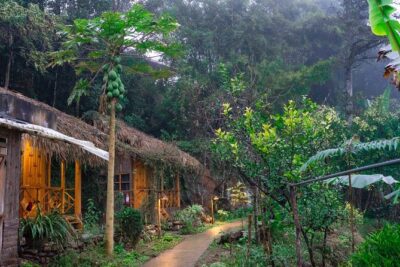
3-Day Trekking Adventure of Sapa from Hanoi – Stay Ta Van Village
Read our review →
2-Day Sa Pa Ethnic Homestay Tour & Trek with Limousine Bus
Read our review →
Sapa 3 Day 2 Night Trekking With Hotel & Homestay
Read our review →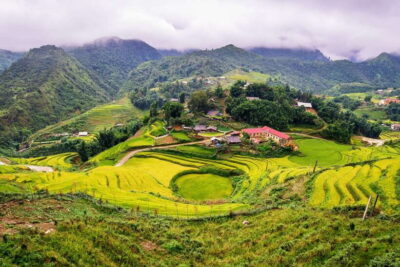
2-Day Sapa Trek Tour – Luxury Limousine Transfer
Read our review →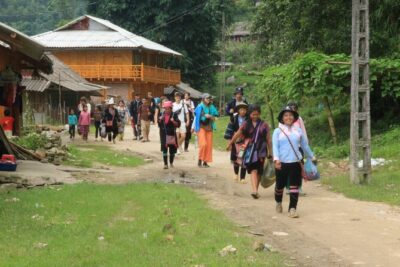
Sapa 2 Days 1 Night Overnight At Local Homestay
Read our review →Browse the lists this trek appears in