
Review · CUSCO
Salkantay Trek: 5 Days to Machu Picchu
The Salkantay Trek takes you from icy mountain country to tropical forest in five demanding but rewarding days. You climb to 4,650 meters, camp beneath the peaks, pass Humantay Lake, then walk toward Machu Picchu through coffee plantations and orchids. It is a fine alternative to the busier Inca Trail, but this is no gentle stroll.
I like the small maximum group of 12 and the strong support system: a bilingual guide, cook, horse team, emergency horse, camping gear, and a duffel for your belongings. I also like the food focus. Guides such as Nico, Carlos, Juan de Dios, Diego, Daniel, and Alvina have earned praise for their English, humor, care, and command of local culture.
The main catch is the physical strain, especially on the first two days. You leave Cusco at 4:30 in the morning, climb at high altitude, and spend up to 10 hours walking on Day 2. Mosquitoes arrive in the warmer valleys, and several useful extras cost more.
Key points to know before booking
- The high point is 4,650 meters: The Salkantay Pass brings serious altitude, cold, wind, and long uphill and downhill stretches.
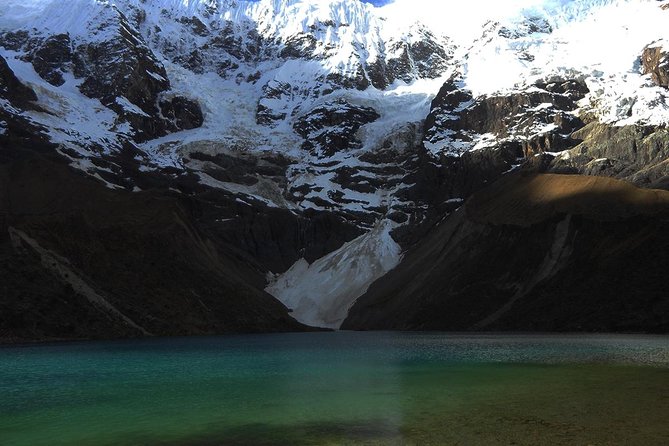
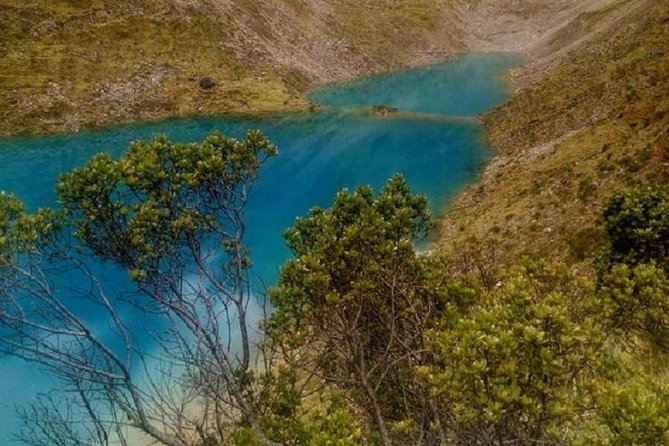
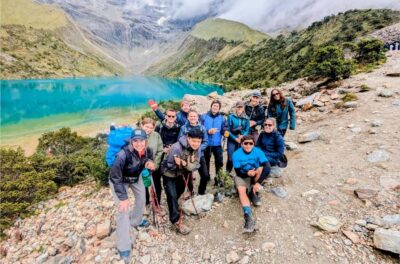
- Humantay Lake comes on Day 1: You walk to Soraypampa first, then visit the bright mountain lake after lunch.
- The scenery changes fast: Snow peaks give way to coffee plants, orchids, bromeliads, and tropical forest.
- Your main luggage gets help: Muleteers carry up to 7 kilograms of each passenger’s belongings, while an emergency horse can help if you struggle.
- The final approach is on foot: Day 4 takes you from Hydroelectric to Aguas Calientes before your Machu Picchu visit.
- The price covers a lot: At $909, you get meals, camps, equipment, guides, horses, train transport, and the return transfer, but not every Machu Picchu extra.
Why choose Salkantay instead of the Inca Trail
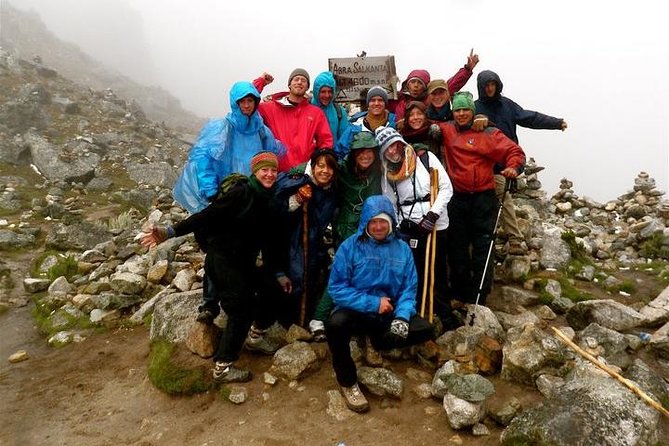
The Salkantay route gives you a bigger change in scenery than a short walk through one historic corridor. You begin near high Andean peaks and glacial lakes, then descend into warmer country where coffee, orchids, and tropical plants replace bare mountain slopes.
That variety is the main reason I would choose this route. You are not simply walking toward Machu Picchu. You are crossing several climate zones, with the first two days focused on altitude and the later days feeling warmer and more rural.
It also avoids the reputation of the Inca Trail as a tightly regulated, heavily booked route. This trek is not empty, and the path can still feel busy at popular points, but it is designed as a quieter alternative.
The tradeoff is comfort. The Salkantay route has long days, basic camping, steep descents, and early starts. If you want a shorter walk with more stonework and formal archaeological sites along the way, the Inca Trail may suit you better. If mountain scenery and physical challenge matter more, Salkantay makes good sense.
More Inca Trail Treks in Cusco
- Cusco: 4-Day Inca Trail to Machu Picchu with Accommodation
★ 4.8 · 432 reviews - Cusco: Machu Picchu 2-Day Inca Trail with Panoramic Train
★ 4.9 · 260 reviews - From Cusco: 2-Day Inca Trail to Machu Picchu
★ 4.2 · 244 reviews
Day 1: From Cusco to Humantay Lake
Your pickup is scheduled for 4:30 a.m. in Cusco. The early departure is rough, but it gives the group time to reach Mollepata, about 2,900 meters above sea level, for breakfast at roughly 7:30 a.m.
Breakfast on the first morning is not included, so check whether you need cash or a snack for this stop. You also hand over up to 5 kilograms of personal belongings to the muleteers at this point. The included equipment information allows up to 7 kilograms per passenger, so confirm the exact baggage limit during the pre-trek briefing.
From Mollepata, transport takes you to Challacancha at about 3,380 meters. The walk then rises toward Soraypampa, the first camp, at roughly 3,900 meters. The climb takes about three hours before lunch.
After lunch, you walk to Humantay Lake. This is one of the trip’s signature views, with a high mountain setting and a strikingly colored lake. The visit is short enough to fit into the first day, but do not treat it as a casual add-on. You have already climbed at altitude, and the return to camp still requires effort.
The advertised walking time for Day 1 is about five hours. Your camp includes a personal double tent, an inflatable mattress, a sleeping bag rated to minus 5 degrees Celsius, a blanket, and a pillow. The tents are described as four-person tents used by two people, which gives you extra room for backpacks and changing clothes.
That equipment matters. Soraypampa is high and can feel cold, particularly after sunset. Bring warm layers, dry socks, gloves, and a hat even if Cusco feels mild when you leave.
Day 2: The hard climb to Salkantay Pass
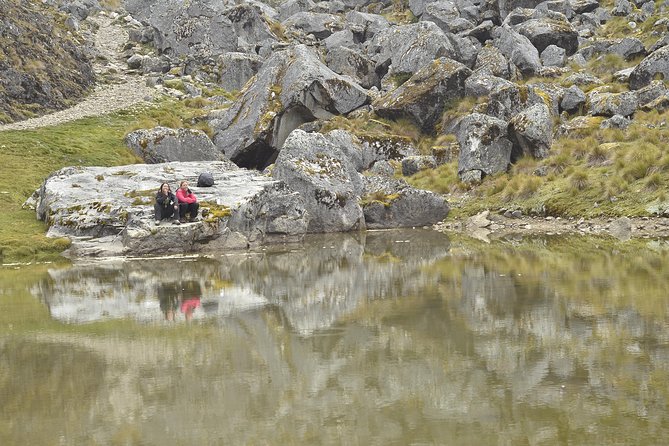
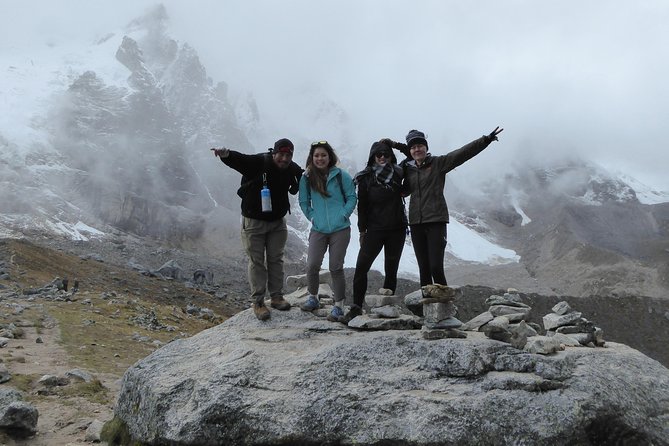
Day 2 is the toughest day and the clearest test of your fitness. Breakfast is at 5 a.m., followed by the climb from Soraypampa to Abra Salkantay.
The ascent takes about three hours and reaches 4,650 meters. Along the way, you pass Salkantaypampa and Soyrococha, a small lake, with views toward the Salkantay, Humantay, Tucarhuay, and Pumasillo peaks.
At this height, pace matters more than speed. Walk slowly, drink water, and tell your guide early if you feel unwell. The operator advises anyone with altitude sickness concerns to bring required medicine and speak with a doctor before the trek. That is sensible advice, since the high point comes early in the trip, before your body has had much time to adjust.
After reaching the pass, you descend for about three hours to Huayracmachay at 3,800 meters for lunch. The descent is easier on your breathing but can be hard on your knees. One useful feature is the emergency horse, which may be ridden if you become ill or cannot keep pace. You can also arrange horse support along the route, but ask about any extra cost before setting out.
The final section drops to Chaullay at about 2,900 meters. The full day is listed at around 10 hours. That is a serious walking day, not a rough estimate for a relaxed outing.
Your reward is a dramatic change in scenery as you leave the high pass behind. Day 2 combines the trek’s most impressive mountain views with its biggest physical demand. If you prepare for only one day, prepare for this one.
Day 3: Coffee country, orchids, and Santa Teresa
The route changes character on Day 3. After breakfast at 6 a.m., you walk for about five and a half hours through the upper edge of the tropical forest.
The path has moderate climbs and descents rather than the hard high-altitude ascent of the previous day. You pass coffee plantations, orchids, bromeliads, and plants used in local natural medicine. This is where the route feels more connected to daily rural life, not just to famous viewpoints.
You finish the walking section at Playa Sahuayaco, where lunch is followed by included transport to the campsite at Santa Teresa. That vehicle transfer is welcome after two demanding days.
Santa Teresa gives you an optional choice. You can visit the thermal baths at Cocalmayo, but the entrance fee is not included. The description also refers to a choice involving an archaeological site, so ask during the briefing which option is available for your departure and what it costs.
The hot springs are a sensible way to spend the afternoon if your legs are tired. Just remember that you will still return to camp for tea and dinner at about 6 p.m. The warmer climate also brings mosquitoes, so pack repellent, long trousers, and a light long-sleeve shirt.
Same trailhead, a different route:
- From Cusco: 7 Lakes Ausangate Trek with Breakfast and Lunch
★ 4.8 · 360 reviews - Machu Picchu: Inca Trail 2-Day Overnight Guided Tour
★ 4.9 · 203 reviews - Cusco: Full-Day Rainbow Mountain & Red Valley Trekking Tour
★ 4.5 · 121 reviews - Short Inca trail to MachuPicchu || 2days – 1nigth ||
★ 5.0 · 103 reviews
Day 4: Walking beside the railway to Aguas Calientes
Day 4 begins in the tropical zone and continues toward Hydroelectric. After breakfast, you have lunch at a restaurant in Hydroelectric before walking to Aguas Calientes.
This section is listed at about five hours. Compared with the pass day, it is easier, but the accumulated fatigue can make a moderate walk feel long. The route brings you closer to Machu Picchu while keeping you on foot for much of the approach.
You spend the night in a hotel or hostel in Aguas Calientes, the town below Machu Picchu. Dinner with the guide is scheduled for 6:30 p.m., followed by a briefing about the next morning.
This meeting matters. Your guide will explain the plan for entering Machu Picchu, the timing, and how to reach the site. Pay attention, since the final morning starts early and you will want to avoid confusion after four days of walking.
Day 5: Machu Picchu and the return to Cusco
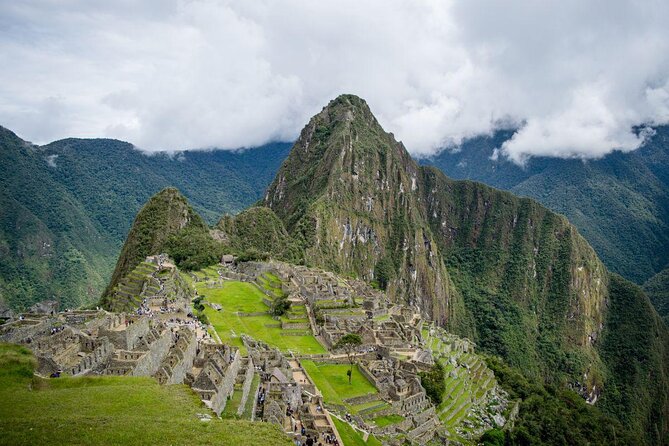
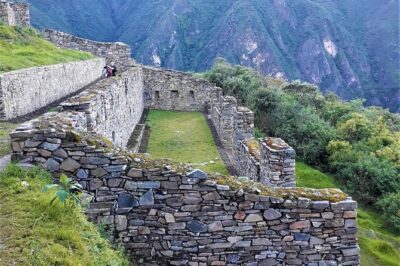
You wake early for the main event. The Machu Picchu visit includes a guided tour of the citadel, with time to see temples, terraces, palaces, and platforms. The guided portion is listed at about two hours, followed by time to take photos and explore on your own.
The entrance to Machu Picchu is included in the tour price, but the shuttle bus between Aguas Calientes and the site is not. It costs $12 one way or $24 round trip according to the supplied information. You may instead walk between town and the citadel, but the tour data does not specify the walking time or current site rules, so ask your operator at the briefing.
Huayna Picchu is another extra, listed at $25. It is not part of the standard plan, and you should not assume it can be added at the last minute.
After the visit, you descend to Aguas Calientes and take the tourist train to Ollantaytambo. A representative meets you there for the tourist bus transfer back to Cusco and a hotel drop-off. Lunch on the last day is not included, so budget for it during the return journey.
What the $909 price really covers
At $909, this is not a bare-bones hiking package. The fee includes three nights of camping and one night in Aguas Calientes, four breakfasts, four lunches, four dinners, and four afternoon hot drinks.
You also get a professional bilingual guide, a cook, horses and a horseman to carry food and camping supplies, daily water after the first four hours of walking, tents, mattress, sleeping bag, blanket, pillow, duffel bag, hiking poles, train transport, and the return bus to Cusco.
That is a strong bundle for a five-day route. The cook is an important part of the value, since you are burning energy for long hours. The food has been a major strength of this operation, including vegetarian meals when requested in advance. Several guides and cooks have received especially warm praise, including Carlos, Nico, Juan de Dios, Diego, Daniel, Alvina, Leoncio, Clemente, and Louis.
Still, set aside money for insurance, tips, breakfast on Day 1, lunch on Day 5, the Cocalmayo entrance, the Machu Picchu shuttle bus, and Huayna Picchu if available. These costs do not ruin the value, but they affect the real trip budget.
Group size, guides, and support on the trail
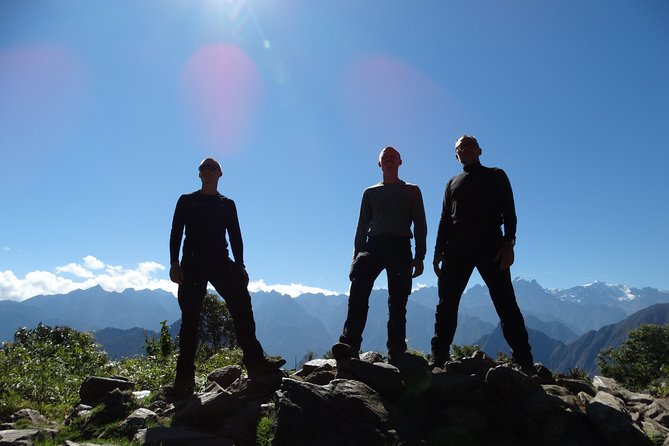
The maximum group size is 12, which is small enough for the guide to keep track of the group and respond to different walking speeds. That matters on Day 2, when stronger walkers may want to move ahead while others need a slower pace.
The guide quality appears to be one of the operation’s strongest points. Carlos is praised for clear English and strong knowledge of the mountains and Inca culture. Nico is described as attentive and willing to arrange help, including massages in Aguas Calientes. Juan de Dios and Diego are noted for explaining local history and culture while keeping the days organized.
You should still ask practical questions during the pre-trek briefing. Confirm where your duffel will meet you, how much it may weigh, the exact meeting time, the hot spring option, and the plan for Machu Picchu transport.
The pre-trek briefing takes place at your hotel the day before departure. That is useful, since the pickup is before dawn and the route includes several transport changes.
Fitness, altitude, and packing advice
The minimum age is four, but the stated fitness requirement is moderate, and the schedule is demanding for many adults. A young child might be accepted by the operator, but the high altitude and 10-hour Day 2 deserve careful thought.
The biggest issues are altitude, steep descents, cold nights, and long walking days. If your knees dislike downhill walking, take that seriously. Trekking poles are included, and they can help with balance and reduce strain.
Pack light but prepare for several climates:
- Warm layers, gloves, and a hat for Soraypampa and the pass
- Breathable clothing for Santa Teresa and the lower valleys
- Mosquito repellent and long sleeves
- Sunscreen and a refillable water bottle
- Personal altitude medicine if prescribed
- A small daypack for water, rain protection, snacks, and valuables
Water is provided daily, but not during the first four hours of the trek. Carry your own supply for that opening stretch.
The operator offers pickup, and the stated meeting information points to Plaza de Armas in Cusco. The driver returns you to your hotel at the end, so confirm your hotel address and pickup details before departure.
Should you book the five-day Salkantay Trek?
Book this trek if you want big mountain scenery, changing climates, and a supported hiking challenge rather than a soft route to Machu Picchu. The included cooks, horses, equipment, train, and small group make the $909 price reasonable for a five-day package.
Think twice if you dislike camping, struggle with altitude, or want relaxed mornings and short walks. Day 2 is genuinely demanding, and the early starts leave little room for a slow vacation rhythm.
For a fit walker who wants more than a quick Machu Picchu visit, I would put this high on the list. Just train for long descents, arrive prepared for the cold, and budget for the extras. The cancellation terms are also worth noting: cancellation at least six full days before departure qualifies for a full refund, two to six days brings a 50 percent refund, and cancellation within two days receives no refund.
FAQ
How long is the Salkantay Trek to Machu Picchu?
The experience lasts five days and includes the trek, one night in Aguas Calientes, the Machu Picchu visit, and return transport to Cusco.
What time does the tour start?
Pickup begins at 4:30 a.m. in Cusco on Day 1.
What is the highest point on the trek?
The route reaches Abra Salkantay at approximately 4,650 meters above sea level.
Is food included?
The package includes four breakfasts, four lunches, four dinners, and four afternoon hot beverages. Breakfast on Day 1 and lunch on the final day are not included. Vegetarian meals are available at no extra charge if requested in advance.
Is camping equipment provided?
Yes. The package includes tents, an inflatable mattress, a sleeping bag rated to minus 5 degrees Celsius, a blanket, a pillow, hiking poles, and a duffel bag.
Is the Machu Picchu shuttle bus included?
No. The shuttle between Machu Picchu and Aguas Calientes costs $12 one way or $24 round trip according to the tour information.
What is the cancellation policy?
You receive a full refund when cancelling at least six full days before departure. Cancelling two to six full days before departure qualifies for a 50 percent refund. Cancellations within two full days are not refunded.
More 5-Day Experiences in Cusco
- Machu Picchu: 5-Day Salkantay Trek with Panoramic Train
★ 5.0 · 79 reviews - Ausangate Trek 5 Days
★ 5.0 · 74 reviews - Classic Choquequirao Trek – 5 Days / 4 Nights
★ 5.0 · 52 reviews - Ultimate Lares Trek & Inca Trail 5 days
★ 5.0 · 47 reviews
Just added around Cusco
- Classic Choquequirao Trek – 5 Days / 4 Nights★ 5.0 · 52 reviews
- Short Inca Trail 2 Day Hike to Machu Picchu with Permits & Train★ 5.0 · 51 reviews
- 2 Day Tour Throughout the Short Inca Trail to Machu Picchu★ 5.0 · 36 reviews
- Small Group: 4-Day Inca Trail Trek to Machu Picchu★ 5.0 · 33 reviews
- 5-Day: Salkantay Trek to Machupicchu and Humantay Lake★ 5.0 · 42 reviews
- 2 Day – Short Inca Trail to Machu Picchu – Group Service★ 5.0 · 30 reviews
- 5 Day – Salkantay trek to Machu Picchu – Group Service★ 4.5 · 27 reviews
- Salkantay Trek Standard 5D/4N★ 5.0 · 48 reviews
Machu Picchu & Inca Trail Treks, compared.
4-Day Inca Trail to Machu Picchu with Accommodation
Read our review →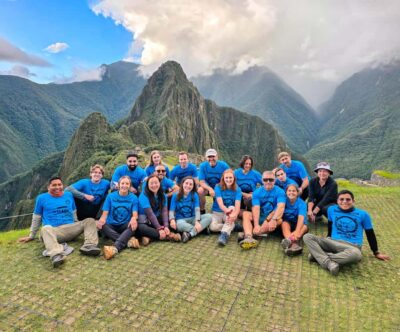
Machu Picchu 2-Day Inca Trail with Panoramic Train
Read our review →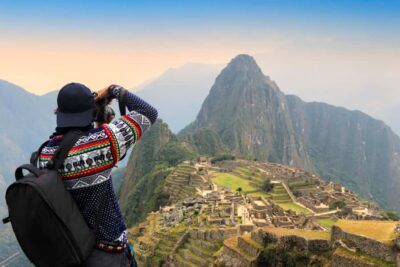
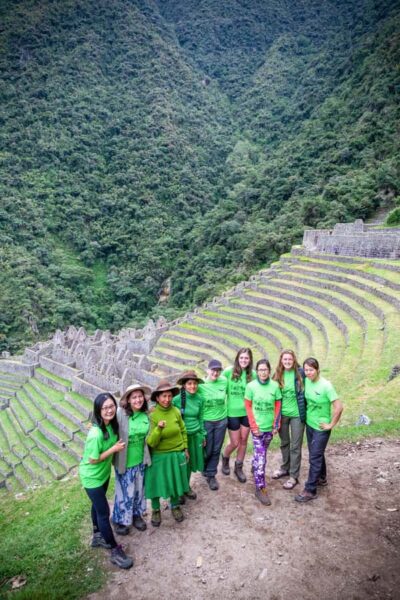
Machu Picchu: Inca Trail 2-Day Overnight Guided Tour
Read our review →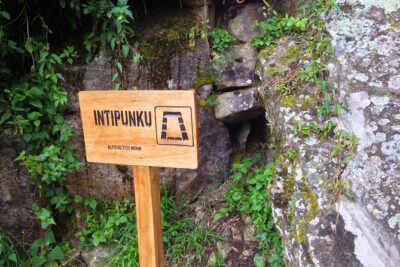
Short Inca trail to MachuPicchu || 2days – 1nigth ||
Read our review →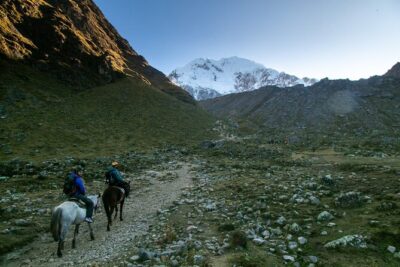
Machu Picchu: 5-Day Salkantay Trek with Panoramic Train
Read our review →Browse the lists this trek appears in