Review · TREKKING
Rovaniemi: Lapland Ski Trekking Safari
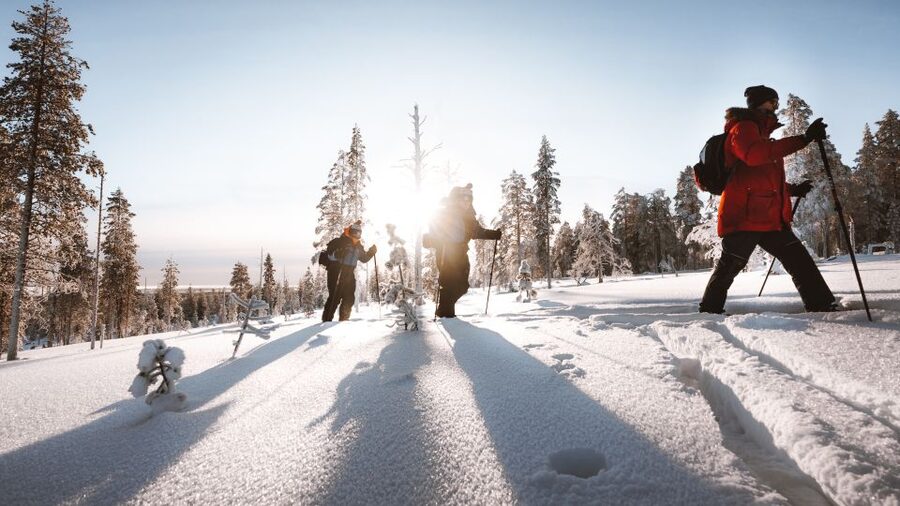
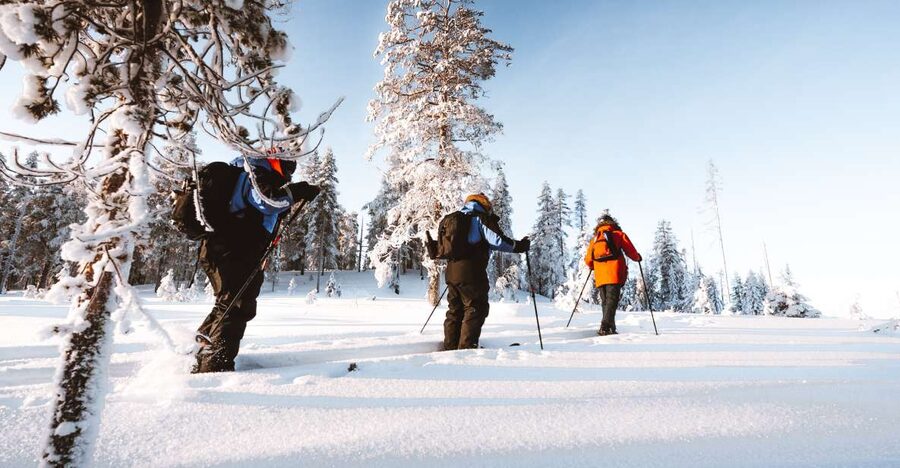
Rovaniemi’s ski trekking safari takes you away from groomed tracks and into the quiet Taiga forest, where the snow is deep, the hills are gentle, and the views feel properly Arctic. You learn the basics, then travel on skis across fresh snow, through trees, and possibly over a frozen lake or up to a hilltop viewpoint.
I like two things right away: the small groups, limited to eight people, and the guide-led approach for beginners. I also like the warm campfire break, with sausage, hot drinks, marshmallows, or other Finnish snacks depending on the outing. The main catch is simple: this is more tiring and awkward than ordinary walking, especially at first.
Key points
- Skin-equipped skis: The skis grip snow on climbs and help control speed on descents.
- Beginner-friendly instruction: Guides such as Atanas, Maca, Aina, and Emily are praised for patience and steady help.
- Real wilderness setting: Expect Taiga forest, deep snow, frozen lakes, hills, animal tracks, and broad winter views.
- A warm Finnish pause: A bonfire and camp snack, often sausage with hot drinks and marshmallows, break up the four-hour outing.
- A small group of eight: The group size gives the guide room to adjust the route to fitness and experience.
- A physical half-day: You do not need advanced skiing skills, but you do need balance, stamina, and comfort in cold weather.
Leaving Rovaniemi for the Taiga

The experience begins in Rovaniemi, with transport from the meeting point to the chosen ski area. If you stay in the city center, you meet at the provider’s office at Rovakatu 24. If your accommodation is outside the center and no pickup option appears, you need to email the provider with your address.
That transfer matters because the point is to leave the city behind. This is not a few easy laps beside a hotel or a lesson on a marked Nordic trail. Your guide chooses a setting that suits the group, then takes you into forest, open snow, hills, or frozen lake country.
The exact route is not fixed, and that is useful in Lapland. Snow conditions, weather, and the ability of the group can all affect the choice. A stronger group may cover more ground or climb toward a viewpoint. A group of first-timers may spend more time learning the skis and moving at a comfortable pace.
The group limit of eight is another plus. A guide can stop to help one person without leaving everyone else far behind. It also keeps the outing quieter and more personal than a large coach-based winter excursion.
More Safaris in the world:
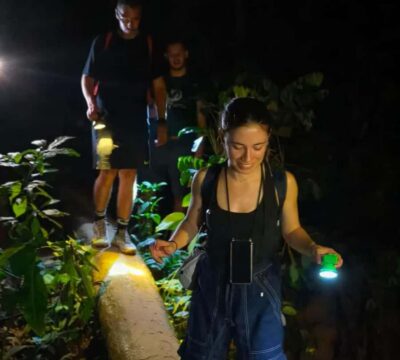
- Khao Sok: Private Day Trekking, Jungle Dinner & Night Safari
★ 4.7 · 206 reviews - El Calafate: Safari Azul Los Glaciares Trekking Tour
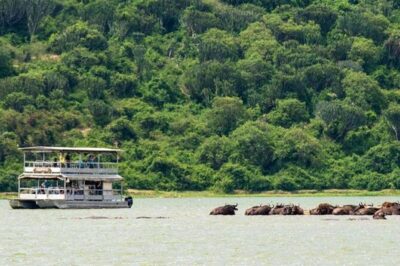
★ 4.8 · 123 reviews - 3 Days gorilla trekking Safari tour in Uganda
★ 5.0 · 121 reviews
Getting used to back-country skis
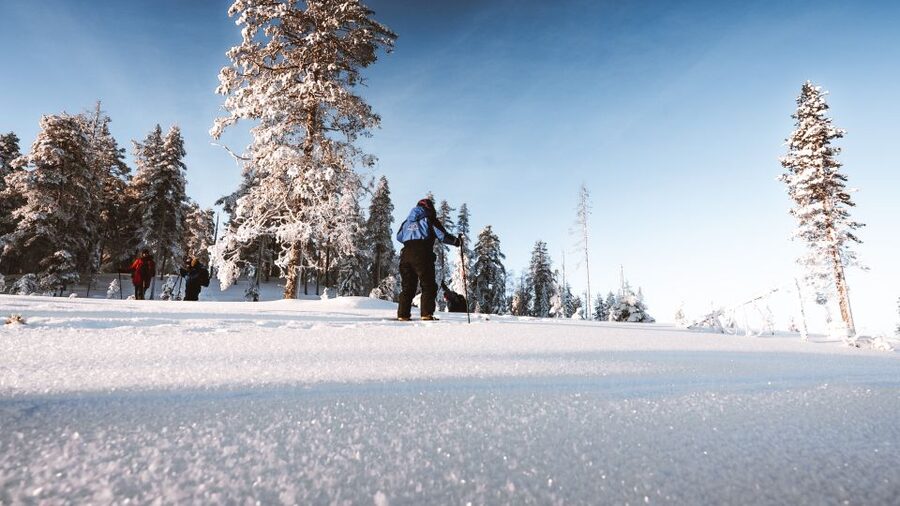
You are fitted with back-country skis, poles, boots, and a professional winter snowsuit. The skis are wider and more practical for soft snow than the narrow equipment used on a groomed cross-country track. Their skins provide grip, allowing you to move uphill without constantly sliding backward.
The first few minutes can feel strange. Several first-time skiers found the equipment harder to handle than expected, particularly in deep snow. Falling is possible, and getting upright again can take effort when you are wearing winter clothing and standing in loose powder.
Your guide gives safety instructions and demonstrates how to move. The basic rhythm is closer to sliding and walking than to fast downhill skiing. Keep your knees relaxed, use the poles for balance, and accept that a slow, steady pace is the right pace.
You do not need advanced technique. The equipment is intended for exploration rather than speed, and the guide adjusts the outing to the group. Still, do not mistake beginner-friendly for effortless. One first-time participant described the route as challenging, while others called it a workout. That is a fair expectation.
If you have never skied, you may spend the first part concentrating on staying upright. That is normal. Once your feet and poles begin working together, the activity becomes much more enjoyable. Falling into soft snow can even be part of the fun, provided you are fit enough to get back up.
Forest trails, hills, and frozen lake views
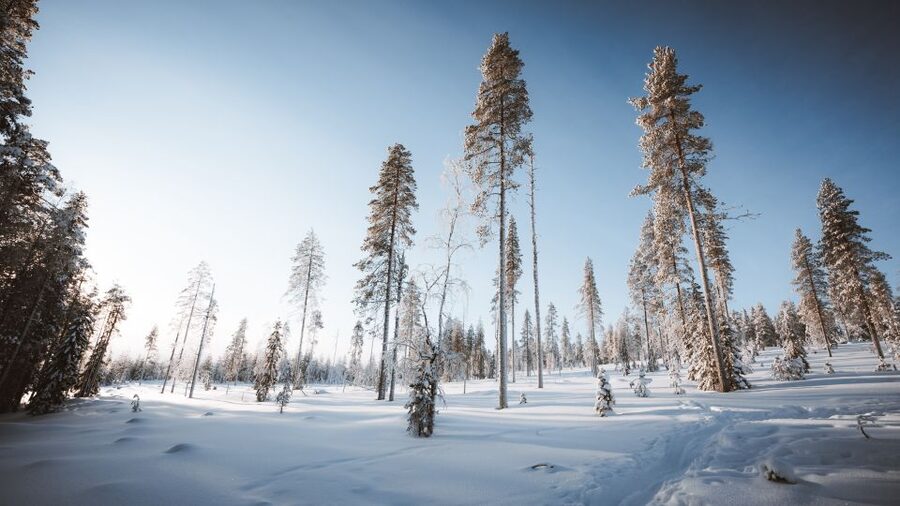
The best part of the outing is the change of scenery. Instead of following a prepared trail, you move through snowy spruce forest and open areas where the snow remains soft and undisturbed. The quiet is a real feature. You hear the skis, the poles, and the group, rather than engines or crowds.
The route may include hilly ground. Skin-equipped skis are useful here because you can climb without excessive slipping, then descend with more control than ordinary flat-track skis would provide. You should still expect some effort on an uphill section. The reward can be a high viewpoint, and one route included a watchtower with a wide view over Rovaniemi.
Frozen lakes are another possible highlight. One outing crossed a lake during a beautiful sunrise, while another included time to stop, look around, and take photographs. The exact view depends on the selected location and the day’s conditions, so you should book this for the outdoor experience rather than a guaranteed sunrise or one specific viewpoint.
The scenery is at its best when the trees carry heavy snow and the sky is clear. Even in temperatures around minus 17 degrees Celsius, the activity can remain comfortable with the provided snowsuit and proper layers. You still need to bring warm clothing, particularly for your hands, head, and any exposed areas.
The route also gives you a chance to notice small details. One guide pointed out plants and animal footprints in the snow. That natural interpretation adds value because you are not simply exercising in a pretty place. You begin to read the forest and understand how people live in Arctic conditions.
What the guide adds to the day
The guide is central to this experience. The equipment is unusual, the snow can be deep, and the group may contain people with very different levels of fitness. A good guide keeps the outing safe without turning it into a slow lecture.
Atanas is repeatedly praised for his patience with beginners and families. Maca is noted for changing the route to match the group’s level and for explaining the natural surroundings. Aina is described as energetic and encouraging, while Emily is praised for helping children and adapting to each person.
Other named guides, including Tiboh, Carla, Nick, Luka, Vess, Barbara, Amy, Max, and Eniko, have also led outings described as friendly and supportive. The names matter less than the pattern: you should expect hands-on help with the skis, encouragement after a fall, and explanations before the group moves farther into the forest.
The guide also sets the tone. If you are nervous about skiing, say so early. The route can be adjusted to the ability of the group, and the outing is not supposed to be a race. If you are fit and want more of a challenge, you may get a hill climb or a longer route, depending on the day.
A few more treks around the world worth a look
- Ski Trekking under the Northern Lights
★ 4.6 · 3 reviews
The campfire break and Finnish snack
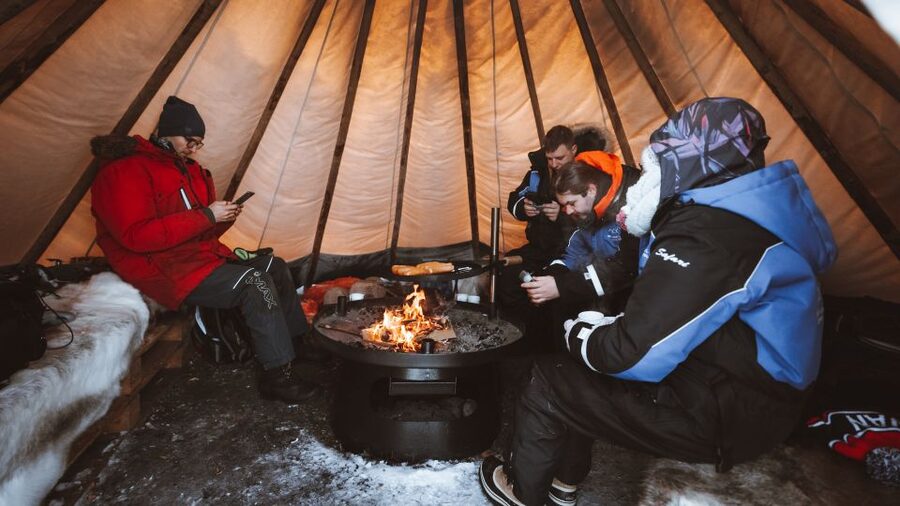
About halfway through the experience, the group stops for a bonfire and refreshments. This is more than a quick snack. After moving through cold snow, a warm pause gives your legs a rest and lets you enjoy the setting without concentrating on every step.
The exact food can vary, but the experience has included grilled sausage, veggie sausages, marshmallows, hot chocolate, coffee, and small sweet snacks. Some groups have used a cozy tippee or yurt-like shelter by the fire. You should not expect a full lunch. Lunch is not included, and the food is best viewed as a hearty camp snack.
I consider this break an important part of the value. The tour combines outdoor activity with a small taste of Finnish camp life, rather than rushing you from one photo stop to the next. You can warm up, ask questions about Lapland, and take in the forest or lake view.
It also helps balance the physical side of the tour. If you are tired from the ski section, the fire gives you time to recover before returning. If you are traveling with mixed abilities, this pause keeps the day from feeling like a four-hour endurance test.
How strenuous is the four-hour outing?
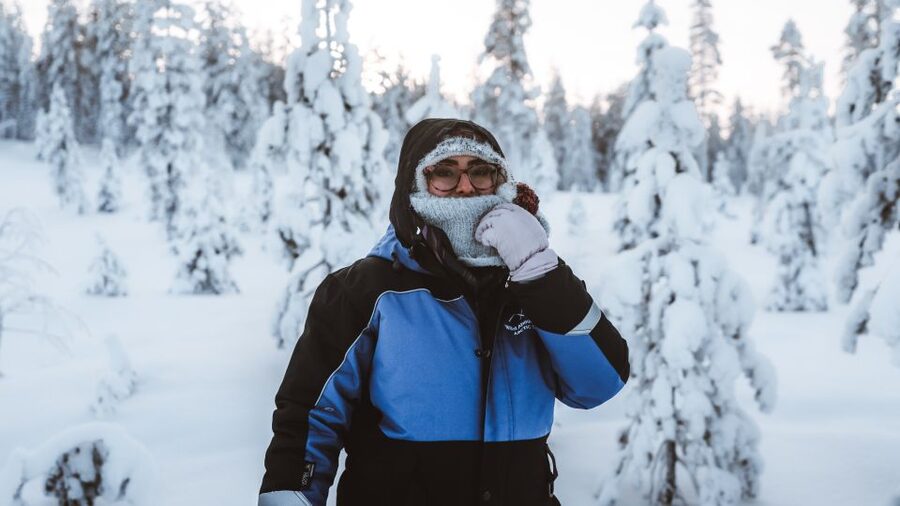
The advertised duration is four hours, including instruction, transport from the meeting point, skiing, stops, and the campfire break. That makes it a half-day activity, not a brief introduction.
The effort depends on snow, terrain, and the route chosen. Soft snow requires more work than a groomed track. Hills add another layer of exertion. Beginners may use plenty of energy simply keeping their balance, while experienced skiers may find the pace relaxed.
You should be comfortable standing and walking in winter conditions for a sustained period. This activity is not recommended for people with limited mobility or serious medical problems, and it is not suitable for children under seven, pregnant women, or people with mobility impairments.
Families with older children can enjoy it, especially if everyone accepts that the first section may be slow. It is also a good match for active couples, friends, and solo visitors who want more than a passive snowmobile or reindeer outing. One family preferred this activity to several other Lapland excursions because it allowed them to move through the scenery at their own pace.
What to wear and what to expect from the equipment
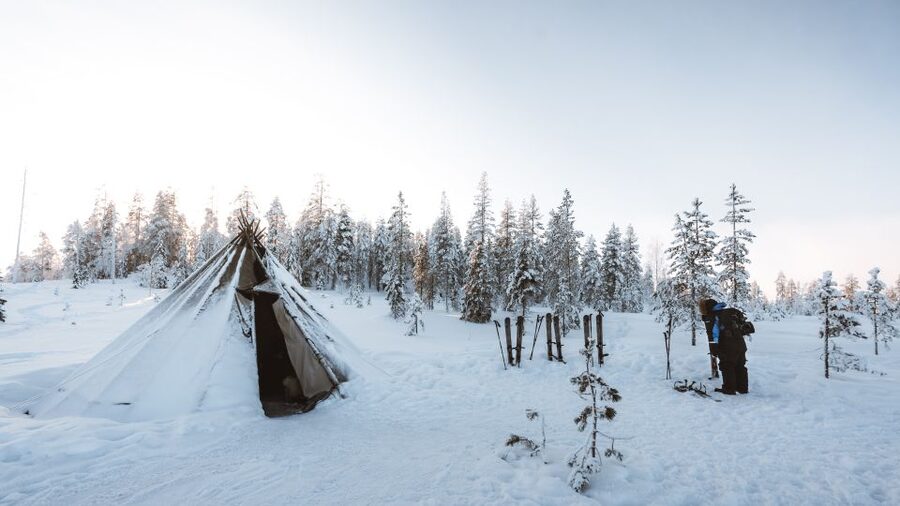
The activity includes back-country skis, ski poles, boots, and a professional winter snowsuit. You still need to bring warm clothing. Wear comfortable layers rather than one heavy item, since you may warm up while climbing and cool down during the fire stop.
Warm gloves are especially important. So are a hat and clothing that remains comfortable when you bend, fall, and stand again. The supplied snowsuit helps, but it does not replace sensible winter layers.
The skis are not the same as standard downhill skis. They are designed for control and travel across soft snow, not speed or sharp turns. If you have used regular cross-country skis, you may still need a short adjustment period because the terrain is less predictable and the snow is deeper.
Take the instruction seriously. Learn how to stop, how to turn, and how to recover after a fall before the group heads farther out. The guide will help, but you will enjoy the day more if you expect a learning curve rather than instant skiing.
Is $128 a fair price?
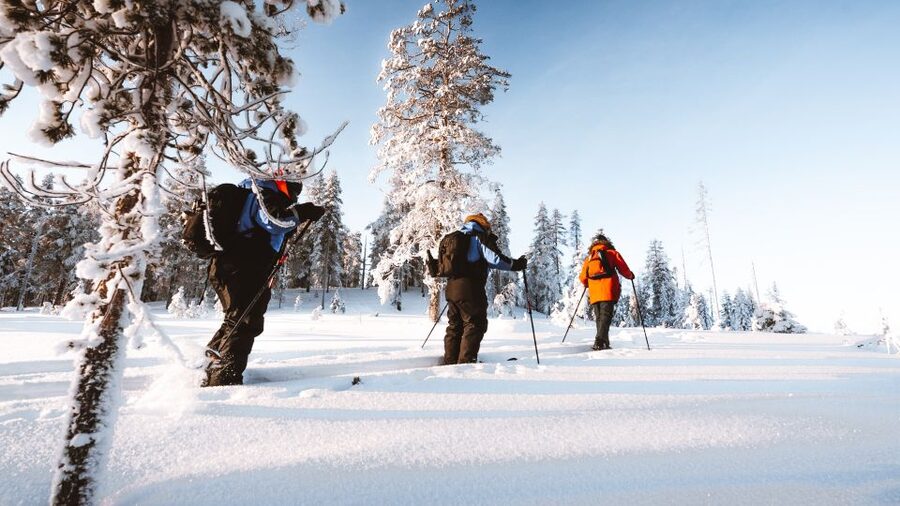
At $128 per person, this is not the cheapest way to spend four hours in Rovaniemi. The price makes more sense when you count what is included: transport from the meeting point, a guide, instruction, skis, poles, boots, a winter suit, the fire, and a campfire snack.
You are also paying for access to a remote setting without needing to arrange equipment or work out a safe route through the snow. For a first-time visitor, that convenience is valuable. The small group size adds another benefit, since instruction and help are more personal than on a large group outing.
The strongest value comes if you want an active experience with scenery and local context. If you only want a quick photo in the snow, a shorter activity may suit you better. If you enjoy outdoor exercise and like the idea of learning a new skill, four hours gives you enough time to get past the awkward first stage and enjoy the setting.
Transport is also rated highly by 86 percent of participants, which is useful for visitors who do not have a rental car. Just remember that lunch is not included, so plan another meal in Rovaniemi afterward.
Booking details that affect your choice
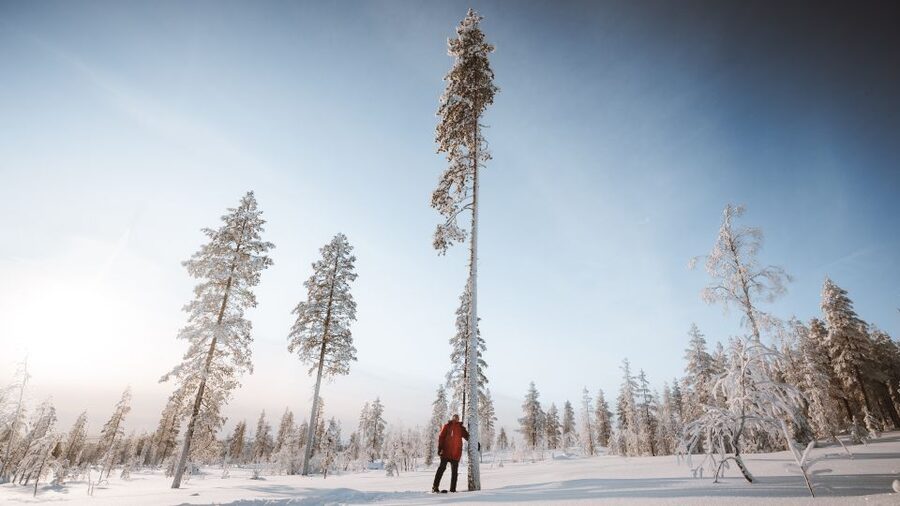
The tour is conducted in English and has a live guide. It is limited to eight participants, though the precise starting time depends on availability.
You can cancel up to 24 hours before the activity for a full refund, and a reserve-now, pay-later option is available. These policies help if your Lapland schedule includes several weather-dependent activities.
The activity is best suited to people who want a physical outing, not simply a scenic transfer. It is also a good choice if you have already seen huskies, reindeer, or snowmobiles and want something quieter and more self-powered.
You should choose another activity if you have serious medical concerns, limited mobility, or no interest in learning a somewhat awkward snow skill. The guide can adapt the route, but the basic demands of snow, cold, balance, and walking remain.
Should you book the ski trekking safari?
I would book this if you want to experience Lapland at ground level, move through the forest under your own power, and accept a little effort in exchange for better access to the scenery. The campfire snack, warm drinks, and small group make the $128 price easier to justify.
I would not book it for very young children, anyone with mobility limits, or someone expecting polished resort skiing. This is back-country travel, and the first section can be clumsy.
For most active visitors, though, it is a strong choice. You get instruction, proper winter equipment, a patient English-speaking guide, forest and lake scenery, and a warm Finnish-style break. Tell the guide your experience level at the start, pace yourself on the hills, and bring serious winter layers. That is the best way to enjoy this unusual and memorable side of Rovaniemi.
FAQ
How long does the ski trekking safari last?
The activity lasts four hours, including instruction, the ski trek, stops, and the campfire break.
How much does the experience cost?
The listed price is $128 per person.
Is the activity suitable for beginners?
Yes. The guide provides safety instructions and teaches basic techniques. The skis are designed for travel through deep snow, but beginners should still expect a learning curve and some physical effort.
What equipment is included?
The activity includes back-country skis, ski poles, boots, a professional winter snowsuit, transport from the meeting point, a guide, and ski instruction.
Is food included?
A campfire snack and refreshments are included. These may include grilled sausage, veggie sausage, hot drinks, marshmallows, or other small snacks. Lunch is not included.
Where do I meet for pickup in Rovaniemi?
If your accommodation is in the city center, meet at the activity provider’s office at Rovakatu 24, 96200 Rovaniemi. If your accommodation is outside the center and your address is not listed as a pickup option, email the provider with your address.
Who cannot join this activity?
The experience is not suitable for children under seven, pregnant women, people with mobility impairments, or people with serious medical problems.
Can I cancel or pay later?
You can cancel up to 24 hours in advance for a full refund. A reserve-now, pay-later option is also available.
Just added around the world
- Everest Base Camp Trek★ 5.0 · 3 reviews
- Everest Base Camp Trek★ 5.0 · 7 reviews
- 15 Days Private Everest Base Camp Trek★ 5.0 · 30 reviews
- 14-Day Everest Base Camp Trek★ 5.0 · 20 reviews
- Everest Base Camp Trek★ 5.0 · 57 reviews
- 14 Days of Adventure Trekking to Everest Base Camp★ 5.0 · 2 reviews
- From Kathmandu: Private 14-Day Everest Base Camp Trek★ 5.0 · 20 reviews
- 14 Days Everest Base Camp Trek★ 5.0 · 4 reviews
Safari, compared.
Khao Sok: Private Day Trekking, Jungle Dinner & Night Safari
Read our review →
3 Days gorilla trekking Safari tour in Uganda
Read our review →
8-Day Murchison Falls, Chimp and Epic Gorilla Trekking Safari
Read our review →
5-Day Pearl of Africa Chimps and Gorilla Trekking Safari
Read our review →
4-Day Uganda Gorilla Trekking and Wildlife Safari
Read our review →
Private 3 Day Gorilla Trekking Safari in Uganda
Read our review →