
Review · SAPA
Full Day Trekking in Sapa
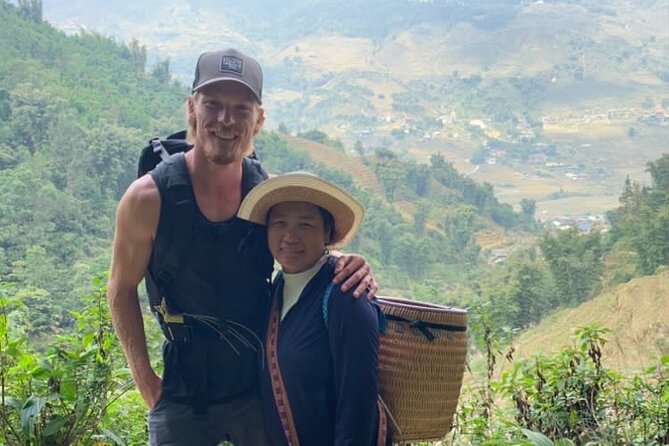
Sapa’s best moments often come away from town, on muddy village paths between rice fields and farmhouses. This private trek lets you shape the route to your fitness level, with local guide Thào Thikhu, known as Khu, choosing quieter tracks when possible.
I like the chance to see ordinary village life, from water buffalo and ducks to family rice fields and handmade goods. I also like the lunch stop at a local home, a simple detail that gives the day a more personal feel. The main consideration is the terrain: even the easier option can include rough, steep, or slippery sections.
Key points to know
- A route built around your group: Choose an easy, moderate, or harder trek after discussing your plans on WhatsApp.
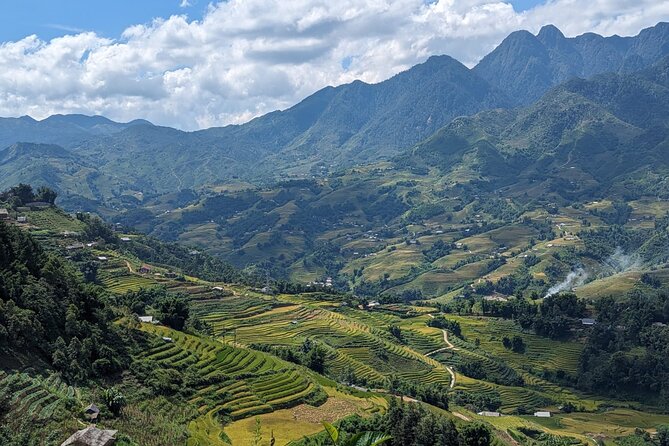
- Lao Chai and rural Sapa: Walk through the village where Khu grew up, with rice fields, farm animals, handicrafts, and mountain views.
- A local home lunch: Stop halfway through the trek for a home-cooked meal at a friend’s house.
- Private touring: Only your group takes part, so the pace and route can be adjusted.
- A guide who adds context: Khu explains village life, rice growing, local culture, and the animals you see along the way.
- Six hours for $24: The price is strong value for a private outing with pickup, guiding, lunch, and a return to your hotel included in the experience.
Leaving Sapa town for Lao Chai
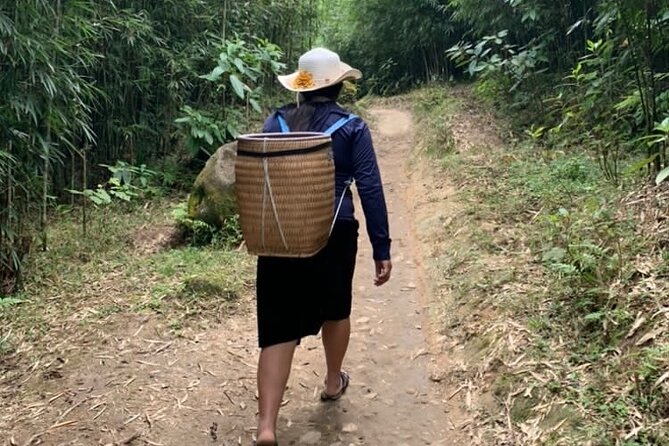
The day begins at about 8:00 am, with pickup from your hotel or an agreed meeting point. From there, you move out of Sapa town toward the more rural villages below the hills.
The change is quick. Sapa itself has plenty of shops, cafés, and tour groups, while the village paths lead you toward rice fields, farm homes, and small local businesses. The route is not fixed in the same way as a large coach excursion. Before the day, you can message the guide on WhatsApp and explain what you want: a gentle walk, a harder hike, or something in between.
That flexibility is one of the strongest reasons to book this experience. You are not locked into one demanding route if your group has mixed fitness levels. At the same time, you should be clear about your limits. A six-hour trek is a full morning and afternoon on foot, and the harder options are intended for people comfortable with uneven mountain paths.
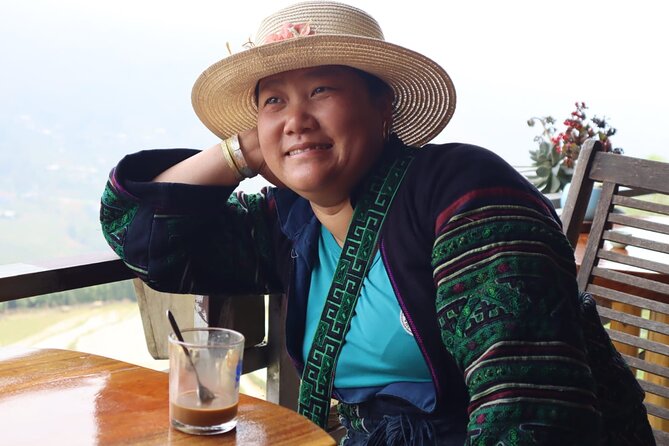
Khu grew up in Loa Chai Village, which gives the walk a useful local connection. She is not simply pointing out scenery from a distance. She can talk about the village, its families, farming, and the way people live in the area. Her English developed through conversations with many international visitors, and the experience includes an exchange of stories as well as sightseeing.
A few more treks around Sapa worth a look
- Sa Pa Full Day Trekking Tour
★ 5.0 · 414 reviews - From Sapa: Guided Full-Day Trekking with Lunch and Drop-Off
★ 4.2 · 86 reviews - Sapa Trekking Tour Full Day
★ 5.0 · 65 reviews
Rice fields, buffalo, and the working countryside
The rice fields are the visual centerpiece of the day, but the value lies in seeing them as working places rather than just pretty views. Depending on the season, you may see families tending the fields or harvesting rice. One account describes learning about rice growing while the harvest was in full swing.
You can also expect plenty of small details along the route. Water buffalo, chickens, ducks, and pigs are part of everyday village life here. These encounters give you a better sense of how homes and farms fit together, especially if you have mostly seen Sapa from its central streets.
The exact views depend on the route and the weather. Clear conditions can reveal the mountains and valleys around Sapa, while cloud and mist may cover much of the distance. That is not a reason to dismiss the trek, but you should set your expectations properly. On a misty day, the guide’s explanations and the close-up village scenes matter more than distant panoramas.
The path may also pass handicraft stores and family-run places selling handmade goods. You will have opportunities to purchase local items, so bring enough cash if souvenirs are part of your plan. The experience is not only a nature walk. It links the fields, homes, animals, crafts, and food of the villages.
Choosing an easy route or a harder trek
The tour is described as highly customizable, with routes for different ability levels. That sounds useful, but you should discuss the details before the morning begins. Tell the guide if your group wants a slow walk, a more demanding climb, or a middle-ground route with time for stops.
The harder paths can be rewarding, with broader views and less-used tracks. They can also make the day tiring. One account describes a challenging trek where Khu helped with rougher sections of the path. That is encouraging if you want a proper mountain walk, but it also confirms that the ground can require care.
A gentler route may suit families, mixed groups, or anyone who wants more time to look at village life. You may see fewer demanding sections, but the tradeoff can be less distance or fewer high viewpoints. Ask what the proposed route includes rather than choosing only by the words easy or hard.
The private format helps here. Your group does not need to keep up with strangers, and the guide can adjust the speed. This is especially useful if one person is keen on walking while another wants more time for photos, animals, food, or crafts.
Finding quieter paths beyond the main route
Parts of the trek can overlap with popular paths from Sapa, particularly near well-known villages. That means you may encounter other groups at the start or around familiar viewpoints.
The advantage comes when Khu takes you onto a less-used path where practical. One account describes leaving a busier trail for a quieter route with better chances to see village life without as much foot traffic. This is exactly the sort of small adjustment that makes a private guide worthwhile.
Do not expect total isolation. Lao Chai and the surrounding villages are established destinations, and local craft sellers are part of the visitor economy. Still, a route chosen by someone from the area can feel more personal than following a large group along one standard track.
The guide’s local connection also gives you more than directions. Khu can explain what you are seeing, from rice cultivation to village customs and family farms. Her cheerful manner and strong English were repeatedly praised, and that matters during six hours together. A guide who can keep the conversation going makes the long walk feel less like a transfer between viewpoints.
Same trailhead, a different route:
- Sa Pa: Muong Hoa Valley Trek and Local Ethnic Villages
★ 4.6 · 864 reviews - Sapa: Eco Adventure Terrace Fields and Local Villages Trek
★ 4.9 · 636 reviews - Number one top rated ethical cultural trekking and homestay by ETHOS
★ 5.0 · 456 reviews - From Sapa: 1-Day Guided Trek to Lao Chai & Ta Van with Lunch
★ 4.9 · 416 reviews
Lunch at a local home
Halfway through the day, you stop for lunch at a friend’s house. This is one of the experience’s most appealing details because it breaks up the walking and places you in a real village setting.
The meal is described as home-cooked and substantial enough to restore your energy for the rest of the route. One group ate at the guide’s own house, while the main plan describes lunch at a friend’s home. The exact setting may depend on the day and route, but you should expect a local meal rather than a standard restaurant stop.
Food is also a useful doorway into culture. A meal at a village home shows you how the day is paced and how hospitality works in the area. It gives you a chance to sit, talk, and ask questions that might not come up while walking.
There is one practical point to keep in mind: the supplied information does not give a detailed menu or list of dietary options. If you have allergies or strict food needs, raise them when arranging the route. The guide communicates through WhatsApp before the trek, so this is the right time to explain your needs.
Crafts, souvenirs, and village life
Handmade goods are part of the route, especially around Lao Chai and the nearby villages. You can browse local handicrafts and buy souvenirs directly during the walk.
This can be a pleasant part of the day if you want a physical reminder of Sapa. It can also add sales pressure in some village areas, so decide in advance what you want to spend. You are not required to buy anything simply because you stop at a craft shop.
The best approach is to treat these stops as part of the local economy rather than as a separate shopping trip. Ask about the work, materials, and people who make the items. The tour’s emphasis is on seeing how families live, and the crafts are one part of that story.
The route may also pass homes where animals are raised. Buffalo, chickens, ducks, and pigs are not staged attractions. They are part of the farming system, and seeing them helps you understand why the fields and households are so closely connected.
What the $24 price really includes

At $24, this is unusually good value for a private six-hour experience, assuming the advertised pickup, guiding, lunch, and return to your hotel all go as planned. You are paying for a local guide, a route shaped around your group, and a full day of walking rather than a quick viewpoint visit.
The private format is the key value point. A shared group trek might cost less per person, but it usually cannot change pace or route for one small party. Here, your group gets direct attention and can ask for easier or more demanding terrain.
The price also covers something that is difficult to arrange alone: access to a local person who knows village paths and can explain what you see. You could walk in the same general area without a guide, but you would miss much of the context around rice fields, animals, handicrafts, and family life.
There are limits. The experience does not promise luxury transport, a polished restaurant meal, or a carefully staged cultural performance. Its value is in the walk, the local contact, and the simple home meal. If you want comfort and a fixed sightseeing schedule, this may feel basic. If you want rural Sapa at ground level, the price is hard to argue with.
Weather, fitness, and what to prepare for
Sapa weather can change the character of the day. Clear weather brings the best chance of seeing the mountains and valleys, while mist can reduce the distant views. The tour requires good weather, and a cancellation caused by poor conditions should result in either another date or a full refund.
Good shoes matter. The trek includes rice fields and mountain paths, and the harder routes can have rough sections. The information does not specify equipment rental or walking gear, so you should arrive ready for a proper outdoor walk rather than a paved town excursion.
Your clothing should match the conditions on the day. Bring enough water, protect yourself from sun or rain, and keep your hands free when possible. The exact recommendations depend on the forecast, but the basic rule is simple: prepare for uneven ground and changing weather.
Most people can take part, according to the tour information, but that does not mean every route suits every person. Tell Khu about injuries, fitness concerns, or mixed ability in your group before she plans the path. The route can then be matched more sensibly to your needs.
Who will get the most from this trek
I would choose this for someone who wants to see Sapa beyond the central town and prefers conversation to a silent march from one photo stop to another. It suits couples, families, and private groups that want control over the pace.
It is also a good fit if you care about local food and everyday life. The home lunch, farm animals, family fields, and craft stops give the day more substance than a simple mountain walk.
The experience is less suitable if you dislike uneven ground, want a short and gentle outing, or need a fully predictable timetable. Six hours is a long time outside, and the route can be challenging depending on what you request.
Guide availability may vary, but Khu is the name to ask for if you want the guide most often associated with this experience. She is described as funny, caring, informative, and fluent enough in English to discuss culture and history with ease. Those qualities are particularly useful when mist hides the views, since she can keep the day interesting even when the scenery is limited.
Should you book this Sapa trek?
Book it if you want a private village walk with a local guide, flexible difficulty, and lunch in a home setting. The $24 price offers strong value for six hours, especially because the route can be adjusted and your group does not have to follow a fixed pace.
Before booking, be honest about your walking ability and tell the guide what you want to see. Ask for Khu if possible, confirm the level of difficulty, and mention dietary needs ahead of time.
Skip it if you want luxury, guaranteed clear views, or a short stroll on smooth paths. For an active and personal look at Lao Chai, rice farming, local animals, crafts, and rural Sapa, this is one of the more useful ways to spend a day.
FAQ
What time does the Sapa trekking tour start?
The tour starts at approximately 8:00 am.
How long does the trekking experience last?
The trek lasts about six hours, including the walking route, lunch stop, and return to your hotel.
Is hotel pickup available?
Yes. Pickup is offered from your hotel or an agreed meeting point in Sapa.
Is this a private tour?
Yes. Only your group takes part in the activity.
Can the trekking route be adjusted?
Yes. The route can be planned around your group’s preferred difficulty, from very easy to very hard. You can discuss the route with the guide on WhatsApp before the tour.
Where does the trek go?
The route travels from Sapa town through rural villages, including Lao Chai Village, where the guide grew up. It includes rice fields, local paths, farm animals, and handicraft areas.
Is lunch included?
The experience includes a lunch stop at a local home, described as a home-cooked meal at a friend’s house. The provided information does not specify the exact menu.
What happens if the weather is poor?
If bad weather causes the experience to be canceled, you can receive a different date or a full refund. You can also cancel for a full refund if you do so at least 24 hours before the start time. Cancellations within 24 hours are not refunded.
Just added around Sapa
- Sapa: Private The Most Beautiful Terraced Fields Trekking★ 4.8 · 42 reviews
- Soob Sapa Trekking Tour★ 4.3 · 3 reviews
- Sapa3D2N TrekkingAdventures,Valleys,Bambooforest,Waterfall★ 4.8 · 24 reviews
- Sapa Trekking – Waterfalls And H’mong Villages★ 5.0 · 2 reviews
- Sapa: Trekking Through Terraced Rice Fields & Valley 1 Day★ 4.8 · 4 reviews
- Sapa: Trekking Sapa One Day With Group Tour★ 4.7 · 55 reviews
- Sapa Trekking Private Tour With Ethnic Female Tour Guide★ 4.9 · 24 reviews
- Sapa: Y Linh Ho – Lao Chai, and Ta Van Trekking Day Tour★ 5.0 · 25 reviews
Full-Day, compared.
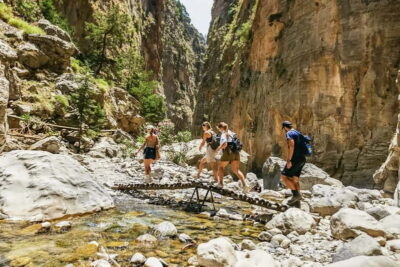
Full-Day Samaria Gorge Trek Excursion & Guide
Read our review →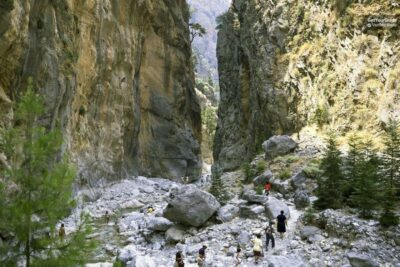


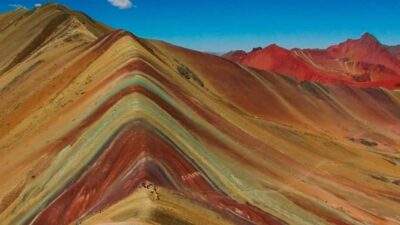
Full-Day Rainbow Mountain & Red Valley Trekking Tour
Read our review →
Odda: Full-Day Trolltunga Via Ferrata & Sky Ladder Adventure
Read our review →Browse the lists this trek appears in