
Review · HANOI
Fansipan Mountain, Cat Cat Village, Rice Terrace 2 Day Sapa Tour
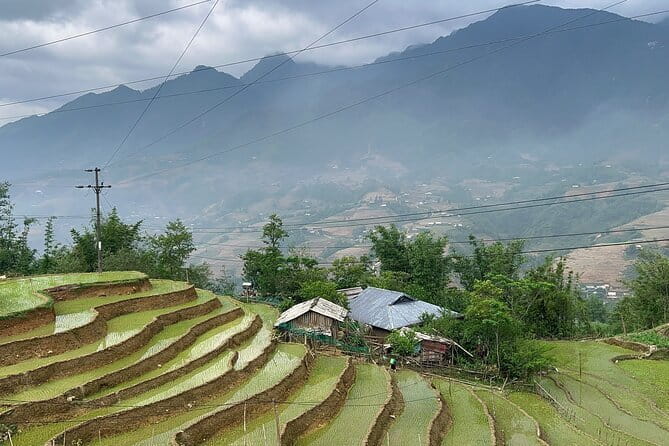
Fansipan is the main draw here: Vietnam’s highest mountain, reached by cable car rather than a punishing climb. You get broad mountain views, cool Sapa air, and a quick change from Hanoi streets to northern highland scenery. I especially like the overnight sleeping bus, which saves daytime travel, and the guided walk through Y Linh Ho, Lao Chai, and the Muong Hoa valley, where the countryside matters more than a checklist of sights.
The cooking class and batik workshop add useful local contact instead of making this only a sightseeing trip. Guides named in the tour feedback include Lala, Hoa, Pang, Giang, and De Ly, though your guide may be different. The main drawback is the tight schedule: you spend two nights on buses, and the program combines Fansipan, trekking, village visits, and crafts in a short time.
Key points at a glance
- Fansipan by cable car: Reach Vietnam’s highest peak without a full mountain climb, then spend about four hours taking in the views.
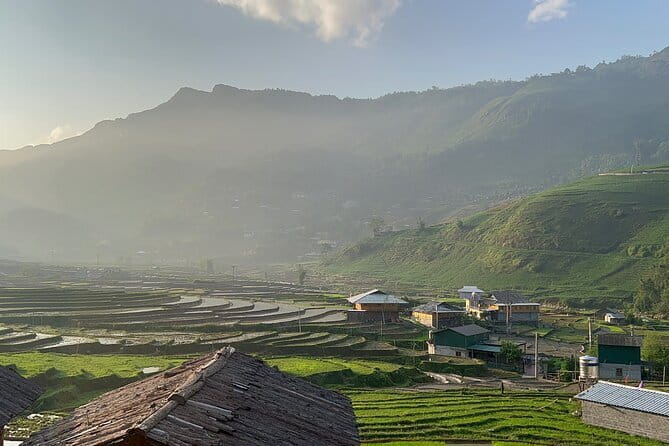
- Early Muong Hoa trekking: Begin at 8:00 and walk from Y Linh Ho toward Lao Chai along rice terraces and the Muong Hoa Stream.
- Two hands-on food and craft activities: A dinner cooking class and a Ta Van batik workshop give the trip more substance than a basic sightseeing transfer.
- Sleeping bus logistics: The round-trip Hanoi to Sapa bus keeps the tour short, but overnight travel may not suit light sleepers.
- Cat Cat costs extra: The listed Cat Cat Village admission is ₫150,000 per person and is not included in the price.
- Private activity format: Only your group takes part in the organized tour, with an English-speaking guide in Sapa.
From Hanoi to Sapa by sleeping bus
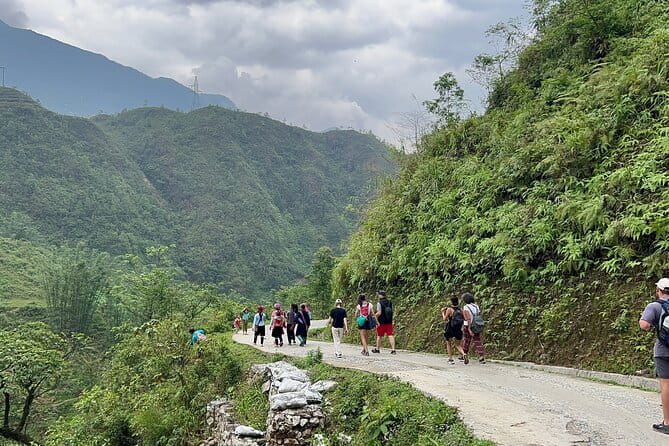
The trip begins with an overnight sleeping bus from Hanoi Old Quarter. This is a practical way to reach Sapa when you have limited time. Instead of losing most of a day to road travel, you wake in the mountains and can begin the Sapa program soon after arrival.
The tradeoff is comfort. A sleeping bus is more convenient than a regular coach, but it is still road travel at night. If you sleep lightly, arrive with realistic expectations. The tour includes the round-trip bus, plus transfer by car to the homestay and bus station, so you do not need to arrange those parts separately.
Pickup is offered, but a surcharge applies if you are outside Hanoi Old Quarter. That detail matters when you compare the $359.65 price with other Sapa trips. The rate includes transport, lodging-related transfers, several meals, Fansipan admission, guiding, trekking, and the workshops, but not every local cost.
The activity is described as private, meaning only your group participates in the organized tour. The bus itself is transport rather than a private vehicle arranged solely for your party, so I would still ask the operator about bus seating and the exact departure point before paying.
More Rice Terrace Treks in Vietnam
- 3D2N- Rice Terraces Treks & Easy rider from Sa Pa
★ 5.0 · 3 reviews - Sa Pa: Muong Hoa Valley Trek and Local Ethnic Villages
★ 4.6 · 864 reviews - Explore Sapa by TrekkingAdventures, Mountain,Rice fields
★ 4.9 · 229 reviews
Fansipan, Vietnam’s highest mountain
Fansipan is the trip’s headline attraction. A cable car takes you up the mountain, giving you a chance to see the high country without committing to a long summit hike. At the top, the plan is simple: check in, take photographs, and enjoy the views for about four hours.
That simplicity works well after an overnight ride. You are not asked to complete a hard trek immediately. Instead, the cable car provides a dramatic first look at the mountains and gives you a strong sense of Sapa’s setting.
Weather will shape this stop. Clear conditions can open wide views across the surrounding mountains, while cloud may reduce the payoff. The available information promises scenic views, not guaranteed visibility, so I would treat Fansipan as a worthwhile visit even though the mountain weather is beyond anyone’s control.
The tour includes the Fansipan ticket, which improves the value of the package. You do not have to buy that major admission separately. Four hours is enough for photos and sightseeing, though the stop may feel long if cloud blocks the views or if you prefer active hiking to observation.
Ta Van and the batik workshop
Ta Van Village appears in the program as the setting for a batik workshop. This is one of the more unusual parts of the trip because it gives you something to do with your hands, not just something to photograph.
The workshop introduces the use of a canting, a traditional pen-like tool used to create batik designs. It is aimed at beginners, so you do not need previous craft experience. The activity lasts about four hours, which gives you time to learn the basic method rather than rush through a brief demonstration.
You should think of this as a cultural craft session, not a large-scale village tour. The value is in learning how a local textile technique works and seeing how much patience goes into the design. It also provides a slower counterpoint to the mountain viewpoints and trail walking.
The schedule lists Ta Van Village and the batik activity on both days, which may reflect separate workshop or village components, but the supplied details do not clearly explain the exact order. I would confirm the day-by-day timing with the operator, especially if the workshop is important to you.
The 8:00 trek through Muong Hoa

The strongest active part of the tour begins at 8:00 on the second day. You trek to Y Linh Ho, then continue along the rice terraces beside the Muong Hoa Stream toward Lao Chai, a village associated with the Black H’mong minority.
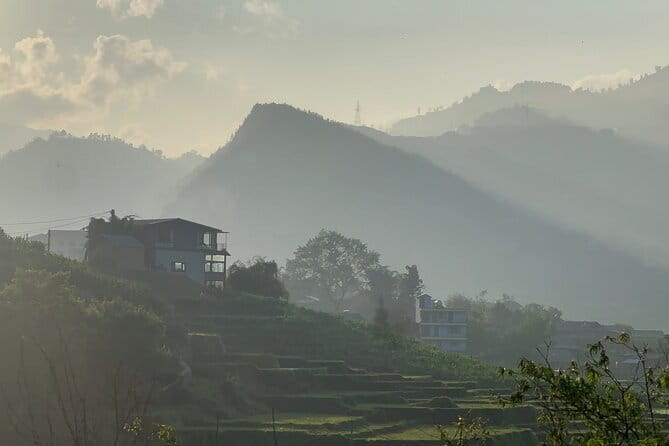
This is the kind of outing that gives Sapa its appeal. Instead of seeing the mountains through a bus window, you move through the countryside on foot. The terraces, stream, village paths, and mountain views create a fuller picture of daily life in the area.
The walk is listed at about four hours. That makes it a half-day outing rather than an all-day mountain expedition. You get a meaningful section of the valley without committing your entire trip to strenuous walking.
Still, you should take the trail seriously. Direct experience from a wet November outing points to slippery paths and difficult footing, with a morning start recommended. Since the route includes rice terraces and village trails, sturdy shoes and care on wet ground are sensible. The tour says most people can participate, but the terrain may feel demanding if you have trouble with uneven or slippery surfaces.
Your guide matters here. A good guide can help you keep a steady pace, explain the villages, and steer you through tricky sections. Names connected with the guide feedback include De Ly, Pang, Giang, Lala, and Hoa. The comments specifically praise clear communication, helpfulness, safe handling of difficult ground, and informative guiding. Your assigned guide may not be one of these people, but the names give you an idea of the personal service associated with the experience.
More Rice Terrace Treks in Hanoi:
- Selogriyo Temple and Trekking Java Rice Terraces, hidden waterfall -Nature Java
★ 5.0 · 179 reviews - Sa Pa: 6-Hours Muong Hoa Valley Trek with Local Ethnic guide
★ 4.5 · 178 reviews - Yogyakarta: Selogriyo Temple Tour & Java Rice Terrace Trek
★ 5.0 · 175 reviews - Sapa Muong Hoa Valley & Ta Van Eco Village Scenic Tour (No Trek)
★ 5.0 · 144 reviews
Lao Chai and the Black H’mong setting
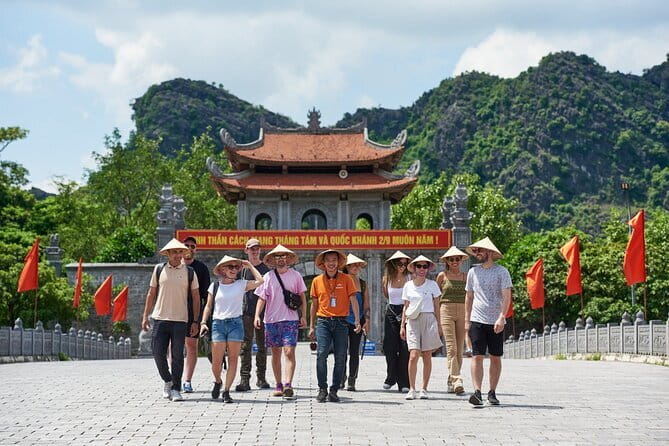
Lao Chai is not presented as a quick photo stop. It forms part of the walking route through the Muong Hoa valley and gives the trek a cultural focus. The combination of rice terraces and an ethnic minority village is more meaningful than a viewpoint alone because you see how settlement and farming fit into the mountain environment.
You should keep your expectations grounded. A short guided route cannot explain every part of local life, and the schedule does not specify a long village visit, home visit, or market stop. What you can count on is a walk through the countryside with a guide and time to see villages and terraces at ground level.
This is also the part of the tour most affected by season and weather. Rice terraces can look very different depending on planting and harvest conditions, while rain can change a pleasant path into a slippery one. The scenery remains the reason to go, but conditions may determine how comfortable the walk feels.
Meals and the pace of a two-day program
Food is built into the package. You receive dinner through a cooking class, one breakfast, and two lunches. That reduces the need to search for meals during a busy schedule and gives the trip a local-food angle.
The cooking class is especially useful because it turns dinner into an activity. You do not simply sit down after a long day and eat. You take part in preparing local flavors, then have the meal as part of the evening program.
The inclusion of two lunches fits the trekking day well. After walking through the rice terraces and villages, having lunch arranged keeps the day moving. The details do not specify the dishes, dietary options, or class menu, so you should tell the operator about food restrictions before departure.
The schedule is full. In a little more than two days, you fit in two overnight bus journeys, Fansipan, village and terrace trekking, a cooking class, and batik. That is efficient for someone with limited time, but it does not leave much room for wandering independently in Sapa.
What the $359.65 price really covers

At $359.65 per person, this is not a bare-bones bus trip. The package includes round-trip sleeping bus transport from Hanoi, transfers to the homestay and bus station, an English-speaking guide in Sapa, Fansipan admission, trekking, dinner cooking class, one breakfast, two lunches, and the batik workshop.
The value is strongest if you want several arrangements handled at once. Buying transport, Fansipan tickets, a guide, meals, and activities separately would take time and create more chances for confusion. The private format also gives your group a more personal structure than a large shared walking tour.
The price looks less attractive if you only want a basic Sapa trek. You are paying for Fansipan, organized transport, workshops, and meals, so someone focused only on rice terraces may find a simpler package better suited to their budget.
Remember the extra charges. Pickup or drop-off outside Hanoi Old Quarter costs more, holiday surcharges may apply, and Cat Cat Village admission is not included. The Cat Cat ticket is listed as ₫150,000 per person. Since Cat Cat is part of the product title but not clearly laid out in the daily stops, ask whether it is actually visited on your departure date and budget for the ticket if it is.
Who should book this Sapa trip?
I would choose this tour if you have only a short window and want Sapa’s major elements in one package. It suits you if you want a mountain viewpoint, a half-day walk, village scenery, local food, and a craft session without planning each piece yourself.
It is also a good match for a private group that values a dedicated structure. The English-speaking guide in Sapa can help with the walking route and communication, while the included car transfers remove some local transport hassle.
I would think twice if you dislike overnight buses, need a slow pace, or want a serious multi-day trek. The schedule is compact, and two nights on buses can make the trip feel tiring even when the activities themselves are rewarding.
For the best walking conditions, pay attention to the forecast and season. Wet weather can make the route slippery, and the views from Fansipan depend on mountain visibility. These are not reasons to reject the trip, but they are good reasons to bring proper footwear and keep your plans flexible.
Should you book the Fansipan and Sapa tour?
Book it if you want a carefully packed introduction to northern Vietnam and value convenience over free time. The best parts are the cable car ride to Fansipan, the route through Y Linh Ho and Lao Chai, and the chance to try batik and local cooking rather than only taking photographs.
Skip it if Cat Cat Village is your main goal until you confirm exactly how it fits into the schedule. Also skip it if you want a relaxed stay in Sapa, since this program uses overnight buses and fills two days with organized activities.
The cancellation terms are fair for advance planning: cancel at least 24 hours before the start for a full refund. Inside that window, the payment is not refunded, and changes are not accepted. Given the weather-sensitive trekking and mountain views, that deadline is worth keeping in mind.
FAQ
How long does the tour last?
The experience lasts about two days, with overnight sleeping bus journeys from Hanoi to Sapa and back to Hanoi.
Does the tour include transport from Hanoi?
Yes. It includes a round-trip sleeping bus between Hanoi and Sapa, plus return car transfers to the homestay and bus station.
Is pickup from my Hanoi hotel included?
Pickup is offered, but a surcharge applies if your location is outside Hanoi Old Quarter.
Is the Fansipan entrance ticket included?
Yes. The Fansipan ticket is included in the tour price.
Is Cat Cat Village admission included?
No. Cat Cat Village admission is listed separately at ₫150,000 per person.
What meals are included?
The package includes dinner through a cooking class, one breakfast, and two lunches.
Is the tour private?
Yes. Only your group participates in the private tour or activity.
Can most people join the trekking?
The tour states that most people can participate. The walk lasts about four hours, and wet conditions can make the paths slippery, so you should be prepared for uneven terrain.
More 2-Day Experiences in Hanoi
- Hanoi – Sapa 2 Days 1 Night Overnight At Homestay
★ 5.0 · 899 reviews - From Hanoi: 2-Day Sapa Trekking Trip with Homestay & Meals
★ 4.8 · 704 reviews - 2-Day Sa Pa Ethnic Homestay Tour & Trek with Limousine Bus
★ 4.8 · 440 reviews - From Hanoi: 2-Day Sapa Trek Tour – Luxury Limousine Transfer
★ 4.1 · 249 reviews
Just added around Hanoi
- 8-Days Hanoi, Sapa Trekking And Halong Bay Cruise★ 5.0 · 8 reviews
- From Hanoi : Sapa Moutain Trek – Halong bay Heritage★ 4.5 · 25 reviews
- Trekking around Ha Giang 5 days 4 nights★ 3.0 · 2 reviews
- Mai Chau – Pu Luong trekking 3 days 2 nights★ 4.5 · 7 reviews
- Trekking In Ha Giang 5 Days★ 5.0 · 4 reviews
- Hanoi: 3D2N Mu Cang Chai Visit All Attractions, Trek, Ethnic Life★ 5.0 · 3 reviews
- 2-Day Trekking in Sa Pa from Ha Noi by sleeping bus★ 5.0 · 4 reviews
- 2-Day SAPA Trekking – Villages-Homestay-Ethnic-Local Food-Market★ 5.0 · 2 reviews
Rice Terrace Treks, compared.
Muong Hoa Valley Trek and Local Ethnic Villages
Read our review →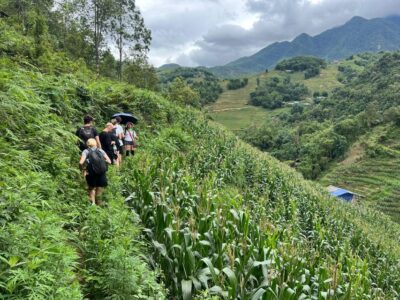
Explore Sapa by TrekkingAdventures, Mountain,Rice fields
Read our review →
Selogriyo Temple and Trekking Java Rice Terraces, hidden waterfall -Nature Java
Read our review →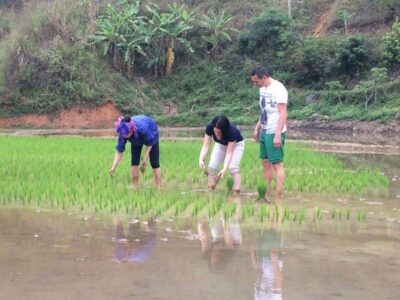
6-Hours Muong Hoa Valley Trek with Local Ethnic guide
Read our review →
Yogyakarta: Selogriyo Temple Tour & Java Rice Terrace Trek
Read our review →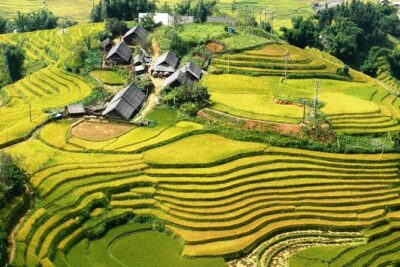
Sapa Muong Hoa Valley & Ta Van Eco Village Scenic Tour (No Trek)
Read our review →
Daily Tour: Sapa Trekking in Muong Hoa valley, Bamboo forest
Read our review →
Rice Terrace, Holy Water Temple & Waterfalls Trek Tour
Read our review →Browse the lists this trek appears in