
Review · HANOI
2 Nights At Sapa Homestay – Trekking & Fansipan Visit
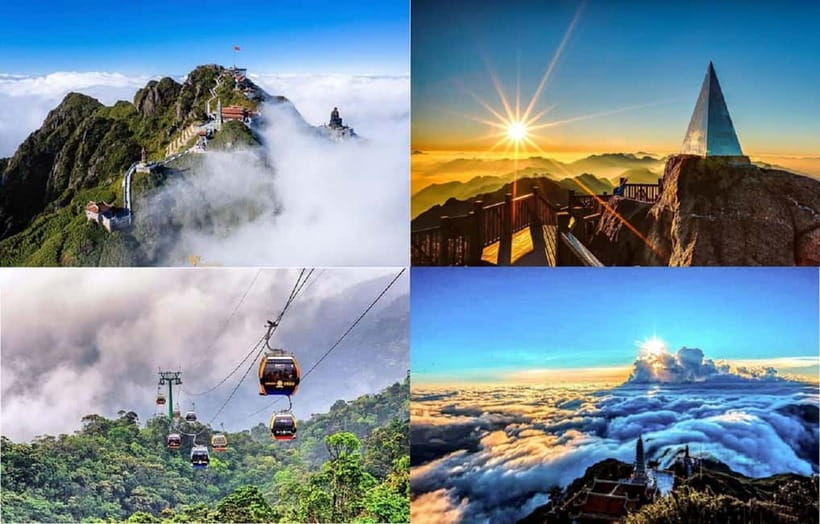
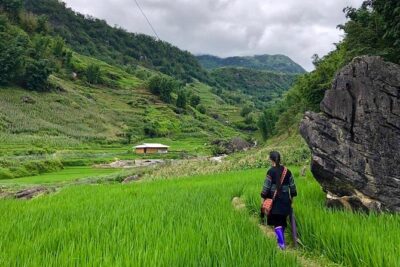
Fansipan rises to 3,143 meters, but the most memorable part of this three-day trip may be lower down, on foot in the Muong Hoa Valley. You cross a suspension bridge, follow the stream, pass rice terraces, and sleep in two village homestays rather than staying in Sapa town. The route gives you both a mountain high point and a closer look at village life.
I like the two different homestays, since Lao Chai San and Ta Van offer a better sense of local culture than one standard hotel night. I also like the practical setup: limousine transport from Hanoi, meals, a local English-speaking guide, and Sapa transfers are included. The main catch is the trekking. Long walks on uneven village paths are not a small add-on, and the Fansipan cable car costs another 850,000 VND.
Key points at a glance
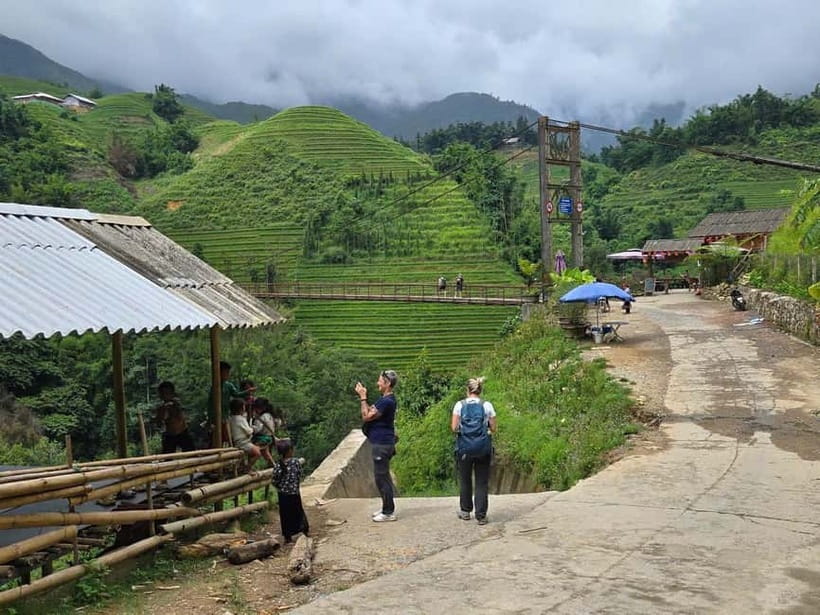
- Two nights in two villages: Sleep in a Black Hmong homestay in Lao Chai San, then stay in Ta Van among a different ethnic culture.
- Muong Hoa on foot: Walk beside the stream, through rice terraces, and across a suspension bridge with a waterfall nearby.
- Fansipan is optional: The cable car reaches the 3,143-meter summit, but the 850,000 VND round trip is not included.
- A useful transport package: Limousine bus travel connects Hanoi and Sapa, with Sapa-area transfers included.
- Food is part of the stay: You receive three lunches, two dinners, and two breakfasts, including a picnic lunch and meals cooked by homestay hosts.
- A physically active schedule: This suits adults under 70 who are comfortable with long treks and simple homestay accommodation.
Why this Sapa trip works better than a quick day visit
Sapa is famous for its mountain scenery, but a short town visit can leave you seeing little beyond roads, shops, and viewpoints. This trip moves you into the Muong Hoa Valley, where the walking is the main event. You have time to notice the terraces, streams, bridges, village homes, and changing views instead of rushing back to Hanoi the same day.
The route also gives you two forms of Sapa. The first is the valley on foot, where you meet local people and stay with a Black Hmong family. The second is Fansipan, reached by cable car, where you look down from Vietnam’s highest peak. Those experiences feel quite different, and that contrast is useful if you want both culture and a major scenic attraction.
At $115 per person, the package includes a surprising amount: return limousine transport, a local guide, two nights of accommodation, seven meals, entrance tickets, and local transfers. You still need to pay for drinks, tips, personal spending, travel insurance, and the Fansipan cable car. Even with that extra cable-car charge, the price can make sense for visitors who want a structured Sapa trip without arranging each part separately.
More Homestay Treks in Hanoi
- Hanoi – Sapa 2 Days 1 Night Overnight At Homestay
★ 5.0 · 899 reviews - From Hanoi: 2-Day Sapa Trekking Trip with Homestay & Meals
★ 4.8 · 704 reviews - 2-Day Sa Pa Ethnic Homestay Tour & Trek with Limousine Bus
★ 4.8 · 440 reviews
The early Hanoi departure and five-hour ride
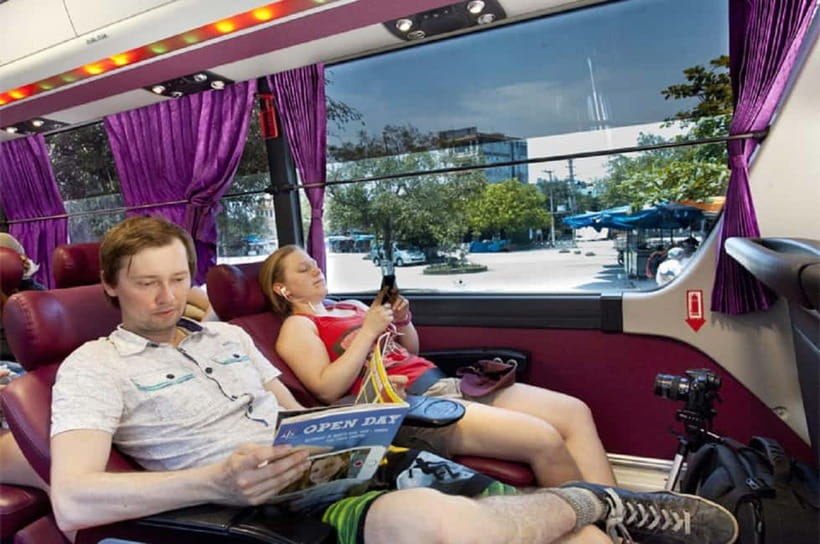
Your day begins around 6:15 a.m. at 204 Tran Quang Khai Street in Hanoi, though the exact meeting point can vary with the option you book. The limousine bus takes about five hours to reach Sapa and makes three short stops for refreshment.
This is not a fast transfer, but it is a practical one. You avoid arranging a separate train, station transfer, or local car. A complimentary bottle of water is provided, and an English-speaking guide accompanies the journey. You should still bring a small bag with your day’s walking clothes, water, sun protection, and any medication you need. Your main luggage may be less convenient during the trekking portion, so pack with the homestay move in mind.
You arrive in Sapa at about 1 p.m. After meeting a company representative and receiving the trip details, you have lunch before the afternoon walk. That timing gives you a useful meal break, but it also means the first trekking day begins after a long ride. Do not expect a lazy arrival afternoon.
Day 1: Y Linh Ho to Lao Chai San
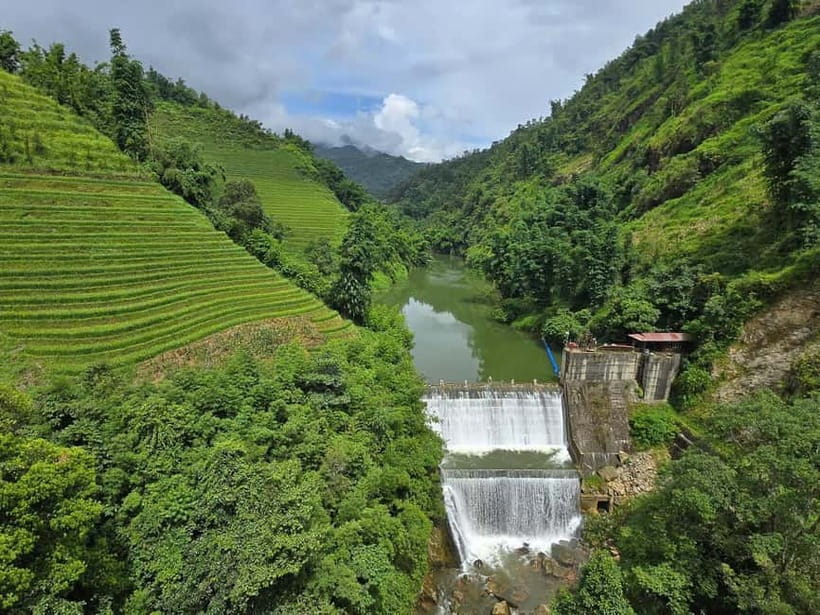
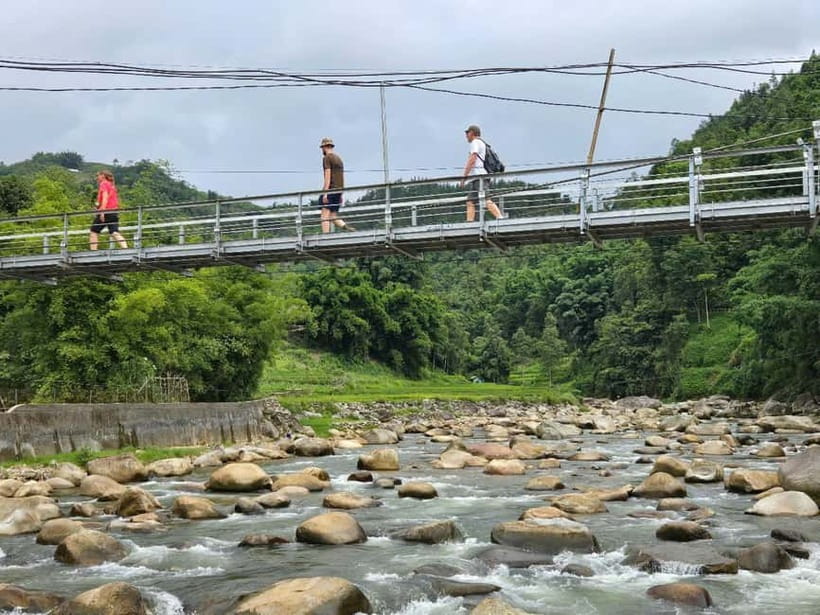
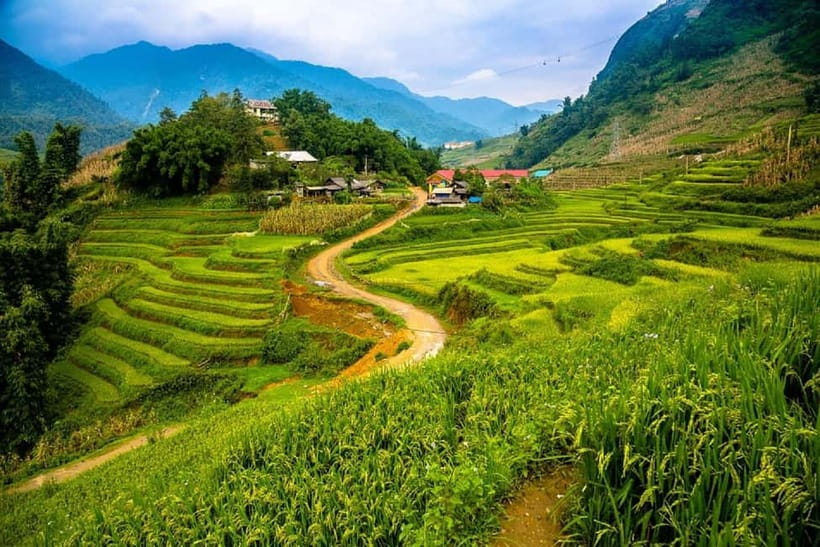
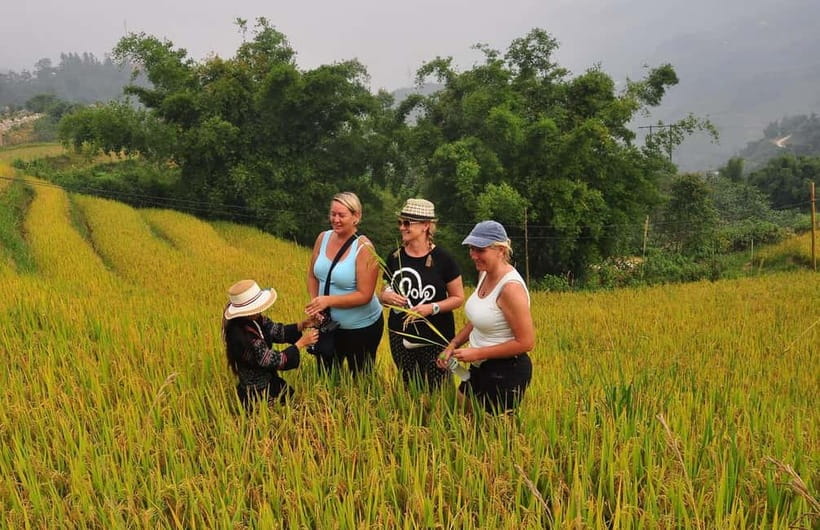
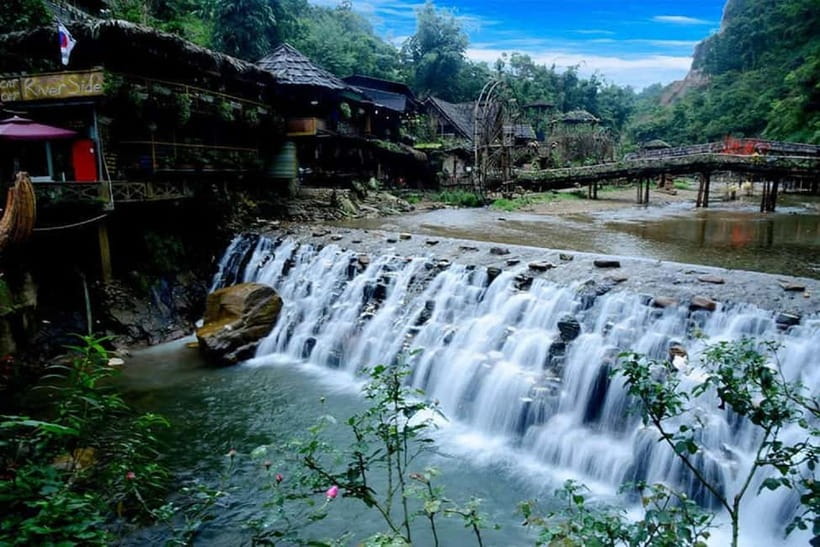
Around 2:30 p.m., you begin the first long trek from Y Linh Ho toward Lao Chai San, a Black Hmong village. The route passes through rice terraces and follows the Muong Hoa Stream. You also cross a suspension bridge and pass a waterfall before climbing toward the homestay.
This section packs several of Sapa’s classic sights into one walk. The terraces provide the broad mountain views, while the stream and bridge keep the route varied. The climb near the end matters, especially after a morning spent sitting on a bus. Wear shoes with a firm grip and avoid bringing a heavy daypack.
The suspension bridge is more than a photo stop. It marks the change from the valley floor toward the village area, and the waterfall adds another natural feature to the walk. Conditions can change with rain, so an umbrella or rain jacket is sensible even if the morning looks clear. Sunglasses and a hat help on open sections, while insect repellent is worth packing for the wetter areas.
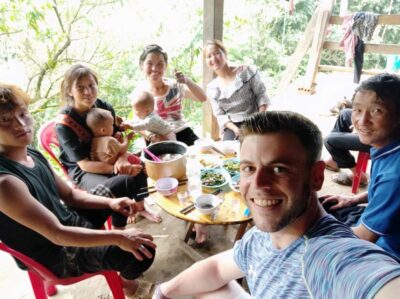
Your first night is in a Black Hmong homestay. Accommodation is described as a single mattress in a homestay, not a private room, so privacy is limited. You have dinner with the host and may join the cooking if you wish. That invitation is one of the better parts of the setup. It lets you see a little of how the evening meal is prepared instead of simply receiving a plate in a restaurant.
Dinner is included, as is lunch on this day. Drinks are not included, so carry some cash for beverages and other small purchases. After the meal, the plan is a quiet mountain evening. That sounds simple, but after the early departure and long walk, simple is exactly what you may want.
Day 2: Rice terraces and the walk to Ta Van
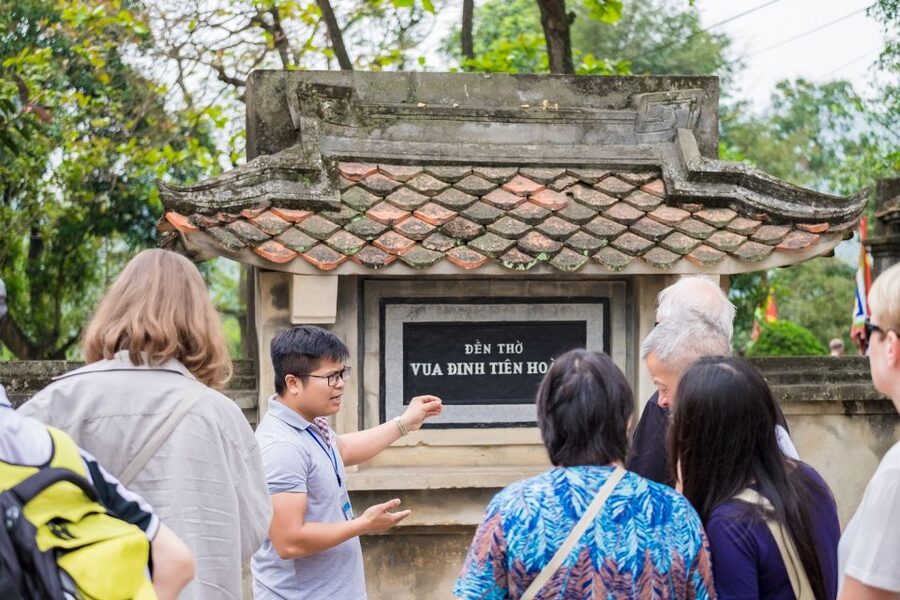
Breakfast is served early and includes pancakes with honey and fruit. Then your guide leads you from Lao Chai San through more of the Muong Hoa Valley. You walk beside the stream, pass terrace fields, meet local people, and stop for photographs along the way.
This is the day when the homestay arrangement pays off most. You are not just visiting a viewpoint and leaving. The route connects two villages, and the walking gives you a better feel for how the valley is laid out. You also have a local English-speaking guide to explain the H’Mong and Day cultures and help you interact respectfully.
A picnic lunch is prepared by the guide. That keeps the day moving, but it also means you should not expect a long restaurant stop or a large choice of dishes. If you need regular snacks, bring your own. The information does not specify the group size, so ask the local supplier if that affects your preference for a quieter walk or more personal guiding.
You are expected to reach Ta Van at about 3 p.m. The afternoon is deliberately less structured. You can rest at the homestay, swim in the nearby stream, or have a beer while looking across the mountains. Drinks are at your own expense, but this is a useful chance to slow down after two days of walking.
Ta Van gives you a second village setting and a different ethnic culture from the first night. The two-homestay format is more interesting than repeating the same type of accommodation, though it also means packing and settling in twice. Dinner is cooked by the host and included in the price.
Do not expect hotel comforts. A mattress in a shared homestay can be perfectly adequate for a short stay, but you should be comfortable with basic facilities and less personal space. If you need a private room, that costs extra and is not part of the standard package.
Same trailhead, a different route:
- Sapa 3 Days 2 Nights Trekking Tour (1 Night In Ta Van Village, 1 Night In Hotel)
★ 5.0 · 699 reviews - 3-Day Trekking Adventure of Sapa from Hanoi – Stay Ta Van Village
★ 5.0 · 611 reviews - Hanoi – Sapa 3 Day 2 Night Trekking With Hotel & Homestay
★ 5.0 · 389 reviews - From Hanoi: 2-Day Sapa Trek Tour – Luxury Limousine Transfer
★ 4.1 · 249 reviews
Day 3: Giang Ta Chai and the optional Fansipan stop
Breakfast at Ta Van is served before a morning trek through rice paddies and bamboo forest. The route gives you a panoramic view of Giang Ta Chai village before you cross the Giang Ta Chai Suspension Bridge.
This final walk is shorter in feel than the first day, but it still includes uneven ground and natural paths. Bamboo forest provides a change from the open terraces, and the bridge is a clear focal point. After the crossing, a bus takes you back to Sapa for lunch and a shower.
The standard version then has you eat lunch and prepare for the return limousine bus to Hanoi. The drive includes three short breaks, and you buy your own dinner on the way. Arrival at the Hanoi meeting point is expected around 9 p.m., after which you arrange your own way back to your hotel.
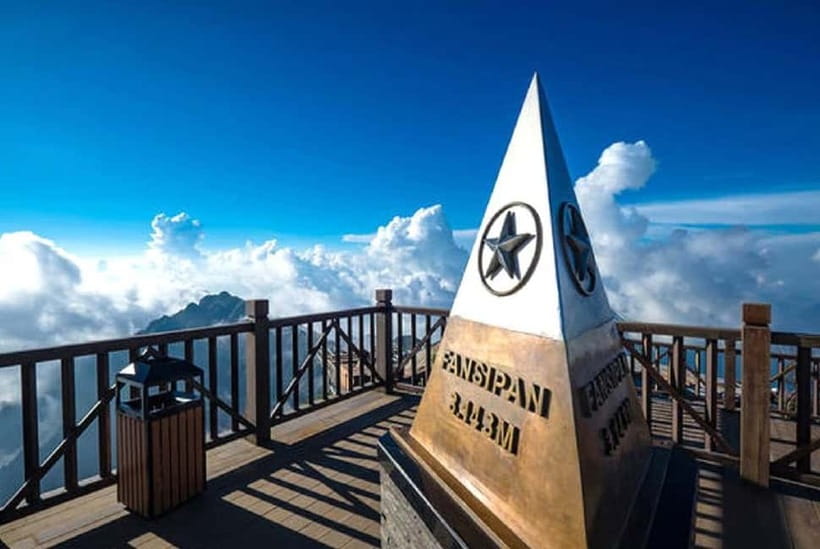
There is another option for Day 3. After breakfast, a car and guide can take you from Ta Van to the Fansipan cable-car station. You ride up toward the summit at 3,143 meters, then return by cable car before being collected and taken back for lunch.
Fansipan gives you the highest viewpoint in Vietnam without requiring a summit trek. That is a major advantage for anyone who wants the mountain but does not want to spend another full day climbing. It is also the busiest and most manufactured part of the experience compared with the village walks, so the choice depends on your priorities.
The round-trip cable car costs 850,000 VND per person and is not included. The basic trip includes entrance tickets, but the cable-car fare is specifically excluded, so budget for it separately. Weather can affect what you see from the summit. At 3,143 meters, clouds may hide the views, but the height itself is part of the appeal.
If you choose Fansipan, Day 3 becomes more tightly timed. You still need lunch, a shower, and the afternoon departure to Hanoi. Confirm the exact order with the supplier before you set out, especially if you have a strong preference for a relaxed final morning.
Food, guiding, and cultural contact
The food plan is straightforward. You receive three lunches, two dinners, and two breakfasts. Meals include the first lunch in Sapa, a host-cooked dinner in Lao Chai San, a pancake breakfast, a picnic lunch, dinner in Ta Van, breakfast on the final morning, and lunch after returning to Sapa.
This is enough to remove much of the planning burden, but it does not cover drinks. Keep money available for water, beer, and other personal purchases. You may also want snacks for the longer walking sections.
The local guide is central to the experience. The advertised guide is English-speaking, and one guide named Xoa has been specifically associated with showing visitors around Sapa. Another booking contact named Viet handled trip communication. Names and assignments can change, so treat these as useful contacts rather than a promise of a particular guide.
The best use of the guide is not simply following the path. Ask about the H’Mong and Day communities, the terraces, village life, and local food. You are moving through inhabited places, so a guide also helps you behave politely around homes, farms, and people working along the route.
What to pack for the two homestays
The packing advice is short, but the walking makes it important. Bring comfortable clothes, sturdy walking shoes, an umbrella or rain layer, a hat, sunglasses, and insect repellent.
I would also bring a light change of clothes, a small towel, personal toiletries, sunscreen, a reusable water bottle, and a compact daypack. Those last items are practical additions rather than stated inclusions, and they make the two-night move much easier.
Avoid overpacking. The route changes homestays, and the final day includes a bus journey back to Hanoi. Keep valuables secure and bring cash for drinks, tips, the cable car, and personal expenses.
This trip is not suitable for children under 12, people over 70, or pregnant women. Those limits reflect the long walks, uneven paths, stairs, and general demands of the route. If you have a health concern, ask the supplier for current route details before booking.
Is $115 good value?
For $115, you receive return transport from Hanoi, two nights of homestay accommodation, a local guide, seven meals, Sapa-area transfers, and entrance tickets. You also avoid the work of connecting Hanoi, Sapa, Y Linh Ho, Lao Chai San, Ta Van, Giang Ta Chai, and Fansipan on your own.
That is solid value if you want an active package. The price is less complete than it first appears because the cable car, drinks, insurance, tips, and personal expenses are extra. Holiday dates also carry a 700,000 VND surcharge, paid directly to the guide, including April 30, May 1, September 1 through 3, December 24, December 31, and January 1.
The accommodation is basic, and the walks are long. You are paying for access, guiding, meals, and transport, not luxury. One booking account described the accommodation as a luxury hotel, but the stated plan is two village homestays, so confirm the lodging details before you pay if comfort is a major concern.
Who should book this Sapa experience?
I would choose this trip if you want Sapa to feel like more than a town stop. It suits active adults who like walking, simple accommodation, shared meals, and a guide who can connect the scenery with local culture.
It also works well if you are short on planning time. The limousine bus, Sapa transfers, meals, and guide are arranged together. The option to continue by bus to Ha Giang directly from Sapa may also help if you are building a longer northern Vietnam route, though you should confirm the connection with the local supplier.
I would hesitate if you want private rooms, a slow schedule, or complete control over meal times. The itinerary is full, the homestays are shared unless you pay for a private room, and Day 3 becomes especially busy if you add Fansipan.
Should you book it?
Book it if the idea of walking through Muong Hoa Valley, sleeping in two village homestays, and adding Vietnam’s highest peak appeals to you. The strongest parts are the two distinct village stays, the local guide, and the way transport and meals simplify a demanding route.
Skip it if you dislike long treks or basic lodging. Before booking, confirm the meeting point, homestay arrangements, guide assignment, holiday surcharge, and whether you want the optional Fansipan cable car. For the right kind of visitor, $115 buys a practical and unusually full introduction to Sapa.
FAQ
How long is the trip?
The experience lasts three days and two nights, starting in Hanoi and ending back at the Hanoi meeting point at about 9 p.m. on Day 3.
Where does the bus leave from?
The stated meeting point is 204 Tran Quang Khai Street in Hanoi from about 6:15 a.m. The exact meeting point may vary according to the option booked.
Where do I stay?
You stay one night in a Black Hmong homestay in Lao Chai San and one night in a Ta Van homestay. Standard accommodation is a single mattress in a homestay. A private room is not included.
Is Fansipan included in the price?
The Fansipan visit is optional. The round-trip cable car costs 850,000 VND per person and is not included in the tour price.
What meals are included?
The package includes three lunches, two dinners, and two breakfasts. Drinks are not included, and you buy your own dinner during the return journey to Hanoi.
Is the tour suitable for children?
The experience is not suitable for children under 12 years old. It is also not suitable for people over 70 or pregnant women.
What should I bring?
Bring comfortable clothes, an umbrella, a hat, sunglasses, and insect repellent. Sturdy shoes and a small daypack are sensible for the treks.
Can I cancel the booking?
You can cancel up to 24 hours in advance for a full refund.
Just added around Hanoi
- 8-Days Hanoi, Sapa Trekking And Halong Bay Cruise★ 5.0 · 8 reviews
- From Hanoi : Sapa Moutain Trek – Halong bay Heritage★ 4.5 · 25 reviews
- Trekking around Ha Giang 5 days 4 nights★ 3.0 · 2 reviews
- Mai Chau – Pu Luong trekking 3 days 2 nights★ 4.5 · 7 reviews
- Trekking In Ha Giang 5 Days★ 5.0 · 4 reviews
- Hanoi: 3D2N Mu Cang Chai Visit All Attractions, Trek, Ethnic Life★ 5.0 · 3 reviews
- 2-Day Trekking in Sa Pa from Ha Noi by sleeping bus★ 5.0 · 4 reviews
- 2-Day SAPA Trekking – Villages-Homestay-Ethnic-Local Food-Market★ 5.0 · 2 reviews
Homestay & Village Treks, compared.
Number one top rated ethical cultural trekking and homestay by ETHOS
Read our review →
2-Day Sa Pa Ethnic Homestay Tour & Trek with Limousine Bus
Read our review →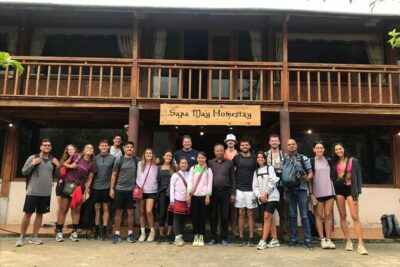
Sapa 3 Day 2 Night Trekking With Hotel & Homestay
Read our review →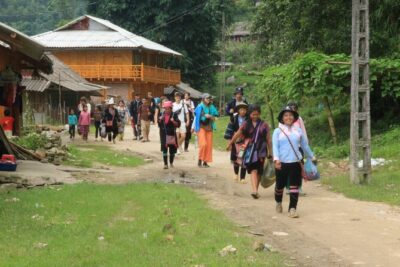
Sapa 2 Days 1 Night Overnight At Local Homestay
Read our review →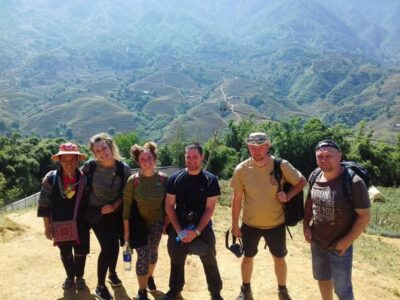
2-Day Trekking Trip with Ethnic Minority Homestay
Read our review →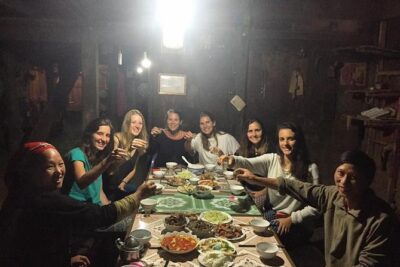
2-Day Trek & Heartwarming Homestay with an Ethnic Family
Read our review →Browse the lists this trek appears in