
Review · SAPA
Sapa : 2-Day Trek & Heartwarming Homestay with an Ethnic Family
Sapa’s best moments often come after the town disappears behind you. This two-day walk leads through Muong Hoa Valley, ethnic villages, rice terraces, bamboo forest, and possible waterfall stops before dinner and a night with a local family. Guides including Nhu, Thao Nhu, Chai, Khu, and Sai are praised for their warmth, humor, and clear explanations.
I like the small-group format, which makes it easier to adjust the walking pace and ask questions. I also like the cooking lesson and shared dinner, since they turn a scenic hike into a real look at family life.
The main catch is the terrain. Slippery paths and a moderate fitness requirement make this a poor choice if you want a gentle stroll. Route details can also vary, so confirm the exact villages and walking distance before setting out.
Key points to know before booking
- Muong Hoa Valley scenery: Walk among steep rice terraces and mountain villages rather than viewing Sapa from the road.
- A night in a family home: One dinner and breakfast are served at a local homestay, with a Dao family featured in some routes.
- Guides with a personal touch: Nhu, Thao Nhu, Chai, Khu, and Sai are noted for humor, patience, English, and explanations of ethnic cultures.
- Real walking, not a photo stop: Expect slippery ground, uneven paths, and a moderate level of fitness.
- Practical inclusions: Two lunches, one dinner, one breakfast, daily bottled water, transport back to Sapa, and one night of homestay lodging are included.
- Good value at $59: The price covers meals, guiding, transport, and lodging, though drinks, insurance, VAT, and personal spending cost extra.
Leaving Sapa for Muong Hoa Valley
The day begins at 9 a.m. from Nomadtrails Boutique Hotel on Tue Tinh Street in Sapa. Hotel pickup and drop-off are offered, but the stated meeting point is this hotel, so I would confirm where you need to wait rather than assume a guide will come to every hotel door.
The first real reward is the change in pace. Sapa town can be busy with traffic, shops, and competing tour offers. On foot, you get time to notice the farming land, animals, homes, and paths that connect villages. The walk is not only about reaching a viewpoint. It is a way to see how daily life fits around the mountains.
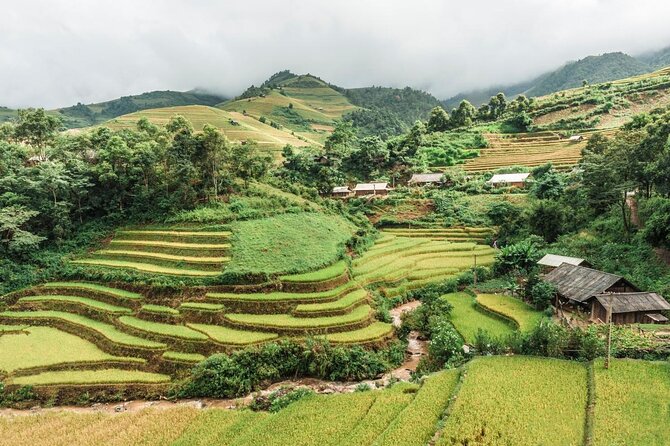
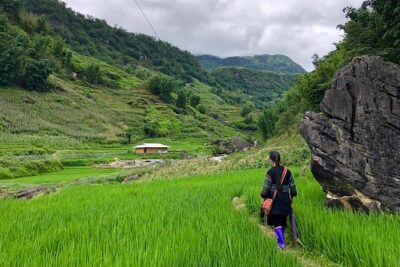
Muong Hoa Valley is the visual center of the trip. Rice terraces step down the hillsides, and the views change as the path bends through villages and open fields. The best conditions for terrace color depend on the season, so you should not expect the same scene every month. The valley remains the draw, but the shades and amount of standing water will vary.
Several route accounts include Ta Phin and Lao Chai, along with local villages, bamboo forest, waterfalls, and farmland. Those places are not listed as fixed stops for every departure, so ask your guide which route is planned for your date. That small check can help you pack and set expectations.
More Homestay Treks in Sapa
- Number one top rated ethical cultural trekking and homestay by ETHOS
★ 5.0 · 456 reviews - Sa Pa: 2-Day Trekking Trip with Ethnic Minority Homestay
★ 4.7 · 145 reviews - Sapa Valley Trek and Homestay – 3D2N
★ 5.0 · 105 reviews
What the walking feels like
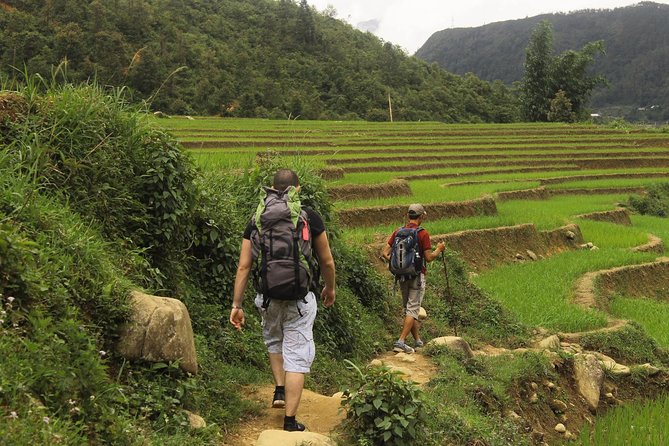
This is a proper two-day trek. You need moderate physical fitness, trekking shoes, and enough comfort on uneven or slippery ground to enjoy it. One guide-led outing included a warning about slippery roads, and that is useful advice for the whole experience, especially after rain.
You will want shoes with a good grip, not casual trainers with smooth soles. Sunglasses, sun cream, insect repellent, warm night clothes, and a spare change of clothing all belong in your bag. The packing list is short, but each item has a job.
From October through March, warm clothes are recommended for Sapa. Mountain weather can feel quite different from conditions in town, and the overnight stay means you cannot simply return to your hotel for another layer. Carry the included one liter of mineral water per person per day, and bring extra money if you want additional drinks.
The pace should feel more relaxed than a one-day outing because the route has two days to work with. Still, relaxed does not mean flat or effortless. The guide may adjust the walk to suit the group, but you should be ready for hills, rough surfaces, and changing conditions.
Meeting village life on the trail
The strongest cultural part of the trip comes from walking through communities rather than driving past them. You may see farming activity, domestic animals, homes, and ordinary village movement along the route. The point is not to turn daily life into a staged show. You are there to observe respectfully and listen.
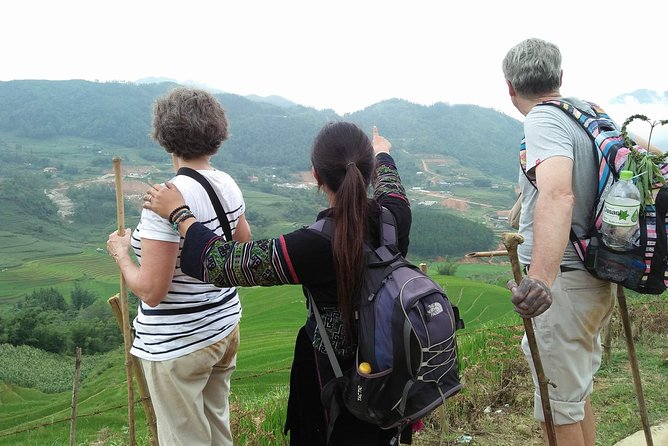
Your guide helps make the difference. Nhu is described as friendly, energetic, and strong in English, with a gift for answering questions about Vietnamese life. Thao Nhu is praised for her cheerful manner and willingness to explain village customs and the lives of different northern groups.
Chai is associated with routes to Ta Phin and Lao Chai and with clear explanations of ethnic minorities and life in Vietnam. Khu is remembered as a sweet, good-humored guide. Sai is noted for patience and explanations of customs and northern communities. Guide assignments can change, so do not book expecting one specific person unless the operator confirms it.
I like this kind of guiding because it gives the scenery meaning. Rice terraces are impressive, but you gain more when someone explains how local communities use the land and how different groups live. You should also follow the request to respect local culture. Ask before photographing people, dress sensibly, and avoid treating homes or religious customs as props.
Lunches, the cooking lesson, and dinner
The price includes two lunches at local restaurants. That makes the day easier, since you do not need to carry a full supply of food or hunt for a place to eat along the route. The exact menus are not specified, so tell the operator about dietary requirements when you book.
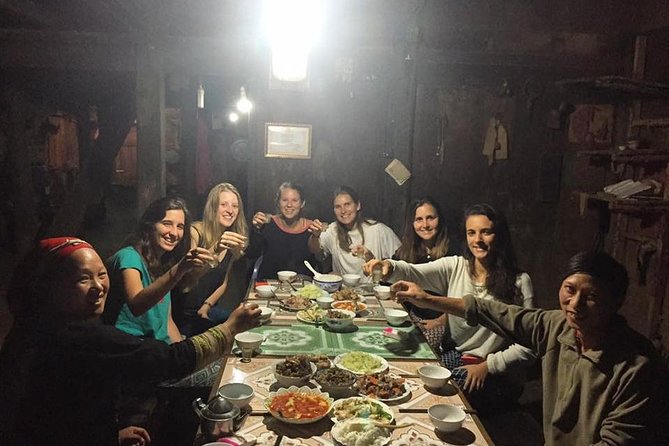
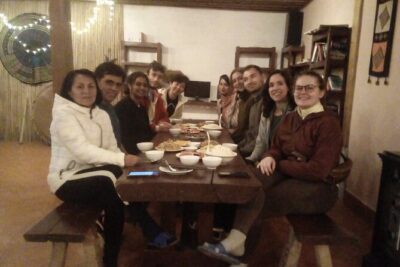
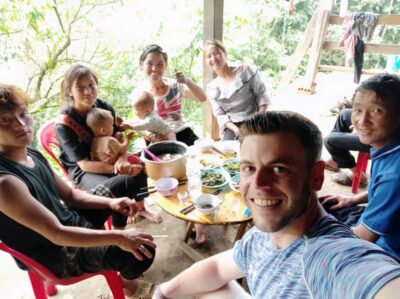
The evening is the most personal part of the program. At the homestay, you take part in a cooking class with a local family, then share dinner with them. This is more meaningful than simply being served a meal because you get a small role in preparing it and a natural reason to talk.
The homestay experience is linked in the route details with a Dao family. You spend one night in a traditional home, rather than returning to a hotel in Sapa. That means you trade some privacy and familiar hotel comforts for a closer look at family hospitality and village life.
Keep your expectations sensible. The information confirms one night of homestay lodging, dinner, and breakfast, but it does not promise private rooms, a particular bed setup, or hotel-style facilities. If those details matter to you, ask before booking. The word homestay should signal a simple, local stay, not a resort.
Breakfast is included the next morning. It gives you a practical start before the second day of walking, while the return bus brings you back to Sapa center at the end. Drinks beyond the included water are extra, as are personal purchases.
Same trailhead, a different route:
- Sa Pa: Muong Hoa Valley Trek and Local Ethnic Villages
★ 4.6 · 864 reviews - Sapa: Eco Adventure Terrace Fields and Local Villages Trek
★ 4.9 · 636 reviews - From Sapa: 1-Day Guided Trek to Lao Chai & Ta Van with Lunch
★ 4.9 · 416 reviews - Sa Pa Full Day Trekking Tour
★ 5.0 · 414 reviews
Why the $59 price can make sense
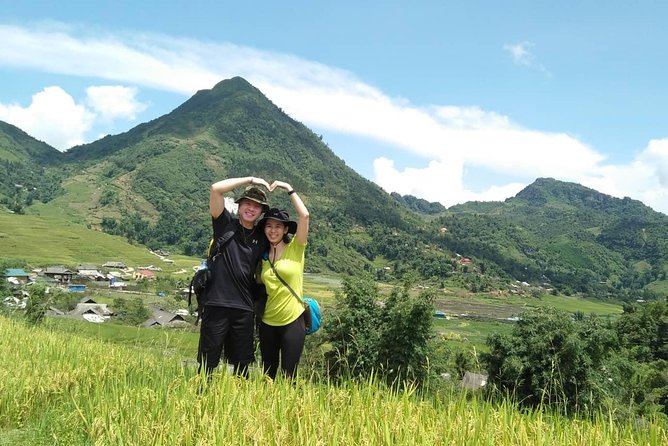
At $59 per person, this is a strong package if you want a guided overnight trek rather than a short viewpoint visit. The fee includes two lunches, dinner with the family, breakfast, one night of lodging, guiding, daily mineral water, an air-conditioned vehicle, and the bus back to Sapa.
The value comes from combining several costs in one trip. You get a guide who handles route finding, meals that are arranged for you, and transport at the end. You also gain the overnight cultural element, which a day tour cannot provide.
The price does not cover beverages, travel insurance, VAT, or personal expenses. Those exclusions are normal enough, but they matter if you are working with a tight budget. Bring money for drinks and small purchases, and arrange your own insurance.
A small group improves the experience. The tour information gives both a maximum of 10 and a small-group limit of 14, so there is a discrepancy. I would ask which maximum applies when booking. Either number is smaller than a large coach outing, but ten people will feel more personal than fourteen on narrow village paths.
The practical tradeoff: comfort versus contact
The homestay is the heart of the trip, but it is also the part that requires the most flexibility. You are not simply checking into a room, showering, and ordering whatever you like. You are staying in a local home, eating what is prepared, and working within the rhythm of a village household.
That is a fair trade if you want direct contact with local culture. It is less suitable if you need guaranteed private facilities, a fixed menu, or a predictable hotel room. The tour is best for someone who sees a little uncertainty as part of the point.
The guide is another reason to choose this trip instead of walking alone. Sapa’s paths can be confusing, and wet ground adds risk. A guide also gives context that a map cannot. You can ask about ethnic groups, customs, farming, and everyday life as you go.
You should still treat the trip as active travel. The guide can help with pacing, but cannot remove the hills or slippery surfaces. If you rarely hike, consider whether two days on uneven trails will leave you tired rather than pleased.
Who will enjoy this Sapa trek most
I would choose this experience if you are visiting Sapa for the first time and want a broad introduction without arranging every meal and transfer yourself. It combines scenery, walking, village contact, and an overnight stay in a compact two-day plan.
It suits hikers who want more than a photo stop and people who enjoy conversation with a local guide. The repeated praise for Nhu, Thao Nhu, Chai, Khu, and Sai points to the human side of the trip: patience, humor, English-language explanations, and a willingness to answer questions.
It also works well for couples, friends, and small groups who want shared memories without joining a very large outing. Group discounts are available, although the details are not provided, so ask for the current terms.
I would hesitate if you have mobility limits, dislike slippery trails, or want a polished hotel stay. The trip requires a moderate fitness level, and the homestay may be simpler than what you are used to. It is also not the right choice if you need a fully fixed route, since the village stops can differ.
What to bring and how to prepare
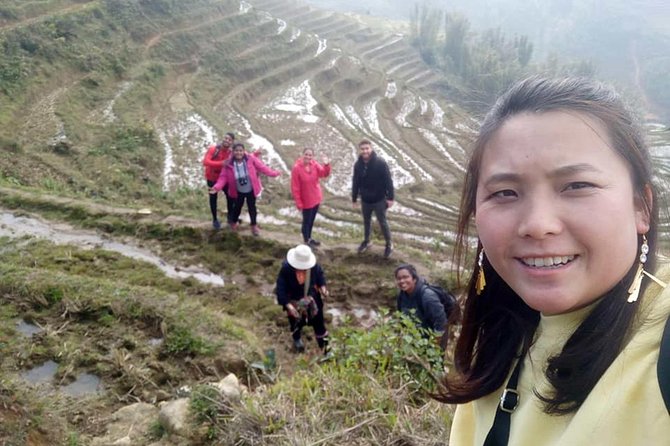
Arrive 15 minutes before the 9 a.m. departure. Bring trekking shoes, sunglasses, sun cream, insect repellent, clothes for the night, and warm layers from October through March.
Tell the operator about dietary needs at booking. Carry your passport, which is required on the day of the trip. Your personal bag should stay light, since you will be walking with it and spending the night away from your hotel.
I would also ask four simple questions before departure:
- Which villages will we visit?
- How long will we walk each day?
- What type of sleeping arrangement is provided?
- Is the group maximum 10 or 14?
The answers do not change the main appeal, but they help you decide if the outing fits your comfort level.
Should you book this two-day Sapa experience?
Book it if you want mountain scenery with a human element, not just a quick outing from Sapa. The cooking lesson, family dinner, Dao homestay connection, village paths, and capable local guides give the trip more substance than a standard day hike.
At $59, the combination of meals, lodging, guiding, and transport is good value. Just prepare for wet or uneven trails, simple homestay conditions, and some route uncertainty. Confirm the group size and village plan, pack properly, and this is a smart choice for an active first visit to Sapa.
FAQ
Where does the tour begin?
The stated meeting point is Nomadtrails Boutique Hotel at 015 Tue Tinh, Sapa 330000, Vietnam. The start time is 9 a.m., and you should arrive 15 minutes early.
How long does the experience last?
The trek lasts approximately two days and includes one night at a local homestay.
Is hotel pickup available?
Yes. Hotel pickup and drop-off are included, although the stated meeting point is Nomadtrails Boutique Hotel. Confirm the pickup details for your accommodation.
What meals are included?
The tour includes two lunches at local restaurants, one dinner with a local family, and one breakfast at the homestay.
Is accommodation included?
Yes. One night of homestay accommodation is included.
What fitness level is required?
You should have a moderate level of physical fitness. The route can include slippery paths and uneven ground, so trekking shoes are recommended.
Can I cancel for a full refund?
Yes. You can cancel at least 24 hours before the local start time for a full refund. Cancellations or changes made less than 24 hours before departure are not accepted for a refund.
More 2-Day Experiences in Sapa
- EXPLORE SAPA: 2D1N TREKKING & HMONG CULTURE WITH DINH
★ 4.9 · 191 reviews - SAPA: 2-DAY 1-NIGHT TREKKING & CULTURE WITH HMONG GUIDE LINH
★ 4.9 · 126 reviews - 2 Days Fansipan Trekking
★ 5.0 · 84 reviews - 2D1N Buffalo trek by Hmong Sister House and Trekking
★ 5.0 · 81 reviews
Just added around Sapa
- Sapa: Private The Most Beautiful Terraced Fields Trekking★ 4.8 · 42 reviews
- Soob Sapa Trekking Tour★ 4.3 · 3 reviews
- Sapa Trekking – Waterfalls And H’mong Villages★ 5.0 · 2 reviews
- Sapa3D2N TrekkingAdventures,Valleys,Bambooforest,Waterfall★ 4.8 · 24 reviews
- Sapa: Trekking Through Terraced Rice Fields & Valley 1 Day★ 4.8 · 4 reviews
- Sapa: Trekking Sapa One Day With Group Tour★ 4.7 · 55 reviews
- Sapa: Y Linh Ho – Lao Chai, and Ta Van Trekking Day Tour★ 5.0 · 25 reviews
- Sapa Trekking Private Tour With Ethnic Female Tour Guide★ 4.9 · 24 reviews
Homestay & Village Treks, compared.
Number one top rated ethical cultural trekking and homestay by ETHOS
Read our review →
2-Day Sa Pa Ethnic Homestay Tour & Trek with Limousine Bus
Read our review →
Sapa 3 Day 2 Night Trekking With Hotel & Homestay
Read our review →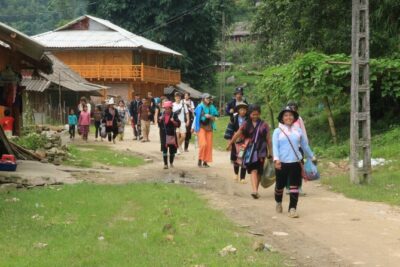
Sapa 2 Days 1 Night Overnight At Local Homestay
Read our review →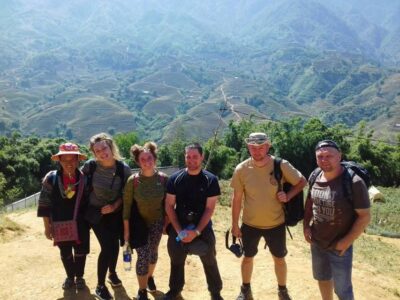
2-Day Trekking Trip with Ethnic Minority Homestay
Read our review →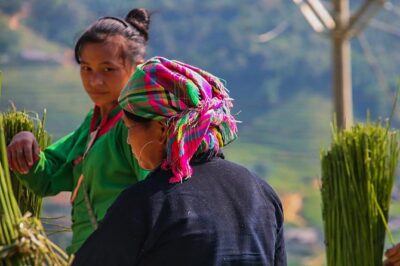
Browse the lists this trek appears in