
Review · HANOI
2-Day Trekking in Sa Pa from Ha Noi by sleeping bus
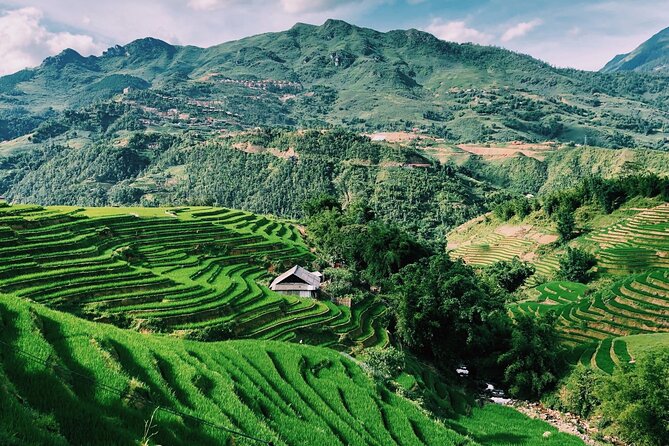
Sapa’s best moments happen away from its busy center, on footpaths through the Muong Hoa Valley. This trip takes you from Y Linh Ho and Lao Chai to a family homestay in Ta Van, then onward through bamboo forest and Red Dao country near Giang Ta Chai.
I like the small group limit of 10 and the local H’mong guides, who can explain village life rather than simply point out scenery. I also like the practical transport plan: a sleeping bus from Hanoi, then a car or motorbike back to Sapa after the walk. The drawback is real: about 15 kilometers of trekking, often on uneven paths, can be hard in wet weather.
Key points at a glance
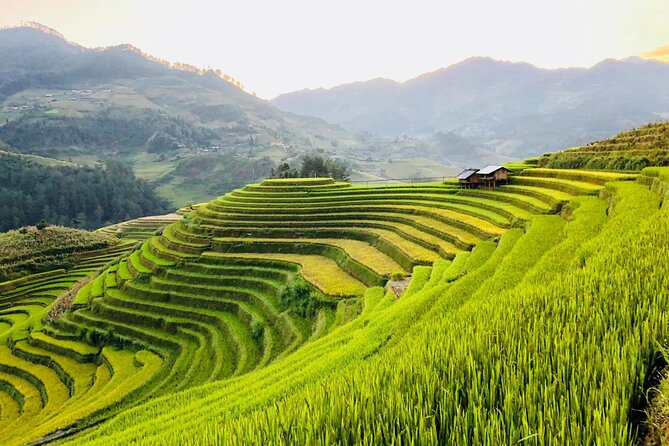
- About 15 kilometers on foot: The route takes roughly five hours on the first day, with lunch and breaks included.
- A night in Ta Van: You stay in a family-run homestay and share food and stories with your hosts.
- Several hill communities: The route links H’mong, Giay, and Red Dao villages, each with a different setting and culture.
- A small group of up to 10: This gives the guide more room to adjust the pace and answer questions.
- Sleeping bus from Hanoi: Transport is arranged both ways, but the total schedule is long, with a late-night return.
- Weather matters: Wet paths can become slippery, and poor weather may lead to a date change or full refund.
What this Sapa trek is really like
This is not a gentle walk around Sapa town. It is a two-day mountain route that connects villages, rice terraces, forest paths, and valley roads. The focus is on seeing rural Sapa at walking pace and spending the night in Ta Van instead of returning to a hotel in town.
The published schedule is a little confusing, listing the experience as 23 hours to one day. In practical terms, plan for a long overnight trip from Hanoi, a full day of trekking, a night in Ta Van, more walking the next morning, and a late bus back to Hanoi. Confirm the exact bus departure and arrival times when you book.
The route is led by local H’mong guides. The guide may be Sisi or Dzi, depending on the departure. Sisi is noted for explaining local tribes and the village economy, while Dzi led a route covering about 15 kilometers with lunch and rest stops. You should not assume a particular guide is guaranteed, but the local guiding is an important part of the experience.
A few more treks around Hanoi worth a look
- Hanoi – Sapa 2 Days 1 Night Overnight At Homestay
★ 5.0 · 899 reviews - From Hanoi: 2-Day Sapa Trekking Trip with Homestay & Meals
★ 4.8 · 704 reviews - 2-Day Sa Pa Ethnic Homestay Tour & Trek with Limousine Bus
★ 4.8 · 440 reviews
Leaving Hanoi on a sleeping bus
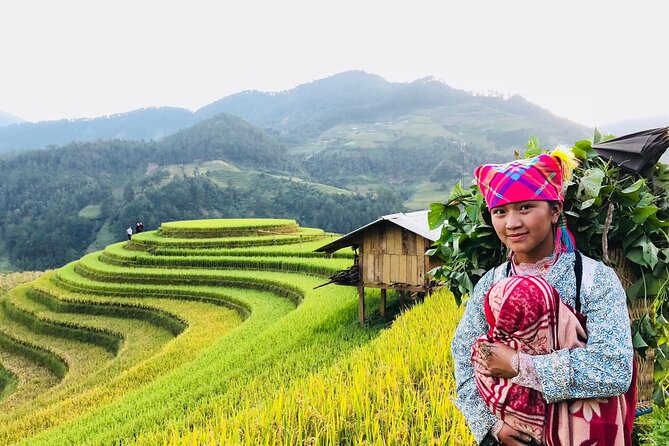
The trip begins with an overnight sleeping bus from Hanoi to Sapa. This saves you the cost and hassle of arranging separate transport, and it lets you reach the mountains without losing a full daytime sightseeing period.
A sleeping bus is useful, but it is not the same as a hotel bed. You should arrive ready for a long travel night, then a demanding walk soon after reaching Sapa. Keep your trekking shoes, rain layer, water, medication, and a change of clothes where you can reach them. Your large luggage may be less convenient on the walking portion, so ask how bags are handled before departure.
The official meeting point is Saigonese Trekking House at 02 Nguyen Chi Thanh in Sapa, with a stated start time of 7:00 a.m. The Hanoi bus arrangements should be checked carefully because the supplied schedule mainly describes the Sapa meeting point rather than a detailed Hanoi pickup plan.
First steps from Sapa into Y Linh Ho
After reaching Sapa, your local guide meets you at the bus station and starts the walk toward the first villages. The initial section takes about five hours, including lunch and breaks, so do not treat it as a short morning stroll.
Y Linh Ho sits in the Muong Hoa Valley, where the appeal is quiet scenery and open views rather than a formal attraction. The route gives you a chance to see how villages fit into the valley and how paths link one community to the next.
This section can become slippery after rain. One account describes a much easier walk after a dry spell, while another puts the total distance at about 15 kilometers. Those details tell you what to expect: conditions matter, and the same route can feel quite different from one day to the next.
Lao Chai and the Muong Hoa Valley

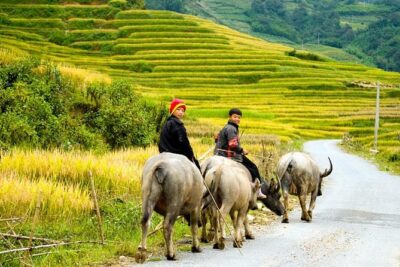
From Y Linh Ho, the walk continues toward Lao Chai, around 7 kilometers southeast of Sapa town. Lao Chai lies in a valley setting with rice terraces and mountain views, and it is one of the more scenic parts of the route.
I like this part because the scenery arrives gradually. You are not simply driven to a viewpoint, given ten minutes for photos, and sent away. The walk between villages is the point. You see the changing views as your legs do the work.
The tradeoff is that the route can feel strenuous, especially after a night on a bus. The walk includes hills, uneven ground, and extended time on foot. Local women may offer help along difficult sections, but you should still bring suitable footwear and be comfortable with a moderate fitness requirement.
Lunch is included, though the supplied details do not specify the menu or exact location. If you have dietary needs, ask before setting out. Bottled water is also included, but carrying a small personal supply is sensible for a long walk.
Same trailhead, a different route:
- Sapa 3 Days 2 Nights Trekking Tour (1 Night In Ta Van Village, 1 Night In Hotel)
★ 5.0 · 699 reviews - 3-Day Trekking Adventure of Sapa from Hanoi – Stay Ta Van Village
★ 5.0 · 611 reviews - Hanoi – Sapa 3 Day 2 Night Trekking With Hotel & Homestay
★ 5.0 · 389 reviews - From Hanoi: 2-Day Sapa Trek Tour – Luxury Limousine Transfer
★ 4.1 · 249 reviews
Ta Van village and the overnight homestay

Ta Van is the emotional center of the trip. It is a Giay minority village beside the river, known for stilt houses and family hospitality. Instead of returning to Sapa, you spend the night in a family homestay.
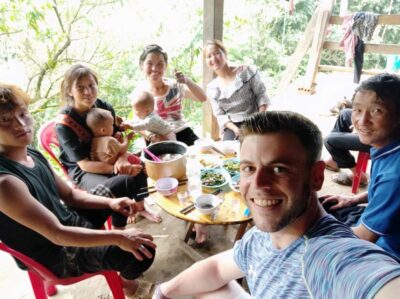
That changes the feel of the experience. You have time to sit down, share a meal, and hear about local customs. The description says dinner and cultural stories are shared with the hosts, but dinner is not clearly listed among the included items, which are breakfast, lunch, bottled water, and entrance tickets. Ask what the homestay meal covers before booking.
A homestay is not the right choice if you want the privacy and predictability of a standard hotel. The value is the contact with a local household, not hotel-style facilities. Sleeping arrangements and comfort levels may be simple, so pack lightly and bring anything you need for a basic overnight stay.
The 12-hour Ta Van stop includes the overnight period, but that does not mean you have 12 hours of guided activity. Much of that time is for dinner, sleep, breakfast, and time in the village. The slower pace is useful after the first walking day.
Bamboo forest, Giang Ta Chai, and Su Pan
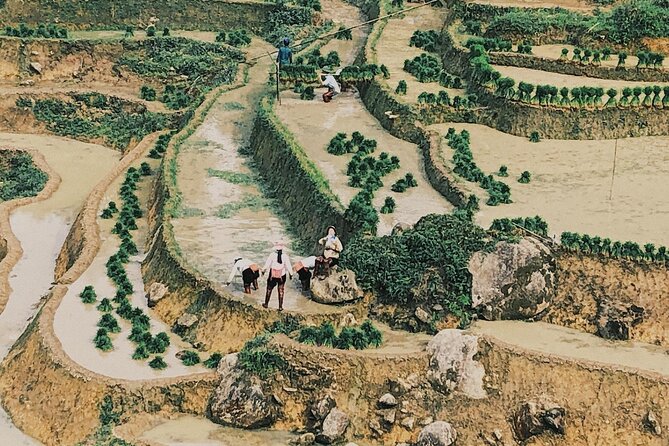
The second walking section moves through bamboo forest toward Giang Ta Chai and Su Pan. The bamboo path connects Giang Ta Chai with Su Pan and adds shade, roots, and a more enclosed woodland feel to the route.
Giang Ta Chai is associated with the Red Dao people. The setting includes bamboo forest and waterfalls, and the guide can explain Red Dao customs and traditional herbal medicine. This is one of the most worthwhile stops for cultural context because the route is not only about views.
You then continue to Su Pan, a quiet village with wide views across terraced fields and rugged mountains. It is described as a good place to rest and take photos before the return to Sapa.
The distances listed for the bamboo forest, Giang Ta Chai, and Su Pan are each about one hour, but the real walking time depends on the route, weather, and pace. Treat the timings as estimates rather than a strict timetable.
Returning to Sapa and Hanoi

After Su Pan, a car or motorbike takes you back to Sapa town. This is a welcome practical touch. After several hours on foot, you do not have to walk the full way back to the town center.
The return bus to Hanoi leaves in the evening and arrives late at night. That makes the tour efficient for a short Vietnam visit, but it also makes the second day long. You should avoid planning an early morning flight or an important appointment immediately afterward.
The transport is one of the strongest reasons to consider this trip. A standalone guided trek would still leave you to arrange buses and local transfers. Here, the main connections are built into the plan, although you should verify the exact Hanoi pickup, drop-off, and bus times before paying.
How much value do you get for $89?

At $89 per person, the trip offers good value if you want transport, guiding, meals, and a homestay in one package. The price includes entrance tickets, bottled water, lunch, and breakfast. The return bus, local transfers, and homestay are part of the stated arrangement, but ask for a clear breakdown of what is included in the final booking confirmation.
The price does not include insurance or tips. It also does not clearly confirm dinner as an included meal, despite the description of sharing dinner at the homestay. That is a small but important point to settle before departure.
The value is strongest for someone who wants a compact Sapa experience without arranging each part separately. You get several villages, three ethnic communities, a homestay, local guiding, and mountain walking in a short period.
The value is weaker if you dislike overnight buses, basic accommodation, or fixed group schedules. A private trip might give you more control over pace and stops, but this small-group format keeps the price lower.
Who should book this route?
I would choose this trip if you want to see more than Sapa town and are happy to work for the views. It suits people with moderate fitness who enjoy walking for several hours, sharing space in a homestay, and learning about village life directly from a local guide.
It is also a good fit for a short Vietnam itinerary. The bus removes much of the planning, and the route covers several distinct areas in two days.
I would think twice if you need a soft adventure with paved paths, private rooms, or a relaxed timetable. The route can be hard, rain can make it slippery, and the overnight bus plus late return creates a tiring schedule.
Wear shoes with good grip. Bring a rain layer even if the forecast looks fair, and carry only what you need for the homestay. Before departure, confirm the guide, dinner arrangements, luggage plan, and exact bus schedule.
The experience has earned a 4.8 rating from four submitted ratings, with especially strong praise for the scenery, patient guiding, and the chance to see much of Sapa in one day of walking. The most useful practical lesson is simple: the route is worth it when the weather is kind, but you should be ready for real trekking rather than a scenic bus tour.
Should you book this Sapa trek?
Book it if your priority is rural Sapa, local guidance, and a family homestay rather than comfort and leisure. The combination of Y Linh Ho, Lao Chai, Ta Van, Giang Ta Chai, and Su Pan gives you a broad look at the valley in a short trip.
Skip it if you are not comfortable walking for about 15 kilometers or sleeping on a bus and in a simple homestay. For the right person, $89 is a fair price for the transport, guide, village route, meals, and overnight stay. Just confirm the unclear details before departure, then bring sturdy shoes and a flexible attitude.
FAQ
How long is the trekking route?
The walking distance is approximately 15 kilometers in total. The first day includes about five hours of trekking, lunch, and breaks, while the second day covers the bamboo forest, Giang Ta Chai, and Su Pan.
Where does the tour start and end in Sapa?
The meeting point is Saigonese Trekking House at 02 Nguyen Chi Thanh, Sapa. After the trek, the car or van drops you back at the same office.
Is transport from Hanoi included?
The experience includes round-trip sleeping bus travel between Hanoi and Sapa. Check the exact Hanoi pickup and return times when booking, since the stated meeting point is in Sapa.
Where do you sleep overnight?
You spend the night in a family-run homestay in Ta Van village, a Giay minority community beside the river.
What meals are included?
Breakfast and lunch are included, along with bottled water. The homestay description refers to shared dinner, but dinner is not clearly listed among the included items, so confirm this before departure.
How difficult is the trek?
You need a moderate level of physical fitness. The route involves about 15 kilometers of walking, and wet weather can make the paths slippery.
What happens if bad weather cancels the tour?
If poor weather causes cancellation, you can receive a different date or a full refund. The experience may also be canceled if its minimum number of participants is not reached.
Just added around Hanoi
- 8-Days Hanoi, Sapa Trekking And Halong Bay Cruise★ 5.0 · 8 reviews
- From Hanoi : Sapa Moutain Trek – Halong bay Heritage★ 4.5 · 25 reviews
- Trekking around Ha Giang 5 days 4 nights★ 3.0 · 2 reviews
- Mai Chau – Pu Luong trekking 3 days 2 nights★ 4.5 · 7 reviews
- Trekking In Ha Giang 5 Days★ 5.0 · 4 reviews
- Hanoi: 3D2N Mu Cang Chai Visit All Attractions, Trek, Ethnic Life★ 5.0 · 3 reviews
- 2-Day SAPA Trekking – Villages-Homestay-Ethnic-Local Food-Market★ 5.0 · 2 reviews
- Sapa trekking – Unique Route – 2D1N★ 5.0 · 3 reviews
Hanoi Trekking Tours, compared.

Sapa 3 Days 2 Nights Trekking Tour (1 Night In Ta Van Village, 1 Night In Hotel)
Read our review →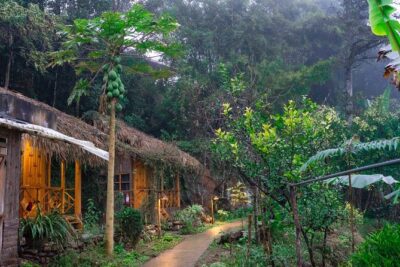
3-Day Trekking Adventure of Sapa from Hanoi – Stay Ta Van Village
Read our review →
2-Day Sa Pa Ethnic Homestay Tour & Trek with Limousine Bus
Read our review →
Sapa 3 Day 2 Night Trekking With Hotel & Homestay
Read our review →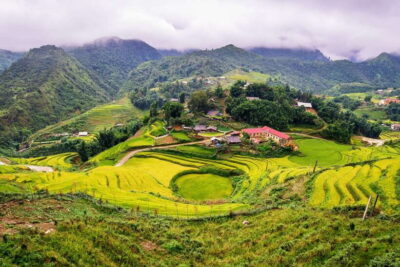
2-Day Sapa Trek Tour – Luxury Limousine Transfer
Read our review →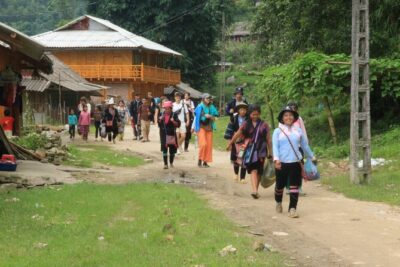
Sapa 2 Days 1 Night Overnight At Local Homestay
Read our review →Browse the lists this trek appears in