

Review · HANOI
Sapa 3 Days Trekking Tour (1 Night in Bungalow, 1 Night In Hotel)
Sapa’s best moments come on foot, and this trip gives you three days to walk from Black Hmong villages and waterfalls to rice terraces beside the Muong Hoa River. You also spend a night with a Dzay family in Ta Van, rather than treating Sapa as a quick day trip from Hanoi.
I like the efficient package: round-trip bus travel, meals, village fees, guides, and two different types of lodging are bundled into the $125 price. I also like the small group limit of nine, plus the chance to meet local guides such as Chiu and Lala, who have led this route.
The main caution is the amount of time spent on the road. You leave Hanoi at 6:30 in the morning and do not return until about 9:00 at night on Day 3, while some communication about the next day and luggage arrangements may need clarification.
Key points before you book
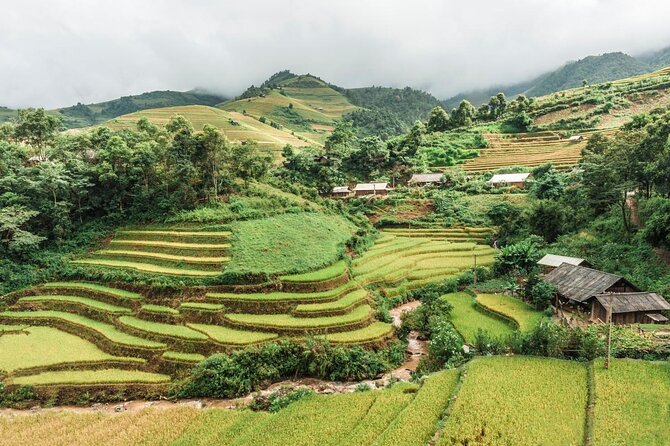
- Three distinct trekking areas: Cat Cat, Muong Hoa Valley, and the villages around Ta Van and Giang Ta Chai each offer a different setting.
- A long first and last bus ride: The Hanoi to Sapa trip takes about six hours each way, with comfort breaks.
- Two kinds of accommodation: You spend one night in a Sapa Town hotel and one night in a bungalow or homestay in Ta Van.
- A small group of up to nine: That should make village walks and guide instructions easier than on a large coach tour.
- Meals are built in: The price includes two breakfasts, three lunches, and two dinners, but not drinks.
- Pack light for the mountain section: Leave large luggage in Hanoi if possible and carry a small bag for the overnight stay.
Why this three-day Sapa route works
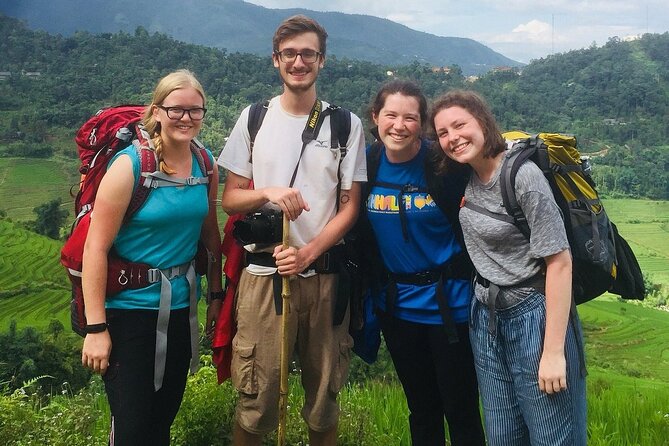
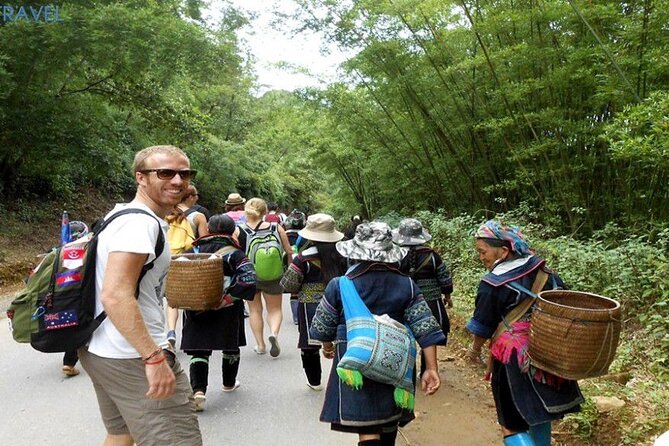
Sapa is not just a mountain resort. The area is home to H’Mong, Dzay, Tay, and Dao communities, and this tour connects several villages where those cultures are part of daily life. You will see traditional clothing, farm terraces, village homes, bridges, streams, and forest paths, with a local guide explaining what you are seeing.
The route also gives you a useful mix of walking and comfort. Day 1 begins with a shorter village trek after the long ride from Hanoi. Day 2 is the main physical challenge, with about 12 kilometers of walking. Day 3 is shorter, but it still includes bamboo forest paths and views over Giang Ta Chai.
At $125 per person, the value depends on how much you want arranged for you. The price includes transport from Hanoi, local transfers, accommodation, entrance fees, a guide, and seven included meals. If you tried to organize the same pieces separately, you would need to coordinate the overnight bus, Sapa transfers, village walks, lodging, and meals yourself.
You are paying for convenience, not luxury. The facilities are basic, and the schedule is tight. That is a fair trade for a short trip from Hanoi, but you should not expect a polished resort holiday.
A few more treks around Hanoi worth a look
- Hanoi – Sapa 2 Days 1 Night Overnight At Homestay
★ 5.0 · 899 reviews - Sapa 3 Days 2 Nights Trekking Tour (1 Night In Ta Van Village, 1 Night In Hotel)
★ 5.0 · 699 reviews - Hanoi – Sapa 3 Day 2 Night Trekking With Hotel & Homestay
★ 5.0 · 389 reviews
Day 1: Hanoi to Sapa and the Black Hmong village of Cat Cat
Your pickup starts at 6:30 in Hanoi’s Old Quarter. The bus follows the highway toward Lao Cai, with the first comfort stop around 9:30. The full drive to Sapa takes roughly six hours, so most of this day is transport.
That long ride is worth considering before you book. You get a comfortable air-conditioned bus with a couple of breaks, but the route still uses most of the morning. If you have only a few days in northern Vietnam, this bus is a practical way to reach Sapa. If you dislike long road journeys, the first day may feel slow.
You arrive in Sapa around 1:00 in the afternoon. The plan includes a short wait at the bus station while the local guide and driver collect you, followed by a welcome drink, a briefing, and lunch with local Vietnamese dishes. The arrival process may not feel perfectly smooth, so keep your phone available and listen carefully for the guide.
After lunch, you walk to Cat Cat Village. The trek covers about 3.5 kilometers and takes around two hours. Cat Cat is associated with the Black H’mong people and sits near the foot of Fansipan, Vietnam’s highest mountain.
The path drops toward the valley floor, where you see a waterfall and the remains of a hydraulic power station built by the French. A bridge near the water gives you a natural photo stop. The walk then climbs back toward the road, where the bus takes you to Sapa.
This is a good first walk because it introduces the area without demanding the full distance of Day 2. Still, the route is not flat. The descent and return climb, combined with wet or uneven sections, can make the two hours feel more serious than the distance suggests. Wear shoes with a firm sole and bring water.
You return to Sapa around 5:00 in the afternoon for dinner and the night in a hotel. This first night is useful after the bus ride and the initial trek. It also means you do not have to reach a rural homestay immediately after arriving from Hanoi.
Day 2: Muong Hoa Valley, Lao Chai, and Ta Van
Day 2 is the heart of the trip. Breakfast is served at the Sapa hotel between 7:00 and 8:30, followed by check-out. The walk starts around 8:30 or 8:45 and follows rice terraces and the Muong Hoa Stream toward Lao Chai.
The area around Y Linh Ho and Lao Chai is where the tour shifts from a short introduction to a proper mountain walk. You will see terraces cut into the hillsides and broad views toward the Hoang Lien Son range. The stream and valley help give the route a natural rhythm, although the distance and changing ground require a reasonable level of fitness.
The full trek is about 12 kilometers and lasts roughly four hours before the later arrival in Ta Van. Lunch is served with a local family, with Vietnamese dishes prepared for the group. This is one of the more useful parts of the day because the meal breaks up the walk and gives you time to experience food in a family setting rather than only in town restaurants.
By late afternoon, you approach Ta Van, where the Dzay community lives. You check into a bungalow or homestay and meet the family. The accommodation is described as a private room at the Sapa hotel and a bungalow in the rural homestay, but the rural facilities are basic. Pack for simplicity, not hotel service.
The evening is intentionally quiet. You can watch the sunset over the mountains, help prepare local dishes, and eat dinner with the family. There is also a nearby bar where you may listen to music and socialize with other people on the tour.
That mix makes Ta Van a useful overnight stop. You get more time in the village than a quick photo visit allows, and you can see how the rural setting changes after the walking groups have moved on. The trade-off is that communication about the next morning may not always be perfectly clear. Confirm the meeting time, where your luggage is stored, and what you need to carry before leaving Sapa Town.
The food is one of the strongest parts of this stay. Two dinners are included across the trip, and the Ta Van meal is the one most likely to feel personal because it is prepared in a family setting. Drinks are not included, so carry some cash for beverages and personal purchases.
Day 3: Bamboo forest paths and Giang Ta Chai
The final morning begins with an optional cooking lesson at 7:00. You may learn to prepare Vietnamese dishes such as pho and fresh spring rolls before breakfast. This activity adds a hands-on touch to the homestay, but it is not the main reason to choose the tour. The walking remains the main event.
Breakfast is prepared by the family, and the trek begins around 8:45. The route crosses rice paddies, enters bamboo forest, and reaches a viewpoint over Giang Ta Chai Village. The village is connected with the Red Dao people, giving you another cultural setting after the Black H’mong and Dzay communities visited earlier.
This walk covers about three kilometers and takes around three and a half hours. The distance is shorter than Day 2, but the time includes the forest paths, photo stops, and the route toward Giang Ta Chai Bridge. The views across the paddies and surrounding hills are a strong finish to the rural section.
At about 11:00, you continue to the bridge and main road, then stop for lunch between noon and 12:30. The meal is included. Around 1:00 or 1:30, a bus returns you to Sapa Town.
You then have some time to rest before the Hanoi bus. The accommodation includes access to a public bathroom at the hotel for a shower if you want one, which is especially helpful after two days of walking and before the long ride south.
The return bus leaves around 2:30 or 3:00 and includes two comfort breaks. Arrival in Hanoi is scheduled for about 9:00 at 70 Nguyen Huu Huan Street in the Old Quarter. Staff can help you collect luggage and call a taxi or point you toward your hotel.
This final transfer makes the tour easy to fit into a Hanoi-based trip, but it also makes Day 3 a long day. You should not schedule an important flight or other fixed appointment that night.
Same trailhead, a different route:
- From Hanoi: 2-Day Sapa Trekking Trip with Homestay & Meals
★ 4.8 · 704 reviews - 3-Day Trekking Adventure of Sapa from Hanoi – Stay Ta Van Village
★ 5.0 · 611 reviews - 2-Day Sa Pa Ethnic Homestay Tour & Trek with Limousine Bus
★ 4.8 · 440 reviews - From Hanoi: 2-Day Sapa Trek Tour – Luxury Limousine Transfer
★ 4.1 · 249 reviews
What the $125 price really covers

The strongest value comes from the number of practical costs already included:
- Air-conditioned bus from Hanoi to Sapa and back
- Local bus transfers around Sapa
- An English-speaking local guide
- One hotel night in Sapa Town
- One rural bungalow or homestay night in Ta Van
- Two breakfasts, three lunches, and two dinners
- Village entrance fees and listed sightseeing
- Treks to Cat Cat, Y Linh Ho, Lao Chai, Ta Van, and Giang Ta Chai
You still pay for drinks, tips, travel insurance, taxes, personal spending, and any holiday surcharge. The basic facilities also mean you should budget for a simple rural stay rather than a full-service hotel.
For a first visit to Sapa, I think the price is reasonable. The tour removes the hardest planning work and gives you a guide for routes that would be less easy to follow alone. The value drops if you already have transport and accommodation arranged, or if you want a slower schedule with more time in each village.
Guides, group size, and communication

The tour uses an English-speaking local guide in Sapa, and guide assignments can change during the three days. Chiu and Lala have both guided this route and were described as helpful and kind. You may have more than one guide, particularly when the group changes between the city section and the rural trek.
The maximum group size is nine. That is small enough for a more personal walk and should help when moving along narrow village paths. It also makes it easier to ask questions about village life, food, and the different ethnic communities.
Communication needs a little attention. One previous guest was unsure about the next day’s plan and did not realize a separate light bag was needed for the homestay. I would ask the guide directly on Day 1: What time do we meet, what luggage stays in Hanoi, what comes to Ta Van, and where do we eat next?
That is not a reason to reject the tour. It is a reason to take responsibility for the details. Mountain trips often involve several drivers, guides, and lodging stops, so a quick confirmation can prevent a frustrating morning.
What to pack for the three days
You need to pack for walking, not just sightseeing in Sapa Town. A small bag is best for the rural night, especially if large luggage can remain in Hanoi.
Bring:
- Shoes with good grip
- Light clothing that can handle walking
- A waterproof layer
- A small overnight bag
- Water and personal snacks if needed
- Cash for drinks, tips, and personal expenses
- A phone or camera with enough battery for the walking days
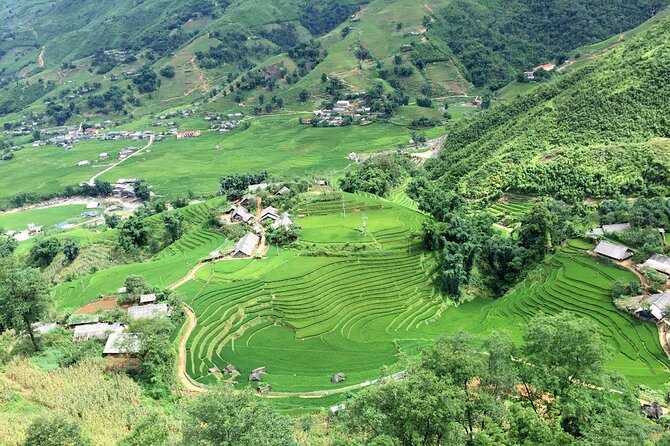
The route includes streams, terraces, a waterfall, forest paths, and bridges. Conditions can vary, so practical footwear matters more than fashionable clothing. You should also be ready for basic facilities at the bungalow or homestay.
Who should book this Sapa tour?
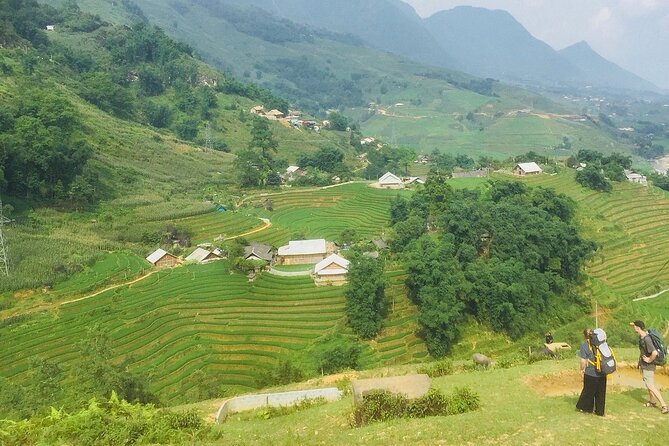
This tour suits you if you want to see several villages in a short trip, prefer a guide, and want Hanoi transport handled for you. It is especially useful for first-time visitors who want a mix of cultural stops, mountain walking, family meals, and a rural overnight stay.
It also suits people who like a full schedule. You will see a lot in three days, but you will not have long stretches of free time. The 12-kilometer Day 2 trek is the key test, and the six-hour bus rides make the trip more demanding than the $125 price might suggest.
I would look elsewhere if you want luxury accommodation, a private guide, or a slow walking holiday. I would also avoid booking it immediately before a flight because the return to Hanoi is scheduled for around 9:00 in the evening.
The cancellation terms are worth noting before you pay. A full refund is available when you cancel at least six full days before the start time. Cancellations two to six days ahead receive a 50 percent refund, while cancellations less than two full days before the start time are not refunded.
Should you book it?
Book this tour if you want maximum Sapa coverage with minimum planning. Cat Cat gives you a short first walk, Day 2 brings the strongest valley and terrace scenery, and Ta Van adds the personal touch of a family stay. Giang Ta Chai then gives you a final forest and village walk before the long ride home.
Skip it if basic lodging, a demanding walking schedule, or long bus transfers will bother you. For the right person, this is a practical and well-priced introduction to Sapa, with the best parts coming from the village walks, the home-cooked meals, and the time spent outside town.
FAQ
How long does the tour last?
The tour lasts three days and includes two nights, one night in a Sapa Town hotel and one night in a bungalow or homestay in Ta Van.
Where does pickup take place?
Pickup takes place in Hanoi’s Old Quarter at about 6:30 in the morning. The return bus stops at 70 Nguyen Huu Huan Street in the Old Quarter.
How long is the bus ride from Hanoi to Sapa?
The bus ride takes about six hours each way, with comfort breaks along the route.
What villages are included?
The walking route includes Cat Cat, Y Linh Ho, Lao Chai, Ta Van, and Giang Ta Chai.
How far do you walk on Day 2?
The Day 2 trek covers about 12 kilometers and takes roughly four hours before the later approach to Ta Van.
Are meals included?
Yes. The tour includes two breakfasts, three lunches, and two dinners. Beverages are not included.
How many people can join the tour?
The maximum group size is nine people.
What is the cancellation policy?
You can receive a full refund by canceling at least six full days before the start time. Canceling two to six full days ahead gives a 50 percent refund. Cancellations less than two full days before the start time are not refunded.
Just added around Hanoi
- 8-Days Hanoi, Sapa Trekking And Halong Bay Cruise★ 5.0 · 8 reviews
- From Hanoi : Sapa Moutain Trek – Halong bay Heritage★ 4.5 · 25 reviews
- Trekking around Ha Giang 5 days 4 nights★ 3.0 · 2 reviews
- Mai Chau – Pu Luong trekking 3 days 2 nights★ 4.5 · 7 reviews
- Trekking In Ha Giang 5 Days★ 5.0 · 4 reviews
- Hanoi: 3D2N Mu Cang Chai Visit All Attractions, Trek, Ethnic Life★ 5.0 · 3 reviews
- 2-Day Trekking in Sa Pa from Ha Noi by sleeping bus★ 5.0 · 4 reviews
- 2-Day SAPA Trekking – Villages-Homestay-Ethnic-Local Food-Market★ 5.0 · 2 reviews
Evening Experiences, compared.
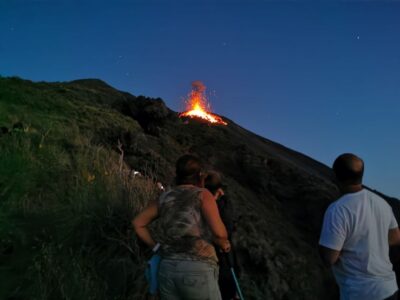
Stromboli: Sunset Trekking at Sciara del Fuoco
Read our review →
Etna Sunset Tour: Volcano trek, Cave & tasting from Catania
Read our review →
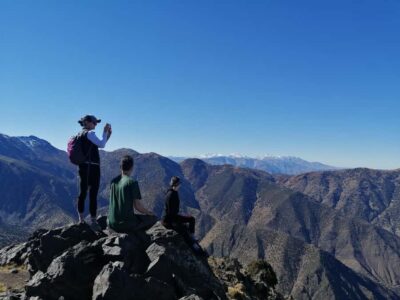
2-Day Mt. Toubkal Trek with 1-Night Stay & Meals
Read our review →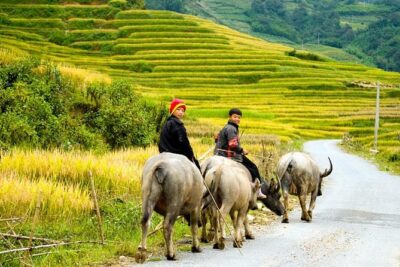
Sapa 3 Days 2 Nights Trekking Tour (1 Night In Ta Van Village, 1 Night In Hotel)
Read our review →
Sapa 3 Day 2 Night Trekking With Hotel & Homestay
Read our review →

Browse the lists this trek appears in