

Review · HANOI
Hanoi-Sapa Trek 2 days 2 nights and Homestay with small group
The best part of this Hanoi to Sapa trip is the chance to walk between northern Vietnam’s rice terraces and villages instead of seeing Sapa only from a vehicle. You’ll visit Cat Cat, Lao Chai, Ta Van, Giang Ta Chai, and Su Pan, with an overnight stay in Ta Van Village.
I like the small group limit of nine, which makes muddy paths and village walks easier to manage. I also like the homestay and included meals, since they put local life at the center rather than treating Sapa as a quick photo stop.
The main thing to check before paying is the transport plan. Some details describe an overnight train, while the included section specifies a round-trip luxury limousine from Hanoi to Sapa. Ask the operator which arrangement applies to your departure date.
Key points at a glance
- Five northern villages in one trek: The route includes Cat Cat, Lao Chai, Ta Van, Giang Ta Chai, and Su Pan.
- A real homestay night: You sleep in Ta Van Village, with simpler facilities than a Sapa hotel.
- Small group attention: The maximum group size is nine people.
- Guides with local knowledge: Guides named Zua and Khu have led treks on this route.
- Meals are covered: The package includes two breakfasts, two lunches, and one dinner.
- Prepare for wet, uneven paths: Trekking shoes, warm layers, sun protection, and cash are important.
Why this Sapa trek is worth your time
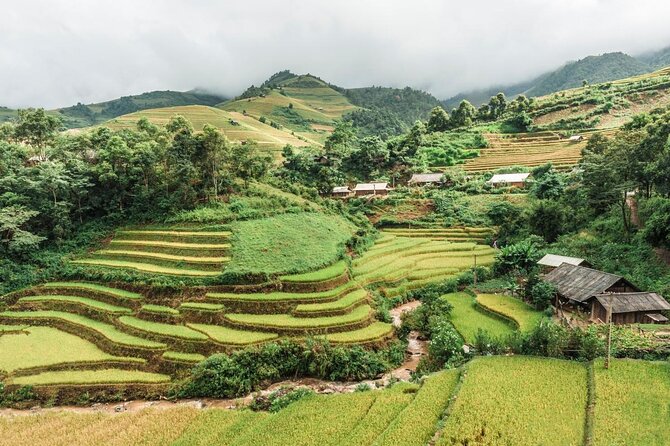
Sapa is easy to visit badly. You can arrive, take a few pictures near town, buy a scarf, and leave without seeing much of the countryside that makes the region special. This trip is built around walking, so you get a closer look at terraced fields, village paths, and the daily setting of northern ethnic communities.
The route is also useful for a first visit because the guide handles the basic logistics. You do not need to arrange transport from Hanoi, find the village trails yourself, or work out where to sleep. At $139 per person, the price covers transport, a guide, accommodation, sightseeing fees, and five meals, which gives the package solid value if you want a tightly organized introduction to Sapa.
Still, this is not a polished hotel holiday. The homestay has more basic facilities than a Sapa hotel, and the trek can become muddy and tiring. I would choose it for access to the countryside and local contact, not for comfort.
More Homestay Treks in Hanoi
- Hanoi – Sapa 2 Days 1 Night Overnight At Homestay
★ 5.0 · 899 reviews - From Hanoi: 2-Day Sapa Trekking Trip with Homestay & Meals
★ 4.8 · 704 reviews - 2-Day Sa Pa Ethnic Homestay Tour & Trek with Limousine Bus
★ 4.8 · 440 reviews
Leaving Hanoi for the mountains
The meeting point is in Hoan Kiem, Hanoi, and the activity returns to the same general meeting point. Hotel drop-off is not included. The final drop-off is at 160 Tran Quang Khai Street in the Old Quarter, so you will need to walk or take a taxi to your hotel.
The transport details need a careful check. The current inclusions specify a round-trip luxury limousine between Hanoi and Sapa, while the tour description also refers to an overnight train. These are very different experiences. A limousine is usually more direct and simple, while a night train gives you a travel-and-sleep combination but requires station transfers and a different schedule.
The safest move is to confirm the exact vehicle, departure time, and return plan before booking. An agency staff member may help escort you to the station if a train is used, but that should not be assumed for every departure.
The journey is part of the cost, but it also shapes the trip. With the limousine option, you have a long road transfer before the walking begins. With the train option, you trade road time for a night journey. Either way, pack a small day bag with the items you need during the transfer, rather than putting everything in a larger suitcase.
Cat Cat Village and the first taste of Sapa
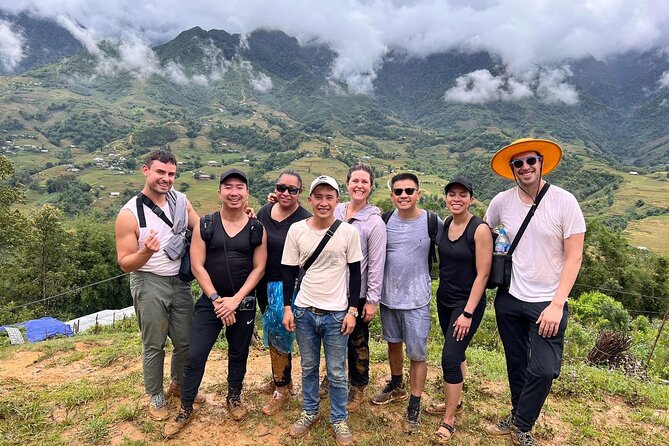
Cat Cat is one of the best-known stops near Sapa. It gives you an early look at village life and the mountain scenery around the town. Because it is popular, it may feel more developed and busier than the later villages on the route.
That contrast is useful. Cat Cat helps you get your bearings, but the quieter walking sections usually provide a stronger sense of the countryside. Do not judge the entire experience by this first stop. The main reward comes as the route moves farther into the valleys and rice-growing areas.
The first day can involve substantial walking. One route described in the trip details covers roughly 10 kilometers while visiting three villages. Mud, stone, slopes, and uneven ground can make that distance feel longer, especially after a poor night’s sleep or wet weather.
A pair of proper trekking shoes matters here. Trainers with smooth soles are a weak choice when the path is slick. Local Hmong women may walk alongside you on difficult sections and offer help over rough ground, but you should still bring your own sensible footwear and take care on descents.
Lao Chai and the rice terraces
Lao Chai is one of the major village stops and one of the places where the rice terraces become the focus. The route gives you changing views over fields and mountain valleys, rather than a single lookout reached by car.
The scenery is strongly seasonal. The supplied advice notes that Sapa weather is unpredictable and that September through March can be cold. December, January, February, and March can also bring fog because of the area’s altitude. Fog may hide distant views, but it is part of the mountain climate, not a sign that the trip has gone wrong.
Bring layers instead of relying on one heavy coat. A scarf, hat, or cap can make a real difference, especially during early starts. You should also pack sunscreen, sunglasses, and insect repellent. The sun can still be strong when the air feels cool.
Same trailhead, a different route:
- Sapa 3 Days 2 Nights Trekking Tour (1 Night In Ta Van Village, 1 Night In Hotel)
★ 5.0 · 699 reviews - 3-Day Trekking Adventure of Sapa from Hanoi – Stay Ta Van Village
★ 5.0 · 611 reviews - Hanoi – Sapa 3 Day 2 Night Trekking With Hotel & Homestay
★ 5.0 · 389 reviews - From Hanoi: 2-Day Sapa Trek Tour – Luxury Limousine Transfer
★ 4.1 · 249 reviews
Ta Van Village and the homestay night
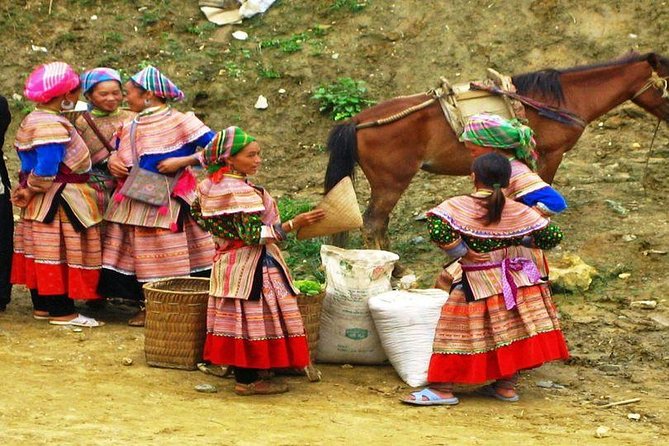
Ta Van is the key overnight stop. Rather than returning to a hotel in Sapa, you sleep in the village and have dinner there. This arrangement gives you more time in the countryside and removes the need to rush back to town after the afternoon walk.
The homestay is also the clearest reason to choose this tour over a standard Sapa package. You get a closer look at village life and wake up in the area where you are walking, rather than spending the night in a busier town center.
Set your expectations correctly. The facilities are not described as equivalent to a Sapa hotel, and a homestay can be simple. If you need polished rooms, hotel-style services, or a predictable level of comfort, this may not suit you. One account of a similar Sapa trip preferred a hotel instead, which points to an important choice: local contact and simplicity here, or greater comfort in town.
Dinner is included, along with two breakfasts and two lunches across the full program. Drinks and personal expenses are not covered, so carry some Vietnamese dong. The banking system in Sapa may not always work well, and US dollars, euros, and Australian dollars are also accepted in Sapa according to the tour information. Local currency is still the most practical option for small purchases.
Giang Ta Chai and Su Pan on the second day
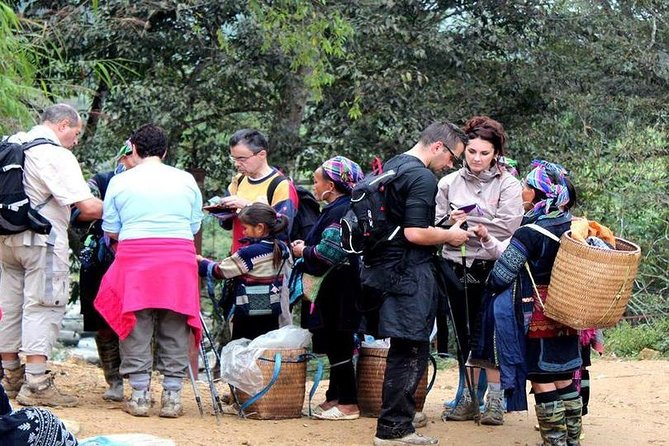
Giang Ta Chai and Su Pan add more village walking to the route. These stops help show the variety of ethnic communities in the region and keep the focus on places beyond Sapa town.
The exact order and timing may vary, but you should expect another active day rather than a relaxed sightseeing circuit. The appeal is the steady movement through fields and villages. The drawback is that tired legs, rain, or fog can affect how much you enjoy the second day.
This is where a small group helps. A maximum of nine people gives the guide a better chance to keep the pace manageable and respond to individual needs. It also avoids the feel of a large procession on narrow paths.
The trip information names guides Zua and Khu as examples of local English-speaking guides who have led this style of trek. Zua has guided a two-day walk through three villages, while Khu has been praised for explaining northern Vietnamese culture during a trek through rice fields. Guide assignments can change, so treat those names as useful possibilities, not a guarantee.
What the $139 price really covers
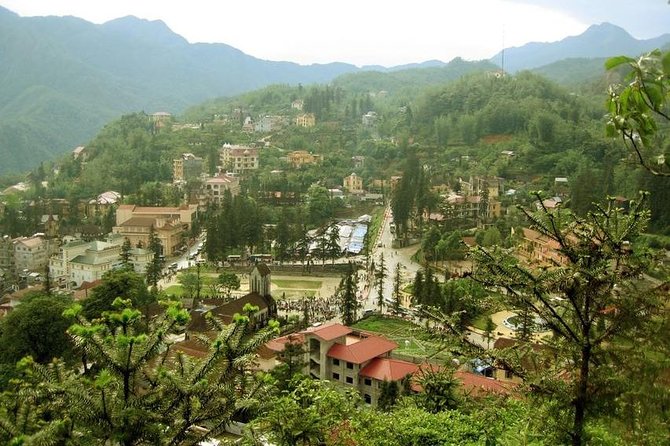
The $139 price is fair if you want transport and planning handled in one booking. You receive round-trip transport as specified, one homestay night, an English-speaking local guide, sightseeing fees, service charges, two breakfasts, two lunches, and one dinner.
The value is strongest for a first-time visitor who does not want to coordinate Hanoi transport, Sapa walks, meals, and village accommodation separately. The small group also adds practical value. You are not paying only for a bed and a vehicle, but for a guide who connects the stops and keeps the schedule moving.
The price is less attractive if you mainly want a comfortable Sapa break. Drinks, personal expenses, and hotel drop-off cost extra or require your own arrangements. You may also prefer to book a hotel upgrade separately if a basic homestay is not your style, though that would change the nature of the trip.
Be clear about what two days and two nights means here. The walking program is described as two days, but the wider journey includes overnight travel and one night in Ta Van. Confirm the full timetable so you know how many nights are spent in transit and how much time is available for trekking.
What to pack for mud, fog, and cold mornings
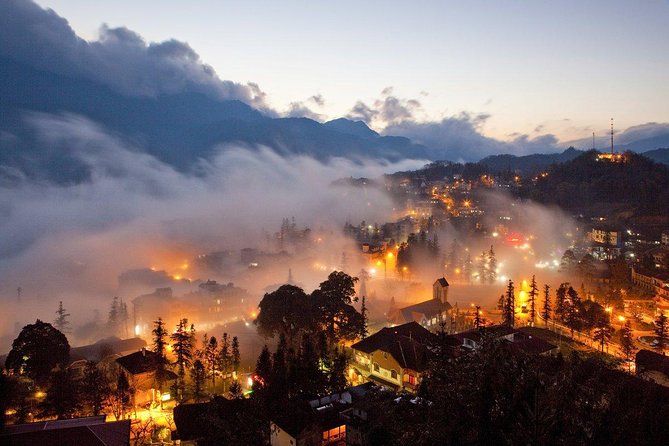
Pack light, but pack for changing conditions. You will want trekking shoes with good grip, warm layers, a rain-ready outer layer, sun cream, sunglasses, a hat, and insect repellent.
A small backpack is more useful than a large case during the walking portion. Keep your phone, wallet, water, medicine, and a spare layer close at hand. The operator specifically advises bringing any medicine you may need, even though chemist shops are available in Sapa.
Carry Vietnamese dong for drinks and personal purchases. Do not depend entirely on cards, since the banking system in Sapa can sometimes fail. If you carry foreign currency, US dollars, euros, and Australian dollars are listed as accepted, but exchange rates and convenience may vary.
Your clothing should match the season. September through March is generally treated as a cold period for this trip, and winter months can bring fog. Even in warmer months, the weather can change quickly in the mountains.
Who will enjoy this trip most

I would recommend this tour to you if you want an active introduction to Sapa without building the route yourself. It suits first-time visitors who value village walks, local guidance, and a homestay more than a long list of hotel comforts.
It is also a good fit if you enjoy meeting a small mix of people. A group capped at nine is large enough to feel social but small enough for questions and practical help. Most people can participate, but you should be comfortable walking several hours on uneven ground.
You may want another option if you have limited mobility, dislike mud, or need hotel-standard accommodation. The route includes rough terrain, and the homestay is specifically described as simpler than a hotel in Sapa.
This is not a trip I would choose for a completely unplanned adventure. The guide and transport remove much of the hassle, but the schedule still has a fixed structure. If you want to linger in one village, change the walking distance, or choose your own hotel, an independent stay may give you more control.
Booking advice and cancellation terms
Confirmation is provided when you book, and cancellation is free if you cancel at least 24 hours before the start time. A cancellation within 24 hours is not refundable, and changes made in that final 24-hour period are not accepted.
Before booking, I would ask three direct questions: Is this departure by limousine or overnight train? What time does the walking begin after arrival in Sapa? Is the Ta Van accommodation shared or private?
Those questions matter more than small differences in the advertised schedule. They tell you how much sleep you can expect, how much walking fits into each day, and whether the homestay arrangement matches your comfort level.
Should you book the Hanoi to Sapa homestay trek?
Book it if you want Sapa’s villages and rice terraces to be the main event. The combination of five village areas, a local English-speaking guide, a nine-person maximum, included meals, and a night in Ta Van gives you a practical route into northern Vietnam.
I especially like it for someone visiting Sapa for the first time who wants help with transport and does not mind basic accommodation. The strongest parts are the walking, the smaller group, and the chance to stay in the countryside.
Skip it if your priority is a luxury hotel, easy paths, or complete control over your schedule. Also confirm the train and limousine details before paying, since the transport information is not fully consistent.
FAQ
Where does the tour start?
The meeting point is in Hoan Kiem, Hanoi, Vietnam.
Where does the tour finish?
The activity returns to the meeting point area. Hotel drop-off is not included, and the final stop is at 160 Tran Quang Khai Street in Hanoi’s Old Quarter.
How large is the group?
The tour has a maximum of nine participants.
How many nights does the trip include?
The program includes one night at a homestay in Ta Van Village. The wider trip description also refers to overnight travel, so confirm whether your departure uses a night train or another transport plan.
Which villages are visited?
The route includes Cat Cat, Lao Chai, Ta Van, Giang Ta Chai, and Su Pan.
Is accommodation included?
Yes. One night at a homestay in Ta Van Village is included.
Which meals are included?
The package includes two breakfasts, two lunches, and one dinner.
Is hotel drop-off included?
No. You arrange your own walk or taxi from the final stop at 160 Tran Quang Khai Street.
What should I bring?
Bring warm clothes, a scarf, hat or cap, trekking shoes, sunglasses, sun cream, insect repellent, medicine, and cash in Vietnamese dong. Sapa weather can be unpredictable, and fog is possible from December through March.
More 2-Day Experiences in Hanoi
- Hanoi – Sapa 2 Days 1 Night Overnight At Local Homestay
★ 5.0 · 233 reviews - 2-Day Trekking Adventure of Sapa from Hanoi with Night Bus
★ 5.0 · 134 reviews - Sapa Trekking Tour 2 Days 1 Night By Bus
★ 5.0 · 86 reviews - 2 days AMAZING trekking Sapa from Hanoi with various options
★ 4.5 · 53 reviews
Just added around Hanoi
- 8-Days Hanoi, Sapa Trekking And Halong Bay Cruise★ 5.0 · 8 reviews
- From Hanoi : Sapa Moutain Trek – Halong bay Heritage★ 4.5 · 25 reviews
- Trekking around Ha Giang 5 days 4 nights★ 3.0 · 2 reviews
- Mai Chau – Pu Luong trekking 3 days 2 nights★ 4.5 · 7 reviews
- Trekking In Ha Giang 5 Days★ 5.0 · 4 reviews
- Hanoi: 3D2N Mu Cang Chai Visit All Attractions, Trek, Ethnic Life★ 5.0 · 3 reviews
- 2-Day Trekking in Sa Pa from Ha Noi by sleeping bus★ 5.0 · 4 reviews
- 2-Day SAPA Trekking – Villages-Homestay-Ethnic-Local Food-Market★ 5.0 · 2 reviews
Homestay & Village Treks, compared.

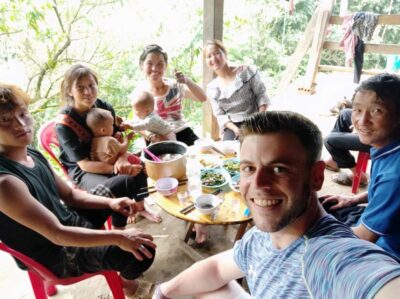
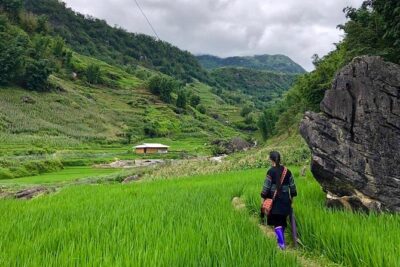
Number one top rated ethical cultural trekking and homestay by ETHOS
Read our review →
2-Day Sa Pa Ethnic Homestay Tour & Trek with Limousine Bus
Read our review →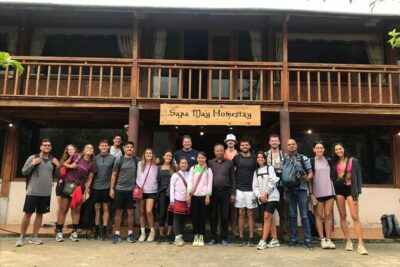
Sapa 3 Day 2 Night Trekking With Hotel & Homestay
Read our review →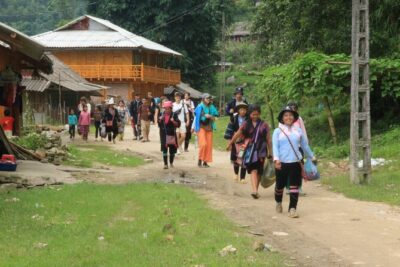
Sapa 2 Days 1 Night Overnight At Local Homestay
Read our review →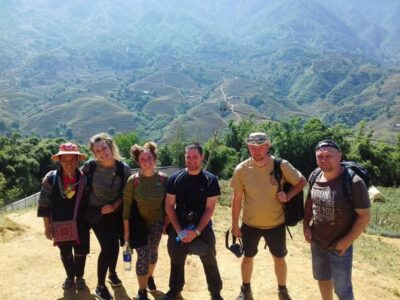
2-Day Trekking Trip with Ethnic Minority Homestay
Read our review →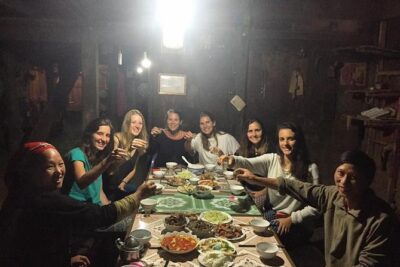
2-Day Trek & Heartwarming Homestay with an Ethnic Family
Read our review →Browse the lists this trek appears in