

Review · HANOI
Hanoi-Sapa Trek 2 days 2 nights in Hotel with small group
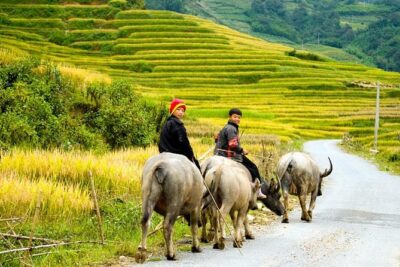
Sapa’s real appeal begins beyond the town center, where rice terraces and hill-tribe villages replace souvenir shops and busy streets. This two-day route takes you to Cat Cat, Y Linh Ho, Lao Chai, and Ta Van, giving you more cultural range than a quick day trip.
I like the small group of no more than 10 people, which should make the long trek easier to manage. I also like the practical setup: overnight train travel, a three-star mountain-view hotel, meals, local guide, sightseeing fees, and a return bus are included. The tradeoff is a tiring schedule, with a night train, a 9-kilometer trek, and a late return to Hanoi.
Key points
- Overnight train from Hanoi: Reach Lao Cai early, then continue to Sapa without losing half a daylight day to road travel.
- Four village areas: Cat Cat, Y Linh Ho, Lao Chai, and Ta Van offer different views of life among the Black H’mong, Red Zao, and Dzay communities.
- 9-kilometer trek: This is a proper walk, not simply a village sightseeing outing, so sturdy shoes and reasonable fitness matter.
- Small-group format: With a maximum of 10 people, the guide can give more attention than on a large coach tour.
- Hotel and meals included: You receive a deluxe mountain-view room in a three-star hotel, two breakfasts, two lunches, and one dinner.
- Simple return arrangement: The bus reaches Hanoi around 9:30pm, but hotel drop-off is not included.
Why this Sapa trip offers more than a day visit
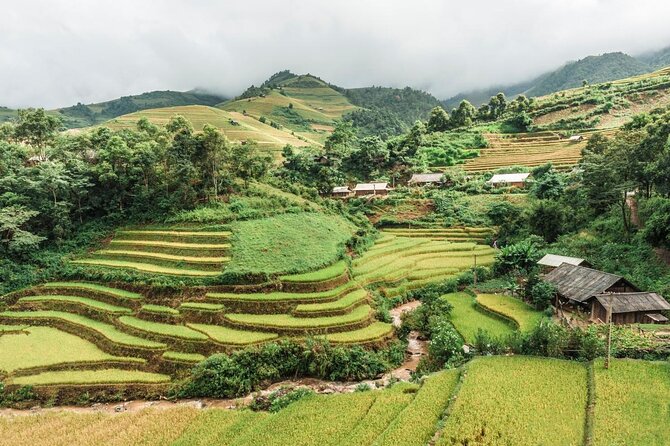
Many Sapa outings give you a short walk through one nearby village before sending you back to town. This route gives you a broader look at northern Vietnam’s highland communities, with time in four village areas and a full trekking day.
You’ll see places connected with the Black H’mong, Red Zao, and Dzay peoples. That matters because Sapa is not one single cultural experience. Each community has its own customs, clothing traditions, homes, and way of life, and moving between several villages gives you a better sense of that variety.
The itinerary is built for people who want the main practical details handled. Transport, accommodation, meals, entry fees, and a local English-speaking guide are included. You still need to manage your own drinks, personal spending, and final walk or taxi ride to your hotel in Hanoi.
At $128 per person, I see this as a reasonable package price if you value convenience. You are paying for the overnight train connection, hotel, several meals, a guide, local transport, sightseeing fees, and the long ride back to Hanoi. A self-arranged trip might cost less in some cases, but it would require more coordination and would not necessarily give you the same village coverage.
A few more treks around Hanoi worth a look
- Hanoi – Sapa 2 Days 1 Night Overnight At Homestay
★ 5.0 · 899 reviews - From Hanoi: 2-Day Sapa Trekking Trip with Homestay & Meals
★ 4.8 · 704 reviews - 2-Day Sa Pa Ethnic Homestay Tour & Trek with Limousine Bus
★ 4.8 · 440 reviews
The overnight train leaves Hanoi at 8:15pm

The trip begins with pickup from your hotel in Hanoi’s Old Quarter area at about 8:15pm. The stated start time is also shown as 10:00pm, so you should confirm the exact pickup time before departure. The practical point is to be ready in the evening and allow time to reach the train.
The overnight train takes you to Lao Cai, the rail gateway for Sapa. You arrive at about 6:00am, where a local guide meets you and transfers you to the hotel for breakfast.
This arrangement saves your first daylight hours. Instead of spending the morning on a long road transfer from Hanoi, you arrive in the region early enough to eat and begin sightseeing at 9:30am.
It is not the most restful way to start a holiday. An overnight train can leave you short on sleep, and the next day includes walking. I would pack light, keep warm clothes close at hand, and avoid putting trekking shoes deep inside your luggage.
Cat Cat gives you an easy first look at Sapa
After breakfast, the first visit is Cat Cat village, about three kilometers from Sapa Town. Its location makes it a relatively accessible introduction to the area, especially after the night journey.
Cat Cat is known for the customs and daily life of ethnic communities in the Sapa region. You can expect a village visit that combines cultural interest with mountain scenery, rather than a long trek immediately after breakfast.
The short description gives a 12-minute admission entry, but that appears to refer to the listed stop timing rather than the total time spent exploring. The full day schedule allows the guide to show you the area, so you should not treat the 12-minute figure as a complete visit.
Cat Cat can feel more visitor-focused than remote villages because it is close to Sapa and easy to reach. That is the main limitation of beginning here. Still, it works well as a gentle introduction before the longer walk on the second day.
The 9-kilometer trek links Y Linh Ho, Lao Chai, and Ta Van
The main walking day begins after breakfast at 7:00am. At 9:00am, you leave the hotel for the route through Y Linh Ho, Lao Chai, and Ta Van.
This is the part of the trip that gives it more value than a basic Sapa city tour. You are not simply driven to a viewpoint and returned to town. You walk between village areas and see the countryside at a slower pace, with the guide explaining the communities and their traditions along the way.
The total trek is about 9 kilometers. That is manageable for many people, but it is not suitable for everyone. The tour specifically advises older people and children not to join the long trek. If you have trouble with extended walking, uneven paths, or changing weather, you should choose a shorter Sapa outing instead.
The route passes through Y Linh Ho and Lao Chai before reaching Ta Van. The attraction is the movement between places: you get a sense of how the villages relate to the hills and valleys around them, rather than visiting one isolated site.
The schedule allows lunch at about 1:00pm. Since meals are included, you do not need to plan a restaurant stop during the trek, although drinks and personal purchases are your responsibility.
Same trailhead, a different route:
- Sapa 3 Days 2 Nights Trekking Tour (1 Night In Ta Van Village, 1 Night In Hotel)
★ 5.0 · 699 reviews - 3-Day Trekking Adventure of Sapa from Hanoi – Stay Ta Van Village
★ 5.0 · 611 reviews - Hanoi – Sapa 3 Day 2 Night Trekking With Hotel & Homestay
★ 5.0 · 389 reviews - From Hanoi: 2-Day Sapa Trek Tour – Luxury Limousine Transfer
★ 4.1 · 249 reviews
Ta Van shows a quieter side of the region

Ta Van is described as being away from Sapa’s busy streets, with more than 110 households living in the village. It is associated with the Dzay community and offers a chance to see a different cultural setting from the H’mong areas visited elsewhere on the route.
The village is also connected with homestay stays. The information for this trip says you may stay overnight at a homestay on the first or second night, with the tour leader explaining the arrangement on the bus to Sapa. At the same time, the main package includes a deluxe room with a mountain view at a three-star hotel.
That means you should clarify the sleeping arrangement before you go. A homestay can offer a closer look at village life, but its facilities are not the same as those in the Sapa hotel. If you care strongly about having a private hotel room, ask the operator to confirm exactly where you will sleep.
Ta Van is a good reason to choose this tour over a quick Cat Cat visit. You have more time to see a village away from the town center and to consider how local families live in a less commercial setting.
The guide makes the cultural visits worthwhile

A local English-speaking guide is included, and the small group should make it easier to ask questions during the walk. One guide associated with this experience is Lala, who is described as enthusiastic and generous with information about the villages and ethnic groups.
A good guide matters in Sapa because the scenery is easy to admire but harder to understand without context. You can see clothing, homes, farming areas, and village paths, but the guide helps explain what you are looking at and how the communities differ.
The small-group limit is one of the strongest features here. With no more than 10 people, you are less likely to be separated from the guide or left trying to hear explanations from the back of a large group.
Guide quality can vary by departure, so I would still treat the named guide as a possibility rather than a promise. The important point is that the experience includes a local guide, not just transport and a map.
Hotel comfort versus homestay simplicity
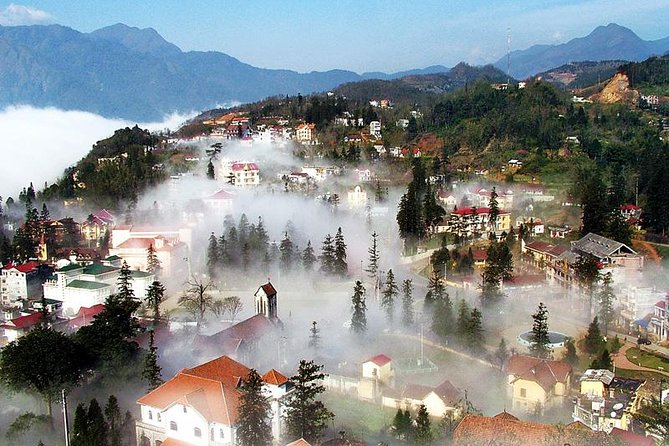
The package includes one night in a deluxe room with a mountain view at a three-star hotel. After the overnight train, having a proper room and breakfast gives you a useful place to rest and get organized.
The hotel is a practical middle ground. You are not paying for a luxury retreat, but you have more comfort than a basic village stay. The mountain view is a pleasant addition, though fog can reduce visibility, particularly from December through March.
The homestay option needs more attention. The operator allows a homestay on the first or second night, and the tour leader explains the choice during the journey to Sapa. Because homestay facilities are more basic than hotel facilities, pack with flexibility in mind.
You receive two breakfasts, two lunches, and one dinner. Drinks are not included. Bring Vietnamese dong for purchases, since the local banking system may not always work smoothly in Sapa. US dollars, euros, and Australian dollars are also accepted in Sapa according to the tour information, but local currency is the safer choice for small expenses.
Weather can change quickly in Sapa
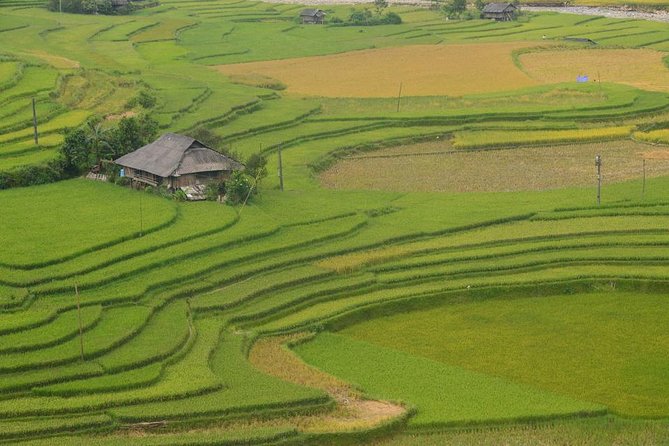
Sapa weather is unpredictable, and the high altitude can bring fog. The cooler months listed are September through March, with December, January, February, and March particularly likely to be foggy.
Pack a warm layer, scarf, hat, or cap even if Hanoi feels mild when you leave. You should also bring trekking shoes, sunglasses, sunscreen, and insect repellent.
Good shoes matter more than stylish clothes on this trip. The route is long enough that wet or poorly supported footwear can make the day unpleasant. Keep medicine with you as well, since there are chemist shops in Sapa but you may prefer to have familiar supplies at hand.
The fog can limit mountain views, but it is not a reason to dismiss the tour. It is simply part of the conditions you need to prepare for. The same route can look very different under clear skies and low cloud.
Returning to Hanoi takes most of the evening

After lunch and the afternoon village visits, you leave Sapa by bus at about 4:00pm. Arrival in Hanoi is expected around 9:30pm.
The final drop-off is at 160 Tran Quang Khai Street in the Old Quarter area, not at your hotel. From there, you can walk or take a taxi, depending on where you are staying and how much luggage you carry.
This is a useful detail to plan before booking a late hotel check-in or an onward connection. The return is not an early evening arrival, and the combination of trekking and a five-and-a-half-hour bus ride can make the final day feel long.
The good news is that the bus removes the need to arrange your own return transport. The less convenient part is the late arrival and lack of hotel drop-off. I would avoid scheduling a flight or important appointment that night.
Who should book this Sapa experience?
I would choose this trip if you want a practical first visit to Sapa and prefer a guide to handle the transport and village connections. It suits people who want more than one cultural stop, but who do not want to plan trains, local transfers, meals, and accommodation separately.
It is also a good fit for solo visitors and couples who like small groups. The 10-person maximum keeps the group manageable and gives you a better chance to speak with the guide.
You should think twice if you want a slow, restful break. The overnight train, early breakfast, morning sightseeing, 9-kilometer trek, and late bus back to Hanoi create a packed schedule.
You should also reconsider if you are traveling with young children or older family members who may struggle with the walk. The tour itself warns that the long trek is not suitable for older people and children.
Cancellation is free if you cancel at least 24 hours before the start time. Changes or cancellations made later are not accepted for a refund.
Should you book this $128 Sapa tour?
Book it if you want broad village coverage in a short trip, a small group, and most major costs bundled into one price. The best parts are the route through Y Linh Ho, Lao Chai, and Ta Van, the inclusion of a local English-speaking guide, and the chance to see more than the usual single-village outing.
Before paying, confirm the exact pickup time, the hotel or homestay arrangement, and the overnight train details. Pack warm layers and proper shoes, expect a demanding schedule, and plan your own ride from the final Hanoi drop-off.
For active visitors who want a simple, well-organized introduction to Sapa, this is a solid-value choice. For anyone seeking easy walking, guaranteed hotel comfort, or an early return to Hanoi, a shorter private tour would be a better match.
FAQ
How long does the Sapa experience last?
The trip takes about two days, with an overnight train from Hanoi before the first sightseeing day and a return bus to Hanoi on the second day.
Where does the tour begin?
Pickup is from your hotel in Hanoi’s Old Quarter area. The listed start time is 10:00pm, while the itinerary gives an 8:15pm pickup time, so confirm the exact time before departure.
How many people can join the group?
The group has a maximum of 10 participants.
Is the overnight train included?
The itinerary begins with an overnight train from Hanoi to Lao Cai. The included services specifically list the Sapa to Hanoi bus, so you should confirm the exact train arrangement with the operator before departure.
How long is the trek?
The long trek is about 9 kilometers and passes through Y Linh Ho, Lao Chai, and Ta Van.
Which villages are visited?
The route includes Cat Cat, Y Linh Ho, Lao Chai, and Ta Van. The experience focuses on the Black H’mong, Red Zao, and Dzay communities.
Is accommodation included?
Yes. The package includes a deluxe room with a mountain view at a three-star hotel. A homestay may also be offered for the first or second night, and its facilities are more basic than a hotel.
What meals are included?
The package includes two breakfasts, two lunches, and one dinner. Drinks and personal expenses are not included.
Is hotel drop-off included in Hanoi?
No. The bus stops at 160 Tran Quang Khai Street in the Old Quarter area. You must walk or take a taxi to your hotel.
What should I bring?
Bring warm clothes, a scarf, hat or cap, trekking shoes, sunglasses, sunscreen, insect repellent, medicine, and cash in Vietnamese dong. Sapa weather can be cold, foggy, and unpredictable.
Just added around Hanoi
- 8-Days Hanoi, Sapa Trekking And Halong Bay Cruise★ 5.0 · 8 reviews
- From Hanoi : Sapa Moutain Trek – Halong bay Heritage★ 4.5 · 25 reviews
- Trekking around Ha Giang 5 days 4 nights★ 3.0 · 2 reviews
- Mai Chau – Pu Luong trekking 3 days 2 nights★ 4.5 · 7 reviews
- Trekking In Ha Giang 5 Days★ 5.0 · 4 reviews
- Hanoi: 3D2N Mu Cang Chai Visit All Attractions, Trek, Ethnic Life★ 5.0 · 3 reviews
- 2-Day Trekking in Sa Pa from Ha Noi by sleeping bus★ 5.0 · 4 reviews
- 2-Day SAPA Trekking – Villages-Homestay-Ethnic-Local Food-Market★ 5.0 · 2 reviews
Hanoi Trekking Tours, compared.

Sapa 3 Days 2 Nights Trekking Tour (1 Night In Ta Van Village, 1 Night In Hotel)
Read our review →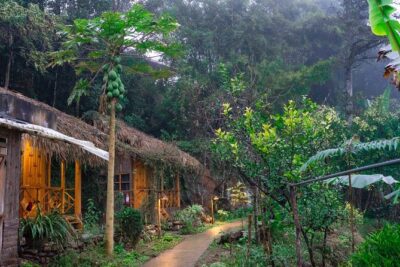
3-Day Trekking Adventure of Sapa from Hanoi – Stay Ta Van Village
Read our review →
2-Day Sa Pa Ethnic Homestay Tour & Trek with Limousine Bus
Read our review →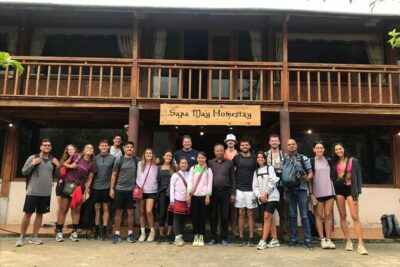
Sapa 3 Day 2 Night Trekking With Hotel & Homestay
Read our review →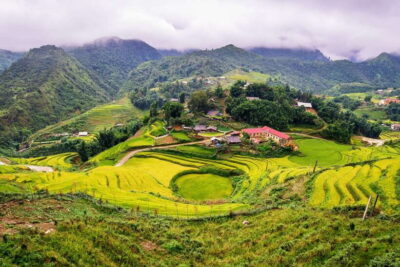
2-Day Sapa Trek Tour – Luxury Limousine Transfer
Read our review →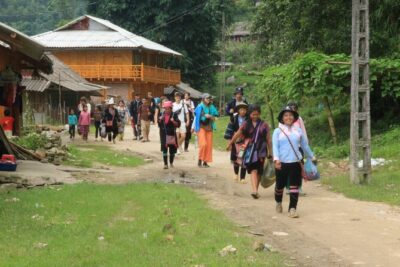
Sapa 2 Days 1 Night Overnight At Local Homestay
Read our review →Browse the lists this trek appears in