
Review · HANOI
3-Day Sapa Trek, visit Fansipan (cable car) from Hanoi with local
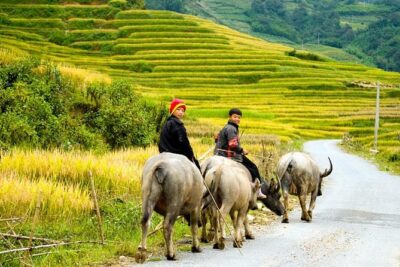
Fansipan is the headline here, but the best part may be the walk between Sapa’s villages. You’ll pass rice terraces, bamboo groves, streams, and Hmong, Dao, and Giay communities before riding a cable car to Vietnam’s highest mountain. The mix of trekking and easy sightseeing gives you two very different ways to see Sapa.
I like the simple logistics: transport from Hanoi, meals, hotel nights, village fees, and the Fansipan cable car are bundled into the $195 price. I also like the local focus, especially the time around Lao Chai and Ta Van, where farming, indigo-dyed cloth, and daily village life matter as much as the views. The main caution is the walking. This is a real hill trek, and the hotel may be basic, so bring sensible shoes and modest expectations.
Key points to know before you book

- Fansipan by cable car: Reach the top area of Vietnam’s highest peak without a full summit hike, then visit mountain temples and the giant Buddha statue.
- Three village walks: Cat Cat, Lao Chai, and Ta Van each offer a different look at Hmong and Giay life, farming, crafts, and rural paths.
- Hanoi transport included: Travel by air-conditioned sleeping bus, with the outbound trip taking about 4.5 to 5 hours.
- Meals are covered: Two breakfasts, two dinners, and three lunches are included, with vegetarian food available if requested.
- Small group size: The maximum is 15 people, a useful size for narrow paths and village visits.
- Walking needs some fitness: The first afternoon includes a 3-kilometer downhill walk and a 4-kilometer climb back to Sapa.
Why this Sapa trip works so well

This is a good choice if you want Sapa’s famous scenery without planning the moving parts yourself. The route starts and ends in Hanoi, and the operator handles the bus, local transport, accommodation, food, entrance fees, and cable car ticket.
That matters because Sapa is not a single attraction. It is a mountain town, a collection of villages, and a broad area of steep valleys and farm paths. Arranging each part separately can take time, especially when you are trying to match village walks with the Fansipan cable car schedule.
The experience also avoids making Fansipan the whole story. You get mountain views from above on the cable car, then see the area at walking pace. Along the trails, you may notice water moving through valleys, traditional stilt houses, textile work, farm plots, and the practical routes local people have used for years.
The advertised group limit is 15 people. That is not a private tour, but it is small enough for a guide to keep an eye on the group and explain details along the way. You receive an English-speaking local guide, and other languages can be requested.
A few more treks around Hanoi worth a look
- Sapa 3 Days 2 Nights Trekking Tour (1 Night In Ta Van Village, 1 Night In Hotel)
★ 5.0 · 699 reviews - 3-Day Trekking Adventure of Sapa from Hanoi – Stay Ta Van Village
★ 5.0 · 611 reviews - Hanoi – Sapa 3 Day 2 Night Trekking With Hotel & Homestay
★ 5.0 · 389 reviews
The bus from Hanoi to Sapa
The first morning begins around 7 am at 204 Đ. Trần Quang Khải in Hanoi’s Hoàn Kiếm area. The sleeping bus takes about 4.5 to 5 hours, depending on road conditions and stops.
The bus is described as clean, modern, air-conditioned, and operated by a safe driver. Still, you should think of this as a practical transfer rather than a scenic rail journey. The sleeping-bus format lets you rest during the ride, but road travel in northern Vietnam can be tiring if you are not used to it.
After arriving in Sapa, the guide meets you at the bus office. You have lunch, check into the hotel, and get a short break before the afternoon walk. This start is useful because you do not lose the whole first day to transport.
The schedule is tight, though. If your bus arrives late, the time available before the Cat Cat walk could shrink. The operator says it monitors the weather and will contact you in advance if conditions require a change.
Cat Cat Village and the first afternoon walk
At about 2:30 pm, you begin the 3-kilometer descent from Sapa town to Cat Cat Village. The route gives you early views of rice terraces, misty mountains, and the town spread across the hills.
Going downhill sounds easy, but steep paths can be hard on knees and ankles. Comfortable shoes with a firm sole are a must. Sandals or smooth-soled casual shoes would be a poor match for wet or uneven sections.
Cat Cat is a Hmong village with a strong visitor focus. You may see traditional crafts such as hand-woven fabric, silver jewelry, and hand-forged tools. The program also includes cultural performances, so this stop gives you a quick introduction to Hmong traditions rather than a long, quiet walk through an untouched settlement.
The French-built hydropower station and Cat Cat Waterfall add variety to the visit. The waterfall is a pleasant place to pause, while the old power station gives the stop some historical context without requiring a museum visit.
At around 5:30 pm, you walk back toward Sapa. The return route is listed as 4 kilometers and climbs steadily through greenery and quieter paths. You reach town around 7 pm for dinner and free time.
This first day is more demanding than its short schedule suggests. You have a long bus ride, a downhill walk, and then a climb back up. If you want to explore Sapa’s night market or streets afterward, you may prefer an early night.
Lao Chai brings the strongest village walking
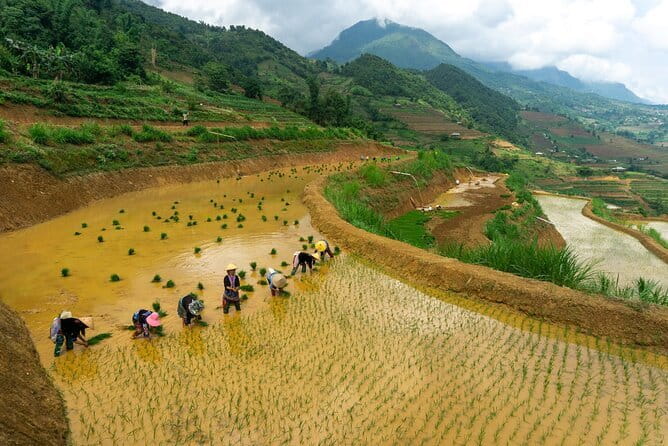
Day two begins with breakfast at 7 am. At about 8:30 am, the walk heads toward Lao Chai, a major Hmong community in the Sapa area.
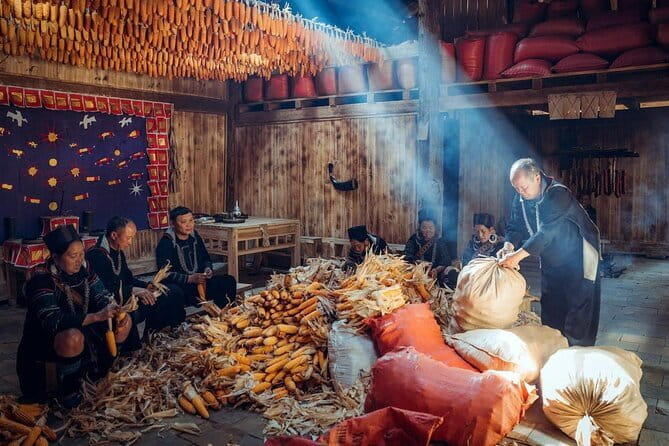
This section is where the trip’s cultural purpose becomes clearest. You learn about farming methods and see how local people work with the steep terrain. The program also highlights textiles dyed with natural indigo, a craft closely linked with Hmong clothing and identity.
The trail passes through valleys and beside streams. You get time for photographs, but the value is not just the scenery. A local guide can explain what you are looking at, which turns a walk past fields and homes into a clearer picture of how village life operates.
Lunch comes around noon, with views across the valley. Three hours are allotted for this section. Local meals are included, and vegetarian food is available on request. Drinks beyond the included bottled water are not part of the price, so budget for personal beverages.
Same trailhead, a different route:
- Hanoi – Sapa 2 Days 1 Night Overnight At Homestay
★ 5.0 · 899 reviews - From Hanoi: 2-Day Sapa Trekking Trip with Homestay & Meals
★ 4.8 · 704 reviews - 2-Day Sa Pa Ethnic Homestay Tour & Trek with Limousine Bus
★ 4.8 · 440 reviews - From Hanoi: 2-Day Sapa Trek Tour – Luxury Limousine Transfer
★ 4.1 · 249 reviews
Ta Van and the choice to keep walking

After lunch, the route continues toward Ta Van Village. This community is associated with both Hmong and Giay residents, giving you a chance to see a different local mix from Cat Cat and Lao Chai.
The path passes bamboo groves, rivers, wildflowers, and rural tracks. Ta Van is presented as a place for cultural exchange and local hospitality, but you should not expect a formal workshop or a guaranteed one-to-one meeting with a particular family. The strength of this section is the steady walk through inhabited countryside.
The afternoon lasts about four hours. At the end, you can continue back toward the main road on foot, or take a car or minivan back to town. That transport option is important. It gives the guide some flexibility if the group is tired or the trail feels too much after a full morning.
You return to Sapa around 5:30 pm, followed by dinner and free time. The second day is the main physical test of the trip, so it helps to keep the evening simple. The fresh mountain air and rural setting are appealing, but the paths can be tiring for anyone not accustomed to hills.
Fansipan by cable car, not by full mountain hike
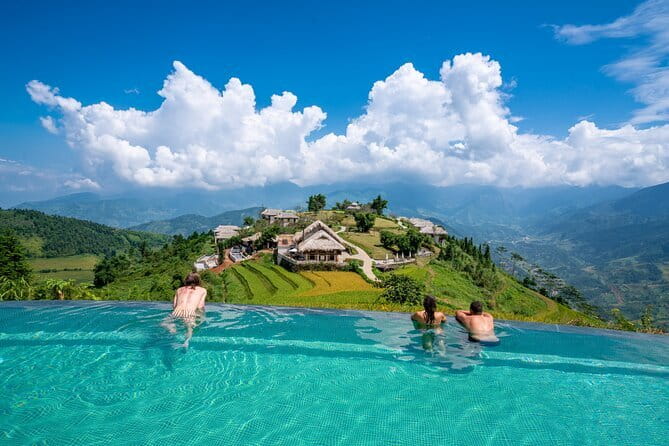
The final morning starts with breakfast and a short 3-kilometer drive to the Fansipan cable car station. The cable car is the easy way to gain altitude, and it makes the mountain accessible to people who want the summit experience without a strenuous multi-hour climb.
Fansipan is the highest point in Vietnam and Indochina. At the top, you have time to look over the mountains, visit temples, and see the large Buddha statue described as the highest on the mountain.
Weather will shape this stop. Sapa is known for mist and changing mountain conditions, so clear views are not guaranteed. The cable car still offers a memorable ride, but a cloudy day can hide much of the scenery. The operator requires good weather for the activity and may offer a new date, another experience, or a full refund if poor conditions force cancellation.
The cable car ride down is scheduled around noon. You then have lunch before returning to Sapa town. The five-hour Fansipan block includes transport and time at the top, so the day does not require a rushed dash between the mountain and the Hanoi bus.
The return to Hanoi is handled neatly
After reaching Sapa town around 2 pm, you can shower and freshen up at the hotel. That is a small but valuable detail after two days of walking and mountain weather.
At about 3 pm, a shuttle takes you to the bus office. Staff assist with check-in and provide a packed sandwich for the road. The bus is expected to reach Hanoi around 7:30 pm, ending back at the original meeting point.
The final day is long, but the timing is sensible. You get Fansipan in the morning, a break in Sapa, and food for the ride. Do not plan an important late-evening connection from Hanoi, since road delays are always possible and the stated arrival time is an estimate.
What the $195 price really covers

At $195 per person, this trip offers solid value if you want an organized Sapa visit from Hanoi. The price includes:
- Round-trip sleeping-bus transport between Hanoi and Sapa
- Hotel accommodation
- Two breakfasts, two dinners, and three lunches
- Bottled water
- Village and attraction entrance fees
- Trekking activities
- Fansipan cable car ticket
- English-speaking local guide
- Shuttle transfers in Sapa
- A packed sandwich for the return bus
That is a lot of separate costs folded into one booking. The cable car alone is a major part of the final-day expense, while the long-distance bus and meals remove much of the usual guesswork.
The accommodation is the least predictable part. It was described as simple but clean and comfortable in some feedback, while one stay included a bed with an unpleasant, possibly moldy smell. I would book this for the route, guide support, and included transport, not for a guaranteed upscale hotel experience.
Tips, drinks, and personal purchases are extra. Carry some cash for beverages, snacks, and crafts if you want them.
How hard is the walking?
You do not need to be a serious hiker, but you should be in good health and comfortable walking on hills for several hours. The first day includes a 3-kilometer downhill route and a 4-kilometer uphill return. Day two includes roughly seven hours of village walking, with the option of a vehicle for part of the return.
Wear shoes that can handle uneven ground. A small backpack, hat, sunglasses, and mosquito spray are specifically useful. Bring clothing that works in changing mountain weather, and do not rely on the appearance of a warm morning in Hanoi to judge conditions in Sapa.
Children must be accompanied by an adult. Most people can participate, and service animals are allowed, but the walking schedule may not suit very young children or anyone with serious mobility limits.
What the strongest parts of the trip are
The most praised elements are the smooth transport, the mountain walks, Fansipan, the food, and the availability of staff when help is needed. Those strengths fit the structure of the tour.
The bus pickup and return process are clearly organized, and the guide meets you in Sapa rather than leaving you to find the hotel alone. The local meals are another plus, especially if you want to try mountain specialties without searching for restaurants after a long walk.
Fansipan is the visual highlight. The cable car makes the high summit area possible without turning the whole trip into a difficult climb. The village walks provide the better sense of place, especially around Lao Chai and Ta Van.
The hotel is the main weak point. Standards may be basic, and room condition can vary. If you need polished accommodation, ask for the hotel name and room details before paying.
Should you book this three-day Sapa tour?
Book it if you want a compact Sapa introduction with transport, food, village walks, and Fansipan arranged in one package. It suits you best if you enjoy mountain scenery, can manage several hours of walking, and prefer a local guide to explain what you are seeing.
Think twice if you want a slow, private trip, a luxury hotel, or a fully remote village experience. Cat Cat has established visitor facilities, the schedule is busy, and the bus journey from Hanoi takes up a substantial part of the trip.
For most first-time visitors with only three days, the balance is good. You get rice terraces and village life at walking pace, the cultural mix of Hmong and Giay communities, and an easy route to Vietnam’s highest mountain. Just pack for hills, confirm your dietary needs, and treat the hotel as practical rather than luxurious.
FAQ
Where does the tour start in Hanoi?
The meeting point is 204 Đ. Trần Quang Khải, Tràng Tiền, Hoàn Kiếm, Hanoi, Vietnam.
How long does the bus take from Hanoi to Sapa?
The morning sleeping bus takes about 4.5 to 5 hours.
Is transport back to Hanoi included?
Yes. A shuttle takes you to the bus office in Sapa, and the return bus is expected to arrive in Hanoi around 7:30 pm.
Which villages do you visit?
The route includes Cat Cat, Lao Chai, and Ta Van villages.
Is the Fansipan cable car included?
Yes. The cable car ticket and related entrance fees are included.
What meals are included?
The tour includes two breakfasts, two dinners, and three lunches. Vegetarian food is available on request.
Is the tour suitable for people who do not want to hike to Fansipan?
Yes. You reach the Fansipan summit area by cable car. The other parts of the tour still include several hours of walking on village and mountain paths.
How many people can join the group?
The maximum group size is 15 people.
Can I cancel for a full refund?
You can cancel at least 24 hours before the experience starts for a full refund. Cancellations or changes made less than 24 hours before the start time are not accepted for a refund.
Just added around Hanoi
- 8-Days Hanoi, Sapa Trekking And Halong Bay Cruise★ 5.0 · 8 reviews
- From Hanoi : Sapa Moutain Trek – Halong bay Heritage★ 4.5 · 25 reviews
- Trekking around Ha Giang 5 days 4 nights★ 3.0 · 2 reviews
- Mai Chau – Pu Luong trekking 3 days 2 nights★ 4.5 · 7 reviews
- Trekking In Ha Giang 5 Days★ 5.0 · 4 reviews
- Hanoi: 3D2N Mu Cang Chai Visit All Attractions, Trek, Ethnic Life★ 5.0 · 3 reviews
- 2-Day Trekking in Sa Pa from Ha Noi by sleeping bus★ 5.0 · 4 reviews
- Sapa trekking – Unique Route – 2D1N★ 5.0 · 3 reviews
Hanoi Trekking Tours, compared.
Sapa 3 Days 2 Nights Trekking Tour (1 Night In Ta Van Village, 1 Night In Hotel)
Read our review →
3-Day Trekking Adventure of Sapa from Hanoi – Stay Ta Van Village
Read our review →
2-Day Sa Pa Ethnic Homestay Tour & Trek with Limousine Bus
Read our review →
Sapa 3 Day 2 Night Trekking With Hotel & Homestay
Read our review →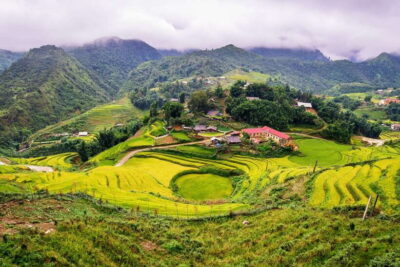
2-Day Sapa Trek Tour – Luxury Limousine Transfer
Read our review →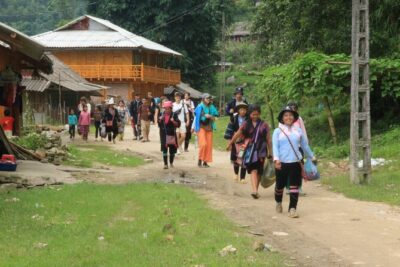
Sapa 2 Days 1 Night Overnight At Local Homestay
Read our review →Browse the lists this trek appears in