
Review · HANOI
3 Day 2 Night Trek
Sapa’s best moments often come after the town disappears behind you. This three-day trek leads through rice terraces, bamboo forest, and mountain villages where H’mong, Dzay, Red Dzao, and Tay families live. You sleep in local homes, share meals, and walk routes designed to avoid the busiest tourist paths.
I like the small private-group format, which lets your guide adjust the pace and route for your group. I also like the real home stays, especially the chance to sit with a Dzay or Tay family, help with cooking or farming, and enjoy a simple evening by the fire with rice wine.
The main consideration is the walking. Day one covers about 12 kilometers in roughly three and a half hours, and the other days also involve long stretches on uneven mountain paths. Good fitness matters, and wet weather can affect the schedule.
Key points before you book
- Three days of village-to-village trekking: Walk from Sapa through Lao Chai, Ta Van, Giang Ta Chai, Su Pan, and Ban Ho rather than returning to town each night.
- Local guides with personal support: Giang can help with arrival details, including taxi arrangements from the bus office and luggage storage.
- Two nights in local homes: Stay with Dzay and Tay families, with the option of a homestay offering Wi-Fi and hot showers or a more basic local house.
- Private activity for your group: You are not placed into a large shared tour, although group discounts are available.
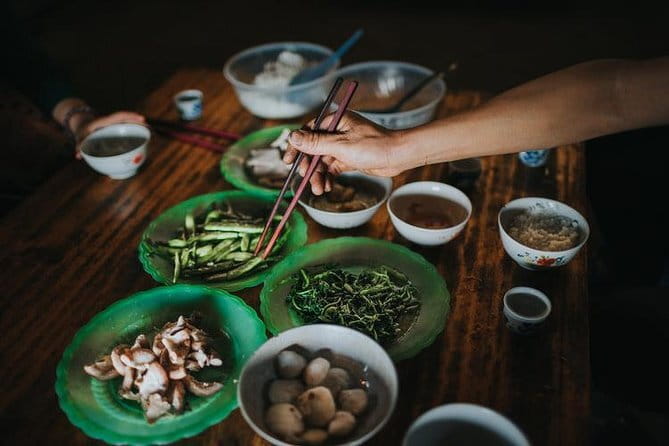
- Meals are included: The price covers two breakfasts, three lunches, and two dinners.
- Fair-pay community focus: Booking supports local H’mong guides and residents in a region where many families have limited income.
Why this Sapa trek feels different
At $180 per person, this is not the cheapest way to see Sapa. It is also not simply a walking tour with a hotel at the end of each day. Your price covers three days of guiding, two nights in local homes, five main meals, and a route through several ethnic villages.
The real value comes from time. You are not rushing out to take a few photographs and then returning to Sapa. You spend evenings with host families, wake in the mountains, and continue on foot through the next valley. That extra time gives the villages and scenery room to feel like part of daily life rather than a staged stop.
The tour is private, which matters here. Mountain paths can be muddy, steep, or slow in places, and a private guide can work around your group’s pace more easily than a large scheduled party. Group discounts may make the cost more attractive for friends or family traveling together.
Sapa Tribal Trekking also places emphasis on local employment. The experience uses local H’mong guides and family-run stays, giving your money a direct role in the communities you pass through. That does not remove every concern about tourism in the region, but it offers a more useful model than a quick stop at a viewpoint with little local contact.
A few more treks around Hanoi worth a look
- Hanoi – Sapa 2 Days 1 Night Overnight At Homestay
★ 5.0 · 899 reviews - Sapa 3 Days 2 Nights Trekking Tour (1 Night In Ta Van Village, 1 Night In Hotel)
★ 5.0 · 699 reviews - Hanoi – Sapa 3 Day 2 Night Trekking With Hotel & Homestay
★ 5.0 · 389 reviews
Day one: Sapa to Lao Chai and Ta Van
The meeting point is at 690 Duong Dien Bien Phu in central Sapa, with a 9:00 am start. Pickup is offered, but confirm the arrangement when you book rather than assuming it is included from your hotel or bus arrival point.
The opening day introduces you to several ethnic groups found around Sapa, including H’mong, Dzao, Tay, Zay, and Xa Pho communities. Traditional clothing is part of the visual character of the region, but the better reason to pay attention is that each community has its own customs, village life, and craft traditions.
You have lunch either at a restaurant or with a local family. That choice can shape the feel of the day. A restaurant provides a more predictable break, while a family meal gives you more contact with local life. Ask your guide what is planned and mention any food concerns before setting out.
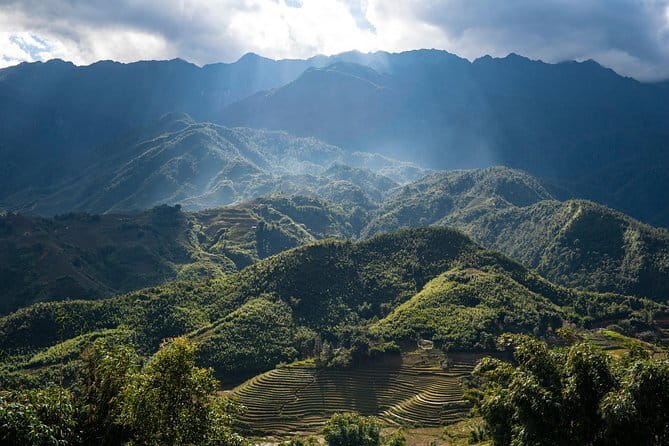
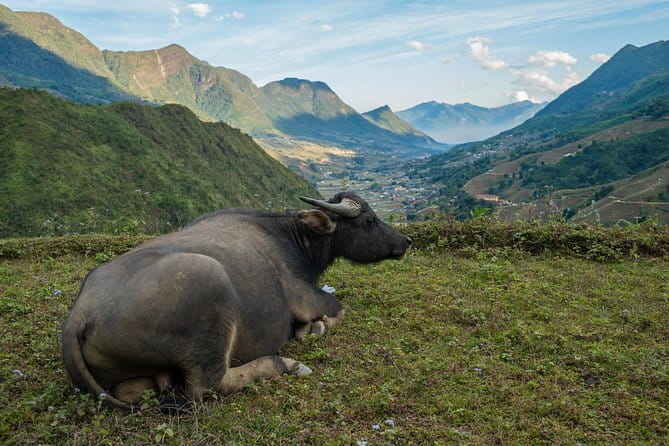
From there, you walk to Y Linh Ho and continue through the rice terraces along the Muong Hoa Stream. The route reaches Lao Chai, a Black H’mong village, with broad views toward the Hoang Lien Son mountains. This is the part of the trek that delivers the classic Sapa scenery: layered fields, steep slopes, water, and villages set along the valley.
The walk is about 12 kilometers and takes around three and a half hours, though your actual time can vary with stops and conditions. Treat that distance seriously. You will be walking on mountain paths rather than a paved promenade, so sturdy shoes and a steady pace are more useful than trying to cover the ground quickly.
By late afternoon, you approach Ta Van, home of Dzay people. Your host family welcomes you into either a homestay or a more traditional local house. The experience may include Wi-Fi and hot showers at the homestay option, while the local-house option is more basic and closer to a back-to-basics stay.
Evening is deliberately slow. You can watch the sunset, eat with the family, sit near an open fire, and try rice wine and local dishes. If you prefer quiet, dinner can also be enjoyed without joining every family activity. That flexibility is helpful because a full day on foot can leave you ready for an early night.
Day two: Bamboo forest, Giang Ta Chai, and Ban Ho
Day two begins with breakfast prepared by your host family. You then leave Ta Van and continue through rice fields toward a bamboo forest. The change from open terraces to shaded forest gives the day a different rhythm, and the walk offers broad views back toward Ta Van and Giang Ta Chai.
Giang Ta Chai is associated with the Red Dzao people. You stop for a panoramic view before continuing to Su Pan, where lunch is served at the home of a H’mong or Dzao family. As on day one, this meal is more than a practical refueling stop. It gives you a chance to see how local families live and to ask your guide about the communities you are visiting.
After lunch, the route follows rice terraces and a quiet valley toward Ban Ho. The plan specifically favors areas where you are unlikely to meet many other tourists. That can make the walk feel more peaceful, though it also means fewer commercial facilities along the way. Bring anything you need during the day and listen to your guide about water and rest stops.
The second homestay is with Tay people in Ban Ho. You can take part in farming or help prepare local food with the family, or simply enjoy the evening at your own pace. The activity is not presented as a fixed performance, which is a strength. Your level of participation depends on the family, the day, and your energy.
Ban Ho also gives you a useful contrast with the first night. Instead of staying in the same valley and repeating the same type of village visit, you move farther into the region and spend the night with another community. Across the two evenings, you get a broader look at local life without trying to pack every village into a rushed sightseeing day.
Day three: Sunrise in Ban Ho and Nam Toong
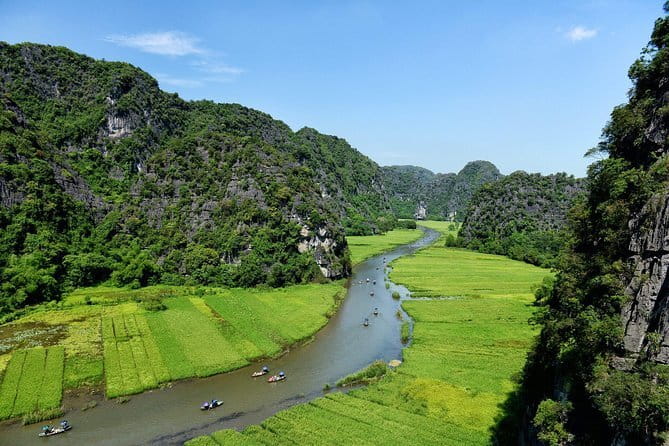
The final morning starts with sunrise and breakfast prepared by the family. If the weather is clear, the early light should make the valley especially appealing, but the tour does depend on conditions, so no view can be guaranteed.
You then trek through Nam Toong village, where Tay and Red Dzao people live. The stop is meant for meeting local residents and learning about their daily routines, rather than simply taking a photograph and moving on. Your guide is important here because the quality of the visit depends on clear introductions and respectful timing.
Lunch is served at a restaurant or local house. After lunch, you return to Sapa, ending at the original meeting point. The final day is shorter in description than the first two, but you should still expect a walking day, not a simple transfer back to town.
One practical point is luggage. Giang has helped arrange luggage storage and a taxi from the bus office for arriving visitors. If you are coming from Hanoi, contact the provider before the trek so you know where to leave larger bags and how to reach the 9:00 am meeting point.
Same trailhead, a different route:
- From Hanoi: 2-Day Sapa Trekking Trip with Homestay & Meals
★ 4.8 · 704 reviews - 3-Day Trekking Adventure of Sapa from Hanoi – Stay Ta Van Village
★ 5.0 · 611 reviews - 2-Day Sa Pa Ethnic Homestay Tour & Trek with Limousine Bus
★ 4.8 · 440 reviews - From Hanoi: 2-Day Sapa Trek Tour – Luxury Limousine Transfer
★ 4.1 · 249 reviews
The guide makes the difference

The supplied experience information names Giang as a key contact and guide, and her role goes beyond leading the walk. She can offer suggestions for getting from Hanoi to Sapa, arrange a taxi from the bus office, and help with luggage storage. Those details are small, but they matter when you are arriving in a mountain town with a tight morning start.
Giang is also associated with family-led guiding. Her nieces Zo and Ma have guided portions of treks, giving some departures an especially personal connection to the area. Because the guide arrangement can include one or more local English-speaking guides, ask who will lead your group when you confirm.
The guides are expected to explain Sapa, local history, village customs, and the different tribal communities you encounter. Just as important, they help you move through homes and villages with respect. A good guide can explain when to ask before taking a photograph, how to respond to craft sellers, and when a family visit should remain quiet.
The experience has received an excellent rating, with all listed recommendations positive and 18 ratings in total. That is encouraging, especially because the strongest praise centers on the beauty of the trek, the homestays, and Giang’s personal help. It is still a small review base, so I would treat the rating as a useful signal rather than a guarantee that every departure will be identical.
What the homestays are really like

You have two broad accommodation styles. One is a homestay with Wi-Fi and hot showers. The other is an authentic local house with a family, where the facilities may be more basic.
That difference is important. If a hot shower and internet access are essential each evening, request the homestay option before paying. If you want the most direct contact with family life, the local-house option may suit you better, but you should be comfortable with fewer comforts and a simpler routine.
Meals are included for both nights and all three days: two breakfasts, three lunches, and two dinners. You may eat with the host family or, depending on the arrangement, have dinner more privately. Since the exact dishes are not specified, tell the provider about dietary needs before the trek.
The family stays are the heart of the experience, but they are not a hotel replacement. You are choosing local contact over predictable service. That is a fair trade for many people, but not for anyone who needs private facilities, a fixed room standard, or a tightly controlled schedule.
Fitness, weather, and practical comfort
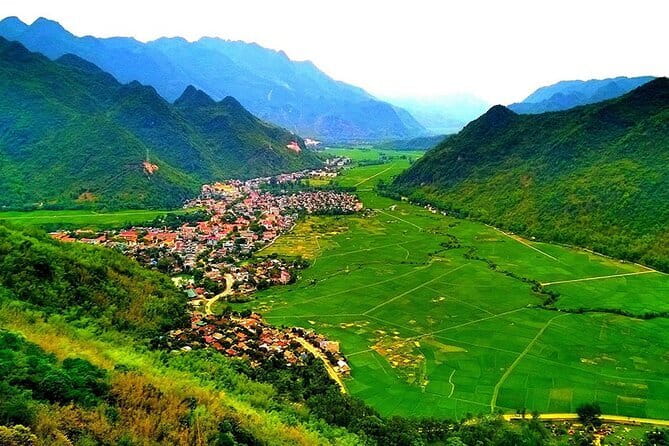
The tour asks for a moderate level of physical fitness. That wording should not be ignored. You will cover long distances over three days, with rice terraces, valley paths, bamboo forest, and village tracks. The terrain may be uneven, and the weather can change the feel of the route quickly.
Wear shoes suited to walking, and bring clothing that can handle wet or muddy conditions. The provided information does not specify equipment rental or walking poles, so arrange anything essential before you arrive. Pack light for the trek and ask about storage for larger luggage.
The experience requires good weather. If poor weather forces cancellation, you are offered another date or a full refund. You should also carry comprehensive travel insurance, as it is not included in the price.
Service animals are allowed, and the meeting point is near public transportation. The activity is private, so only your group participates. That makes it a better fit for couples, families, and friends who want to set a shared pace, rather than solo visitors hoping to join a larger social group.
Who should book this trek
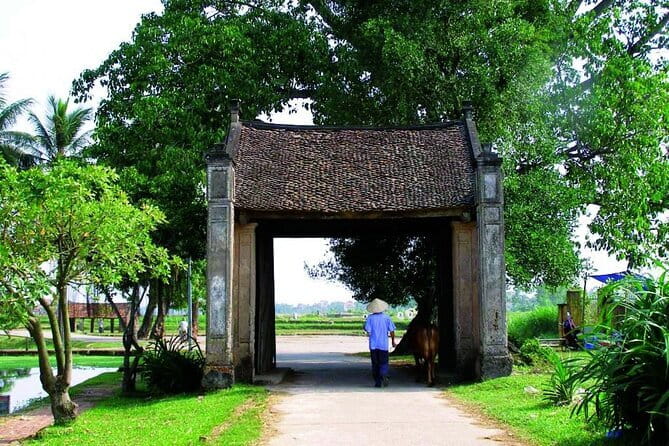
I would choose this trip if you want Sapa as a lived-in region rather than a day trip from Hanoi. It suits you if you enjoy walking, can handle basic accommodation, and value time with local families more than hotel comfort.
It is also a strong option for a group that wants flexibility. The private format means you can focus on photography, village life, scenery, or simply taking a slower pace. Giang’s arrival help is a bonus if Sapa is part of a longer Vietnam trip and you are unsure how to manage the bus office, taxi, or luggage.
I would be cautious if you dislike uneven paths, need a guaranteed hot shower each night, or want a short sightseeing tour. Three days in the mountains requires effort, and wet weather can make the route less comfortable. You should also discuss any medical conditions with a medical professional before booking.
Free cancellation is available up to 24 hours before the 9:00 am start time. Changes or cancellations inside that window are not refunded or accepted, so check your health, transport plans, and weather forecast before the deadline.
Should you book the three-day trek?
Book it if your priority is local contact and walking through the countryside, not checking off viewpoints. The route connects several communities, includes two family stays, and gives you time to share meals and learn about village life.
The $180 price is reasonable for a private three-day experience with guides, accommodation, and meals, especially for a small group sharing the cost. Just confirm your preferred accommodation style, arrival pickup, luggage plan, and guide before you go.
If you want Sapa with fewer crowds, real family contact, and enough time for the mountains to set the pace, this is a strong choice. If you want comfort first, choose a shorter tour with hotel accommodation instead.
FAQ
Where does the trek start?
It starts at 690 Duong Dien Phu, TT. Sa Pa, Sa Pa, Lao Cai, Vietnam.
What time does the trek begin?
The start time is 9:00 am.
Where does the activity finish?
The trek ends back at the original meeting point in Sapa.
Is pickup available?
Pickup is offered. Confirm the exact pickup details with Sapa Tribal Trekking before the start.
Is this a private tour?
Yes. Only your group participates in the activity.
How much walking is planned on the first day?
Day one covers about 12 kilometers and lasts roughly three and a half hours.
What meals are included?
The price includes two breakfasts, three lunches, and two dinners.
Can I cancel for a full refund?
Yes, if you cancel at least 24 hours before the experience start time. Poor weather cancellations offer either a different date or a full refund.
Just added around Hanoi
- 8-Days Hanoi, Sapa Trekking And Halong Bay Cruise★ 5.0 · 8 reviews
- From Hanoi : Sapa Moutain Trek – Halong bay Heritage★ 4.5 · 25 reviews
- Trekking around Ha Giang 5 days 4 nights★ 3.0 · 2 reviews
- Mai Chau – Pu Luong trekking 3 days 2 nights★ 4.5 · 7 reviews
- Trekking In Ha Giang 5 Days★ 5.0 · 4 reviews
- Hanoi: 3D2N Mu Cang Chai Visit All Attractions, Trek, Ethnic Life★ 5.0 · 3 reviews
- 2-Day Trekking in Sa Pa from Ha Noi by sleeping bus★ 5.0 · 4 reviews
- 2-Day SAPA Trekking – Villages-Homestay-Ethnic-Local Food-Market★ 5.0 · 2 reviews
Evening Experiences, compared.
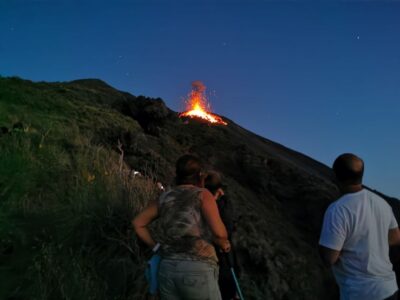
Stromboli: Sunset Trekking at Sciara del Fuoco
Read our review →
Etna Sunset Tour: Volcano trek, Cave & tasting from Catania
Read our review →
2-Day Mt. Toubkal Trek with 1-Night Stay & Meals
Read our review →
Sapa 3 Days 2 Nights Trekking Tour (1 Night In Ta Van Village, 1 Night In Hotel)
Read our review →
Sapa 3 Day 2 Night Trekking With Hotel & Homestay
Read our review →
Browse the lists this trek appears in