
Review · HANOI
2-Days Sapa Trekking and Overnight in Tavan Village
At $52, this two-day trip gives you a lot of Sapa in a short window: a long walk through rice terraces, an overnight stay with a Giay family in Ta Van, and a second trek through bamboo forest to Giang Ta Chai. The best part is that you reach the villages on foot, rather than simply stopping for a quick photo.
I like the 9-kilometer first-day hike, which links Y Linh Ho, Lao Chai, and Ta Van in one scenic route. I also like the chance to stay in a bungalow or wooden stilt-house homestay, with dinner, breakfast, and a cooking activity included.
The main thing to check before paying is the transport schedule. The planned departure is around 6:00 to 6:30 in the morning, but one poor experience describes a 9:30 p.m. sleeper bus and an arrival in cold, dark Sapa. Confirm your exact bus and pickup details with Best Vietnam Tours.
Key points at a glance
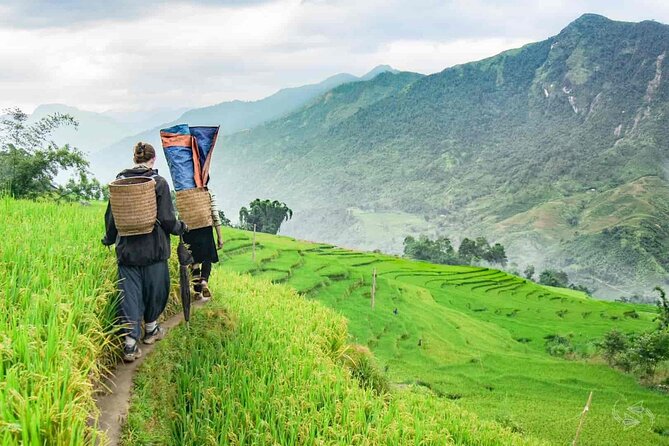
- Two real village treks: Walk about 9 kilometers on Day 1 and 4 kilometers on Day 2 through rice fields, mountain paths, and ethnic villages.
- Overnight in Ta Van: Sleep in a bungalow or dorm-style wooden homestay with a Giay family.
- Several ethnic communities: The route includes H’mong, Giay, and Red Dao villages, with traditional dress often visible in Sapa.
- Bus travel keeps the price low: Modern air-conditioned transport links Hanoi and Sapa, avoiding the higher cost of a night train.
- A modest fitness challenge: The route lasts roughly 3.5 hours on Day 1 and 2 hours on Day 2, with uneven village paths.
- Good value, with a schedule caveat: Meals, water, guide, entrance fees, Wi-Fi, and lodging are included, but drinks and a possible $30 holiday surcharge are extra.
What this $52 Sapa trip is really offering
This is not a luxury mountain escape. It is a compact, budget-minded way to see the main village routes around Sapa without arranging buses, lodging, meals, and a guide separately.
You spend much of the trip moving. The bus ride from Hanoi takes most of the morning, the first hike is long, and the return to Hanoi does not finish until about 9:30 p.m. That makes the tour efficient, but not restful. You get a quick taste of the Sapa area rather than a slow stay in the mountains.
The value comes from combining several costs in one fare. The $52 price includes transport from Hanoi and back, an English-speaking guide, entrance fees, two bottles of water per person for the round trip, the overnight stay, breakfast, dinner, and two lunches. Free Wi-Fi is listed for both the bus and homestay.
At this price, expect simple arrangements and a shared atmosphere. The maximum group size is 20 people, so this is not a private walk. Still, the group cap keeps it smaller than a large sightseeing coach and gives you a better chance to stay near the guide on the trail.
A few more treks around Hanoi worth a look
- Hanoi – Sapa 2 Days 1 Night Overnight At Homestay
★ 5.0 · 899 reviews - From Hanoi: 2-Day Sapa Trekking Trip with Homestay & Meals
★ 4.8 · 704 reviews - 2-Day Sa Pa Ethnic Homestay Tour & Trek with Limousine Bus
★ 4.8 · 440 reviews
The early bus from Hanoi to Sapa
Pickup is scheduled from hotels in Hanoi’s Old Quarter between 6:00 and 6:30 a.m. You board a modern air-conditioned bus with comfortable seats and begin the long run toward the northern mountains.
The drive includes a rest stop around 9:30 a.m. on the highway toward Lao Cai, followed by another stop around 11:00 a.m. in or near Lao Cai before the final climb to Sapa. These breaks matter because the road trip is several hours long, and you will want food, a toilet stop, and a chance to stretch your legs.
The published plan has you arriving in Sapa at about 1:00 p.m. You then wait around 30 minutes at the bus station for the local guide and driver to take you to the hotel. A welcome drink and a brief route explanation follow, along with lunch featuring local Vietnamese dishes.
Here is the practical warning: the transport details need confirmation. The stated daytime schedule and one negative account do not match. That account describes a 9:30 p.m. sleeper bus, arrival around 4:15 a.m., and an uncomfortable wait in the cold and dark. It may have involved a different departure arrangement, but you should not leave Hanoi without confirming the exact pickup hour, bus type, and arrival plan.
Sapa town gives you a quick introduction
Sapa is the starting point for the walking portion of the trip. The town is known for the traditional clothing of H’mong, Dzao, and Tay people, and the bus station area gives you your first glimpse of the region’s mix of mountain tourism and ethnic culture.
You do not get a long town visit on the first day. Lunch comes soon after arrival, and the trek begins around 2:15 p.m. That is sensible if your priority is the countryside, but it means this tour is not designed for shopping, museums, or a relaxed look around Sapa.
On the second afternoon, you have roughly an hour in town, from about 2:00 to 3:00 p.m. You can walk around or shop before meeting the group at the bus station. Treat this as free time, not a full town tour. The return bus leaves around 3:30 p.m.
The 9-kilometer walk from Y Linh Ho to Ta Van
The first hike is the heart of the trip. You leave the Sapa area and walk through Y Linh Ho, across rice terraces, and along the Muong Hoa Stream before reaching Lao Chai, a Black H’mong village.
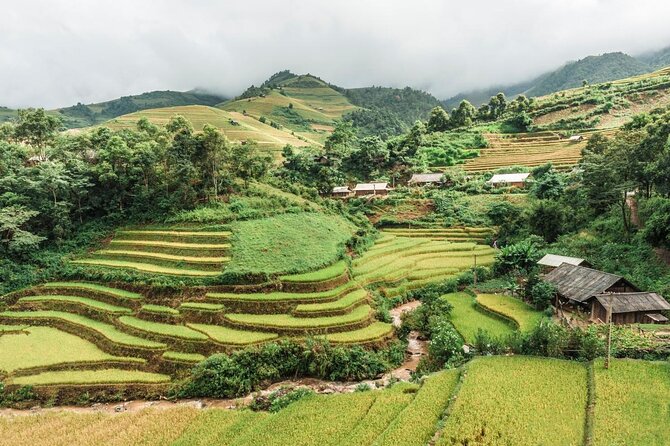
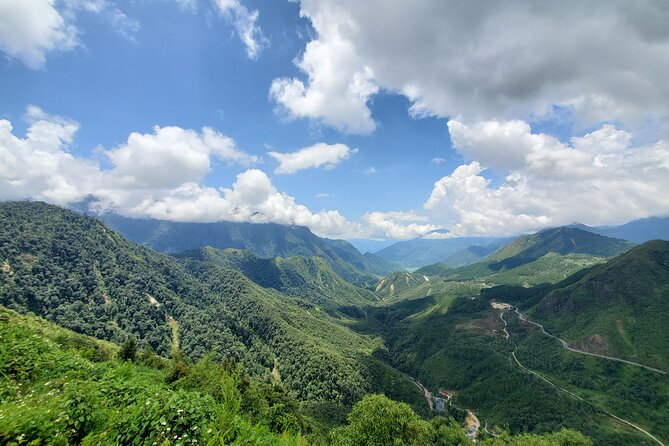
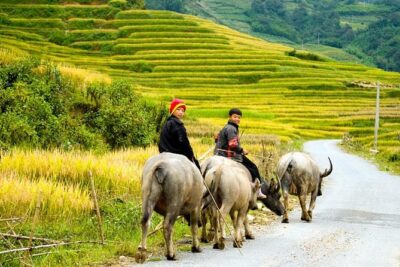
This route works because it keeps changing. You see cultivated slopes, streamside paths, village homes, and the Hoang Lien Son mountain range. The rice terraces are the main visual reward, especially when the path opens to wider views across the valley.
The walk is about 9 kilometers and takes around 3.5 hours. That is a serious afternoon outing, even though the distance may look modest on paper. Mountain paths can be uneven, and the route is not suited to someone seeking a gentle paved stroll. The tour specifically calls for moderate physical fitness, so bring shoes with a firm grip and be ready for a steady walk.
You finish by approaching Ta Van, where Giay people live. The change from a major tourist center to a village setting is part of the appeal. Instead of spending the whole day in Sapa town, you reach the area where daily life, farming, and mountain scenery meet.
The timing is also worth noting. Starting at 2:15 p.m. means you walk through the late afternoon and reach the homestay around 5:45 p.m. You may catch sunset over the hills, but daylight and weather can vary. Keep your phone or camera easy to reach, but do not let photography slow the group.
Same trailhead, a different route:
- Sapa 3 Days 2 Nights Trekking Tour (1 Night In Ta Van Village, 1 Night In Hotel)
★ 5.0 · 699 reviews - 3-Day Trekking Adventure of Sapa from Hanoi – Stay Ta Van Village
★ 5.0 · 611 reviews - Hanoi – Sapa 3 Day 2 Night Trekking With Hotel & Homestay
★ 5.0 · 389 reviews - From Hanoi: 2-Day Sapa Trek Tour – Luxury Limousine Transfer
★ 4.1 · 249 reviews
A simple night in a Ta Van homestay
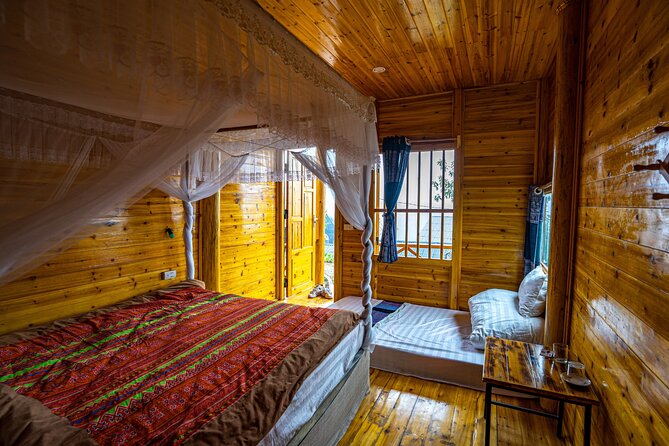
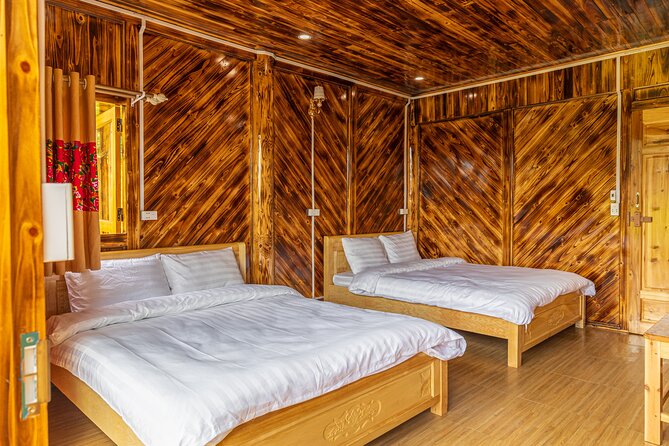
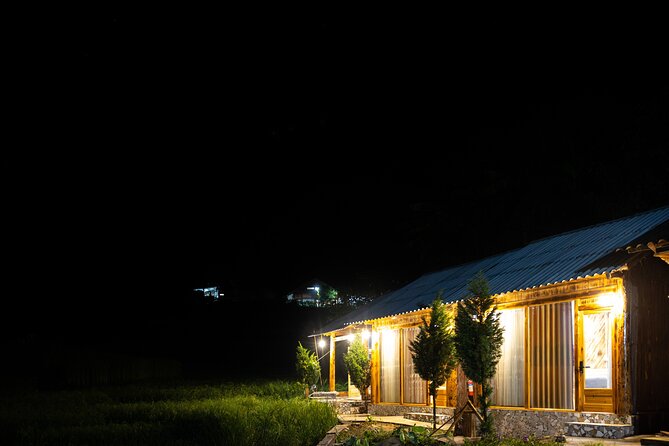
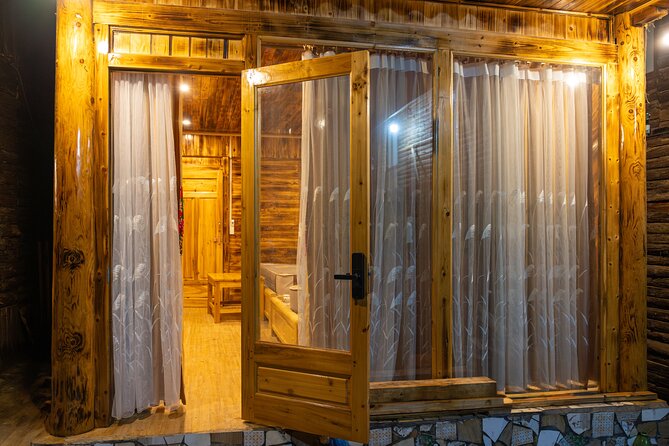
The overnight stay is in a bungalow or wooden stilt-house homestay. The description identifies it as a dorm-style arrangement, so you should expect shared sleeping space rather than a private hotel room.
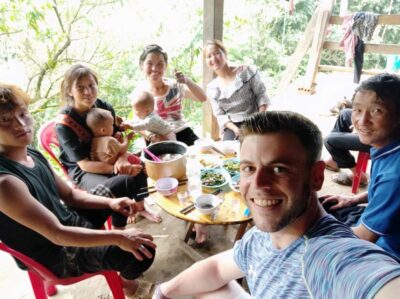
That setup is valuable because the overnight stay changes the pace of the trip. You are not simply passing through Ta Van on a road transfer. You have time to meet the Giay family, eat dinner, and spend part of the evening in the village.
The accommodation is basic by design. If you need private facilities, hotel-style service, or a quiet room, this may not suit you. If you are comfortable with a communal stay, it gives you a more direct connection to village life at a very low price.
The included dinner is prepared as part of the homestay experience, and the tour allows time to enjoy the mountain setting at sunset. Drinks are not included, so carry some cash for beverages and personal purchases. Wi-Fi is listed at the homestay, but you should still treat the evening as a chance to put your phone away for a while.
Cooking with the family before the second trek
Day 2 begins early. At 7:00 a.m., you can join a cooking class and learn to make Vietnamese dishes such as phở and fresh spring rolls. The activity is optional in the wording of the schedule, but it is one of the more distinctive parts of the trip.
You then eat breakfast prepared by the family at 8:00 a.m. The sequence gives you a look at food beyond the usual restaurant meal. It also makes the overnight stop feel less like a place to sleep and more like a short household visit.
Do not expect a long culinary course. The schedule allows about an hour for this morning stop before the next walk begins. It is best viewed as a brief practical activity, not a full cooking school.
Bamboo forest and the Red Dao village of Giang Ta Chai
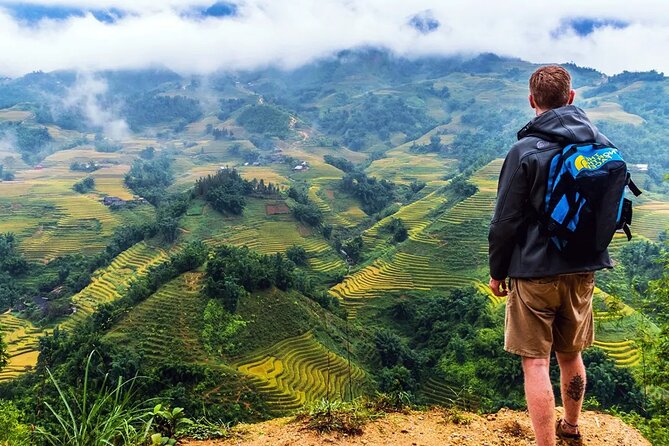
The second hike begins around 8:45 a.m. and covers about 4 kilometers in two hours. You walk toward rice paddies, pass through bamboo forest, and stop at a panorama point overlooking Giang Ta Chai.
Giang Ta Chai is associated with Red Dao people, adding another cultural setting to the H’mong and Giay villages from the first day. The route is shorter than the previous afternoon, but it still gives you another stretch of countryside rather than sending you straight back to town.
The bamboo forest and viewpoint provide a different feel from the open rice terraces around Lao Chai. You get enclosed woodland paths, then wider views across the valley. This is a good place for photos, but the path and group pace still come first.
At about 11:00 a.m., you continue through the Giang Ta Chai Bridge area to the main road. A vehicle takes you back to the bungalow, where you can shower and prepare for lunch. Lunch is scheduled from 12:30 to 1:30 p.m., followed by the bus to Sapa at 1:30 p.m.
This arrangement is practical but tight. You should have enough time to wash, eat, and pack, but not enough for a slow morning at the homestay. Keep your luggage organized and avoid leaving packing until the last minute.
The long ride back to Hanoi
After the vehicle returns you to Sapa, you have about an hour to walk around or shop. You meet the group at the bus station between 3:00 and 3:30 p.m., then begin the return journey to Hanoi.
The bus makes two rest stops and is scheduled to arrive around 9:30 p.m. The full second day is therefore long: an early breakfast, a two-hour hike, lunch, a local transfer, free time in Sapa, and several hours on the main bus.
This timing works well if you have limited time in Vietnam and want to fit Sapa into a weekend. It is less appealing if you have a flexible schedule and would rather spend another night in the mountains. The tour trades comfort and free time for a low price and a packed route.
What is included, and what still costs extra
The fare covers the main elements you need:
- Air-conditioned bus transportation from Hanoi to Sapa and back
- An English-speaking guide
- Bungalow or wooden stilt-house accommodation
- Breakfast, dinner, and two lunches
- Entrance fees
- Two bottles of water per person for the round trip
- Wi-Fi on the bus and at the homestay
- Group discounts, if applicable
You still pay for beverages, travel insurance, VAT, and personal expenses. A $30 surcharge applies on public holidays and is payable locally.
That holiday fee changes the value calculation. On ordinary dates, $52 is unusually low for two days of transport, food, guiding, lodging, and village walks. On a holiday, the total rises to $82, which is still reasonable for the inclusions but no longer quite the same bargain.
The absence of travel insurance from the price is normal for this kind of package, but you should arrange your own cover. The tour calls for moderate fitness, and you are responsible for handling the physical side of the hike.
Who will get the most from this tour
I would choose this trip if you want a first look at Sapa and have only two days available from Hanoi. It suits budget-minded people who prefer village walking to hotel comfort and who like having transport, meals, and lodging arranged in one booking.
It is also a good match for solo visitors who want the structure of a group and an English-speaking guide. The maximum of 20 people gives you company without guaranteeing a huge crowd.
You should think twice if you dislike shared sleeping arrangements, long bus rides, or fixed schedules. The first hike is long, the return day ends late, and the short free period in Sapa leaves little room for changes.
Families with young children should consider the 9-kilometer walk and uneven paths carefully, since the tour only states that a moderate fitness level is needed. The same applies if you have trouble with hills or prefer accessible routes. No special accessibility information is provided.
My booking advice for this Sapa route
I like the balance of scenery and village contact here. The route reaches three distinct communities, includes two useful walks, and gives you a night in Ta Van instead of reducing the area to a day trip from a bus window.
The biggest concern is not the scenery or the price. It is transport clarity. Before booking, ask Best Vietnam Tours to confirm your actual Hanoi pickup time, the type of bus, the Sapa arrival procedure, and where you will wait if you arrive before dawn. That step matters because one reported trip did not match the daytime plan.
Book it if you want maximum Sapa coverage for minimum cost and can handle a packed schedule. Skip it if you want slow mornings, private lodging, or a longer stay in the mountains. For the right person, this is a practical introduction to Sapa, with more walking and village time than many budget day trips.
FAQ
How long is the first day’s trek?
The first trek is about 9 kilometers and takes around 3.5 hours. It runs from Y Linh Ho through rice terraces and Lao Chai before reaching Ta Van.
How long is the second day’s trek?
The second trek is about 4 kilometers and takes around two hours. It includes rice paddies, bamboo forest, a viewpoint over Giang Ta Chai, and the Giang Ta Chai Bridge area.
Where do I sleep?
You stay in a bungalow or a wooden stilt-house homestay in Ta Van. The accommodation is described as a dorm-style arrangement.
Are meals included?
Yes. Breakfast, dinner, and two lunches are included. Drinks are not included.
Is transport from Hanoi included?
Yes. The package includes a modern air-conditioned bus from Hanoi to Sapa and back, with two bottles of water per person for the round trip.
What is the cancellation policy?
You can receive a full refund if you cancel at least 24 hours before the experience begins. Cancellations or changes made within 24 hours are not accepted for a refund.
Just added around Hanoi
- 8-Days Hanoi, Sapa Trekking And Halong Bay Cruise★ 5.0 · 8 reviews
- From Hanoi : Sapa Moutain Trek – Halong bay Heritage★ 4.5 · 25 reviews
- Trekking around Ha Giang 5 days 4 nights★ 3.0 · 2 reviews
- Mai Chau – Pu Luong trekking 3 days 2 nights★ 4.5 · 7 reviews
- Trekking In Ha Giang 5 Days★ 5.0 · 4 reviews
- 2-Day Trekking in Sa Pa from Ha Noi by sleeping bus★ 5.0 · 4 reviews
- Hanoi: 3D2N Mu Cang Chai Visit All Attractions, Trek, Ethnic Life★ 5.0 · 3 reviews
- 2-Day SAPA Trekking – Villages-Homestay-Ethnic-Local Food-Market★ 5.0 · 2 reviews
Hanoi Trekking Tours, compared.

Sapa 3 Days 2 Nights Trekking Tour (1 Night In Ta Van Village, 1 Night In Hotel)
Read our review →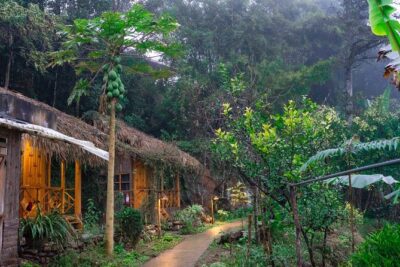
3-Day Trekking Adventure of Sapa from Hanoi – Stay Ta Van Village
Read our review →
2-Day Sa Pa Ethnic Homestay Tour & Trek with Limousine Bus
Read our review →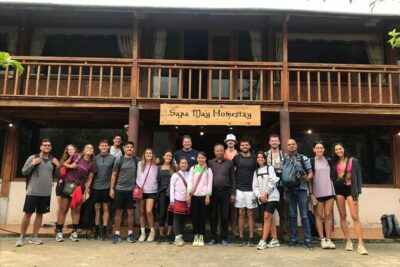
Sapa 3 Day 2 Night Trekking With Hotel & Homestay
Read our review →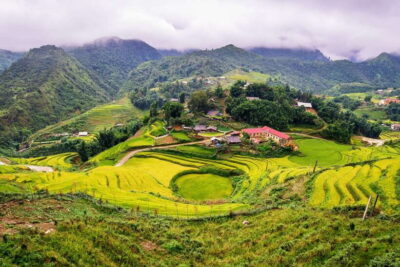
2-Day Sapa Trek Tour – Luxury Limousine Transfer
Read our review →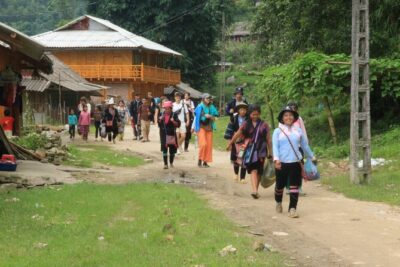
Sapa 2 Days 1 Night Overnight At Local Homestay
Read our review →Browse the lists this trek appears in