
Review · CUSCO
5 Day – Salkantay trek to Machu Picchu – Group Service
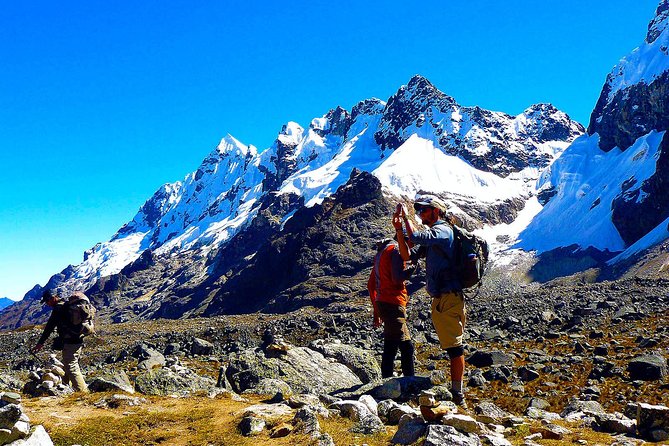
The remarkable feature here is the change in scenery. In five days, you go from icy peaks and thin mountain air to warm jungle valleys, then reach Machu Picchu on foot. I especially like the 4,650-meter Salkantay Pass and the chance to see snow-covered Salkantay and Humantay mountains before the trail drops into greener country.
I also like that the $650 price covers a guide team, cook, camping gear, meals, mules, a porter allowance, one hotel night, entrance fees, and the return train. The tradeoff is real: this is a demanding trek, and the camping conditions on Days 2 and 3 may feel basic. You need strong fitness and a willingness to sleep simply.
Key points to know before booking
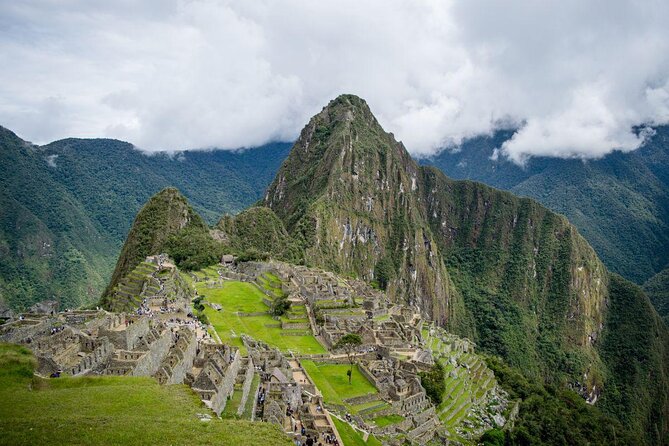
- The highest point reaches 15,200 feet: Expect cold air, steep walking, and possible snow at Salkantay Pass.
- Four ecosystems arrive in five days: The route moves from high mountain country to cloud forest, river valleys, and jungle.
- The crew carries the heavy gear: Horsemen and mules transport camping equipment and up to 8 kilograms of your belongings.
- Meals are a major part of the service: Breakfast, lunch, and dinner are included for four days, with cooks preparing food along the route.
- You sleep in tents for three nights: The fourth night is in a superior three-star hotel in Aguas Calientes.
- The final morning starts early: A 5:40 a.m. pickup takes you by bus to Machu Picchu for sunrise and a roughly two-hour guided visit.
Why this Salkantay route is worth considering
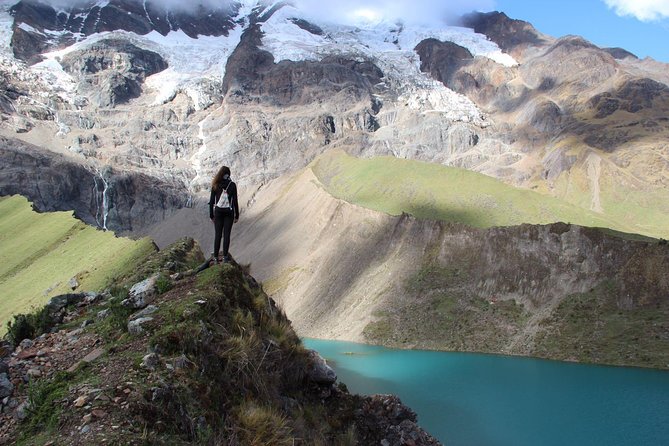
The Salkantay route is a strong choice if you want Machu Picchu to feel like the end of a journey, not simply a day trip from Cusco. You spend four days walking toward the citadel, with the scenery changing almost hour by hour.
The route is also less polished than a standard sightseeing circuit. You cross rough paths, small streams, mountain passes, and working rural areas. The experience is not pure wilderness at every step. Local communities and camps appear along the way, so set your expectations correctly. It is an adventurous route through inhabited mountain country, not a remote expedition.
A group size capped at 16 people gives the guide room to help individuals while still keeping the cost down. The strongest part of this setup is the staff. Guides such as Aldo, Victor, Ruben, Lenin, Oscar, and Claudio are praised for encouragement, humor, cultural explanations, and careful pacing. Names are assigned by the operator, so you cannot count on a particular guide, but the guide team is central to the experience.
More Inca Trail Treks in Cusco
- Cusco: 4-Day Inca Trail to Machu Picchu with Accommodation
★ 4.8 · 432 reviews - Cusco: Machu Picchu 2-Day Inca Trail with Panoramic Train
★ 4.9 · 260 reviews - From Cusco: 2-Day Inca Trail to Machu Picchu
★ 4.2 · 244 reviews
Day 1: Mollepata, Cruzpata, and Soraypampa
Your day begins around 5 a.m. with pickup and a bus ride to Mollepata. That early start matters. You need the morning hours for the first long walking day, and you will want to arrive at the trail before the heat builds lower down.
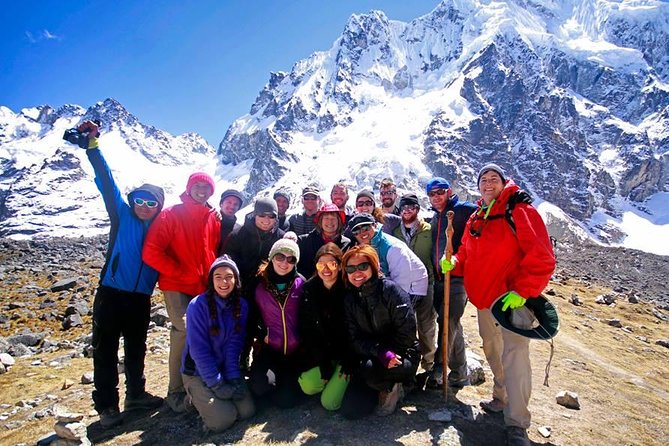
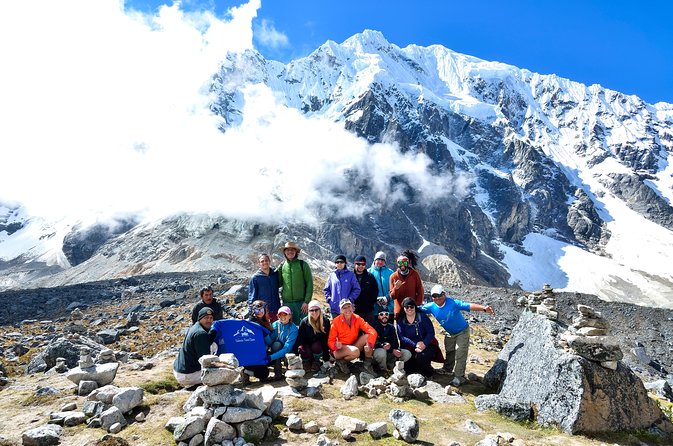
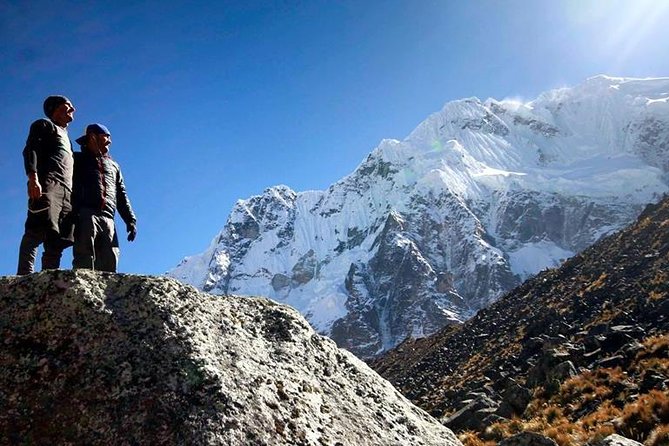
The first major walk takes about three hours to Cruzpata. Lunch comes with wide views of Humantay, rising to about 4,120 meters, and Salkantay, reaching about 6,271 meters. These mountains give the opening day its drama. You are looking up at the high country you will soon approach.
After lunch, you continue for about two hours toward Soraypampa, your first campsite. This is not a gentle introduction. Even if the distance looks manageable on paper, the altitude can make a steady climb feel slow. A guide can help set a sensible pace, but you should not treat the first day as a warm-up stroll.
Breakfast is not included on Day 1, so arrange your own meal before pickup. Lunch and dinner are included once the organized trek begins. Camping gear, a sleeping mattress, dining tent, tables, and chairs are provided, which removes much of the burden of carrying a full expedition load.
Day 2: The Salkantay Pass at 4,650 meters
Day 2 is the hardest and most dramatic section for many people. Breakfast is planned for about 5:30 a.m., followed by the climb to the highest pass of the trek.
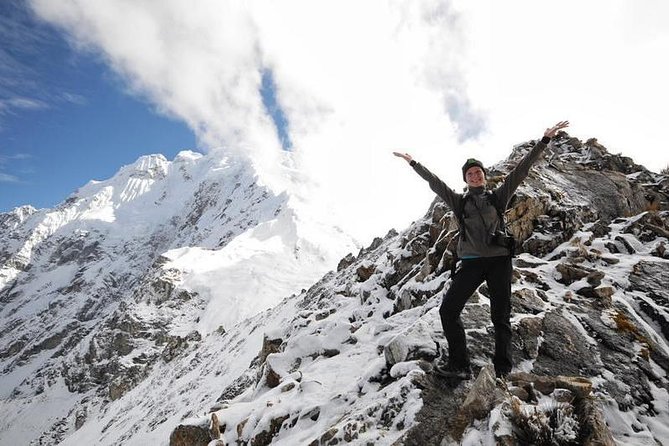
At 4,650 meters, Salkantay Pass is high enough for cold, thin air and possible snow. The pass sits between Salkantay on one side and Tucarhuay on the other. The views are the reward, but the climb requires patience. You may need frequent pauses, and that is normal at this elevation.
After time at the pass, the trail drops through a striking cloud forest to Huayracpunku, also called Huayracmachay. Lunch comes after roughly seven hours of walking for the day, so this is where a good guide and well-organized food service earn their keep.
The afternoon continues downhill for about three hours toward Colcapampa, at around 3,000 meters. Depending on the group’s pace, the night may be at Colcapampa, Challway, or Andenes. This flexible campsite arrangement is practical, but it also means the exact overnight setting may not match the one you picture when booking.
The route changes sharply here. Cold mountain air gives way to warmer vegetation, and the trail begins to feel more like a descent into the jungle. Some campsites on Days 2 and 3 are basic and may not meet everyone’s expectations. You should bring a good sleeping bag, warm layers, and a relaxed attitude toward camp facilities.
Day 3: Water, tropical plants, and hot springs
After breakfast at about 6:30 a.m., you continue through the upper jungle. The trail crosses the Lluskamayo River and passes small brooks, creeks, waterfalls, tropical fruits, and plants. This is one of the most rewarding changes on the route because the scenery no longer looks like the high Andes.
The walk lasts about six hours and ends at La Playa, at approximately 2,500 meters. The warmer climate can feel welcome after the cold of the pass, though lower altitude does not automatically make the day easy. Mud, uneven ground, and wet crossings can still slow you down.
A visit to the hot springs is optional. It is a useful extra after several days of walking, but it is not part of the core included service. You should also expect basic camping conditions around this portion of the trek. The difference between an enjoyable night and an uncomfortable one often comes down to what you pack: dry socks, a headlamp, insect protection, and a reliable rain layer.
The food service receives strong praise throughout the trip. Cooks such as Gregorio, Cirilo, and Wilfredo are singled out for generous meals and the ability to prepare vegetarian options when requested in advance. Do not assume that every preference is covered automatically. Tell the operator about dietary needs when you book.
Same trailhead, a different route:
- From Cusco: 7 Lakes Ausangate Trek with Breakfast and Lunch
★ 4.8 · 360 reviews - Machu Picchu: Inca Trail 2-Day Overnight Guided Tour
★ 4.9 · 203 reviews - Cusco: Full-Day Rainbow Mountain & Red Valley Trekking Tour
★ 4.5 · 121 reviews - Short Inca trail to MachuPicchu || 2days – 1nigth ||
★ 5.0 · 103 reviews
Day 4: Llactapata and the walk to Aguas Calientes
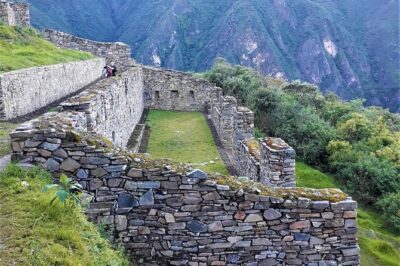
Day 4 starts with another 6:30 a.m. breakfast and a three-hour climb to Llactapata. This Inca site gives you an important visual moment: Machu Picchu comes into view from across the valley.
Llactapata is valuable not only because of its ruins, but because it changes the way you see the destination. Instead of arriving at Machu Picchu with no sense of the surrounding terrain, you first look toward it from a mountain trail. That view connects the final approach with the larger journey.
From Llactapata, you descend for about two hours through plantations producing coca, bananas, and other crops. Lunch is served at the Hydroelectric dam. From there, you walk for a couple more hours along the route to Aguas Calientes.
This final walking stretch can feel long after four days on foot. The reward is a proper overnight stay in Aguas Calientes, listed as a superior three-star hotel. You can also visit the town’s hot springs for an additional 10 soles. The hotel night is a useful change from tents, but remember that dinner and lunch in Aguas Calientes are not included.
The train back to Ollantaytambo is included after Machu Picchu. Train times can change based on schedules and availability. A Vistadome upgrade, with larger windows than the Expedition service, may be arranged for an extra cost.
Day 5: Sunrise at Machu Picchu
The final morning begins early. Your guide picks you up from the hotel at about 5:40 a.m., and you take the short bus ride to the entrance gates.
The goal is a sunrise visit, though actual visibility depends on conditions. Once inside, you receive a guided walking tour of the citadel lasting about two hours. Afterward, you have free time to explore within the rules and time allowed by your ticket.
The guided portion is important. Machu Picchu is visually powerful, but the stonework and terraces make more sense when someone explains the site’s Inca culture, building methods, and role in the region. Guides such as Aldo and Victor receive particular praise for combining practical help with stories about local customs and Peruvian history.
Huayna Picchu tickets are not included. If climbing that peak is a priority, arrange it separately and confirm that your schedule allows enough time. This five-day program already has a fixed final morning, so do not assume you can add every optional activity.
What the $650 price really covers
At $650 per person, the value is strongest for people who want an organized trek without carrying all their equipment. The fee includes hotel pickup, transport to the trailhead, a bilingual guide, an assistant guide, a cook, tents, mattresses, a dining tent, meals for four days, entrance fees, mules, horsemen, and a seven-kilogram personal porter allowance.
The return transportation also matters. The package includes the tourist train to Ollantaytambo, reducing the need to arrange the final transport yourself. One hotel night in Aguas Calientes adds comfort at the point when you are most tired.
You still need to budget for a single supplement of $112 if you want private accommodation arrangements, drinks, insurance, laundry, meals in Aguas Calientes, and optional hot springs. Flights, airport taxes, visas, extra baggage, and additional nights are also outside the price.
The service is not luxury camping. The dining setup is organized, but some overnight camps are simple. If you want private bathrooms, soft beds each night, and complete control over meals, this is not the right format. If you want a supported mountain trek at a lower cost than a private expedition, the inclusions are substantial.
Fitness, altitude, and packing advice
You should have a strong fitness level before booking. The route includes long walking days, repeated climbs and descents, uneven trails, and a high pass at 4,650 meters.
Altitude is the main concern, especially on Day 2. The itinerary includes extra oxygen and a first-aid kit, but those are safety provisions, not a substitute for preparation. Take the high pass slowly and listen to your guide.
Your personal belongings allowance is 8 kilograms in the itinerary description, while the inclusions list specifies 7 kilograms of personal porter service. Clarify the exact allowance before departure. Keep your daypack light and carry water, rain protection, warm layers, sunscreen, snacks, medication, and a headlamp.
The climate changes quickly. Pack for freezing conditions near the pass and warm, wet conditions lower down. Good footwear matters more than fashionable gear. Bring clothes you can dry and layer.
Who will enjoy this trek most
I would recommend this trip to you if you want:
- A physically demanding route with major scenery changes
- A group experience capped at 16 people
- Local guides who explain culture as well as trail conditions
- Meals prepared by a dedicated cook
- Help carrying camping equipment
- A hotel night before visiting Machu Picchu
- A more active alternative to taking the train directly from Cusco
I would hesitate to recommend it if you dislike camping, struggle with steep walking, or want a quiet private itinerary. The group format can be sociable and good value, but the pace and campsite choices are shared. A single supplement is available, though it does not turn the entire trek into a private tour.
The overall rating is listed at 4.7 from 27 reviews, with 93 percent recommending the experience. The strongest pattern is clear: guides and cooks receive the most praise. The main caution is also clear: some people find the camping on Days 2 and 3 less comfortable than expected.
Should you book the Salkantay trek?
Book this trek if you want to earn Machu Picchu through four days of changing terrain, high mountain views, and practical support from a guide and camp crew. The combination of the Salkantay Pass, Llactapata viewpoint, jungle descent, and sunrise entry makes the route far more varied than a simple rail visit.
Go in with realistic expectations. You are buying an organized adventure, not a polished resort. Prepare for early starts, tough climbs, basic camps, changing weather, and a fixed group schedule. If that sounds worthwhile, the $650 package offers a strong amount of support for the price.
FAQ
What is included in the 5-day Salkantay trek?
The trip includes a bilingual professional guide, assistant guide, hotel pickup, transport to the trailhead, the tourist train back to Ollantaytambo, camping equipment, mattresses, a dining tent, a cook, horsemen and mules, entrance fees, four breakfasts, four lunches, four dinners, and one night in a superior three-star hotel in Aguas Calientes.
How high does the trek go?
The highest point is Salkantay Pass at about 4,650 meters, or 15,200 feet. Snow is possible at the pass.
Is breakfast included on the first day?
No. Breakfast on Day 1 is not included. Breakfast is included on Days 2 through 5 as part of the organized meal service.
Are vegetarian meals available?
Yes. A vegetarian option is available, but you need to request it when booking.
Is Huayna Picchu included?
No. Huayna Picchu tickets are not included in the package.
Can the train be upgraded?
Yes. If arranged in advance and available, the train may be upgraded to Vistadome, which has larger windows than the Expedition train. An extra charge applies.
More 5-Day Experiences in Cusco
- Machu Picchu: 5-Day Salkantay Trek with Panoramic Train
★ 5.0 · 79 reviews - Ausangate Trek 5 Days
★ 5.0 · 74 reviews - Classic Choquequirao Trek – 5 Days / 4 Nights
★ 5.0 · 52 reviews - Ultimate Lares Trek & Inca Trail 5 days
★ 5.0 · 47 reviews
Just added around Cusco
- Classic Choquequirao Trek – 5 Days / 4 Nights★ 5.0 · 52 reviews
- Small Group: 4-Day Inca Trail Trek to Machu Picchu★ 5.0 · 33 reviews
- Short Inca Trail 2 Day Hike to Machu Picchu with Permits & Train★ 5.0 · 51 reviews
- 2 Day Tour Throughout the Short Inca Trail to Machu Picchu★ 5.0 · 36 reviews
- 5-Day: Salkantay Trek to Machupicchu and Humantay Lake★ 5.0 · 42 reviews
- 2 Day – Short Inca Trail to Machu Picchu – Group Service★ 5.0 · 30 reviews
- Salkantay Trek Standard 5D/4N★ 5.0 · 48 reviews
- Short Inca Trail To Machu Picchu★ 5.0 · 35 reviews
Machu Picchu & Inca Trail Treks, compared.
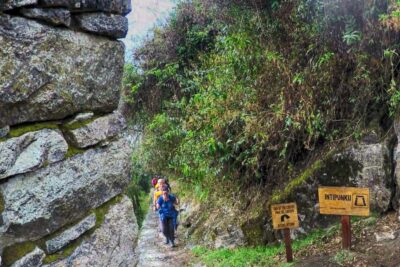
4-Day Inca Trail to Machu Picchu with Accommodation
Read our review →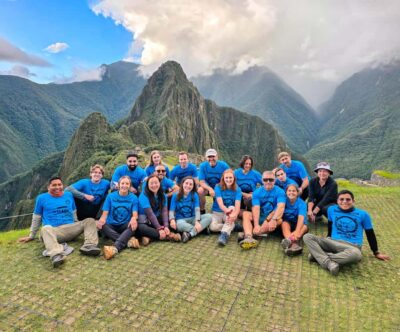
Machu Picchu 2-Day Inca Trail with Panoramic Train
Read our review →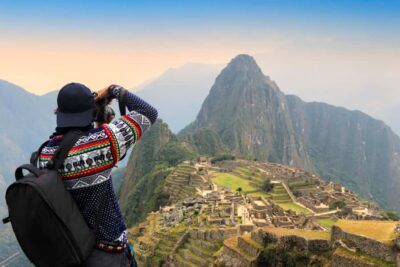
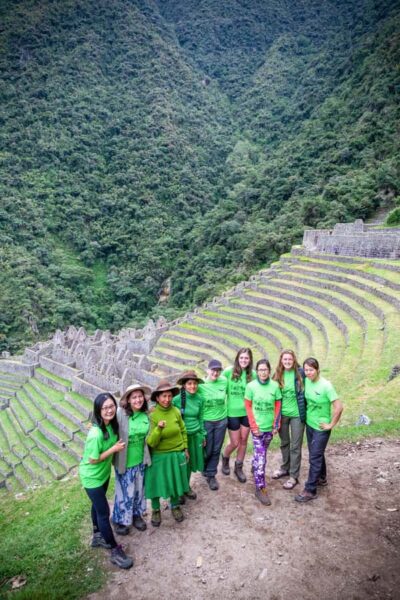
Machu Picchu: Inca Trail 2-Day Overnight Guided Tour
Read our review →
Short Inca trail to MachuPicchu || 2days – 1nigth ||
Read our review →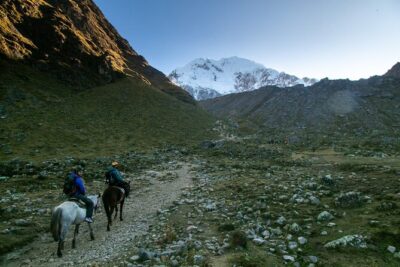
Machu Picchu: 5-Day Salkantay Trek with Panoramic Train
Read our review →Browse the lists this trek appears in