
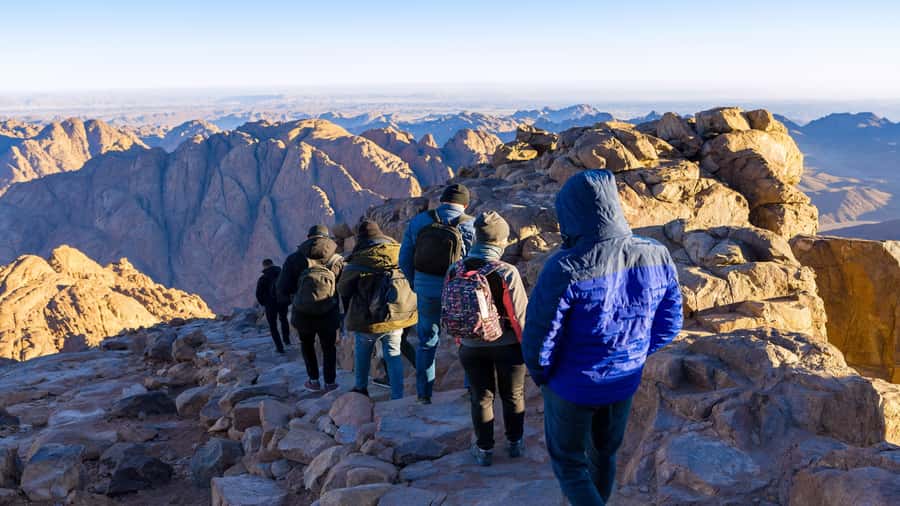
Review · TREKKING
From Sharm: Mount Moses Trekking, Sunrise & Monastery Visit
Mount Sinai is at its best before dawn. You climb through the darkness, with stars overhead and the rough trail underfoot, then wait in the cold for sunlight to spread across the South Sinai mountains. The sunrise is the main event, and it earns its place.
I like the strong Bedouin support on the mountain and the chance to pair a serious hike with St. Catherine’s Monastery, one of the world’s oldest working Christian monasteries. The chief drawback is the schedule: a night pickup, a long drive, a hard climb, and a return trip that can last 16 to 17 hours.
Key points to know before booking
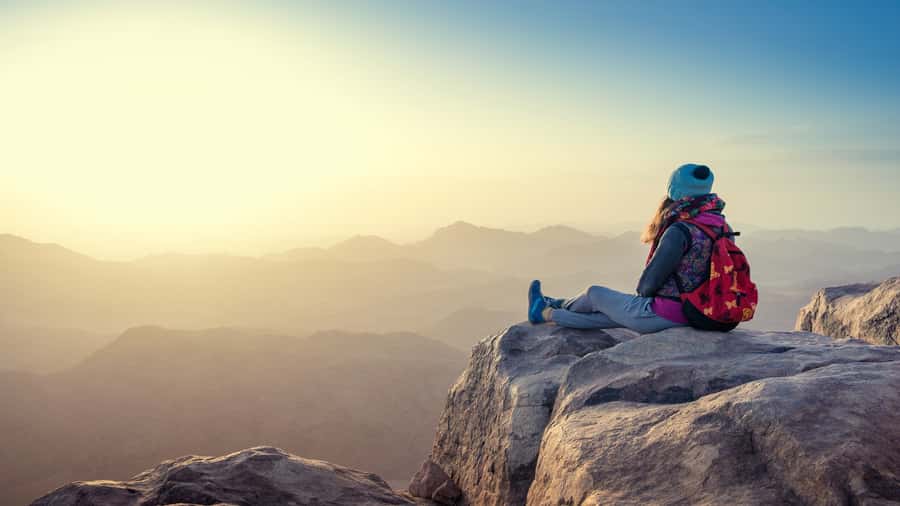
- The summit is 2,285 meters high: You climb for roughly 2 to 3 hours, followed by about 2 hours back down.
- The final 750 steps are the hardest part: They are uneven rocks and rough stone steps, not a neat staircase.
- Sunrise can be freezing: Bring several warm layers, gloves, a hat, and ideally a windproof jacket.
- The Bedouin guide takes over on the trail: The Egyptologist guide stays with the group until the base camp.
- Small cash is useful: Basic toilets, drinks, snacks, and blankets cost extra along the route.
- The monastery visit may feel short: After the night climb, many people are too tired to give it the time it deserves.
A night departure from Sharm El Sheikh
Pickup is scheduled between 8:00 PM and 9:00 PM from the main gate of your hotel, along the highway. Do not wait at reception. The exact pickup time can shift, and several hotel collections may make the opening part of the trip slow.
The drive to the Mount Sinai area takes about four hours in an air-conditioned vehicle. Some groups first use a smaller minibus and then transfer to a larger coach. Transport has been comfortable on some departures, but crowded seating and limited legroom have also been issues. You may spend six hours on the road in total, so this matters.
Security checkpoints can extend the journey. The operator supplies water, but bring extra drinks and food. Breakfast is not automatically provided as a fresh meal, so order a breakfast box from your hotel before leaving and collect it for the trip.
The long drive is not glamorous. Still, it gets you to the mountain at the right hour, when the climb is cooler and the first light is worth the lost night of sleep.
More Sunrise Treks in the world:
- Bali: Mount Batur Sunrise Trek With Guide and Breakfast
★ 4.8 · 3,461 reviews - Mount Batur Sunrise Trekking Private All Inclusive
★ 5.0 · 906 reviews - Mount Batur Sunrise Trekking Private Tour with Breakfast and Hotel Transfer
★ 5.0 · 885 reviews
Starting the Mount Sinai hike in darkness
The hike begins around the mountain base, at an elevation lower than the summit. The total route is roughly 7 kilometers each way, though the exact walking distance can vary with the approach and group movement.
For the first section, you follow a steep, uneven path in the dark. A flashlight is essential. Some guides provide basic flashlights, but I would bring your own headlamp so both hands remain free. The trail can be dirty from camel traffic, and the surface is rough enough that casual shoes are a poor choice.
The Bedouin guide leads the mountain portion. Your Egyptologist guide is generally available only until the base camp, so do not expect one person to explain every part of the climb. The Bedouin guides are there to set the pace, help with footing, organize breaks, and keep the group together.
The pace can feel gentle or surprisingly brisk depending on the guide and the fitness of the group. Regular stops make the ascent manageable, but some people have found the pace fast. If you walk slowly, tell the guide early rather than trying to hide your discomfort.
Along the route, small shops offer hot drinks, water, snacks, and occasional warm clothing. Toilets are basic and usually cost a small fee. Carry tissues. Prices and payments are easiest if you have small Egyptian pound notes, euros, or US dollars.
Why the final 750 steps matter
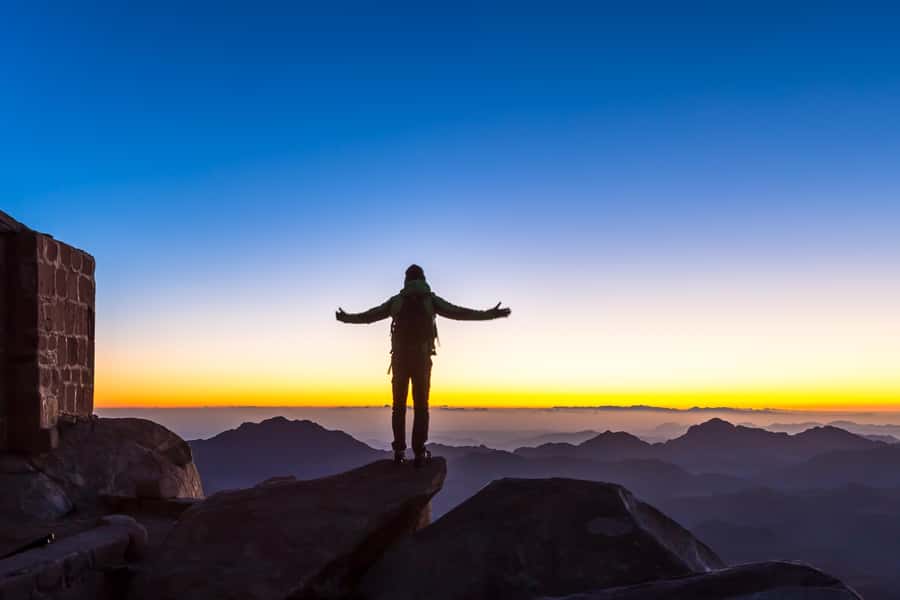
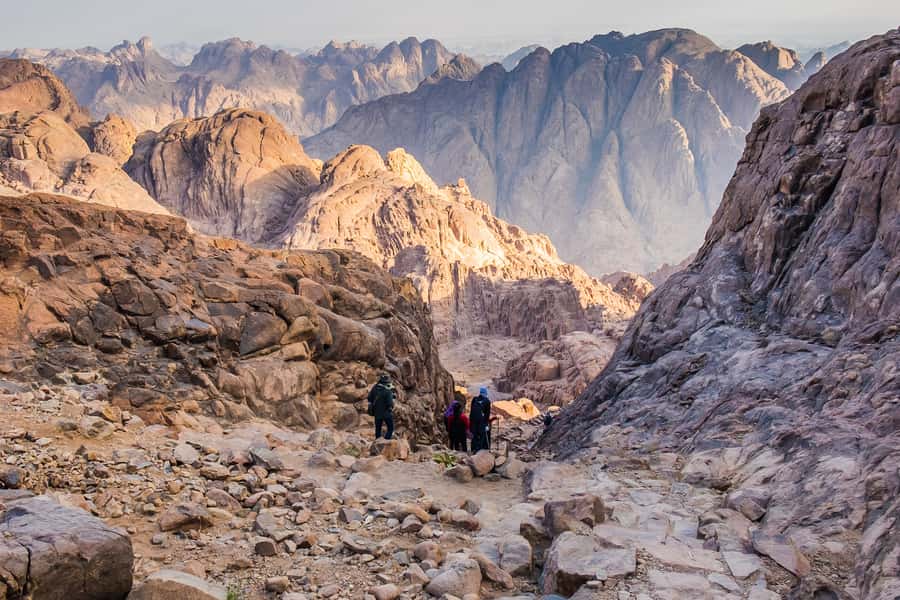
At the upper section, the route changes. You leave the easier camel section behind and climb about 750 steps on foot. These are not uniform stairs. Expect irregular stones, boulders, and steep sections that demand careful footing.
This is the part that makes the hike harder than the simple distance suggests. You have already been walking at night, and the climb becomes steeper just when your legs are tired. People who exercise regularly but rarely hike can underestimate it.
A camel may be available for the first part of the ascent, up to the final steps. It cannot take you to the summit, and the activity provider does not recommend using one. If you have a respiratory problem, shortness of breath, or a medical condition that affects walking, discuss the camel option with the guide. It costs extra and should not be treated as a substitute for medical advice.
Do not book this trip if you have serious breathing trouble, bone pain, or limited mobility. It is also unsuitable for children under 14, pregnant women, and wheelchair users.
Waiting for sunrise at 2,285 meters
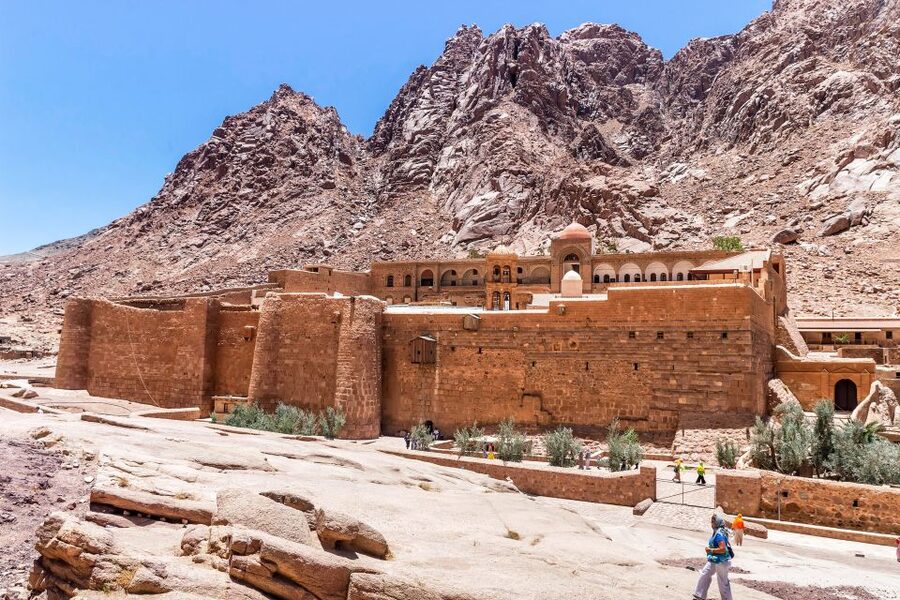
The summit is usually reached before sunrise so you can find a place to sit and watch the first light. Depending on the group, you may arrive well ahead of the scheduled sunrise. An hour or two of waiting is possible.
This is where warm clothing becomes more than a packing suggestion. The summit can be windy and extremely cold, with winter temperatures reported as low as minus 5 to minus 10 degrees Celsius. Even in warmer months, the pre-sunrise wait can feel harsh after you have been sweating on the way up.
Pack a fleece, down or insulated jacket, windproof outer layer, hat, gloves, and warm socks. A blanket can be rented near the top, often for around 200 Egyptian pounds, though the price can change. It is useful if you reach the summit early.
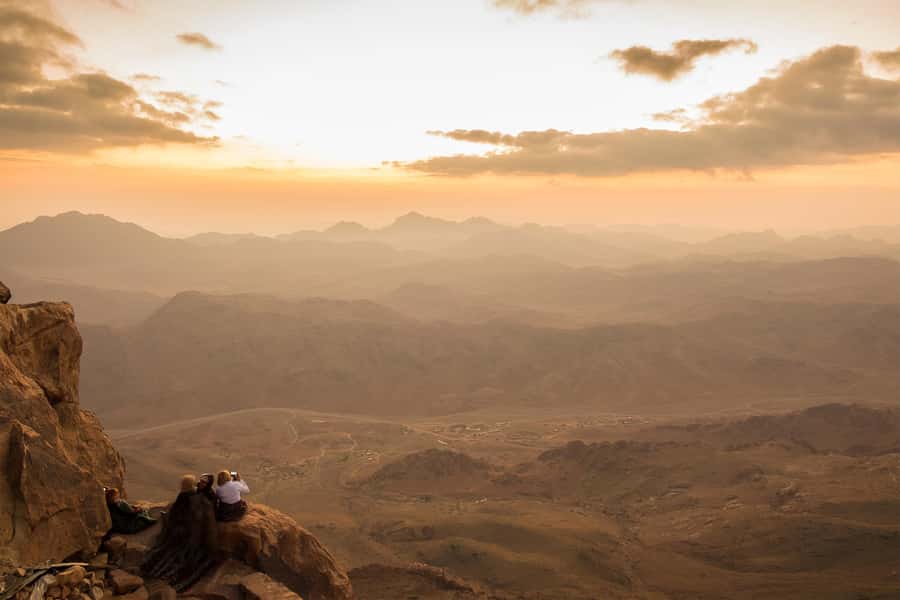
As the sky changes, the surrounding peaks slowly appear in layers of gray, blue, and gold. The religious meaning of Mount Sinai is central to the experience: this is traditionally identified as the place where Moses received the Ten Commandments. You do not need to approach the summit as a religious pilgrimage to appreciate the stillness, but the setting carries real spiritual weight.
There is no elaborate summit setup. You sit, wait, take photographs, pray if you wish, and watch the sun rise over the mountains. That simplicity is part of the appeal.
A few more treks around the world worth a look
- Private Mount Batur Sunrise Trekking Tour
★ 5.0 · 634 reviews - Mount Batur Sunrise Trekking (Private Tour and Breakfast at Restaurant)
★ 5.0 · 598 reviews - From Taormina: Half-Day Mount Etna Morning Trek
★ 4.9 · 504 reviews - Private Tour Mount Batur Sunrise Trekking and Natural Hot Spring
★ 5.0 · 431 reviews
The descent is easier, but not effortless
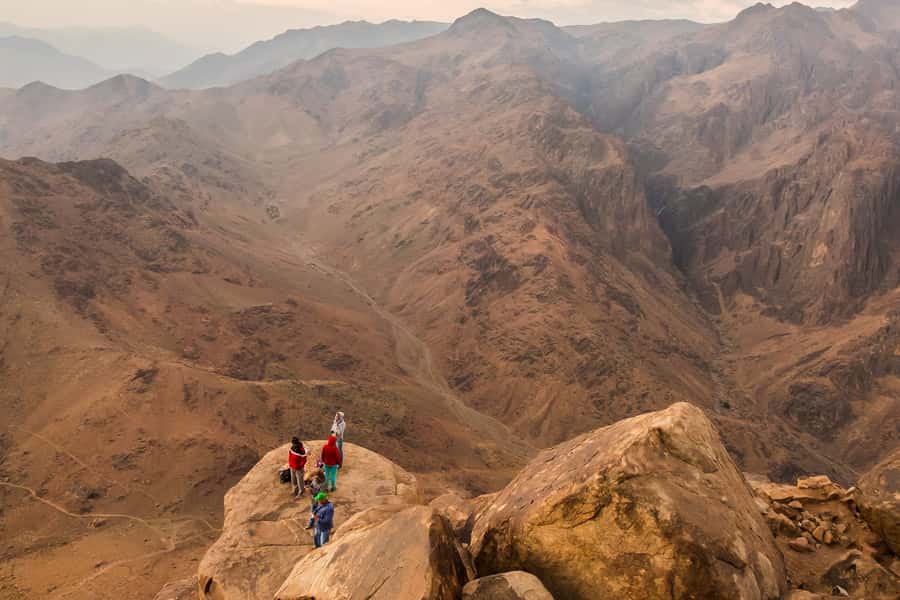
The way down generally takes about two hours. In daylight, you can see the stones and the route is easier to follow, but descending uneven steps can punish knees and ankles.
The sun also changes the conditions quickly. What felt bitterly cold at the summit may become warm and sunny lower down. Keep water accessible, and do not pack your jacket so deeply that you cannot reach it during the wait.
Camel traffic shares parts of the trail. Give animals room and watch your footing. You may also encounter children selling items or asking for money. Be prepared for this, and decide in advance how you want to respond.
Once back at the base, you have time to rest and eat your breakfast box. This pause is welcome, but it may be shorter than you hope because the group still has the monastery visit and the return drive ahead.
St. Catherine’s Monastery and the burning bush
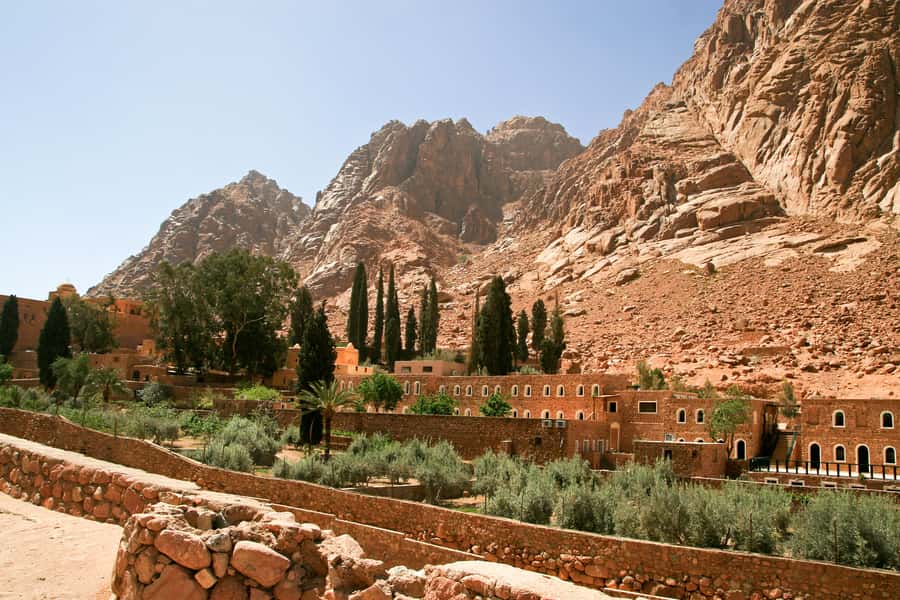
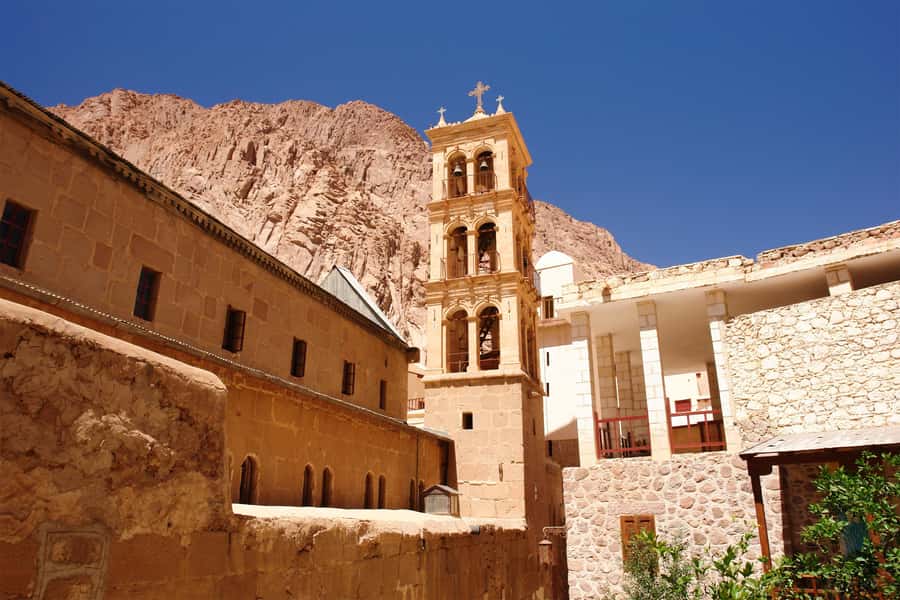
St. Catherine’s Monastery adds an important second half to the day. The sixth-century complex is beside the traditional site of the burning bush and is recognized as a UNESCO World Heritage Site.
The monastery is described as the oldest functioning Christian monastery in the world. Inside, you may see historic icons, old manuscripts, and displays connected with the monastery’s long religious past. The library and museum are especially important, though the exact areas open during a visit can depend on the day and site conditions.
The monastery is closed on Sundays and on listed Christian holidays. Check the date before booking, since a closed monastery makes the second half of the tour far less worthwhile.
One practical warning: the visit can feel rushed. After the climb and little or no sleep, you may want a seat rather than another guided explanation. Some people choose to rest outside instead of going in. If you care strongly about the manuscripts, icons, church, and burning bush, conserve energy and ask the guide how much time is available before you start exploring.
The Egyptologist guide can add useful context here. Guides on different departures have included names such as Ashrof, Amr, Ali, and Ibrahim, while mountain guides have included Jimmy and Mohammad. The assigned staff can change, but multilingual service is offered in English, Russian, and Arabic.
Transport, organization, and group comfort
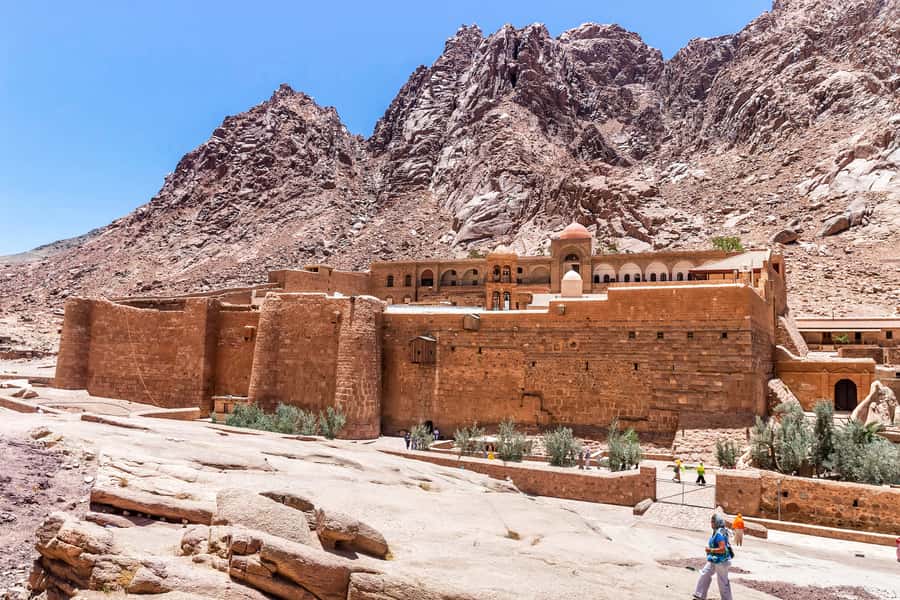
The trip includes hotel pickup and drop-off in Sharm El Sheikh, a clean air-conditioned vehicle, an Egyptologist guide, a Bedouin mountain guide, and water. The group may be moved between vehicles at the start, and a large coach can be used for the longer route.
Organization has generally been a strength, particularly once the group reaches the mountain. Guides check on people, schedule rest stops, and help with the tricky parts. Still, the pickup process can be vague. Confirm the time and exact meeting point before the evening of departure.
The main gate instruction is important. Pickup is not necessarily from the hotel lobby or reception. If your hotel sits away from the main road, allow time to reach the stated meeting point.
Bus comfort depends on the departure. A properly assigned seat is fine for the drive, but crowded coaches and folding seats have caused discomfort. If you are tall, have back problems, or dislike long overnight rides, this is worth considering before you book.
What the $50 price really covers
At $50 per person, this is strong value if you want transport, guides, the mountain trek, and the monastery visit in one long outing. Arranging all those pieces separately would be difficult, especially with night access and regional security procedures.
The price does not cover extra drinks, snacks, toilets, blankets, camel rides, or personal spending. The mountain shops can charge high prices for simple items, so carry enough water and food from Sharm. Small notes are more convenient than large bills.
Breakfast is another hidden planning detail. You need to order it from your hotel before departure, collect it before pickup, and carry it through the night. That is easy once you know, but easy to miss.
Free cancellation up to 24 hours before departure and reserve-now, pay-later booking make the plan less rigid. The more important value question is your energy. You are paying $50 for a demanding night expedition, not a relaxed sightseeing day.
How to prepare for the climb
Use the following packing list:
- Hiking shoes with a firm sole
- Headlamp or strong flashlight
- Warm layers, including a hat and gloves
- Windproof jacket
- Water and a packed breakfast
- Comfortable clothing
- Passport
- Tissues and small cash
- Phone battery power for navigation and photographs
Wear layers rather than one heavy coat. You will warm up on the climb and cool down rapidly when sitting at the summit. Good shoes matter most on the final stones. Flip-flops are not suitable.
You should be comfortable walking for several hours and climbing uneven steps. A reasonable level of fitness helps, but hiking experience matters more than gym strength. Train with stairs or long walks before the trip if you are unsure.
The altitude is not extreme by mountain standards, but the elevation gain, darkness, cold, and sleep loss combine to make the outing tiring. Tell the guide if you feel dizzy, breathless, or unwell. Do not race the group to prove anything.
Who should book this Mount Sinai tour?
Book it if you want a physical challenge with religious meaning, dramatic sunrise views, and a historic monastery in the same trip. It suits people who can handle a long night, rough ground, basic facilities, and a crowded coach without expecting luxury.
It is particularly good for hikers, pilgrims, photographers, and anyone who wants something more substantial than a standard resort excursion from Sharm. The Bedouin guides and the mountain setting give the trip a local character that a simple viewpoint visit cannot match.
Think twice if you need a flexible schedule, a comfortable night’s sleep, or plenty of time at every stop. You may arrive at the monastery exhausted, and security checks or multiple hotel pickups can lengthen the day.
Should you book it?
Book this tour if the sunrise is your priority and you accept the climb as the price of admission. The view from Mount Sinai, the night sky, and the sense of reaching a sacred summit make this a memorable South Sinai experience.
Skip it if you have breathing, bone, pregnancy, mobility, or serious endurance concerns. For everyone else, bring better warm clothing than you think you need, a real headlamp, sturdy shoes, food, water, and small cash. With those basics in place, the $50 cost is fair for a full mountain-and-monastery day.
FAQ
How long does the Mount Sinai tour take?
The full activity takes about 16 to 17 hours, including hotel pickup and drop-off. Security checkpoints and transport delays can make it longer.
What time is pickup from Sharm El Sheikh?
Pickup is scheduled between 8:00 PM and 9:00 PM. You should wait at the main gate of your hotel along the highway, not at reception.
How long does the hike to Mount Sinai take?
The ascent takes about 2 to 3 hours, depending on the group. The descent takes roughly 2 hours.
How high is Mount Sinai?
The summit is approximately 2,285 meters above sea level.
Can I ride a camel to the summit?
A camel may be available for the first part of the trail, up to the final 750 steps. The last section must be completed on foot, and the provider does not recommend the camel ride.
What should I wear for the hike?
Wear hiking shoes, comfortable clothing, and several warm layers. A jacket, hat, gloves, and windproof outer layer are especially useful because the summit can be very cold and windy.
Is breakfast included?
Breakfast is not listed as an included service. You should pre-order a breakfast box from your hotel and collect it before the tour begins.
Is St. Catherine’s Monastery open every day?
The monastery is closed on Sundays and on certain Christian holidays. Opening dates can vary, so check before booking.
What languages are available on the tour?
Live guiding is available in English, Russian, and Arabic. The Egyptologist guide stays with the group until the base camp, while a Bedouin guide assists with the mountain trek.
Just added around the world
- Everest Base Camp Trek★ 5.0 · 3 reviews
- Everest Base Camp Trek★ 5.0 · 7 reviews
- 15 Days Private Everest Base Camp Trek★ 5.0 · 30 reviews
- Everest Base Camp Trek★ 5.0 · 57 reviews
- 14 Days of Adventure Trekking to Everest Base Camp★ 5.0 · 2 reviews
- 14-Day Everest Base Camp Trek★ 5.0 · 20 reviews
- From Kathmandu: Private 14-Day Everest Base Camp Trek★ 5.0 · 20 reviews
- 14 Days Everest Base Camp Trek★ 5.0 · 4 reviews
Sunrise Treks, compared.
Mount Batur Sunrise Trek With Guide and Breakfast
Read our review →
Mount Batur Sunrise Trekking Private All Inclusive
Read our review →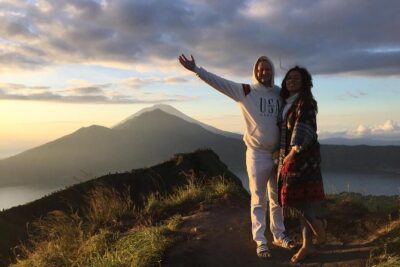
Mount Batur Sunrise Trekking Private Tour with Breakfast and Hotel Transfer
Read our review →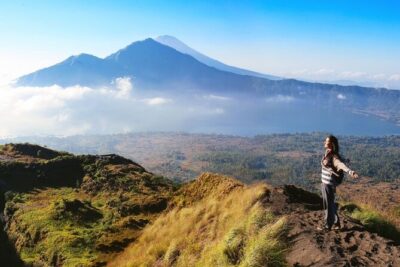
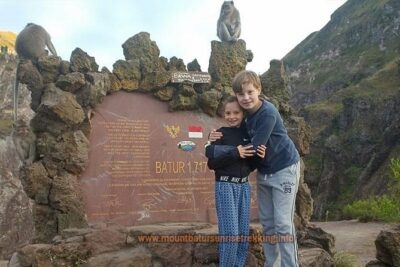
Mount Batur Sunrise Trekking (Private Tour and Breakfast at Restaurant)
Read our review →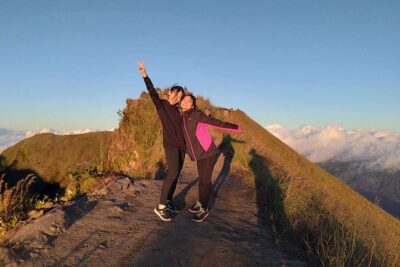
Private Tour Mount Batur Sunrise Trekking and Natural Hot Spring
Read our review →
Private Tour : Mount Batur Sunrise Trekking With Private Guide
Read our review →
Browse the lists this trek appears in