
Review · SAPA
Sapa Trekking Guide Francophone 2 days – 1 night
Sapa’s best moments come on foot, and this two-day trek takes you beyond the town to rice terraces, Hmong villages, bamboo forest, and the Muong Hoa River. I like the route’s local focus and the chance to sleep with a host family rather than return to a hotel each evening.
I also like having a French-speaking guide, a useful touch for travelers who want more than a scenic walk. The main consideration is fitness: one review describes the route as somewhat strenuous, so this is not a gentle sightseeing stroll.
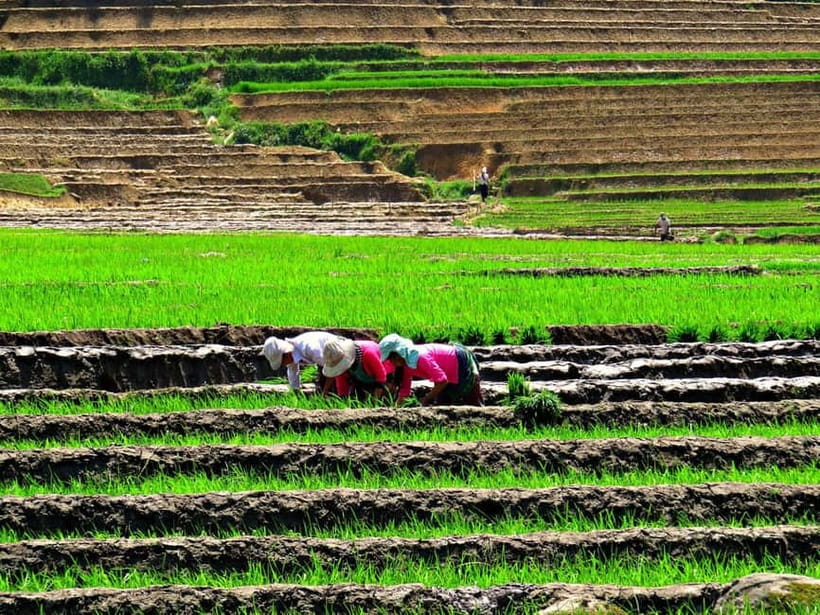
- Y Linh Ho and Lao Chai: Walk through dramatic rice terraces and learn about Black Hmong culture.
- Local homestay: Spend the night with a host family, including dinner and breakfast.
- Ta Van village: Meet the Giay minority and see another side of Sapa’s highland life.
- Bamboo forest and Muong Hoa River: A greener, quieter section of the second day.
- Giang Ta Chai waterfall: A scenic stop with time for a picnic.
- French or English guide: Helpful for cultural explanations and practical support on the trail.
Why this Sapa trek feels different
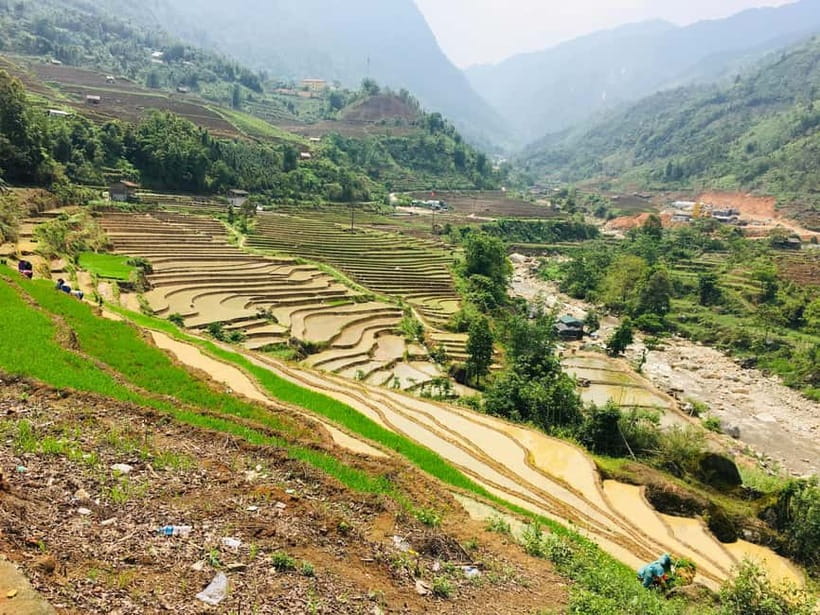
Sapa is famous for its mountain views, but the most rewarding part is often the walking between villages. This trip links several communities in the Muong Hoa Valley, giving you time to see rice terraces up close and learn how local people live.
The route includes Y Linh Ho, Lao Chai, Ta Van, and Giang Ta Chai. Each stop adds something different. You begin with Hmong culture and broad views across the terraces, then move toward Giay communities, forest paths, river scenery, and a waterfall.
I like this progression because the two days do not feel like the same walk repeated. You get open hills on the first day and a more wooded, sheltered route on the second. The guide is there throughout the trek, with French and English available, so you can ask about local customs as you go.
The price is $100 per person. That includes the guide, village entrance fees, two lunches, dinner, breakfast, one night with a host family, a small bottle of water per person per day, and transport back to Sapa at the end. For a two-day trip with meals and accommodation included, the cost is reasonable, especially if you value direct contact with local communities.
Day one from Sapa to Y Linh Ho
Pickup begins at 9 a.m. from your hotel in Sapa. That is a useful start time because you are not being pushed out before dawn, yet you still have most of the day for the walk.
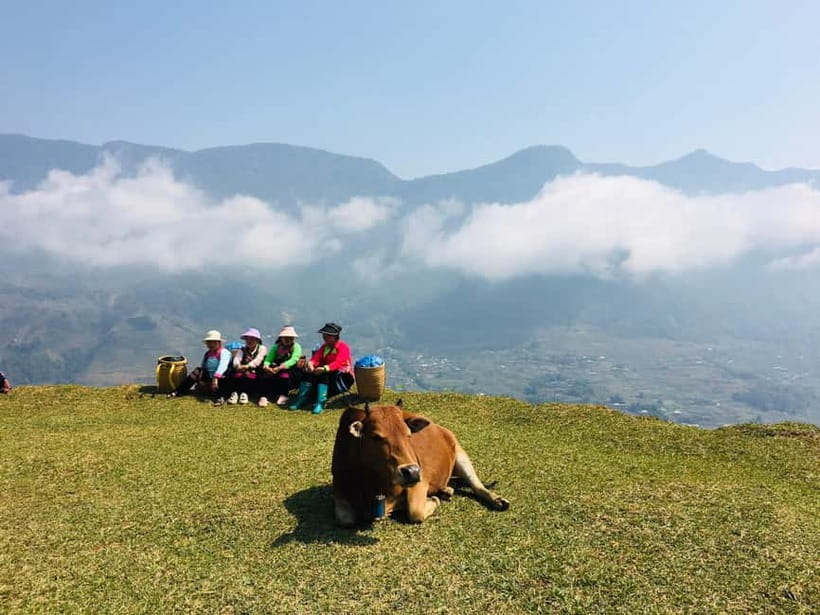
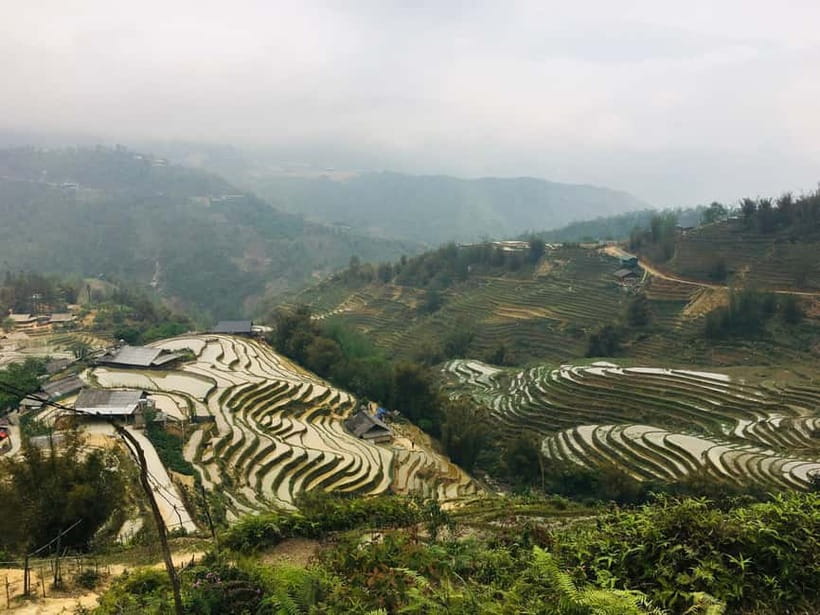
The first destination is Y Linh Ho, a Hmong village surrounded by rice terraces. The terraces are the star of this part of the route. Their appearance changes with the season, but the tiered fields create the classic Sapa views that draw photographers here.
Bring time for looking, not just walking. The terraces spread across the hillsides, and the changing elevation gives you different angles as the path continues. Your guide can add context about the village and local life, making the views more meaningful than a quick photo stop.
The trail can be physically demanding. The supplied information does not give a distance or detailed elevation profile, so you should not assume an easy, paved route. Wear shoes with a firm grip and plan on walking at a steady pace rather than treating this as a fast hike.
A few more treks around Sa Pa worth a look
- SAPA: 2-DAY 1-NIGHT TREKKING & CULTURE WITH HMONG GUIDE LINH
★ 4.9 · 126 reviews - From Sapa: 2 Days 1 Night Trek Over Night At Homestay
★ 5.0 · 68 reviews - Sapa: 2-Day Local Guided Valley Trek with Night Homestay
★ 5.0 · 27 reviews
Lunch and the walk to Lao Chai
After Y Linh Ho, you stop for a traditional lunch prepared by local people. Two lunches are included across the trip, as well as dinner and breakfast, which keeps meal planning simple.
Do not expect the comfort or menu range of a city restaurant. The point here is to eat as part of the village experience, with local food forming part of the day rather than serving as a separate tourist stop. If you have dietary needs, ask about them before booking, since no special meal arrangements are listed.
The walk then continues to Lao Chai. This village is associated with the Black Hmong, and the guide explains their culture and customs along the way. That cultural element is important. You are not simply passing through a photogenic place, you are being shown how one of Sapa’s ethnic communities fits into the valley.
A good guide can make a major difference here. The trip has a French-speaking guide, and English is also available. That gives you a better chance to ask direct questions instead of relying on short, general explanations.
An overnight stay with a local family
The first day ends with dinner and a night in a local homestay. This is the part that changes the pace of the trip. Instead of finishing the walk and returning to Sapa, you stay in the valley and continue the experience into the evening.
The accommodation is with a host family, but the information does not specify room arrangements or private facilities. Keep your expectations practical. A homestay is chosen for contact with local life, not for hotel-style services.
Dinner is included, and the evening may include stories under the stars. That promise should be read as a relaxed social evening rather than a scheduled entertainment show. The pleasure is in having time with your hosts after the walking is over.
Pack lightly for the night. You will want water, a change of clothes, basic washing items, and anything you need for sleeping comfortably. Only a small bottle of water per person per day is included, and extra drinks are not covered, so bring money or your own supply for additional water and other beverages.
Morning views and the route to Ta Van
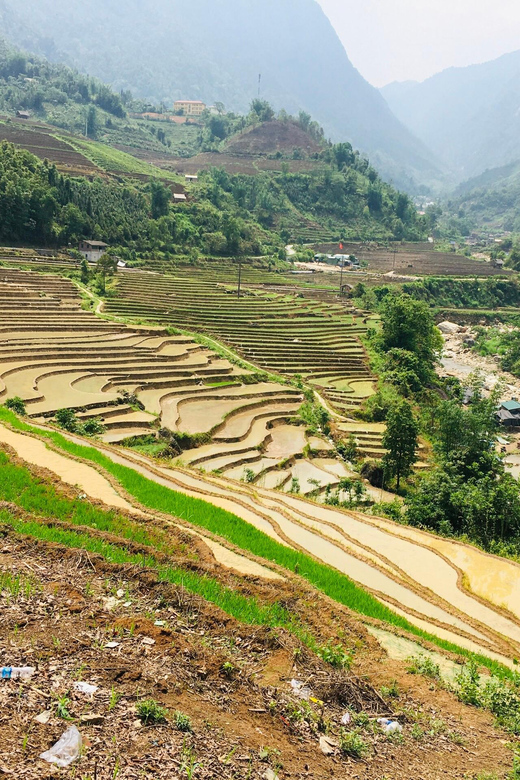
Day two begins at the homestay with breakfast. One appealing detail is the chance to see the rice terraces and green hills from near your room before setting out. It gives the morning a slower start than a standard hotel departure.
After breakfast, the route heads toward Ta Van, where you meet members of the Giay minority. This makes the second day more than a return journey. You are introduced to another community and another set of traditions within the same mountainous region.
The exact walking time is not provided, so check the starting details when you reserve. The two-day duration is clear, but the trail pace can vary depending on conditions, stops, and the group. A private schedule is not advertised, so you should be ready to follow the guide’s pace.
Same trailhead, a different route:
- Sa Pa: Muong Hoa Valley Trek and Local Ethnic Villages
★ 4.6 · 864 reviews - Sapa: Eco Adventure Terrace Fields and Local Villages Trek
★ 4.9 · 636 reviews - Number one top rated ethical cultural trekking and homestay by ETHOS
★ 5.0 · 456 reviews - From Sapa: 1-Day Guided Trek to Lao Chai & Ta Van with Lunch
★ 4.9 · 416 reviews
Bamboo forest, river, and Giang Ta Chai waterfall
The path passes through a lush bamboo forest before reaching the Muong Hoa River. This section offers a change from the open terraces of day one. The trees provide a more enclosed setting, while the river adds sound and movement to the walk.
The route then leads to Giang Ta Chai waterfall. A picnic here is included in the day’s plan, though the supplied details do not specify whether the picnic is one of the included lunches or a separate arrangement. Either way, the waterfall gives you a natural pause before the trek ends.
I would treat this section as a reason to keep your camera ready, but not as a guarantee of a huge cascade. Water volume can vary, and no size or seasonal conditions are given. The real appeal is the combination of forest, river, and falling water in one part of the trail.
Transport back to Sapa is provided from the village at the end of the trek. That matters after a full day on foot. You are not left to arrange your own return from the valley.
How difficult is the walking?
The route is described as somewhat strenuous, and that is the most important practical warning. Sapa’s terraces involve slopes, uneven ground, and changes in elevation. Even if you walk regularly, wet conditions could make the trail more tiring.
The itinerary does not state the total distance, walking hours, or maximum group size. Ask for those details before booking if you have concerns about stamina, knee problems, or balance. The guide can support the group, but the tour is still built around trekking rather than short village visits by vehicle.
Good footwear matters more than fancy equipment. Choose shoes that can handle uneven paths, and carry a light day bag. Pack sun protection and a waterproof layer because mountain weather can change, even though the tour description does not give seasonal forecasts.
What the $100 price covers
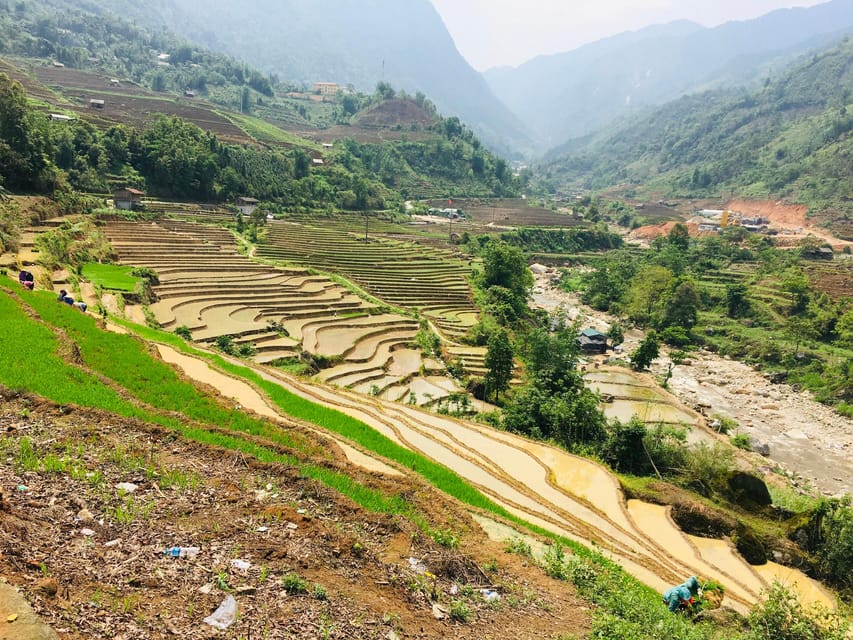
At $100 per person, the package includes the parts that often create extra planning on a self-guided trip:
- French or English-speaking guide
- Village entrance fees
- Two lunches
- One dinner
- Breakfast
- One night with a host family
- A small bottle of water per person per day
- Transport from the village back to Sapa
The price does not include personal travel insurance or additional drinks. Bottled water and beer beyond the provided amount are also extra. Bring enough water for your needs, especially if you know you drink more during a strenuous walk.
The value is strongest for people who want a guided cultural route with meals and a homestay already arranged. It is less compelling if you only want a short scenic walk near town or prefer private hotel accommodation.
Who should book this experience?
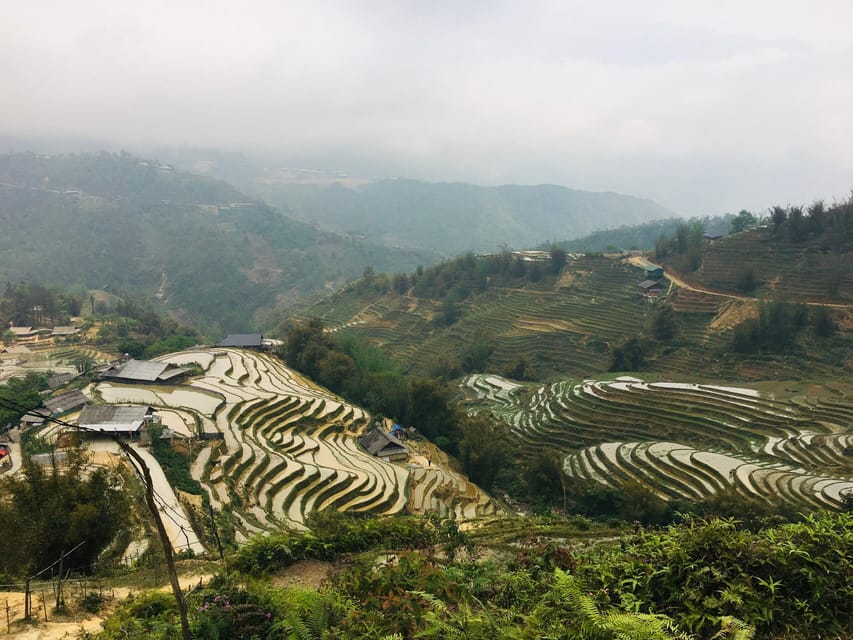
I would recommend this trek to you if you want Sapa’s villages and terraces at walking pace, and if a local homestay sounds more appealing than two nights in town. It suits people who enjoy learning about Hmong and Giay communities as much as taking photographs.
The French-speaking guide is a major advantage for French-speaking visitors. English is also available, so the experience is not limited to French speakers. A guide who is efficient and well prepared can help you handle the trail while explaining what you see, which is especially useful in villages where respectful behavior matters.
You should think twice if you dislike uneven trails, have limited walking stamina, or need clearly stated distances before committing. The itinerary gives the main route but not a detailed difficulty chart. Ask for current trail conditions and walking times before paying.
The two existing ratings are both five out of five. The praise centers on strong organization, a warm welcome, good guidance, and memorable meetings in the ethnic villages. Those are exactly the areas where this trip should earn its price: planning, human contact, and a route that reaches places you would be unlikely to connect on your own.
Booking details worth checking
You can cancel up to 24 hours before the experience for a full refund. You can also reserve now and pay later, which helps if your Sapa dates are not fully fixed.
The tour lasts two days, with starting times confirmed through availability. Hotel pickup begins at 9 a.m. on the first day, and the guide speaks French or English.
Personal travel insurance is not included. Arrange your own cover before departure, particularly because this is a physical outdoor activity and the route can be strenuous.
Should you book this Sapa trek?
Book it if you want a two-day Sapa experience built around walking, village life, and a night with a host family. The combination of Y Linh Ho terraces, Black Hmong culture in Lao Chai, Giay culture in Ta Van, bamboo forest, the Muong Hoa River, and Giang Ta Chai waterfall gives the trip a satisfying range.
Skip it if you want a soft-paced sightseeing tour, a detailed distance guarantee, or hotel comforts each night. For everyone else, $100 is a fair price for the guide, meals, homestay, entrance fees, and return transport. Pack light, carry extra water, wear sturdy shoes, and ask about trail conditions before you set off.
FAQ
Where does the Sapa trek begin?
The guide picks you up from your hotel in Sapa at 9 a.m. on the first day.
How long is the experience?
The tour lasts two days and includes one overnight stay.
Where do I stay overnight?
You spend the night with a local host family in a homestay.
Which villages are included?
The route includes Y Linh Ho, Lao Chai, Ta Van, and Giang Ta Chai.
Which ethnic communities do I learn about?
You learn about Black Hmong culture in Lao Chai and meet the Giay minority in Ta Van.
Is a guide included?
Yes. A live guide is included throughout the experience.
Which languages does the guide speak?
The guide is available in French and English.
Are meals included?
Yes. The package includes breakfast, two lunches, and dinner.
Is water included?
A small bottle of water per person per day is included. Additional drinks, including extra bottled water and beer, are not included.
Is transport back to Sapa included?
Yes. Transport from the village back to Sapa is provided at the end of the trek.
Just added around Sa Pa
- Sapa: Private The Most Beautiful Terraced Fields Trekking★ 4.8 · 42 reviews
- Soob Sapa Trekking Tour★ 4.3 · 3 reviews
- Sapa Trekking – Waterfalls And H’mong Villages★ 5.0 · 2 reviews
- Sapa3D2N TrekkingAdventures,Valleys,Bambooforest,Waterfall★ 4.8 · 24 reviews
- Sapa: Trekking Through Terraced Rice Fields & Valley 1 Day★ 4.8 · 4 reviews
- Sapa: Trekking Sapa One Day With Group Tour★ 4.7 · 55 reviews
- Sapa: Y Linh Ho – Lao Chai, and Ta Van Trekking Day Tour★ 5.0 · 25 reviews
- Sapa Trekking Private Tour With Ethnic Female Tour Guide★ 4.9 · 24 reviews
Evening Experiences, compared.
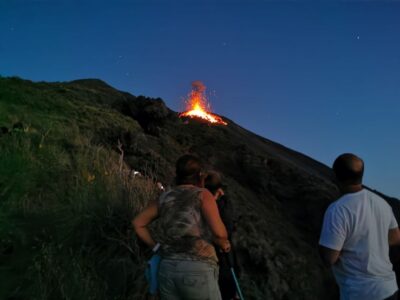
Stromboli: Sunset Trekking at Sciara del Fuoco
Read our review →
Etna Sunset Tour: Volcano trek, Cave & tasting from Catania
Read our review →
2-Day Mt. Toubkal Trek with 1-Night Stay & Meals
Read our review →
Sapa 3 Days 2 Nights Trekking Tour (1 Night In Ta Van Village, 1 Night In Hotel)
Read our review →
Sapa 3 Day 2 Night Trekking With Hotel & Homestay
Read our review →
Browse the lists this trek appears in