
Review · SAPA
Sa Pa: 2-Day Trekking Trip with Ethnic Minority Homestay
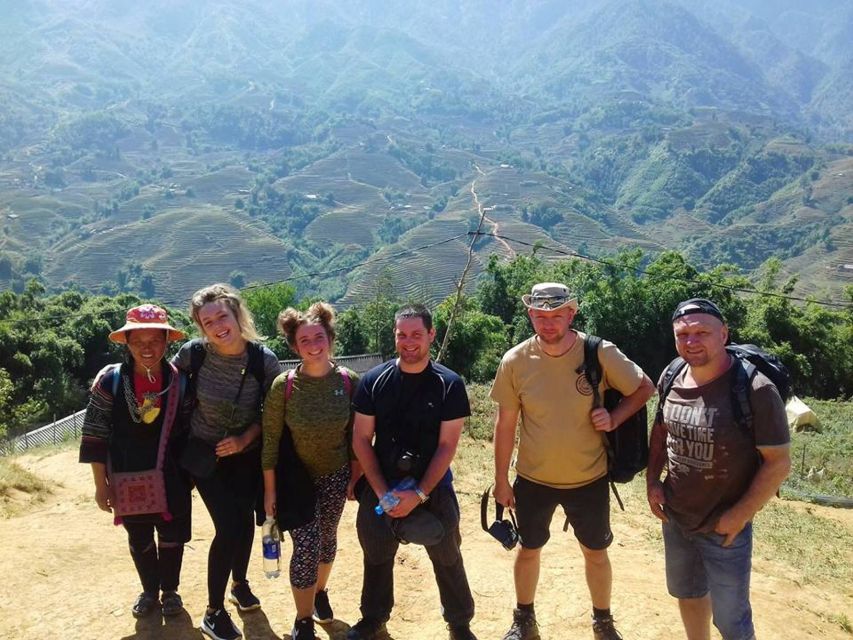
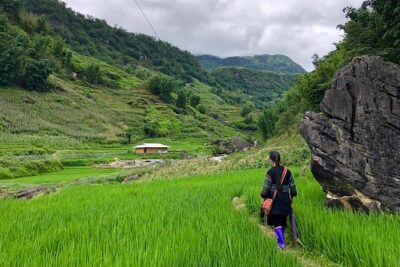
The best part of this two-day Sa Pa trek is the overnight stay in Ta Van, where a Dzay family homestay turns a scenic walk into a closer look at village life. You will pass Black H’mong and Dzay communities, wooden homes, rice terraces, and mountain paths rather than simply stopping for a quick photo.
I like the small group size, limited to 14 people, and the guides who have earned strong praise for their English and care. Guides such as Lan, Khu, Lang, Son, and Nhu are described as friendly and flexible. I also like the value: $55 covers the guide, transport, meals, entrance fees, water, and the homestay.
The main caution is the trail itself. Rain can turn the steep sections into slippery mud, especially on the first morning. Local women may walk beside you to help on difficult stretches, but some expect you to buy handicrafts afterward. The homestay is comfortable for a village stay, yet one report noted bedbugs, so pack with sensible expectations.
Key points at a glance
- 11 kilometers on day one: Walk from Sa Pa through Y Linh Ho and Lao Chai before reaching Ta Van.
- A real Dzay homestay: Sleep in a minority village and share dinner with your host family.
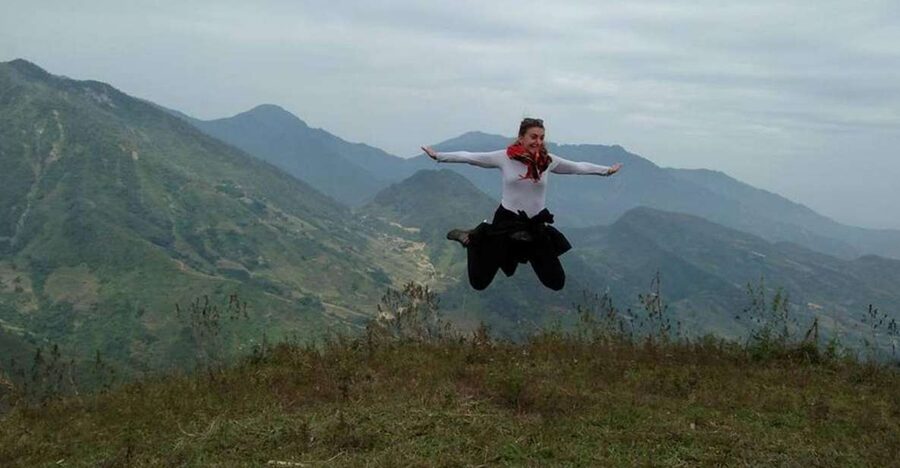
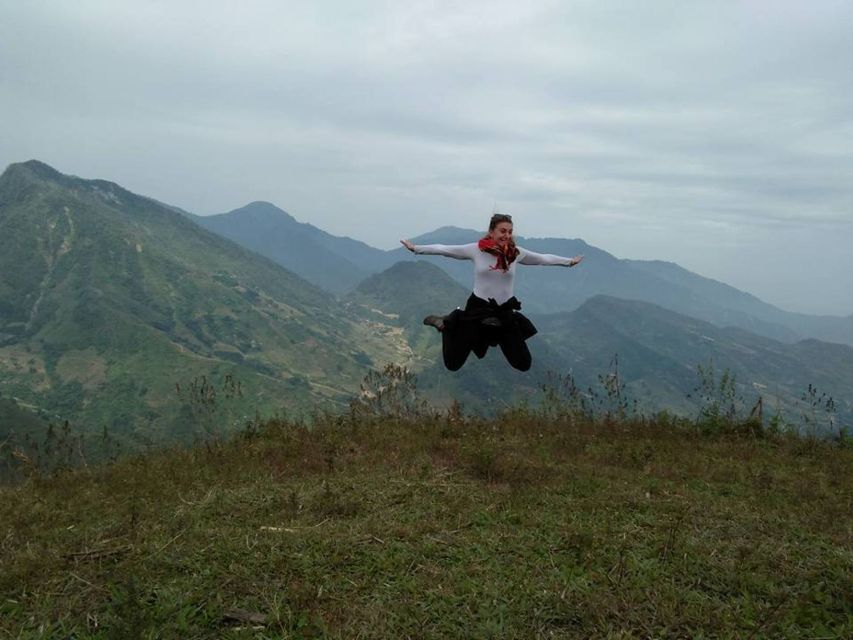
- Two distinct walking days: Day one follows rice terraces and settlements, while day two includes a bamboo forest, waterfall, and river stop.
- Guides who shape the trip: Lan, Khu, Lang, Nhu, Son, and other local guides are praised for clear English and personal attention.
- Mud is part of the deal: Sturdy trekking shoes, sunscreen, insect repellent, and warm clothing are essential.
- Good coverage for $55: Meals, water, village entry fees, accommodation, and return transport are included.
Why this Sa Pa trek feels different
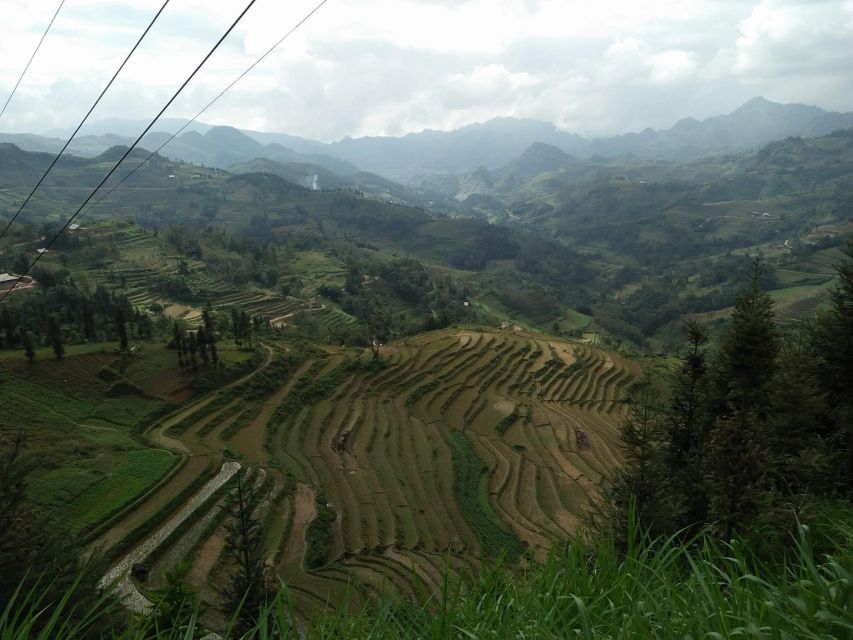
Sa Pa offers plenty of short village walks, but this trip gives you two full days to see how the valley changes as you leave town behind. You start with broad mountain views and rice fields, then spend the night in Ta Van before taking a quieter trail through forest and village country.
The point is not just to collect photos. Your guide explains the customs of the ethnic minority communities you pass, including the Black H’mong people in Y Linh Ho and the Dzay people who host you in Ta Van. That context helps you understand why the houses, clothing, farming patterns, and village layout matter.
I especially like the overnight element. A day trip can show you the valley, but a homestay gives the route some depth. You eat dinner in the village, wake up there, and see the valley as a place where people live rather than as a backdrop for sightseeing.
The tour has a rating of 4.7 from 145 ratings, and the strongest praise focuses on the same things: the guides, the food, the scenery, and the warmth of the homestay. That consistency matters more than one glowing comment.
More Homestay Treks in Sapa
- Number one top rated ethical cultural trekking and homestay by ETHOS
★ 5.0 · 456 reviews - Sapa : 2-Day Trek & Heartwarming Homestay with an Ethnic Family
★ 5.0 · 143 reviews - Sapa Valley Trek and Homestay – 3D2N
★ 5.0 · 105 reviews
Day one: 11 kilometers from Sa Pa to Ta Van
Your first day runs from Sa Pa to Y Linh Ho, then on to Lao Chai and Ta Van. The total distance is about 11 kilometers. You should expect a proper countryside trek, not a gentle paved stroll.
The first major reward is the view across the Muong Hoa Valley. On clear days, you can see Fansipan, Vietnam’s famous high mountain, along with rice paddies cut into the slopes. The valley is at its most photogenic when the weather cooperates, but cloud and rain can change the mood quickly.
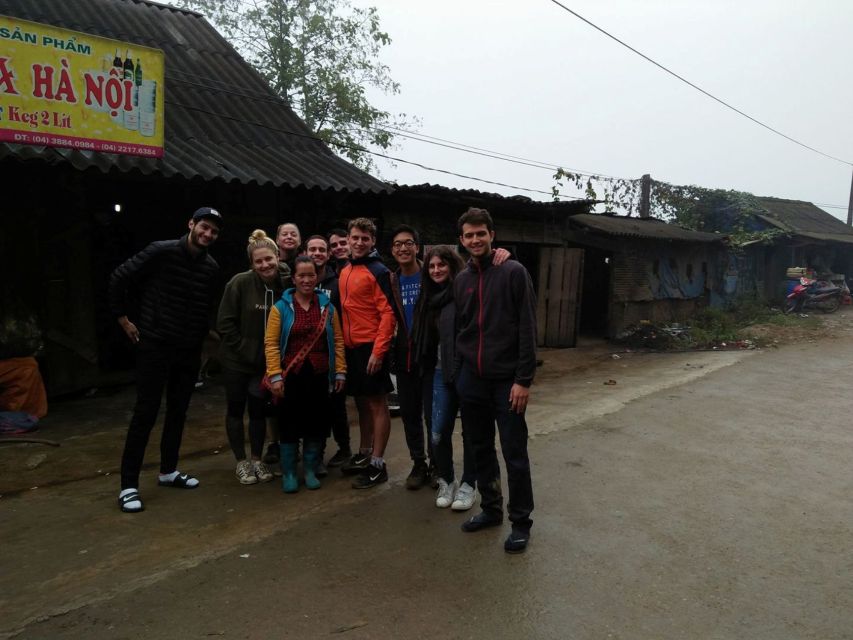
At Y Linh Ho, you meet members of the Black H’mong community and have the chance to look inside a typical wooden house. This is one of the more useful stops because it shifts the focus from scenery to daily life. Your guide can explain local customs and help you understand what you are seeing.
The path continues through settlements and countryside toward Lao Chai. You will see that the walk is not built around a long list of formal attractions. The village roads, hillside farms, houses, and people you pass are the attraction.
That makes the guide important. Lan and Khu are repeatedly praised for answering questions, checking that everyone is comfortable, and explaining local culture in clear English. Several guides have led this departure, so you should not book expecting one specific person unless the operator confirms the name. Still, the pattern is encouraging: the guide can make the same route feel either rushed or genuinely informative.
Mud, slopes, and local assistance
The first day can be slippery after rain. A few people describe the descent into the valley as difficult in wet weather, with muddy ground and sections where you need to watch every step. This is not a technical climbing route, but it does require balance and steady footing.
Local women sometimes walk with the group and offer a hand on rough patches. That help can be useful, especially in poor weather. It is also part of a familiar Sa Pa pattern: after assisting you, they may hope you will purchase something from them. You should be polite, decide your budget before the trek, and avoid feeling pressured into buying.
Wear shoes with real grip. Comfortable trainers may work in dry weather, but trekking shoes are the safer choice. Bring sunscreen and insect repellent, and keep your valuables protected from rain and mud.
The Ta Van homestay: simple, social, and worthwhile
At the end of day one, you check into a Dzay homestay in Ta Van. This is not a private hotel room with a village label. It is a simple stay designed to let you spend the night in a local community.
The accommodation is generally described as clean and comfortable, with warm blankets and a pleasant setting. One person reported internet and electrical outlets, which may surprise you, but you should not book this trip expecting hotel-style facilities. One report also raised a bedbug concern in some beds. It appears to be an isolated complaint, yet it is worth remembering that standards vary in rural accommodation.
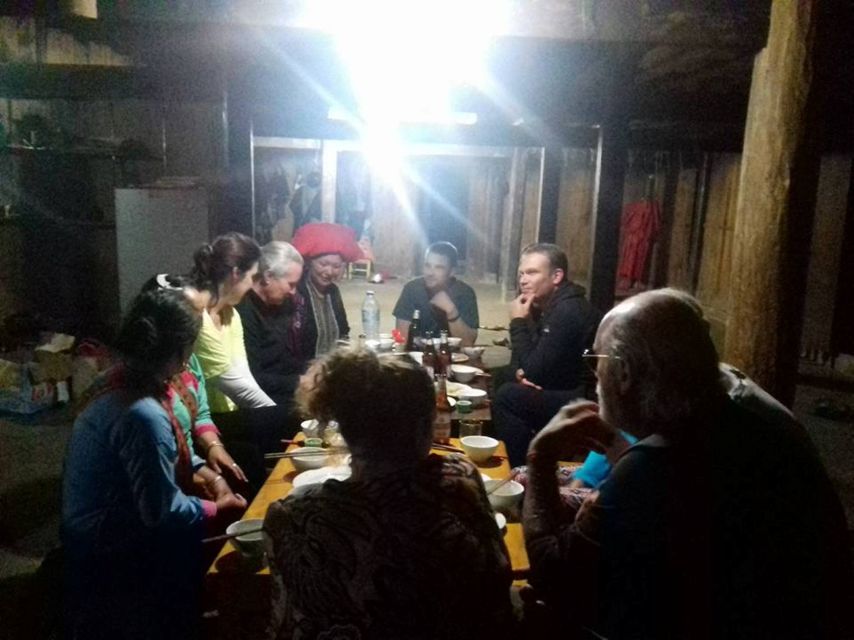
Dinner is included and served at the homestay. The food receives some of the strongest praise attached to the trip, with home-cooked dishes and shared meals giving the evening a friendly, communal feel. Some groups also try the local rice spirit, often called happy water. You can sample it if you wish, but do not feel obliged. The next day still requires eight kilometers of walking.
The evening may be quiet. There is not much scheduled entertainment, and that is part of the tradeoff. After a full day on foot, you may be happy to eat, talk, and sleep. If you need nightlife or a long list of evening activities, this is not the right overnight plan.
Breakfast at the homestay is included before you set out on day two. The meal is practical fuel for the trail rather than a restaurant event.
More Homestay Treks in Sa Pa:
- 2 days authentic trekking tour in Sapa ( Homestay – Less touristy )
★ 5.0 · 68 reviews - From Sapa: 2 Days 1 Night Trek Over Night At Homestay
★ 5.0 · 68 reviews - Private Hoang Lien National Park & Tribal Village Trek
★ 4.7 · 30 reviews - Sapa: 2-Day Local Guided Valley Trek with Night Homestay
★ 5.0 · 27 reviews
Day two: bamboo forest, waterfall, and the Muong Hoa River
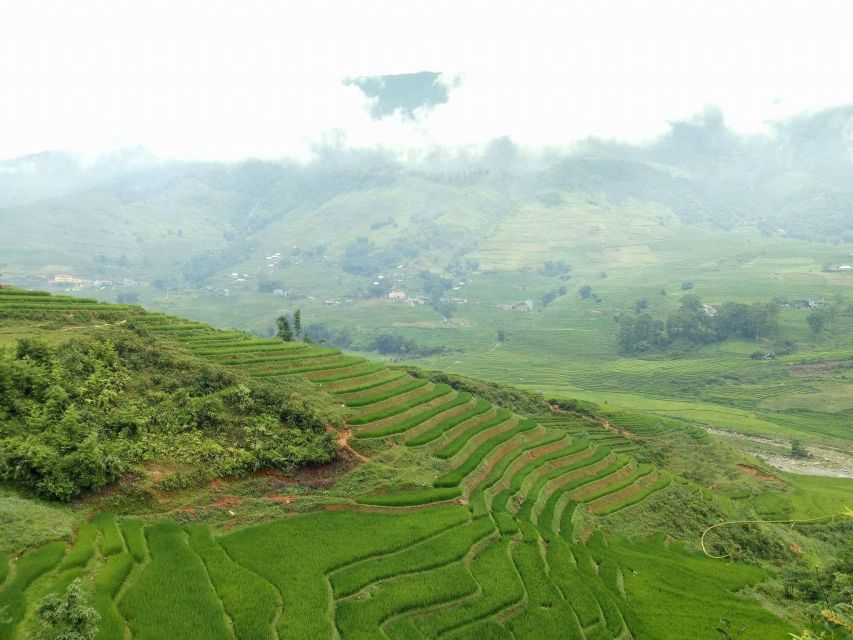
The second day covers about 8 kilometers from Ta Van toward Giang Ta Chai and then back to Sa Pa by bus. The route follows a dirt trail and feels different from the first day.
You pass a small H’mong village before reaching a bamboo forest. The forest gives the walk a greener, more enclosed feel after the open rice terraces of day one. It is also a good reminder that this trip is not only about mountain viewpoints. The route moves through several kinds of countryside.
A waterfall provides a natural rest stop. The itinerary allows time to cool off with a swim in the Muong Hoa River, so bring a swimsuit or clothing that can get wet if you want to take part. Conditions can vary, and you should follow your guide’s advice before entering the water.
Lunch is served at a local restaurant. Two lunches are included in the trip price, one for each day, along with the hosted dinner and breakfast. Food is one of the tour’s strong practical advantages because you do not need to arrange meals while walking through rural areas.
After lunch, the group returns to Sa Pa by bus. The final transfer is usually simple, but build in a little spare time if you have a train or bus connection. One departure had to wait about 40 minutes for another group, nearly causing a missed bus to Hanoi. That is not a reason to reject the trek, but it is a good reason not to schedule a tight onward connection.
What the $55 price really covers
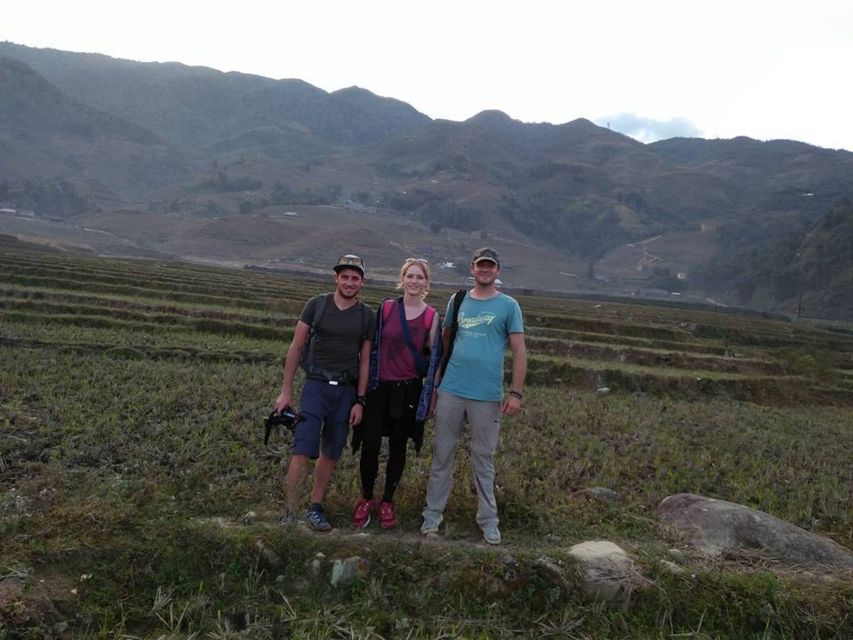
At $55 per person, this is a strong package for a two-day outing. The cost includes an English-speaking guide, entrance fees for the listed sites, two local restaurant lunches, one dinner at the village homestay, breakfast, accommodation, mineral water, and return transport to Sa Pa.
The value comes from combining several separate costs into one booking. You would otherwise need to arrange a village guide, pay for meals, find a homestay, and organize transport back from the valley. The small group limit of 14 also gives the trip more personal attention than a large coach tour.
Drinks are not included, so carry some extra cash for beverages and personal purchases. There is also a $30 surcharge per person during Lunar New Year from January 26 to February 2, 2025. That surcharge is due at the meeting point.
Pickup is available from hotels in Sa Pa town center. If you are staying outside the central area, confirm the pickup arrangement before booking. Starting times depend on availability, so check the current departure details rather than assuming a fixed hour.
The booking terms are useful for uncertain plans: you can cancel up to 24 hours ahead for a full refund, and reserve now while paying later. Those policies do not change the physical demands of the route, but they do reduce some scheduling risk.
How hard is the 19-kilometer route?
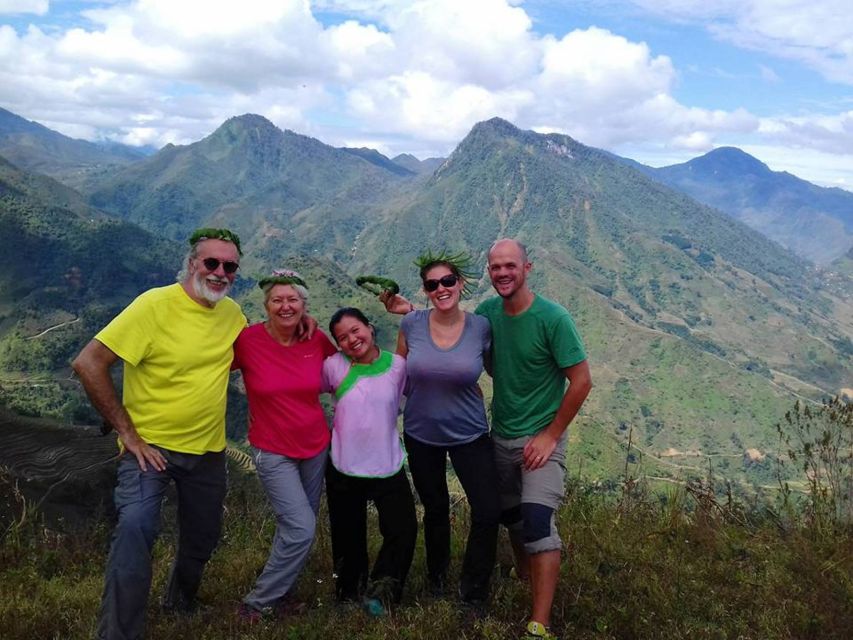
The total distance is about 19 kilometers over two days. Many people describe the walk as manageable for a healthy person, but the distance does not tell the whole story. Mud, slopes, uneven dirt trails, and wet weather can make a moderate route feel much harder.
You should be comfortable walking for several hours, standing on uneven ground, and handling slippery sections. The trip is not suitable for people with mobility impairments, back problems, or pregnancy. Children under six and people with disabilities should not join.
The operator specifically recommends warm clothing from October through March. Sa Pa can feel cool, especially in the evening and early morning. Sunglasses, sunscreen, insect repellent, trekking shoes, and comfortable clothing belong in your daypack.
Rain does not automatically ruin the trek. One departure went ahead in poor weather and found the valley beautiful, though muddy. Still, you should understand the tradeoff: wet conditions may add excitement, but they also reduce footing and visibility. Ask the guide about the trail conditions and accept a shorter route if safety requires it.
The guides are a major part of the value
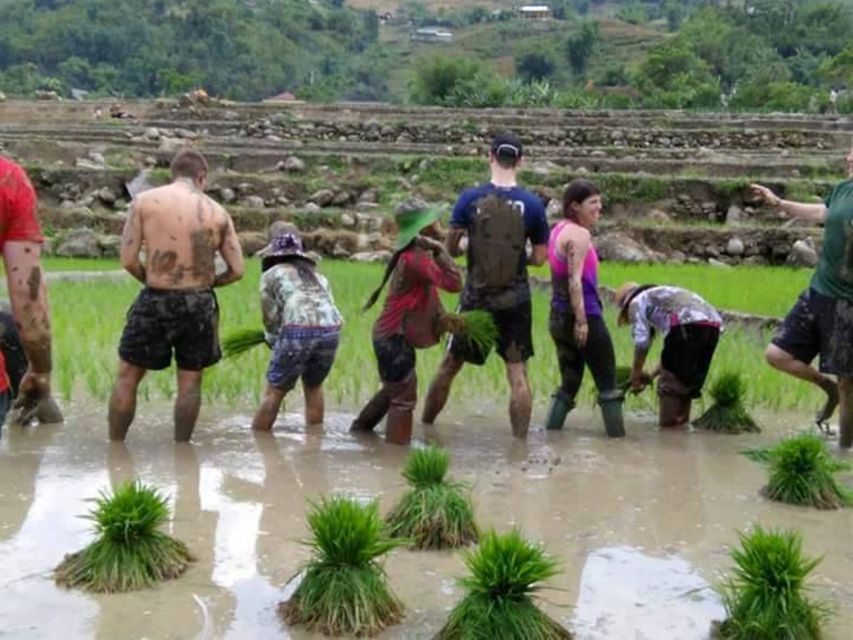
The guide can make or break a walking tour, and this one appears to benefit from strong local leadership. Lan is praised for explaining H’mong culture, staying cheerful, and adapting to the group. Khu is described as friendly, patient, and willing to answer questions. Lang is praised for excellent English, while Nhu, Coo, Son, Lam, and Dung also receive positive comments.
Several guides are mentioned because different departures use different staff. You may get one of these guides, but the information does not promise a particular person. What you can reasonably expect is an English-speaking guide whose job is to explain local communities and keep the group moving safely.
The best guides adjust the pace and ask if people want a longer or shorter route. That matters when one person is comfortable on muddy slopes and another is not. A single less positive account noted a guide spending too much time on a phone, so the standard may vary. If you need frequent explanation or close support, say so early.
Respect for local culture is part of the deal. Ask before photographing people or entering homes, listen when your guide explains customs, and treat the homestay as a family home rather than a themed attraction.
Who should book this trek?
You should consider it if you want mountain scenery plus direct contact with village communities. It suits people who enjoy walking, can manage uneven trails, and prefer a simple overnight stay to a polished resort.
It is also a good fit if you want a social trip. Groups are limited to 14, and some departures are much smaller. Shared meals and the homestay make it easy to meet other people, while the guide gives the group a common focus.
You may want a different option if you dislike mud, need private hotel facilities, or have a tight departure from Sa Pa the moment the tour ends. The route is not designed for people with back, mobility, or pregnancy-related limits.
What to pack for two days in the valley
Keep your bag light, but bring the items that matter most:
- Trekking shoes with good grip
- Warm clothing, especially from October through March
- Sunglasses and sunscreen
- Insect repellent
- A change of clothes if you plan to swim
- A small amount of money for drinks or handicrafts
- A waterproof layer or bag protection for wet weather
You do not need to overpack. The homestay supplies the basic overnight setting, and meals and mineral water are included. Pack with a rural guesthouse in mind, not a full-service hotel.
Should you book the Sa Pa 2-day trekking trip?
I would book this if you want the best blend of scenery, village culture, and value in a short Sa Pa visit. The 11-kilometer first day, Dzay homestay, local meals, and bamboo forest route give you more substance than a quick valley excursion.
Go in with realistic expectations. This is a muddy mountain walk with basic accommodation, not a luxury tour. Bring proper shoes, allow extra time after the return transfer, and keep your attitude flexible if rain changes the route.
For fit walkers who want to meet local communities and sleep in Ta Van, the $55 price is hard to fault. For anyone needing smooth paths, private rooms, or guaranteed transport timing, choose a gentler day tour instead.
FAQ
How long is the Sa Pa trek?
The trek covers about 11 kilometers on the first day and 8 kilometers on the second day, for roughly 19 kilometers total.
Where does the tour start?
Pickup is available from hotels in Sa Pa town center. The exact starting time depends on availability.
Where do you sleep?
You spend the night at a homestay in a Dzay ethnic minority village in Ta Van.
Are meals included?
Yes. The package includes two lunches at a local restaurant, one hosted dinner at the village homestay, and breakfast at the homestay. Drinks are not included.
Is the trek suitable for children and people with mobility limits?
The trek is not suitable for children under six, pregnant women, people with back problems, people with mobility impairments, or people with disabilities.
What should you bring?
Bring comfortable trekking shoes, warm clothing, sunglasses, sunscreen, and insect repellent. Warm clothes are especially recommended from October through March.
More 2-Day Experiences in Sa Pa
- EXPLORE SAPA: 2D1N TREKKING & HMONG CULTURE WITH DINH
★ 4.9 · 191 reviews - SAPA: 2-DAY 1-NIGHT TREKKING & CULTURE WITH HMONG GUIDE LINH
★ 4.9 · 126 reviews - 2 Days Fansipan Trekking
★ 5.0 · 84 reviews - 2D1N Buffalo trek by Hmong Sister House and Trekking
★ 5.0 · 81 reviews
Just added around Sa Pa
- Sapa: Private The Most Beautiful Terraced Fields Trekking★ 4.8 · 42 reviews
- Soob Sapa Trekking Tour★ 4.3 · 3 reviews
- Sapa Trekking – Waterfalls And H’mong Villages★ 5.0 · 2 reviews
- Sapa3D2N TrekkingAdventures,Valleys,Bambooforest,Waterfall★ 4.8 · 24 reviews
- Sapa: Trekking Through Terraced Rice Fields & Valley 1 Day★ 4.8 · 4 reviews
- Sapa: Trekking Sapa One Day With Group Tour★ 4.7 · 55 reviews
- Sapa Trekking Private Tour With Ethnic Female Tour Guide★ 4.9 · 24 reviews
- Sapa: Y Linh Ho – Lao Chai, and Ta Van Trekking Day Tour★ 5.0 · 25 reviews
Homestay & Village Treks, compared.
Number one top rated ethical cultural trekking and homestay by ETHOS
Read our review →
2-Day Sa Pa Ethnic Homestay Tour & Trek with Limousine Bus
Read our review →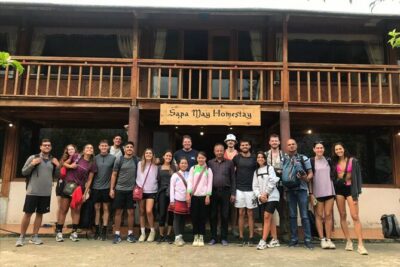
Sapa 3 Day 2 Night Trekking With Hotel & Homestay
Read our review →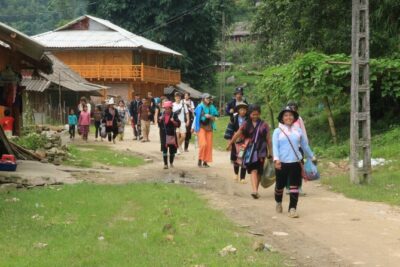
Sapa 2 Days 1 Night Overnight At Local Homestay
Read our review →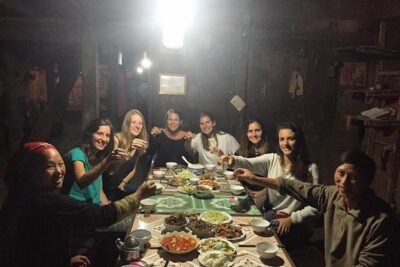
2-Day Trek & Heartwarming Homestay with an Ethnic Family
Read our review →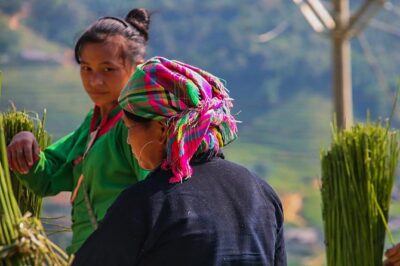
Browse the lists this trek appears in