

Review · HANOI
2 Days and 1 Night Sa Pa Trekking
Sapa’s best moments come on foot, where rice terraces, mountain paths, and village life replace the busy streets of Hanoi. This 2-day, 1-night trek gives you that change of pace for $69, with transport, meals, a homestay, and a small group of no more than 10 people.
I like the local guides, especially the cultural insight praised in connection with Nhu and the personal touch associated with Zhou. I also like the value: the price covers a night bus, homestay, breakfast, lunch, dinner, and return transport. The main drawback is the schedule. A 9:30 p.m. bus followed by a 4:30 a.m. arrival makes the first morning a long one.
Key points to know before booking
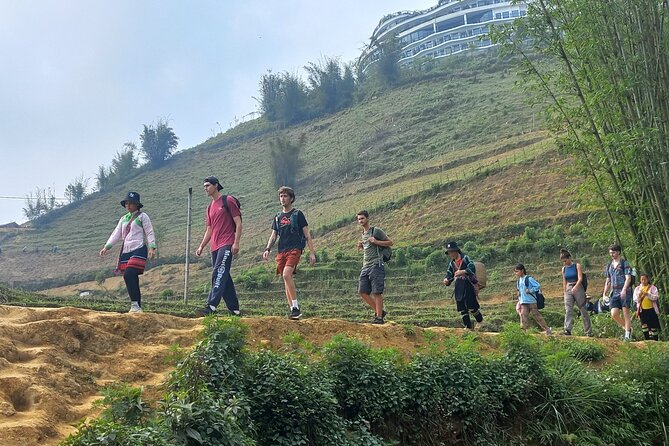
- Night travel saves daytime hours: You leave Hanoi at 9:30 p.m. and reach Sapa around 4:30 a.m.
- The trek includes two villages: Day two covers Giang Ta Chai and Supan, with about 6 kilometers of walking.
- A homestay replaces a standard hotel: You sleep in the Sapa valley and eat meals included in the program.
- The group is capped at 10 people: That is small enough for easier conversation with your guide.
- The guides add cultural context: Nhu and Zhou are named in the feedback, with strong praise for friendly explanations.
- The $69 price is broad in coverage: Transport, lodging, meals, and the guided trek are included, while tips and personal expenses are not.
What this Sapa trip is really designed to do
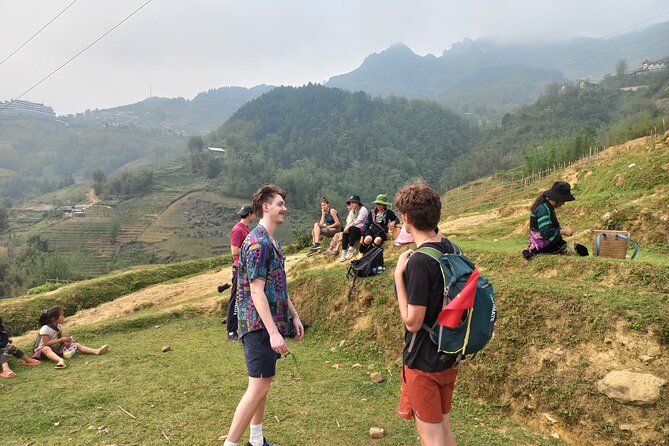
This is not a quick photo stop in Sapa. It is a compact walking trip built around village paths and time in the countryside. You leave Hanoi at night, reach Sapa before dawn, spend the day around the valley and homestay, then make the main village walk on the second day.
Sapa is known for terraced fields and communities including the Hmong. The appeal is not one single monument. It is the steady change in view as you walk, from town to hillside to village, with your guide explaining local life along the way.
The tour is a good match if you want a first taste of trekking but do not want to plan buses, meals, lodging, and a local guide separately. It is also useful for a short Vietnam itinerary. You can fit Sapa into two days instead of committing to a longer three-day trek.
Still, two days gives you only a quick look. You should expect a brisk schedule rather than long, unhurried time in one village. The night bus also means you trade a hotel night and a full night of sleep for a lower-cost route into the mountains.
A few more treks around Hanoi worth a look
- Hanoi – Sapa 2 Days 1 Night Overnight At Homestay
★ 5.0 · 899 reviews - Sapa 3 Days 2 Nights Trekking Tour (1 Night In Ta Van Village, 1 Night In Hotel)
★ 5.0 · 699 reviews - Hanoi – Sapa 3 Day 2 Night Trekking With Hotel & Homestay
★ 5.0 · 389 reviews
Leaving Hanoi at 9:30 p.m.
The stated starting point is 6 Mã Mây Street in Hanoi’s Hoàn Kiếm district. The night bus leaves at 9:30 p.m., so you should treat the evening departure as the real beginning of the trip, even though the meeting information also gives 6:00 a.m. as a start time.
That 6:00 a.m. time appears connected to the morning transfer after arrival, not the Hanoi departure. Confirm the exact pickup instructions before setting out. The schedule says the bus reaches Sapa around 4:30 a.m., then you remain on the bus until a car takes you to the hotel. Around 6:00 a.m., the bus picks you up from the bus stop and brings you to the hotel.
This is practical, but not luxurious. You may arrive tired, and the early transfer can feel confusing if you are not sure where you should wait. The advantage is that you avoid paying for an additional hotel night in Hanoi or Sapa and arrive with the day still available.
If you sleep easily on buses, this arrangement works well. If you need a full night in a proper bed, the schedule is the main issue to weigh before paying.
Your first morning in Sapa
The first morning is not described minute by minute, but it clearly includes arrival at the hotel, time to settle in, and the move toward the homestay and trekking program. The accommodation is a homestay rather than a conventional city hotel, which matters because it puts you closer to the valley setting and local daily life.
You should see the homestay as part of the experience, not simply a place to store your bag. The included meals make the arrangement easier. Breakfast, lunch, and dinner are part of the program, and the schedule lists two breakfasts and two lunches among the inclusions.
The information supplied does not give a homestay name, room setup, or bathroom details. Keep your expectations sensible. This is a village-based overnight stay, not a resort package. The available feedback describes the accommodation positively, including comfortable beds, but exact standards can vary.
The first day is also where you need to manage your energy. After a night bus, a full trek can feel harder than the distance suggests. Wear shoes with a good grip, keep your day pack light, and do not assume that the trip will feel like a relaxed sightseeing outing.
Day two: 6 kilometers through Giang Ta Chai and Supan
The clearest walking section begins after breakfast at the homestay on the second day. From about 7:00 to 8:00 a.m., you set out toward Giang Ta Chai Village and Supan Village. The listed distance is about 6 kilometers, with roughly eight hours assigned to the day’s program.
Six kilometers may sound modest, but a village trek is not the same as a flat city walk. The route uses paths through the Sapa area, and the scenery is the main reward. You will see terraced fields and mountain views, while the villages provide a closer look at how local communities live.
The strongest part of this section is the guide’s role. A path through rice terraces is pleasant on its own, but a local guide can explain what you are seeing and answer questions about culture and everyday life. Nhu is specifically praised for helping people learn about Vietnamese culture, while Zhou is credited with making a trek feel personal and distinctive.
The two villages also give the day a useful shape. Giang Ta Chai and Supan are not just names on a route plan. They create two different village stops within one walk, so the day has more substance than a short viewpoint visit.
The details of the remaining route, exact elevation, and walking surface are not provided. That means you should not book this expecting a technical route description. Ask the operator about current trail conditions if weather, mobility, or footwear is a concern.
Same trailhead, a different route:
- From Hanoi: 2-Day Sapa Trekking Trip with Homestay & Meals
★ 4.8 · 704 reviews - 3-Day Trekking Adventure of Sapa from Hanoi – Stay Ta Van Village
★ 5.0 · 611 reviews - 2-Day Sa Pa Ethnic Homestay Tour & Trek with Limousine Bus
★ 4.8 · 440 reviews - From Hanoi: 2-Day Sapa Trek Tour – Luxury Limousine Transfer
★ 4.1 · 249 reviews
What the homestay and meals add
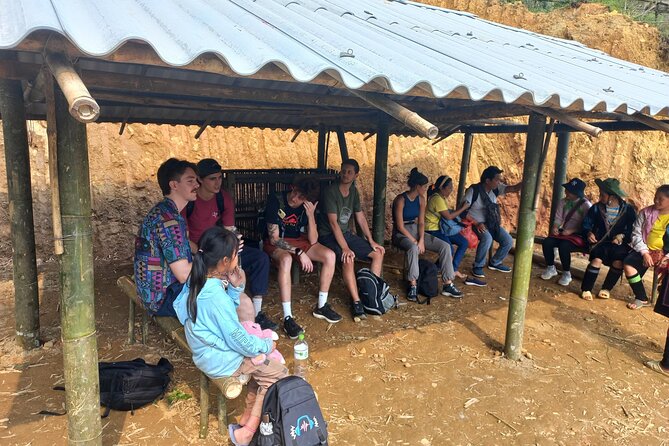
The homestay is one of the reasons this costs more than a simple bus transfer but less than a full private tour with hotel accommodation. It gives you an overnight base in the Sapa valley and reduces the need to arrange food on your own.
Dinner is included, as are the breakfasts and lunches listed in the program. That is a real convenience on a trekking route, where finding meals between villages may not be easy. It also helps keep the total cost predictable.
The food style and menu are not specified, so do not assume that every meal will suit a special diet. If you have dietary needs, ask before departure. Tips, laundry, and personal expenses are not covered, so carry some Vietnamese currency for extras.
The accommodation feedback is encouraging, with comfortable beds mentioned. Still, the package does not promise a specific room type or private facilities. I would choose it for its location and local setting, not for hotel-style amenities.
Guides, questions, and the human side of the trek
The human contact may be the best reason to choose this trip. The guide is not only there to lead you from one village to the next. The strongest feedback centers on friendliness, cultural explanations, and the willingness to answer questions.
Nhu is noted for sharing information about Vietnamese culture. Zhou receives special credit for creating a memorable trek, while Thien is praised for checking in and helping organize travel plans. These names suggest a company that can provide active support before and during the trip, though guide assignments can change.
That support matters in Sapa. Transport times, village routes, and weather can make a short trip feel complicated. A responsive contact person can help you understand where to meet, when to leave, and what happens after the walk.
The group limit of 10 is another plus. It is not a private tour, but it is small enough that you should have a chance to speak with the guide. Smaller groups also make it easier to adjust the pace than a large coach excursion, although no exact pace policy is stated.
Is $69 good value?
At $69 per person, this is a strong package if you use most of what it includes. You receive the night bus from Hanoi, local transport, a homestay, breakfast, lunch, dinner, and guided trekking. Arranging those pieces separately would take more time and could cost more, especially once you add a local guide and transport between Hanoi and Sapa.
The value is strongest for a first visit. You do not need to research village routes, find a homestay, or work out the return drop-off. The return point is 204 Đ. Trần Khánh Dư in Hoàn Kiếm, close enough to the Old Quarter for an easy walk to a nearby hotel.
The price does not cover tips, laundry, or other personal spending. It also does not promise private rooms, premium transport, or a fully flexible schedule. If you want a quiet private trek with a high-end hotel, this is not the right product.
For a compact, guided introduction to Sapa, the price is hard to criticize. The bigger cost is comfort: you pay with a night on the bus and a tightly packed itinerary.
Who should book this trek?
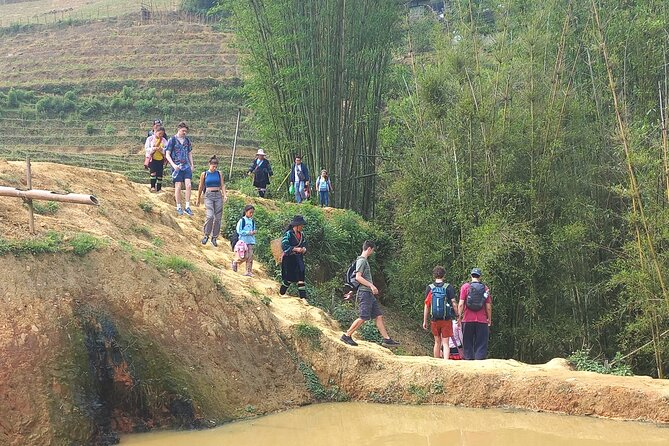
I would recommend it to people who:
- Have only two days for Sapa
- Want village walking rather than a city tour
- Prefer a guide to independent route planning
- Are comfortable with night buses
- Like homestays and included local meals
- Want a small group instead of a large coach tour
It may not suit you if you need a full night’s sleep, prefer a private hotel room, or want a detailed technical trekking itinerary. The route distance is given, but the elevation, trail surface, and exact difficulty are not.
The schedule also demands flexibility. You arrive before dawn, transfer early, and then work through a program that includes transport, accommodation, meals, and trekking. This is efficient, but it is not slow travel.
Practical details that matter
Confirmation is provided when you book, and the activity is near public transportation. Most people can participate, according to the supplied conditions, but the tour does involve walking through villages and natural scenery. Ask about current conditions if you have mobility concerns.
The booking allows free cancellation up to 24 hours before the experience begins. A cancellation made less than 24 hours before the start time is not refunded, and late changes are not accepted. The cut-off follows local time.
Because the experience is often booked well ahead, planning early may help if your Vietnam route depends on fixed dates. At the same time, check the bus pickup and return details before departure, especially because the information gives both a 9:30 p.m. Hanoi departure and a 6:00 a.m. start time.
Should you book the 2-day Sapa trek?
Book it if you want a low-cost, guided introduction to Sapa and can handle a night bus. The included meals, homestay, village walking, and small group make this a practical package, and the cultural input from guides such as Nhu and Zhou adds value beyond the scenery.
Skip it if comfort and extra time matter more than price. A longer trek would give you more room to settle into village life, while a hotel-based trip would be easier after the overnight ride.
For the right person, this is a smart short visit: efficient, social, and focused on Sapa’s villages rather than simply passing through town.
FAQ
How long is the Sapa trekking experience?
The tour lasts about two days and includes one night at a homestay. The night bus leaves Hanoi at 9:30 p.m. before the Sapa portion begins.
How far do you walk?
The second-day route covers about 6 kilometers and visits Giang Ta Chai Village and Supan Village. The full walking distance for the entire experience is not provided.
Where does the tour start and finish?
The stated starting point is 6 Mã Mây Street in Hoàn Kiếm, Hanoi. The return drop-off is at 204 Đ. Trần Khánh Dư, also in Hoàn Kiếm and close to the Old Quarter.
What meals are included?
The package includes dinner, breakfast, and lunch. The program lists two breakfasts and two lunches among the included meals.
Is accommodation included?
Yes. One night of homestay accommodation is included. A specific homestay name and room details are not provided.
What is not included in the price?
Tips, laundry, and other personal expenses are excluded. The tour costs $69 per person, and the group size is limited to a maximum of 10 people.
Just added around Hanoi
- 8-Days Hanoi, Sapa Trekking And Halong Bay Cruise★ 5.0 · 8 reviews
- From Hanoi : Sapa Moutain Trek – Halong bay Heritage★ 4.5 · 25 reviews
- Trekking around Ha Giang 5 days 4 nights★ 3.0 · 2 reviews
- Mai Chau – Pu Luong trekking 3 days 2 nights★ 4.5 · 7 reviews
- Trekking In Ha Giang 5 Days★ 5.0 · 4 reviews
- Hanoi: 3D2N Mu Cang Chai Visit All Attractions, Trek, Ethnic Life★ 5.0 · 3 reviews
- 2-Day Trekking in Sa Pa from Ha Noi by sleeping bus★ 5.0 · 4 reviews
- 2-Day SAPA Trekking – Villages-Homestay-Ethnic-Local Food-Market★ 5.0 · 2 reviews
Evening Experiences, compared.
Stromboli: Sunset Trekking at Sciara del Fuoco
Read our review →
Etna Sunset Tour: Volcano trek, Cave & tasting from Catania
Read our review →
2-Day Mt. Toubkal Trek with 1-Night Stay & Meals
Read our review →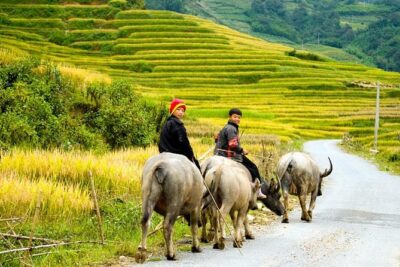
Sapa 3 Days 2 Nights Trekking Tour (1 Night In Ta Van Village, 1 Night In Hotel)
Read our review →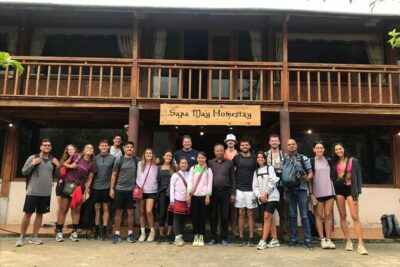
Sapa 3 Day 2 Night Trekking With Hotel & Homestay
Read our review →

Browse the lists this trek appears in