

Review · HANOI
2-day Sapa Trekking from Hanoi and Return
Sapa’s best moments happen on foot, far below the town’s busy center. This two-day trip takes you from Hanoi to Cat Cat Village, then into the Muong Hoa Valley, where rice terraces, suspension bridges, and ethnic villages give the journey its real character.
I like the small group of up to 10 people, which should make walking easier and give you more room to ask questions. I also like the practical package: transport from Hanoi, meals, entrance fees, a Sapa stay, and local transfers are all covered for $99.
The main drawback is the schedule. You spend about five hours reaching Sapa, then return to Hanoi late on day two, around 10 p.m. This is a good value for a short visit, but it leaves little spare time for rest or independent exploring.
Key points to know before booking

- Cat Cat comes first: Your opening walk follows a downhill route toward a Black Hmong village, a waterfall, and traditional homes.
- The second day is the stronger hike: Y Linh Ho, Lao Chai, and Ta Van bring longer valley walking and more time among the rice terraces.
- You travel with a small group: The maximum group size is 10 people, useful on narrow village paths.
- Meals are included: The package covers one breakfast, two lunches, and one dinner, but drinks and personal spending are extra.
- Your Sapa stay may be a hotel or homestay: The accommodation format is not fixed, so check what is planned when you book.
- The guide can adjust the walking: One especially useful feature is the ability to adapt the route for a more active pair who wanted to walk farther.
Why this short Sapa trip works

Sapa is a practical choice if you are based in Hanoi and want mountain scenery without arranging every bus, meal, transfer, and village visit yourself. This tour packs the main walking routes around Sapa into two days, with transport at both ends.
The price of $99 is strong when you add up what is included. You get the Hanoi to Sapa bus, the return journey, entrance fees, four meals, one night in Sapa, an English-speaking guide, and a motorbike or car transfer where needed. You still pay for drinks and personal expenses, but the major costs are handled.
I would view this as a first taste of Sapa, not a slow mountain holiday. The road journey takes roughly five hours each way, so the trip is built around efficiency. You will see several important places, but you will not have long free periods to wander Sapa town or settle into village life.
The group limit of 10 matters here. Sapa’s village paths can be narrow and uneven, and a smaller group is easier to keep together. It also gives you a better chance to speak with the guide about the Black Hmong and Dzay communities, the farming areas, and the route ahead.
A few more treks around Hanoi worth a look
- Hanoi – Sapa 2 Days 1 Night Overnight At Homestay
★ 5.0 · 899 reviews - From Hanoi: 2-Day Sapa Trekking Trip with Homestay & Meals
★ 4.8 · 704 reviews - 2-Day Sa Pa Ethnic Homestay Tour & Trek with Limousine Bus
★ 4.8 · 440 reviews
The long ride from Hanoi to Sapa
Pickup is offered from hotels in Hanoi’s Old Quarter between 6:30 and 7 a.m. The stated meeting point is 17 Ngo Gach, Hang Buom, Hoan Kiem, Hanoi, so confirm the exact pickup arrangement before departure if your hotel is elsewhere.
Expect about five hours on the road to Lao Cai City and then Sapa. That is a significant part of a two-day trip, but it avoids the work of arranging separate transport. The road journey also means you arrive ready to walk rather than spending your first Sapa afternoon sorting out local connections.
The first day is tightly timed. After reaching Sapa, the walking program begins at about 2:30 p.m. If you prefer a relaxed lunch, a long shower, or time to explore the town before hiking, this plan may feel rushed.
On the other hand, the timing makes sense for a short visit. You use the afternoon for Cat Cat, eat dinner in Sapa, and wake up ready for the longer valley walk on day two.
Cat Cat Village and the waterfall walk
The first trek heads downhill through the Muong Hoa area toward Cat Cat Village. Cat Cat is associated with the Black Hmong, one of the ethnic groups living around Sapa, and the route gives you a chance to see traditional stilt houses and daily village life.
The downhill direction is pleasant at the start, but remember that every downhill walk has a return climb. The route continues to a waterfall before you walk back toward Sapa town. Take care on the paths, especially if conditions are wet, since the tour requires suitable weather and the route includes village trails rather than only paved roads.
Cat Cat is a popular stop, so do not expect complete solitude. Its value comes from the mix of scenery and culture: houses, mountain views, village paths, and the waterfall arrive in one manageable afternoon. For many people, it is a useful introduction to the area before the longer walk through the valley.
The Cat Cat portion is listed at about two hours, though the full afternoon includes getting to the route and returning to town. Wear shoes with a firm grip and bring water. Drinks are not included, so you need to budget for them separately.
A night in Sapa with meals included
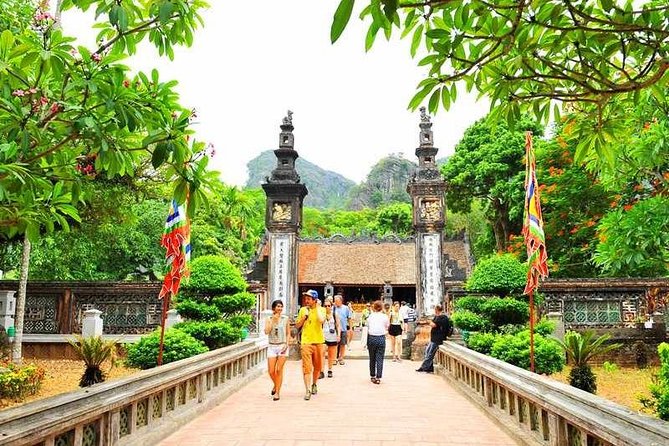
After the first walk, you have dinner and spend the night in Sapa. The accommodation is described as either a hotel or homestay, so the exact style can vary. That distinction matters: a hotel usually gives you more privacy, while a homestay can offer a closer connection to local household life.
One particularly positive feature is the reported quality of the homestay and food. The meal plan includes dinner on day one, breakfast on day two, and both lunch meals. For a $99 trip, that removes much of the usual cost uncertainty.
Still, you should ask which accommodation is planned for your departure date. The information does not promise a particular property, room type, or homestay family. If your comfort needs are specific, clarify them before paying.
The overnight stop also breaks up the long Hanoi connection. Instead of rushing through the valley and returning the same day, you get one evening in Sapa and a full morning for the main route.
Same trailhead, a different route:
- Sapa 3 Days 2 Nights Trekking Tour (1 Night In Ta Van Village, 1 Night In Hotel)
★ 5.0 · 699 reviews - 3-Day Trekking Adventure of Sapa from Hanoi – Stay Ta Van Village
★ 5.0 · 611 reviews - Hanoi – Sapa 3 Day 2 Night Trekking With Hotel & Homestay
★ 5.0 · 389 reviews - From Hanoi: 2-Day Sapa Trek Tour – Luxury Limousine Transfer
★ 4.1 · 249 reviews
The Y Linh Ho walk into Muong Hoa Valley
After breakfast, you check out and walk from Sapa toward Muong Hoa Valley. The route reaches Y Linh Ho, a quiet village area surrounded by mountain scenery and terraces.
This is where the trip begins to feel more like a proper trek. The route uses smaller paths and gives you a closer look at the cultivated hillsides. The walking section at Y Linh Ho is listed at about two hours, but the overall day includes the continued route toward Lao Chai and Ta Van.
Y Linh Ho is a good part of the tour for anyone who wants more than a quick village photo stop. The appeal is the calm setting and the sense of moving through a working rural area. You are not simply arriving at a viewpoint, taking a picture, and leaving. You walk between places and see how the valley connects them.
The guide’s role is important here. One useful strength of this experience is route flexibility. If you are fit and want extra walking, the guide may be able to adjust the route. You should not assume every request can be met, but the tour is not presented as a rigid march for every group.
Lao Chai and the rice terraces
From Y Linh Ho, you continue through rice terraces toward Lao Chai Village. The terraces are the visual highlight of the second day, especially when viewed from the narrow trails rather than from a road.
Lao Chai is linked with the Black Hmong community, and the walk gives you time to notice the scale of the farming area. The route is not just about a single scenic stop. The terraces unfold along the valley, with the Muong Hoa River nearby and village homes along the way.
Lunch is served in a local house near the river. This is one of the better details in the plan because it turns the midday break into part of the cultural experience. You are eating within the village area rather than simply stopping at a large roadside restaurant.
The available information calls this area Lao Chai, while one stop label refers to terraced rice fields in Shin Chai Village. Because those names can cause confusion, confirm the exact route with the provider before departure. The day description specifically takes you through Y Linh Ho, Lao Chai, and then Ta Van.
The Lao Chai walking section is listed at about two hours, but do not judge the whole day by that number. You also have the approach from Sapa, the route through the terraces, lunch, and the walk onward to Ta Van. This is the day to expect the most sustained time on your feet.
Suspension bridges and Ta Van Village
After lunch, the route continues across suspension bridges and through Lao Chai toward Ta Van. The bridges add a small sense of adventure, though people who dislike heights may want to ask the guide what to expect before setting out.
Ta Van is associated with the Dzay minority and lies around 11 to 12 kilometers from Sapa in the Muong Hoa Valley. The village is described as having strong Chinese cultural influence, adding another layer to a day already focused on Black Hmong communities and rural life.
The stop is listed at about two hours. In practice, the value comes from the full sequence: terraces, river, bridges, village paths, and changing community settings. You get a better sense of the valley by walking between villages than by visiting one place in isolation.
The tour returns you to Sapa at about 3 p.m. That gives you a short buffer before boarding the bus at 4 p.m. for Hanoi. Do not plan a major independent activity during this gap. It is mainly useful for regrouping, collecting belongings, and preparing for the return journey.
The return to Hanoi and the real cost of convenience

The bus leaves Sapa at about 4 p.m. and reaches Hanoi Old Quarter around 10 p.m. That final ride makes the tour efficient, but it also makes day two a long one. You hike, return to town, board the bus, and arrive late.
For some people, this is exactly the right trade-off. You save the cost and effort of booking separate transport, and you can continue with a Hanoi-based itinerary the following day. For others, a three-day Sapa plan would be more comfortable because it would allow more rest and less time on the road.
The bus pickup and drop-off at Hanoi Old Quarter are helpful if you are staying in that area. The stated start and end point is 17 Ngo Gach, so check whether the return is directly to your hotel or to the meeting point. The activity ends back at the meeting point.
Food, fitness, and what to pack
The included meals are one breakfast, two lunches, and one dinner. That covers the main eating times during the program, but drinks are not included. Carry water and allow some cash for beverages and personal expenses.
You do not need to be an extreme hiker, since the tour is designed for most people to participate. Still, this is not a sightseeing coach trip. You walk downhill to Cat Cat, return to Sapa, then spend the second day on village trails, terraces, bridges, and valley paths.
Bring footwear suited to uneven ground and changing conditions. The route can be affected by weather, and the operator may cancel if conditions are poor. In that situation, you are offered another date or a full refund.
A small day bag is more practical than a large suitcase during the walking portions. Your main luggage arrangements are not specified, so ask the provider how bags are handled while you are trekking and staying overnight.
Who will get the most from this tour
I would recommend this trip to you if you have limited time in northern Vietnam and want the main Sapa villages without planning a complicated series of buses and local transfers. It suits active visitors who are comfortable with a busy schedule and want a guide to handle the route.
It is also a good fit if you value included meals and a small group. The guide can explain what you are seeing and may adjust the walking for a more active group. The food and mountain views are two of the strongest parts of the experience.
I would hesitate if you want long mornings, private transport, guaranteed hotel accommodation, or plenty of time alone in Sapa. The trip is short, the road journeys are long, and the accommodation type is not fixed.
The cancellation terms are reasonable: you can cancel at least 24 hours before the start for a full refund. Changes or cancellations inside that window are not accepted for a refund, and weather can affect the departure.
Should you book this Sapa trek?
Book it if you want a well-priced, tightly organized introduction to Sapa and accept the long Hanoi bus rides. The combination of Cat Cat, Y Linh Ho, Lao Chai, and Ta Van gives you a broad look at the valley in only two days.
The strongest reasons to choose it are the small group, included meals, local guide, adaptable walking route, and the chance to eat lunch in a local house near the Muong Hoa River. The main warning is the pace: day two runs from breakfast through a late-night return to Hanoi.
At $99, the package offers good value for a short trip. If you can spare only two days, I would consider booking it. If you have three or more days, a slower Sapa stay may give you more time to enjoy the villages without watching the clock.
FAQ
Where does the tour start?
Pickup is offered from hotels in Hanoi Old Quarter, with the stated meeting point at 17 Ngo Gach, Hang Buom, Hoan Kiem, Hanoi. The start time is 6:30 a.m.
How long does the bus journey from Hanoi to Sapa take?
The drive to Sapa takes about five hours. The return bus leaves Sapa at about 4 p.m. and reaches Hanoi Old Quarter around 10 p.m.
How many people can join the tour?
The tour has a maximum of 10 travelers.
Which villages are visited?
The route includes Cat Cat, Y Linh Ho, Lao Chai, and Ta Van. The program also includes terraced rice fields in the Sapa valley.
What meals are included?
The price includes one breakfast, two lunches, and one dinner. Drinks and personal expenses are not included.
Where do you stay in Sapa?
The overnight accommodation is listed as a hotel or homestay in Sapa. The specific accommodation type is not fixed in the provided details.
Are entrance fees included?
Yes. All entrance fees are included in the tour price.
Can the tour be canceled for a full refund?
You can cancel at least 24 hours before the start time for a full refund. If poor weather causes the operator to cancel the tour, you will be offered another date or a full refund.
Just added around Hanoi
- 8-Days Hanoi, Sapa Trekking And Halong Bay Cruise★ 5.0 · 8 reviews
- From Hanoi : Sapa Moutain Trek – Halong bay Heritage★ 4.5 · 25 reviews
- Trekking around Ha Giang 5 days 4 nights★ 3.0 · 2 reviews
- Mai Chau – Pu Luong trekking 3 days 2 nights★ 4.5 · 7 reviews
- Trekking In Ha Giang 5 Days★ 5.0 · 4 reviews
- Hanoi: 3D2N Mu Cang Chai Visit All Attractions, Trek, Ethnic Life★ 5.0 · 3 reviews
- 2-Day Trekking in Sa Pa from Ha Noi by sleeping bus★ 5.0 · 4 reviews
- 2-Day SAPA Trekking – Villages-Homestay-Ethnic-Local Food-Market★ 5.0 · 2 reviews
Hanoi Trekking Tours, compared.


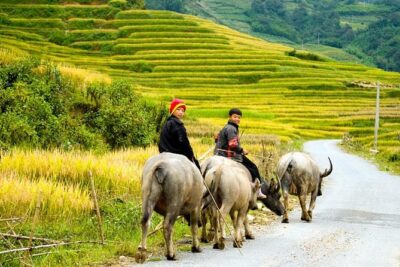
Sapa 3 Days 2 Nights Trekking Tour (1 Night In Ta Van Village, 1 Night In Hotel)
Read our review →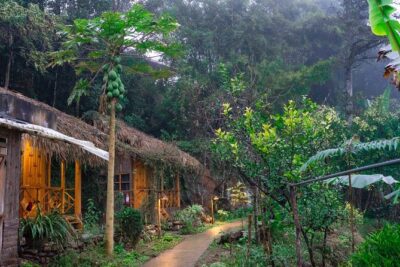
3-Day Trekking Adventure of Sapa from Hanoi – Stay Ta Van Village
Read our review →
2-Day Sa Pa Ethnic Homestay Tour & Trek with Limousine Bus
Read our review →
Sapa 3 Day 2 Night Trekking With Hotel & Homestay
Read our review →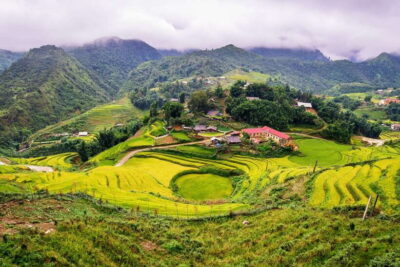
2-Day Sapa Trek Tour – Luxury Limousine Transfer
Read our review →
Sapa 2 Days 1 Night Overnight At Local Homestay
Read our review →Browse the lists this trek appears in