
Review · SAPA
Sapa: Ta Phin Village Trek with Lunch and Bathing Experience
Ta Phin is where this Sapa day trip earns its keep: you walk from the Black Hmong village of Suoi Ho through rice terraces and mountain valleys to a village shared by Hmong and Dao communities. The final herbal bath is a welcome way to finish a walk that can reach about 15 kilometers.
I like the small group size, capped at 10, and the lunch at a traditional Hmong family restaurant, where the outdoor patio adds fine views to the meal. I also like the cultural range, from cardamom plants and farm animals to Red Dao herbal knowledge and Hmong brocade work. The main caution is simple: this is a long, sometimes demanding walk, and the cave and bathing facilities may feel basic.
Key points at a glance
- About 15 kilometers on foot: The route involves real hiking, not a short village stroll.
- Three distinct villages: You pass through Suoi Ho, Ma Tra, and Ta Phin, each offering a different setting and cultural focus.
- Family-run Hmong lunch: Your meal is served at a small restaurant with an outdoor patio and mountain views.
- Hmong and Dao traditions: Learn about Hmong marriage customs, Red Dao herbal medicine, farming, and brocade weaving.
- Ta Phin Cave included: Bring a light if you have one, since the cave can be dark and slippery.
- Herbal bath at the finish: You can bathe in a private or shared space, depending on what is available.
From Hoang Van Thu to the first mountain trail
The day begins around 9:00 with pickup from your accommodation in Sapa. The meeting point is Massage Lits at 01 Hoang Van Thu, and transport returns you there at the end of the afternoon, usually between 16:30 and 17:00.
After a short introduction, you walk for roughly 15 minutes, including a five-minute walk to a smaller trail. This opening stretch gets you away from the town quickly. You are not spending the morning waiting for a distant attraction to appear. The path starts in the Sapa area and moves into quieter valleys.
Your guide points out cardamom trees growing in the small valleys. Cardamom is one of the valuable crops associated with Sapa, and seeing it in its growing environment gives the walk a useful farming connection. This is one reason I prefer this route to a simple viewpoint stop. You are looking at how people use the land, not just photographing it.
The exact pace depends on the group and the ground underfoot. Wear shoes with a good grip, since the route includes paths through and beside rice paddies. Water, a hat, sunscreen, and insect repellent belong in your day bag. A snack is also sensible, even though lunch is included.
More Homestay Treks in Sapa
- Number one top rated ethical cultural trekking and homestay by ETHOS
★ 5.0 · 456 reviews - Sa Pa: 2-Day Trekking Trip with Ethnic Minority Homestay
★ 4.7 · 145 reviews - Sapa : 2-Day Trek & Heartwarming Homestay with an Ethnic Family
★ 5.0 · 143 reviews
Suoi Ho and the Black Hmong countryside
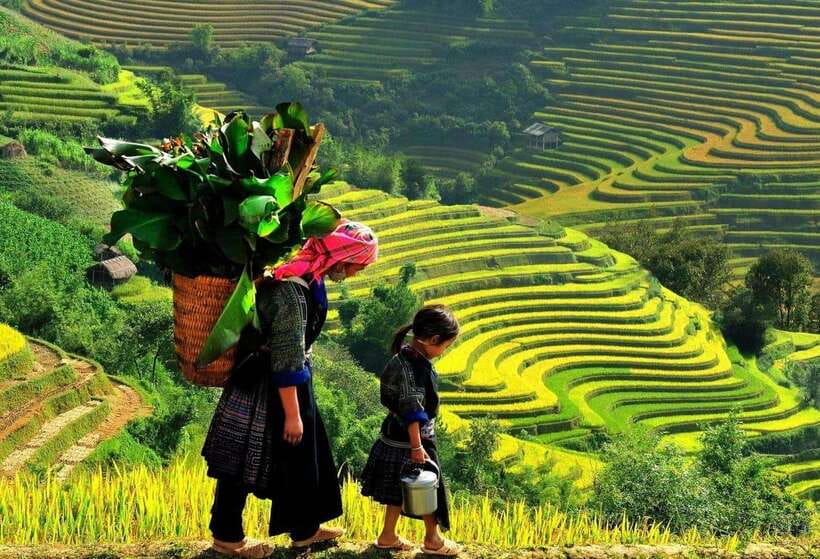
The trail heads down toward Suoi Ho, a small village of Black Hmong people. The houses here are described as old and small, which gives the settlement a more modest feel than the organized visitor stops found around some popular mountain destinations.
You may see water buffalo, chickens, dogs, and pigs along the way. These are not staged attractions. They are part of daily farm life, and the route offers a chance to understand how closely homes, animals, crops, and walking paths fit together.
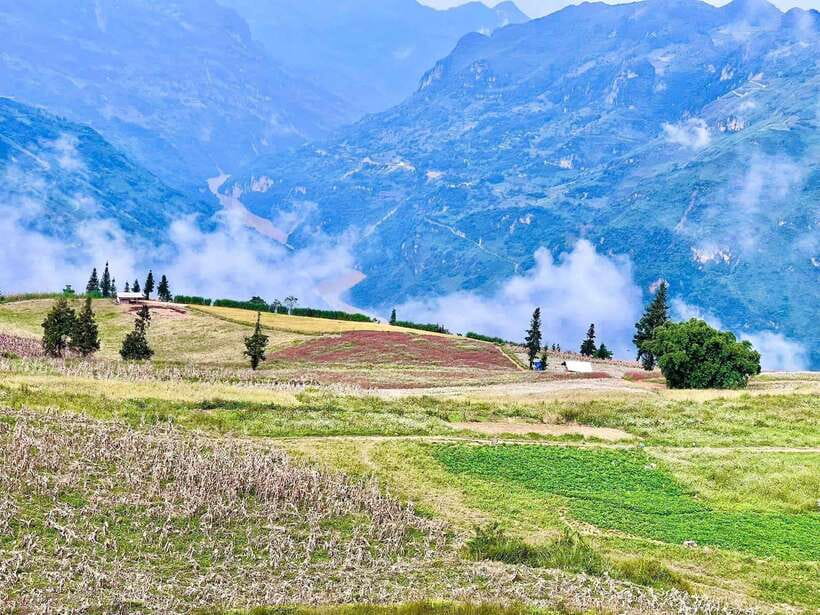
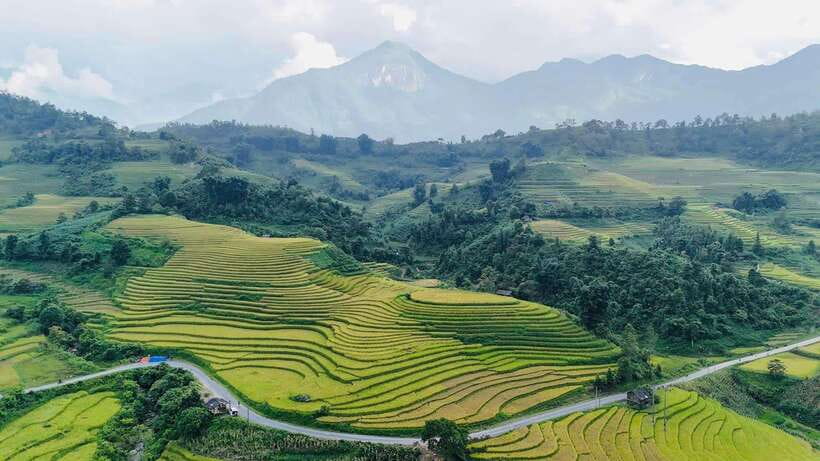
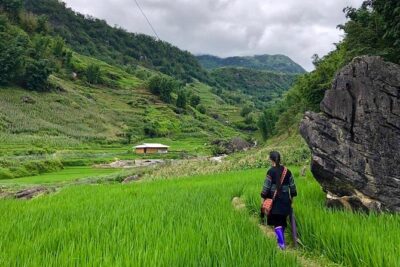
The scenery is the star of this first section. Rice terraces fold across the hills, while mountains frame the route. The views change as you descend and then continue across the valley, so you get more than one standard photo stop.
Your guide is important here. Su and Vang are among the named guides connected with this experience. Su is noted for speaking English well and for explaining agriculture, local life, and traditions in an approachable way. Vang has also led this walk. Guide quality can vary, so it is worth asking questions rather than waiting for a formal lecture. The cultural explanation is strongest when you show curiosity about what you are seeing.
Rice paddies on the way to Ma Tra
From Suoi Ho, the route continues along a small road and through the rice fields toward Ma Tra. This is the longest-feeling part of the day for some people, particularly if the weather is warm or the paths are muddy.
The route is not presented as a technical mountain hike, but it is still a serious day on foot. One account of the walk recorded about 15 kilometers by the end. That number matters more than the gentle wording of a village trek. You should be comfortable walking for several hours over uneven ground and changing inclines.
I like this section because it gives the scenery time to unfold. You are not hurried from one landmark to the next. At the same time, the day may feel light on formal stops. If you want more context, ask your guide about rice cultivation, cardamom, village life, and the Hmong and Dao communities as you walk.
The route can also bring you into contact with sellers along the trail. This is common around popular village paths, but it can make the walk feel less relaxed if you dislike sales approaches. A calm, polite refusal is usually the easiest response.
Lunch at a Hmong family restaurant in Ma Tra
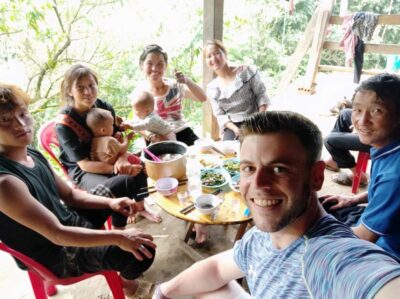
Lunch takes place at a small restaurant run by a traditional Hmong family in Ma Tra. The outdoor patio has views over the surrounding countryside, making it a pleasant pause after the morning walk.
The meal is included in the $28 price, but drinks are not. Bring enough water for the trek and expect to pay separately for anything extra at lunch. The setting is part of the value here. You are not stopping at a generic city restaurant, but at a family-run place connected to the community you are visiting.
Lunch also divides the day sensibly. You can rest, eat, and take in the views before the afternoon visit to Ta Phin. Still, do not expect a long restaurant stay if your group is moving on schedule. This is a walking day, not a leisurely food tour.
More Homestay Treks in Sa Pa:
- Sapa Valley Trek and Homestay – 3D2N
★ 5.0 · 105 reviews - 2 days authentic trekking tour in Sapa ( Homestay – Less touristy )
★ 5.0 · 68 reviews - From Sapa: 2 Days 1 Night Trek Over Night At Homestay
★ 5.0 · 68 reviews - Private Hoang Lien National Park & Tribal Village Trek
★ 4.7 · 30 reviews
Ta Phin, where Hmong and Dao traditions meet
After lunch, you continue to Ta Phin, a living village shared by Hmong and Dao communities. This is the cultural center of the outing, and it gives the day more depth than a walk focused only on mountain views.
The Hmong are known here for distinctive marriage traditions. The Red Dao are associated with herbal medicine and the use of local plants to treat illness. Your guide can help explain these traditions, but the quality of the conversation depends on communication and your willingness to ask questions.
The tour is conducted in English, and several guides have been praised for being friendly and easy to talk with. Su, in particular, has been described as attentive and able to explain local agriculture and village life clearly. Still, one guide may be harder to understand than another. If a point is unclear, ask for it again. You will get more from the visit that way.
You may also see women making brocade products for sale. These textiles are a useful reminder that village crafts are both cultural work and a source of income. Look carefully, ask before touching anything, and remember that buying is optional. Respect matters more than collecting souvenirs.
Ta Phin Cave: worthwhile, but come prepared
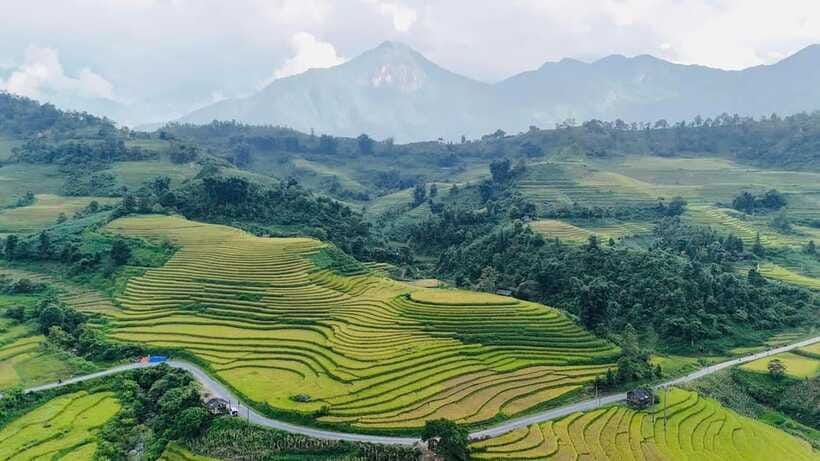
Ta Phin Cave reaches far into the mountain and is included in the tour price. It adds a change of pace after the open rice terraces. Instead of wide views, you get a darker, enclosed setting that shows another side of the area.
The cave deserves a practical warning. It can be dark and slippery, and a guide may not always have a light available. Bring a small flashlight or headlamp if you have one. Do not push farther into the cave than feels safe, especially if the footing is wet.
This is not a polished show cave with bright paths and extensive facilities. The rougher conditions are part of the appeal for some people, but they can disappoint anyone expecting an easy, carefully lit attraction. Good shoes are essential here, not just useful for the rice terraces.
The herbal bath is the reward at the end
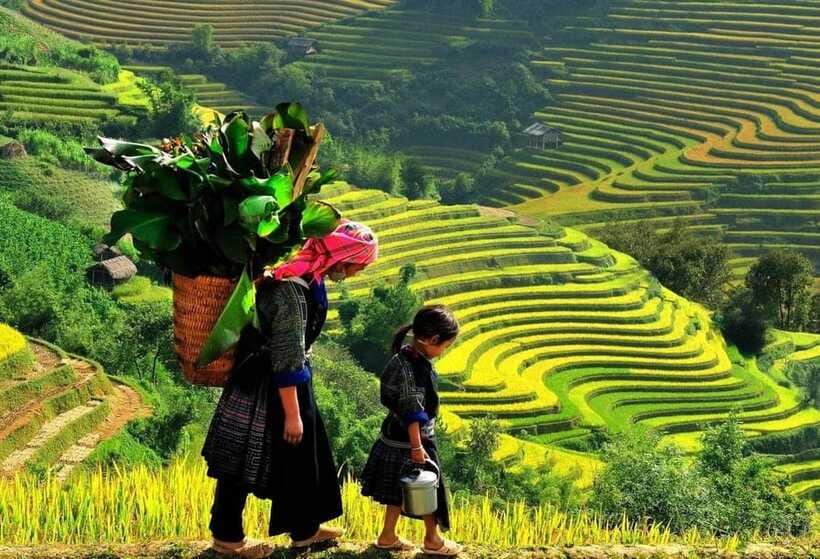
After the trek and cave visit, you head to a local bathing place for a traditional herbal remedy. You soak in water prepared with local plants, a practice linked to Red Dao herbal knowledge. After hours on foot, the timing makes sense. Your legs get a chance to rest before the ride back to Sapa.
Bathing arrangements can include private or shared spaces. If privacy matters to you, ask what is available when you arrive. The facilities are local and basic rather than spa-like. One possible drawback is that the bathing room may feel small, damp, or less clean than you expect from a modern wellness center.
I would treat this as a cultural bathing experience, not a luxury treatment. Its value comes from the tradition and the chance to slow down after the walk. A 20 percent discount is also offered for a massage at Massage Lits, 01 Hoang Van Thu, after the trip. That can be useful if you want a second, more familiar-style treatment in Sapa.
What the $28 price really covers
At $28 per person, this outing offers good value if you want a full day outside Sapa. The price includes hotel pickup and drop-off, an English-speaking guide, lunch, Ta Phin Cave admission, and the herbal bath.
The strongest value comes from combining transport, guiding, food, and the bath in one day. Arranging each part separately could take more effort, especially if you are unfamiliar with the rural roads and village routes. The small group limit of 10 also gives you a better chance to speak with the guide than you would on a large coach trip.
There are extra costs to remember. Drinks at lunch, personal purchases, and a tip for the guide are not included. Brocade products may be offered for sale, but buying them is your choice.
The tour is not ideal value if you only want a short, easy walk. You could find the distance tiring, and the experience loses some appeal if you are not interested in farming, village traditions, or the practical side of rural life. The price works best for someone who wants a full day with several different elements.
Who should book this walk
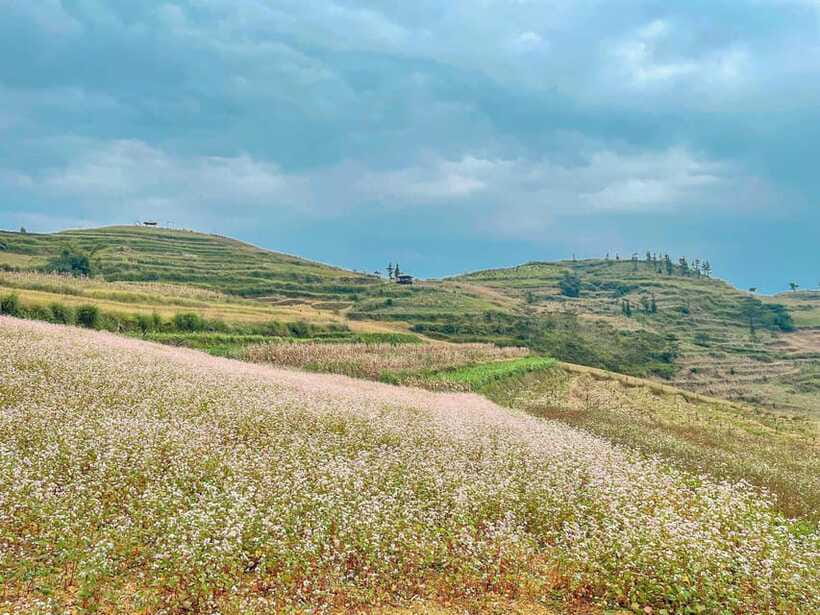
I would choose this tour if you want to see Sapa beyond its town streets and famous viewpoints. It suits active adults who enjoy walking, village visits, mountain scenery, and simple local facilities.
It is a poor fit for children under six, pregnant women, people with back problems, people with mobility impairments, and wheelchair users. The amount of walking and uneven ground make those restrictions important, not minor fine print.
You should also be comfortable with changing weather. Bring a waterproof layer if conditions look uncertain, along with sunscreen and a hat for brighter hours. The supplied guidance specifically calls for comfortable shoes, water, snacks, insect repellent, and a camera.
During the village visits, avoid smoking, littering, feeding animals, or touching plants. These rules are easy to follow and help keep the route respectful. Ask before photographing people, especially when you are near homes or craftspeople.
Timing, group size, and the guide question
The advertised day runs from about 9:00 until 16:30 or 17:00, including pickup, transport, walking, lunch, the cave, and the bath. One possible issue is that the day may finish earlier if the route moves quickly. If you have booked this as a full nine-hour outing, ask at the start how much walking and how much time at each stop is planned.
The group is limited to 10 people. That is a useful middle ground: small enough for questions, but large enough that the pace may not be entirely your own. If your priority is private cultural conversation or a highly flexible schedule, a private guide could suit you better, though the price and arrangements would differ.
Guide communication matters. Su is an especially useful name to request if guide choice is possible, since he speaks English well and has experience discussing local farming and traditions. Vang has also led the route. Still, guide assignments can change, so do not assume a specific person is guaranteed unless the booking confirms it.
Should you book the Ta Phin trek?
Book it if you want a long, varied day combining rice terraces, working villages, a family lunch, Hmong and Dao culture, a rough mountain cave, and a traditional herbal bath. At $28, the package is fairly priced, particularly for a small group with transport and lunch included.
Think twice if you want polished facilities, a short walk, or a tightly scripted cultural show. The cave may be dark, the bath may be basic, and the route can reach 15 kilometers. For the right person, those rough edges make the day feel more connected to rural Sapa. For others, they will feel like avoidable discomfort.
My practical choice would be to book it with sturdy shoes, a flashlight, plenty of water, and realistic expectations. If you are fit enough for the distance and interested in how people live and farm in the mountains, this is one of the better-value ways to spend a full day around Sapa.
FAQ
How long does the Ta Phin Village trek last?
The activity lasts about nine hours. Pickup begins around 9:00, and transport usually returns to Sapa between 16:30 and 17:00.
Where does the tour start?
The meeting point is Massage Lits at 01 Hoang Van Thu in Sapa. Pickup and drop-off at your accommodation are included.
How far do you walk?
The route involves considerable hiking and may total about 15 kilometers. You should be prepared for several hours on foot through village paths, roads, and rice paddies.
What villages do you visit?
The route passes through Suoi Ho, a Black Hmong village, Ma Tra, where lunch is served, and Ta Phin, home to Hmong and Dao communities.
Is lunch included?
Yes. Lunch is served at a traditional Hmong family restaurant in Ma Tra. Drinks at lunch are not included.
Is Ta Phin Cave included in the price?
Yes. Entrance to Ta Phin Cave is included. The cave can be dark and slippery, so a flashlight and sturdy shoes are useful.
What happens during the herbal bath?
You receive a traditional local herbal bathing experience after the trek. Bathing may be available in a private or shared space.
Is the tour suitable for children or people with limited mobility?
It is not suitable for children under six, pregnant women, people with back problems, people with mobility impairments, or wheelchair users.
Can I cancel or pay later?
You can cancel up to 24 hours before the activity for a full refund. A reserve-now, pay-later option is also available.
More Lunch Experiences in Sa Pa
- From Sapa: 1-Day Guided Trek to Lao Chai & Ta Van with Lunch
★ 4.9 · 416 reviews - From Sapa: Guided Full-Day Trekking with Lunch and Drop-Off
★ 4.2 · 86 reviews - From Sapa: Terrace Fields and Local Villages Trek with Lunch
★ 4.3 · 77 reviews - Sapa: Muong Hoa Mountain Views and Villages Trek with Lunch
★ 4.3 · 28 reviews
Just added around Sa Pa
- Sapa: Private The Most Beautiful Terraced Fields Trekking★ 4.8 · 42 reviews
- Soob Sapa Trekking Tour★ 4.3 · 3 reviews
- Sapa Trekking – Waterfalls And H’mong Villages★ 5.0 · 2 reviews
- Sapa3D2N TrekkingAdventures,Valleys,Bambooforest,Waterfall★ 4.8 · 24 reviews
- Sapa: Trekking Through Terraced Rice Fields & Valley 1 Day★ 4.8 · 4 reviews
- Sapa: Trekking Sapa One Day With Group Tour★ 4.7 · 55 reviews
- Sapa Trekking Private Tour With Ethnic Female Tour Guide★ 4.9 · 24 reviews
- Sapa: Y Linh Ho – Lao Chai, and Ta Van Trekking Day Tour★ 5.0 · 25 reviews
Homestay & Village Treks, compared.
Number one top rated ethical cultural trekking and homestay by ETHOS
Read our review →
2-Day Sa Pa Ethnic Homestay Tour & Trek with Limousine Bus
Read our review →
Sapa 3 Day 2 Night Trekking With Hotel & Homestay
Read our review →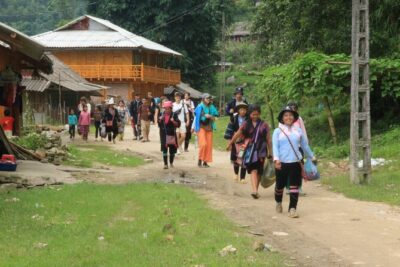
Sapa 2 Days 1 Night Overnight At Local Homestay
Read our review →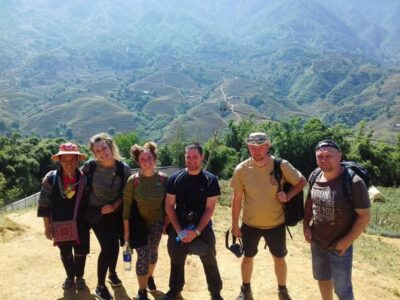
2-Day Trekking Trip with Ethnic Minority Homestay
Read our review →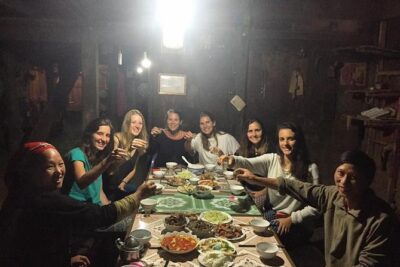
2-Day Trek & Heartwarming Homestay with an Ethnic Family
Read our review →Browse the lists this trek appears in