
Review · CUSCO
Salkantay Trek to Machu Picchu in 4 days
The best part of this four-day Salkantay trek is the change in scenery. You start among high Andean peaks, climb past Humantay Lagoon and the 4,630-meter Salkantay Pass, then descend through cloud forest and coffee country before reaching Machu Picchu by train and bus.
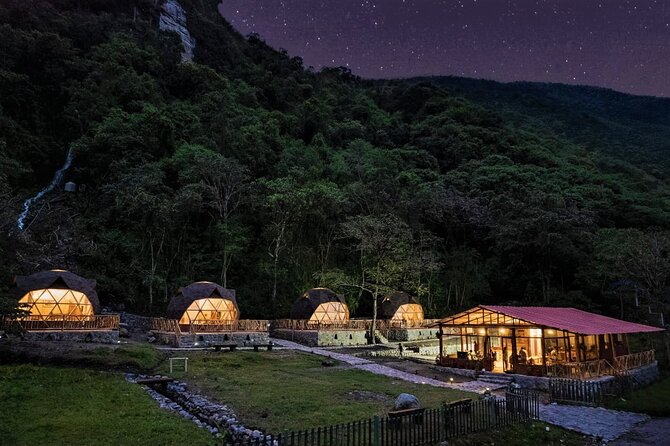
I like the smart mix of effort and comfort: horses carry up to 7 kilograms of your luggage, and the nights include an Andean cabin, a glass and wood dome, and a private-bathroom hotel in Aguas Calientes. I also like the human touches, especially the local coffee farm visit and meals prepared by the trekking cook.
The main concern is altitude and tour coordination. Day two is a serious climb, and the advertised first-aid kit and emergency oxygen should be confirmed before departure. Communication has been uneven for some customers, so attend the required briefing and verify every pickup, lodging, and transport detail.
Key points to know before booking
- The highest point is 4,630 meters: Day two is the hardest, with about three hours of uphill walking from Soraypampa.
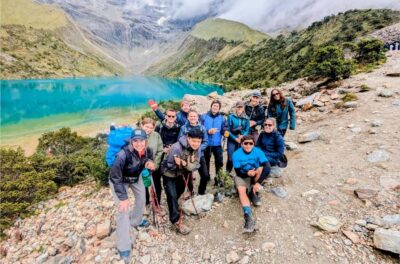
- Humantay Lagoon comes on day one: The short hike reaches 4,200 meters, so altitude begins immediately.
- Your luggage support matters: Horses carry up to 7 kilograms, leaving you with a small daypack and water.
- The route shifts from mountains to jungle: Expect snowy peaks, a cloud forest, orchids, river views, and coffee plantations.
- The final day is long: Machu Picchu is followed by a bus, train, and road transfer back to Cusco, arriving around 10 p.m.
- The small group limit is 10 people: That can make a demanding trek easier to manage than a large departure.
Why this Salkantay route is worth considering
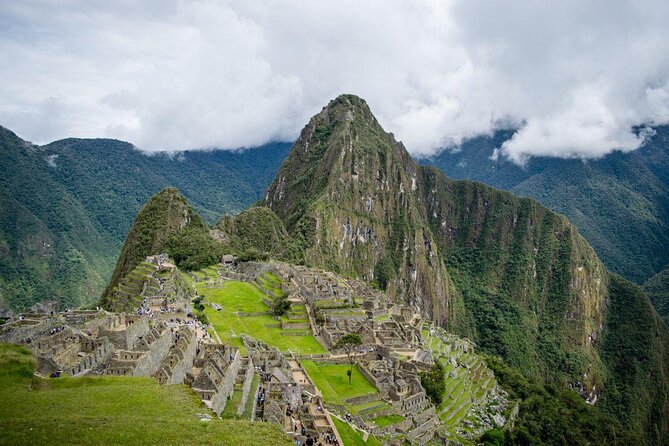
The Salkantay Route gives you a stronger sense of change than a short visit to Machu Picchu alone. The first day begins near Cusco at 5 a.m., with a drive toward Mollepata and Challacancha. By the time you reach the ruins and terraces of Machu Picchu, you have crossed several climate zones on foot.
That variety is the heart of the trip. You see glaciated mountains, dry high-altitude valleys, thick cloud forest, tropical crops, the Urubamba River, and the railway corridor leading to Aguas Calientes. Each section feels distinct.
At $590 per person, the price includes much more than the walking route. You receive hotel pickup, transport to the trailhead, park and route entries, a guide, a cook, kitchen support, meals, horses for gear, camping equipment, two nights of trekking accommodation, a hotel night, the Machu Picchu entrance, buses, the return train, and transport back to Cusco.
That is solid value if you want a supported trek rather than arranging each part yourself. You should still compare what is included in your chosen departure, especially the Huayna Picchu ticket. It is listed as included only if available, so it is not something to count on.
More Inca Trail Treks in Cusco
- Cusco: 4-Day Inca Trail to Machu Picchu with Accommodation
★ 4.8 · 432 reviews - Cusco: Machu Picchu 2-Day Inca Trail with Panoramic Train
★ 4.9 · 260 reviews - From Cusco: 2-Day Inca Trail to Machu Picchu
★ 4.2 · 244 reviews
Day one: Cusco, Mollepata, and Humantay Lagoon
Pickup begins at 5 a.m. from hotels in Cusco, with pickup also available from hotels in the Sacred Valley. Bring your original passport. It is required at control points along the route, and leaving it in your hotel could create a serious problem.
The drive to Mollepata takes about two hours. The road offers views of snowy peaks and broad valleys, then stops at a local restaurant for breakfast. This pause is useful because the walking begins higher up, at Challacancha, around 3,600 meters.
At Challacancha, muleteers load kitchen gear and food onto horses. You begin walking at about 9:30 a.m., following a stone path beside an old water channel. The route to Soraypampa covers about 10 kilometers and takes roughly three hours.
This is a good opening day because the pace gives you time to adjust. Still, do not mistake it for an easy stroll. You are already at high altitude, and the next stop climbs higher.
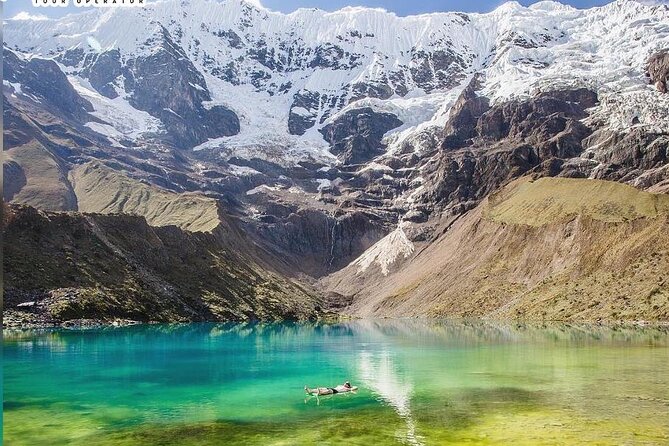
After lunch and a rest at camp, you walk toward Humantay Lagoon. The climb takes about 90 minutes, with the lagoon located at roughly 4,200 meters. The supplied schedule allows around 40 minutes at the lagoon, enough for photographs and a pause beside the water.
The return brings you to Soraypampa around 5:30 p.m. Tea, coffee, popcorn, and cookies are served, followed by dinner. If the sky is clear, the camp offers a good chance to see stars and constellations above the snowy peaks.
Your first night is in an Andean cabin at Eco Lodge Mamá Andrea. This is simpler than the later dome, so pack warm layers and keep essentials close. The cold at Soraypampa is part of the setting, not a minor detail.
Day two: Salkantay Pass is the test
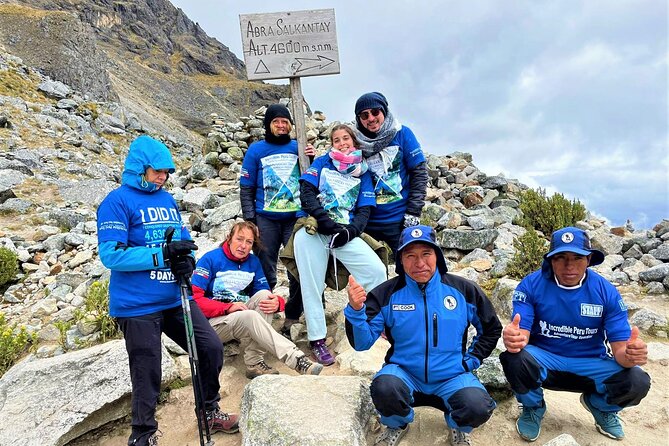
The cook wakes you around 5 a.m. with coca tea, followed by breakfast. The first seven kilometers lead uphill for about three hours, making this the most demanding part of the trek.
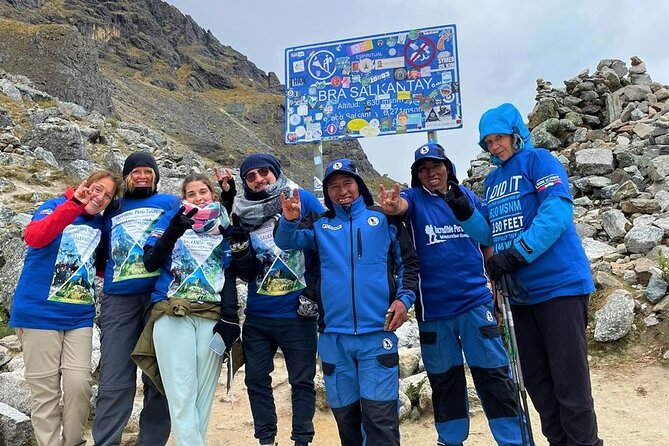
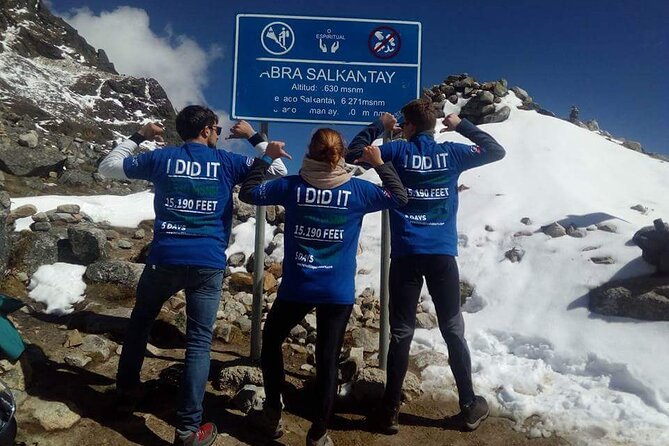
The route rises through the Salkantay Valley toward Pampa Salkantay at about 4,200 meters. After a short break, you continue through rocky terrain to the Salkantay Pass at 4,630 meters, or about 15,190 feet.
This is the day to judge your own fitness honestly. The tour asks for moderate physical fitness, but the combination of altitude, cold, and sustained climbing can make the effort feel greater than the distance suggests. Move slowly, drink water, and tell the guide early if you feel unwell.
At the pass, you may see Salkantay Mountain, which reaches 6,271 meters, along with Humantay Mountain and other snowy summits. The views are the reward for the climb, but weather can limit them. Clouds and cold are normal possibilities at this height.
After the pass, the route changes character. Lunch is served at Wayraqmachai around 1:30 p.m., then the path descends toward the high forest and cloud forest. The air becomes warmer and plant life increases as you lose altitude.
The walk reaches Colpapampa around 4:30 p.m. A vehicle then takes you for about an hour to Sahuayaco. This transfer is welcome after the pass and descent. It also means the second day is not a continuous walk all the way to the lodge.
Your second night is at Majestic Sky Domes, described as a luxury wood and glass dome. Tea, hot chocolate, coffee, popcorn, and cookies are served before dinner. The dome is a pleasant contrast to the exposed high camp, though you should still confirm exactly what equipment and room features are provided before leaving Cusco.
Day three: coffee, plantations, and the railway walk
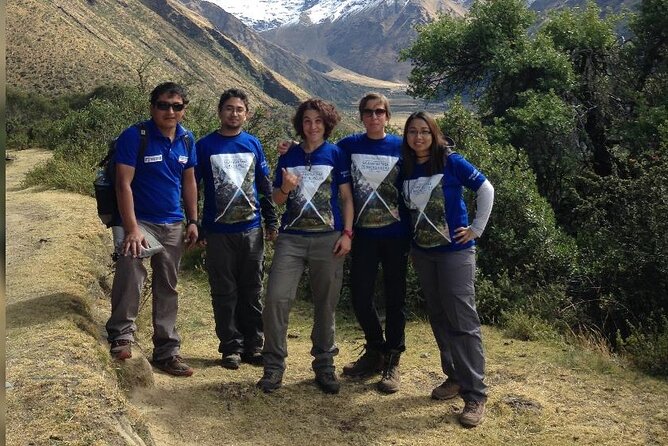
The morning starts later, with wake-up at 7 a.m. and breakfast at 8. You then visit local plantations growing bananas, avocados, oranges, medicinal plants, and coffee.
This is one of the most distinctive parts of the trip. Coffee is the main agricultural industry in the area, and the visit connects the scenery to local work and income. At a local coffee farm, you can taste coffee that is freshly roasted and ground.
That stop gives the day more purpose than simply serving as a transfer toward Machu Picchu. You see what grows in the warmer zone and get a closer look at the farming that supports communities along the route.
The schedule returns you to the lodge around 11 a.m. for rest, followed by lunch and a vehicle ride to the Central Hydroelectric Power Plant. The afternoon walk to Aguas Calientes takes about three hours.
The first section climbs gently for around 15 minutes. After that, the trail follows the railway tracks and the Urubamba River. This is not a mountain path in the same sense as the first two days, but it remains a pleasant way to approach Machu Picchu.
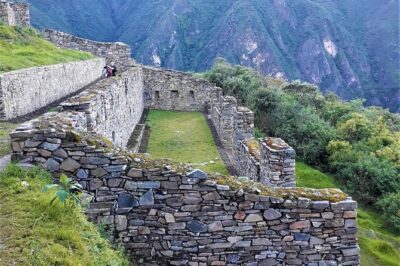
Along the route, you visit Intihuatana, an Inca carved stone associated with an ancient sundial. The route also offers views toward Huayna Picchu and Machu Picchu. The cloud forest here is thick with plants and orchids, giving the final walking section a very different feel from the high pass.
You arrive in Aguas Calientes around 5:30 p.m. The hotel includes a private bathroom, and dinner is served at a tourist restaurant in town. During dinner, the guide explains the next morning’s plan.
Guide quality can shape this trip. Gilber is specifically identified as a guide who explains history well and enjoys extended conversations about lesser-known facts. Rene is also noted for making the demanding route manageable for the whole group. Herbert has been described as genuinely attentive to the group’s enjoyment, though the wider tour operation has had communication problems. If you are assigned one of these guides, use the evening briefing to ask direct questions about timing, tickets, and the morning entry.
Same trailhead, a different route:
- From Cusco: 7 Lakes Ausangate Trek with Breakfast and Lunch
★ 4.8 · 360 reviews - Machu Picchu: Inca Trail 2-Day Overnight Guided Tour
★ 4.9 · 203 reviews - Cusco: Full-Day Rainbow Mountain & Red Valley Trekking Tour
★ 4.5 · 121 reviews - Short Inca trail to MachuPicchu || 2days – 1nigth ||
★ 5.0 · 103 reviews
Day four: Machu Picchu, then a late return to Cusco
Breakfast comes early. At about 5:30 a.m., you walk to the bus station and take the tourist bus up the zigzag road to Machu Picchu. The bus ride takes around 30 minutes.
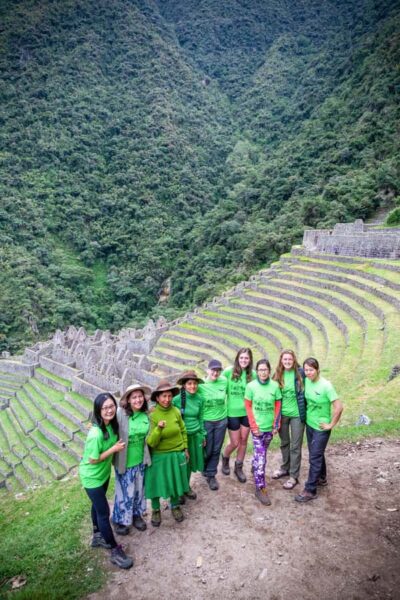
Entry is planned for about 6:30 a.m., with a guided visit lasting roughly two hours. The guide explains the citadel’s temples, agricultural terraces, canals, and water systems, then you have time for photographs and independent exploration.
The early start is sensible. It gives you the best chance of entering near the beginning of the day and leaves time for the guided circuit before the return journey. Huayna Picchu may be possible if tickets remain available, but treat that as an extra opportunity rather than a guaranteed part of your day.
After Machu Picchu, the bus returns you to Aguas Calientes. The Expedition Tourist Train then takes you to Ollantaytambo, scheduled to arrive around 7:40 p.m. A waiting tourist bus continues to Cusco, where arrival is expected around 10 p.m.
This is a long final day. Do not plan a late-night flight or an important appointment in Cusco. The return package is convenient, but the sequence of bus, train, and road transport leaves little room for delays.
Meals, luggage, and practical comfort
The tour includes four breakfasts, four lunches, and three dinners. A cook and kitchen assistant prepare the meals, and vegetarian, vegan, and special diets can be accommodated if you give the company notice.
The horses carry kitchen equipment, food, and up to 7 kilograms of your luggage. You carry a small backpack and water. This makes a major difference on day two, but keep valuables, medication, documents, and anything needed during the day in your own pack.
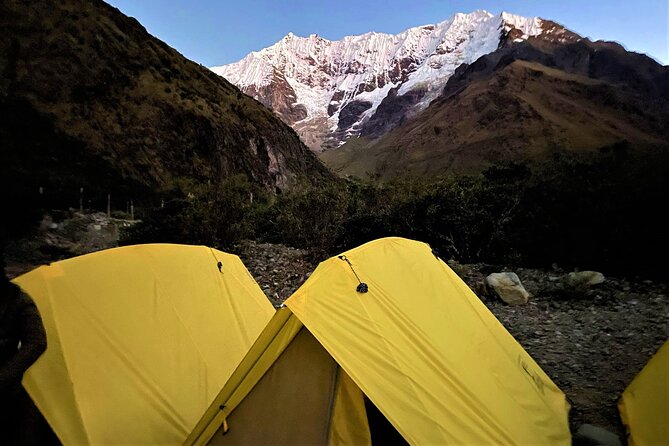
Camping equipment, a dining tent, field tables, portable chairs, and camp lamps are included. The first night is a cabin, not a standard hotel room, and the second is in a dome. The third night is in a hotel in Aguas Calientes.
Bring your own backpack, clothing, and shoes. The operator lists these personal items as excluded. You should also bring warm layers for Soraypampa and the pass, plus clothing suited to the warmer cloud forest and Aguas Calientes.
Safety and communication deserve attention
The tour lists a first-aid kit and emergency oxygen carried by the guide. Because altitude sickness can become serious, confirm at the briefing that both are present and ask how the guide handles an emergency.
You should also ask for clear instructions about the pickup, the luggage handoff, the lodge names, the train schedule, and the Machu Picchu entry time. Some customers have received incorrect information or struggled to reach the operator before departure. The required preparation talk at the Cusco office is your chance to correct details face to face.
The group limit is 10 people, which is a useful size for a hard trek. It lets the guide monitor the pace more closely than a large bus-sized group. Still, a guide cannot remove the physical demands of the route, so arrive in Cusco with some walking fitness already in place.
Who should book this $590 trek?
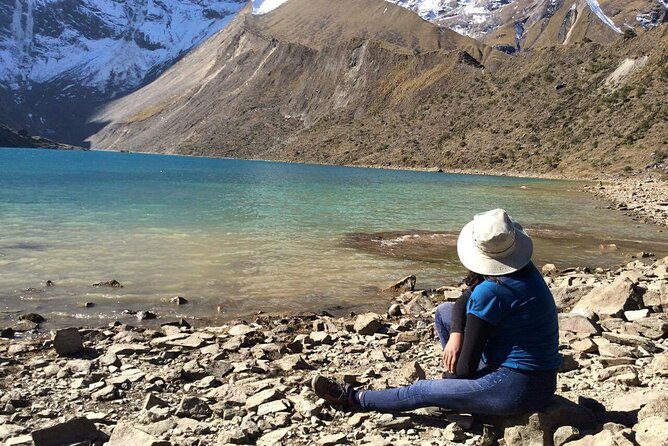
I would choose this trip if you want Machu Picchu tied to a real mountain route, not just a train ride from the Sacred Valley. It suits hikers who like changing scenery, shared meals, basic outdoor nights, and a structured schedule.
It is also a good fit if you value having transport, food, horses, entries, and accommodation handled in one package. The local coffee visit and the transition from high peaks to tropical crops add substance to the trip.
I would hesitate if you dislike early starts, high altitude, long descents, or a late return to Cusco. I would also avoid booking until the operator confirms every logistical detail if you need polished communication and strict predictability.
Cancellation is flexible only up to three full days before the start time. Changes made inside that window are not accepted, and poor weather may lead to a new date or a full refund.
FAQ
How long is the Salkantay trek to Machu Picchu?
The experience lasts four days and includes three nights of accommodation.
What time does pickup begin?
Pickup begins at 5 a.m. from hotels in Cusco. Pickup is also available from hotels in the Sacred Valley.
How high does the route climb?
The Salkantay Pass reaches 4,630 meters, or about 15,190 feet. Humantay Lagoon is at about 4,200 meters.
How difficult is the trek?
The tour requires a moderate level of physical fitness. Day two is the hardest, with about three hours of uphill walking to the Salkantay Pass.
How much luggage can the horses carry?
The horses carry up to 7 kilograms, or about 15 pounds, of your luggage. You carry your small backpack and water.
What meals are included?
The package includes four breakfasts, four lunches, and three dinners. Vegetarian, vegan, and special diet meals can be prepared if requested.
Where do you sleep during the trek?
The first night is in an Andean cabin at Eco Lodge Mamá Andrea. The second is in a wood and glass dome at Majestic Sky Domes. The third is in a hotel room with a private bathroom in Aguas Calientes.
Is the Machu Picchu entrance included?
Yes. The Machu Picchu entrance ticket and a guided tour are included. Huayna Picchu is included only if availability allows.
How do you return to Cusco?
After Machu Picchu, you take a tourist bus to Aguas Calientes, an Expedition Tourist Train to Ollantaytambo, and a tourist bus to Cusco. Arrival is scheduled for about 10 p.m.
More 4-Day Experiences in Cusco
- Choquequirao Trek 4 days and 3 nights
★ 5.0 · 81 reviews - Ancascocha Trek To Machu Picchu 4 Days And 3 Nights
★ 5.0 · 77 reviews - 4 Day Inca Trail Trek to Machu Picchu Multi day tour
★ 5.0 · 70 reviews - Classic Inca Trail 4 Days to Machu Picchu
★ 5.0 · 69 reviews
Just added around Cusco
- Classic Choquequirao Trek – 5 Days / 4 Nights★ 5.0 · 52 reviews
- Short Inca Trail 2 Day Hike to Machu Picchu with Permits & Train★ 5.0 · 51 reviews
- 2 Day Tour Throughout the Short Inca Trail to Machu Picchu★ 5.0 · 36 reviews
- Small Group: 4-Day Inca Trail Trek to Machu Picchu★ 5.0 · 33 reviews
- 5-Day: Salkantay Trek to Machupicchu and Humantay Lake★ 5.0 · 42 reviews
- 2 Day – Short Inca Trail to Machu Picchu – Group Service★ 5.0 · 30 reviews
- 5 Day – Salkantay trek to Machu Picchu – Group Service★ 4.5 · 27 reviews
- Salkantay Trek Standard 5D/4N★ 5.0 · 48 reviews
Machu Picchu & Inca Trail Treks, compared.
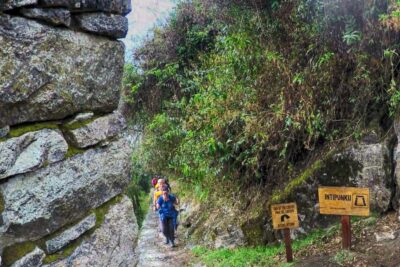
4-Day Inca Trail to Machu Picchu with Accommodation
Read our review →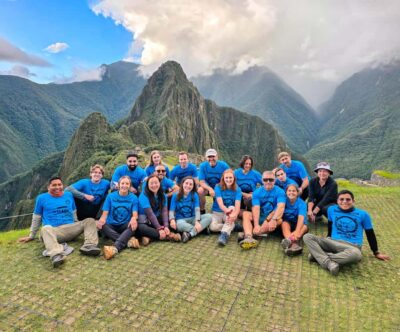
Machu Picchu 2-Day Inca Trail with Panoramic Train
Read our review →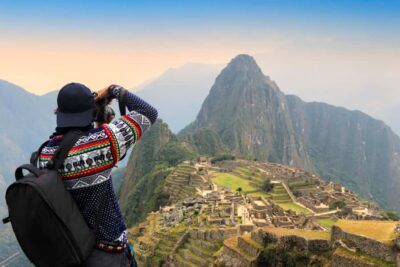
Machu Picchu: Inca Trail 2-Day Overnight Guided Tour
Read our review →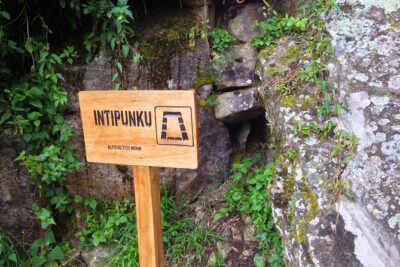
Short Inca trail to MachuPicchu || 2days – 1nigth ||
Read our review →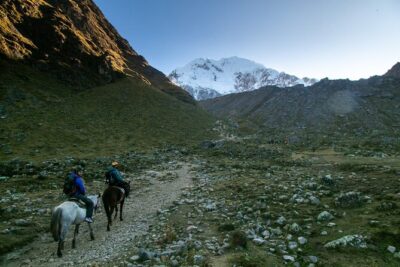
Machu Picchu: 5-Day Salkantay Trek with Panoramic Train
Read our review →Browse the lists this trek appears in