
Review · PERU
Salkantay trek to Machu Picchu – 5D/4N – Premium
The Salkantay route trades the Inca Trail’s stone paths for Humantay Lake, high mountain passes, and remote camps, then drops into warm coffee-growing country before reaching Machu Picchu. It is a big, varied walk, not simply a cheaper way to reach the citadel.
I like the authentic camp at SalkantayPampa, where you sleep under a proper camping setup rather than rushing from one basic stop to another. I also like the practical package: meals, a chef, sleeping bag, Machu Picchu entry, buses, and the return train are covered for $510.
The weak spot is organization. One January departure had three different guides, a changed schedule, missing promised elements, and no emergency radio when a participant became ill. Confirm the route, guide, and backup procedures in writing before you commit to a non-refundable booking.
Key points to know before you book
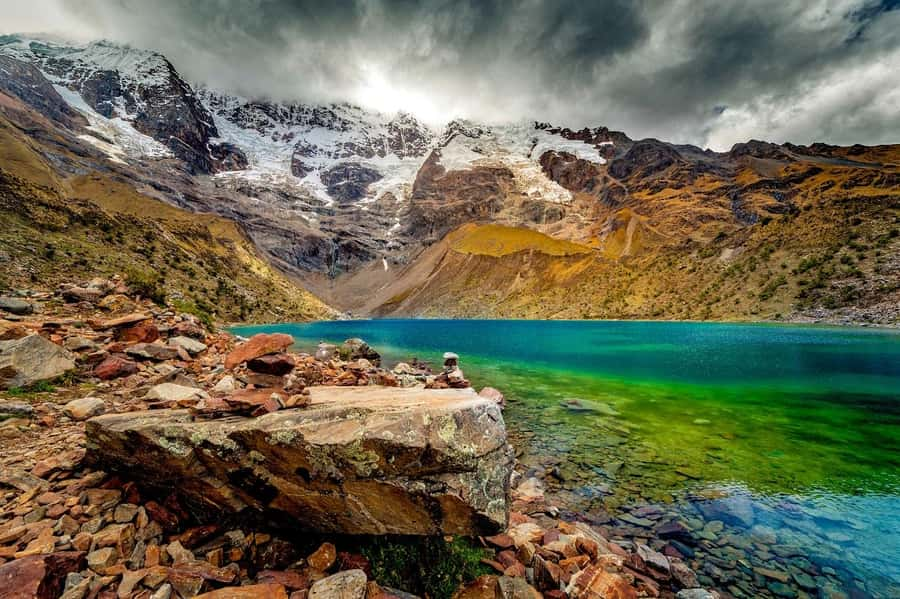
- Humantay Lake starts the trip with a major payoff: The first day combines an early mountain visit with about 16 km of walking and roughly seven hours on foot.
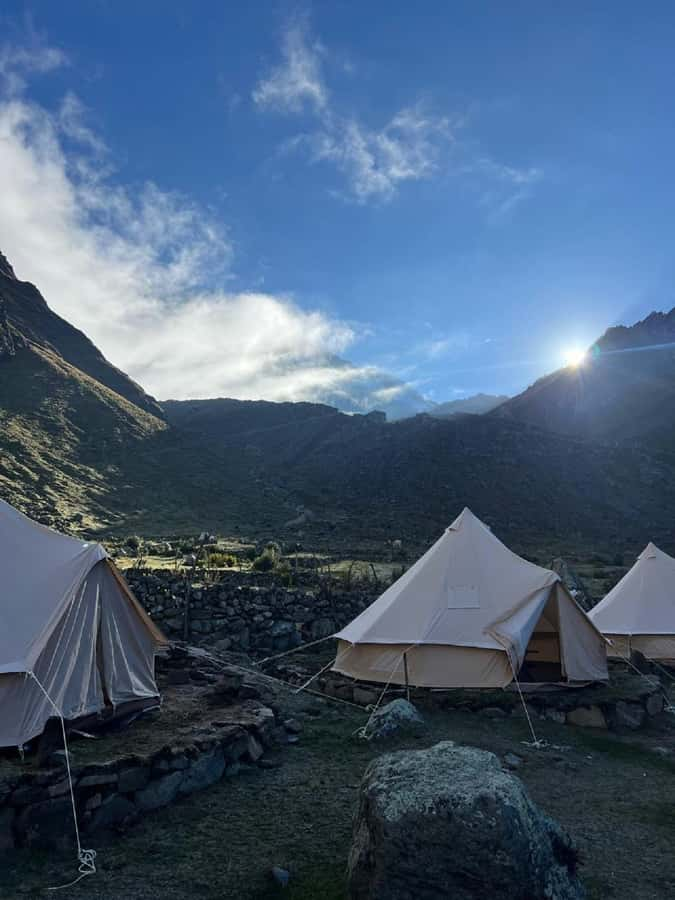
- SalkantayPampa gives you a genuine camping night: You spend three nights in camps, with a spacious dining tent, kitchen, chef, and assistants.
- The route changes dramatically: Snowy high country gives way to warmer valleys, Lucmabamba, and the approach to Machu Picchu by foot.
- You walk 64 km in four hiking days: The route is rated moderate to challenging, and seven-hour days are normal.
- Aguas Calientes is part of the plan: You sleep one night in a hotel there, then take the bus to Machu Picchu on day five.
- Guide continuity needs checking: Eduardo received strong praise for explaining nature, traditions, and local people, but another departure used three guides.
Why this Salkantay route feels different from the Inca Trail
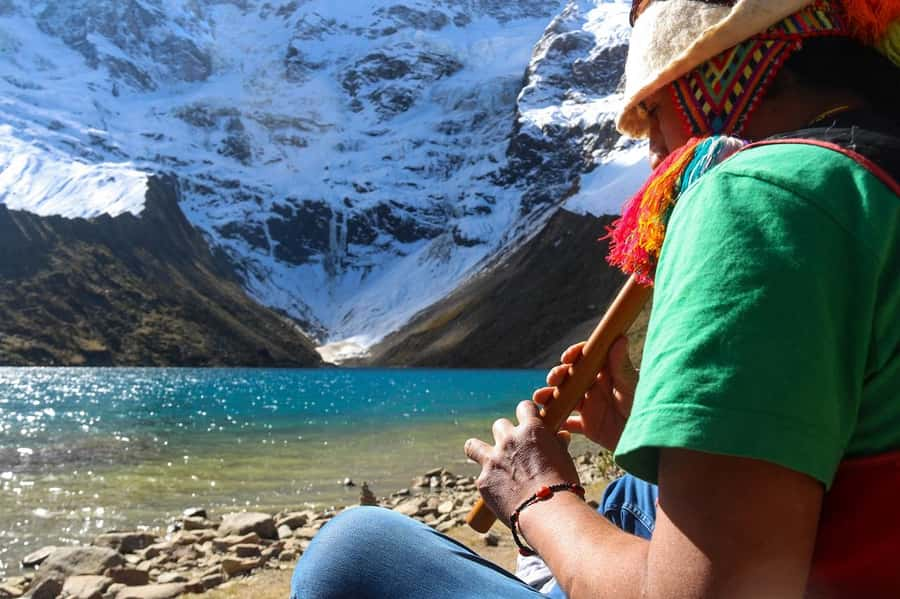
The Salkantay Trek is Peru’s best-known alternative to the Inca Trail for good reason: it gives you a wider change of scenery over five days. You begin near the high mountains, pass the striking Humantay Lake, camp at SalkantayPampa, and then descend through warmer country toward Machu Picchu.
I like this route for people who want the walk itself to matter. The destination is famous, but the trip earns its keep through changing conditions and places. You get cold-weather walking, remote camping, forested valleys, and a final approach through the Machu Picchu area.
The tradeoff is physical. The total distance is about 64 km, or 39 miles, and the schedule includes three days of six to seven hours on foot. The official difficulty is moderate to challenging, but that label should not lull you into packing lightly or treating this as a casual sightseeing tour.
The group is limited to 15 people, which is small enough for a guide to keep track of the group more easily than on a large coach excursion. Still, the route and altitude make personal preparation important. You should be comfortable walking for several hours at a time and carrying a daypack.
More Inca Trail Treks in Peru:
- Cusco: 4-Day Inca Trail to Machu Picchu with Accommodation
★ 4.8 · 432 reviews - Cusco: Machu Picchu 2-Day Inca Trail with Panoramic Train
★ 4.9 · 260 reviews - From Cusco: 2-Day Inca Trail to Machu Picchu
★ 4.2 · 244 reviews
Day 1: Humantay Lake and the first night at SalkantayPampa
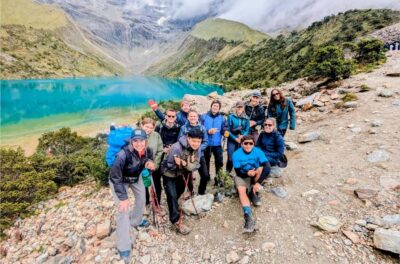
Day one covers about 16 km and takes roughly seven hours. The headline stop is Humantay Lake, one of the most memorable points on the route, with a high mountain setting that gives the trip an immediate sense of scale.
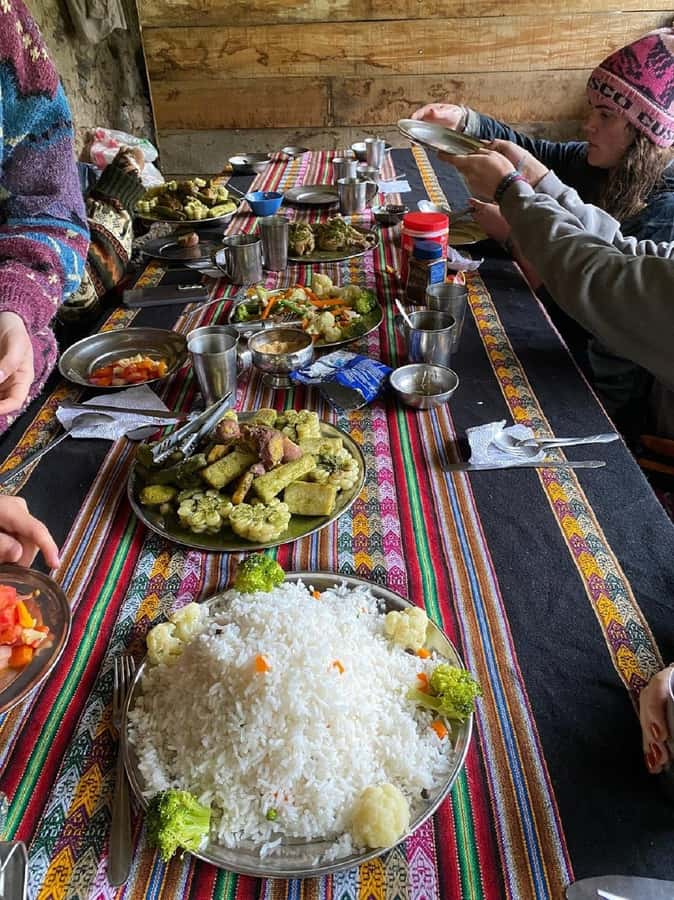
You then continue toward SalkantayPampa, your first basecamp. The camp is one of the better ideas in this package because it is designed as more than a place to collapse after walking. A spacious dining tent and separate kitchen are included, along with a chef and assistants.
That setup matters. After a long first day, you want a hot meal and an organized place to sit, rather than rummaging through your own food in the dark. Three campsite nights are included, as is a sleeping bag, so you do not need to arrange those basics separately.
The first breakfast is not included, so plan for that expense. You should also bring warm clothing, a flashlight, closed-toe shoes, personal medication, and cash. The packing list specifically calls for snow clothing, which tells you something useful about the early conditions: do not prepare only for the warmer valleys you will reach later.
Day one is also where the trip’s support arrangements matter most. A January departure involved illness on the first day and lacked a radio for emergency communication. That does not prove every departure has the same problem, but I would ask exactly how the guide team handles illness, separation, or a change in plan before departure.
Day 2: SalkantayPampa to Chaullay
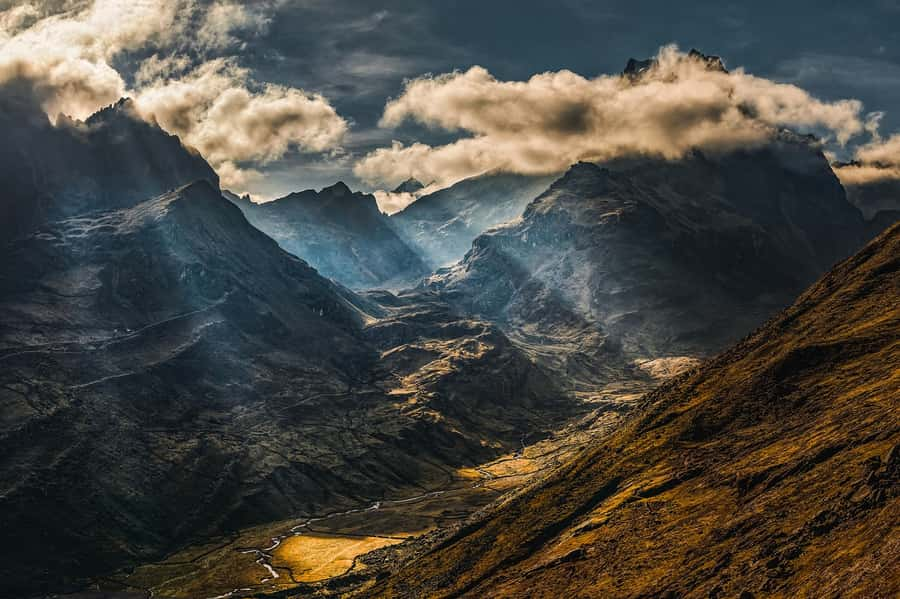
The second day covers about 18 km in roughly seven hours, making it the longest listed hiking day. You leave the basecamp and continue to Chaullay, with the route still firmly in its demanding mountain phase.
This is the day to judge the trip by its real rhythm rather than its marketing highlights. A long walk after the first day’s effort can test your feet, shoulders, and patience. You will want a daypack that holds only what you need, comfortable clothing, sunscreen, water, and your phone or camera.
The package includes meals as described in the daily plan, with vegetarian options available. That is useful for a multi-day walk, since food planning becomes one less daily task. Ask at booking exactly which meals are supplied on each day, because the first breakfast and final lunch and dinner are excluded.
Chaullay is a practical overnight stop in the sequence. The value here is not a long list of attractions, but the fact that it breaks the route into a manageable progression. You hike a demanding distance, eat, rest, and continue the next day rather than trying to force the entire mountain-to-valley transition into one exhausting push.
Day 3: The change to warmer country at Lucmabamba
Day three covers about 16 km and takes around six hours. The route moves toward Lucmabamba, marking a major change from the colder high country into a warmer area associated with the lower valleys.
I like this section because it gives the trek its variety. A route that stayed at one altitude would be easier to summarize but less interesting to walk. Here, your clothing and packing need to work across changing conditions, which is why the list includes both snow clothing and comfortable clothes.
Lucmabamba also makes the journey feel connected to daily life rather than only mountain scenery. The supplied description identifies it as part of the route, and the strong guide feedback specifically praised explanations about nature, traditions, and local people. Eduardo was singled out for making those subjects part of the walk, not just filling silence with directions.
That guide role is important on a route like this. A good bilingual English-speaking guide can help you understand what you are seeing and keep the day organized. The experience includes a professional bilingual guide, but guide continuity is something I would confirm directly. One departure was told the same guide would remain with the group, then used three different guides instead.
A few more treks around Peru worth a look
- From Arequipa: Sillar Route Trek
★ 4.2 · 461 reviews - From Cusco: 7 Lakes Ausangate Trek with Breakfast and Lunch
★ 4.8 · 360 reviews - From Arequipa: 2-Day Colca Canyon Trekking Tour
★ 4.8 · 243 reviews - Cusco: Full-Day Rainbow Mountain & Red Valley Trekking Tour
★ 4.5 · 121 reviews
Day 4: Lucmabamba, Llactapata, Hydroelectric, and Aguas Calientes
The fourth day covers about 14 km in roughly six hours. You continue from Lucmabamba to Llactapata, then reach Hydroelectric before going on to Aguas Calientes, the town beside Machu Picchu.
This is the day when the walk begins to feel like a direct approach to the destination. Llactapata is an important named stop in the plan, while Hydroelectric marks the transport and walking link toward Aguas Calientes. The route remains active and varied instead of ending at a roadhead well before Machu Picchu.
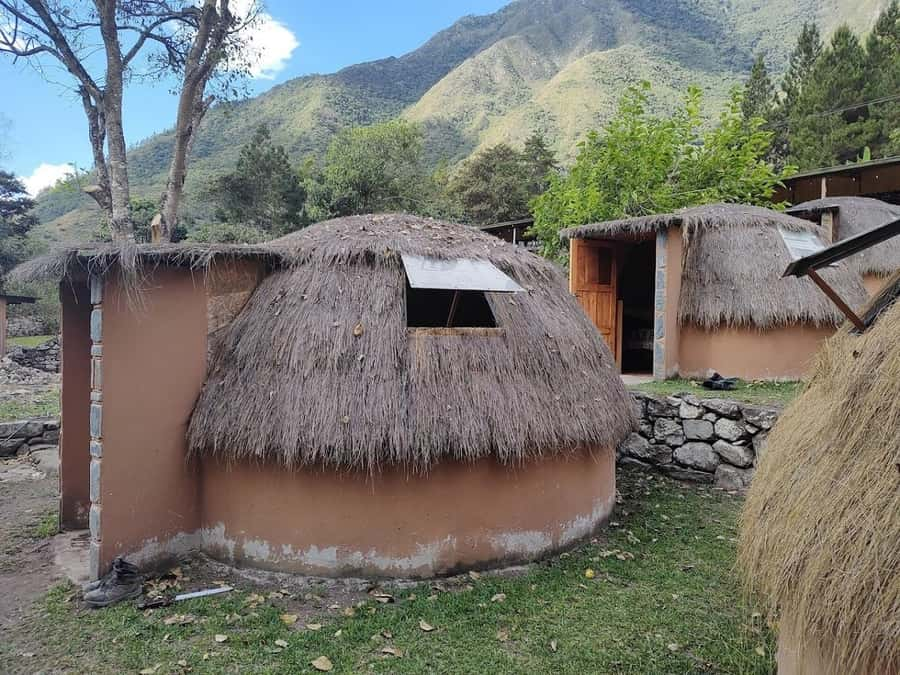
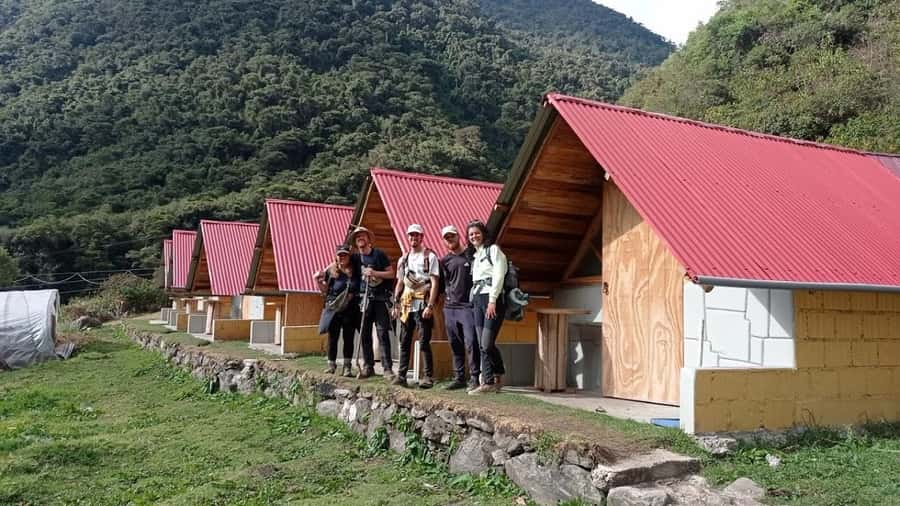
Your overnight stay changes here. Instead of another camp, you get one hotel night in Machu Picchu Pueblo, also known as Aguas Calientes. That is a welcome reset after three campsite nights and several long walking days.
I also like the way the timing protects the main visit. Rather than hiking to Machu Picchu and trying to see the citadel immediately, you sleep in town and visit on day five. The hotel night costs more than simply camping all the way through, but it gives you a proper base before the central sight of the trip.
The exact flow of this day deserves a clear briefing. One reported departure lost two days in Machu Picchu Pueblo while waiting for tickets, a serious disruption when the entire trip lasts only five days. Ask how entry times and tickets are handled, and make sure the written plan matches what the staff describe when you arrive.
Day 5: Machu Picchu and the return to Cusco
The final day takes you to Machu Picchu citadel, with a round-trip bus included for the citadel visit. The tour also includes the entrance ticket to Machu Picchu, so the main admission is part of the $510 price.
Huayna Picchu and Machu Picchu Mountain are not included. If you want either additional mountain entrance, you will need to arrange and pay for it separately. Do not assume that the standard Machu Picchu ticket covers every climb connected with the site.
After the visit, the package includes a train from Aguas Calientes to Ollantaytambo, followed by transport from Ollantaytambo to Cusco. This combined return is a real part of the tour’s value. Organizing the return on your own can mean coordinating a train, a station transfer, and a final ride to Cusco after several tiring days.
The final lunch and dinner are not included. Keep cash available for those meals and for personal care items. A garbage bag, biodegradable sunscreen, a charged smartphone, and personal medication are also on the required list, small details that become useful when you are away from regular shops and services.
What the $510 package really covers
At $510 per person, this is not just a guide and a route. You are paying for the transport framework, three campsite nights, one hotel night, meals listed in the itinerary, a chef and assistants, camping equipment, Machu Picchu entry, buses, the return train, and the transfer back to Cusco.
That package can offer solid value if every listed part is delivered. The included sleeping bag and dining setup are especially helpful because they save you from renting or arranging key camping items separately. Vegetarian meals are available, which removes one common concern for people planning several days on the trail.
The price does not cover everything. Budget for the first breakfast, final lunch and dinner, personal care items, and any Huayna Picchu or Machu Picchu Mountain entrance. You will also want cash for small personal expenses.
The bigger value question is reliability. A low price loses its appeal if the schedule changes without warning or if you spend time in Aguas Calientes sorting out tickets that should have been handled. I would contact Grupo Conde Travel before booking and ask for the exact day-by-day schedule, guide arrangement, ticket confirmation, emergency communication plan, and transport sequence.
The activity is non-refundable. That makes those questions more important, not less. Once you pay, changing your mind is not treated as a normal flexible booking.
Camping, food, and the practical rhythm
The camping side is aimed at people who want an authentic outdoor trip without carrying every piece of camp infrastructure themselves. You sleep in camps for three nights, with a chef, assistants, kitchen, and dining tent supporting the group.
I would still pack for basic conditions rather than expecting a lodge. Bring a flashlight, warm clothes, a change of clothes, closed-toe shoes, a hat, sunscreen, and a daypack. Oversize luggage is not allowed, so you need to keep your main belongings compact and carry only what you need for the walking portion.
Food is included according to the itinerary, and vegetarian options are available. Since the first breakfast and the final two meals are excluded, keep a simple food budget ready. The supplied information does not specify every menu or snack arrangement, so ask about those before departure if you have dietary needs beyond vegetarian food.
Alcohol and drugs are not allowed. Open-toed shoes are also prohibited, which is sensible for a multi-day mountain route. Baby strollers, electric wheelchairs, and crutches are not accepted, and the trip is not suitable for wheelchair users.
The guide can make or break the experience
The best personal feedback attached to this trip praised Eduardo by name. He was described as giving useful information about nature, traditions, and local people, while also making the group feel well cared for. That is exactly what I want from a guide on the Salkantay route: not just a pace setter, but someone who adds meaning to the places between the famous stops.
The guide speaks English, and the activity is offered as a small group limited to 15 participants. Pickup is included from your hotel, and you are asked to wait in the lobby 10 minutes before the scheduled time. The driver is supposed to carry a sign with your surname and the company logo.
But the guide experience may not be consistent across every departure. A January booking reported three different guides after being told the same guide would continue, along with a schedule that did not match the original explanation. I would not ignore that warning. Ask who your lead guide is, who handles the group if that person changes, and how the company communicates alterations.
Who should book this five-day trek?
I would recommend it to you if you want Machu Picchu to be the end of a real mountain journey rather than a single day trip. It suits hikers who can manage 14 to 18 km days, accept basic camping, and enjoy moving through several types of country.
It is a particularly good fit if you value the full package. The included chef, camping equipment, bus tickets, Machu Picchu entry, train, and return transport reduce the number of separate arrangements you must make.
I would be cautious if you need a highly predictable schedule, strong medical support, or a fully private guide. The available information specifically excludes people with mobility impairments, heart problems, serious back problems, and pregnant people. Children under five and people over 70 are also listed as unsuitable, and wheelchair users cannot take part.
My verdict on the Salkantay Premium trek
Book this trek if the route, camping, and bundled transport appeal to you more than a polished, tightly controlled tour. The scenery changes, the SalkantayPampa camp adds a real outdoor feel, and the overnight in Aguas Calientes gives you a sensible base before Machu Picchu.
Before paying, contact Grupo Conde Travel with four direct questions: Is the five-day schedule unchanged? Who is the guide? Are all Machu Picchu and transport tickets confirmed? What emergency communication is carried on the trail? If the answers are clear, $510 can be a fair price for what is included.
If the answers are vague, choose a more flexible or better-documented option. The route itself is worth your time, but the organization needs to match the effort you will put into reaching Machu Picchu.
FAQ
How long is the Salkantay trek?
The trek lasts five days and four nights. The listed hiking distance is about 64 km, or 39 miles.
What is the difficulty level?
The trek is rated moderate to challenging. The hiking days range from about 14 to 18 km, with walking times of roughly six to seven hours.
Where does the trek depart from?
The trek departs from Cusco. Hotel pickup is included, and you should wait in the lobby 10 minutes before the scheduled pickup time.
How many nights are spent camping?
You spend three nights at campsites. The package includes a sleeping bag, a spacious dining tent, and a kitchen.
Is there a hotel night during the trek?
Yes. One hotel night is included in Machu Picchu Pueblo, also called Aguas Calientes.
Are meals included?
Meals listed in the itinerary are included, and vegetarian options are available. Your first breakfast and your final day lunch and dinner are not included.
Are Huayna Picchu and Machu Picchu Mountain included?
No. The entrance to Machu Picchu citadel is included, but Huayna Picchu and Machu Picchu Mountain require separate entrance arrangements.
Just added around Peru
- Classic Choquequirao Trek – 5 Days / 4 Nights★ 5.0 · 52 reviews
- Small Group: 4-Day Inca Trail Trek to Machu Picchu★ 5.0 · 33 reviews
- Short Inca Trail 2 Day Hike to Machu Picchu with Permits & Train★ 5.0 · 51 reviews
- 2 Day Tour Throughout the Short Inca Trail to Machu Picchu★ 5.0 · 36 reviews
- 5-Day: Salkantay Trek to Machupicchu and Humantay Lake★ 5.0 · 42 reviews
- 2 Day – Short Inca Trail to Machu Picchu – Group Service★ 5.0 · 30 reviews
- 5 Day – Salkantay trek to Machu Picchu – Group Service★ 4.5 · 27 reviews
- Salkantay Trek Standard 5D/4N★ 5.0 · 48 reviews
Machu Picchu & Inca Trail Treks, compared.
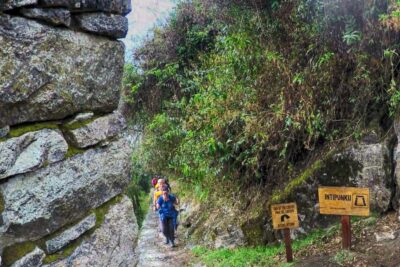
4-Day Inca Trail to Machu Picchu with Accommodation
Read our review →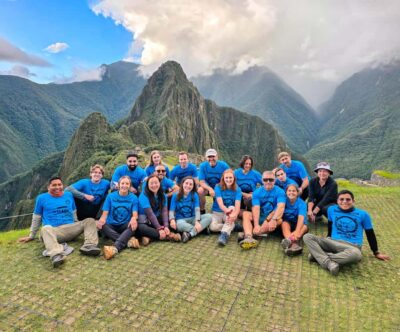
Machu Picchu 2-Day Inca Trail with Panoramic Train
Read our review →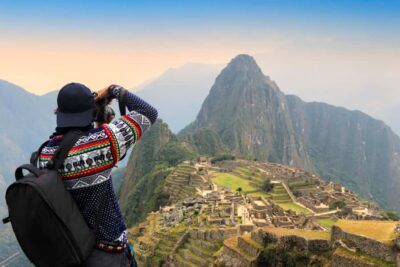
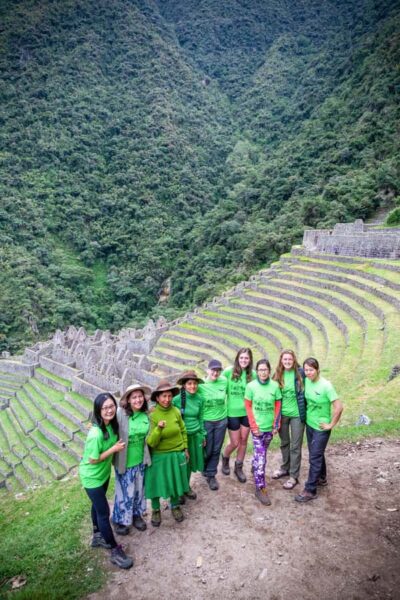
Machu Picchu: Inca Trail 2-Day Overnight Guided Tour
Read our review →
Short Inca trail to MachuPicchu || 2days – 1nigth ||
Read our review →
Machu Picchu: 5-Day Salkantay Trek with Panoramic Train
Read our review →Browse the lists this trek appears in