
Review · SAPA
Red Dao Village Trek and Herbal Bath
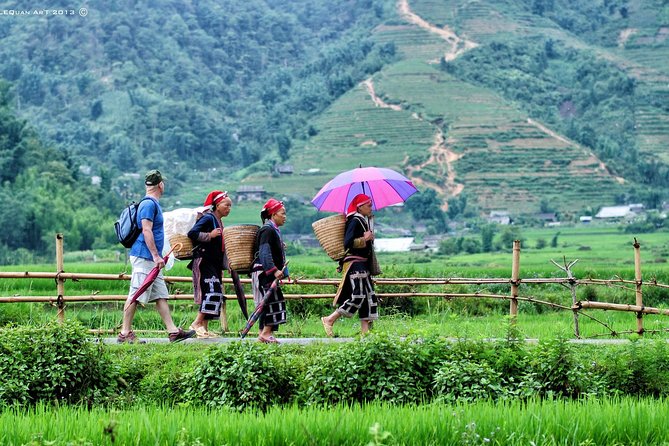
The most memorable part of this six-hour outing is the walk out of Sapa and into the hills, where paved streets give way to terraced fields and bamboo forest. You visit Black Hmong communities at Suoi Ho and Ma Tra, then reach Ta Phin, home to Red Dao and Black Hmong families, for a look at local customs and a traditional herbal bath.
I like the local Hmong and Red Dao guides, who can explain daily life, embroidery, indigo dyeing, marriage customs, and traditional homes in a useful, personal way. I also like the lunch stop at Can Ho, where a meal with a broad view becomes one of the day’s best moments. The catch is fitness: this can be a demanding walk of about 12 kilometers, and the herbal bath costs extra.
Key points to know before you go
- A full day on foot: Plan for about six hours and potentially 12 kilometers of walking through fields, forest, and village paths.
- Four village areas: The route visits Suoi Ho, Ma Tra, Can Ho, and Ta Phin, with different Hmong and Red Dao traditions along the way.
- Lunch with a view: A local meal in Can Ho breaks up the walk and gives you time to rest.
- Red Dao herbal bath: The bath is optional and paid directly by you, so bring cash.
- Pickup in central Sapa: Your guide collects you from a hotel in Sapa center or from Sapa Church.
- Private group format: You get a guide for your own group, with an English-speaking local guide and transport back to Sapa.
Why this Sapa walk is more than a village visit
Sapa makes it easy to see hill villages, but the way you reach them matters. This trip takes you away from the town by foot instead of treating the communities as quick roadside stops. You spend much of the day walking between homes, rice fields, corn fields, and wooded slopes.
That gives the outing a more natural rhythm. You start with a short briefing, then follow a small road out of central Sapa. The town fades behind you, and the views open over the Suoi Ho valley. The route is not just a photo stop followed by a vehicle transfer. It is a proper hike.
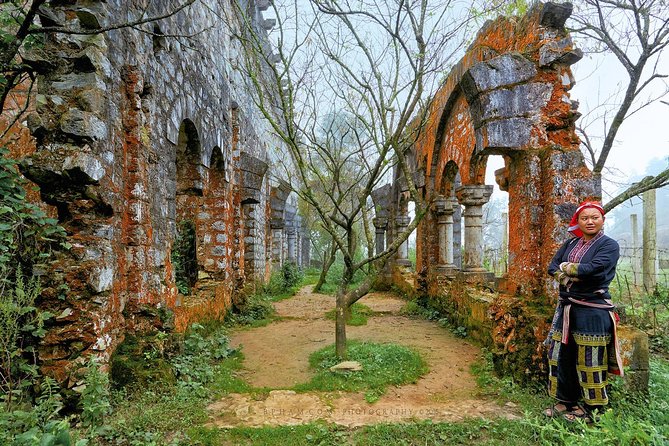
The trip is run by a local company whose guides include Hmong and Red Dao people. That is important here. The focus is not only on scenery, but also on the people who live in these villages and maintain local customs. Your guide can explain traditional houses, cloth work, marriage customs, and the different identities of Black Hmong and Red Dao communities.
One practical note: an outing described by a participant covered about 12 kilometers and was more demanding than expected. The route may vary, but you should treat this as an active day, not an easy stroll.
More Homestay Treks in Sapa
- Number one top rated ethical cultural trekking and homestay by ETHOS
★ 5.0 · 456 reviews - Sa Pa: 2-Day Trekking Trip with Ethnic Minority Homestay
★ 4.7 · 145 reviews - Sapa : 2-Day Trek & Heartwarming Homestay with an Ethnic Family
★ 5.0 · 143 reviews
Leaving Sapa for Suoi Ho valley
Pickup is from your hotel in Sapa center, or from Sapa Church if your accommodation is outside the central pickup area. The guide waits in the hotel lobby about 15 minutes before the scheduled time, so be ready early with your shoes on and water packed.
The walk begins along a smaller road leading away from Sapa’s busy center. This first stretch helps you get your bearings and makes the change from town to countryside clear. You are heading toward Suoi Ho, a Black Hmong village on a hill above a stream and rice fields.
The view is one of the early rewards. From the hillside, you can see across the valley and over cultivated slopes. Weather in Sapa can change quickly, so the same route may feel sunny, misty, or wet depending on the day. A raincoat is included, but comfortable waterproof footwear is still a smart choice.
Suoi Ho is a good first cultural stop because the village is connected to everyday craft work. You might see Hmong women embroidering, dyeing indigo, or weaving cloth. These details help explain why traditional clothing and textiles are such a visible part of life in the area.
Do not expect a museum-style presentation. This is a living village, and the visit depends on what is happening that day. Some homes and craft activity may be easy to see, while other moments may be quiet.
Ma Tra and the traditions of the Ma family
From Suoi Ho, the route continues to Ma Tra. The community is Black Hmong, but the Ma family has its own traditions. That distinction gives your guide something more specific to explain than a general introduction to Hmong culture.
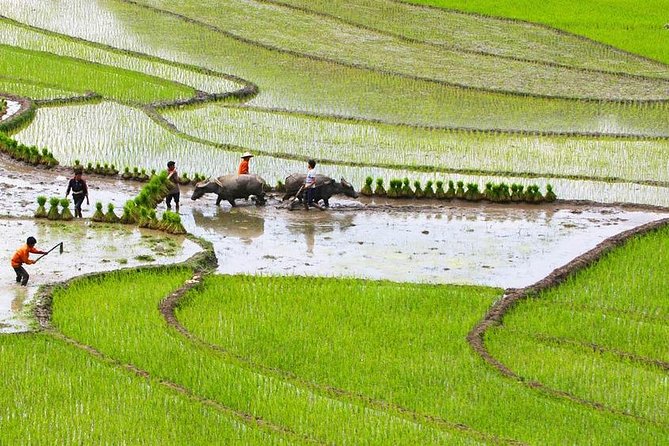
You can look for traditional houses and admire the rice terraces around the village. The terraces are especially striking from higher points, where their shape follows the hills rather than a straight line. The views are a major part of the walk, but the route also shows how farming and housing fit together.
This is one reason I prefer a walking itinerary here. From a vehicle, you would see the terraces for a few minutes. On foot, you notice the changes under your feet, from road to field path, and you have time to ask why homes and crops sit where they do.
The route can be uneven and steep in places. If you have trouble with hills or long walks, this is where the day may begin to feel hard. The activity is not suitable for wheelchair users or people with mobility impairments.
Lunch in Can Ho, with time to catch your breath
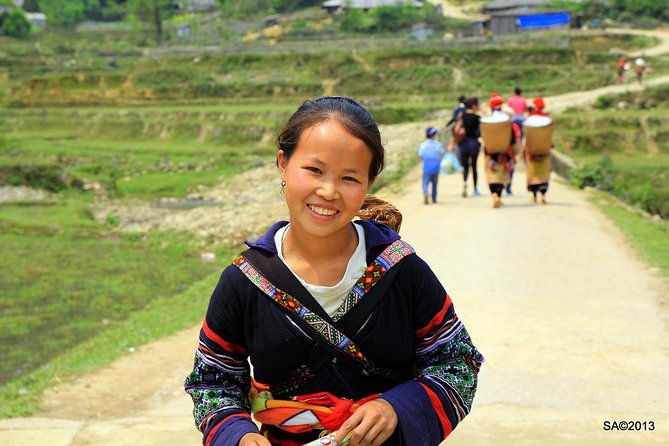
Can Ho is a small village along the route and the planned lunch stop. The meal is served at a local restaurant, and one account of the day describes lunch with a family and a great view. That pause can become the high point of the outing, not only because of the food, but because it gives you a chance to slow down.
Lunch is included in the $38 price, along with 1.5 liters of water per person. Extra drinks along the way are not included, so carry cash if you want to buy anything additional. Tips for the guide and driver are also separate.
A local lunch is useful in two ways. First, it keeps the schedule simple, since you do not need to arrange your own midday meal. Second, it places you in a more ordinary setting than a large restaurant in central Sapa. The exact dishes are not specified, so you should not book this expecting a particular menu.
Take the break seriously. If the walk is close to 12 kilometers, the second half requires energy. Refill your water when you can, eat enough, and do not rush away from the table just to stay on schedule.
More Homestay Treks in Sa Pa:
- Sapa Valley Trek and Homestay – 3D2N
★ 5.0 · 105 reviews - 2 days authentic trekking tour in Sapa ( Homestay – Less touristy )
★ 5.0 · 68 reviews - From Sapa: 2 Days 1 Night Trek Over Night At Homestay
★ 5.0 · 68 reviews - Private Hoang Lien National Park & Tribal Village Trek
★ 4.7 · 30 reviews
Through fields and bamboo forest to Ta Phin
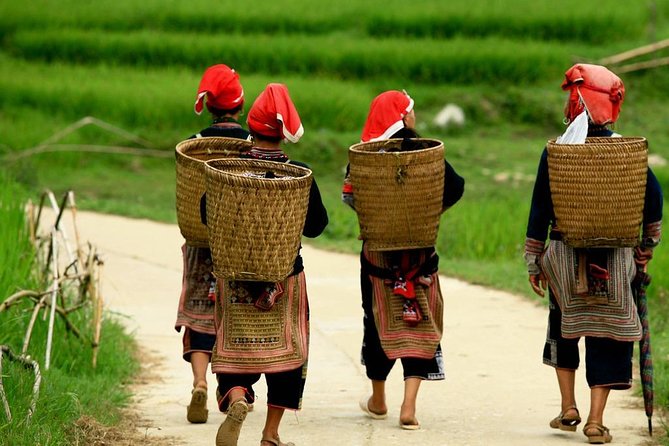
After lunch, the path leads through corn fields, bamboo forest, and more terraced fields. This is the most rural-feeling part of the route, with scenery changing as you move from open farmland into shaded growth and back toward village homes.
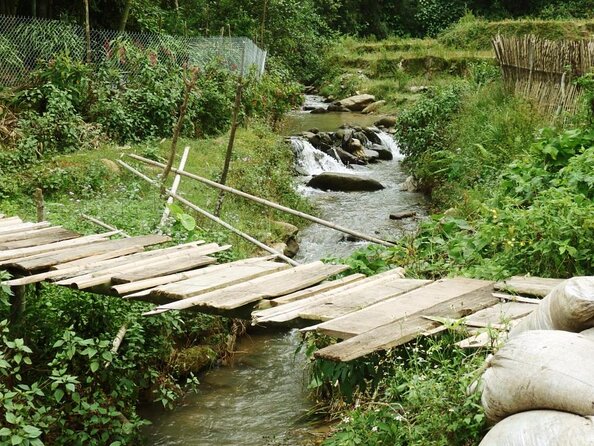
The bamboo section adds variety to a day that might otherwise be dominated by rice terraces. It can also make the route feel more enclosed before you come out into wider views again. Wear shoes with a firm sole, since village paths and field edges may not be smooth.
Ta Phin is the main destination for the Red Dao part of the trip. Red Dao and Black Hmong people live in the village, so you are not seeing a single culture in isolation. Your guide can help you understand the differences, including Red Dao marriage customs, houses, and traditional remedies.
The value of this stop depends heavily on your guide. An English-speaking local guide can explain how customs fit into family and community life, rather than simply pointing out clothing or buildings. Chi, a female guide named in one account of the experience, was especially good at answering questions and explaining daily life. Guide assignments can change, so Chi should not be assumed for every departure.
The village may also be quiet when you visit. One outing found the communities fairly deserted. That is not necessarily a flaw, since you are seeing a real place rather than a staged performance, but it means the day may offer more scenery and explanation than direct interaction.
The Red Dao herbal bath, and what you pay for

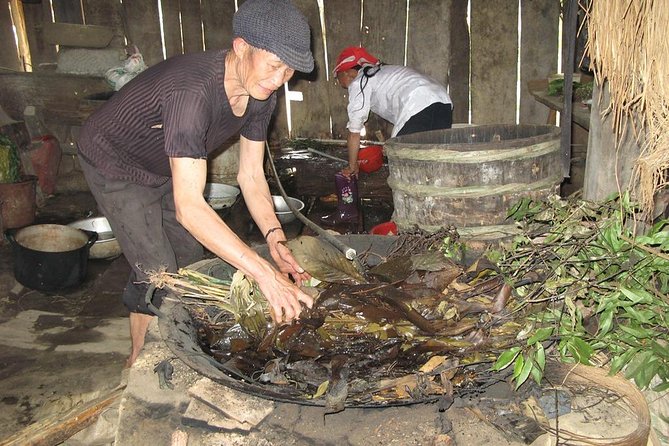
The final special feature is a traditional Red Dao herbal bath. You take the bath at a Red Dao house before the tour ends, and your guide explains how the remedy is used.
The bath is not included in the tour price. You pay separately at the house, and the amount is not provided in the tour details. Bring cash, and ask about the current cost before starting the bath so there are no surprises.
A change of clothes is listed among the recommended items. That is practical advice, even if you only plan to wash up after the hike. You may also want a small bag for damp clothing and personal toiletries, though those items are not specifically supplied.
Think of the bath as an optional cultural add-on, not the main reason to book the trip. If you want a longer walk and a better understanding of Red Dao traditions, it rounds out the day nicely. If you are mainly seeking a spa treatment, the extra cost and simple village setting may not match what you expect.
What the $38 price covers
At $38 per person, the outing offers solid value for a private six-hour day. You receive central Sapa pickup and drop-off, village entry fees, an English-speaking local guide, lunch, 1.5 liters of water, a raincoat, and transport back to Sapa from the last village.
The private group format is another benefit. You are not placed into a large shared crowd, and your guide can spend more time answering questions or adjusting the pace for your group. It also makes the day easier for families or friends who want to walk together.
The price does not cover the herbal bath, extra drinks, travel insurance, or tips. It also does not include transport from Hanoi to Sapa, though that can be arranged separately if needed.
The value is strongest if you want a guided walk and cultural explanation in one package. It is less compelling if you only want a short visit to Ta Phin, since the route requires a substantial amount of walking before you reach the Red Dao village.
What to pack for a demanding half-day
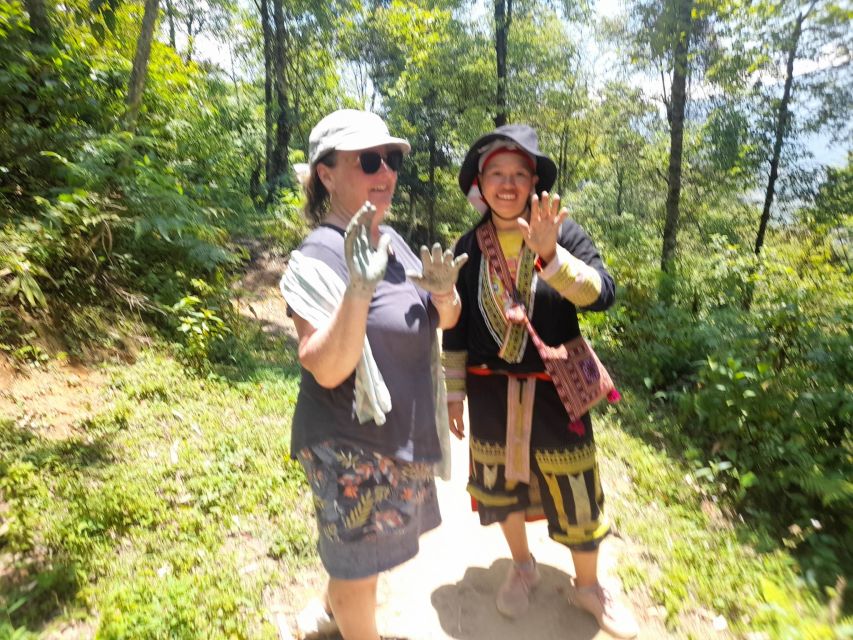
Start with comfortable shoes that can handle uneven village paths. Comfortable clothing, a hat, sunscreen, and a change of clothes are all listed as useful. Pack cash for the herbal bath, extra drinks, and tips.
The tour supplies water and a raincoat, but weather can still affect your comfort. Keep your phone and other electronics protected if rain is forecast. Large luggage is not allowed, so bring only what you need for the day.
You should also plan for a range of temperatures. Sapa’s hills can feel cool, while walking uphill can make you warm. Layers are more useful than one heavy item.
The most important thing to pack is an honest view of your own fitness. A reported 12-kilometer route through rice fields is a serious walk for some people. If you are comfortable with hills and several hours on your feet, the effort is part of the reward. If not, ask about the exact route and walking distance before booking.
Who should book this experience?
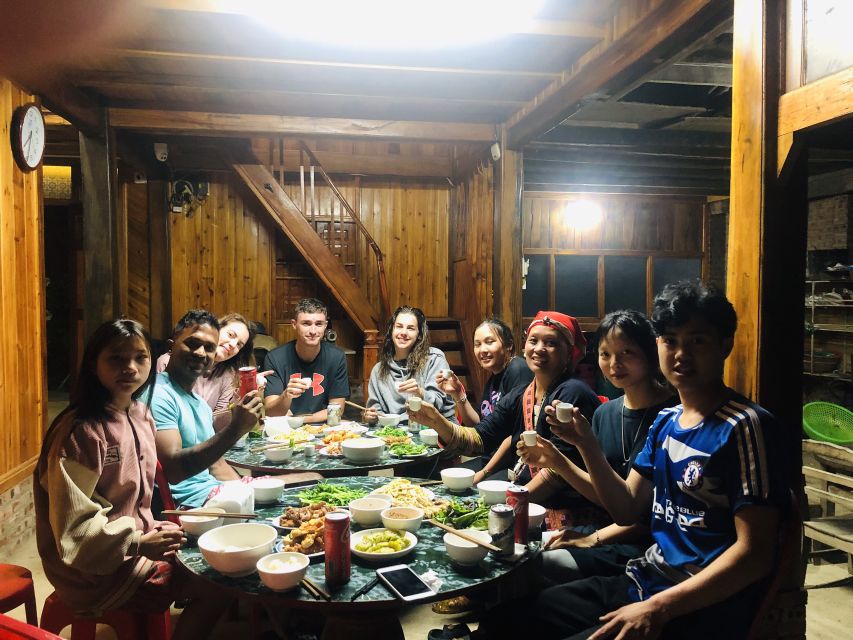
I would choose this trip if you want active village access, local cultural explanation, and a full day outside Sapa town. It suits couples, families with older children, and private groups who prefer a guide from the local communities.
It is also a good fit if you care more about daily life than polished attractions. Embroidery, indigo dyeing, traditional houses, farming areas, and marriage customs give you plenty to discuss as you walk.
I would think twice if you have limited mobility, dislike steep or long walks, or want a relaxed spa day. The tour is not suitable for wheelchair users or people with mobility impairments, and the herbal bath alone does not change the physical demands of the route.
The village experience can also vary. Some days may bring more contact with local residents, while other days may feel quiet. That is worth accepting if you prefer an authentic community setting over a scheduled show.
Booking details that matter
The activity lasts about six hours, with starting times available according to the date you choose. Pickup is included from Sapa center or Sapa Church, but you need to make your own way to the pickup point if your hotel or homestay lies outside the central area.
Free cancellation is available up to 24 hours before the activity for a full refund. You can also reserve now and pay later, which helps if your Sapa schedule depends on weather or transport.
The tour is described as having a live English-speaking guide and an English audio guide. In practice, the local guide is the key part of the experience, since questions about customs and village life are best handled in person.
Should you book the Red Dao Village Trek?
Book it if you want a scenic, active day with local guides, and you are ready for a demanding route rather than a gentle village outing. The combination of Suoi Ho, Ma Tra, Can Ho, and Ta Phin gives you more range than a single-village visit, while the lunch and transport keep the day practical.
Before paying, confirm the expected walking distance and ask about the current herbal bath charge. If you are fit enough for the hills and comfortable with the chance of quiet villages, this is a good-value way to connect Sapa’s scenery with Hmong and Red Dao culture.
FAQ
How long does the Red Dao Village Trek and Herbal Bath last?
The activity lasts about six hours. Starting times depend on availability.
Where does pickup take place?
Pickup is available from your hotel in Sapa center or from Sapa Church. If your hotel or homestay is outside Sapa center, you need to meet the guide at Sapa Church.
Which villages does the route visit?
The route includes Suoi Ho, Ma Tra, Can Ho, and Ta Phin. Suoi Ho and Ma Tra are Black Hmong communities, while Ta Phin is home to Red Dao and Black Hmong people.
Is lunch included?
Yes. Lunch at a local restaurant is included in the price.
Is the Red Dao herbal bath included?
No. The herbal bath is optional and must be paid for separately at the Red Dao house.
How much walking is involved?
The route is described as a trek, and an outing covered about 12 kilometers through rice fields, bamboo forest, corn fields, and village paths. The walk can be demanding.
What is included in the $38 price?
The price includes hotel pickup and drop-off in central Sapa, village entry fees, an English-speaking local guide, lunch, 1.5 liters of water per person, a raincoat, and transport back to Sapa from the last village.
Just added around Sa Pa
- Sapa: Private The Most Beautiful Terraced Fields Trekking★ 4.8 · 42 reviews
- Soob Sapa Trekking Tour★ 4.3 · 3 reviews
- Sapa Trekking – Waterfalls And H’mong Villages★ 5.0 · 2 reviews
- Sapa3D2N TrekkingAdventures,Valleys,Bambooforest,Waterfall★ 4.8 · 24 reviews
- Sapa: Trekking Through Terraced Rice Fields & Valley 1 Day★ 4.8 · 4 reviews
- Sapa: Trekking Sapa One Day With Group Tour★ 4.7 · 55 reviews
- Sapa: Y Linh Ho – Lao Chai, and Ta Van Trekking Day Tour★ 5.0 · 25 reviews
- Sapa Trekking Private Tour With Ethnic Female Tour Guide★ 4.9 · 24 reviews
Homestay & Village Treks, compared.
Number one top rated ethical cultural trekking and homestay by ETHOS
Read our review →
2-Day Sa Pa Ethnic Homestay Tour & Trek with Limousine Bus
Read our review →
Sapa 3 Day 2 Night Trekking With Hotel & Homestay
Read our review →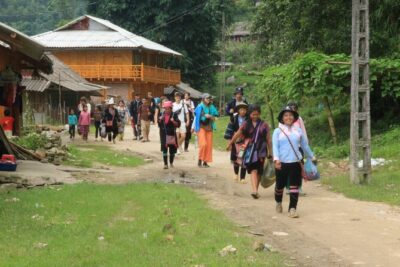
Sapa 2 Days 1 Night Overnight At Local Homestay
Read our review →
2-Day Trekking Trip with Ethnic Minority Homestay
Read our review →
2-Day Trek & Heartwarming Homestay with an Ethnic Family
Read our review →Browse the lists this trek appears in