
Review · MOUNT ETNA
Mount Etna: scenic Summit Trek with a volcano Guide and Gear
Etna’s summit is not a gentle mountain walk. It is a high, windy trek across ash, loose stones, black lava, and steaming volcanic craters, with the eastern coast of Sicily spread far below. The most striking part is the lunar-like summit terrain, where smoke, rock, and changing light make the volcano feel like another planet.
I like the way this tour pairs expert mountain guidance with supplied gear, so you do not need to arrive with hiking boots or a helmet. I also like the steady pace and the chance to see recent eruption craters on the way down, rather than simply reaching one viewpoint and returning.
The main catch is cost and effort. The advertised $41 price does not include the cable car or the optional cable car and 4×4 bus combination, and the hike requires a reasonable level of fitness. Weather can also change the plan quickly.
Key points to know before you book
- The trek begins at about 2,500 meters: You use the cable car from Piazzale Rifugio Sapienza before starting the main walk.
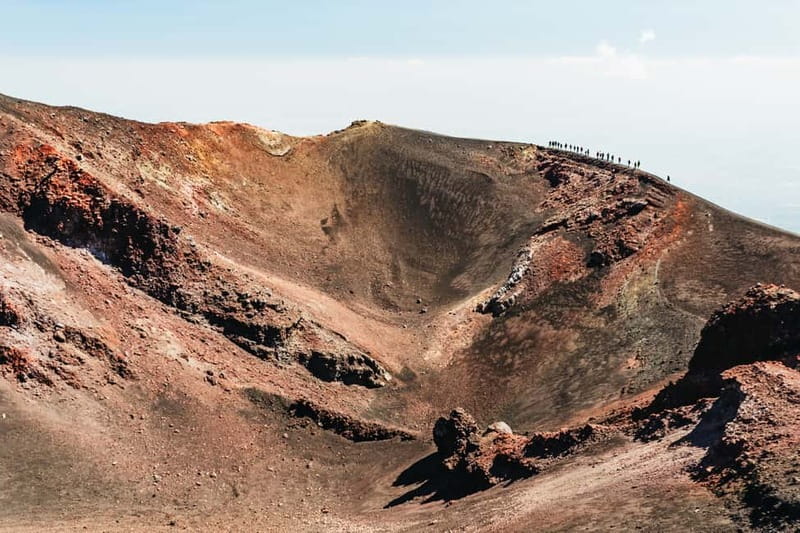
- You visit active summit areas: Expect ash, gas, steam, loose rock, and striking crater formations rather than a marked trail through greenery.
- Guides are central to the experience: English and Italian-speaking alpine guides lead the group and explain Etna’s geology and eruptions.
- Boots and helmets are supplied: Jackets, walking poles, and other items have also been supplied on some departures, but you should still bring warm clothing.
- The advertised price is a starting point: Cable car or cable car plus 4×4 transport is extra, depending on the option you choose.
- The return includes walking and cable car travel: You explore recent craters on foot, then return to Piazzale Rifugio Sapienza.
Why Etna’s summit feels so different
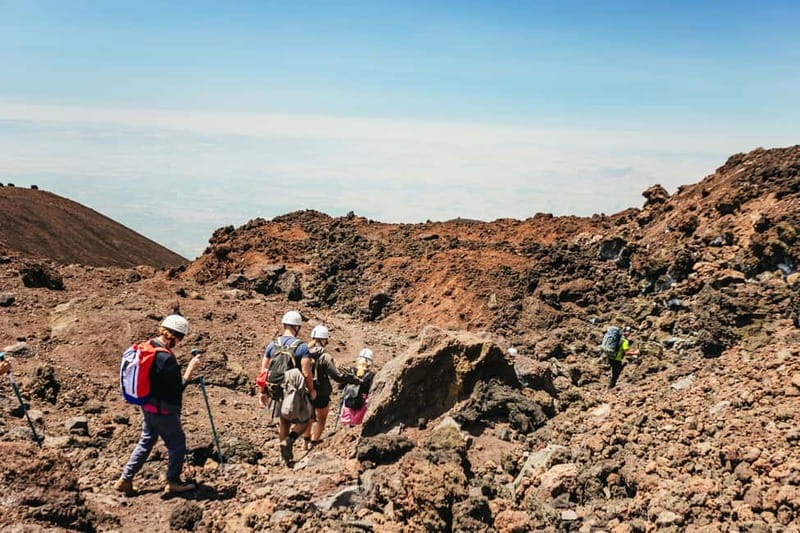
Mount Etna is not simply a high viewpoint with a volcano attached. Near the top, the colors turn dark and stark. You walk over volcanic ash and loose stones, past rough lava formations and crater rims shaped by past eruptions.
The summit area can also feel surprisingly cold. Warm Sicilian weather at sea level tells you little about conditions high on Etna. Wind, cloud, steam, and ash can arrive quickly, so the mountain demands respect even on a clear morning.
The reward is a huge view over eastern Sicily. From the upper slopes, you may see the coast and the surrounding volcanic terrain, with the summit craters providing the main focus. When visibility is good, the sense of height is powerful. When cloud moves in, the setting becomes more dramatic but less predictable.
This is a proper volcanic hike, not a short stroll from a car park. That distinction matters. You get a stronger sense of the mountain, but you must be ready for uneven ground, steep sections, and a long period on your feet.
More Volcano Treks in Italy
- Mount Etna: Trek to 3000m with cable car and 4×4
★ 4.6 · 3,823 reviews - Mount Etna: Summit Crater Trek with Cable Car
★ 4.8 · 1,875 reviews - Etna: summit craters trekking with volcano guide 3350mt
★ 4.7 · 1,712 reviews
Starting at Piazzale Rifugio Sapienza
The meeting point is Piazzale Rifugio Sapienza on Etna’s south side, north of Nicolosi. Keep your voucher with you, and allow time to find the guide and prepare for the mountain.
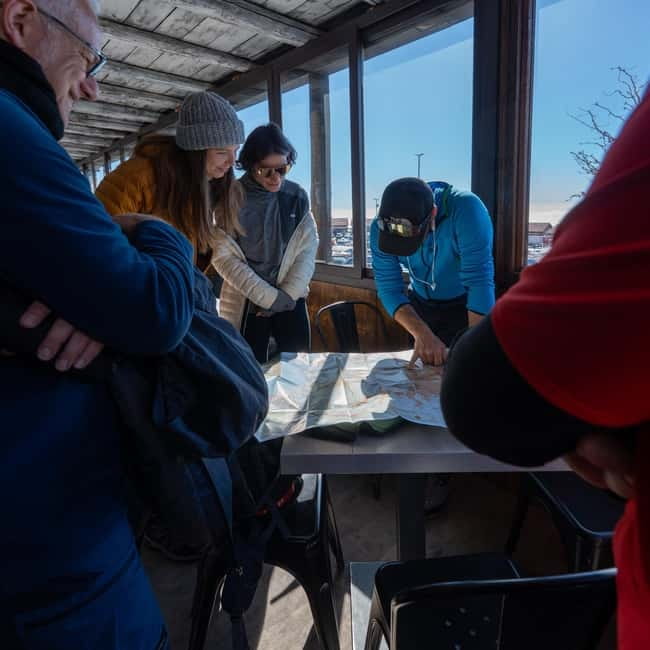
This area is the practical base for the excursion. It is where you meet the team and begin the ascent by cable car. Past departures have included a short transfer to the equipment office, where participants received items such as boots, jackets, helmets, and walking poles.
The meeting arrangements can feel less obvious than the mountain itself. One earlier departure had some confusion about where to find the guide and when the equipment would be issued. That problem was resolved, but I would arrive early, keep your phone available, and ask staff directly where the Kemedia group is gathering.
You should not assume that every item mentioned in past departures is included every time. The confirmed inclusions are an alpine or volcano guide, the hiking tour, trekking shoes, a helmet, and insurance. Bring your own windbreaker, hat, water, and suitable clothing even if a jacket may be available.
Cable car access to the upper slopes
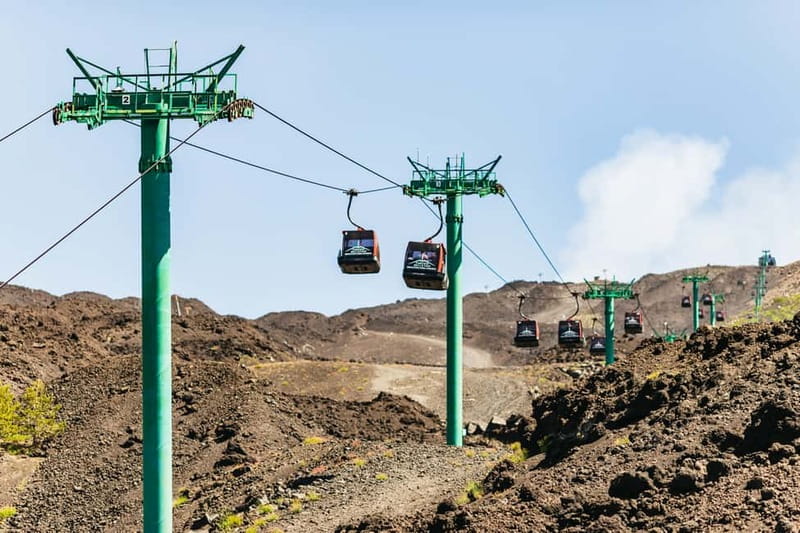
The cable car ride takes about 30 minutes. It saves your legs for the part of Etna where the walking becomes most interesting and demanding.
The included activity information does not cover the cable car ticket. You may also have an option involving a cable car and 4×4 bus, so check the exact choice and total price before paying. Past departures recorded extra charges for this transport, including one account of €33 per person and another total of €66 per person for a cable car arrangement. Those older amounts should not be treated as today’s price, but they show why the $41 headline figure needs careful checking.
The 4×4 bus can take you farther up the mountain before the hiking begins, depending on the option selected. This is useful if you want to conserve energy for the summit areas. If your plan includes only the cable car, expect more walking after the upper station.
At altitude, the air is thinner and the weather cooler. Do not judge the hike by how easy the first transport stage feels. The physical work starts after the cable car and, for many people, the loose volcanic surface is harder than the distance suggests.
Four hours among Etna’s craters
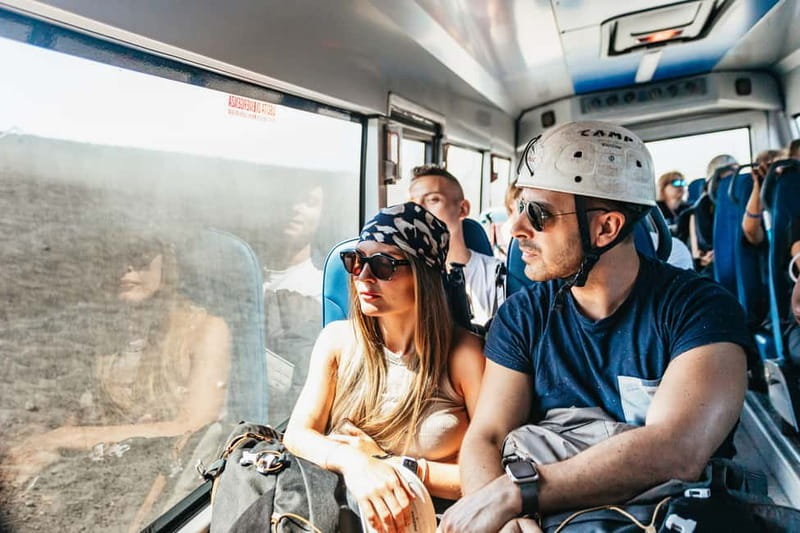
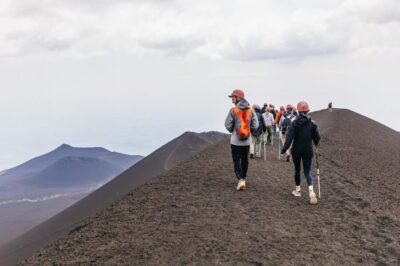
The guided hike around the summit area lasts about four hours, although the full activity takes between four and six hours. The pace is designed to keep a group together, and guides can usually help people moving at different speeds.
The route centers on the Cratere Centrale dell’Etna and nearby summit formations. You learn how eruptions shape the craters and why the surface has such a mix of black rock, ash, gas, and steam. The guide’s role is not just to point out scenery. A trained alpine guide helps you read the ground and stay within safe areas around an active volcano.
Expect a demanding walk rather than a technical climb. You may handle steep slopes, loose stones, and long downhill stretches. One particularly useful point from past departures is that the descent can be harder than expected. Walking down volcanic ash and rock for several hours puts pressure on your knees and ankles, even when the uphill sections feel manageable.
Good boots make a real difference. The supplied trekking shoes are valuable, though one earlier participant received a damaged pair and needed a replacement. Check your boots before leaving the equipment area. If they do not fit properly or the sole looks worn, speak up immediately.
The guides have earned strong praise for patience and safety. Names noted from earlier departures include Vicenzo and Pietro. Vicenzo was singled out for his calm, professional approach, while Pietro was praised for taking care of the group and explaining the mountain. The quality of the day depends heavily on the guide, especially when clouds or storms affect the route.
Same trailhead, a different route:
- Catania: Mount Etna Trekking Tour Beyond the Tourist Trails
★ 4.9 · 1,596 reviews - Mount Etna: Guided Trek 3,000 Meters to the Summit
★ 4.8 · 1,407 reviews - Stromboli: Sunset Trekking at Sciara del Fuoco
★ 4.6 · 1,372 reviews - Etna Sunset Tour: Volcano trek, Cave & tasting from Catania
★ 4.8 · 1,290 reviews
What you see at the summit
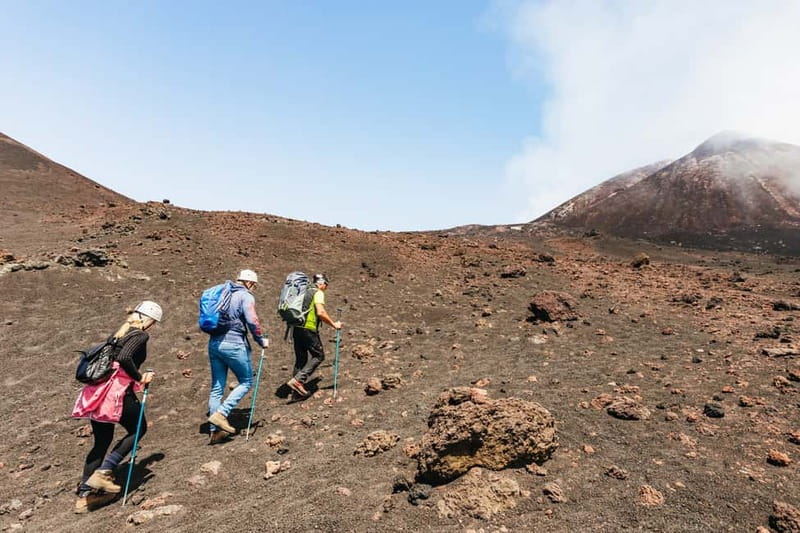
The summit craters are the heart of the day. Their scale and color are hard to judge from photographs. You may look into broad crater bowls, see plumes of steam or gas, and walk across rock that feels newly formed compared with ordinary mountain terrain.
Etna is active, so conditions can vary. One earlier excursion had clear views and even a look toward an additional crater on the northeast side. That area was rumbling and intermittently releasing molten lava at the time. Another departure reached the upper area before the weather shifted toward a thunderstorm, forcing a quick descent.
You should not book this expecting a guaranteed lava display. Volcanic activity and weather determine what is visible. The stable attraction is the summit environment itself: crater walls, ash fields, volcanic gases, and broad views over Sicily.
The guides also give the scenery meaning. Without an explanation, a field of black stones can look like a pile of rubble. With basic geological context, you begin to see the difference between lava flows, ash deposits, crater rims, and more recent eruption sites.
The descent past recent eruption craters
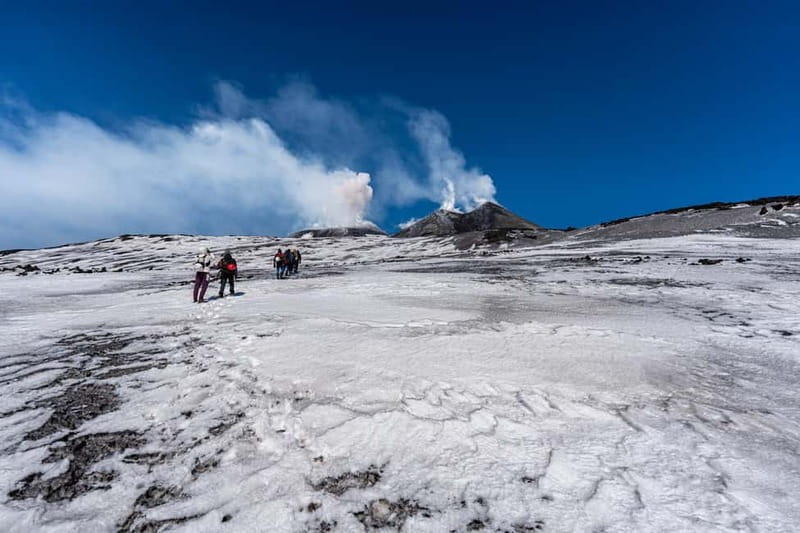
The return is not simply a repeat of the ascent. After exploring the summit areas, you walk back toward the cable car and examine craters created by more recent eruptions.
This section gives you a closer look at how Etna changes over time. The mountain is not one single cone with one fixed summit. New vents and flows can alter the upper slopes, leaving fresh formations beside older volcanic ground.
Walking downhill through loose ash is tiring, but it also makes the descent feel like part of the tour rather than a transfer between attractions. Take short steps and avoid rushing. A walking pole can help with balance, especially where the surface gives way under your boots.
From the cable car area, you return by cable car to Piazzale Rifugio Sapienza. Depending on your selected transport option, the 4×4 bus may be part of the upper access. The return ride is welcome after several hours on uneven ground.
Guides, language, and group comfort
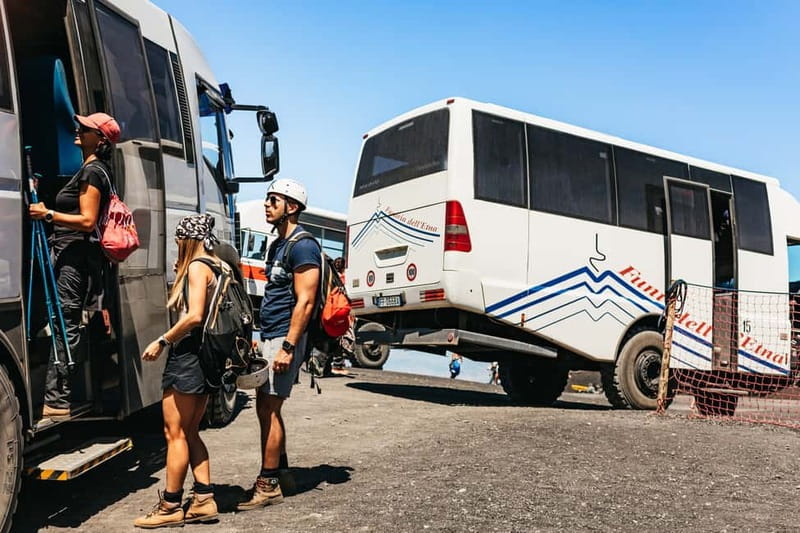
The tour runs in Italian and English. The guide leads the hike and provides information about Etna’s geology and history, but the depth of explanation can vary with the individual guide and the group’s pace.
Most of the strongest feedback centers on the guides’ patience, humor, and safety awareness. That matters more here than polished commentary. On a high volcano, you need someone who watches the weather, keeps the group moving, and explains where to walk.
One earlier participant found the English explanations less extensive than hoped. If geology is your main reason for booking, ask questions as you go. A good guide can make the crater formations much easier to understand, and the walk gives you plenty of time to ask about eruptions, gases, and the changing summit area.
This is not the best choice if you want to wander alone or stop whenever you like. You need to follow the guide’s instructions and remain with the group, particularly near active crater areas.
What to wear and pack for Etna
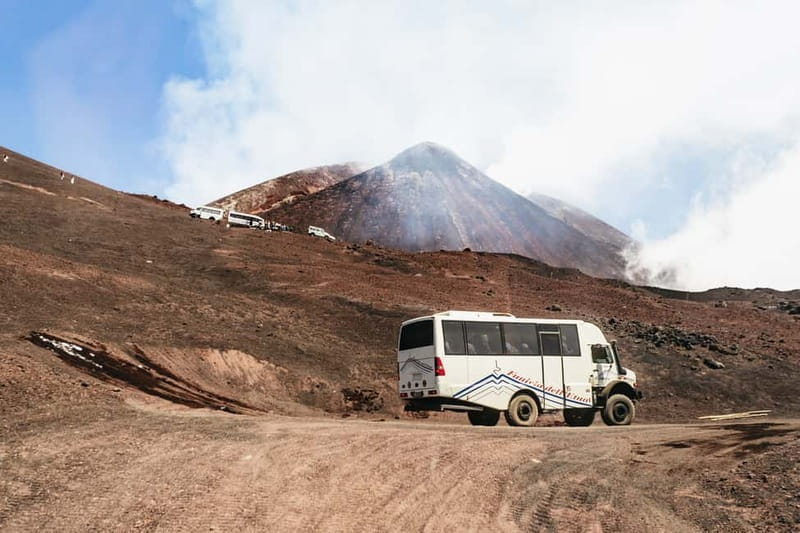
Pack for a mountain, not a beach day in Sicily. You need a windbreaker, hat, water, and clothing suited to the forecast. Long socks are a sensible choice with rented or supplied boots, and extra warm layers can be useful even in July.
Bring food as well. Meals and drinks are not included. The upper station has food available, and one past departure found the sandwiches there better suited to the day than the restaurant options. Still, carrying your own snack gives you more control over when you eat.
A helmet and trekking shoes are included. Some earlier outings also supplied jackets and walking poles, but confirm what your departure provides. A passport or identity card is required, and a copy is accepted.
Leave pets at home. Pregnant women, people with mobility impairments, and people with heart problems or high blood pressure should not join this activity.
Price, value, and extra transport costs
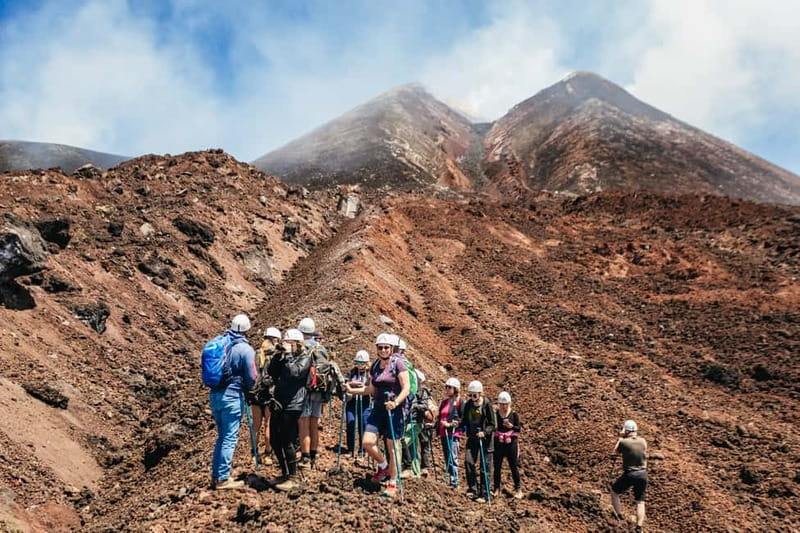
At $41 per person, the base price looks attractive for a guided high-altitude excursion that includes insurance, a guide, hiking, a helmet, and trekking shoes. It is a fair starting price, especially if you would otherwise need to hire equipment and arrange a guide separately.
The important detail is that the cable car is not included. The cable car and 4×4 bus combination may also be an extra option. That can make the final cost much higher than the advertised figure, so check the transport selection before you commit.
I still see good value here if you want guided access to the summit areas and do not own suitable gear. The cost is easier to justify when you consider the guide, safety support, equipment, and transport coordination. It is less appealing if you only want a short Etna viewpoint visit or already have strong mountain experience and your own equipment.
The activity lasts four to six hours, so plan most of a half day. Add time for reaching Piazzale Rifugio Sapienza, especially if you are staying in Catania or elsewhere on the coast.
Weather and safety on an active volcano
This tour runs only when weather conditions and volcanic activity are suitable. A calm volcano is required, and the route can change if clouds, high winds, or storms make the upper slopes unsafe.
The mountain can shift from clear views to cloud and bad weather within a short time. One previous group had to descend quickly when a thunderstorm threatened. That is not a failure of the tour. It is the correct decision on exposed high ground.
You need a reasonable level of fitness. The walk is not described as extremely technical, but it is steep in places and includes loose stones, ash, and a long descent. Earlier participants described it as physically hard but achievable at a steady pace.
I would not choose this for a relaxed family outing with very young children unless they already handle mountain walks well. One past departure specifically noted that children should have experience on mountainous terrain. The official exclusions also rule out people with several health and mobility conditions.
Who should book this Etna trek?
You should consider it if you want more than a cable car ride and a quick photo stop. It suits active visitors who want to walk through summit craters, learn from an alpine guide, and accept changing weather and uneven ground.
It is especially good for people who value the full setting: the volcanic surface, the views over eastern Sicily, the smell of gas and steam, and the sense of walking on a living mountain. The guides’ patience and the supplied equipment make it more approachable for capable hikers without specialist gear.
You should think twice if you dislike loose surfaces, struggle with long downhill walks, or need a fixed schedule. You also need to budget for the cable car or cable car plus 4×4 option, since that cost sits outside the base price.
Free cancellation is available up to 24 hours before the start, and you can reserve now and pay later. Those terms help if your Sicily plans depend on weather, but they do not change the main rule: Etna decides what kind of day you get.
Should you book this Etna summit tour?
I would book it if you want a serious, guided look at Mount Etna rather than a simple scenic ride. The summit craters, unusual volcanic ground, and views across eastern Sicily give the day real substance, and the supplied boots and helmet remove some of the usual equipment hassle.
Before booking, confirm the total transport price, check the weather, and prepare for cold wind, loose rock, and a four-hour guided walk. If you can handle that, this is one of the stronger ways to experience Etna’s upper slopes without planning the route and safety arrangements yourself.
FAQ
Where does the Mount Etna summit trek start?
The meeting point is Piazzale Rifugio Sapienza on Etna’s south side, north of Nicolosi.
How long does the activity last?
The full activity takes about four to six hours. The guided summit hike itself is scheduled for about four hours.
Is the cable car included in the $41 price?
No. The cable car ticket is not included. Depending on the option you choose, a cable car and 4×4 bus ticket may also be available at an extra cost.
What equipment is included?
The tour includes an alpine or volcano guide, trekking shoes, a helmet, hiking, and insurance. Some departures have also provided jackets and walking poles, but you should confirm those items for your chosen date.
What languages are available?
The tour is offered in Italian and English.
Do I need hiking experience?
You need a reasonable level of fitness. The trek includes steep sections, loose volcanic stones, ash, and a lengthy descent. Children should have experience walking in mountainous terrain.
What should I bring?
Bring a windbreaker, hat, water, weather-appropriate clothing, food or snacks, and a passport or identity card. A copy of the identity document is accepted.
Can the tour be canceled because of weather?
Yes. The activity depends on suitable weather and calm volcanic conditions. The route may be changed or the activity may not operate if conditions are unsafe.
Is the tour suitable for everyone?
No. It is not suitable for pregnant women, people with mobility impairments, people with heart problems, or people with high blood pressure. Pets are not allowed.
Just added around Italy
- Wild Walk – Discovering the hidden paths★ 5.0 · 31 reviews
- Wine Hiking Sip & Trek★ 5.0 · 3 reviews
- Innerkofler-De Luca via ferrata to Monte Paterno★ 4.0 · 4 reviews
- Dolomites Trekking Experience★ 4.5 · 3 reviews
- Trekking an Island of Palmaria★ 4.5 · 6 reviews
- BarCa Winery Cinqueterre Trekking & Wine Tasting & Pesto Class★ 5.0 · 48 reviews
- Mount Etna Advanced Trekking: Private Full-Day Tour from Catania★ 5.0 · 21 reviews
- Trekking in the morning on Mount Etna★ 5.0 · 2 reviews
Volcano Treks, compared.
Mount Etna: Trek to 3000m with cable car and 4×4
Read our review →
Mount Etna: Summit Crater Trek with Cable Car
Read our review →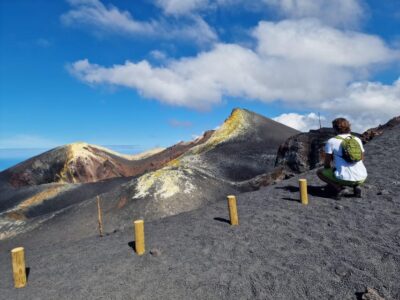
Etna: summit craters trekking with volcano guide 3350mt
Read our review →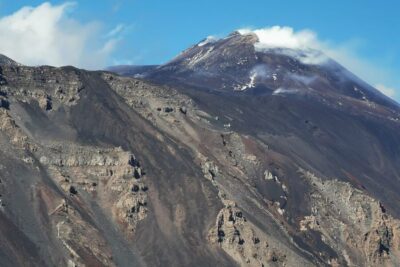
Mount Etna Trekking Tour Beyond the Tourist Trails
Read our review →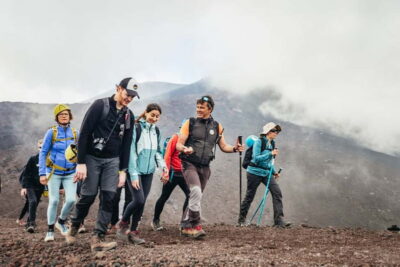
Mount Etna: Guided Trek 3,000 Meters to the Summit
Read our review →
Etna Sunset Tour: Volcano trek, Cave & tasting from Catania
Read our review →
Browse the lists this trek appears in