
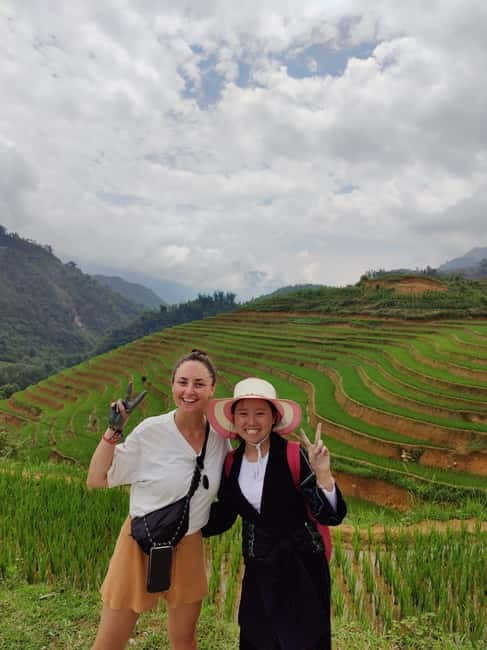
Review · SAPA
Ha Noi-Sapa Authentic Trek & Homestay wih hmong women (2D1N)
Sapa’s best moments often come on foot, and this trip puts you on a clear two-day route through rice terraces, bamboo forest, and Hmong villages. The real draw is the family homestay, where you help cook dinner rather than simply checking into a guesthouse.
I like the personal link to Dinh and her family, plus the chance to learn about Hmong, Giay, and Red Dao communities along the way. I also like that transport between Hanoi and Sapa, village fees, meals, and the return ride to Sapa are built into the $78 price. The main caution is fitness: 18 km over steep, uneven ground is a real walk, not a gentle village stroll.
Key points
- Hmong-led experience: Dinh, a local Hmong guide, and her sister lead the trip, with English used during the tour.
- A full two-day route: Walk from Y Linh Ho through Lao Chai and Ta Van, then continue through Giang Ta Chai on Day 2.
- Family homestay in Ta Van: Expect simple, cozy accommodation with basic amenities rather than hotel comforts.
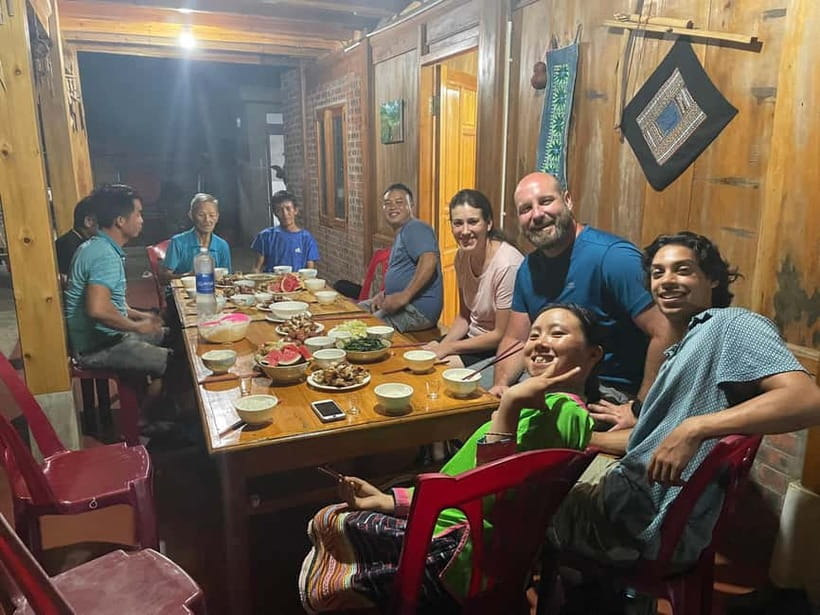
- Hands-on evening: Help prepare a traditional meal and share dinner with Dinh’s family.
- Waterfall stop: Visit Giang Ta Chai waterfall, with swimming possible when conditions suit.
- Good package value: The $78 rate includes transport assistance, meals, lodging, guiding, entry fees, and drinking water.
Why this Sapa trek feels personal
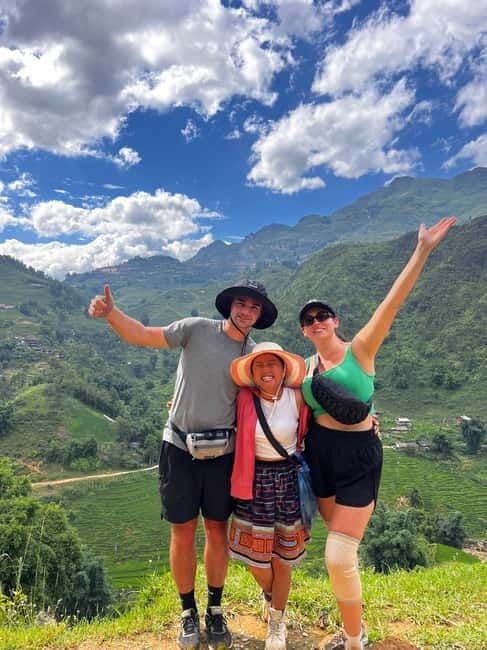
Many Sapa excursions follow the same famous valleys, but the tone changes when your guide is showing you her own home area. Dinh describes herself as a local Hmong woman, and the evening takes place at her family’s homestay in Ta Van. That gives the trip a personal center.
You are not only walking past rice fields and mountain villages. You are hearing about daily life from someone connected to the community, then eating in her family home. Dinh also supports the education of 10 local children, and the evening may include a welcome dance performed by her students. That element gives the visit a clear community focus.
The guide arrangement is worth clarifying when you book. Dinh says she and her sister will meet you, while one account identifies the guide as Do. The tour is offered in English and Vietnamese, but the person leading your walk may vary.
This is a group tour, so you will share the route with other people. That can make the walk more social, but it also means the pace may not be set entirely by you.
More Homestay Treks in Sapa
- Number one top rated ethical cultural trekking and homestay by ETHOS
★ 5.0 · 456 reviews - Sa Pa: 2-Day Trekking Trip with Ethnic Minority Homestay
★ 4.7 · 145 reviews - Sapa : 2-Day Trek & Heartwarming Homestay with an Ethnic Family
★ 5.0 · 143 reviews
From Hanoi to Sapa before lunch
The trip begins early, with pickup in Hanoi’s Old Quarter between 6:00 and 6:45 AM. Transport is arranged by limousine van or sleeper bus, and the ride to Sapa takes about five to six hours. Arrival is expected around noon or 12:30 PM.
That timing makes this a long first day. You leave Hanoi in the morning, reach Sapa around midday, eat a picnic lunch, and then begin a five-and-a-half-hour trek. If you prefer slow mornings or want time to explore Sapa town first, this schedule will feel tight.
The practical advantage is that you do not need to find a restaurant after reaching Sapa. Dinh prepares a picnic lunch for the start of the trek. The package also includes assistance booking the buses in both directions, which removes one common bit of travel planning.
Dinh meets you at the Sapa bus stop or at your Sapa hotel, then takes you directly onto the route. Confirm your exact meeting point and bus details before departure, especially if you are staying outside the Old Quarter in Hanoi.
Day 1: Y Linh Ho, Lao Chai, and Ta Van
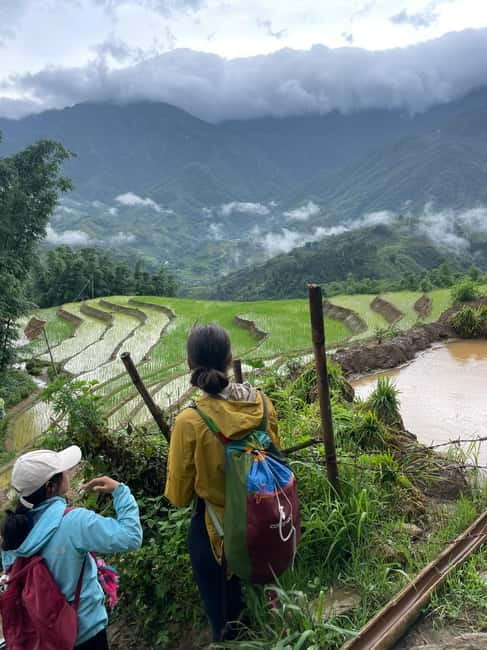
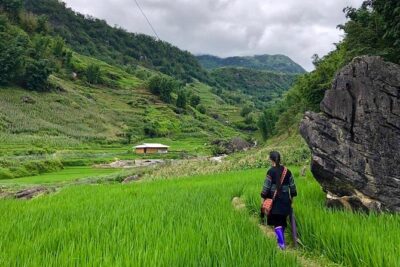
After lunch, the walk heads down toward Y Linh Ho. The route brings you into the valley and past wide mountain views, rice terraces, and village paths. You then continue toward Lao Chai, one of the larger and older Hmong villages in the area.
The scenery is the main reward here. Rice terraces change with the season. During planting or harvest periods, you may see local people working in the fields, which gives the views more meaning than a quick photo stop. At other times of year, the terraces may look quieter or less dramatic.
Lao Chai is also a useful place to hear about Hmong life. Dinh explains local customs and daily routines as you walk, so the village portion is not just a series of scenic viewpoints. You are moving through a lived-in community rather than a staged attraction.
From Lao Chai, the route continues to Ta Van, where Hmong and Giay communities live. The total distance for Day 1 is about 9 to 11 km, with roughly five and a half hours of walking. The numbers matter. You will be descending and climbing on uneven paths, and the final section can feel tiring after the morning transfer from Hanoi.
One point needs attention: local vendors may approach you with handmade souvenirs or try to walk alongside you. You do not have to buy anything, and a polite but firm answer is useful. If you prefer a quieter walk, tell your guide early.
A simple night at a Hmong family home
The homestay is in Ta Van and belongs to Dinh’s family. It is described as simple, authentic, and cozy, with basic facilities. You should think of it as a family home adapted for overnight visitors, not a hotel.
You can relax after the walk and take a hot shower before dinner. Bring a change of clothes for the evening, since the trek can be muddy, damp, or sweaty depending on the weather.
The evening cooking class is one of the strongest parts of the experience. You help prepare a traditional meal with the family, then sit down to eat together. This is more useful than a formal demonstration because you can take part in the process and ask questions as the meal comes together.
Dinner may include local rice wine, known locally as Happy Water, and informal drinking games. You can join in, but you are not required to drink. Take it easy, especially after a long walk and before another five-hour trek the next morning.
The welcome dance by local children adds another warm touch. Dinh connects the evening with her work supporting 10 children’s education, giving you a direct sense of where some of your support goes. Still, keep your expectations grounded. The accommodation is basic, and the experience is valuable because it is personal and local, not because it provides luxury.
More Homestay Treks in Sa Pa:
- Sapa Valley Trek and Homestay – 3D2N
★ 5.0 · 105 reviews - 2 days authentic trekking tour in Sapa ( Homestay – Less touristy )
★ 5.0 · 68 reviews - From Sapa: 2 Days 1 Night Trek Over Night At Homestay
★ 5.0 · 68 reviews - Private Hoang Lien National Park & Tribal Village Trek
★ 4.7 · 30 reviews
Day 2: Bamboo forest and Giang Ta Chai waterfall
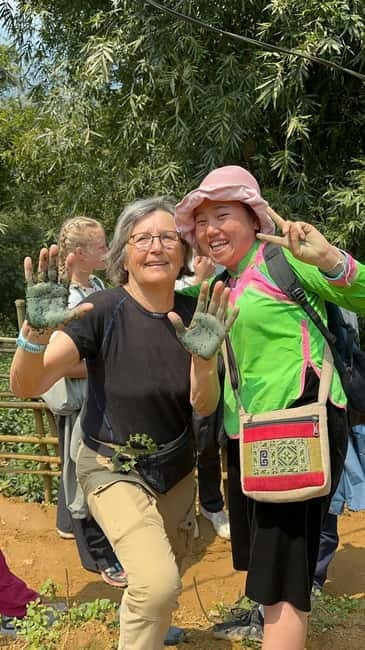
The second morning starts with coffee or tea and breakfast at the homestay. The setting should be calm, with time to enjoy the mountain air before walking again.
The route leads through bamboo forest and terraced fields toward Giang Ta Chai waterfall. This is one of the most appealing sections for anyone who enjoys changing scenery. The first day focuses heavily on valleys and villages, while Day 2 adds forest paths and running water.
Swimming is possible at the waterfall if conditions allow. Bring swimwear and a change of clothes, but do not assume the water will always be suitable. One useful point from the experience is that the waterfall can be dry in some conditions. If it has had little rain, the stop may be more about the walk and the surrounding forest than a dramatic cascade.
The path continues through a Red Dao area before reaching the main road. This gives you a third cultural setting during the trip, alongside the Hmong and Giay areas. You will not receive a full academic study of each group in two days, but the route provides a practical introduction to how different communities share this mountain region.
Day 2 covers about 8 to 11 km and takes around five hours. The route can include steep climbs, and the final stages may be hard if your legs are tired from Day 1. One direct warning is worth repeating: basic fitness is needed. Several people found the climb demanding, and you should be comfortable walking for hours on rough ground.
After the walk, you have a final lunch before taking a taxi back to Sapa. The trek ends in Sapa town between 2:00 and 3:30 PM.
Getting back to Hanoi the same day
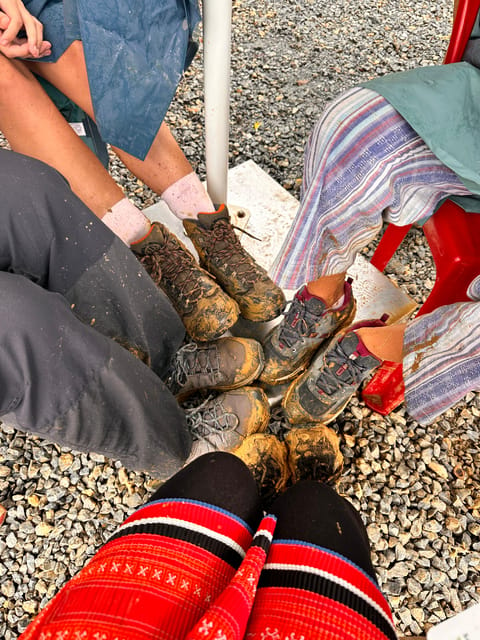
Around 3:30 to 4:00 PM, Dinh helps you catch a limousine van or sleeper bus back to Hanoi. Arrival is expected between 9:00 and 10:00 PM, depending on traffic.
That makes this a compact trip with very little wasted time, but it also creates a long return day. You walk in the morning, eat lunch, ride back to Sapa, then spend another five to six hours on the road.
I would not schedule an important late-night connection or early flight after returning to Hanoi. Traffic can change the arrival time, and you will probably want a shower and a proper rest after two days outdoors.
What $78 includes, and where the value lies
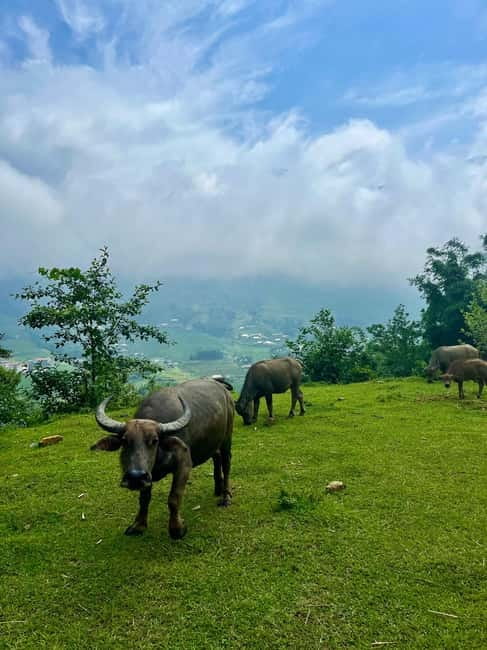
At $78 per person, the price is strong for a two-day experience that includes Hanoi to Sapa transport assistance, a local English-speaking guide, village entry fees, lodging, four meals, drinking water, and transport back to Sapa after the trek.
The included meals are two lunches, one dinner, and one breakfast. Day 1 includes a picnic lunch, so you do not lose time searching for food in Sapa. Drinking water is supplied as one large bottle per person per day, but you should still bring extra water if you normally drink a lot during exercise.
The price works best for you if you value local contact and practical simplicity. You are paying for guiding, food, a family stay, and transport help in one package. The tradeoff is that the homestay is basic, the group is shared, and the schedule is full.
Personal spending is extra. Budget for snacks, drinks beyond the supplied water, and souvenirs. You may also want money for items sold along the route, although buying is entirely optional.
Who should book this walk
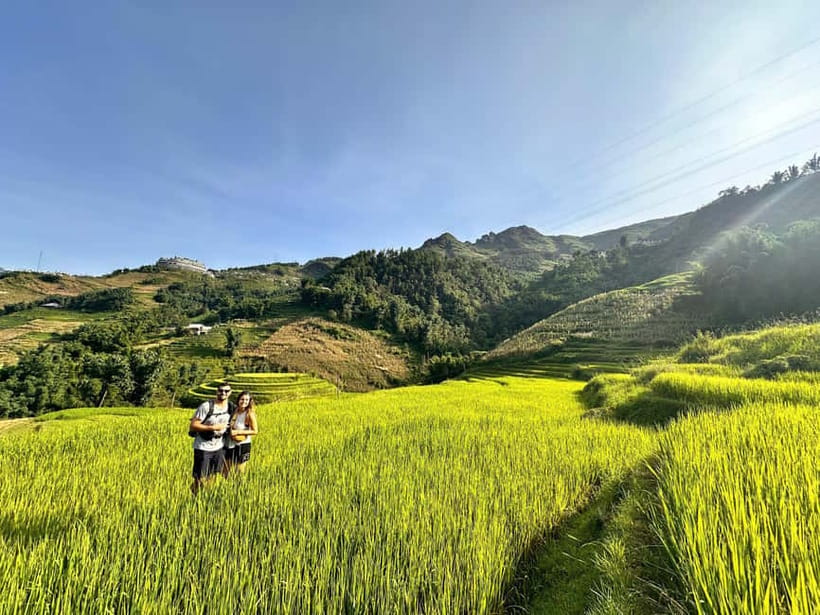
This trip suits you if you want to see Sapa on foot and prefer a family-run stay to a polished hotel. It is a good fit for people who enjoy local food, simple accommodation, village contact, and a guide who can explain the culture along the route.
You should be ready for:
- About 18 km of walking across two days
- Steep and uneven ground
- Five to five and a half hours of trekking each day
- A basic homestay with simple facilities
- An early departure from Hanoi
- A late return to Hanoi on Day 2
- A group walking experience rather than a fully private trip
It is not suitable for people with mobility impairments or serious back problems. The activity is also marked as unsuitable for non-swimmers, likely because swimming may be part of the waterfall stop. If you do not want to swim, clarify that before booking.
Comfortable shoes are essential. Add a hat, sunscreen, sunglasses, mosquito repellent, a light raincoat or jacket, swimwear, a camera, and dry clothes for the evening. Mountain weather can change, so packing a light waterproof layer is sensible even when the forecast looks good.
A few practical cautions before you go
The tour asks you to book at least 24 hours ahead. Children under three can join free, but you need to tell the operator in advance.
Ask about the exact guide, meeting point, and transport before leaving Hanoi. Dinh and her sister are associated with the experience, while Do is also named as a guide in the available information. Knowing who will meet you helps avoid confusion at the bus station.
You can cancel up to 24 hours ahead for a full refund, and the booking option allows you to reserve without paying immediately. A free T-shirt is also offered at the end of the Sapa journey.
The operator shares photos through Instagram under Sungdinhsapa. Since the experience centers on a family and local children, it is worth approaching the visit with respect. Ask before photographing people, especially children, and follow your guide’s lead in homes and villages.
Should you book the Hmong homestay trek?
Book it if you want a demanding but personal Sapa route with a local Hmong guide, a family dinner, and a night in Ta Van. The strongest features are the family connection, the cooking session, the range of villages, and the solid list of inclusions for $78.
Skip it if you want a relaxed sightseeing trip, private transport throughout, hotel comforts, or a short walk with easy paths. The route is long, the return to Hanoi is late, and the waterfall may be less impressive in dry conditions.
For a fit visitor who wants more than viewpoints, this is a well-priced way to meet the mountains and the people who live among them. Pack light, wear proper shoes, and treat the homestay as a real family visit rather than a resort stay.
FAQ
How long is the Sapa trekking route?
The trek covers about 18 km over two days. Day 1 is around 9 to 11 km, and Day 2 is around 8 to 11 km.
How difficult is the trek?
The fitness level is moderate, but the route includes steep and uneven sections. Each day involves roughly five hours or more of walking, so basic fitness is important.
Where does the tour begin?
A limousine van or sleeper bus picks you up in Hanoi’s Old Quarter between 6:00 and 6:45 AM. You arrive in Sapa around noon or 12:30 PM.
Where do I meet the guide in Sapa?
Dinh meets you at the Sapa bus stop or at your hotel in Sapa before the trek begins.
Who leads the tour?
Dinh is a local Hmong guide, and she says her sister will also be involved. Do is also identified as a guide in the supplied experience information, so confirm the guide’s name when booking.
Where do I stay overnight?
You stay at Dinh’s family homestay in Ta Van. The accommodation is simple and cozy, with basic amenities.
What meals are included?
The price includes two lunches, one dinner, and one breakfast. Day 1 lunch is a picnic meal prepared for you in Sapa.
Can I swim during the tour?
Swimming may be possible at Giang Ta Chai waterfall. Bring swimwear, but conditions can vary, and the waterfall may be dry at some times.
Is transport back to Hanoi included?
The tour includes assistance booking the bus from Sapa to Hanoi. The return journey usually leaves around 3:30 to 4:00 PM, with arrival in Hanoi around 9:00 to 10:00 PM.
What should I bring?
Bring comfortable trekking shoes, a hat, sunscreen, sunglasses, mosquito repellent, water, a camera, swimwear, a change of clothes, and a light raincoat or jacket.
More 2-Day Experiences in Sa Pa
- EXPLORE SAPA: 2D1N TREKKING & HMONG CULTURE WITH DINH
★ 4.9 · 191 reviews - SAPA: 2-DAY 1-NIGHT TREKKING & CULTURE WITH HMONG GUIDE LINH
★ 4.9 · 126 reviews - 2 Days Fansipan Trekking
★ 5.0 · 84 reviews - 2D1N Buffalo trek by Hmong Sister House and Trekking
★ 5.0 · 81 reviews
Just added around Sa Pa
- Sapa: Private The Most Beautiful Terraced Fields Trekking★ 4.8 · 42 reviews
- Soob Sapa Trekking Tour★ 4.3 · 3 reviews
- Sapa Trekking – Waterfalls And H’mong Villages★ 5.0 · 2 reviews
- Sapa3D2N TrekkingAdventures,Valleys,Bambooforest,Waterfall★ 4.8 · 24 reviews
- Sapa: Trekking Through Terraced Rice Fields & Valley 1 Day★ 4.8 · 4 reviews
- Sapa: Trekking Sapa One Day With Group Tour★ 4.7 · 55 reviews
- Sapa Trekking Private Tour With Ethnic Female Tour Guide★ 4.9 · 24 reviews
- Sapa: Y Linh Ho – Lao Chai, and Ta Van Trekking Day Tour★ 5.0 · 25 reviews
Homestay & Village Treks, compared.
Number one top rated ethical cultural trekking and homestay by ETHOS
Read our review →
2-Day Sa Pa Ethnic Homestay Tour & Trek with Limousine Bus
Read our review →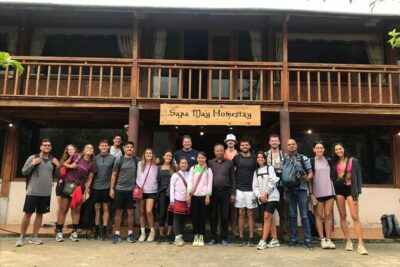
Sapa 3 Day 2 Night Trekking With Hotel & Homestay
Read our review →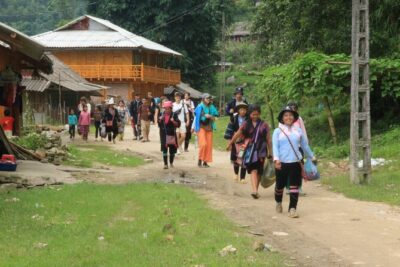
Sapa 2 Days 1 Night Overnight At Local Homestay
Read our review →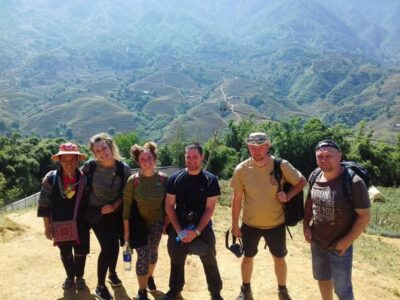
2-Day Trekking Trip with Ethnic Minority Homestay
Read our review →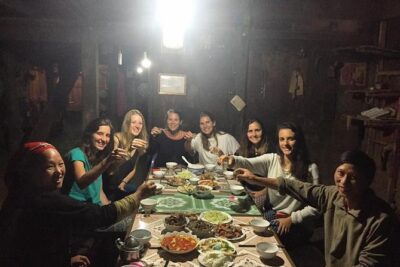
2-Day Trek & Heartwarming Homestay with an Ethnic Family
Read our review →Browse the lists this trek appears in