
Review · INDONESIA
From Bali: 3-Day Mount Bromo & Mount Ijen Trek
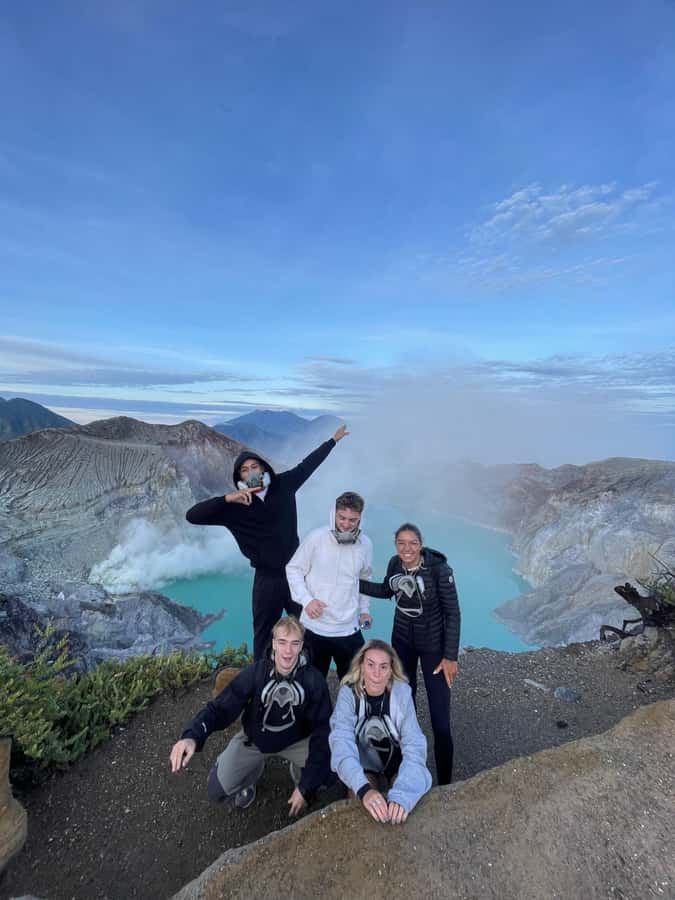
Seeing Ijen’s blue flames at the bottom of a volcanic crater, then watching sunrise over Mount Bromo the next morning, gives this trip its real punch. You leave Bali behind, cross to Java by ferry, and spend three days moving through two of Indonesia’s most dramatic volcanic areas.
I like the way the price of $246 per person covers the awkward pieces: car, ferry, jeep, homestays, meals, local guides, masks, and headlamps. I also like the human side of the trip. Guides and drivers such as Miftah, Taslim, Hardi, Sole, and Rafa have been praised for good humor, care, local stories, and help on steep or slippery sections.
The catch is the schedule. Midnight wake-up calls come on two consecutive nights, and the route includes long drives, a five-hour Ijen hike, cold mornings, uneven ground, and very little spare time. This is not a relaxed Java holiday. It is a focused volcano trip for people who can handle early starts and rough roads.
Key Points Before You Book
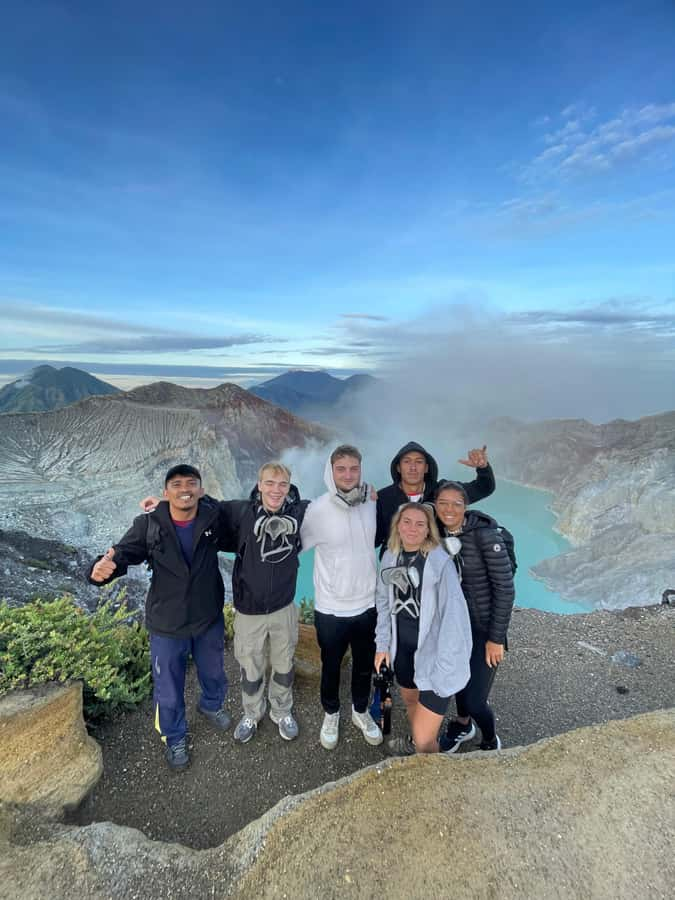
- Ijen begins around midnight: You need to be ready for a long night trek, cold air, and a descent toward the blue flames.
- Bromo is reached by 4×4 jeep: The jeep handles the major access, but you still walk over uneven volcanic ground to see the crater.
- The Bali to Java crossing takes time: Your first day includes the drive to Gilimanuk, the ferry to Banyuwangi, meals, and a transfer to your homestay.
- The guide team matters: Local guides such as Hardi, Sole, and Rafa may assist with the volcano walks, while drivers such as Miftah and Taslim handle the road sections.
- The tour ends in East Java: Drop-off is available in Banyuwangi, Malang, or Surabaya, with Surabaya listed as the finish point for the main route.
- Cold-weather gear is essential: Bring comfortable shoes, warm clothing, a jacket, and water. Masks and headlamps are supplied for the Ijen trek.
Why This Two-Volcano Route Works
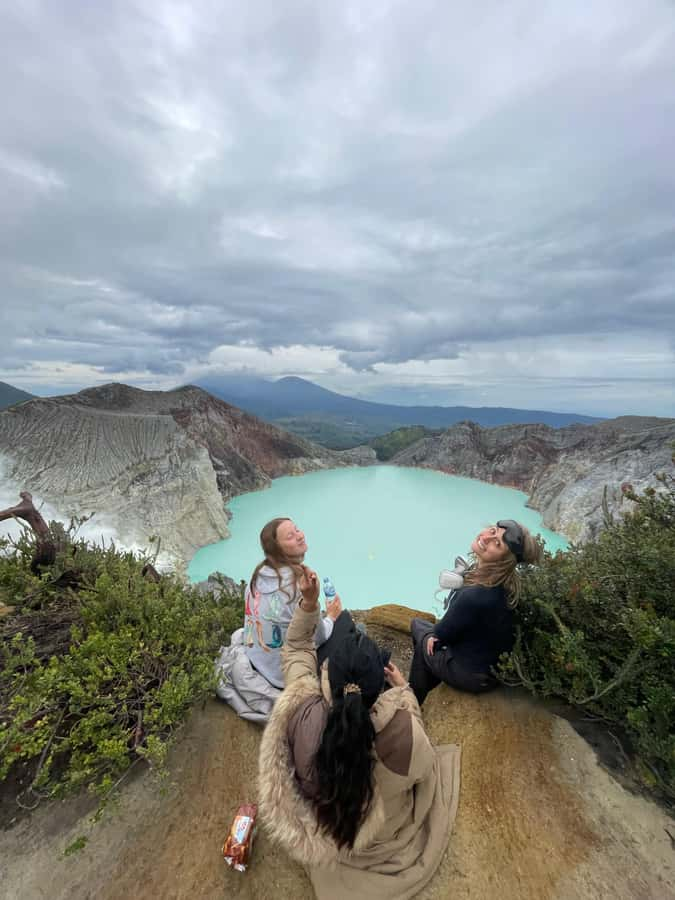
Mount Bromo and Mount Ijen offer different kinds of volcanic drama. Bromo is the broad, cinematic sunrise experience, with a jeep ride and a walk toward an active crater. Ijen is more physical and more unusual, with a night climb and the chance to see blue flames below the crater rim.
Putting both into one trip makes sense if you are already in Bali and want to add Java without arranging several separate transfers. You cross by ferry, sleep near Ijen, continue overland toward Probolinggo, then finish with Bromo before heading to your chosen East Java destination.
I would not call this an easy add-on. The route is packed, and the timing is built around nature rather than comfort. Traffic can delay the drives, especially on weekends, and sunrise viewing times may be limited when access roads become crowded. Still, the route gives you a lot for three days, particularly if volcanic scenery is high on your list.
A few more treks around Indonesia worth a look
- 3-Day Ethical Orangutan Jungle Trek | Bukit Lawang, Sumatra
★ 5.0 · 401 reviews - Monkey Business 3 days – 2 nights Jungle trekking (including rafting)
★ 5.0 · 294 reviews - Rinjani Trekking 3D2N Summit
★ 4.5 · 85 reviews
Day One: Canggu to Banyuwangi by Car and Ferry
The journey begins with pickup in Bali, with Canggu listed as the pickup location. You drive toward Gilimanuk, at Bali’s western end, and board a ferry for Banyuwangi on Java.
This first day is mainly about positioning yourself for Ijen. The ferry crossing breaks up the road journey, but the day remains long. After arriving in Banyuwangi, you stop for lunch or dinner, then continue to a homestay.
I like having the transport arranged for this section. The Bali to Java route involves more than simply booking a boat. You need a car to reach the port, a ferry crossing, and another transfer on the Java side. A driver such as Miftah may also add useful context along the way. One recent itinerary included explanations about Java’s history during the drive, which gives the long road section more purpose.
Do not expect a sightseeing day in Bali or Banyuwangi. The value here is practical: you reach the right area without having to coordinate the crossing yourself. If you are prone to motion sickness, pack accordingly and keep water close. No special ferry details are provided, so the exact crossing conditions and waiting time can vary.
The homestay is a functional overnight stop before the Ijen climb. You will want to eat, organize your clothes, and sleep as soon as possible. The wake-up call comes around midnight.
Day Two: Ijen’s Night Climb and Blue Flames
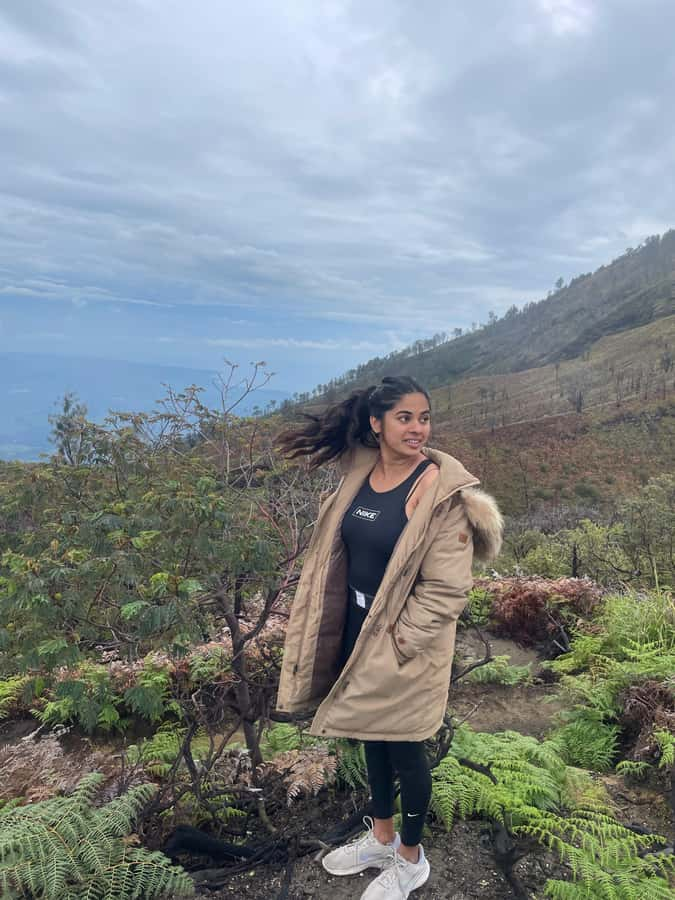
The second day is the hardest part of the trip. You leave your homestay around midnight and drive to Mount Ijen. At the trail area, you receive a snack, coffee, and tea before meeting your local trekking guide.
The included headlamp is important because the trek starts in darkness. Masks are also provided. You should still bring warm layers, since Ijen is cold before sunrise, and sturdy shoes with a good grip. The tour specifically requires physical fitness, and the full Ijen section is listed at about five hours.
The walk takes you toward the crater and then down toward the blue flames. This is the unusual part of the tour. The blue light appears at the bottom of the crater, making the night trek feel very different from a standard sunrise hike. Afterward, you return to Paltuding, the starting area, and continue by car.
A local guide can make a real difference here. Guides named Sole and Hardi have led this portion, with Hardi helping on a slippery descent and taking photos and videos when the weather reduced visibility. That tells you something useful about the service: the guide is not simply walking ahead. You may receive help with footing and practical support when conditions turn poor.
Weather is a serious factor. Even with clear plans, you may not get a perfect view of the flames or sunrise. The second morning can bring cold, mist, or limited visibility. I would book this section for the experience of the climb and the chance to see the blue flames, not with the assumption that every view will be guaranteed.
After Ijen, you return to the homestay, check out, and begin the long drive toward Probolinggo. One account describes roughly six hours on the road to the Bromo area. That transfer is the main drawback of the day. You have already completed a night hike, yet the route still requires a substantial drive.
The stop in Probolinggo provides free time when you arrive, followed by another homestay night. Use that time wisely. Eat, prepare your jacket and shoes, and sleep. The next wake-up call is again around midnight, or around 1:30 a.m. for the Bromo departure in one recent schedule.
What the Ijen Trek Demands
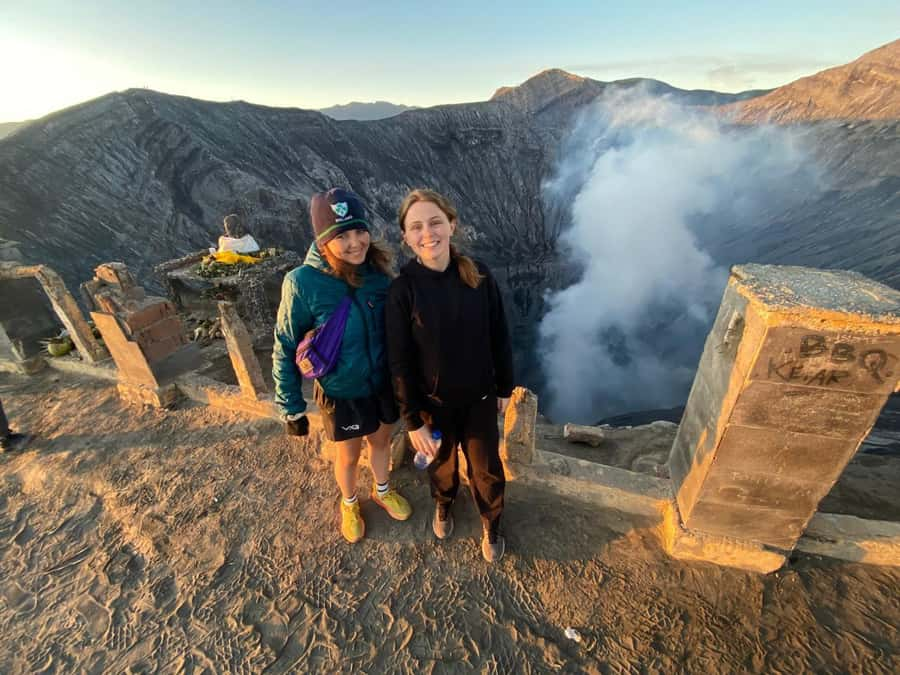
The Ijen walk is not just a short viewpoint stroll. It is a sustained trek in the dark, with a descent toward the crater and a return to Paltuding. You need reasonable stamina, steady footing, and comfort with early starts.
The tour is not suitable for children under 12, pregnant women, people with back problems, or people with respiratory issues. Those limits matter here, especially because the route combines cold temperatures, night walking, and a physically demanding trail.
Pack light but useful:
- Comfortable walking shoes
- Warm clothing and a jacket
- Water
- A small personal bag
- Any personal medication you need
Smoking is not allowed. The supplied mask and headlamp reduce the amount of equipment you need to carry, but they do not replace warm clothing or proper footwear.
Same trailhead, a different route:
- Bali: Mount Batur Sunrise Trek With Guide and Breakfast
★ 4.8 · 3,461 reviews - Mount Batur Sunrise Trekking Private All Inclusive
★ 5.0 · 906 reviews - Mount Batur Sunrise Trekking Private Tour with Breakfast and Hotel Transfer
★ 5.0 · 885 reviews - Private Mount Batur Sunrise Trekking Tour
★ 5.0 · 634 reviews
Day Three: Sunrise at Mount Bromo
The final day begins before dawn, with a jeep ride toward the sunrise point in Bromo Tengger Semeru National Park. This is where the trip changes character. After Ijen’s night trek and crater descent, Bromo gives you a more open, sweeping view from above.
You watch the sun come up over the volcanic area, then continue by jeep toward Mount Bromo’s crater. The route includes walking over uneven terrain, so you still need firm shoes. The jeep takes you through the Bromo area, but do not read that as a ride directly to the crater edge. You will get out and explore on foot.
A guide such as Rafa may accompany you around the crater and share local stories. Taslim has also handled the Bromo transfer and walked with the group to the viewpoint. The personal attention is a strong part of the experience, especially when the morning is cold and the schedule is tight.
Bromo is the more accessible of the two volcano stops, but the morning can still be tiring. You have already been awake through two demanding nights, and sunrise areas can become crowded. Traffic may slow the jeep transfers, and viewing time can be limited to keep vehicles moving.
After exploring the crater, you return to the homestay for breakfast and check out. The final drive takes you to Banyuwangi, Malang, or Surabaya, depending on the agreed drop-off. Surabaya is the listed finish point, making this route useful if you plan to continue from East Java rather than return to Bali.
Guides, Drivers, and the Human Side
This trip uses several people rather than one guide for every section. That is normal for a Bali to Java volcano route, since different drivers and local trekking guides handle different areas.
Miftah has been responsible for the Bali pickup and the transfer toward Ijen. Taslim has handled the three-day driving and the Bromo section. Hardi and Sole have guided the Ijen trek, while Rafa has guided the Bromo crater walk. Names can change with availability, but the structure is clear: you get local support at the points where it matters most.
The strongest personal details are simple ones. A guide helped prevent a slip on the way down Ijen. Another shared jokes and language exchanges, with French and Indonesian words traded during the climb. Drivers also shared stories about Java during the long road sections.
That human contact helps offset the amount of time spent in a car. You are not just being moved between volcanoes. You have a chance to ask questions and learn about the region, though the depth of that experience will depend on the guide assigned to your departure.
What $246 Covers, and What It Does Not
At $246 per person, the tour is not the cheapest way to see one volcano. The value becomes clearer when you count the moving parts. The price includes a car from Bali, the ferry, transfers across Java, 4×4 jeep transport at Bromo, homestay accommodation, meals, a local trekking guide, a pre-trek snack, coffee, tea, masks, and headlamps.
Arranging those elements separately would take time, especially when the schedule depends on a midnight start and a precise transfer between regions. The included meals also make sense on a route where you may be leaving before normal breakfast hours.
The price does not cover personal expenses. Bring money for anything outside the included meals and transport. The package is strongest for someone who values convenience and wants a single plan from Bali through to East Java.
I would compare the price with your own tolerance for long transfers. If you only want a gentle volcano outing, $246 may feel high because the trip takes three full days and includes rough hours. If you want both Ijen and Bromo without organizing the ferry, drivers, homestays, and jeep yourself, the package has solid practical value.
Who Should Book This Trip
I would choose this experience if you want two major volcano areas in one concentrated itinerary and you are comfortable sacrificing sleep for the views. It suits active adults, couples, friends, and solo bookers who prefer having transport and local guides arranged.
It is also a good match if you are finishing in East Java. The option to leave the route in Banyuwangi, Malang, or Surabaya gives you more flexibility than a simple return-to-Bali excursion.
I would be cautious if you have respiratory problems, back problems, limited mobility, or difficulty walking on uneven ground. The tour is also a poor fit for anyone who dislikes cold mornings, night hikes, long drives, or changing vehicles.
The schedule may work better for you if you treat it as an adventure transfer rather than a restful break. Bring patience for traffic, keep your expectations flexible when weather changes, and use every available hour between activities for sleep.
Booking Flexibility and Practical Notes
You can cancel up to 24 hours in advance for a full refund, and the reserve-now, pay-later option keeps the immediate cost lower while your plans settle. Starting times depend on availability, so check the schedule carefully before committing to flights or onward transport.
English and Indonesian are the listed guide languages. If you need another language, do not assume it is available.
The most important preparation is physical and practical. Wear shoes that can manage uneven volcanic ground, bring a jacket for Ijen and Bromo before sunrise, carry water, and keep your personal belongings compact. You should also expect traffic delays, particularly on weekends.
Should You Book the Mount Bromo and Mount Ijen Tour?
Book it if you want blue flames at Ijen and sunrise at Bromo in one tightly organized route from Bali. The included ferry, car, jeep, homestays, meals, equipment, and guides remove much of the planning work, while the local team can add warmth and help when the trail gets difficult.
Skip it if you need long nights, slow mornings, or guaranteed clear weather. The two midnight starts, five-hour Ijen trek, long Java transfer, and uneven Bromo walk are real demands.
For fit visitors who accept the schedule, this is a high-impact three-day trip with strong value and memorable variety. Go prepared for cold, darkness, road time, and a little exhaustion, and the volcanoes should reward the effort.
FAQ
Where does the tour start?
Pickup is available in Bali, with Canggu listed as the pickup location.
How do I travel from Bali to Java?
You travel by car to Gilimanuk, board a ferry to Banyuwangi, then continue by car to the homestay near Ijen.
How long is the Ijen hike?
The Ijen hiking section is listed as approximately five hours.
Can I see blue flames at Mount Ijen?
The itinerary includes a descent toward the bottom of the Ijen crater to see the blue flames, followed by a return to Paltuding. Weather can affect visibility.
Is transport included?
Yes. The package includes transportation by car, ferry, and jeep.
Where does the tour finish?
The listed finish point is Surabaya. Drop-off can also be arranged in Banyuwangi or Malang.
What should I bring?
Bring comfortable shoes, warm clothing, a jacket, and water. Masks and headlamps are provided for the trek.
Just added around Indonesia
- Mount Batur Trekking & Hot Spring in Kintamani★ 5.0 · 23 reviews
- Rinjani Trekking 2D1N Senaru crater rim★ 5.0 · 6 reviews
- Ijen Blue Fire Trekking★ 5.0 · 44 reviews
- Sunrise Trekking At Sunan Ibu Kawah Putih★ 5.0 · 2 reviews
- Mount Agung Sunrise Trekking Private Tours★ 5.0 · 11 reviews
- volcano hike and jungle trekking adventure★ 5.0 · 36 reviews
- Sidemen rice terraces trek and local village walk★ 5.0 · 41 reviews
- Trekking Mount Rinjani 2D/1N To Second Summit★ 5.0 · 2 reviews
3-Day Experiences, compared.
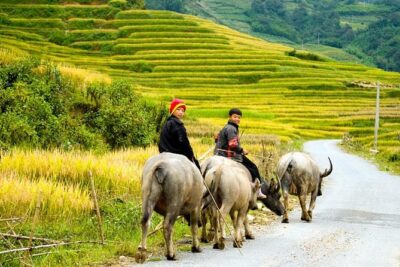
Sapa 3 Days 2 Nights Trekking Tour (1 Night In Ta Van Village, 1 Night In Hotel)
Read our review →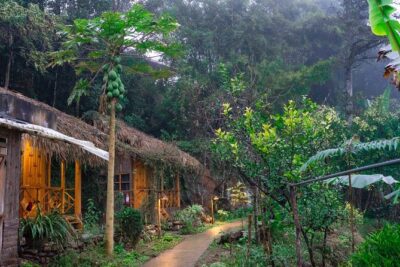
3-Day Trekking Adventure of Sapa from Hanoi – Stay Ta Van Village
Read our review →
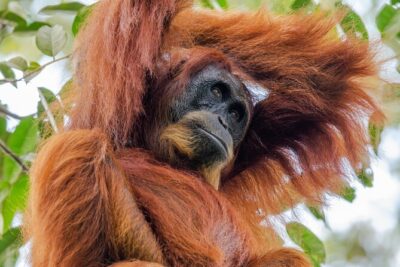
3-Day Ethical Orangutan Jungle Trek | Bukit Lawang, Sumatra
Read our review →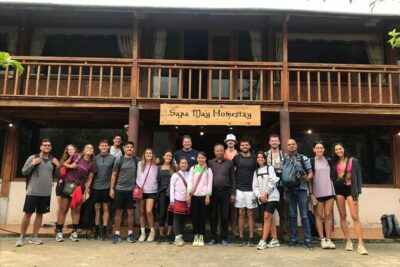
Sapa 3 Day 2 Night Trekking With Hotel & Homestay
Read our review →
Monkey Business 3 days – 2 nights Jungle trekking (including rafting)
Read our review →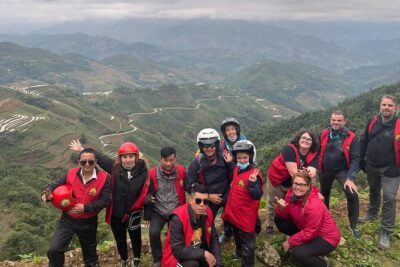
3 Days Small Group Trekking And Motorbike Combine + Private room
Read our review →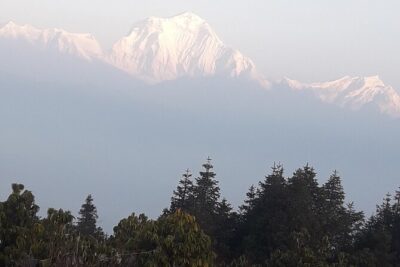
Browse the lists this trek appears in